Summer Kitchen Ideas for Outdoor Cooking
When the days grow long and the heat lingers into the evening, the backyard often becomes the most inviting room in the house. Yet many homeowners find that their outdoor spaces lack the functional focus of an indoor kitchen. The good news is that a few thoughtful design choices can turn a simple patio into a summer kitchen where grilling, baking, and entertaining feel as natural as breathing. Below are seven ideas that blend practical cooking needs with the relaxed atmosphere of an outdoor setting, each explained with enough detail to help you picture the result and plan the execution.
1. Build a Dedicated Grill Island
Imagine a sturdy island centered on the patio, its surface a smooth slab of river‑rock or polished concrete, and a stainless‑steel grill set into a recessed opening. The island creates a clear focal point, defining the cooking zone while keeping traffic flow around it orderly. By choosing a material that weathers well—such as a composite deck board with a non‑slip finish—you protect the work surface from rain and sun without sacrificing style. Under the countertop, shallow cabinets can hold grilling tools, spice jars, and fire‑proof gloves, keeping everything within arm’s reach. Overhead, a low‑profile LED canopy provides illumination after dark and shields the grill from sudden showers. The trade‑off is the space requirement; a full island needs at least eight feet of width, so it works best on larger decks or patios with open sight lines.
2. Add a Brick Pizza Oven Nook

Photo by Cansu Hangül on Unsplash
A compact, dome‑shaped pizza oven built from fire‑brick or refractory stone adds both culinary excitement and visual weight to the outdoor kitchen. The oven’s thick walls retain heat, allowing you to bake a crisp crust in under five minutes. Position the oven against a garden wall or within a shallow alcove, and surround it with a low counter made of reclaimed wood for a rustic contrast. A pair of bar‑height stools invites guests to watch the dough rise and turn golden, turning cooking into a shared experience. Proper ventilation is essential; a vented chimney directs smoke away while a small, heat‑resistant glass panel lets you monitor the fire. Maintenance involves occasional brushing of ash and a yearly seal of the brick to guard against moisture, a modest commitment for the flavor it delivers.
3. Install Weather‑Resistant Bar Seating

Photo by Pew Nguyen on Unsplash
Comfortable seating encourages lingering conversations long after the food is served. A bar built from teak—known for its natural oils that repel water—or powder‑coated steel provides a durable base that tolerates humidity and UV exposure. Pair the bar with cushions upholstered in solution‑dye polyester in a muted sage or soft terracotta; these fabrics resist fading and mildew, making them suitable for outdoor use. Adding a built‑in umbrella well or a retractable canopy above the bar protects guests from sudden rain and harsh midday sun. Beneath the seating, shallow drawers can store coasters, napkins, and small plates, reducing clutter on the tabletop. The main consideration is that heavy cushions may require occasional cleaning, but the comfort gain often outweighs the upkeep.
4. Integrate a Refrigeration and Prep Station

Photo by Sebastian Monroy on Unsplash
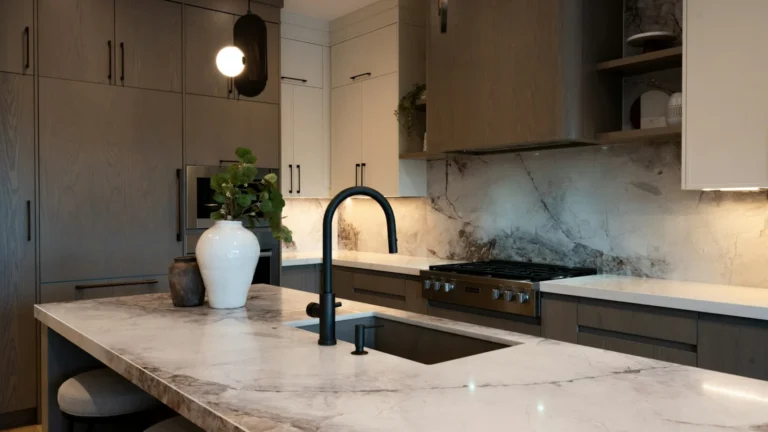
Keeping beverages and perishables close at hand eliminates repeated trips to the indoor kitchen. A compact, energy‑efficient mini‑fridge can be recessed into a countertop made of honed marble or quartz, offering a cool surface for rolling dough and a sleek backdrop for cutting boards. Adjacent to the fridge, a narrow prep sink with a stainless‑steel faucet provides a place to rinse vegetables without splashing onto the deck. Electrical wiring should be routed through a weather‑proof conduit, and a GFCI outlet installed to meet safety codes. While the initial cost of a built‑in unit is higher than a freestanding cooler, the streamlined look and reduced foot traffic make the space feel more like a true kitchen.
5. Layer Ambient Lighting for Mood and Safety
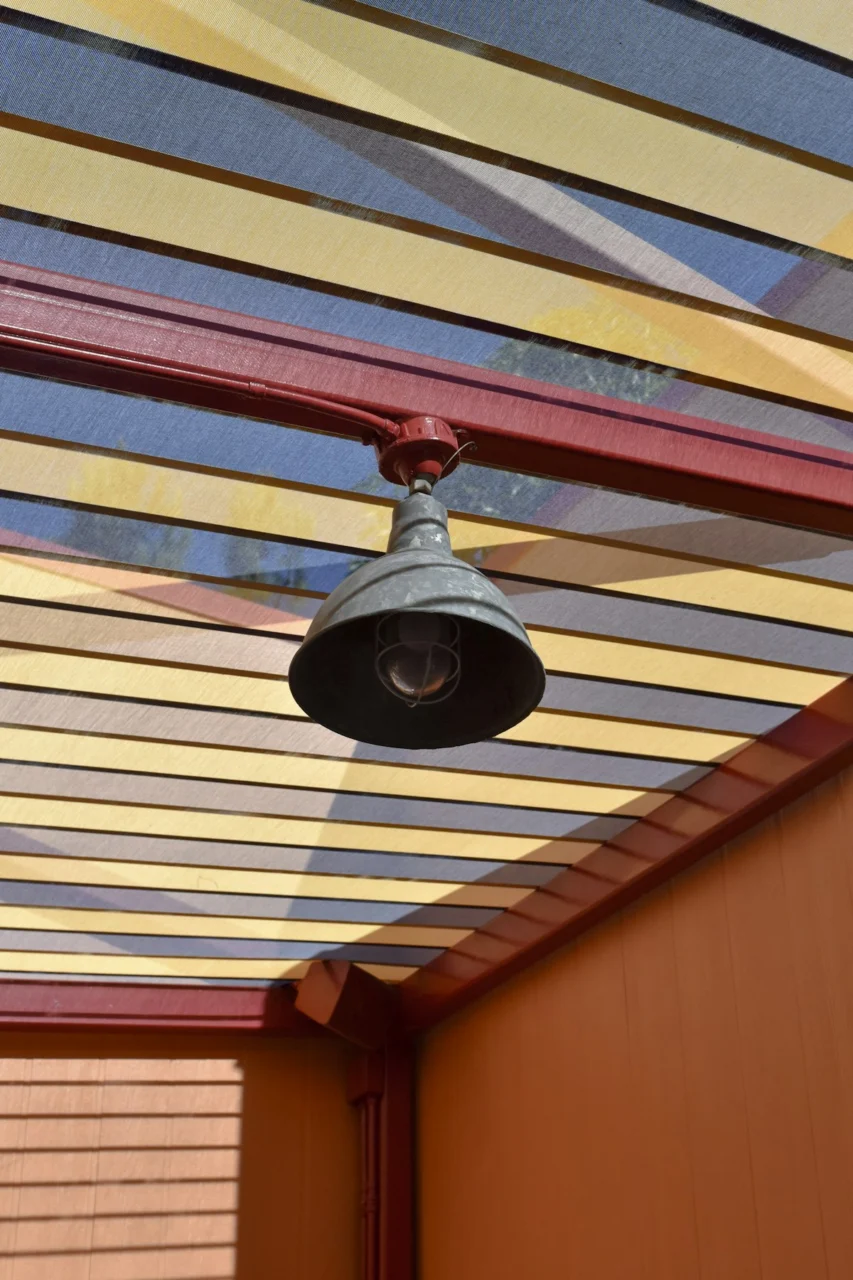
Photo by Anderson Djumin on Unsplash
Lighting does more than illuminate; it sets the tone for evening gatherings. Begin with recessed downlights hidden in the ceiling of a pergola, casting a soft wash over the cooking area without glare on the grill’s burners. Complement these with pendant lamps hung over the bar, their amber glass diffusing a warm glow that highlights the texture of the wooden counter. For a playful touch, drape solar‑powered string lights across the surrounding trees, allowing the pattern to shift as the night deepens. Installing a dimmer switch lets you adjust brightness as the sun sets, ensuring that the space remains functional for chopping and safe for moving around. The only drawback is the need for a reliable power source; solar options reduce wiring but depend on sufficient daylight for charging.
6. Blend a Herb Garden Into the Cooking Zone
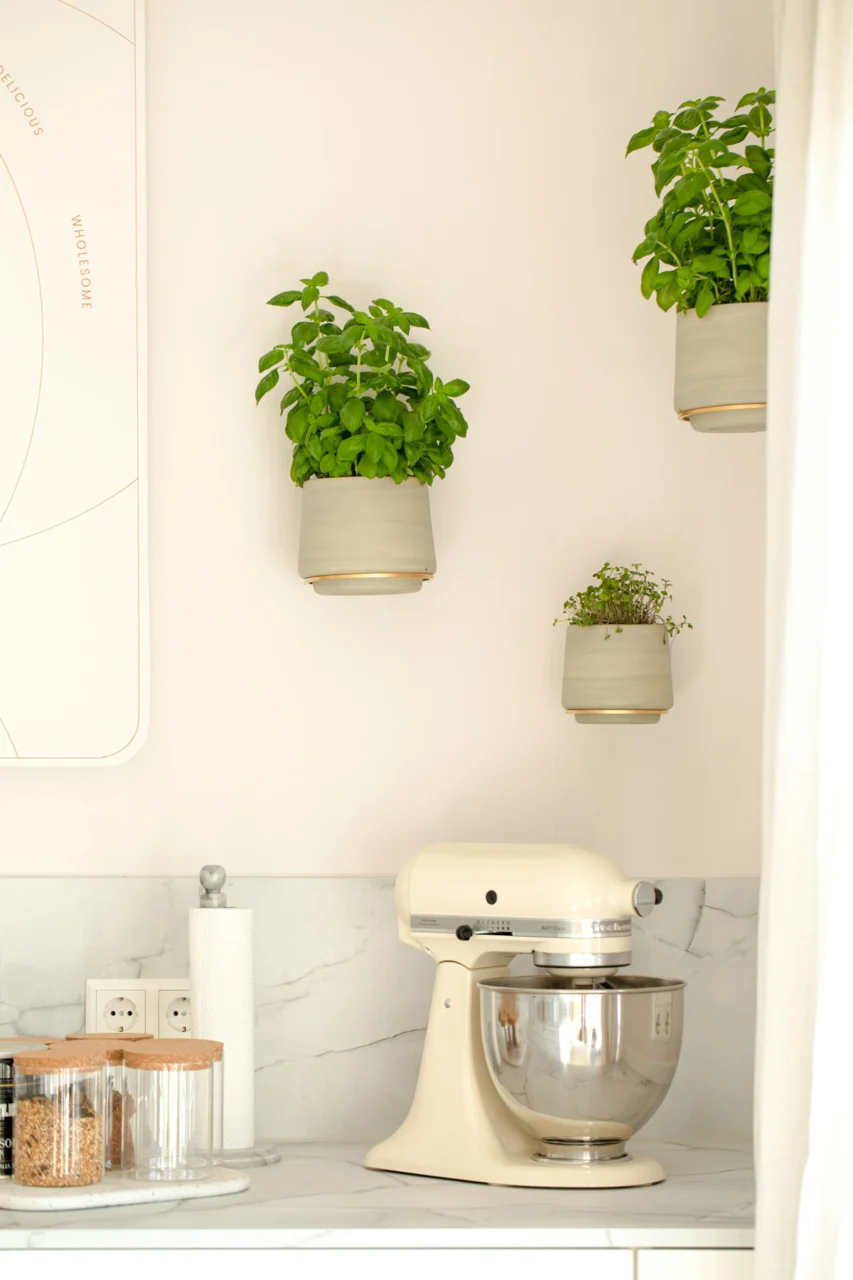
Photo by Bakd&Raw by Karolin Baitinger on Unsplash
Fresh herbs within arm’s reach transform ordinary dishes into aromatic delights. A vertical planter system mounted on the side of the grill island can hold pots of basil, rosemary, and thyme, each labeled with a small slate tag. The raised design keeps the soil from spilling onto the cooking surface while allowing sunlight to filter through the leaves. Choose containers made of glazed ceramic to prevent water seepage, and line the base with a tray that collects excess moisture for easy watering. Incorporating a small compost bin nearby encourages sustainable gardening, though it requires occasional turning to avoid odors. The integration of greenery adds a splash of color—deep green against the neutral stone—and a sensory layer that enhances the cooking experience.
7. Use Flexible Shade Structures
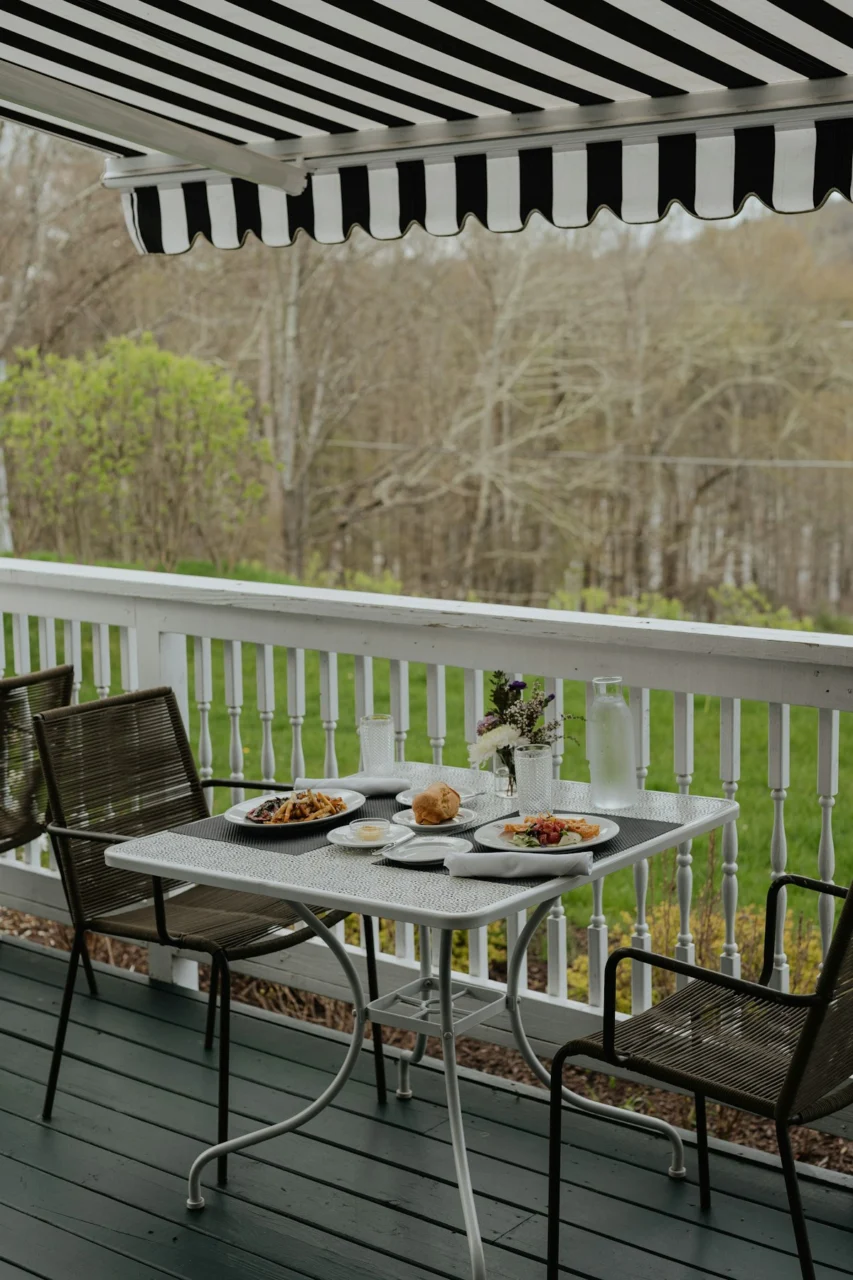
Photo by Clay Banks on Unsplash
Even on warm evenings, direct sunlight can become uncomfortable for both cooks and guests. A retractable awning, controlled by a simple crank or motor, offers the ability to shade the grill during peak heat and retract it for starlit dinners. If you prefer a more permanent solution, a pergola fitted with a removable fabric canopy in a light sand hue provides filtered light while allowing airflow. The structure can be anchored to the deck with stainless‑steel brackets, ensuring stability against wind. When the weather turns breezy, the canopy can be taken down to prevent flapping and potential damage. The primary limitation is the upfront investment; however, the adaptability it provides throughout the season often justifies the expense.
Frequently Asked Questions
How do I protect my outdoor grill from rain?
Cover the grill with a weather‑proof lid or install a small roof over the cooking island; both options keep moisture out while still allowing ventilation.
Can I install a pizza oven on a concrete patio?
Yes, as long as the concrete is reinforced and a heat‑resistant firebrick base is added to distribute the oven’s weight and temperature evenly.
What is the best material for outdoor countertops?
Materials such as honed marble, quartz, or concrete with a sealed finish resist stains and heat, making them ideal for outdoor prep surfaces.
Do I need a professional electrician for outdoor kitchen wiring?
All outdoor electrical work should follow local codes, and hiring a licensed electrician ensures safety, especially for appliances that draw significant power.
How often should I clean my outdoor kitchen furniture?
Wipe down surfaces after each use to prevent buildup, and give a deeper clean with mild soap and water every few weeks; cushions may need spot cleaning more frequently.

Final Thoughts
Designing a summer kitchen is less about adding every possible appliance and more about creating a cohesive space where cooking, dining, and relaxing flow together. By focusing on durable materials, thoughtful layout, and layered lighting, you can craft an outdoor area that feels both functional and inviting. Each of the seven ideas presented offers a distinct way to enhance your patio, whether you’re building a grand grill island or simply adding a few herb pots. Consider your available space, budget, and how you intend to use the area, then let the details guide you toward a summer kitchen that serves you well season after season.