Beautiful Landscaping Ideas for Any Yard
Many homeowners look at a plain yard and wonder how to turn it into a space that feels inviting without spending a fortune or committing to a massive overhaul. The good news is that thoughtful design choices—whether a simple border of plants or a modest water element—can reshape the atmosphere of even the smallest plot. Below are seven ideas that work in a range of climates, budgets, and garden sizes, each explained with practical steps and realistic considerations.
1. Layered Planting Borders
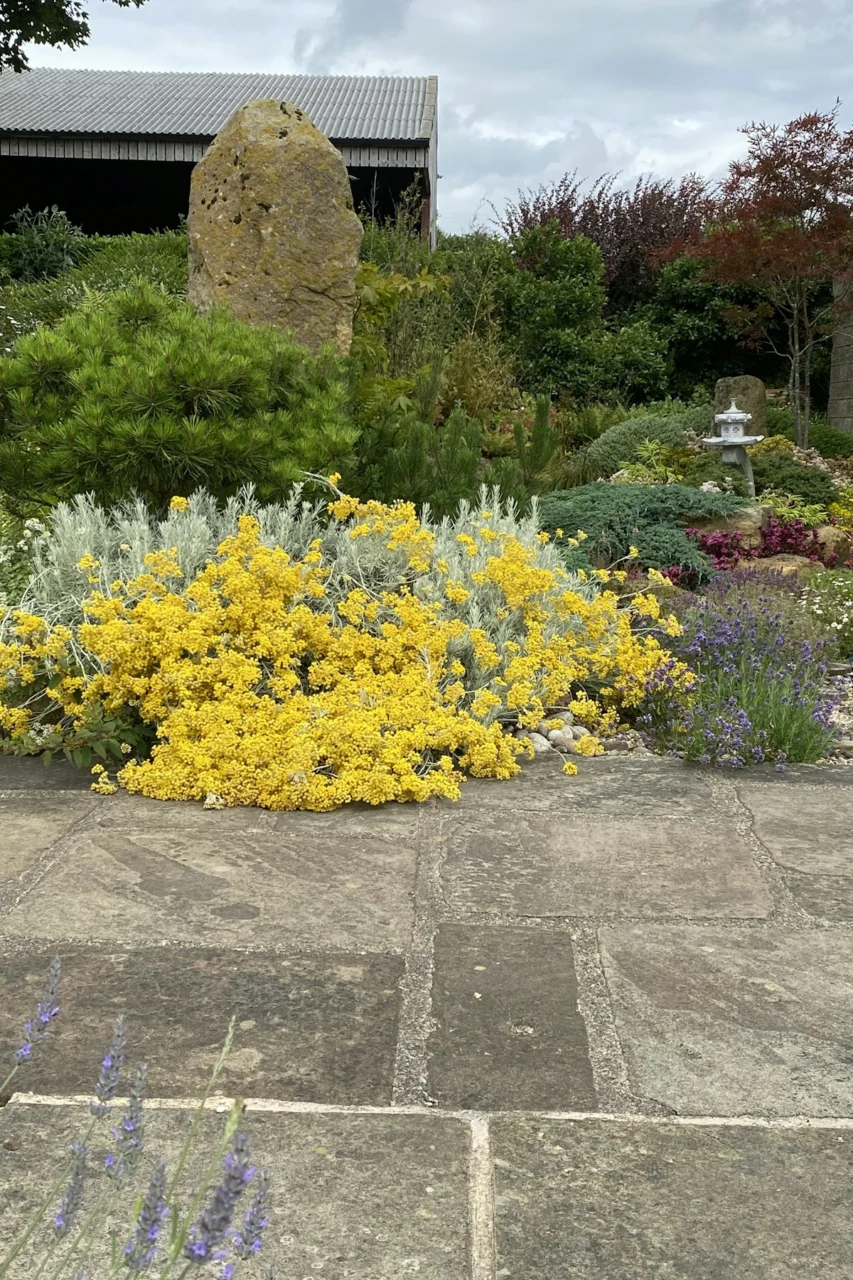
Photo by Diane Pilkington on Unsplash
Rather than a single row of shrubs, try arranging three or four tiers of vegetation that gradually rise in height. A low‑lying groundcover such as creeping thyme creates a soft carpet, followed by mid‑height perennials like lavender or ornamental grasses, and topped with taller ornamental shrubs such as dwarf lilac. This graduated effect adds visual depth and helps guide the eye along the perimeter of the yard. When planting, space each tier according to its mature spread to avoid crowding, and choose species with similar water needs to simplify irrigation. The trade‑off is that more varieties require a bit more initial planning, but the result is a border that feels curated rather than uniform.
2. Modest Water Feature

Photo by Mariyah Jacintha on Unsplash
A small, recirculating fountain or a shallow stone basin can introduce soothing sound without demanding a large footprint. Materials like river rock, reclaimed slate, or a simple concrete ring keep costs low while offering durability. Position the feature where it can be seen from a patio or seating area, allowing the gentle ripple to become a focal point. Because moving water can attract insects, consider adding a mild, plant‑safe sanitizer and schedule a monthly cleaning of the pump. The main limitation is the need for an electrical outlet or solar panel, but the ambiance it creates often outweighs the modest setup effort.
3. Outdoor Rugs and Textiles for Defined Seating
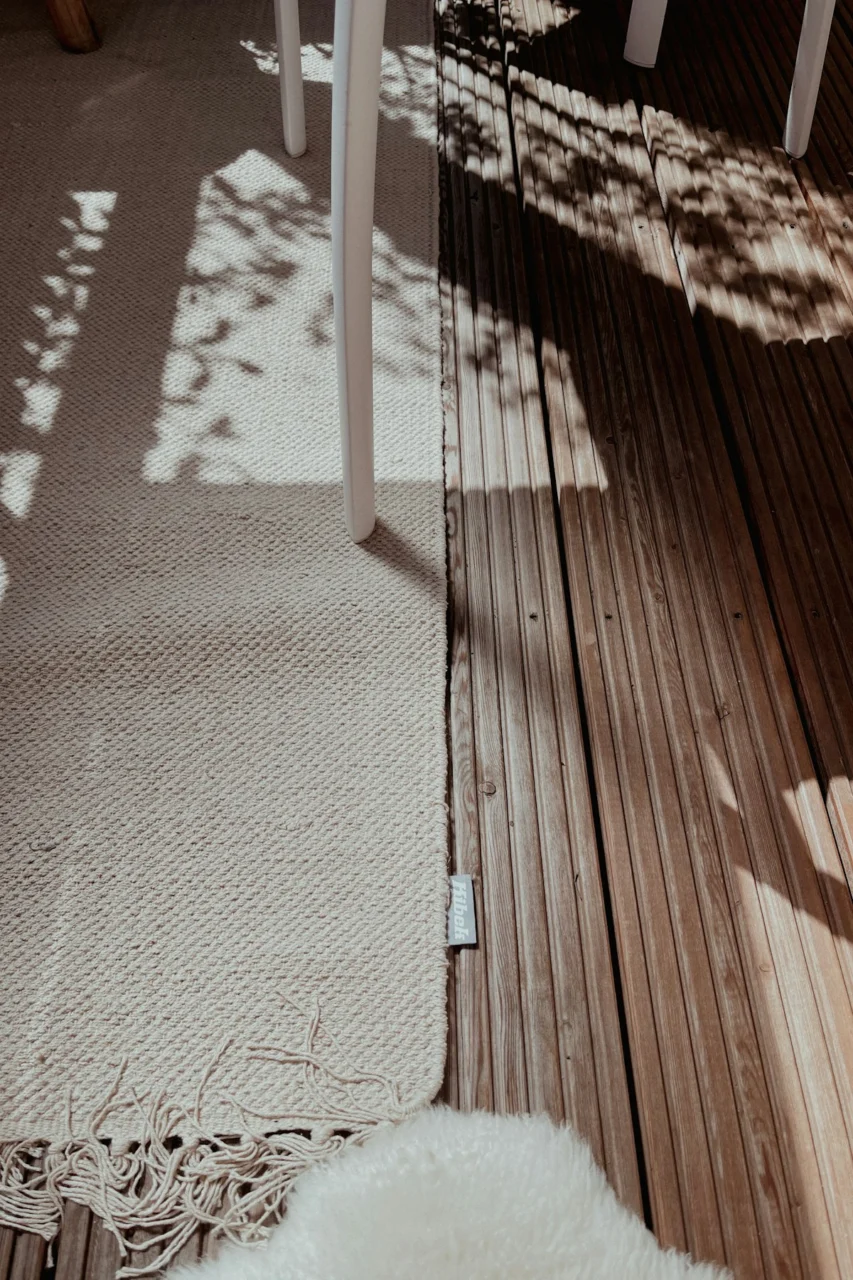
Photo by Laura Cleffmann on Unsplash
Just as indoor rooms benefit from rugs that delineate spaces, an outdoor rug can anchor a lounge set and add a layer of comfort underfoot. Look for fabrics made from polypropylene or recycled polyester; they resist fading and shed water quickly. Choose a color palette that complements the surrounding foliage—soft neutrals blend seamlessly, while a muted terracotta can echo warm garden walls. Pair the rug with weather‑proof cushions and a low coffee table to create a cohesive nook. One consideration is that rugs will need occasional shaking or vacuuming to keep debris from embedding, but the added sense of place makes the maintenance worthwhile.
4. Layered Lighting for Mood and Safety

Effective garden lighting combines ambient, task, and accent sources. Begin with low‑profile LED strip lights hidden along the edge of a walkway for gentle illumination. Add a pair of solar‑powered lanterns near seating to provide enough light for evening conversation without overwhelming brightness. Finally, spotlight a favorite tree or sculpture with a small directional fixture to create a point of interest after dark. When selecting fixtures, prioritize those with a weather‑resistant rating and a warm color temperature to keep the glow inviting. The downside is that solar lights depend on sufficient sun exposure, so a hybrid approach with wired fixtures ensures reliability on cloudy days.
5. Built‑In Storage Benches
Combining seating with storage solves two problems at once: you gain extra places to sit and a discreet spot for garden tools, cushions, or children’s toys. Construct a bench from pressure‑treated lumber or reclaimed cedar, leaving a hinged lid that opens to a shallow compartment. Position the bench against a fence or under a pergola to keep it sheltered from direct rain, extending the life of the wood. If you prefer a more contemporary look, opt for a concrete bench with a concealed metal box underneath. The primary trade‑off is the initial carpentry work, but the added functionality often justifies the effort.
6. Mixed Hardscape Textures
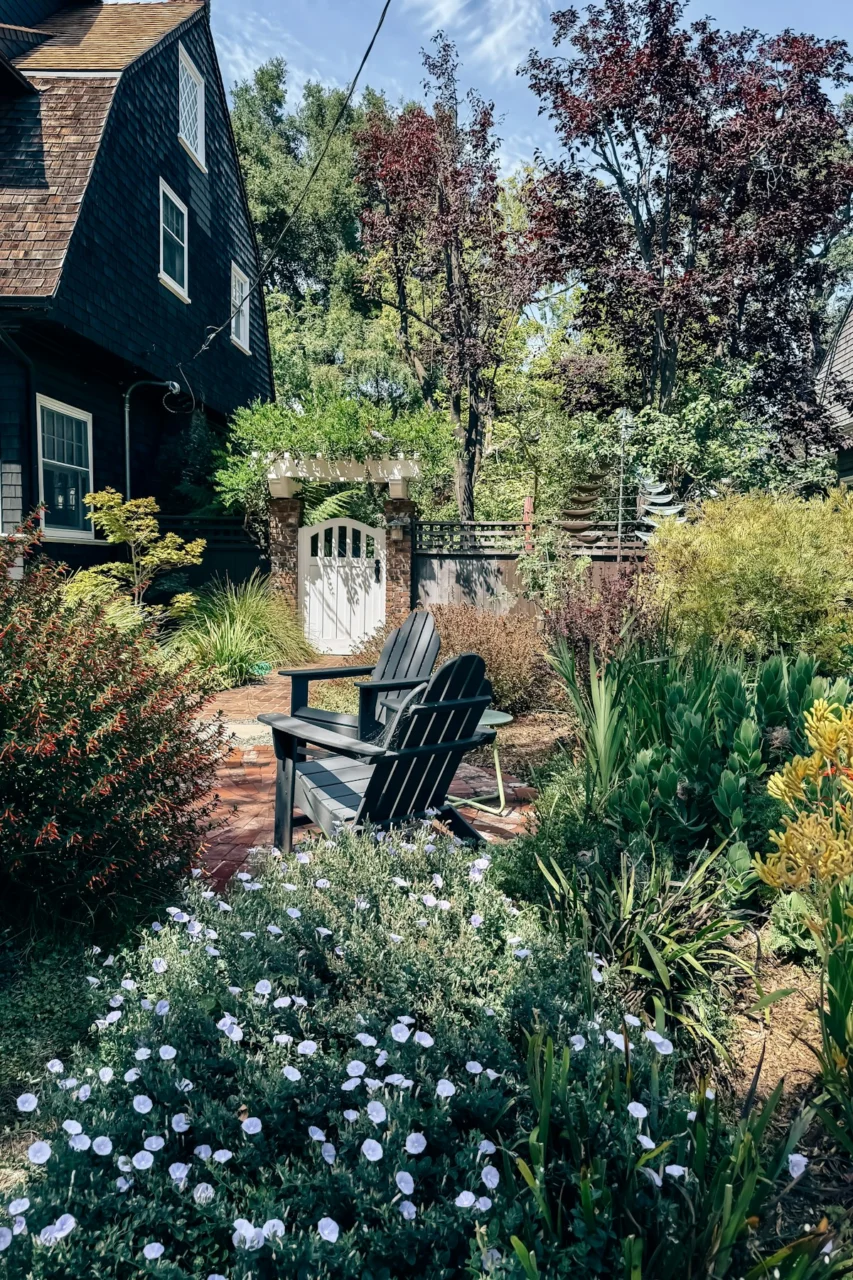
Photo by Amy Vosters on Unsplash
Walking on a single surface can feel monotonous; introducing a variety of textures adds intrigue underfoot. Lay a path of reclaimed brick interspersed with smooth river stones, then transition to a gravel bed near a planting area. Each material offers a different tactile experience and helps delineate zones without the need for additional walls. Choose stones that are flat and stable to prevent tripping, and use polymeric sand between brick joints to reduce weed growth. While mixing materials may increase the planning stage, the resulting mosaic of surfaces makes the yard feel larger and more thoughtfully designed.
7. Seasonal Garden Room or Pergola

Photo by Kateryna Ivanova on Unsplash
Adding a modest pergola or a simple garden room provides shade in summer and a framework for climbing vines that soften hard edges. A wooden pergola fitted with a retractable canopy allows you to control the amount of sunlight, while a lattice‑style garden room built from metal or treated timber can be draped with shade cloth during hot months. Planting wisteria, clematis, or grapevines on the structure creates a living roof that ages gracefully. Keep in mind that vines require regular pruning to prevent overgrowth, and a pergola will need occasional staining to protect against weathering.
FAQ
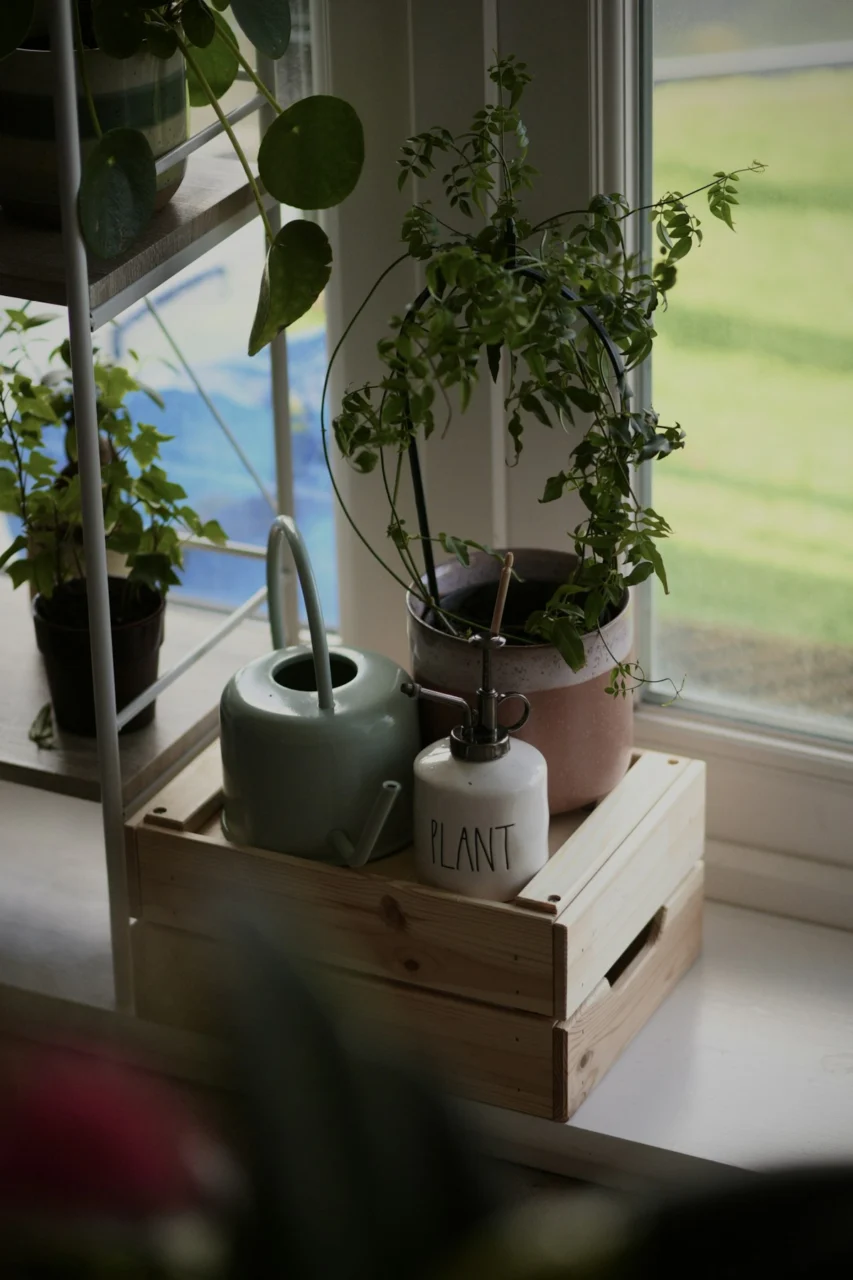
How often should I water new plants?
Newly planted shrubs and perennials typically need watering two to three times per week during the first month, depending on soil type and climate. After the roots establish, reduce frequency to once a week, ensuring the soil dries slightly between waterings to avoid root rot.
Can I add a fire pit to a small yard?
A compact, propane‑fueled fire pit works well in limited spaces because it produces less ash and requires no permanent venting. Place the pit on a non‑combustible surface such as a concrete pad and keep a safe distance from flammable plants.
What are low‑maintenance groundcovers?
Options like sedum, creeping thyme, and ajuga spread quickly, tolerate foot traffic, and need minimal watering once established. They also provide seasonal color and can fill gaps between larger plantings.
How do I choose lighting for safety?
Select fixtures with a wide beam spread for pathways and steps, and use motion‑sensor lights near entry points to illuminate the area only when needed. Ensure all outdoor lights carry a UL rating for moisture resistance.
Is it okay to plant directly on a concrete patio?
You can create planting pockets by cutting shallow depressions in the concrete and filling them with a lightweight soil mix. Adding a layer of gravel beneath improves drainage and reduces the risk of water pooling.
Final Thoughts
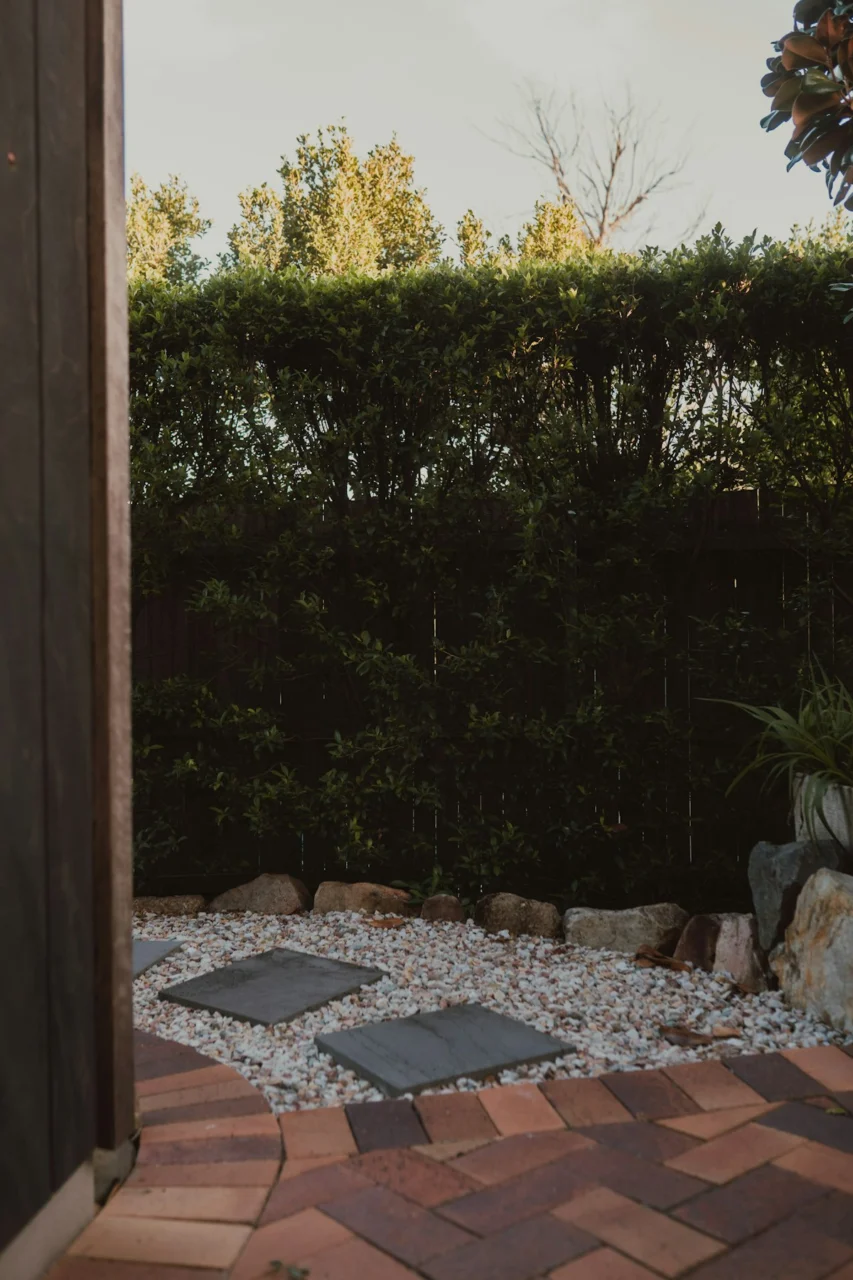
Photo by Grace Anne Bobadilla on Unsplash
Landscaping does not require a complete redesign to feel fresh; strategic updates—whether a layered border, a modest water element, or thoughtfully placed lighting—can transform a yard into a space that feels both functional and welcoming. By considering the specific conditions of your property, balancing aesthetics with maintenance, and embracing a few simple textures, you can create an outdoor environment that enhances everyday living and invites guests to linger.