
Garden Seating Ideas for Relaxing Outdoors
Ever stare at your backyard and feel there’s something missing? You’ve got the plants, the sunshine, maybe even a fire pit, but there’s no spot where you can truly unwind and soak in the fresh air. The good news is that a few thoughtful garden seating ideas for relaxing outdoors can turn any patch of green into a personal retreat. In this guide you’ll discover a range of options—from a simple pallet sofa to a built‑in bench with hidden storage—each with practical tips on materials, placement, and upkeep. Read on, pick a style that matches your space and budget, and start enjoying those lazy afternoons you’ve been dreaming about.
1. Hammock Hideaway: Swing Into Calm
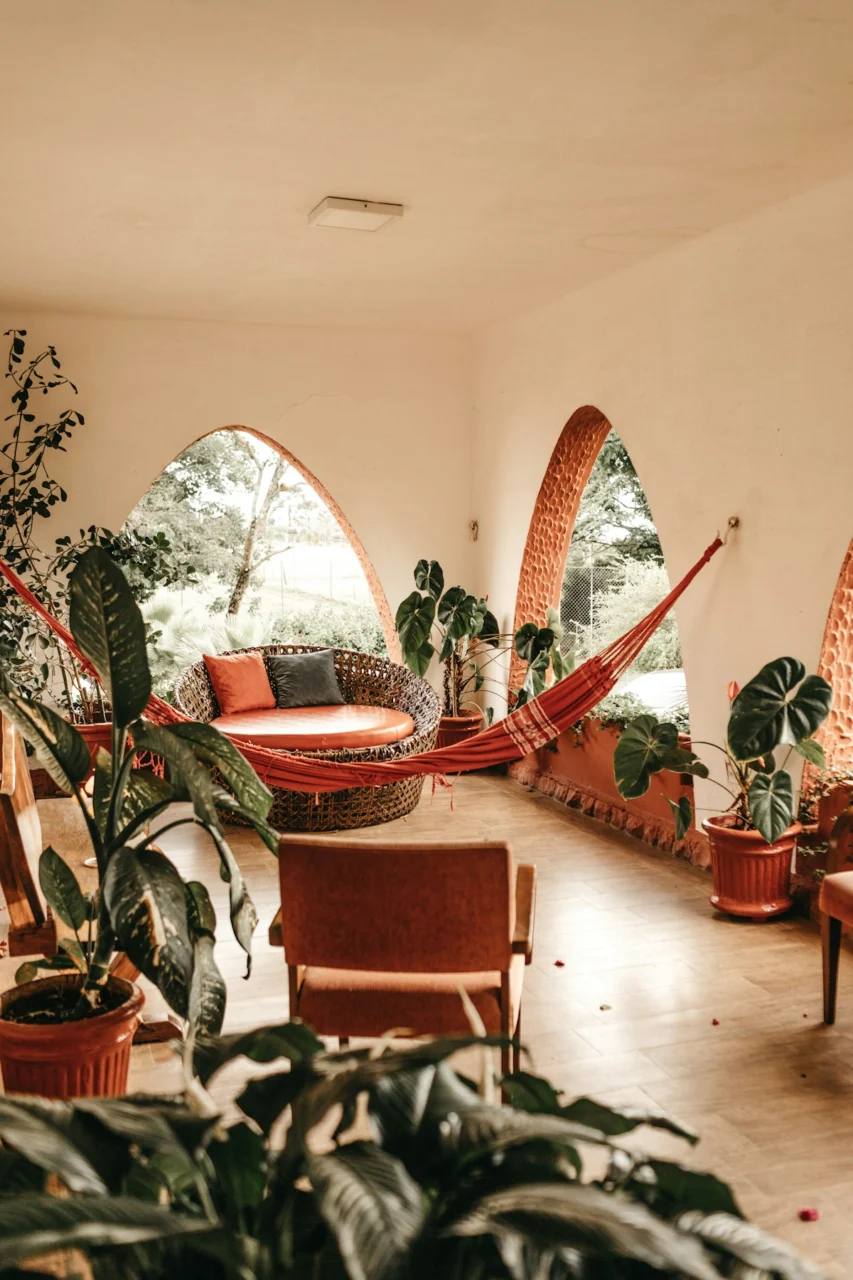
Photo by Jonathan Borba on Unsplash
A hammock instantly adds a laid‑back vibe and requires surprisingly little space. Choose a weather‑resistant fabric like Sunbrella and a sturdy frame if you lack sturdy trees. A freestanding frame lets you position the hammock wherever the sun hits just right, while a ceiling mount works well under a pergola.
Key considerations
- Weight limit: Check the rating; most hammocks hold 250‑300 lb comfortably.
- Mounting safety: Use lag bolts and a stud finder for tree installations; avoid weak branches.
- Seasonal care: Store the fabric in a dry place during winter or use a waterproof cover.
Tip: Add a couple of outdoor pillows and a lightweight throw for extra coziness on cooler evenings.
2. Built‑In Bench with Storage: Hide & Seek Comfort
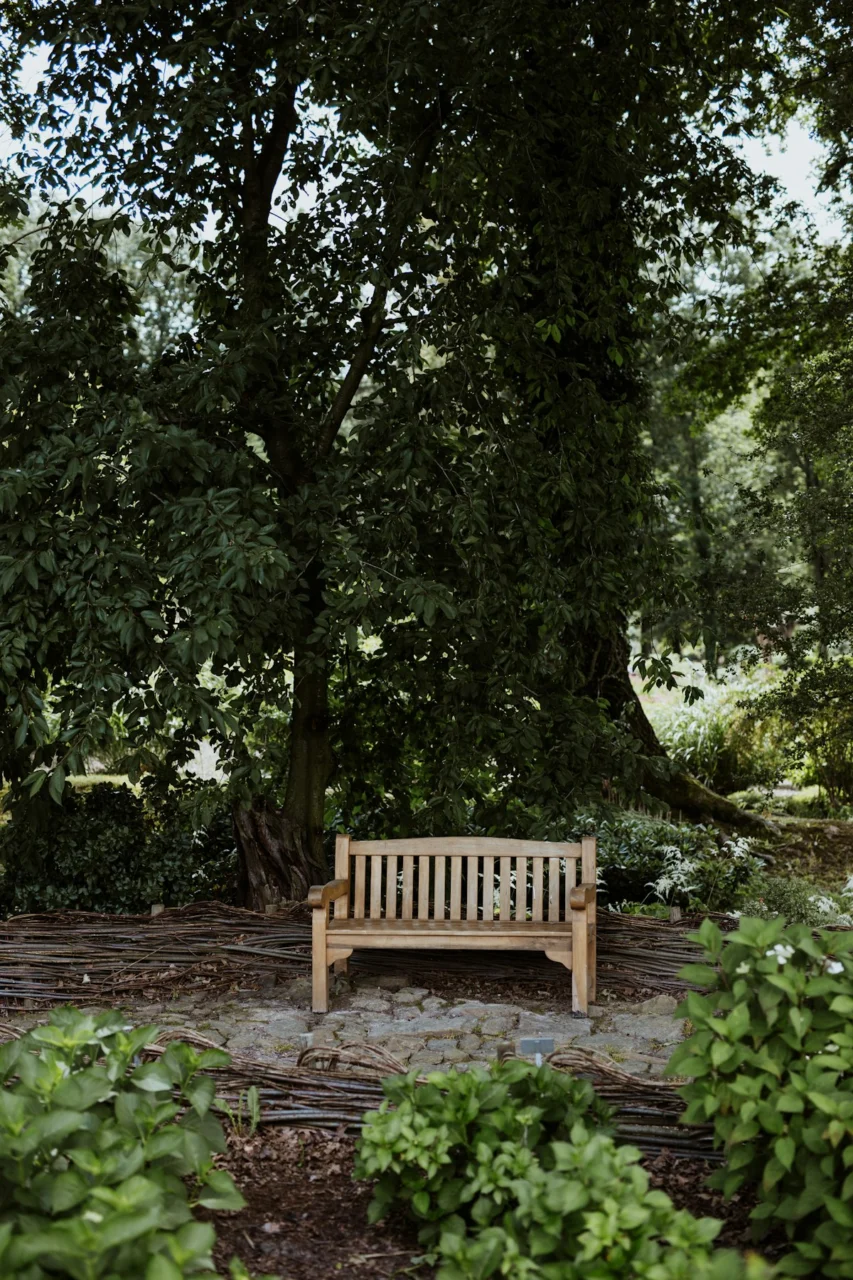
Photo by Katarzyna Korobczuk on Unsplash
Nothing says “homey” like a bench that blends into the garden’s architecture while offering hidden storage for cushions or gardening tools. Opt for cedar or pressure‑treated lumber; both resist rot and age gracefully. A simple design uses a low back, slatted seat, and a hinged lid for the storage compartment.
Design pointers
- Height: Aim for 18‑20 inches from ground to seat for easy sitting.
- Depth: 12‑14 inches provides enough room without feeling cramped.
- Finishing: Apply a matte, UV‑blocking sealant to protect against sun fading.
Pros include low maintenance and a tidy look; the main drawback is the need for a solid foundation—usually a concrete slab or compacted gravel.
3. Pergola‑Crowned Lounge Set: Shade Meets Style
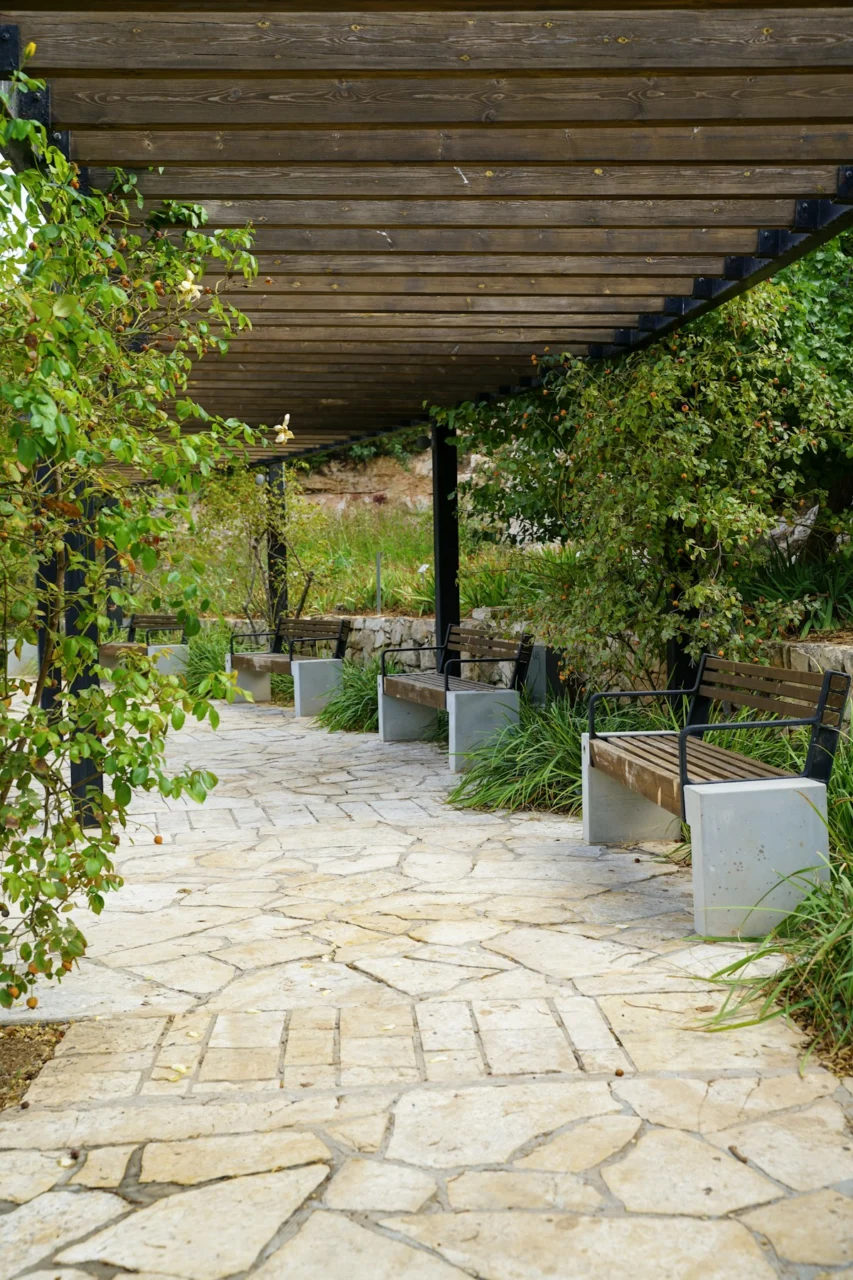
A pergola creates a defined outdoor room, and pairing it with a lounge set invites you to linger longer. Choose a modular sofa or a pair of deep chairs in a breathable, quick‑dry fabric. Adding drapes or bamboo blinds lets you control sunlight and privacy.
Practical tips
- Lighting: String LED lights across the rafters for a soft glow after dusk.
- Flooring: Lay outdoor rugs or a deck of reclaimed wood for added comfort.
- Ventilation: Ensure the pergola has open sides or adjustable louvers to prevent heat buildup.
While a pergola requires a larger upfront investment, its versatility—supporting climbing vines, hanging planters, or even a small outdoor bar—makes it a long‑term centerpiece.
4. Reclaimed Wood Swing Seat: Rustic Romance
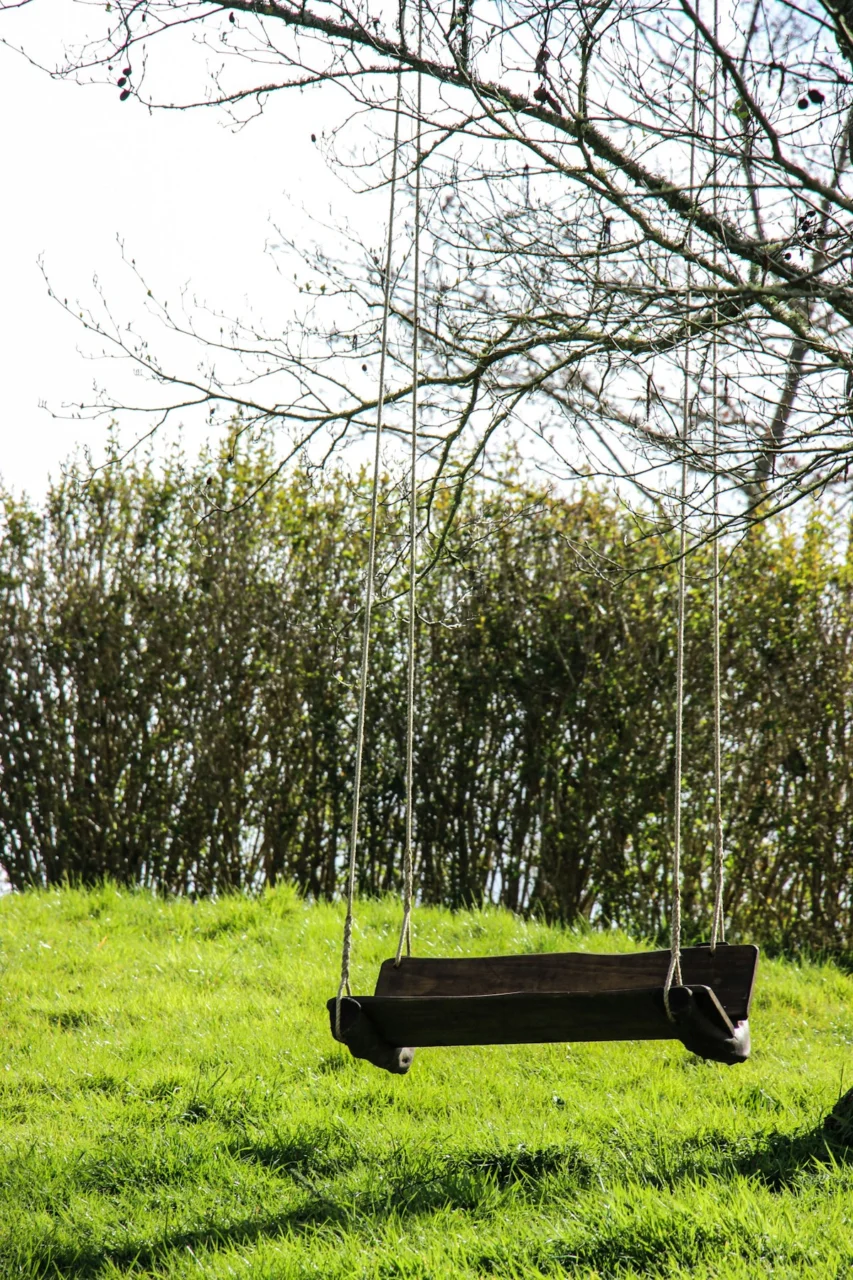
There’s something undeniably charming about a swing made from reclaimed barn wood. The weathered texture adds character, and the gentle motion encourages deep breathing. Secure the swing to a sturdy post set in concrete, or hang it from a robust pergola beam.
Installation checklist
- Weight distribution: Use a double‑rope system to balance the swing evenly.
- Finishing touches: Sand rough edges and apply a non‑toxic, water‑based sealant.
- Safety: Keep the swing at least 3 ft off the ground and away from low‑lying plants.
Because reclaimed wood varies in size and condition, expect a bit of DIY creativity—cutting, sanding, and fitting pieces together—but the result feels truly one‑of‑a‑kind.
5. Portable Rattan Chaise Lounge: Flexibility on Demand
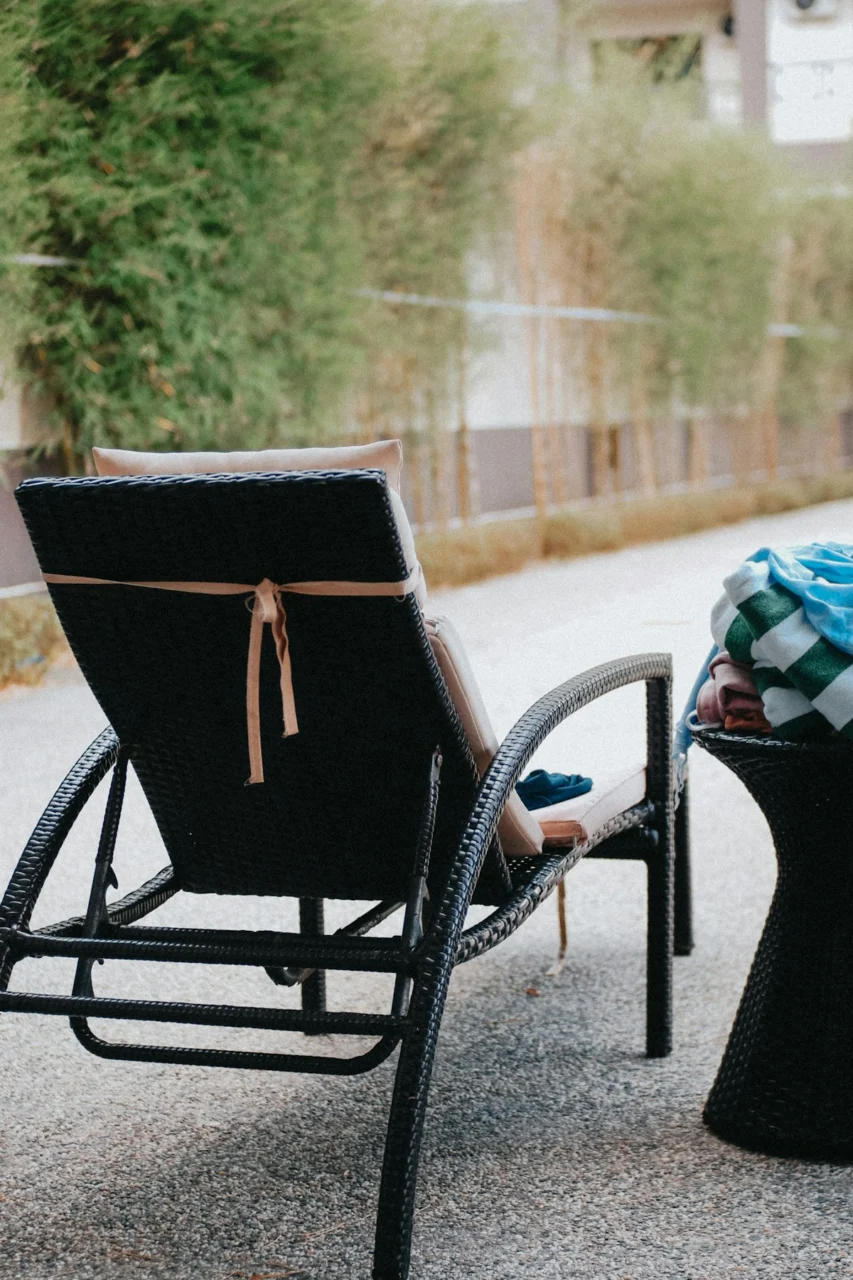
Photo by Joyce Romero on Unsplash
If you love the look of wicker but need something you can move around, a synthetic rattan chaise lounge is ideal. It’s lightweight, folds for storage, and resists moisture better than natural wicker. Pair it with a plush, water‑repellent cushion for all‑day lounging.
Choosing the right piece
- Frame durability: Look for aluminum or treated wood cores beneath the rattan weave.
- Cushion fill: High‑density foam retains shape, while a removable cover makes cleaning easy.
- Placement: Position near a garden path or pool edge for easy access.
Because it’s not fixed, you can rotate the chaise to follow the sun’s path, making it perfect for small gardens where flexibility matters.
6. Stone or Concrete Garden Seat: Minimalist Durability

A low stone slab or concrete bench offers a sleek, almost sculptural seating option. It blends seamlessly with landscaping, especially when surrounded by succulents or a gravel bed. Choose a textured finish to prevent slipping when wet.
Things to remember
- Size: A 4‑ft length and 12‑in depth accommodate two people comfortably.
- Installation: A level base of compacted sand or a poured concrete pad ensures stability.
- Maintenance: Seal the surface annually with a penetrating stone sealer to guard against stains.
The upfront cost can be higher than wood, but the longevity and low upkeep make it a wise investment for high‑traffic gardens.
7. DIY Pallet Sofa with Throw Pillows: Budget‑Friendly Chic

Photo by Haberdoedas on Unsplash
For the DIY‑inclined, a pallet sofa is an affordable way to add seating without sacrificing style. Stack two or three pallets, secure them with brackets, and add a thick foam mattress on top. Finish with a splash of color using outdoor‑grade throw pillows.
Step‑by‑step basics
- Prep pallets: Sand down splinters and treat with a weather‑proof stain.
- Support: Use metal corner brackets to keep the structure rigid.
- Cushioning: Opt for quick‑dry foam covered with Sunbrella fabric for durability.
This project can be completed in a weekend, and the modular nature lets you expand the sofa as your garden grows.
Frequently Asked Questions

Photo by Ana Catalina Gzz on Unsplash
What material is best for outdoor seating that lasts?
Look for weather‑resistant fabrics (Sunbrella, polyester blends) and frames made of teak, cedar, aluminum, or synthetic rattan. These materials resist moisture, UV damage, and temperature fluctuations better than untreated wood.
How do I protect my garden furniture during winter?
When possible, store cushions and fabric items in a dry indoor space. For permanent pieces, apply a breathable, water‑repellent cover that allows moisture to escape while shielding against snow and ice.
Can I install a hammock without trees?
Yes—freestanding hammock stands or a sturdy pergola provide reliable anchor points. Ensure the frame is anchored to the ground with concrete footings or heavy‑duty brackets.
Is a built‑in bench worth the cost compared to a freestanding one?
Built‑in benches add storage and integrate with the landscape, often increasing property value. They do require a more involved installation (foundation, possibly a permit) but provide a seamless look that freestanding pieces can’t match.
How much space should I allocate for a comfortable garden lounge area?
Plan for at least 6‑8 ft of clearance around each seating piece to allow easy movement. A small conversation set typically needs a 10‑by‑10‑ft zone, while a larger pergola lounge may require 12‑by‑15 ft.
Final Thoughts
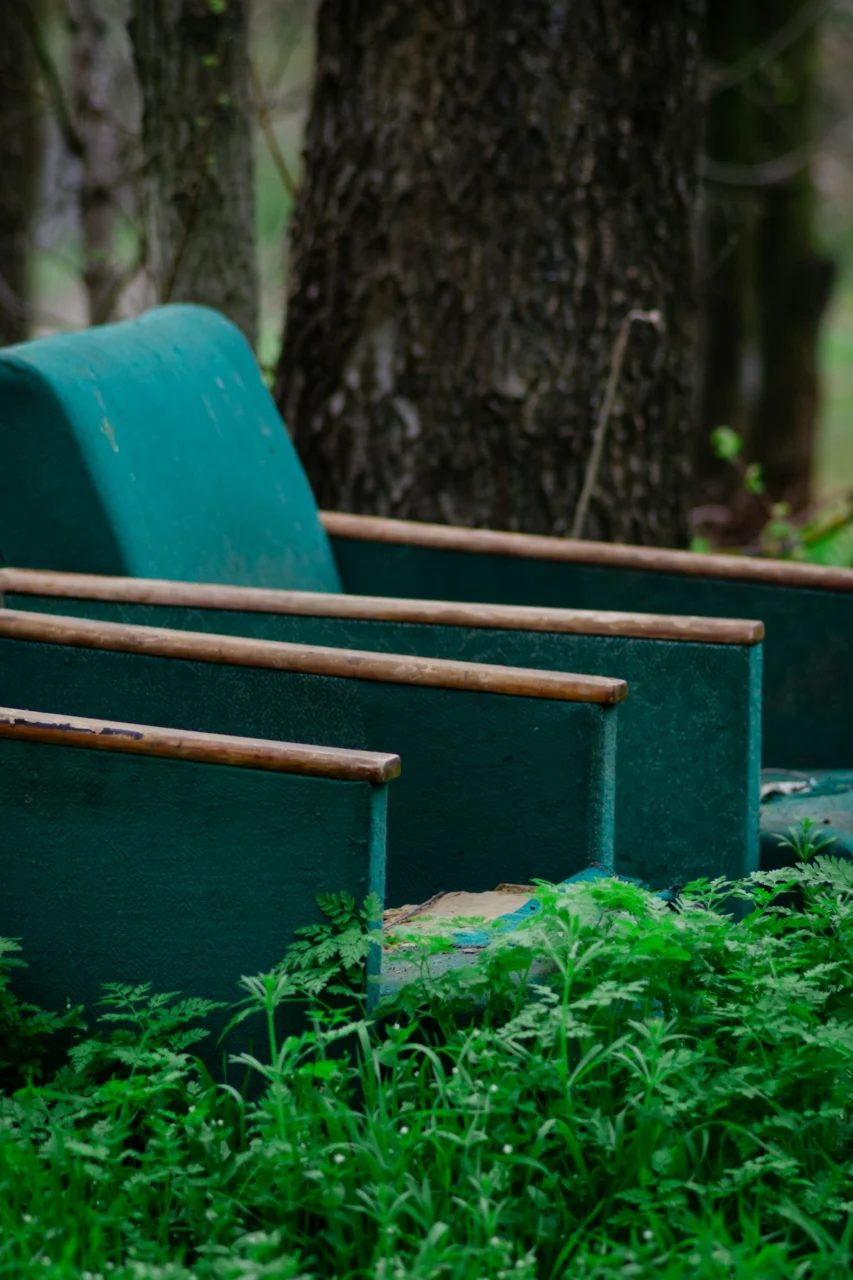
Photo by Maksim Golovko on Unsplash
Choosing the right garden seating ideas for relaxing outdoors is less about following trends and more about matching the space to your lifestyle. Whether you opt for a hammock that sways in the breeze or a sturdy stone seat that feels like a garden sculpture, the key is to consider durability, comfort, and how the piece will flow with the rest of your landscape. Start with one idea that resonates, test its placement, and let your garden evolve naturally. Before long you’ll have a favorite spot where you can pause, breathe, and truly enjoy the outdoors.

One Comment