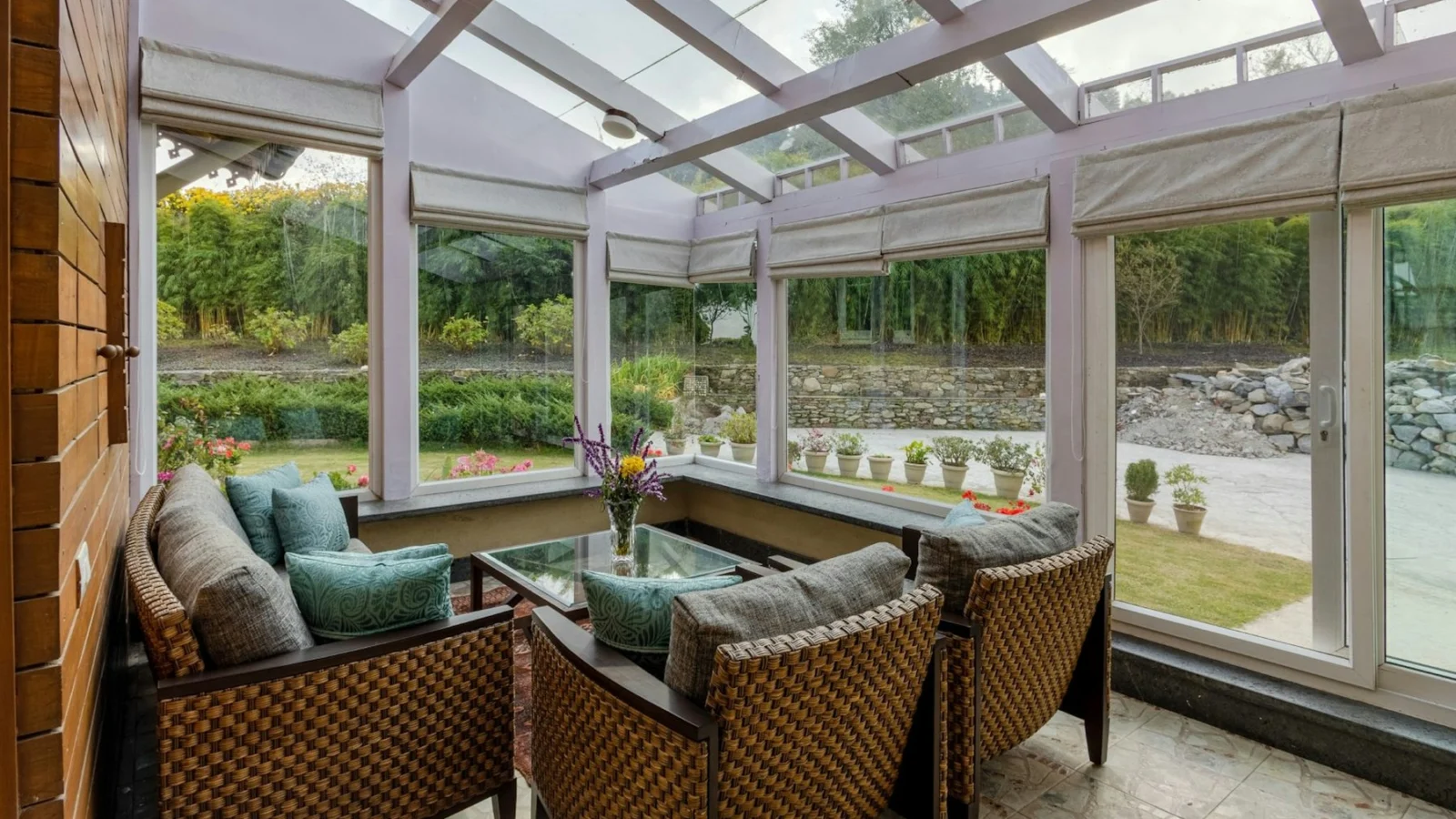
Sunroom Office Ideas That Boost Productivity
When a room filled with natural light sits just off the living area, it can feel like a shortcut to a more pleasant workday. Yet many homeowners struggle to turn that sunny space into a functional office without sacrificing style or focus. Below are seven thoughtfully designed approaches that let you keep the sunroom’s airy charm while creating a workspace that supports concentration, comfort, and a little bit of inspiration.
1. Position the Desk to Capture Morning Light
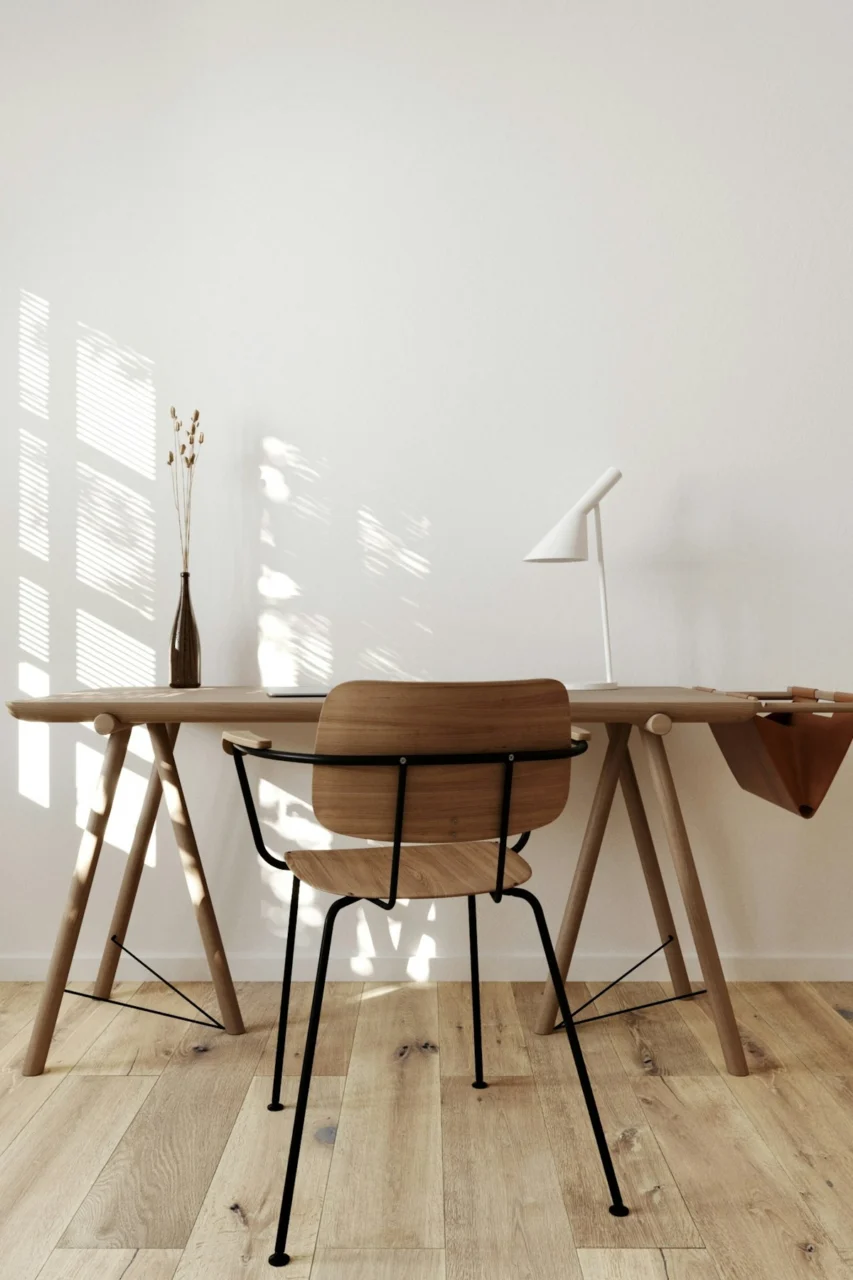
Photo by Denys Striyeshyn on Unsplash
Placing the primary work surface near a south‑ or east‑facing window lets you start the day bathed in gentle daylight. A desk positioned perpendicular to the glass reduces glare on screens while still allowing the sun’s warmth to linger on the surface. Choose a desk with a matte finish—such as reclaimed oak or brushed walnut—so reflections stay soft. Adding a lightweight, adjustable monitor arm lets you tilt the screen away from direct sun when it becomes too bright, preserving visual comfort without sacrificing the view. When the sun climbs higher, a sheer linen curtain can be drawn to diffuse excess light, keeping the room bright but not harsh. This arrangement encourages a natural rhythm: you’re more likely to begin work early, when the light is optimal, and take a brief pause as the afternoon sun shifts.
2. Embrace a Curated Color Palette That Supports Focus
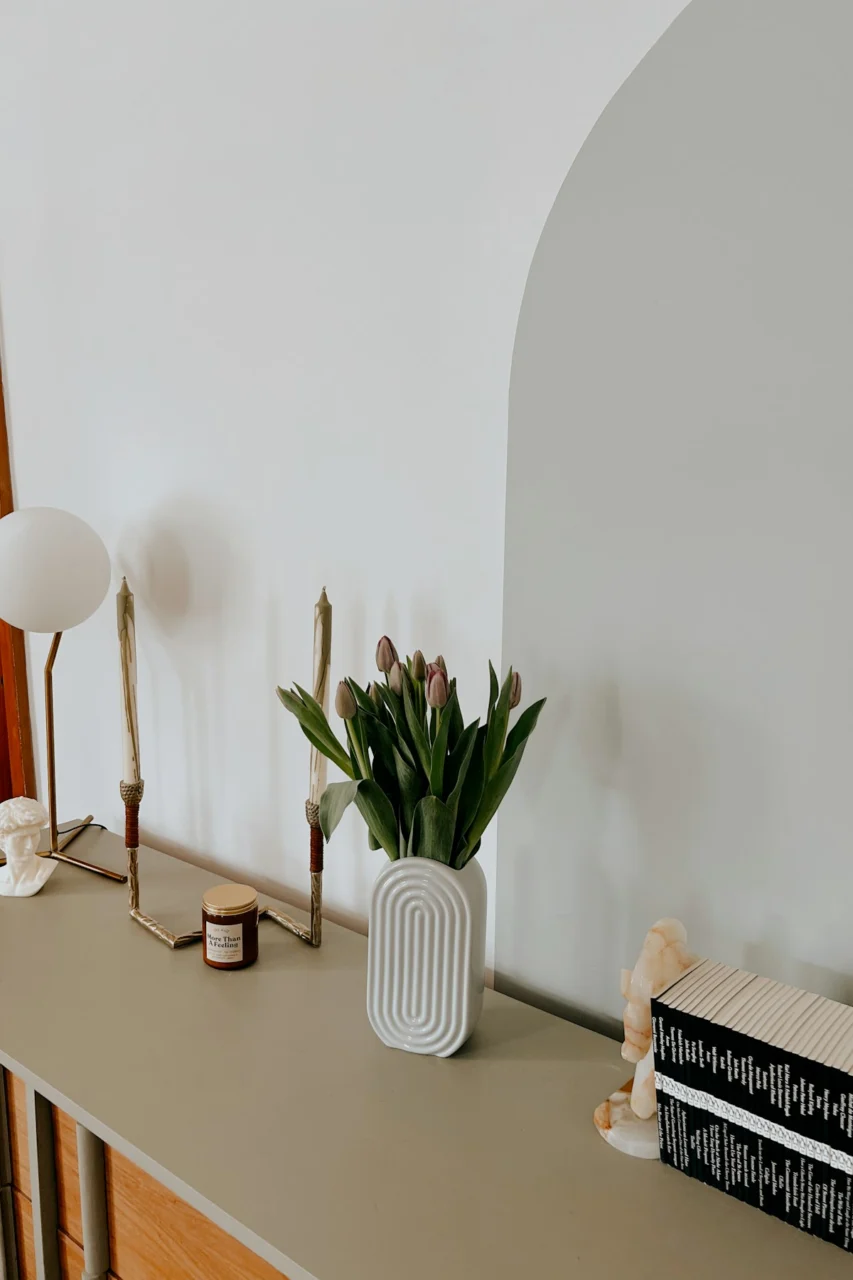
Photo by Jacalyn Beales on Unsplash
Colors in a sunroom can either amplify its energizing quality or mute it enough for sustained concentration. Soft, muted tones—think warm greige, muted sage, or a dusted terracotta—provide a gentle backdrop that reduces visual clutter. Paint the walls in one of these hues and pair them with a rug in a complementary shade to define the work zone without breaking the room’s flow. The subtle contrast helps the brain differentiate the office area from the rest of the house, which can improve task orientation. If you love a brighter accent, limit it to accessories such as a ceramic vase or a set of woven storage baskets; this prevents the space from feeling overly stimulating while still reflecting personal taste.
3. Choose Furniture That Balances Comfort and Minimalism
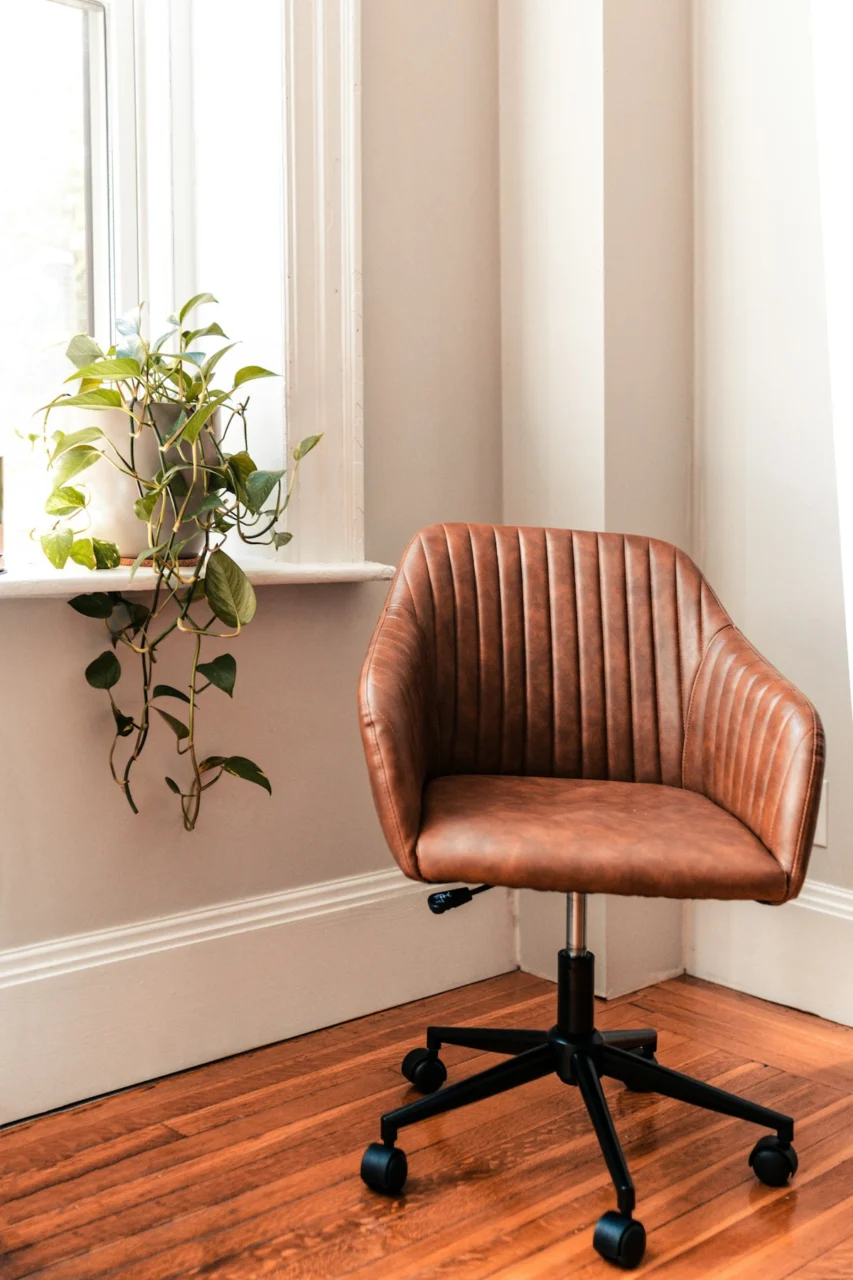
Photo by Kelly Sikkema on Unsplash
A chair with ergonomic support is essential, but in a sunroom the piece should also respect the room’s light aesthetic. Opt for a mid‑century inspired swivel chair upholstered in breathable linen or breathable mesh; these fabrics stay cool in warm weather and blend with the natural vibe. Pair the chair with a slim, low‑profile desk that leaves floor space open, allowing sunlight to travel unobstructed. Open‑leg designs—such as a pedestal base—prevent shadows from forming under the desk, preserving the airy feel. When space permits, a small, narrow side table can hold a coffee mug or a stack of books without crowding the floor, maintaining the clean lines that keep the room feeling uncluttered.
4. Layer Lighting for All‑Day Productivity
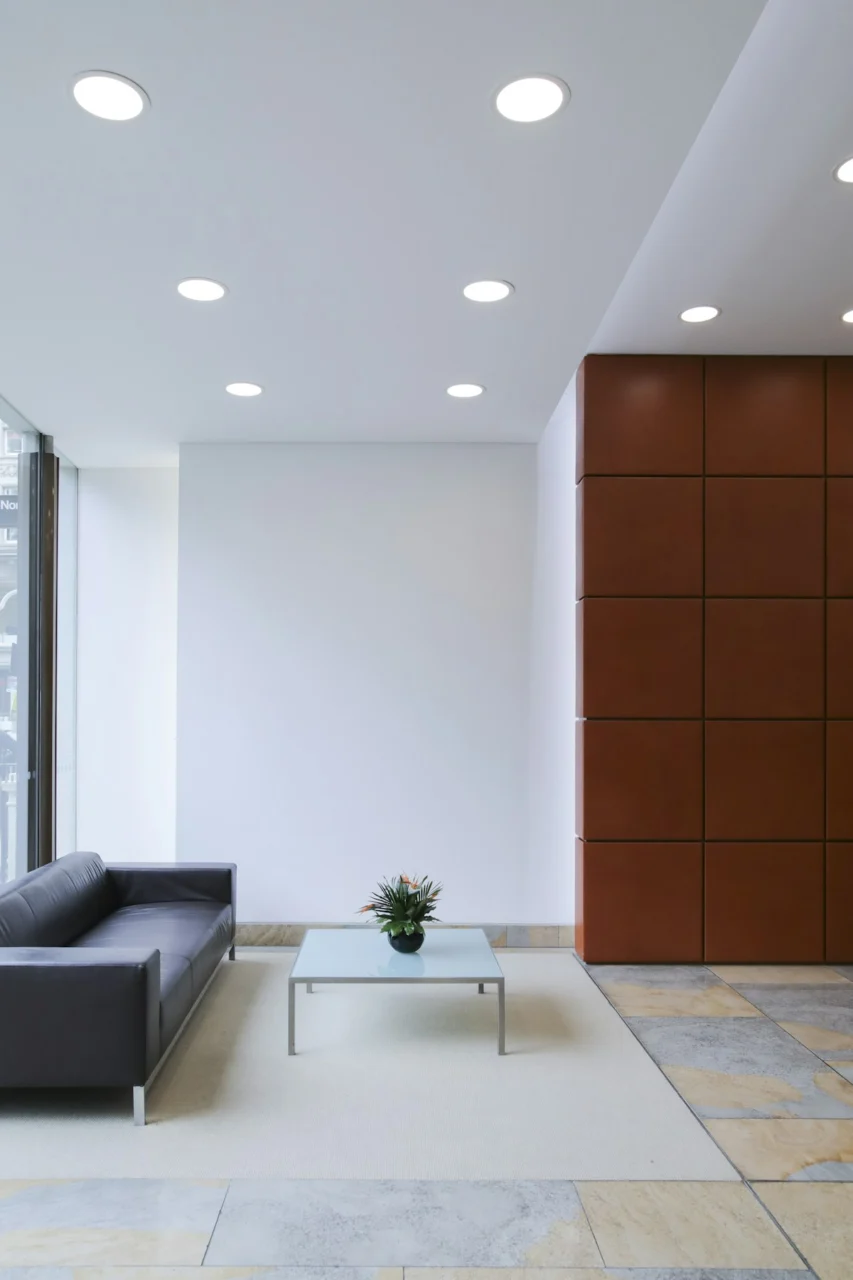
Photo by Jean-Philippe Delberghe on Unsplash
Even the brightest sunroom needs supplemental lighting once the sun dips or on overcast days. A combination of overhead fixtures and task lighting creates a balanced environment. Install a dimmable LED recessed light in the ceiling; the dimmer lets you match the artificial glow to the remaining daylight, reducing eye strain. Complement this with a table lamp that features an adjustable arm and a warm‑toned shade—perhaps a woven rattan or a soft linen—to provide focused illumination for reading or detailed work. The layered approach ensures that you never rely solely on harsh overhead light, and the ability to fine‑tune brightness supports a smoother transition between natural and artificial sources.
5. Incorporate Smart Storage That Keeps Clutter Invisible
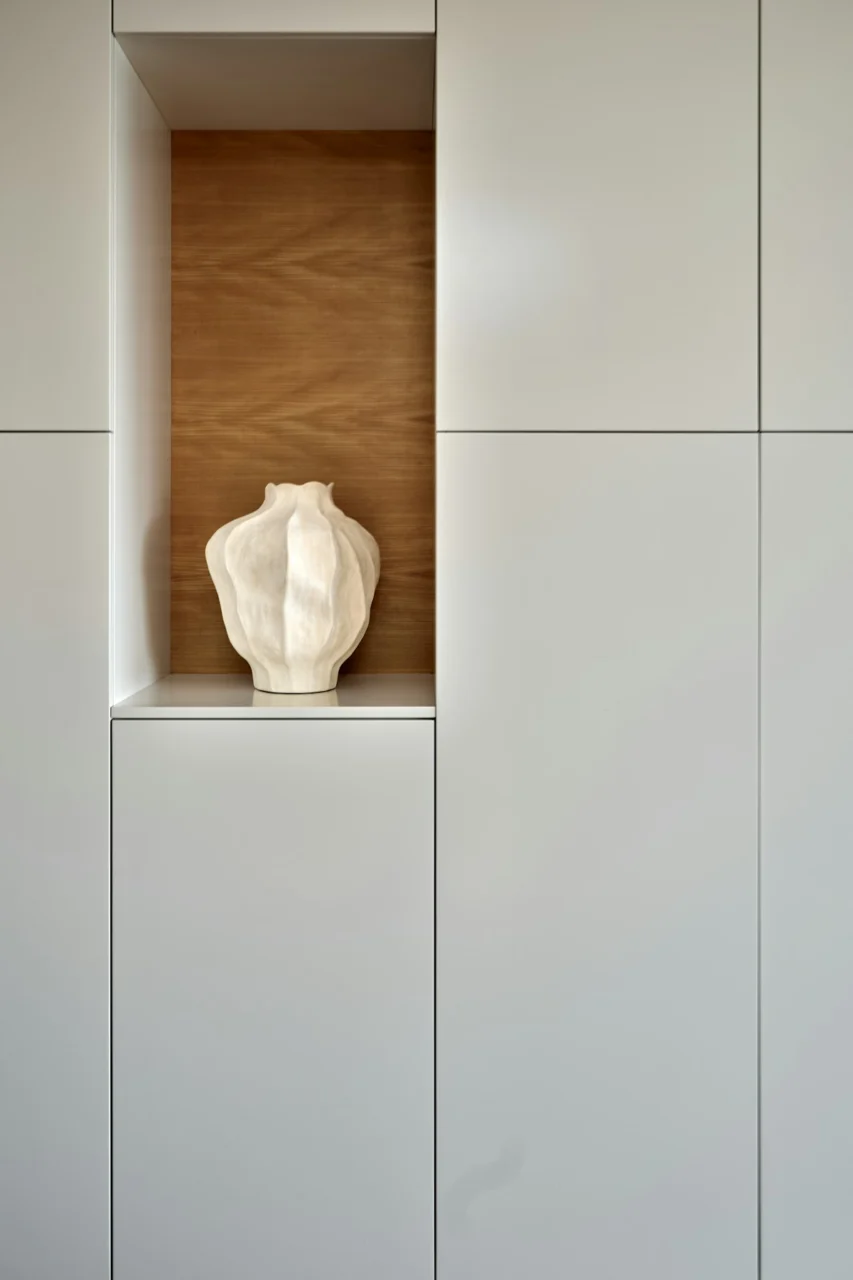
One of the biggest challenges in a sunroom office is preventing paperwork and office supplies from spilling onto the floor. Built‑in wall niches painted the same color as the surrounding wall create discreet pockets for binders, files, or decorative objects. If built‑ins aren’t feasible, a low, floating cabinet with sleek handles can sit beneath the desk, keeping essentials within reach but out of sight. Choose finishes that echo the room’s other materials—such as a brushed brass knob that mirrors a light fixture—to maintain visual cohesion. By hiding clutter, the space stays visually calm, which research suggests aids sustained attention.
6. Add Natural Textures That Soften the Workspace
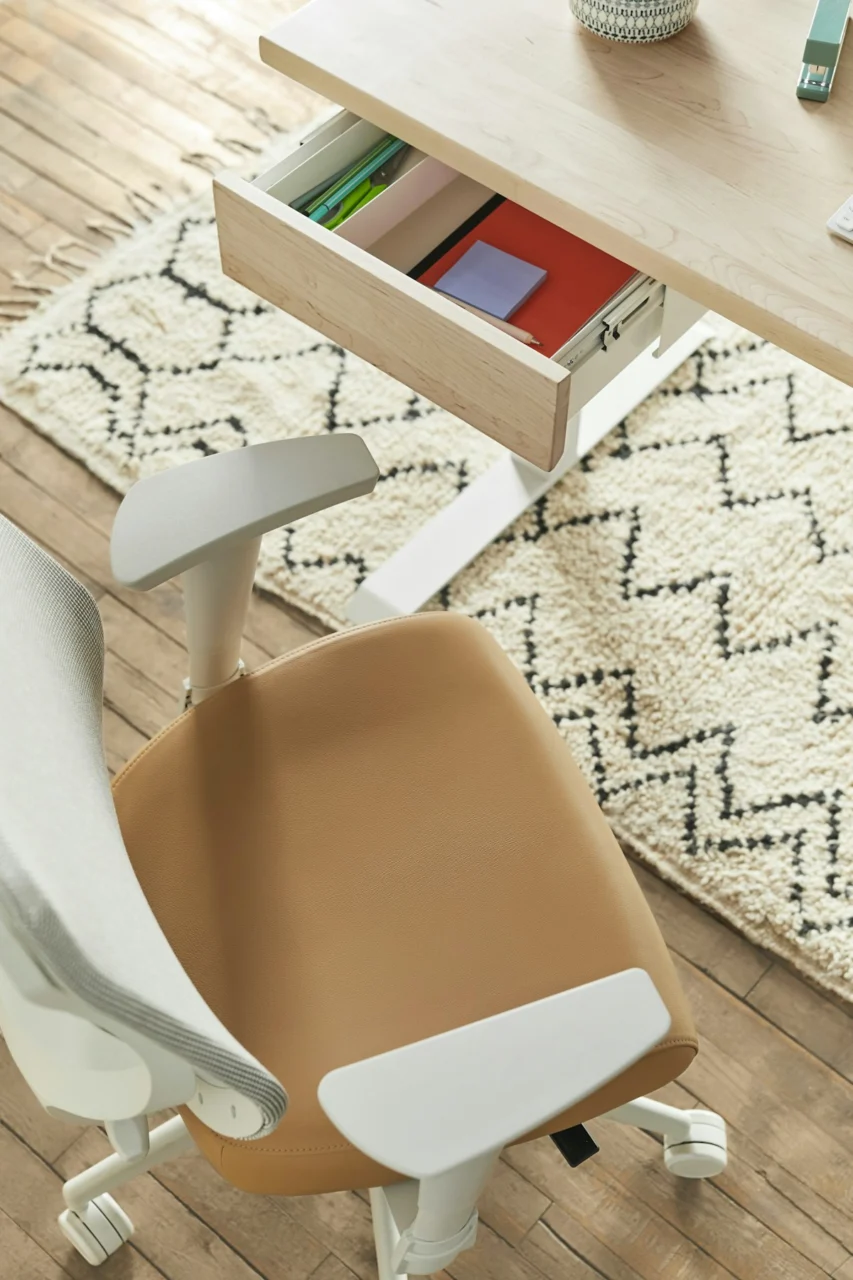
While the sunroom already offers a connection to the outdoors, introducing additional natural textures can make the office feel more inviting without compromising productivity. A woven jute rug under the desk adds tactile interest and dampens sound, helping you stay focused during virtual meetings. A few strategically placed potted plants—like a snake plant, a pothos, or a small fiddle‑leaf fig—purify the air and create gentle visual breaks. Choose pots in neutral ceramic tones to keep the palette harmonious. The combination of soft floor texture and greenery provides subtle sensory cues that signal a dedicated work area while preserving the room’s breezy character.
7. Design a Flexible Layout for Seasonal Shifts
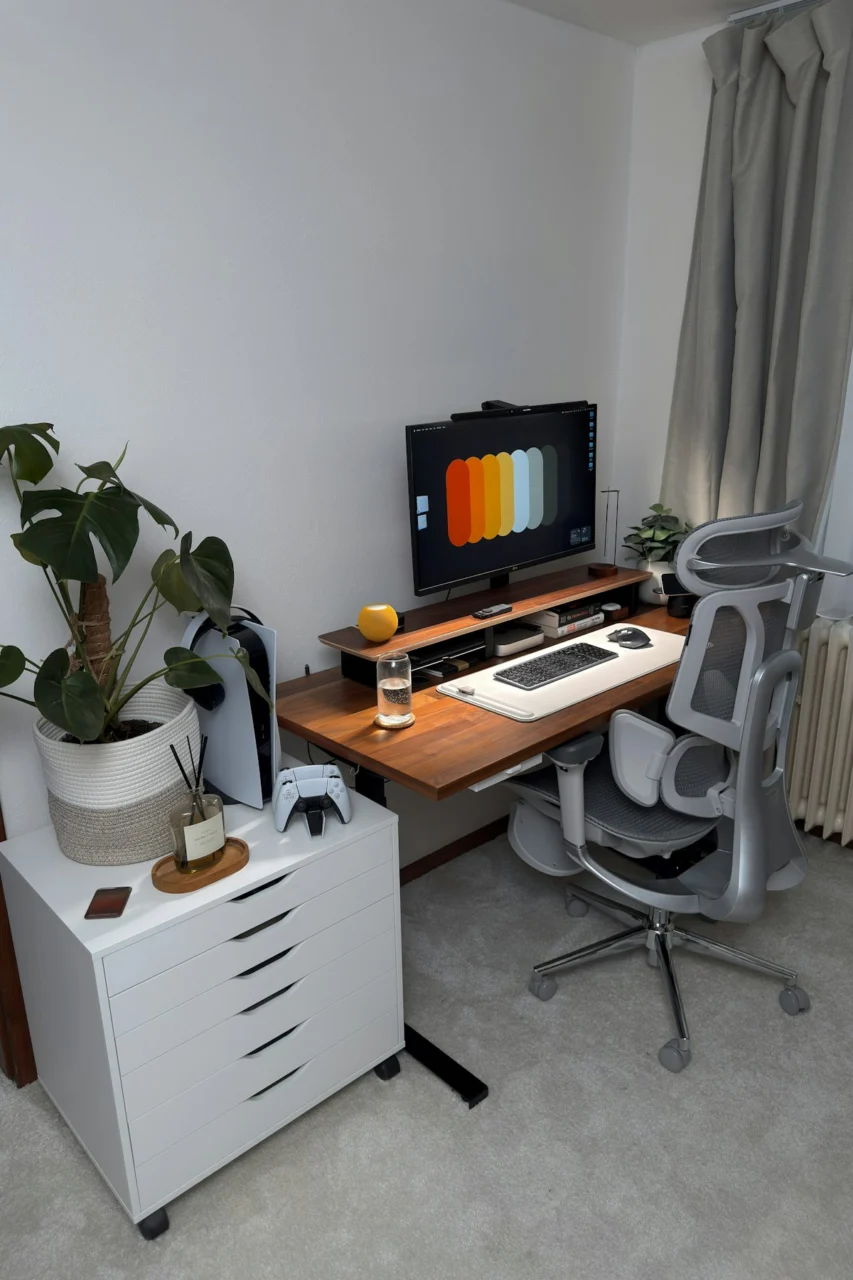
Photo by Matúš Gocman on Unsplash
Sunrooms experience dramatic temperature changes throughout the year, so a layout that can adapt keeps the space comfortable and functional. Use a lightweight desk on wheels or with casters; this allows you to reposition it closer to the window during winter for extra warmth, then slide it away from direct sun in summer to avoid overheating. A modular shelving unit on rolling bases offers similar flexibility, letting you create a temporary storage island or break it down for a larger open area when you host guests. The ability to reconfigure the room means you can maintain productivity regardless of the season, and the movement itself can refresh the visual landscape, preventing monotony.
FAQ
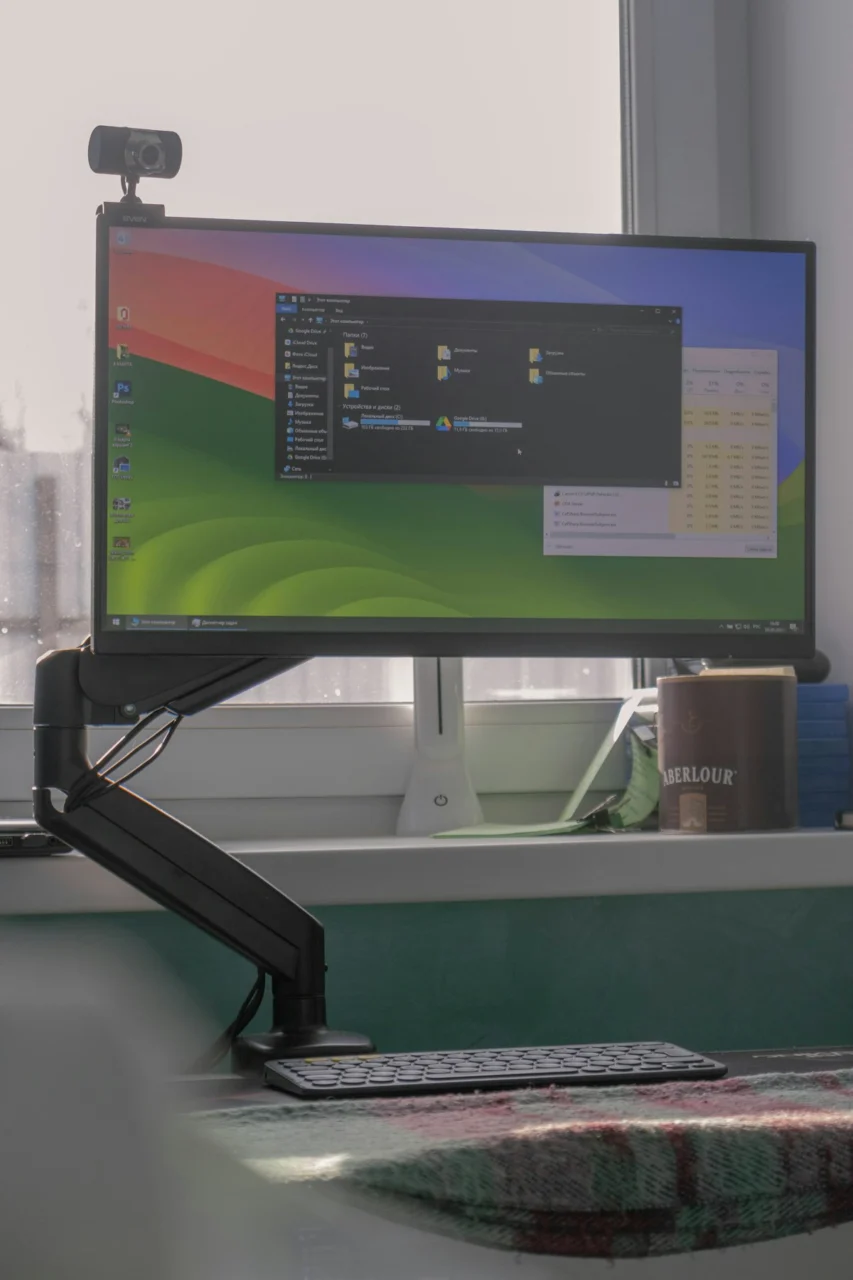
Photo by Mikhail Seleznev on Unsplash
How can I reduce glare on my computer screen in a sunroom?
Use an adjustable monitor arm to tilt the screen away from direct sunlight and add a matte screen filter if needed. A sheer curtain or a low‑profile blinds can also diffuse harsh light without darkening the room.
Is it okay to use a standing desk in a sunroom?
A standing desk works well as long as it has a stable base and a height‑adjustable mechanism. Pair it with an ergonomic mat and a supportive footrest to maintain comfort during long periods of standing.
What type of flooring is best for a sunroom office?
Hardwood or bamboo flooring provides durability and a warm aesthetic, while a natural fiber rug adds softness and reduces echo. Choose a finish that resists UV fading if the floor receives strong sunlight.
Can I install ceiling fans without compromising the room’s design?
A slim, low‑profile ceiling fan with a brushed metal finish blends with most decor styles and improves air circulation. Ensure the fan’s blade span fits the room’s dimensions to avoid overpowering the space.
How do I keep the sunroom office cool in summer?
Close interior blinds during peak heat, use a portable evaporative cooler, and position the desk away from direct sun. Light-colored furnishings and reflective window films can also lower temperature buildup.

Final Thoughts
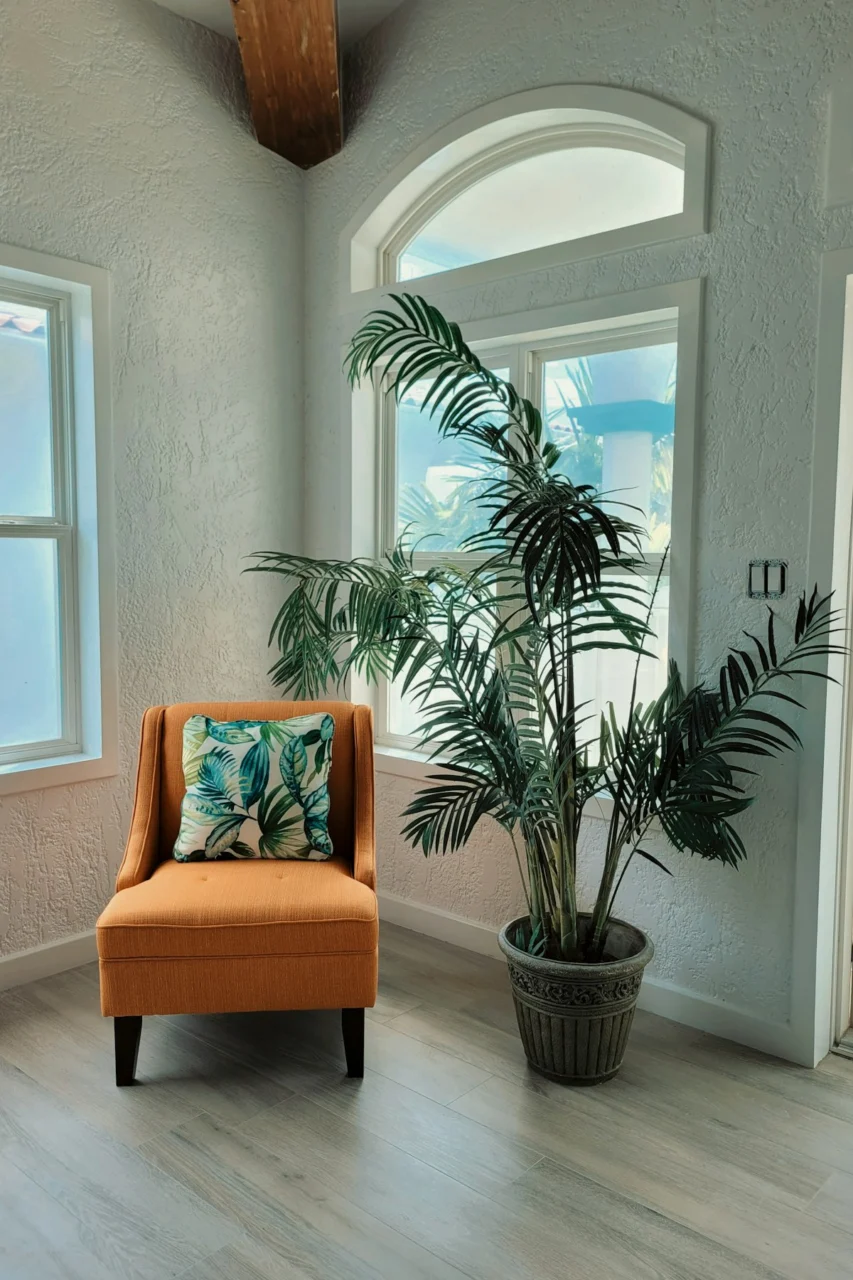
Photo by Neuvalence on Unsplash
Transforming a sunroom into a productive office is less about dramatic overhauls and more about thoughtful adjustments that honor the space’s inherent light and openness. By positioning your desk to welcome morning rays, curating a calming palette, selecting ergonomic yet minimal furniture, layering lighting, hiding clutter, adding natural textures, and allowing for seasonal flexibility, you create an environment that supports focus while still feeling like a bright, welcoming part of the home. With these ideas in place, you’ll find that the sunroom becomes a place where work flows as naturally as the sunlight that fills it.