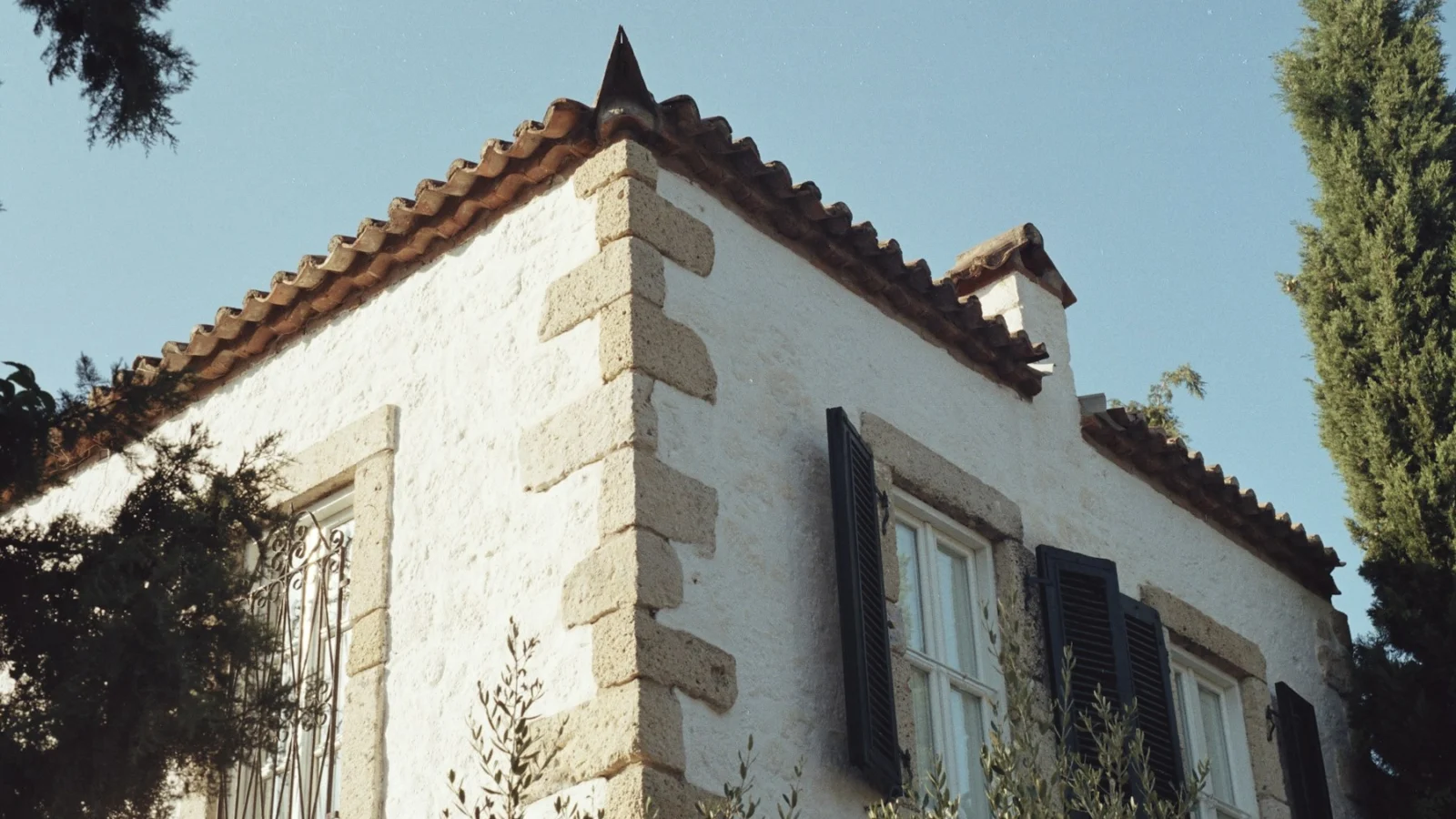
Spanish Style Windows That Add Character
Walking through a sun‑lit hallway and noticing a window framed by dark‑stained wood, a gentle arch, and a splash of terracotta glaze instantly transports you to a courtyard in Andalucía. That moment of quiet drama is exactly what many homeowners seek when they look to Spanish‑inspired design. The good news is that a single window can become the focal point of a room without a full renovation. Below are seven ways to give your windows the warm, layered personality of classic Spanish homes, each explained with the practical details you’ll need to make the change work in real life.
1. Traditional Wooden Grilles
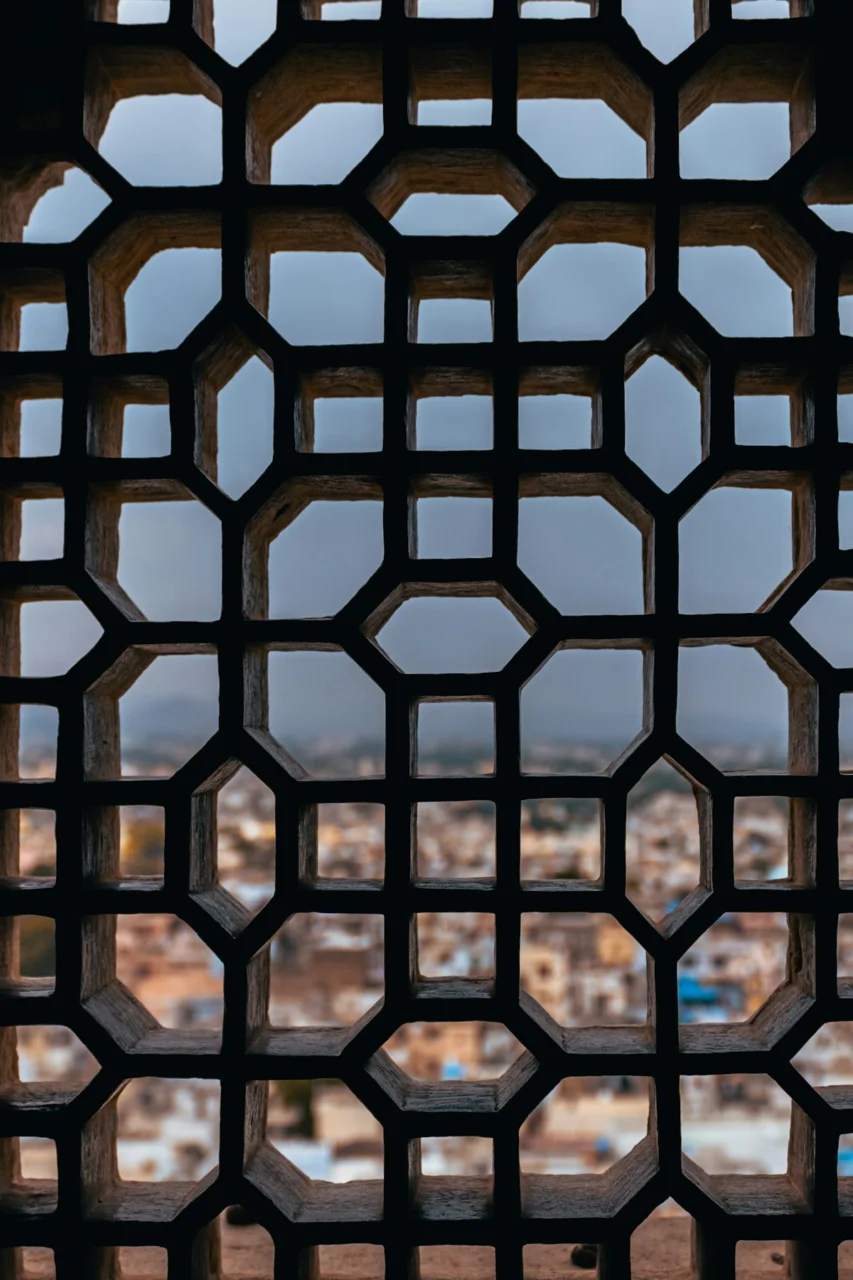
Photo by Shantanu Goyal on Unsplash
Wooden mullions, often called “rejas,” have been a hallmark of Spanish architecture for centuries. A grid of narrow, dark‑stained timber creates a pattern of light and shadow that feels both historic and intimate. When you install a wooden grille, the window becomes a framed painting; the daylight that filters through the narrow panes adds depth without overwhelming the space. Choosing a hardwood such as mahogany or oak ensures durability, especially in humid climates where softer woods can warp.
To keep the look authentic, avoid overly polished finishes. A matte or lightly brushed surface lets the grain show, echoing the handcrafted feel of old colonial homes. Pair the grille with a simple white or warm‑cream interior wall, and the contrast will make the wood stand out. One practical consideration is maintenance: regular dusting and an occasional wipe with a wood‑friendly cleaner will keep the grain from dulling. If you’re concerned about long‑term upkeep, a high‑quality sealant can protect the wood from moisture while preserving its natural tone.
2. Arched Top Frames
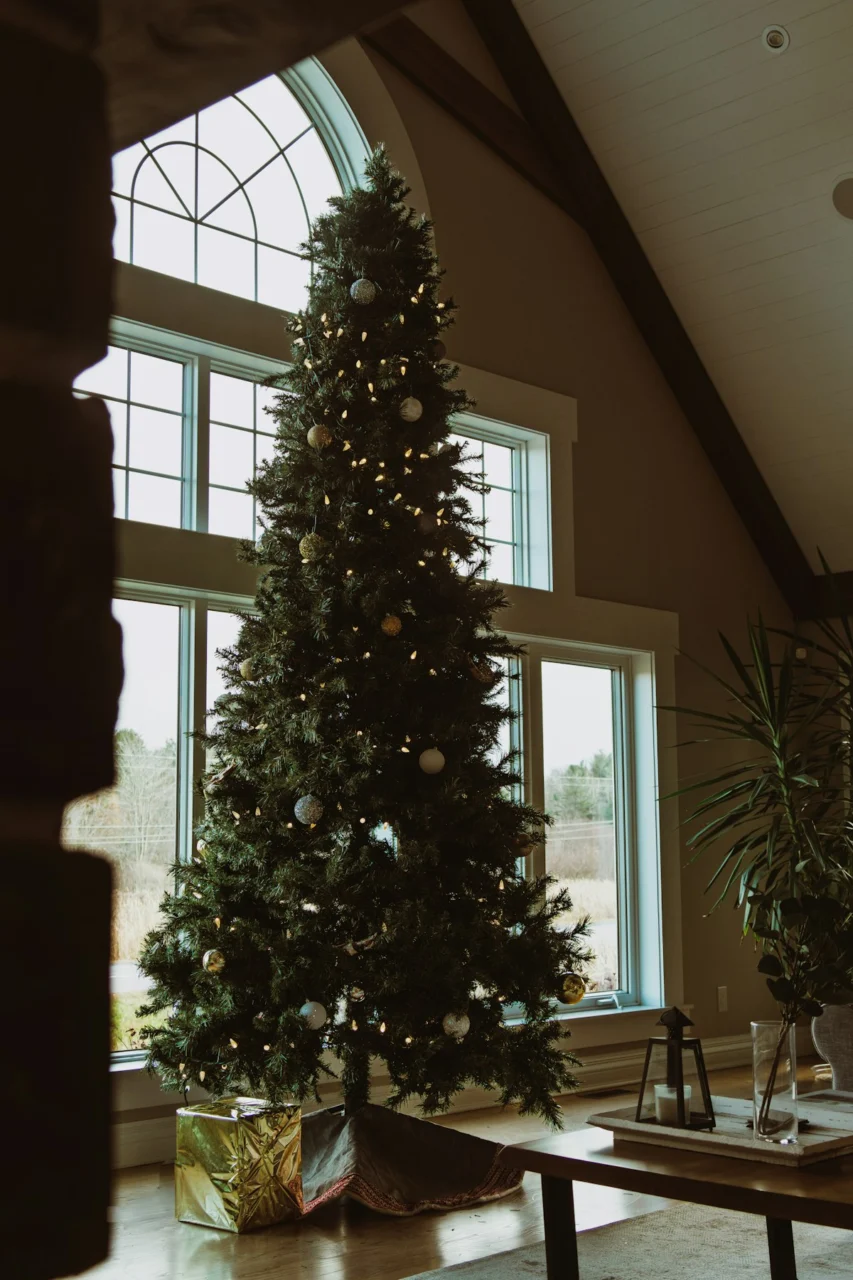
Nothing defines Spanish style more than the graceful curve of an arched window. The arch softens the hard lines of a modern room, guiding the eye upward and creating a subtle sense of height. In practice, the arch can be introduced by adding a custom frame that follows a semi‑circular or horseshoe shape, often finished in plaster or lime‑wash to match surrounding walls.
The curvature also influences how light enters the room. Morning sun pours through the lower portion, while the arch catches the higher, softer light of late afternoon, producing a gentle gradient that adds visual interest. When installing an arched frame, be mindful of the opening size; a too‑large arch can dominate a small room, while a modestly sized curve works well in both living rooms and kitchens. A common trade‑off is the cost of custom carpentry, which can be higher than standard rectangular frames, but the unique silhouette often justifies the investment.
3. Colored Glazing
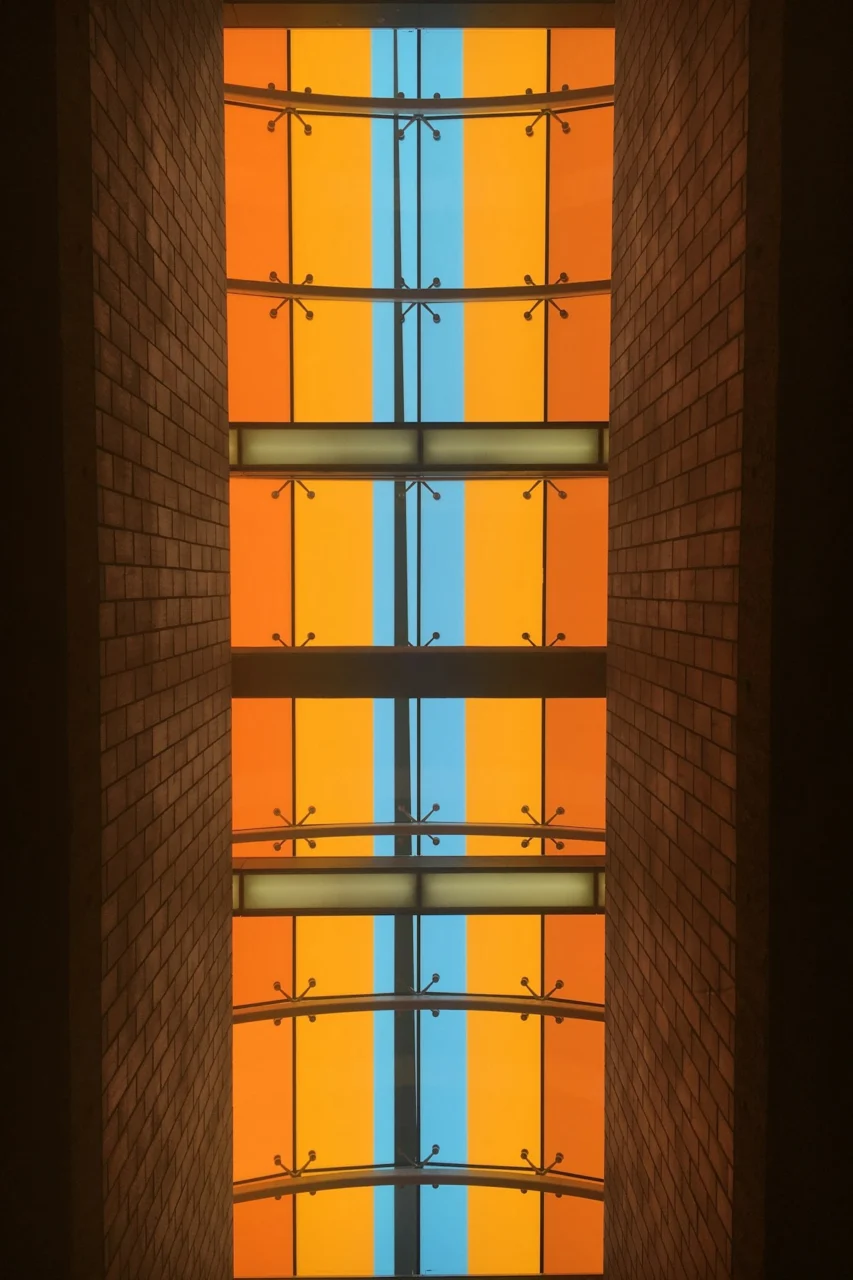
Spanish interiors love earthy hues, and colored glass offers a low‑maintenance way to bring those shades inside. A pane tinted with amber, deep olive, or muted terracotta filters harsh daylight, turning it into a warm glow that complements terracotta tiles, wrought‑iron furniture, and natural fiber rugs. The effect is especially striking in rooms that receive strong southern exposure, where the glass tones the light without sacrificing visibility.
When selecting tinted glass, consider the room’s function. For a dining area, a richer amber can enhance the appetite‑stimulating ambiance, while a softer green works well in a bedroom, promoting calm. Installation is straightforward—most glazing suppliers can cut the glass to your exact dimensions, and the panes fit into standard double‑glazed units. Keep in mind that colored glass can slightly reduce energy efficiency, so pairing it with low‑E coatings helps maintain insulation while preserving the hue.
4. Wrought‑Iron Details
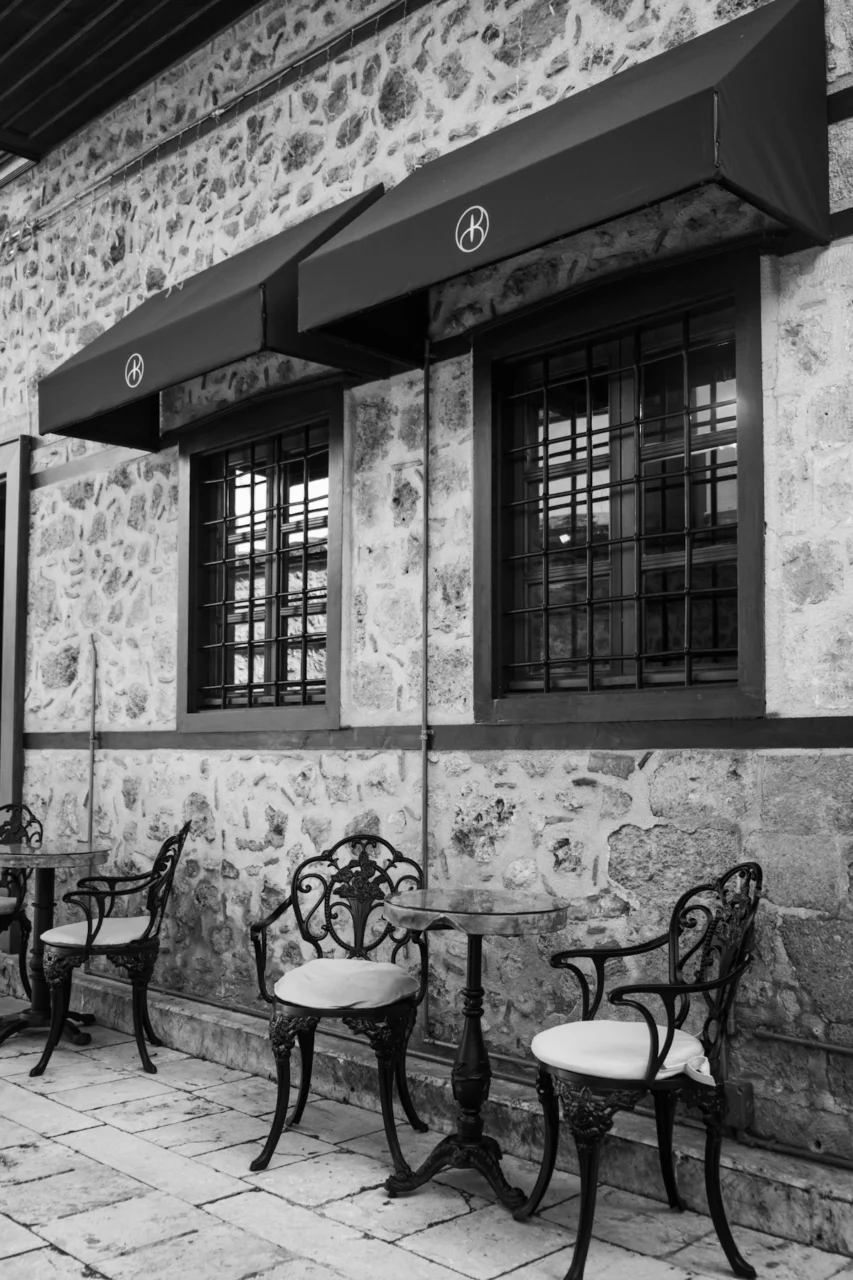
Photo by Aysegul Aytören on Unsplash
Wrought‑iron grilles or decorative bars add a sense of strength and craftsmanship that echoes the balconies of old Spanish towns. These metal elements can be placed on the interior side of a window, acting as a secondary screen that offers privacy without blocking light. The dark metal contrasts beautifully with lighter walls, and the intricate scrollwork often found in Spanish ironwork creates a tactile focal point.
Choosing the right finish is essential. A matte black or oil‑rubbed bronze will age gracefully, developing a patina that deepens over time. For homes where children or pets are present, opt for bars with rounded edges to avoid injuries. Installation typically involves anchoring the iron to the window frame with discreet screws; a professional locksmith or metalworker can ensure the hardware is secure. The main drawback is the upfront cost, as custom ironwork can be pricey, but many manufacturers offer pre‑finished patterns that provide the look at a lower price point.
5. Shutter Integration
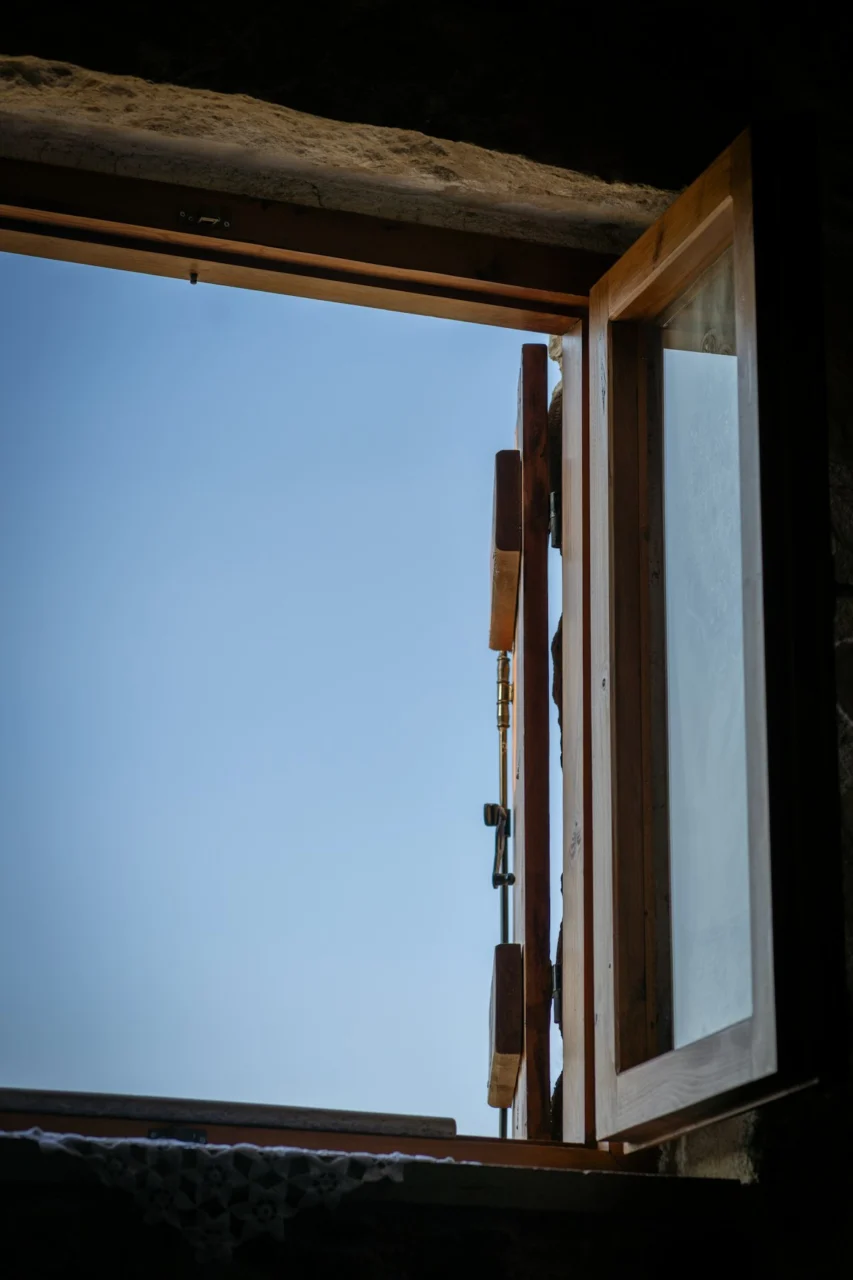
Photo by Marvin Tendies on Unsplash
Exterior or interior shutters are a functional nod to Spanish design, offering both protection from the sun and a decorative element that frames the window. Wooden shutters painted in deep blues, olive greens, or classic whites can be opened to let in a flood of light or closed to create a cozy, shaded nook. When used on the interior side, they double as a backdrop for artwork or a place to hang lightweight curtains.
The key to successful shutter use is proportion. A set of louvered shutters that are too narrow will look lost on a large window, while oversized panels can overwhelm a petite opening. Installing hinges that allow the shutters to swing fully open ensures you can enjoy the view when desired. Maintenance involves periodic repainting to protect the wood from humidity, especially in coastal regions. If you prefer a low‑maintenance option, composite shutters mimic the look of wood while resisting warping.
6. Tile Borders
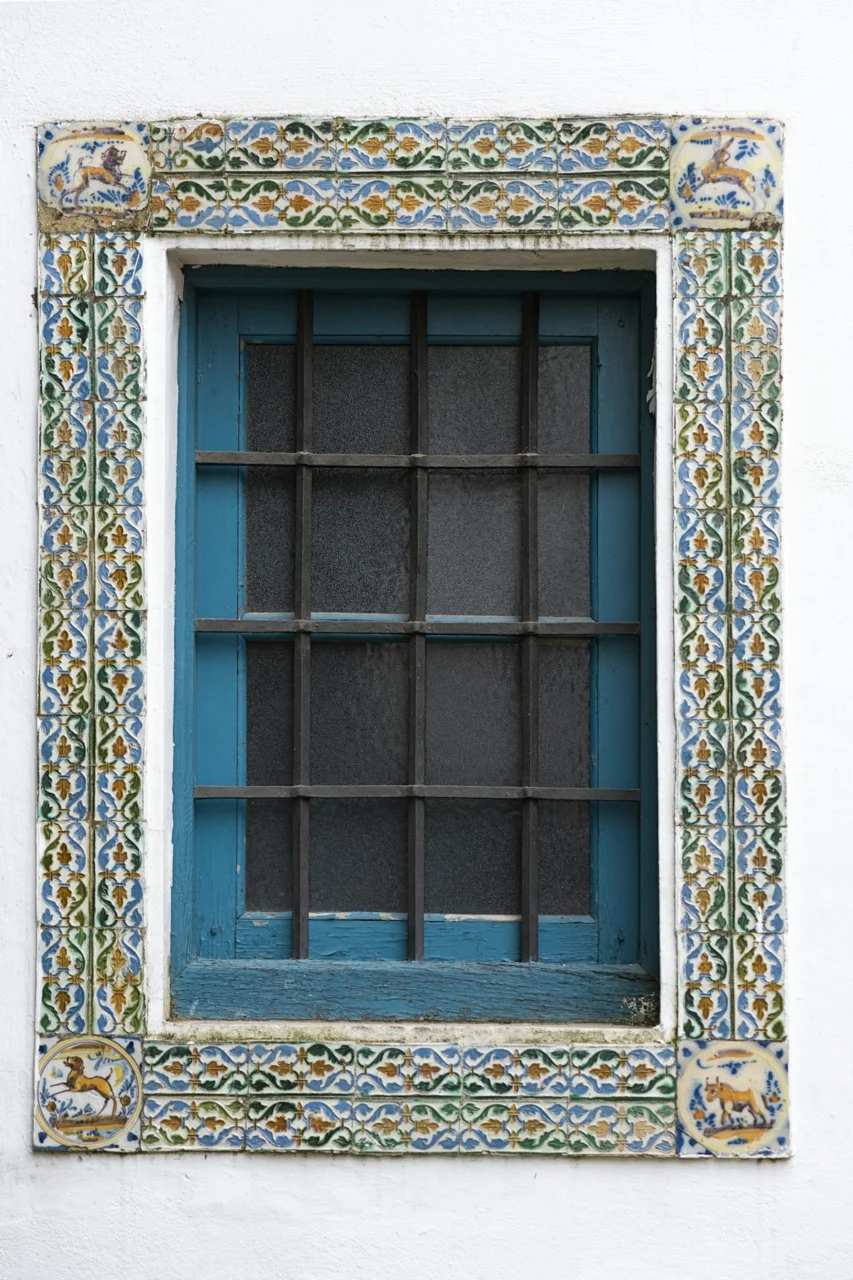
Photo by Eduardo Casajús Gorostiaga on Unsplash
Tile work has long been a decorative staple in Spanish homes, and extending that tradition to the window frame can tie the whole room together. A narrow band of hand‑crafted Talavera or encaustic tile around the perimeter of the window adds texture and a splash of patterned color. The tiles can echo motifs found elsewhere in the space, such as on a kitchen backsplash or a bathroom floor, creating a cohesive visual story.
Installation requires a skilled tiler, as the border must be cut precisely to fit the window’s dimensions. Grout color should be chosen carefully; a contrasting grout highlights the pattern, while a matching shade lets the tiles blend subtly into the wall. One practical consideration is cleaning; textured tile can collect dust, so a gentle brush and mild cleanser are recommended. For renters or those wary of permanent changes, removable tile panels with adhesive backing provide a temporary yet authentic effect.
7. Light‑Filtering Treatments
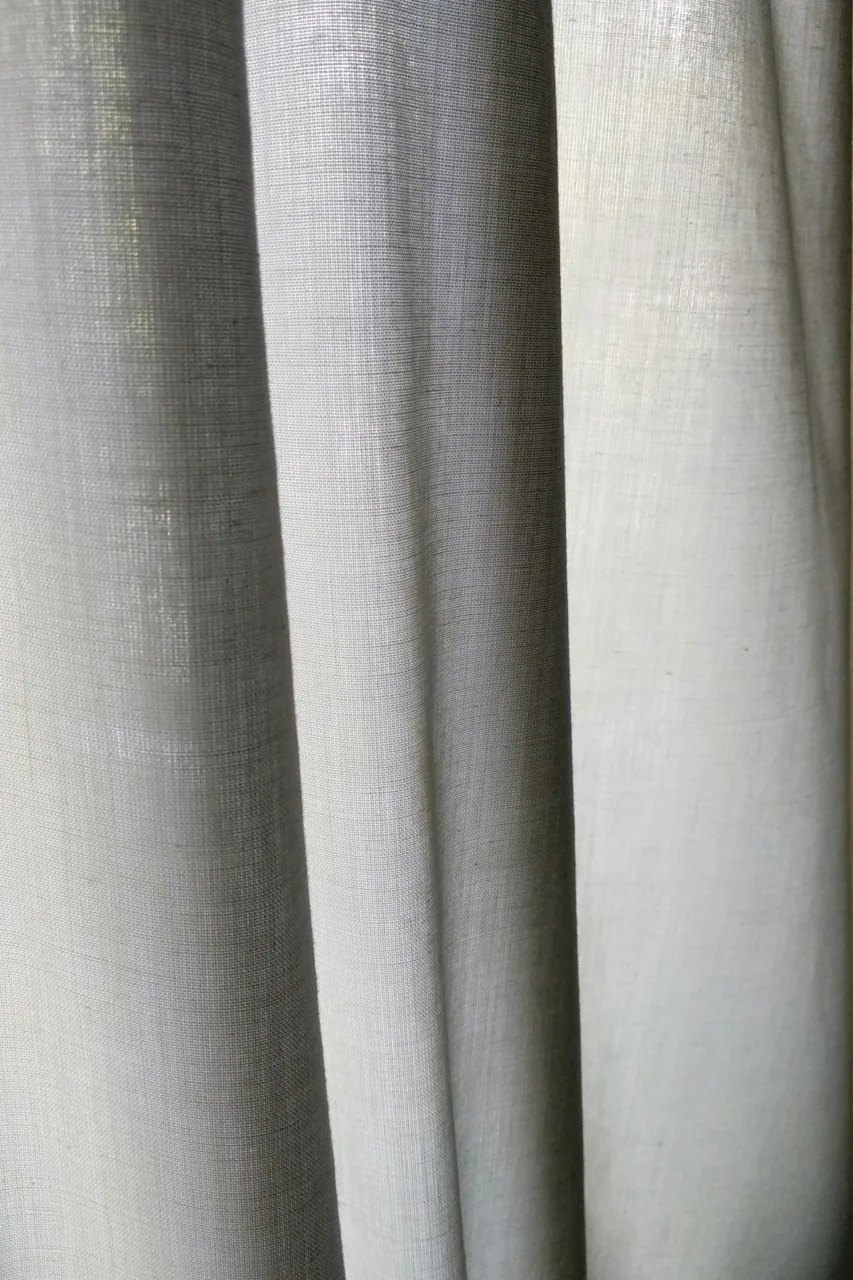
Photo by Oktomi Jaya on Unsplash
Even with the most striking window architecture, the way you dress the glass influences the room’s mood. Light‑filtering fabrics such as linen or cotton voile, in muted shades like soft sand, warm gray, or faded terracotta, soften the incoming light while preserving the view. Layering a sheer panel behind a heavier curtain offers flexibility: pull the sheer aside for a bright, airy feel, or close the heavier drape for privacy and added insulation.
When selecting fabrics, consider their care requirements. Natural fibers breathe well and are easy to launder, but they may wrinkle. A light‑weight blackout backing can be sewn in for bedrooms that need darkness at night. The hardware—rod brackets, tiebacks, and finials—should reflect the overall material palette; brushed brass or wrought iron complements the other Spanish elements discussed. The trade‑off is that heavier fabrics can obscure the intricate details of a grille or tile border, so balance opacity with the desire to showcase the window’s character.
FAQ
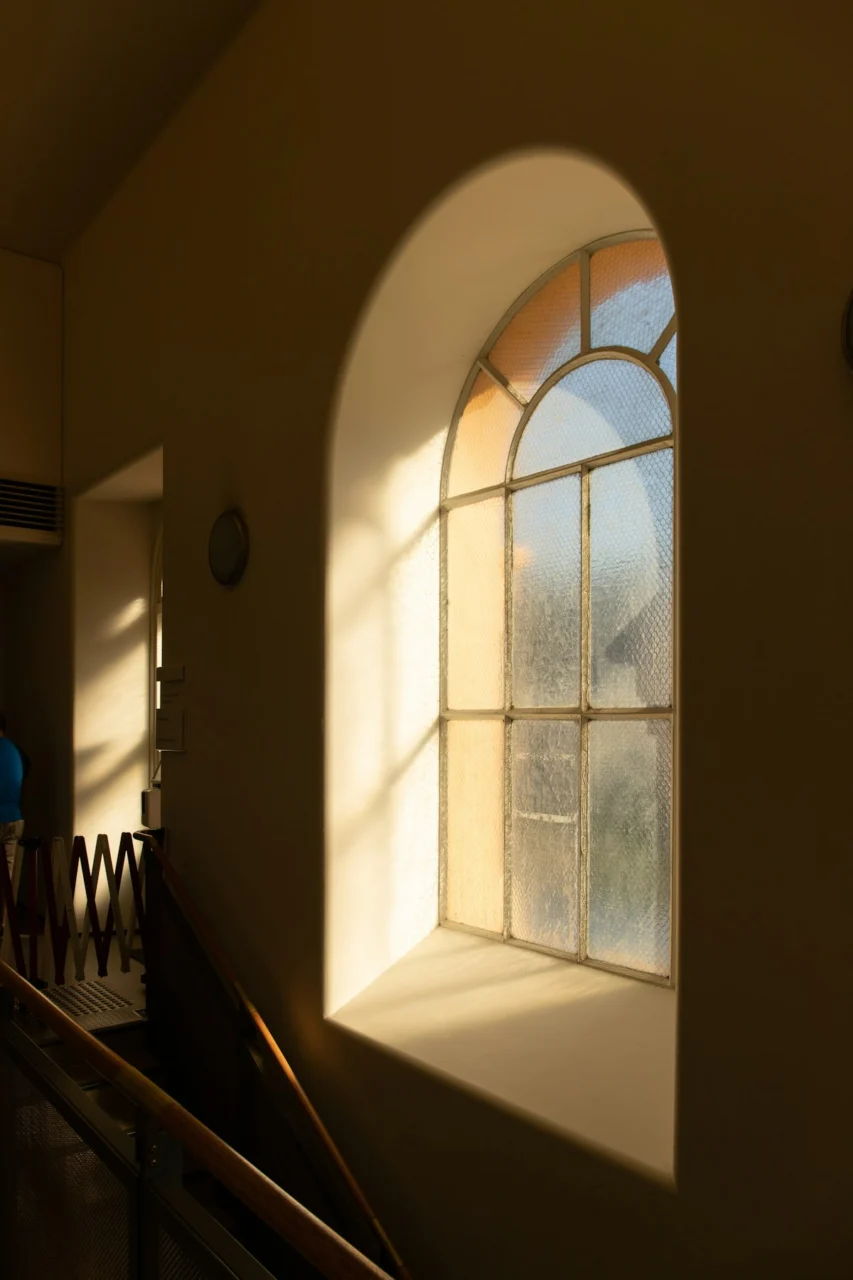
Photo by Mitchell Luo on Unsplash
How do I choose the right size for a Spanish‑style arched window?
The arch should be proportionate to the wall space; a height that is roughly one‑third to one‑half of the wall’s total height works well. Measure the opening carefully and consult a carpenter who can create a template before the final cut.
Can I add a wrought‑iron grille to an existing double‑glazed window?
Yes, a decorative iron grille can be installed on the interior side of the glass without affecting the glazing. Make sure the grille’s mounting points are aligned with the window frame to avoid pressure on the glass.
Is colored glass energy‑efficient?
Colored glass can slightly reduce solar heat gain, which may be beneficial in hot climates. Pairing it with low‑E coatings helps maintain insulation while preserving the desired hue.
What maintenance does a wooden window grille require?
Regular dusting and an occasional wipe with a wood‑friendly cleaner keep the surface clean. Applying a clear sealant every few years protects the wood from moisture and fading.
Do tile borders around windows affect the window’s operation?
Tile borders are applied to the wall surrounding the window, not the window itself, so they do not interfere with opening or closing. Ensure the tile work does not extend onto the moving parts of the sash.
Final Thoughts
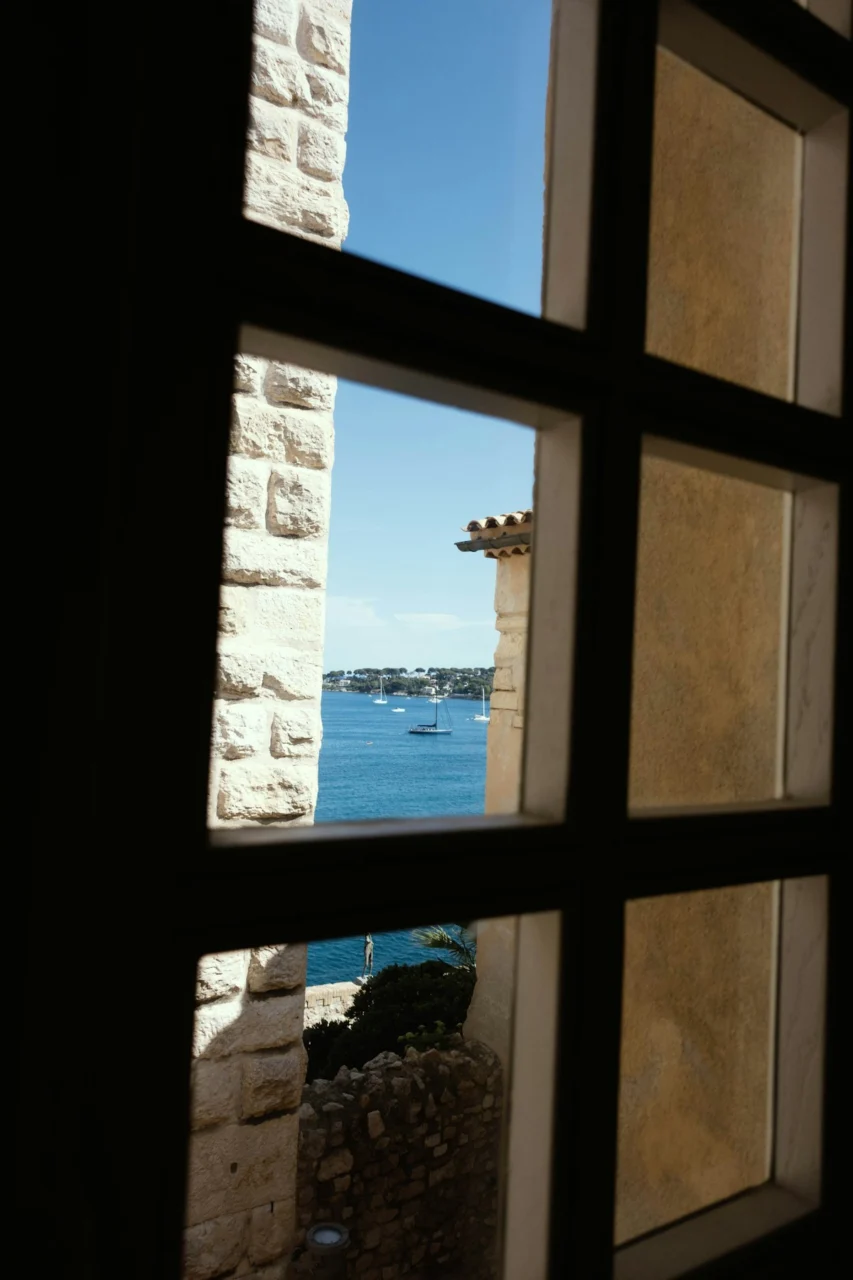
Spanish‑style windows are more than a design flourish; they are a bridge between indoor comfort and the sun‑kissed aesthetic of Mediterranean living. By selecting the right combination of wooden grilles, arches, colored glass, ironwork, shutters, tile accents, and thoughtful fabrics, you can give any room a sense of history, warmth, and visual intrigue. Each element carries its own set of considerations—budget, maintenance, scale—but together they create a layered character that feels both timeless and personal. When you approach the project with an eye for balance and a willingness to let light play across the details, the result is a window that does more than let the world in—it tells a story of place.