Home Office Decor Ideas for Productivity & Style
Working from home often means the same four walls become both a conference room and a kitchen table. When the environment feels chaotic or uninspired, focus drifts and motivation wanes. This article walks you through seven concrete ways to shape a home office that supports concentration while still reflecting your personal taste. Each idea blends function with aesthetics, so you can build a space that feels purposeful and inviting.
1. Choose a Purpose‑Driven Layout
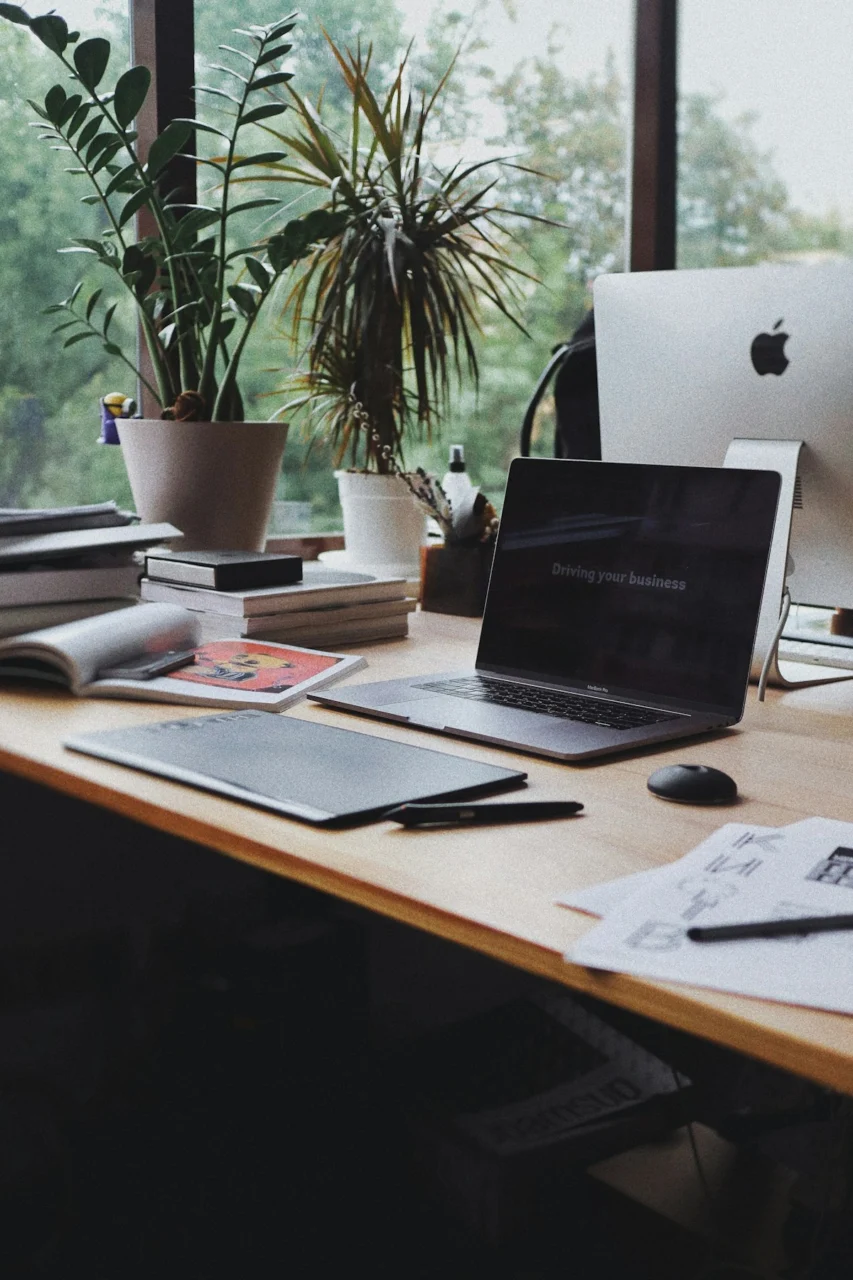
Photo by Olena Bohovyk on Unsplash
The first step is to map the room around the tasks you perform most. If you spend the majority of the day at a computer, position the desk where natural light falls without causing glare on the screen. For frequent phone calls or virtual meetings, arrange a comfortable chair a short distance away from the workstation, creating a mini‑conference zone. Keeping the core work area clear of secondary furniture reduces visual clutter and encourages a smoother workflow. When space is limited, consider a floating desk that doesn’t touch a wall; this opens the floor plan and makes the room feel larger. The trade‑off is that you may need to add a small rug or floor cushion to define the area without built‑in boundaries.
2. Anchor the Space with a Statement Desk
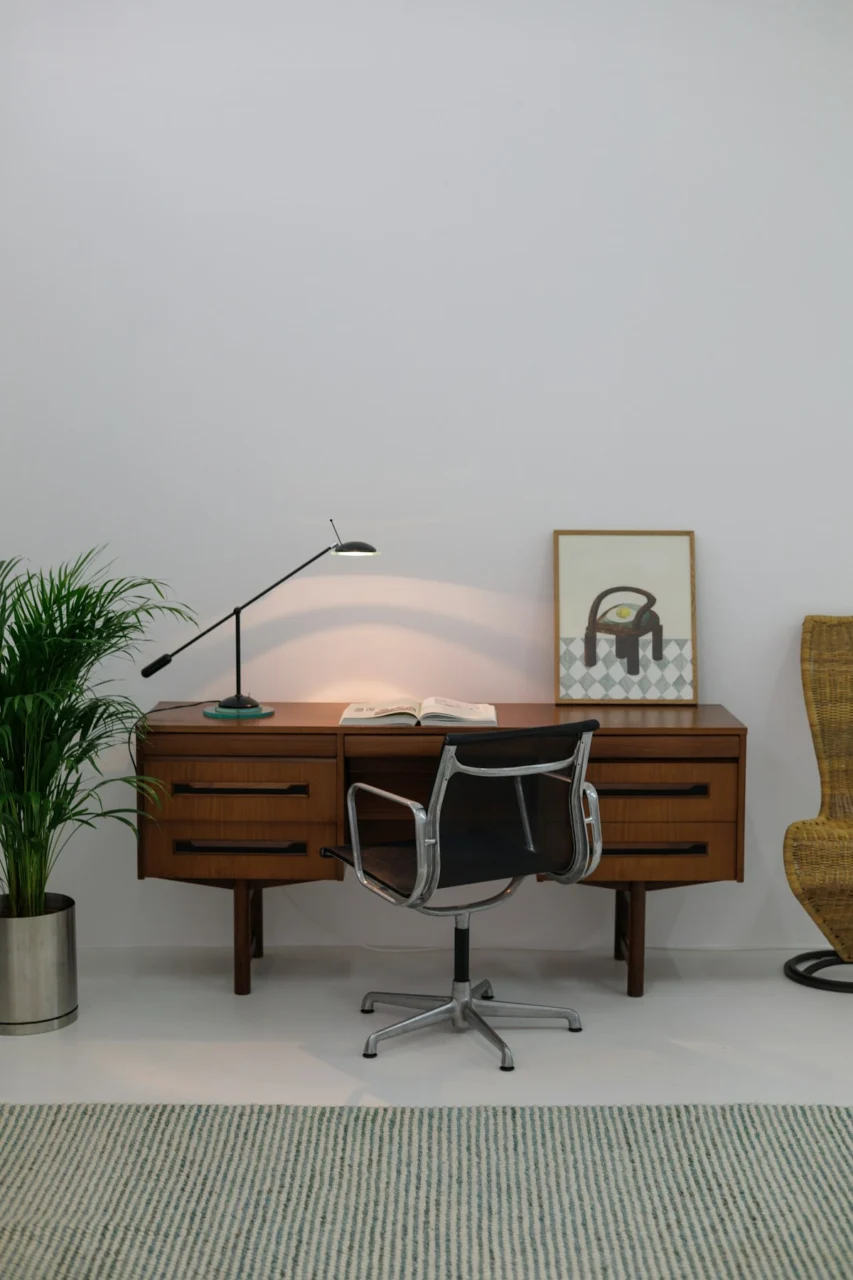
Photo by Urban Vintage on Unsplash
A well‑chosen desk does more than hold a laptop; it sets the tone for the entire room. Solid wood surfaces in warm walnut or cool ash provide durability and a tactile quality that feels grounded. If you prefer a sleek modern look, a matte metal frame paired with a glass top offers visual lightness while still supporting heavy equipment. Position the desk so the legs are visible, allowing you to layer a patterned rug underneath for added texture without compromising stability. Keep in mind that larger desks demand more clearance, so measure the walking path carefully to avoid a cramped feeling. A desk with built‑in cable management channels can hide power cords, preserving a tidy aesthetic.
3. Layer Lighting for Focus and Mood
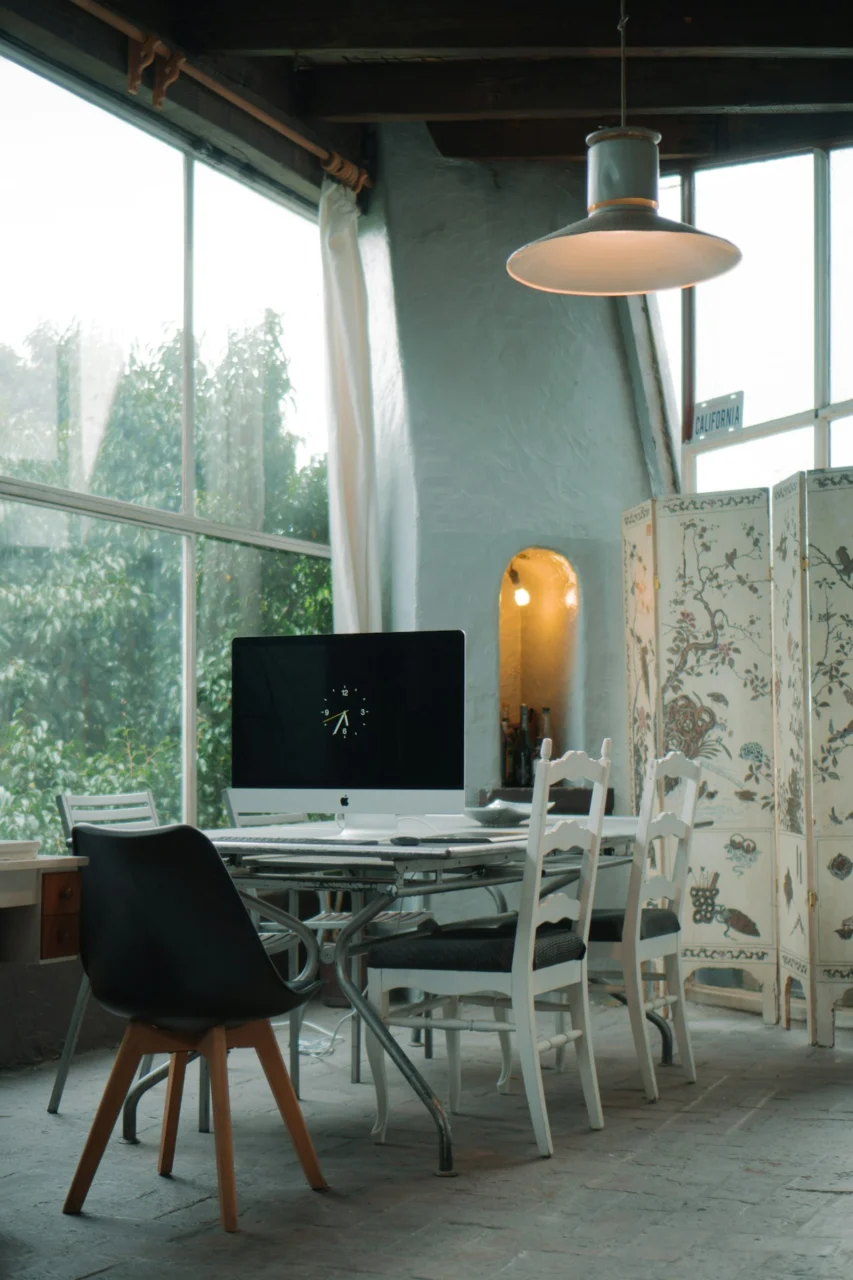
Photo by Humberto Arellano on Unsplash
Relying on a single overhead fixture often creates harsh shadows or flat illumination. Start with ambient lighting—perhaps a recessed ceiling light dimmed to a comfortable level—then add a task lamp positioned to the side of the monitor, reducing eye strain during prolonged screen time. A floor lamp with an adjustable arm near a reading chair offers a softer glow for document review or brainstorming sessions. Selecting fixtures with warm‑white LEDs mimics natural daylight without the flicker of fluorescent tubes. If the room lacks windows, a daylight‑simulating bulb can improve alertness. The downside of multiple light sources is the potential for conflicting color temperatures; aim for consistent warmth across all fixtures for visual harmony.
4. Introduce Soft Textures for Comfort
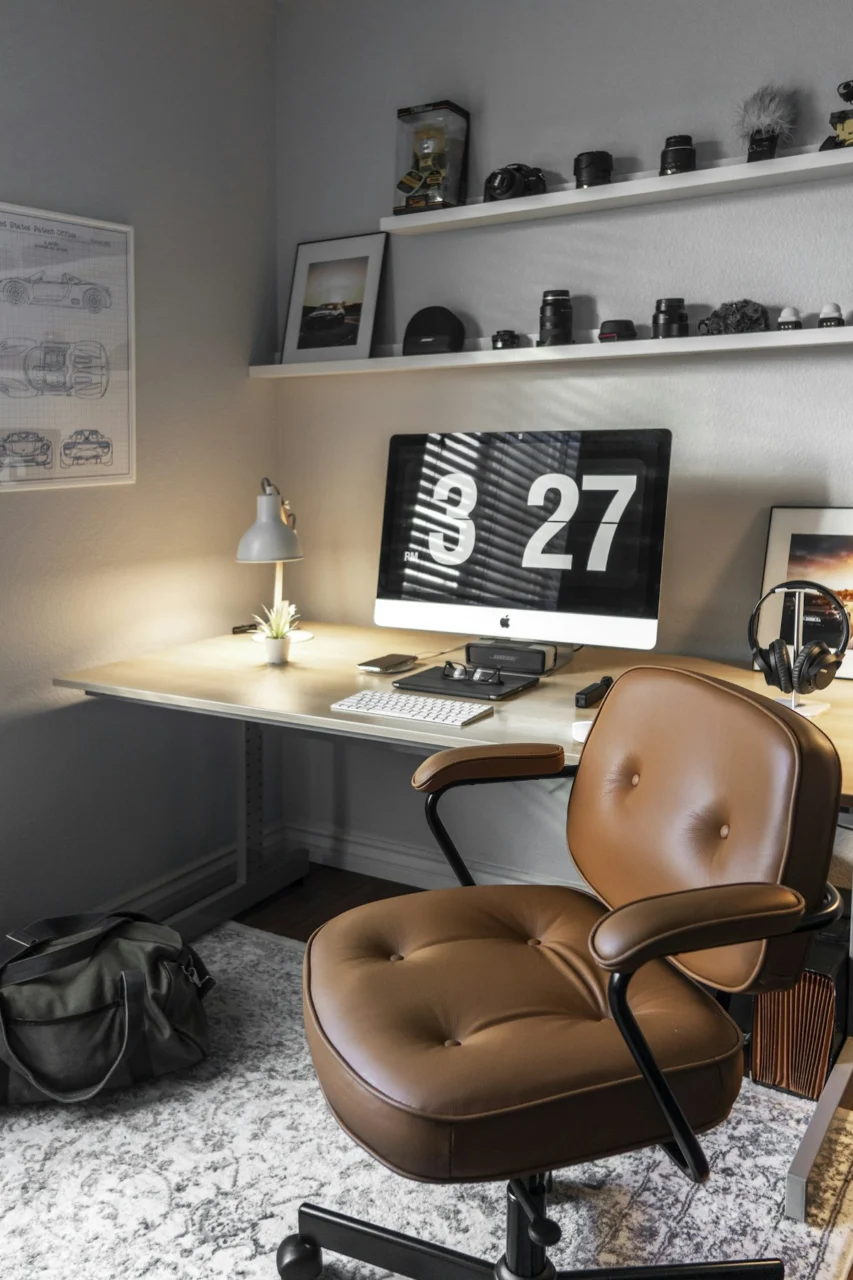
Photo by Michael Soledad on Unsplash
Hard surfaces dominate most home offices, but adding softness can lower stress levels and encourage longer, more productive periods. A high‑lofted linen chair or an upholstered swivel seat provides ergonomic support while adding visual interest. Place a woven jute rug under the desk to cushion footsteps and dampen echo, especially in rooms with hardwood floors. For the hands, keep a plush mouse pad or a small leather desk pad that feels pleasant to the touch during repetitive tasks. These tactile choices also signal a deliberate design effort, making the space feel curated rather than purely utilitarian. Be aware that fabrics can attract dust; choose materials that are easy to vacuum or spot‑clean to maintain a tidy environment.
5. Use Color Strategically to Guide Energy
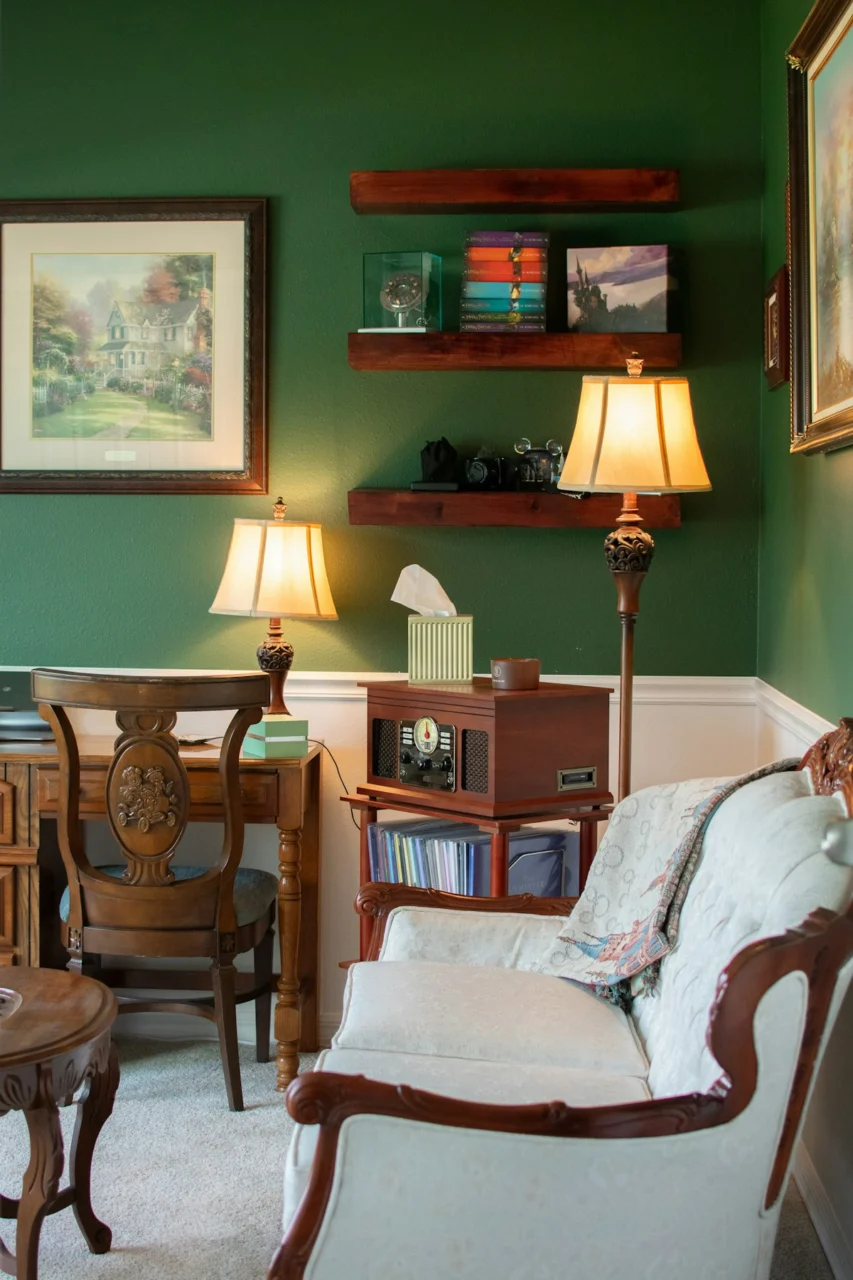
Photo by Juliana Uribbe on Unsplash
Color influences mood more than many realize. Soft, muted greens or pale blues can promote calmness, ideal for tasks that require concentration. If you need a burst of motivation, an accent wall painted in a muted terracotta or a deep olive can stimulate creativity without overwhelming the senses. Apply the hue to a single surface—perhaps the wall behind the desk or a set of floating shelves—to keep the rest of the room neutral and flexible. When painting, test a sample strip at eye level to gauge how natural light shifts the tone throughout the day. A potential pitfall is over‑saturation; too much saturated pigment can become distracting, so balance bold accents with lighter surrounding elements.
6. Incorporate Smart Storage Solutions
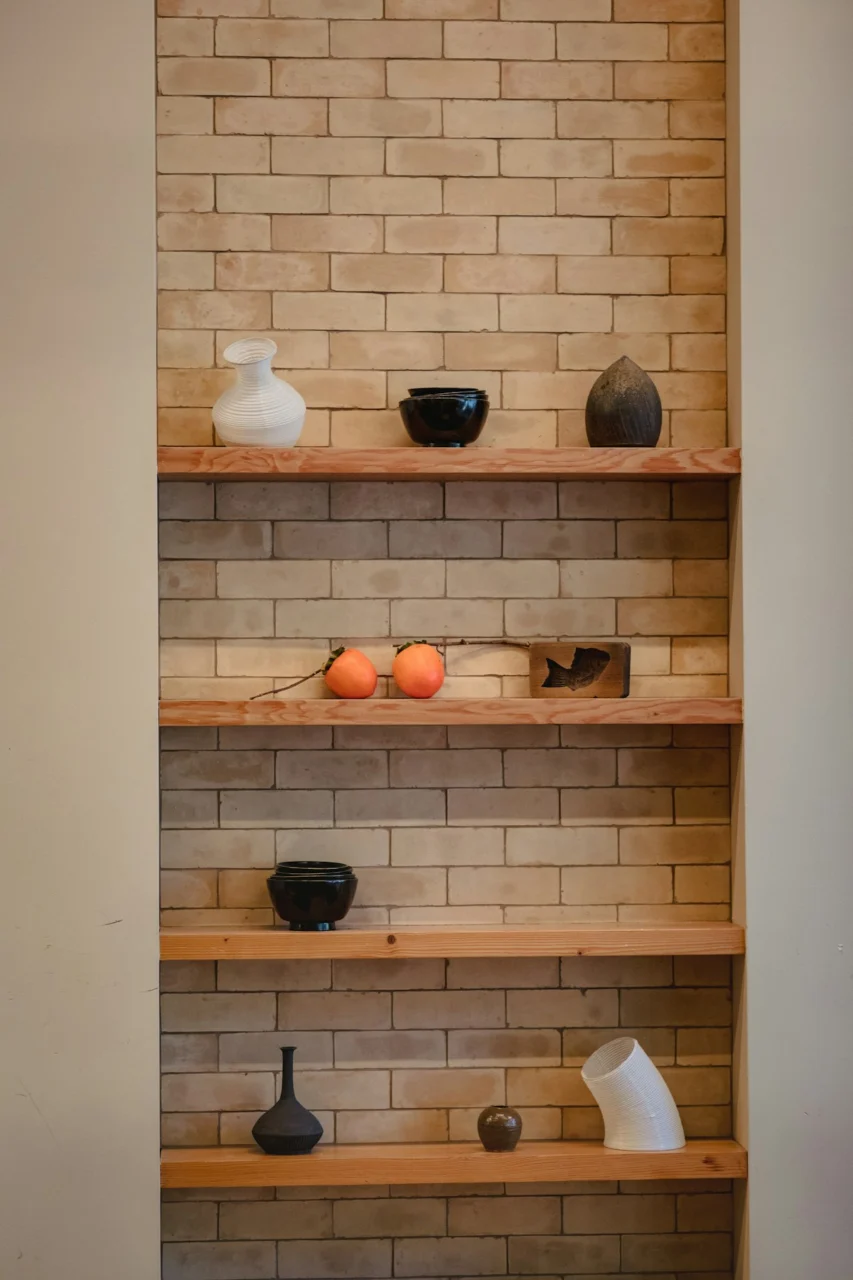
Photo by Jason Leung on Unsplash
Clutter is the enemy of focus, yet storage must also be aesthetically pleasing. Open shelving made from reclaimed pine offers easy access to frequently used items while adding a rustic charm. For documents that need to stay out of sight, a low‑profile credenza in a matte finish can double as a printer stand. Vertical storage—such as tall, narrow cabinets—utilizes ceiling height, preserving floor space for movement. When choosing drawers, prioritize soft‑close mechanisms to reduce noise during late‑night work sessions. The compromise with open shelves is that they display everything, so regular tidying becomes part of the routine.
7. Add Personal Touches without Distraction

Photo by The New York Public Library on Unsplash
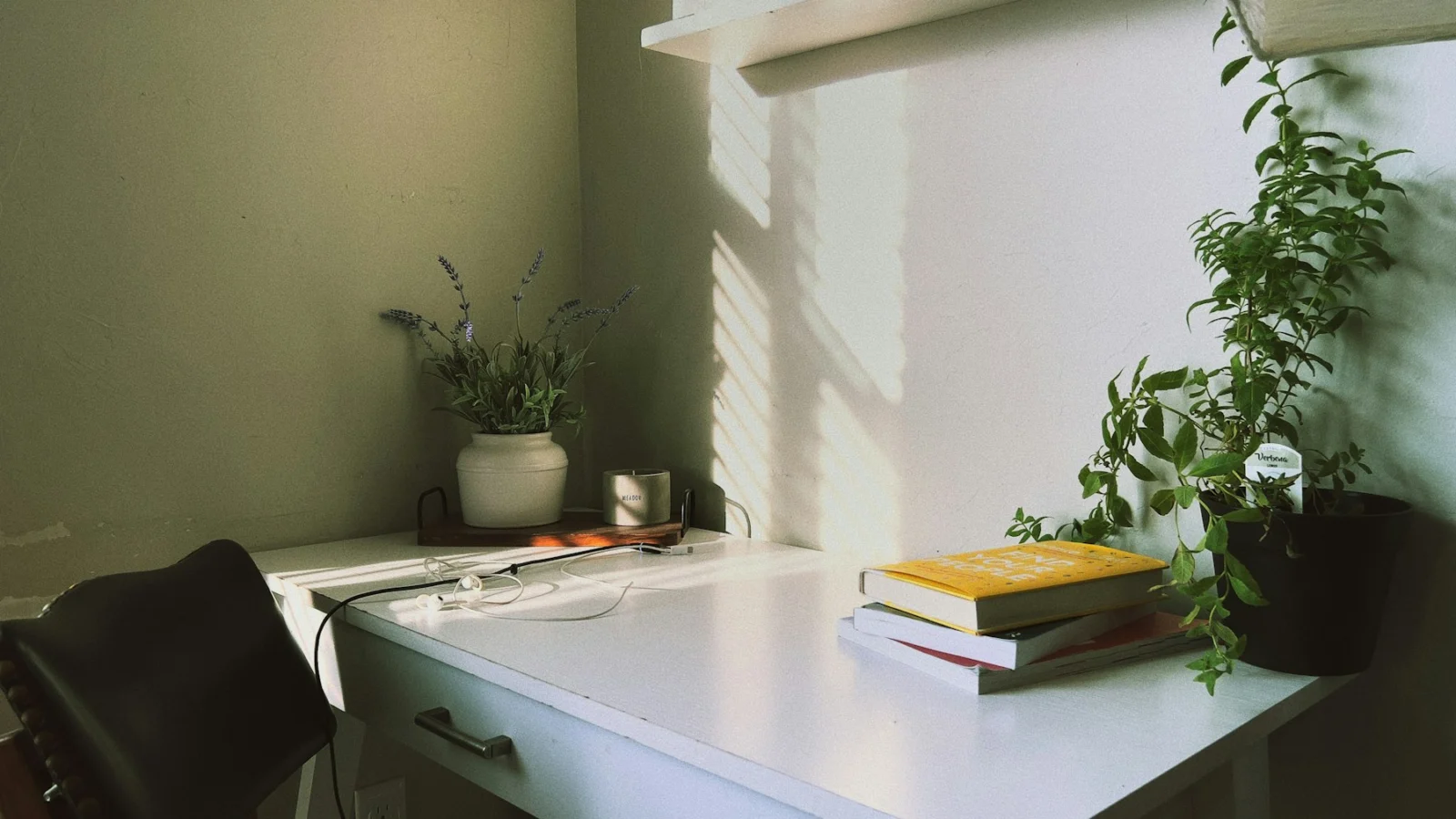
Personal items make a workspace feel welcoming, but they should not compete with the primary function of the room. A single piece of artwork that resonates with you—perhaps a framed botanical print or an abstract canvas in complementary tones—can serve as a visual anchor. Small collections, like a row of vintage cameras on a shelf, add character while staying organized. Incorporate a plant with low maintenance needs, such as a snake plant, to improve air quality and introduce a splash of green. When selecting décor, keep scale in mind; oversized objects can dominate the room and hinder workflow. The key is to curate a few meaningful pieces rather than filling every surface.
FAQ
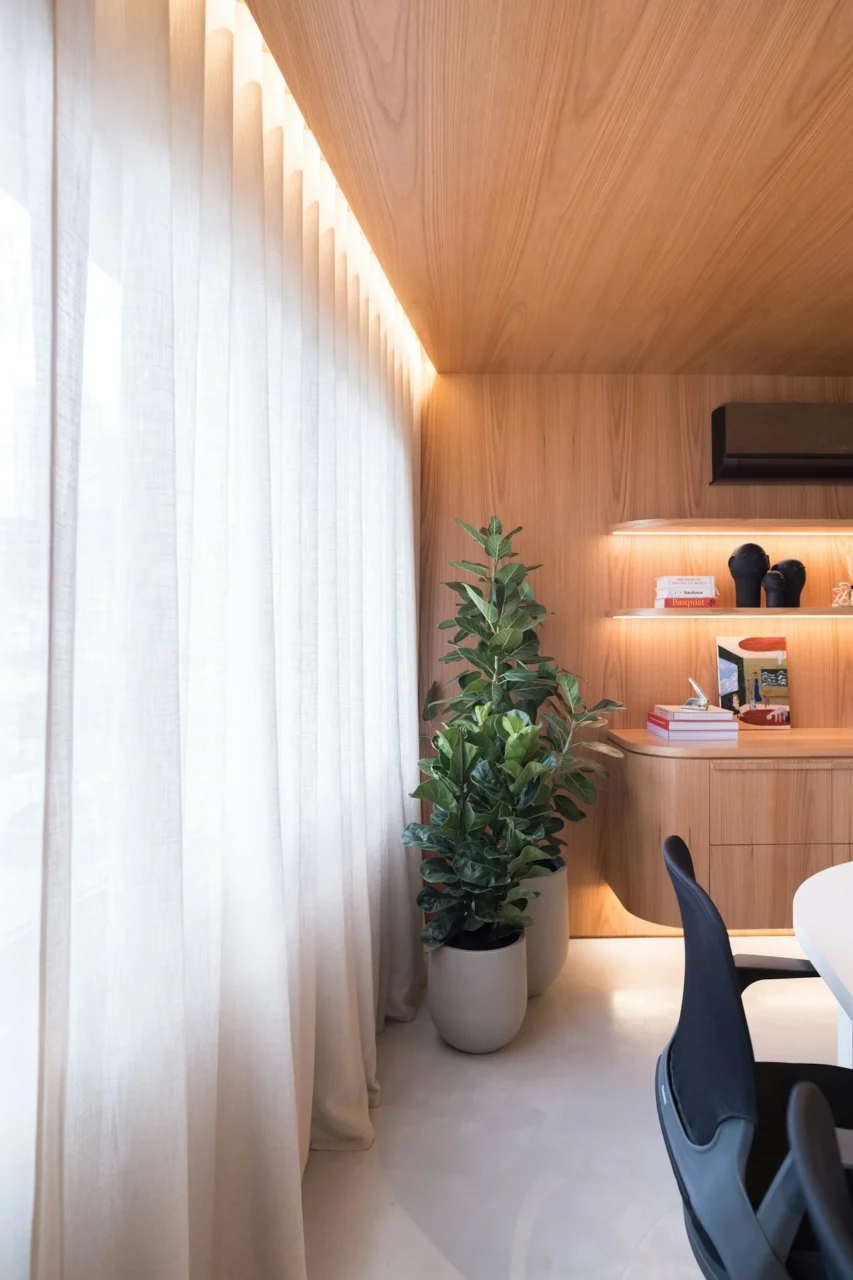
Photo by Caroline Badran on Unsplash
How much natural light is ideal for a home office?
Moderate natural light that illuminates the desk without creating screen glare works best. Position the workstation near a window with a sheer curtain to diffuse direct sunlight while still benefiting from daylight’s energizing effect.
Can I work from a small bedroom and still be productive?
Yes, a compact bedroom can serve as an effective office if you define a clear work zone. Use a slim desk, a wall‑mounted shelving unit, and a focused lighting plan to separate work from sleep areas.
What flooring options are both functional and stylish?
Low‑pile rugs made of wool or synthetic blends protect floors and reduce noise, while remaining easy to clean. If you prefer hard flooring, a floating laminate with a subtle grain pattern offers durability and visual interest.
Is it worth investing in a standing desk?
A standing desk can improve posture and increase movement throughout the day. Choose a model with adjustable height to alternate between sitting and standing, and pair it with an anti‑fatigue mat for comfort.
How do I keep cables organized without hiding them completely?
Use cable trays mounted under the desk or simple Velcro ties to bundle cords neatly. Running wires along the back edge of the desk keeps them accessible for occasional changes while maintaining a tidy appearance.
Final Thoughts

Photo by hellobeekay on Unsplash
Designing a home office that balances productivity and style is less about following trends and more about aligning the space with how you work. By thoughtfully arranging layout, selecting furniture that feels both sturdy and inviting, layering light, and adding texture, you create an environment that supports focus without feeling sterile. Small choices—like a well‑placed plant or a single piece of art—infuse personality while keeping distractions at bay. Treat each element as a part of a larger system, and the result will be a workspace that feels intentional, comfortable, and ready for any task.