Kitchens With Black Backsplash That Look Bold – Fresh Ideas for a Striking Space
Choosing a black backsplash can feel daring, especially when you worry it might make the room feel smaller or overly dramatic. The good news is that with the right choices, black becomes a sophisticated backdrop that highlights appliances, countertops, and accessories instead of overwhelming them. Below you’ll find seven distinct approaches that turn a bold black splash into a polished, functional centerpiece—plus practical tips on lighting, layout, and upkeep.
1. Embrace the Finish: Matte, Glossy, or Textured?

Photo by Kenneth Berrios Alvarez on Unsplash
The surface treatment of your tiles sets the tone before any color or pattern even enters the conversation. Each finish behaves differently under light and against neighboring materials.
Matte Tiles
- Absorb light, creating a soft, velvety look that feels less stark.
- Hide fingerprints and water spots better than glossy options.
- Pair well with high‑gloss countertops for a balanced contrast.
Glossy Tiles
- Reflect ambient light, helping to brighten a darker kitchen.
- Showcase intricate patterns—think hand‑painted motifs or subtle veining.
- Require more frequent cleaning to keep the shine pristine.
Textured or 3‑D Tiles
- Add depth without relying on color contrast.
- Works especially well in minimalist kitchens where the backsplash becomes the focal point.
- Be mindful of grout lines; deeper textures may need narrower grout to avoid a busy appearance.
When selecting a finish, consider the overall lighting and the visual weight of other surfaces. A matte tile can soften a glossy cabinet finish, while a glossy tile can lift a matte countertop.
2. Light Countertops: The Perfect Counterbalance
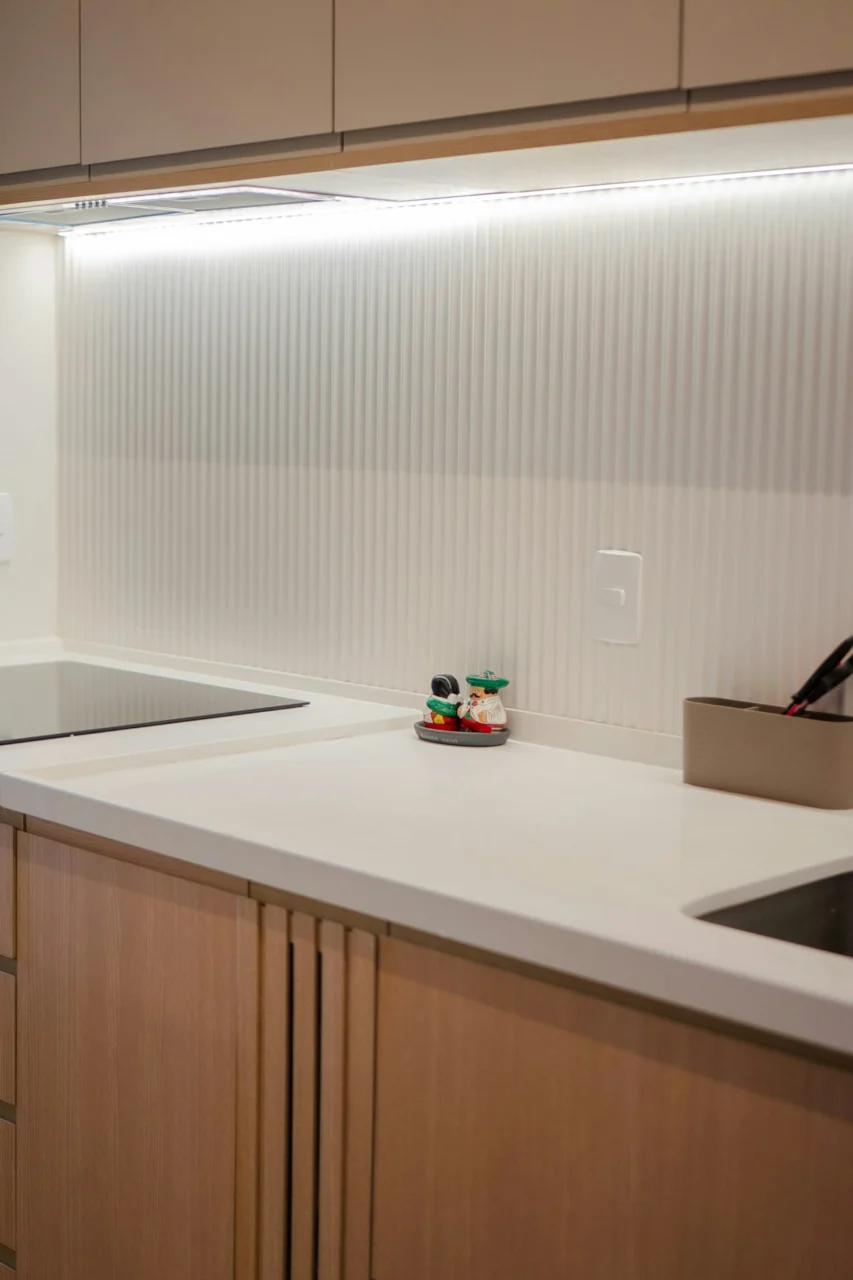
Photo by Rodrigo Rodrigues | WOLF Λ R T on Unsplash
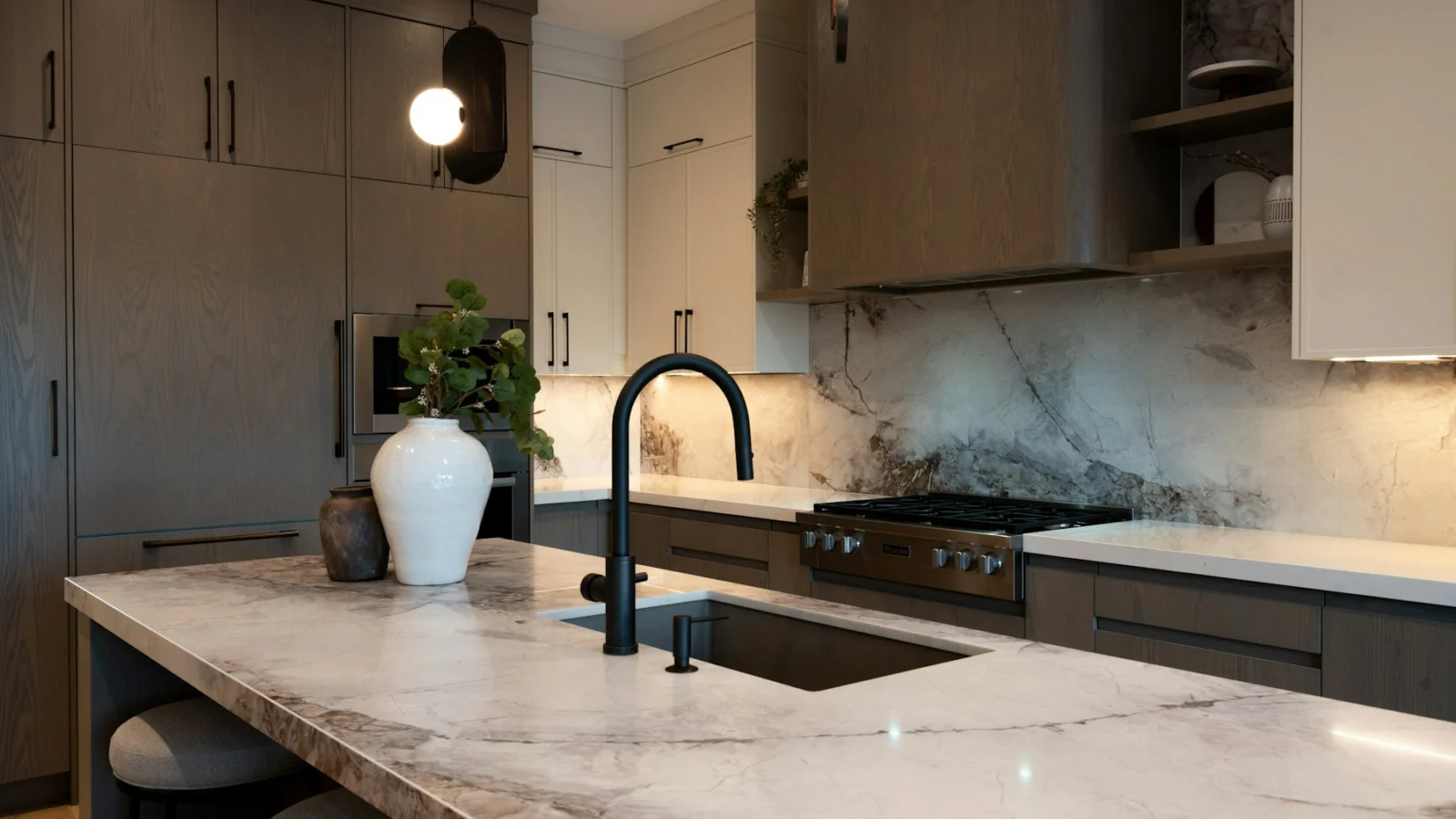
Dark walls need light surfaces to prevent a cave‑like feeling. Choosing the right countertop material is crucial for harmony.
- White or light‑gray quartz offers a clean, low‑maintenance backdrop that lets the black backsplash pop.
- Marble with subtle veining introduces natural elegance while maintaining brightness.
- Wood‑tone butcher block adds warmth and a tactile contrast that softens the starkness of black.
Even a light-colored concrete slab can work, provided it’s sealed properly. The key is to keep the countertop surface at least two shades lighter than the backsplash to maintain visual balance.
3. Introduce Colorful Accents for Visual Interest
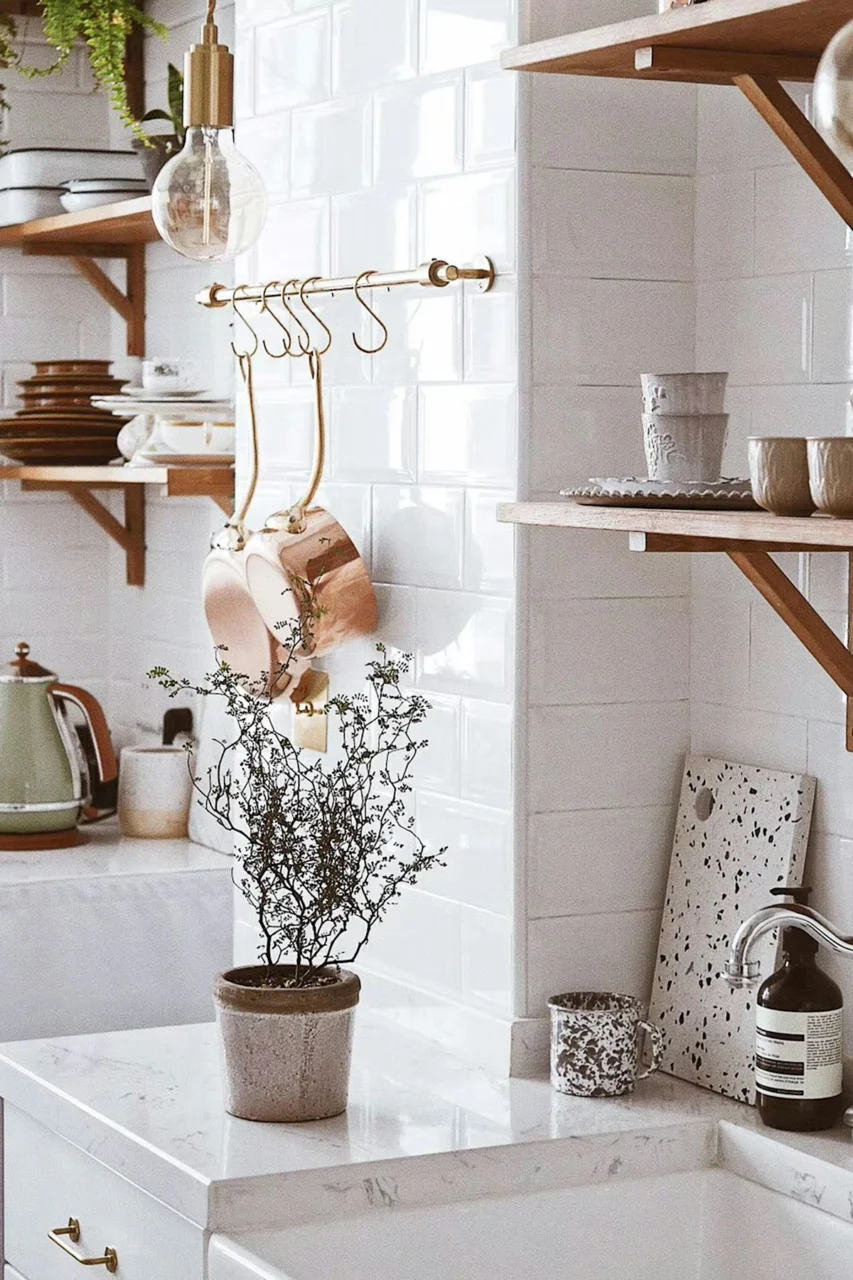
A black backdrop is a perfect canvas for metallics, bold hues, and natural textures.
- Copper or brass hardware—drawer pulls, faucet, and lighting fixtures—reflects light and adds a warm glow.
- Open shelving in natural wood breaks up the darkness and offers a place to display colorful dishware.
- Bold pendant lights in teal, mustard, or deep navy create a focal point that draws the eye upward.
When using color, limit it to a few accent pieces to avoid competing with the black splash. This restraint ensures the backsplash remains the star without feeling cluttered.
4. Play with Pattern and Geometry

Photo by Oleksii Drozdov on Unsplash
Pattern is where you can truly make a black backsplash feel bespoke.
Classic Subway with a Twist
Standard 3‑by‑6‑inch tiles laid in a staggered brick pattern are timeless. Switch to a larger 4‑by‑8‑inch format for a modern feel, or rotate the tiles vertically for a subtle elongation effect.
Herringbone or Chevron
These angled layouts add movement and can visually widen a narrow kitchen. Because the pattern creates visual breaks, you can opt for a glossy finish without the space feeling too heavy.
Mosaic Inserts
Incorporate a narrow strip of glass or metal mosaic along the top or bottom third of the backsplash. This technique introduces sparkle and a hint of color while preserving the dominant black aesthetic.
Whichever pattern you choose, keep grout lines consistent—typically 1/16‑inch for a sleek look, or 1/8‑inch if you prefer a more pronounced grid.
5. Light It Right: Illuminating the Darkness
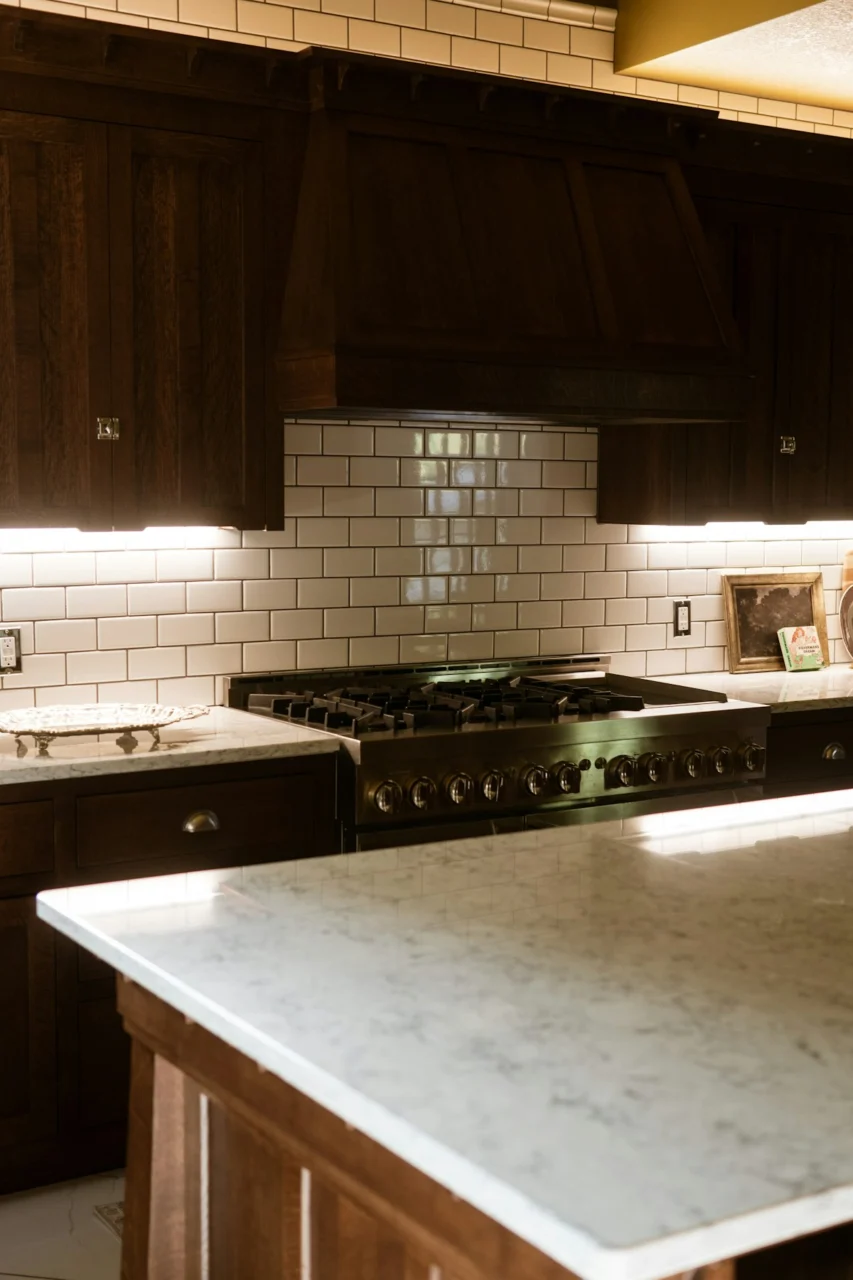
Photo by Taylor Friehl on Unsplash
Lighting isn’t just functional; it’s a design tool that can either mute or magnify a black backsplash.
- Under‑cabinet LED strips—warm white LEDs bounce off the backsplash, creating a soft halo that reduces glare.
- Recessed ceiling lights positioned above the backsplash can highlight texture and pattern without harsh shadows.
- Task lighting such as a pendant over the island adds a focal point and prevents the black from absorbing all ambient light.
When installing lighting, aim for a layered approach: ambient overhead lighting, task lighting at work zones, and accent lighting that showcases the backsplash’s details.
6. Scale and Layout: Full‑Height vs. Partial
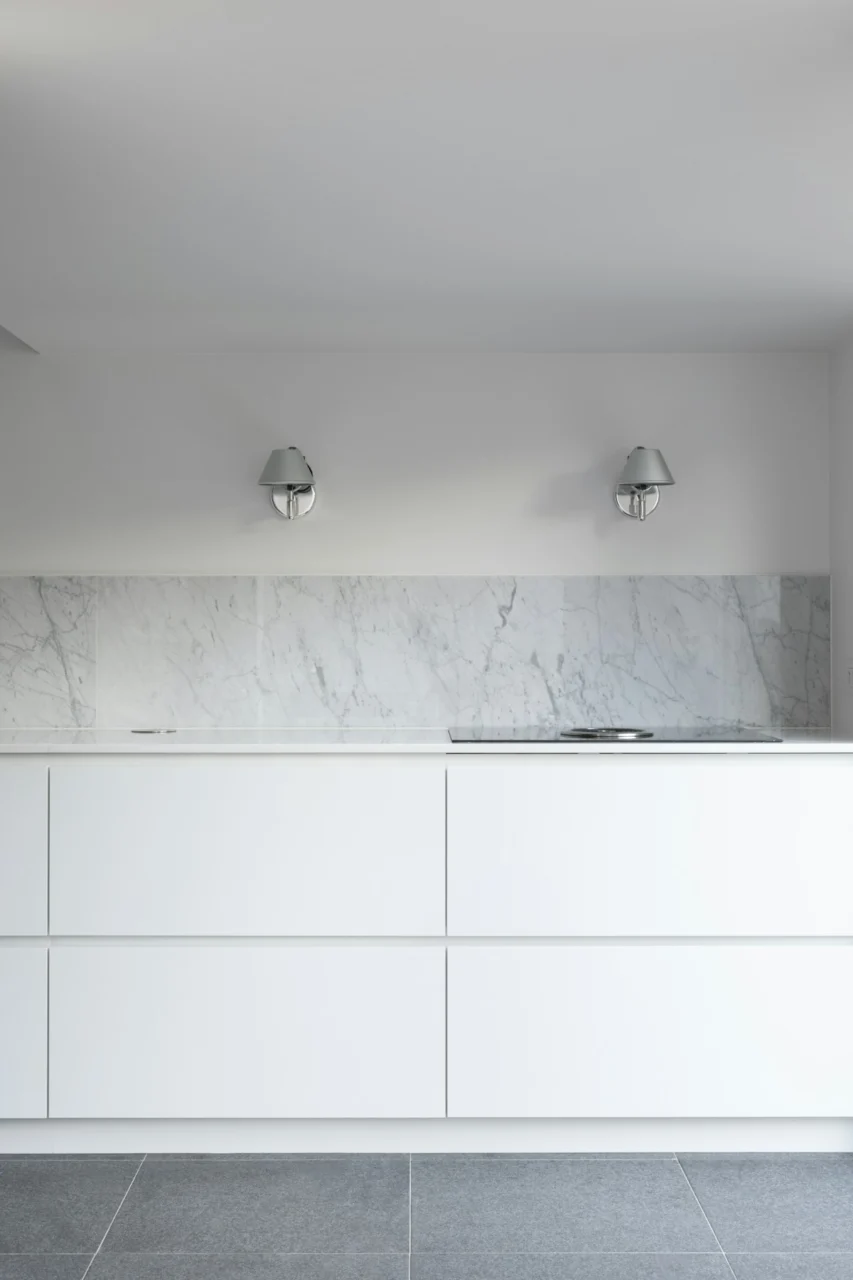
Photo by Jean-Philippe Delberghe on Unsplash
The height of your backsplash influences both visual impact and practicality.
- Full‑height (floor‑to‑cabinet top) creates a dramatic, gallery‑like effect—ideal for modern, open‑plan kitchens.
- Standard 4‑inch height is classic and easier to maintain; it protects the wall while leaving space for decorative art above.
- Extended splash (6‑12 inches) offers a middle ground—enough surface to showcase pattern without overwhelming the room.
When planning layout, measure the exact width of your cabinet run and consider any appliances that may protrude, such as a range hood. Ensure the backsplash ends cleanly at corners; mitered or bullnose edges give a finished look.
7. Maintenance Made Simple: Keeping Black Fresh

Photo by Haberdoedas on Unsplash
One common concern is that black surfaces show stains and smudges more readily. Proper material choice and routine care keep the look crisp.
- Glazed ceramic or porcelain tiles are non‑porous and resist staining.
- Seal grout with a penetrating sealer every 6‑12 months to prevent discoloration.
- Cleaning routine—a soft microfiber cloth and a mild pH‑balanced cleaner wipe away grease without scratching the surface.
- Avoid abrasive pads; they can dull a glossy finish and leave micro‑scratches that become visible over time.
For high‑traffic kitchens, consider a larger format tile; fewer grout lines mean less area to clean and less chance for grime buildup.
FAQ
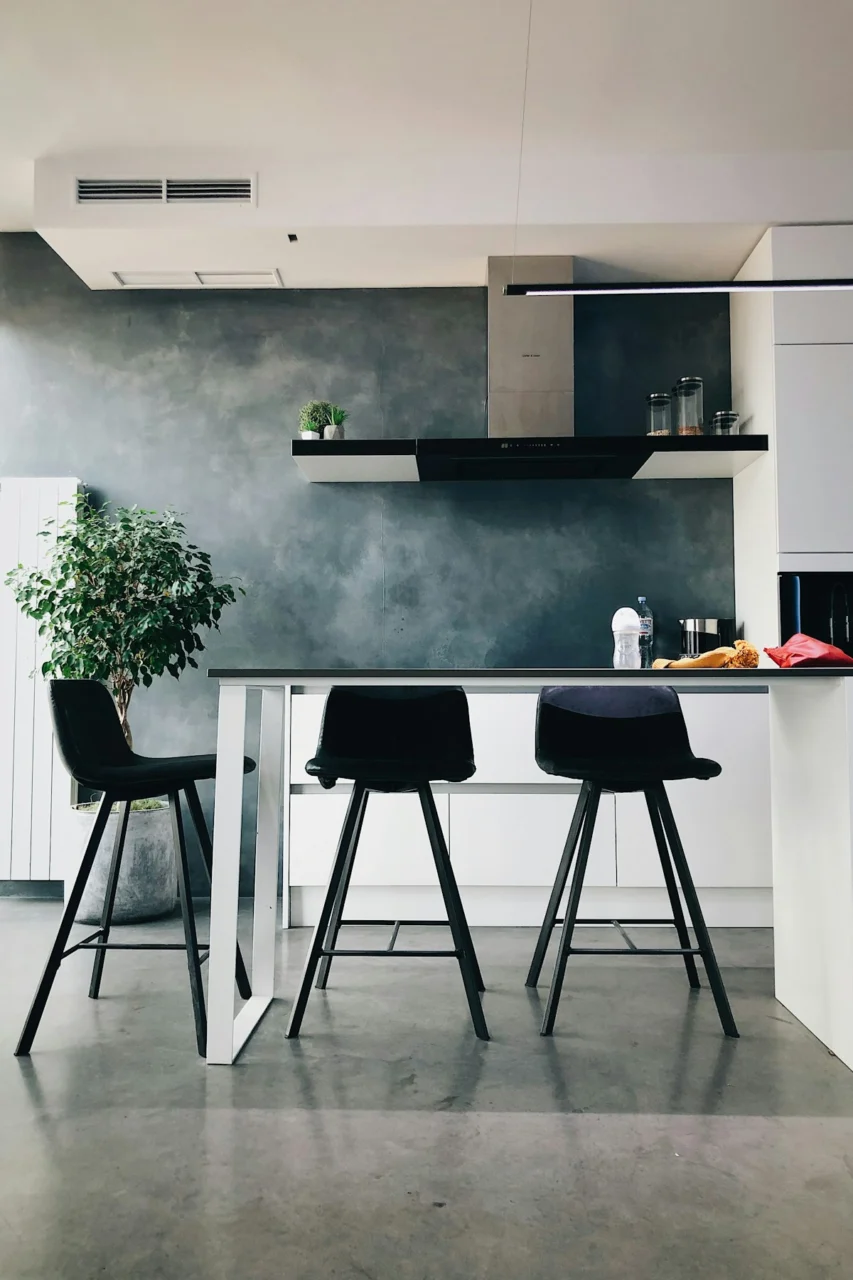
Photo by Vitaliy Zamedyanskiy on Unsplash
How can I prevent a black backsplash from making my kitchen feel too dark?
Balance the darkness with light countertops, ample ambient lighting, and reflective accessories such as glossy tiles or metallic hardware. Keeping the overall palette bright—white walls, light cabinets—helps the black act as an accent rather than a dominant shade.
What tile size works best with a black backsplash?
Mid‑size tiles (4‑by‑8 inches) offer a modern look without overwhelming the space. For smaller kitchens, larger formats can reduce the visual clutter of grout lines, while smaller mosaic tiles work well for accent strips.
Can I install a black backsplash myself, or should I hire a professional?
DIY installation is feasible for simple subway or mosaic patterns, especially if you have basic tiling experience. For intricate layouts like herringbone or large glass tiles, a professional ensures proper alignment, cutting, and waterproofing.
What’s the best way to protect a black backsplash from stains?
Choose glazed ceramic or porcelain tiles, seal the grout regularly, and clean spills promptly with a non‑abrasive cleaner. Adding a clear sealant to natural stone backsplashes can also help repel oil and water.
Will a black backsplash affect my home’s resale value?
When executed thoughtfully—paired with light countertops and good lighting—a black backsplash can be a selling point, signaling modern style. Overly dark, poorly lit kitchens may deter some buyers, so balance is key.
Final Thoughts
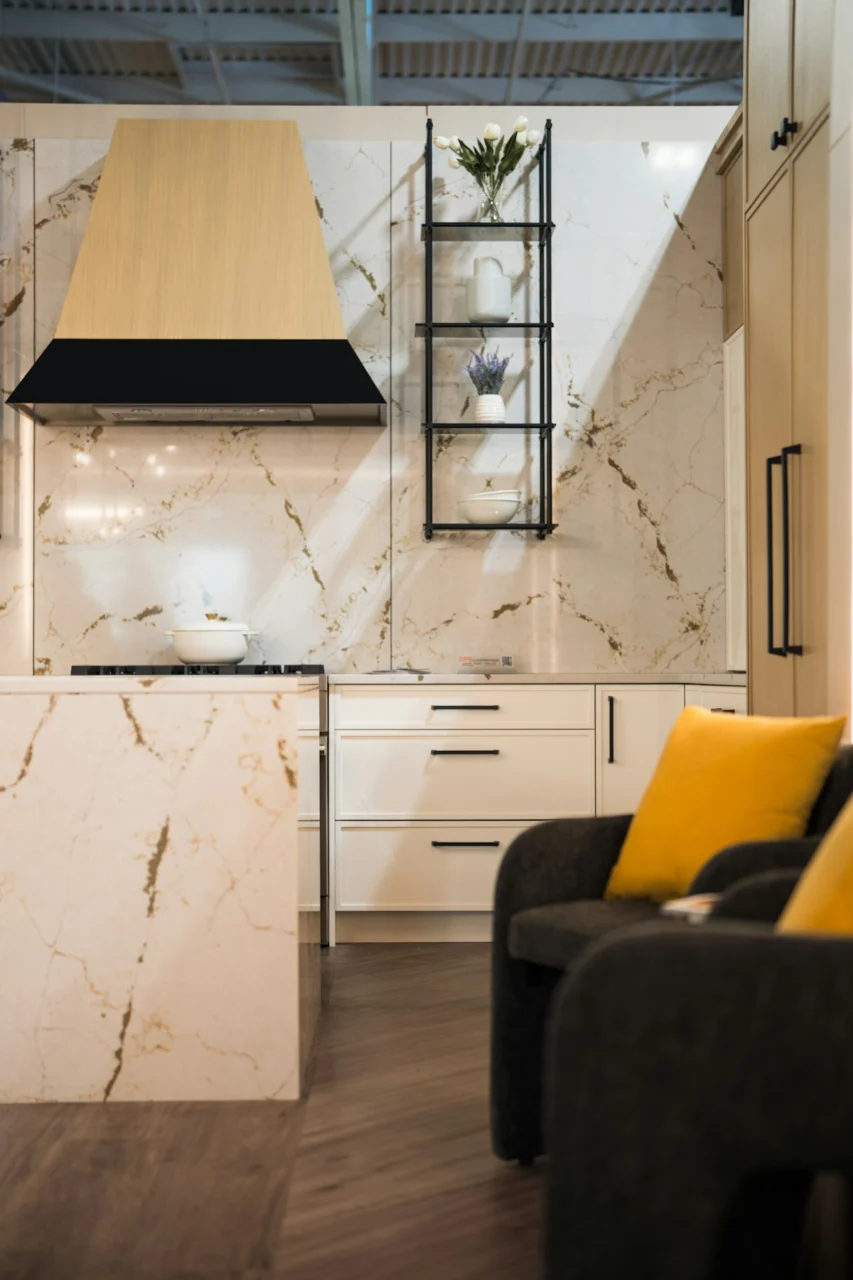
Photo by Franco Debartolo on Unsplash
A black backsplash isn’t a gamble; it’s a design decision that, when paired with the right finishes, lighting, and accents, can elevate a kitchen from ordinary to unforgettable. Use the seven ideas above as a roadmap: choose a finish that matches your lighting, keep countertops light, sprinkle in color, experiment with pattern, layer your lighting, size the splash appropriately, and stay on top of maintenance. With those fundamentals in place, your bold kitchen will feel both sophisticated and welcoming—ready for daily meals and memorable gatherings alike.