Bold Kitchens With Black Cabinets: a Modern Take on Classic Elegance
When a kitchen feels flat, the eye often searches for a focal point that can anchor the whole space. Black cabinets provide that anchor, turning a functional room into a statement of confidence. In this article you’ll discover how to pair dark cabinetry with complementary elements, manage light and texture, and keep the look both striking and livable. Each section explores a different aspect of designing around black cabinets, offering practical guidance you can apply to any layout, budget, or style preference.
1. Embracing the Drama of Dark Surfaces
Choosing black for cabinetry instantly adds depth, but the effect depends on the finish. A matte lacquer absorbs light, creating a sophisticated, almost velvety backdrop, while a high‑gloss veneer reflects surrounding colors and can make the room feel larger. The key is to match the finish to the overall mood you want: matte for a calm, understated vibe; gloss for a more energetic, contemporary feel. Consider the size of the kitchen—smaller spaces often benefit from a matte surface that softens the walls, whereas an open‑plan area can handle the reflective quality of gloss without feeling cramped. Pairing black cabinets with a neutral wall color, such as warm greige or soft dove, prevents the space from becoming oppressive and allows the cabinetry to command attention without overwhelming the eye.
2. Pairing Black Cabinets with Light Countertops
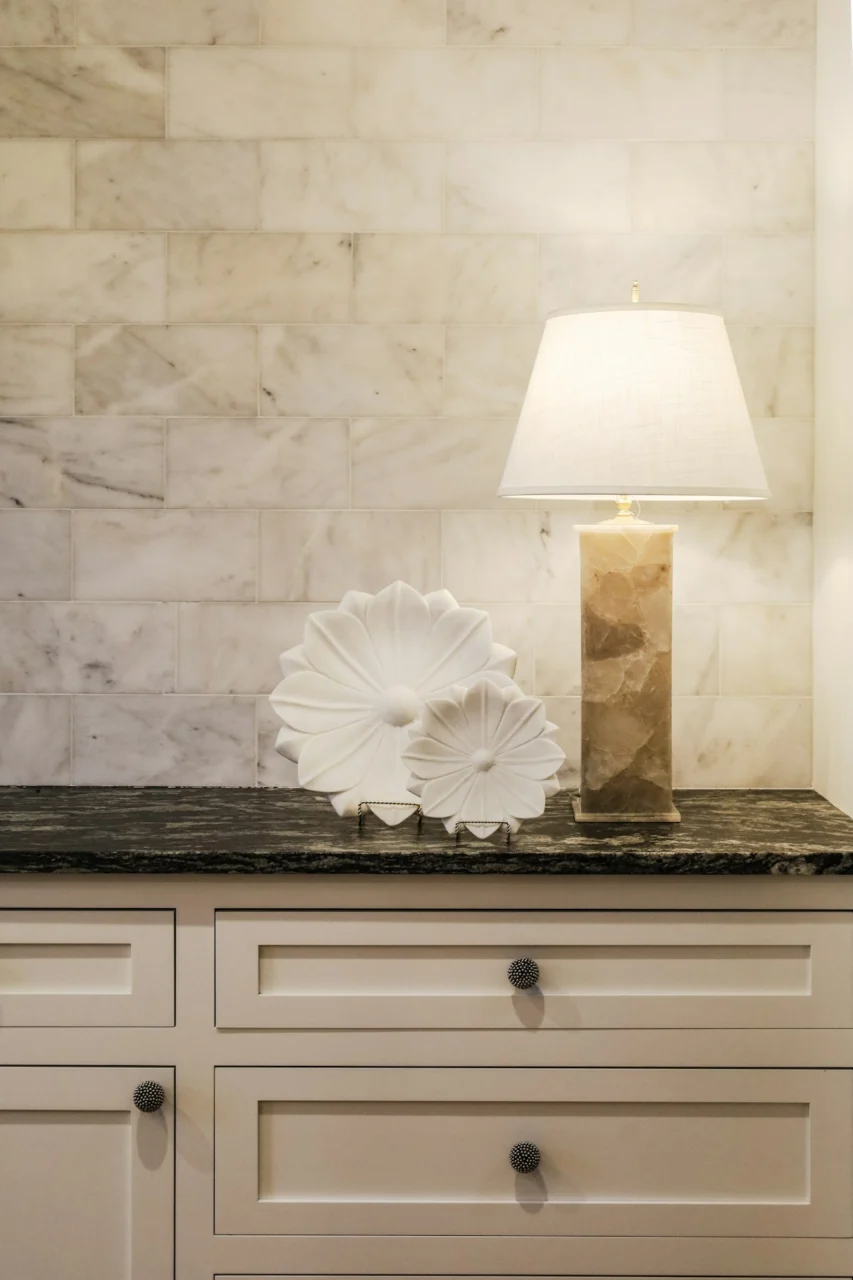
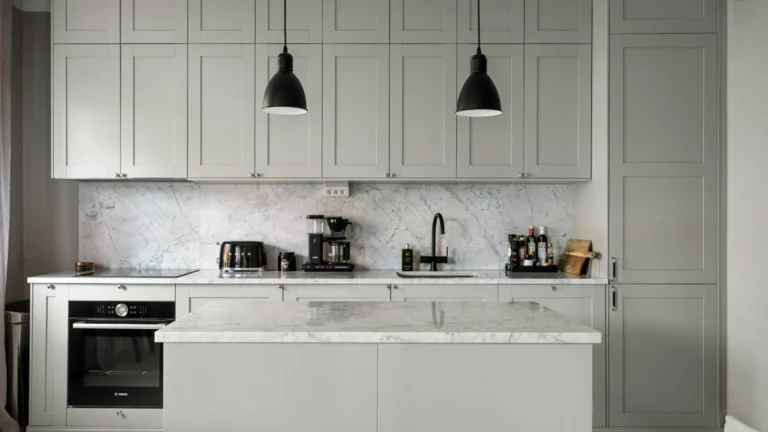
Photo by Rosemary Media on Unsplash
The contrast between dark cabinets and light countertops is a timeless trick for visual balance. White marble, pale quartz, or even a subtle cream butcher block introduces a bright plane that catches the eye and offers a practical work surface. Light stone also reflects natural daylight, which helps to lift the overall brightness of the room. When selecting a countertop, think about the pattern and veining; a busy marble can compete with the cabinetry, while a smoother surface lets the black cabinets remain the star. If you favor a softer transition, a warm beige or light walnut countertop adds a touch of warmth that softens the starkness of black without sacrificing contrast.
3. Using Natural Wood Accents to Warm the Space
Wood tones introduce an organic counterbalance to the sleekness of black cabinets. Open shelving made from reclaimed pine, a butcher block island, or a hardwood dining table can soften the visual intensity and add tactile interest. The grain of the wood catches the eye in a way that glossy surfaces cannot, creating a layered look that feels lived‑in. When integrating wood, pay attention to the finish: a light oiled surface retains the natural color and texture, while a darker stain can echo the cabinetry while still offering contrast. Keep the scale of wood elements proportionate to the kitchen—large islands work well in spacious rooms, whereas narrower shelves fit better in tighter layouts.
4. Lighting Strategies that Highlight Depth

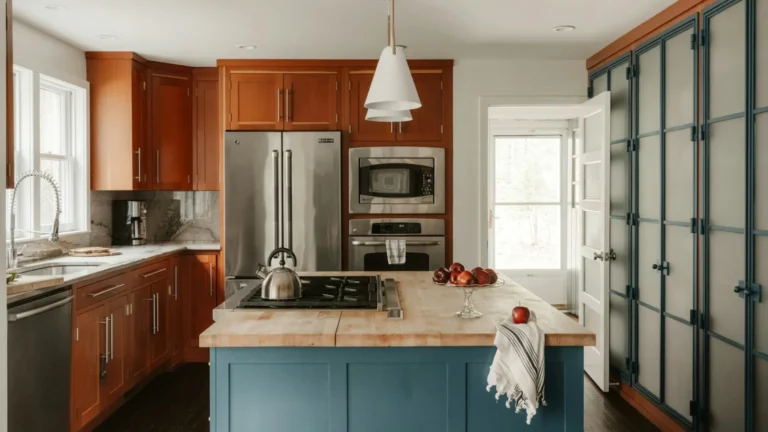
Image by nextpraveen from Pixabay
Proper lighting is essential when working with black surfaces, as they can absorb ambient light and make corners feel recessed. Layered illumination solves this problem. Overhead recessed lights positioned close to the cabinets provide even wash, while pendant lights hung above an island add focal interest and prevent shadows. Under‑cabinet LED strips illuminate the countertop work area and reveal the texture of the black finish, turning a potential drawback into a design feature. Natural light should also be maximized; sheer curtains or a skylight allow daylight to bounce off lighter surfaces, keeping the kitchen bright even on overcast days.
5. Selecting Hardware that Completes the Palette
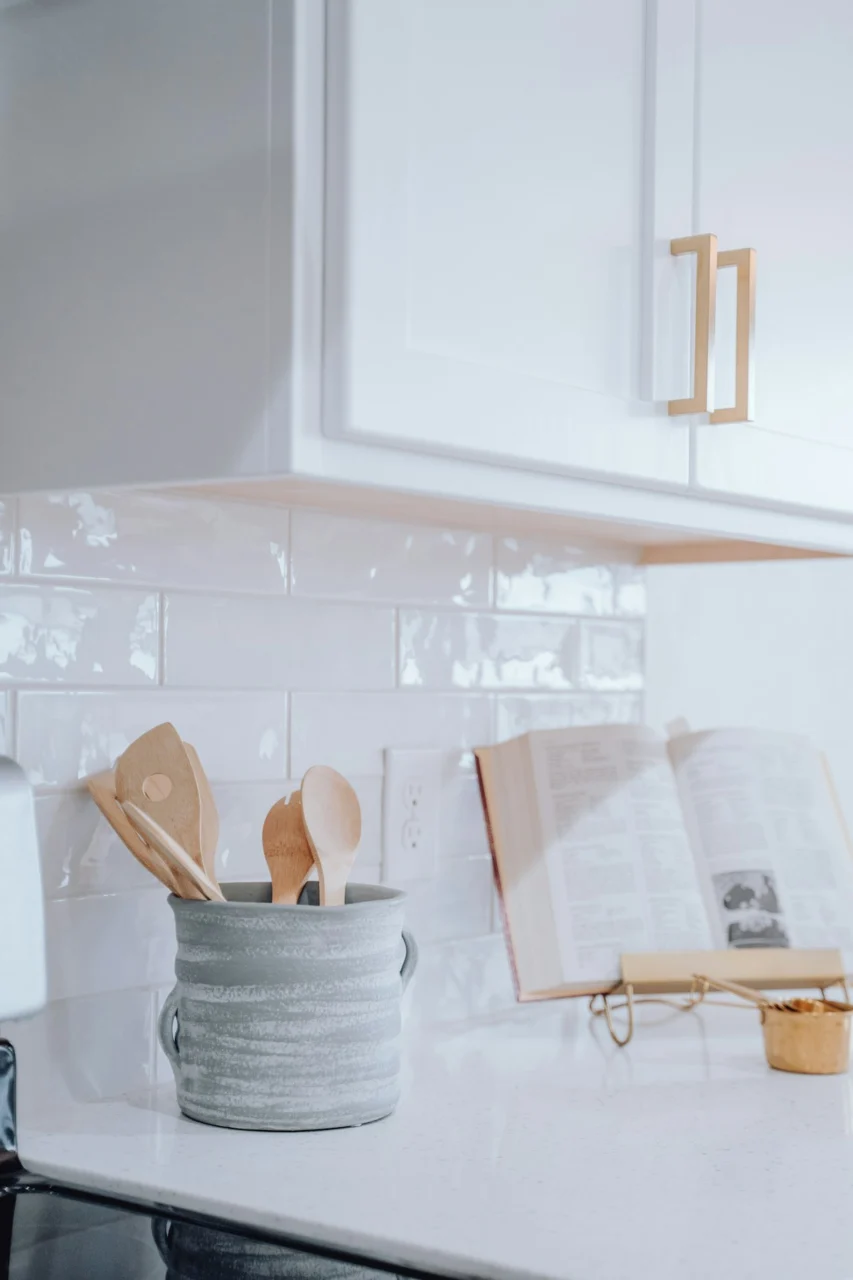
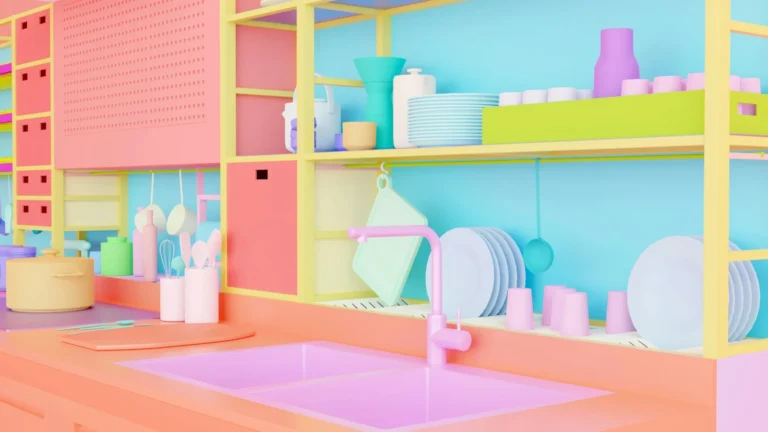
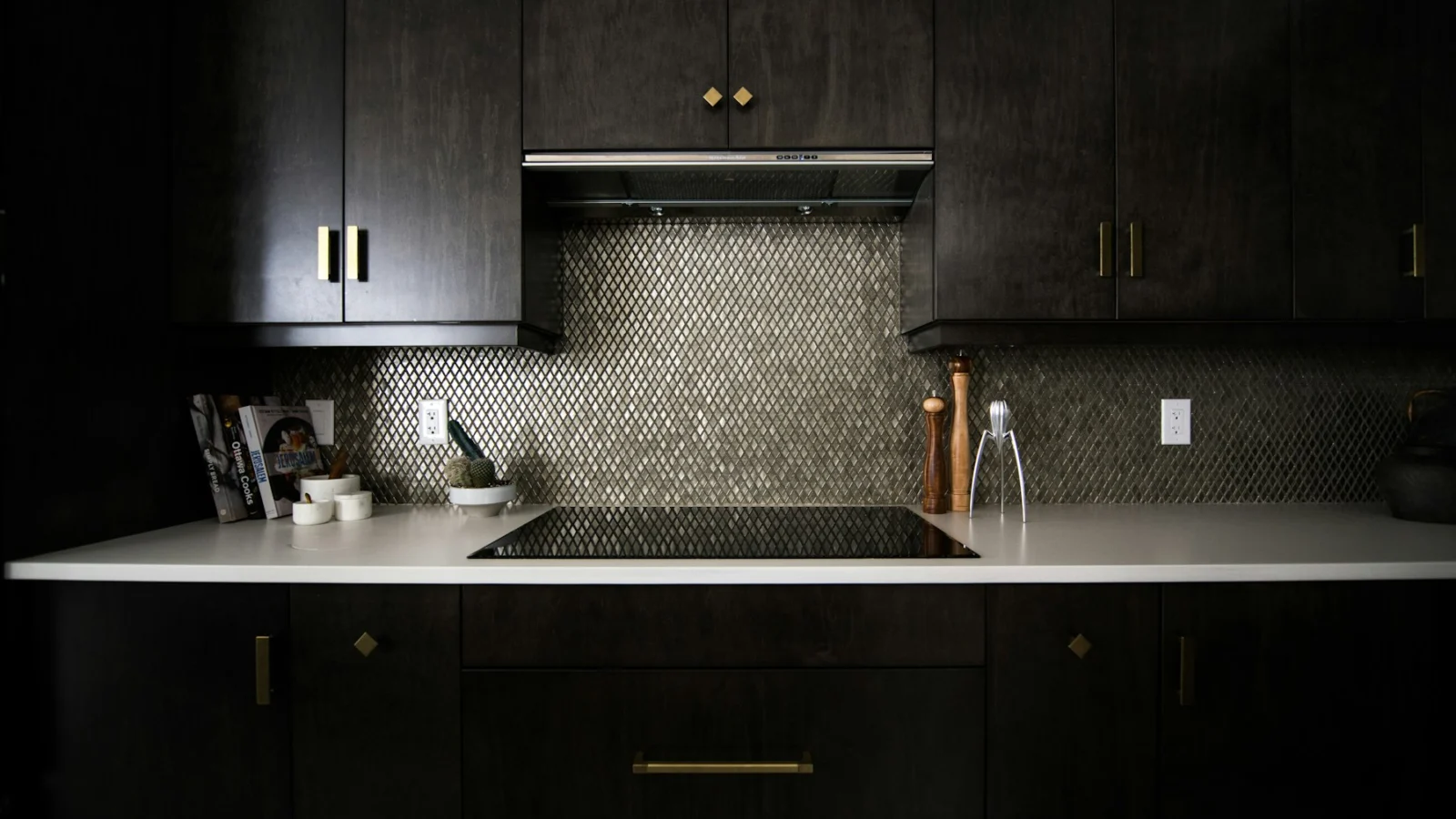
Photo by Bailey Alexander on Unsplash
Hardware choices can either reinforce the boldness of black cabinets or introduce a subtle contrast. Brushed brass pulls add a warm metallic note that complements wood accents, while matte black knobs blend seamlessly for a monochromatic look. If you prefer a touch of industrial edge, brushed nickel or gunmetal finishes provide a cool counterpoint without clashing. The size and shape of the hardware matter as well; oversized pulls create a modern, minimalist aesthetic, whereas smaller, rounded knobs lend a softer, more traditional feel. Choose pieces that are ergonomically comfortable, especially for frequently used drawers, to ensure the kitchen remains functional as well as stylish.
6. Managing Maintenance and Longevity
Black cabinetry requires thoughtful upkeep to retain its rich appearance. Glossy finishes reveal fingerprints and smudges more readily, so a quick wipe with a microfiber cloth after cooking can keep them looking fresh. Matte surfaces are more forgiving but can accumulate dust in the grain. Using a gentle, pH‑balanced cleaner prevents the finish from dulling over time. For families with young children, consider a durable laminate or a high‑pressure laminate (HPL) that resists chipping and water damage. Investing in quality hinges and drawer slides also reduces wear, ensuring the cabinets stay smooth and aligned for years to come.
7. Balancing Boldness with Flexibility for Future Changes
While black cabinets make a strong statement, it’s wise to plan for future style shifts. Neutral backsplashes, such as subway tiles in white or soft gray, act as a canvas that can accommodate new accessories without clashing. Flooring choices like light oak or polished concrete also provide a versatile base, allowing you to change rug colors or add decorative mats without redoing major elements. If you anticipate a desire to lighten the kitchen later, removable panel inserts or glass fronts can introduce transparency while preserving the original cabinets. This approach keeps the space adaptable, so the bold look remains a long‑term asset rather than a fleeting trend.
FAQ
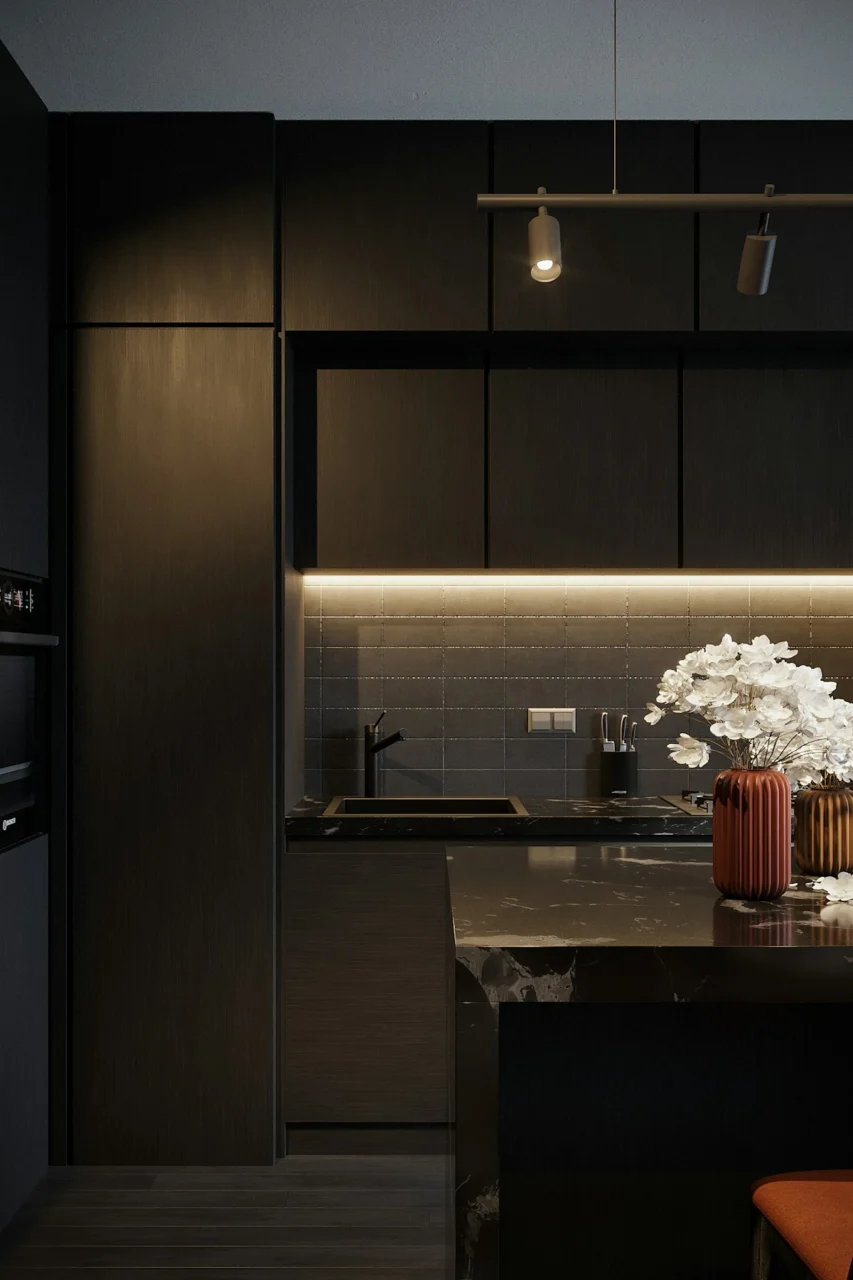
Photo by Bilal Mansuri on Unsplash
Can black cabinets make a small kitchen feel even smaller?
They can if paired with too many dark elements, but using light countertops, reflective lighting, and strategic wood accents helps maintain an open feel.
Is matte or gloss the better finish for high‑traffic kitchens?
Matte finishes tend to hide fingerprints and minor scratches better, making them a practical choice for busy households.
How often should I clean black cabinet surfaces?
A quick wipe after each cooking session keeps smudges at bay, while a deeper cleaning with a gentle cleanser once a month maintains the finish.
What countertop material works best with black cabinets on a budget?
Light-colored quartz offers durability and a bright surface without the premium price of marble, providing a cost‑effective contrast.
Can I mix hardware finishes with black cabinets?
Yes, mixing brushed brass with matte black knobs can add visual interest, as long as the overall balance feels intentional.
Final Thoughts
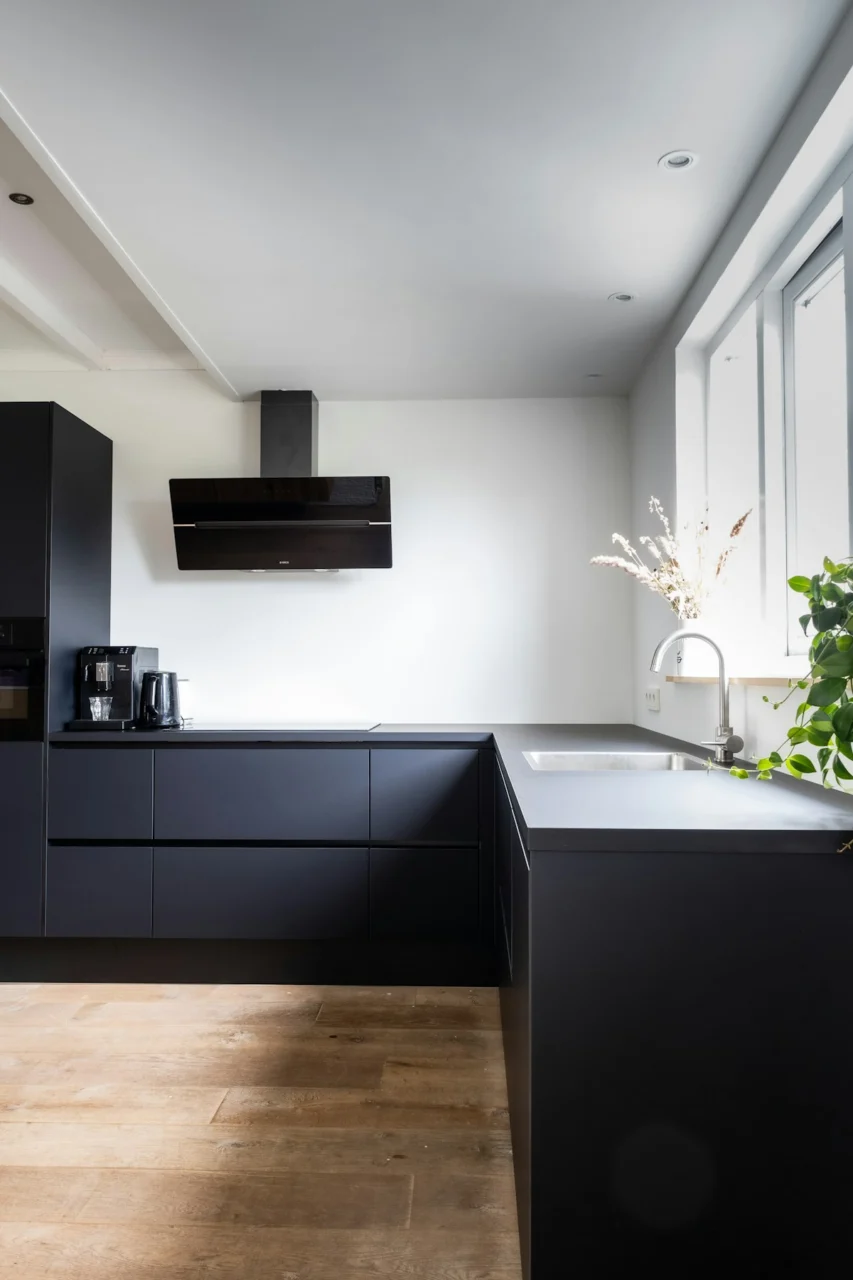
Photo by Sven Brandsma on Unsplash
Black cabinets bring a confident, modern edge to any kitchen, but their success hinges on thoughtful pairings and attentive detailing. By balancing dark cabinetry with light surfaces, natural textures, layered lighting, and well‑chosen hardware, you create a space that feels both bold and welcoming. Maintenance habits and flexible design choices ensure the look endures beyond current trends, allowing you to enjoy a striking kitchen for years to come.