DIY Rustic End Tables That Add Farmhouse Charm
Finding a piece that feels both functional and true to the relaxed, lived‑in look of a farmhouse can be a challenge, especially when you’re working with a limited budget. End tables are perfect for experimenting with that balance: they sit close enough to a sofa or armchair to be useful, yet they offer a small canvas for texture, color, and personality. In this post you’ll discover seven distinct approaches to building your own rustic end tables, each with its own character and practical considerations. Whether you have a spare pallet in the garage or a love for metal‑to‑wood combos, the ideas below show how to turn raw materials into sturdy, inviting pieces that enhance the warmth of any living space.
1. Reclaimed Barn Wood with Simple Turned Legs
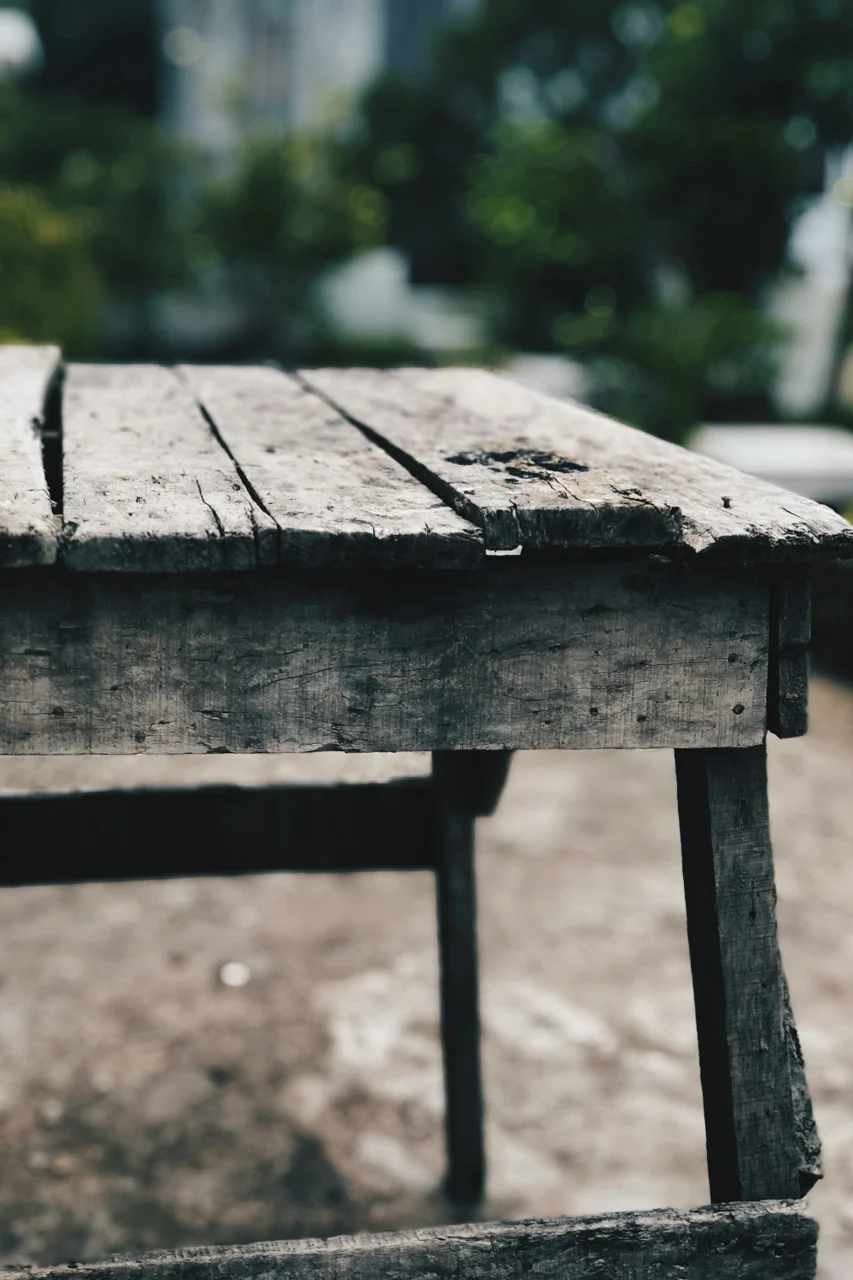
Photo by Mohammed Ayman on Unsplash
Imagine a slab of weathered barn wood, its surface marked by nail holes and sun‑bleached knots, cut to a modest 18‑inch square. Paired with turned wooden legs that echo the shape of a classic farmhouse chair, the table instantly feels like it belongs in a country kitchen. The key to success lies in selecting boards that have been stripped of any hazardous chemicals; a quick sand with 80‑grit followed by a finer 150‑grit will smooth splinters while preserving the grain’s story. After cleaning, a coat of matte linseed oil brings out the natural amber tones without creating a glossy surface that would clash with softer linens or woven rugs.
Because reclaimed wood can vary in thickness, measuring the final height—typically 22 to 24 inches for a coffee‑table‑sized piece—helps you decide whether to add a subtle spacer between the tabletop and legs. A small trade‑off is the weight; these tables can be heavier than new lumber, so positioning them on a sturdy floor or carpet is advisable. Once finished, the table offers a sturdy surface for a lamp, a stack of books, or a bowl of fresh fruit, reinforcing the farmhouse aesthetic through both form and function.
2. Pine Box Core with Black Metal Brackets
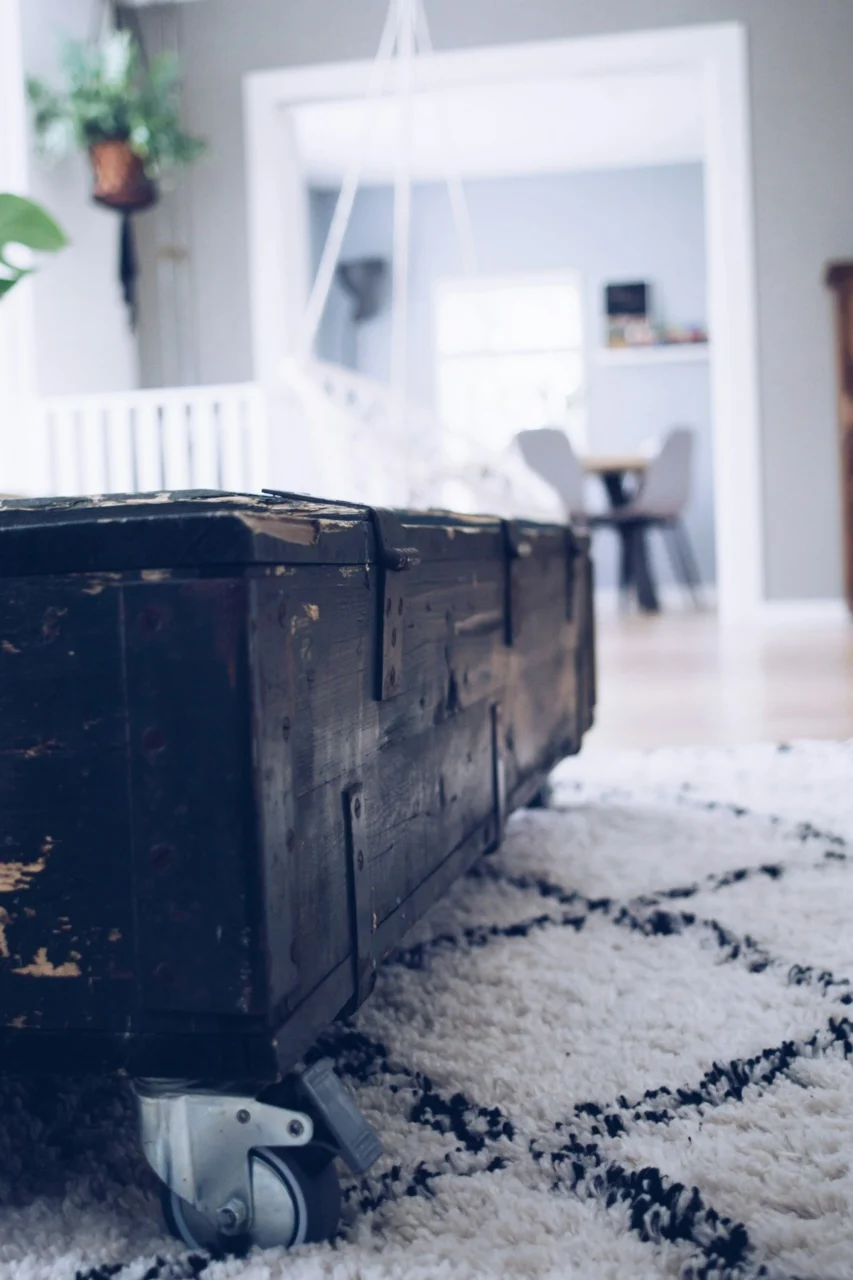
Photo by Sven Brandsma on Unsplash
A simple pine box, the kind you might find in a craft store, can become a striking end table when paired with industrial‑style black metal brackets. The contrast between the soft, warm pine and the sleek metal creates a visual tension that feels both modern and rustic. Start by cutting the pine to a rectangular shape—about 20 inches long, 12 inches wide, and 12 inches tall—then sand the edges to avoid splinters. Applying a light coat of whitewashed paint lets the wood’s grain peek through while keeping the overall palette bright, a useful strategy for rooms that receive limited natural light.
Attach the brackets with sturdy wood screws, making sure the mounting plates sit flush against the underside of the tabletop to prevent wobble. One consideration is the bracket’s weight capacity; heavy items like a large vase could strain the connection, so it’s best suited for decorative pieces or a small reading lamp. The metal’s durability means the table will hold up well in high‑traffic areas such as a hallway entry, while the pine can be refinished later if you decide to change the color scheme.
3. Upcycled Wooden Crate with Drawers
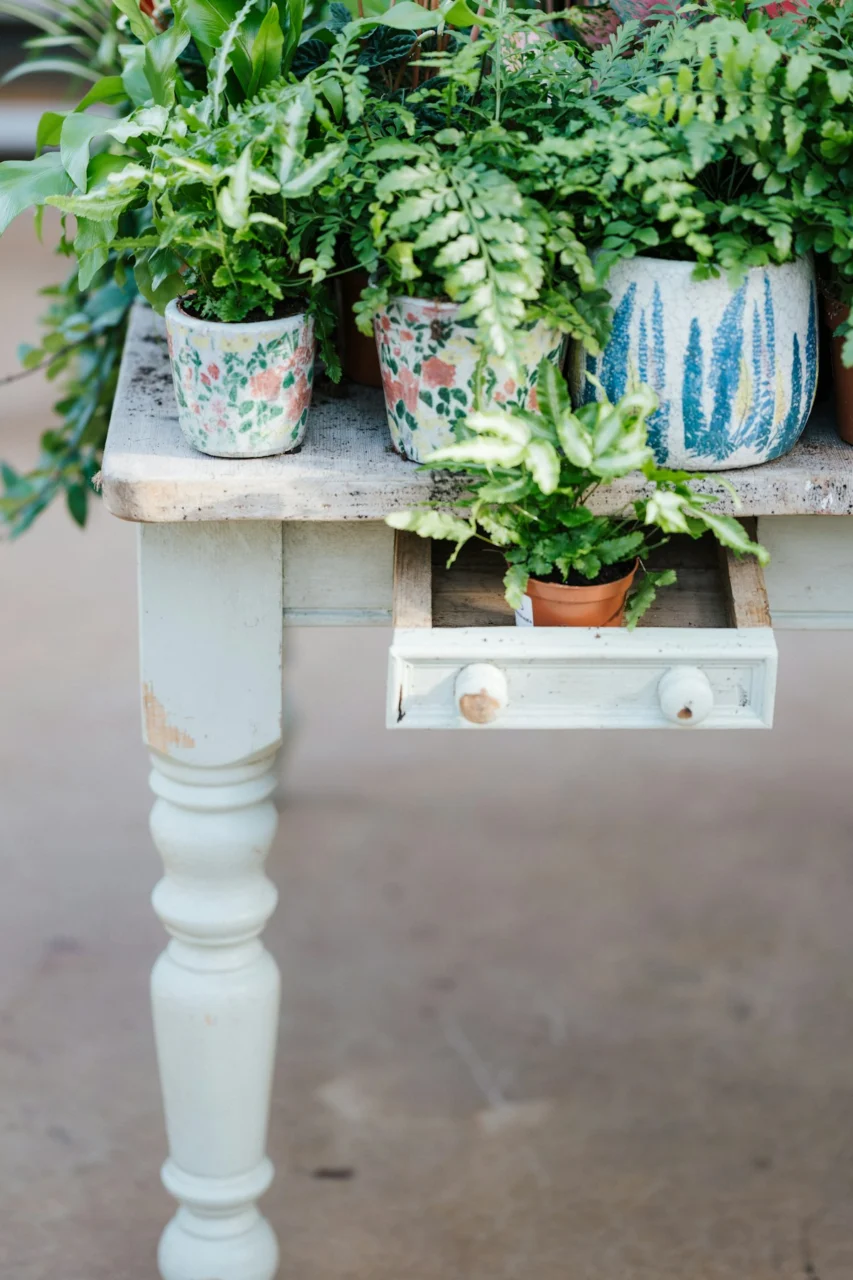
Photo by Annie Spratt on Unsplash
Wooden crates, often used for shipping produce, offer a ready‑made structure that can be transformed into a functional end table with hidden storage. By reinforcing the crate with corner brackets and adding a pair of shallow drawers cut from the same reclaimed wood, you gain a place to tuck away remote controls or coasters. Begin by selecting a crate with uniform slats; reinforce any loose joints with wood glue and clamps before sanding the interior to a smooth finish.
The drawers can be built using simple dovetail joints or a pocket‑hole system for ease of assembly. A light coat of matte chalk paint on the exterior keeps the crate’s rustic edge, while a clear wax on the drawer interiors protects against moisture from spilled drinks. The main limitation is the crate’s size; a larger crate may dominate a small sofa, so choosing a modest 14‑inch height works well in most living rooms. This approach adds practical storage without sacrificing the raw, handcrafted look that defines farmhouse style.
4. Concrete Top on Reclaimed Barn Beam
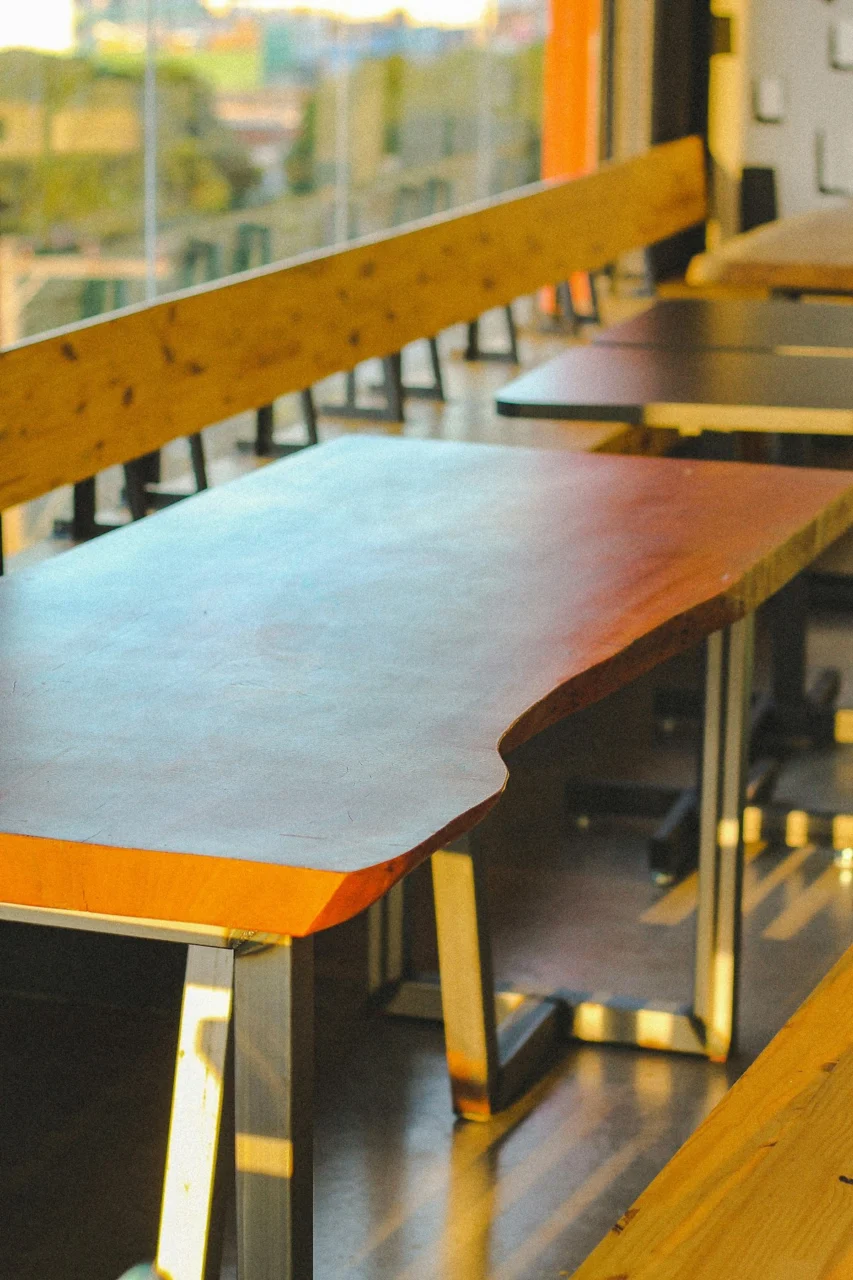
Photo by Thalyson Souza on Unsplash
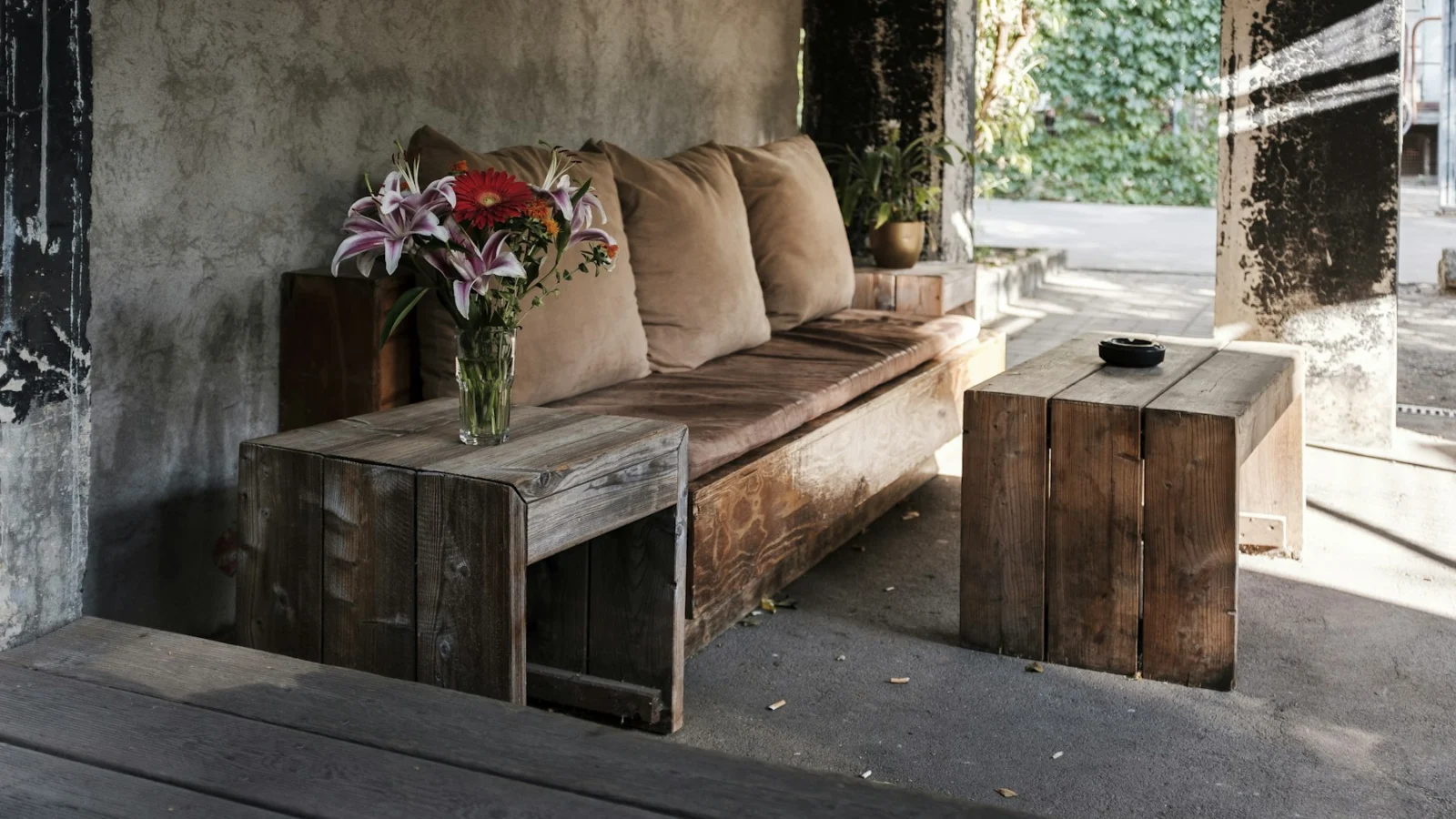
For a table that feels solid as a stone wall yet retains the warmth of wood, consider a thin concrete slab set atop a reclaimed barn beam. The concrete can be poured into a shallow silicone mold, creating a surface about one inch thick with a subtle ripple pattern. Once cured, the slab is sanded lightly and sealed with a breathable concrete sealer to prevent staining from coffee cups or plant water.
The beam, left with its natural roughness, is trimmed to match the slab’s dimensions and sanded only where it will be handled. A simple iron strap fastens the concrete to the beam, allowing for easy removal if you ever need to replace the top. The main trade‑off is the weight; concrete adds considerable mass, so this table is best placed on a sturdy floor rather than a delicate rug. The combination of cool stone and weathered wood creates a tactile contrast that draws the eye and anchors the surrounding décor.
5. Live‑Edge Walnut Slice on Brass Feet
Photo by Olga Serjantu on Unsplash
A single slice of walnut with a natural live edge can become a focal point when lifted on polished brass feet. The live edge showcases the tree’s unique curve, while the brass adds a touch of understated elegance without overwhelming the rustic vibe. After cutting the slice to a comfortable 16‑inch diameter, sand the top surface with progressively finer grits, finishing with a soft satin polyurethane to protect the wood while allowing the grain to breathe.
Brass legs, available in tapered or straight profiles, are attached using hidden metal brackets that keep the wooden top uncluttered. One practical note: walnut’s rich hue can darken over time, especially in direct sunlight, so positioning the table near a window may enhance the patina but also accelerate color change. This piece works beautifully beside a leather armchair, where the warm wood complements the deep tones of the upholstery and the brass echoes any metallic accents in the room.
6. Stained Oak Board with Rope Handles

Photo by Kevin MacAulay on Unsplash
When you need a table that doubles as a decorative accent, a stained oak board with rope handles offers both utility and visual interest. Cut the oak to a rectangular shape—about 22 inches long and 14 inches wide—then apply a medium‑brown stain that highlights the wood’s natural lines. After the stain dries, install two thick, natural fiber ropes as handles on the front edge; the rope not only provides a grip for moving the table but also introduces a nautical hint that fits well in farmhouse kitchens.
The table’s low profile, around 18 inches high, makes it ideal for a coffee nook or a bedside setting. A practical downside is that the rope can collect dust, so occasional vacuuming or a quick wipe with a damp cloth keeps it looking fresh. The combination of sturdy oak and textured rope creates a tactile experience that invites you to run your hand over the surface before setting down a mug or a small plant.
7. Mixed‑Material Pallet Table with Glass Insert
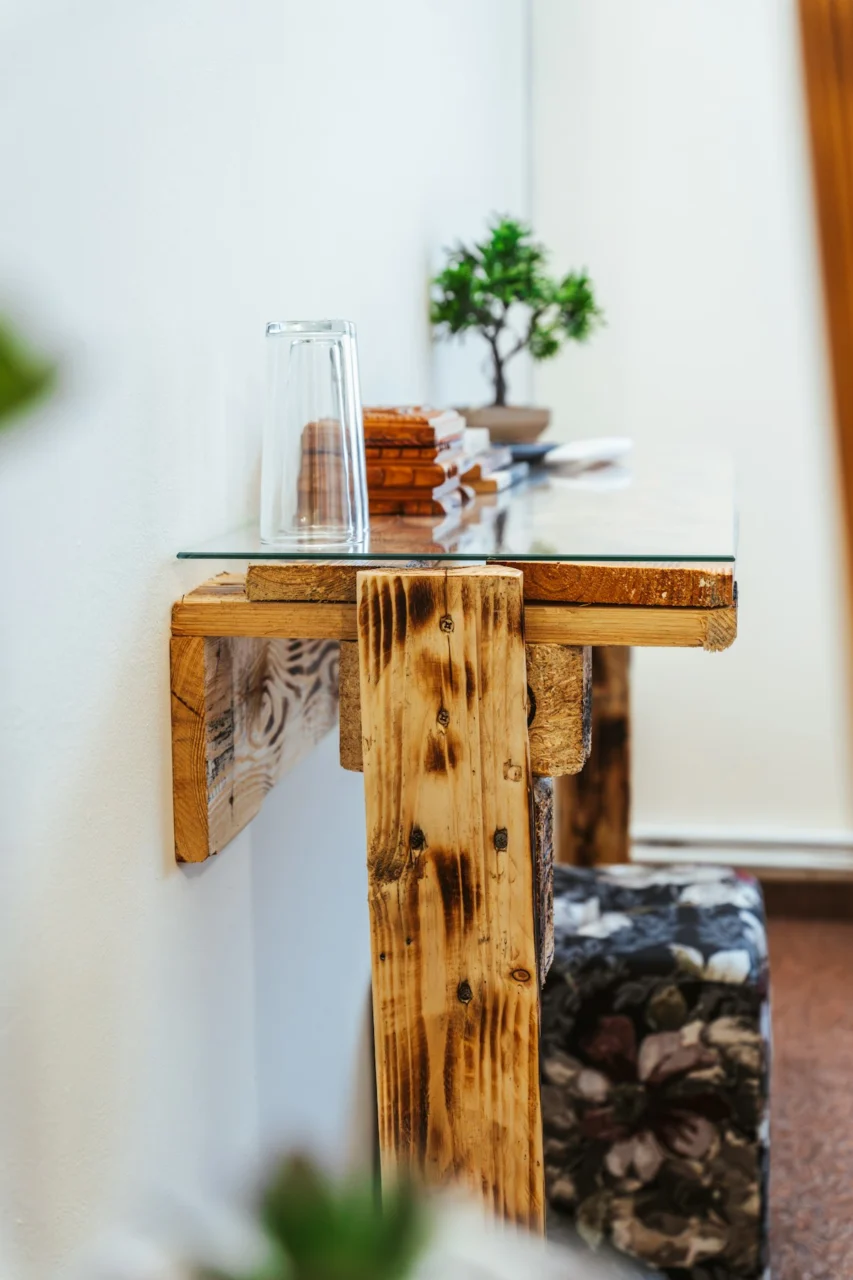
Photo by Maria Sime on Unsplash
For a contemporary twist on rustic, a pallet base supporting a glass insert can add airy lightness while retaining the farmhouse’s reclaimed feel. Disassemble a sturdy pallet, keeping the longer slats for the tabletop frame and using the shorter pieces for the legs. Arrange the legs in a staggered pattern for stability, then attach them with metal corner brackets for extra support.
A tempered glass pane, cut to fit within the pallet frame, serves as the tabletop. The glass protects the wood underneath from spills and scratches, making the table suitable for high‑traffic areas like a family room. The main consideration is safety; ensure the glass is properly tempered and the edges are polished to prevent injury. This design balances the rough texture of reclaimed wood with the sleek surface of glass, offering a versatile piece that can hold a decorative tray, a stack of magazines, or a small indoor garden.
FAQ
Photo by Terren Hurst on Unsplash
How do I choose the right wood for a rustic end table?
Select wood that matches the level of wear you desire; reclaimed barn wood offers deep patina, while pine provides a lighter, more adaptable look. Consider the room’s traffic and the table’s intended load when deciding between hardwoods and softer woods.
Can I use regular paint on reclaimed wood?
Yes, but a matte or low‑sheen finish works best to preserve the rustic character. Applying a primer first helps the paint adhere and prevents the wood’s tannins from bleeding through.
What tools are essential for building these tables?
A circular saw, drill with a set of bits, sandpaper or an orbital sander, and a measuring tape cover most tasks. For metal brackets or glass inserts, a screwdriver and a level ensure the components sit square.
How do I protect a finished table from everyday wear?
Applying a protective coat such as polyurethane, wax, or a breathable concrete sealer creates a barrier against spills and scratches. Re‑apply the finish periodically based on the table’s exposure to sunlight and use.
Is it safe to place a glass tabletop on a reclaimed wood base?
It is safe if the glass is tempered and the edges are polished. Secure the glass with silicone or rubber pads to prevent slipping, and ensure the wood frame is level to avoid stress points.
Final Thoughts
Photo by Jed Villejo on Unsplash
End tables need not be purchased off the shelf; a little DIY effort can produce pieces that speak to your personal style while reinforcing the farmhouse charm you love. By selecting materials that age gracefully, paying attention to proportions, and finishing each surface with care, you create functional art that endures. Whether you gravitate toward reclaimed beams, sleek metal, or a blend of wood and glass, the seven ideas above provide a roadmap for turning raw resources into inviting, practical tables. Take one of these concepts, adapt it to your space, and enjoy the satisfaction of a handcrafted addition that feels right at home.