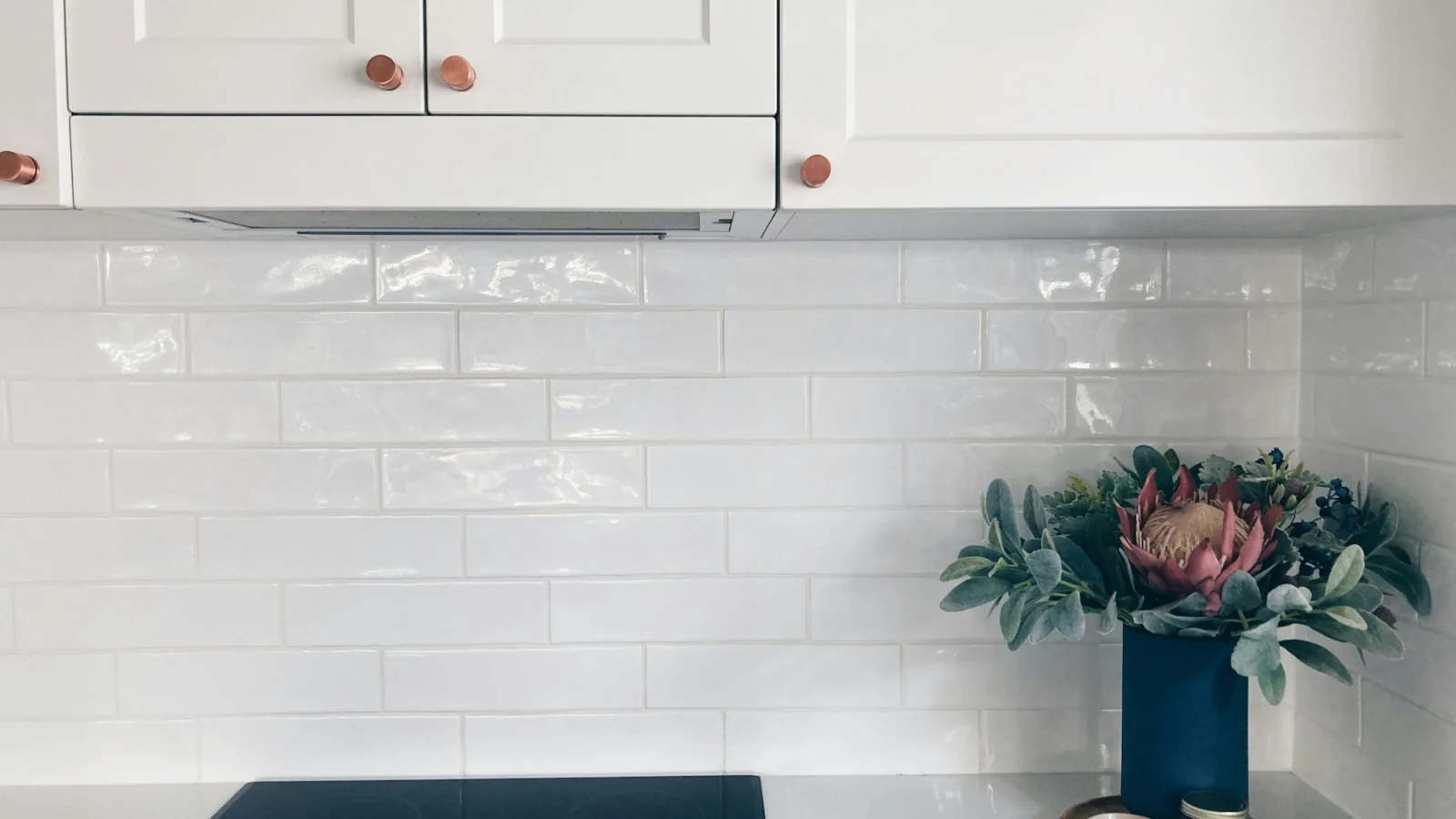
Stunning Kitchen Backsplash Ideas You’ll Love
Ever stare at a blank wall behind your stove and wonder how to give it a little personality without a full remodel? A well‑chosen backsplash can turn a functional backdrop into a design statement, protect your walls from splatter, and even make cleaning easier. In this guide you’ll discover seven distinct backsplash concepts that work in a range of budgets and styles. From classic subway tiles to unexpected natural textures, each idea comes with practical tips, common pitfalls, and maintenance notes so you can pick the perfect look and feel confident about the install.
1. Classic Subway Tiles with a Twist
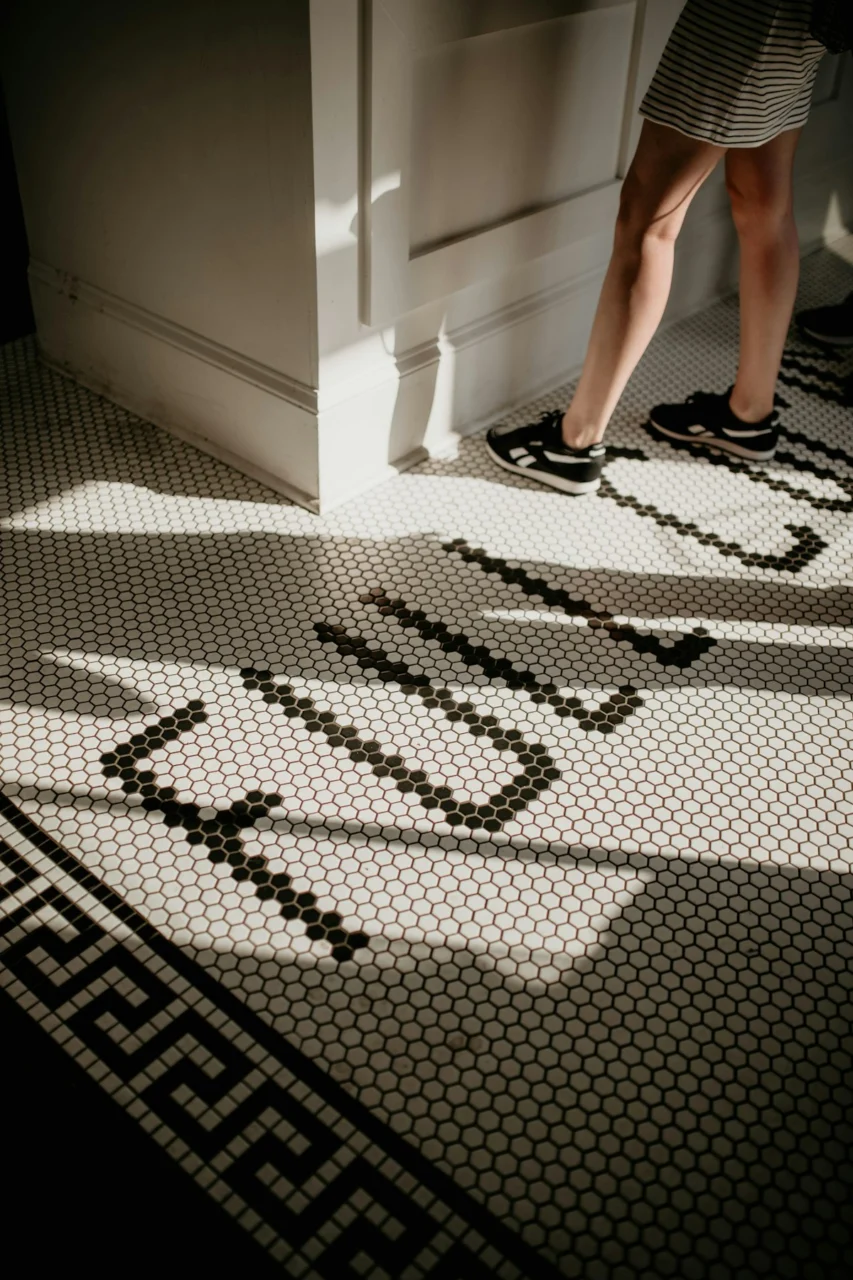
Subway tiles have been a kitchen staple for decades, but the magic lies in how you arrange them. A traditional 3‑by‑6 in. brick pattern works well in most spaces, yet you can add visual interest by:
- Using a contrasting grout color (think charcoal on white tiles) to emphasize the lines.
- Staggering the tiles in a herringbone or diagonal layout for a modern edge.
- Choosing a matte finish instead of glossy to reduce glare near the stove.
What to watch out for
Thin glass subway tiles can chip during installation, so a professional tiler is advisable if you’re not comfortable cutting them yourself. Also, remember that darker grout will show stains more readily; regular sealing helps keep it looking fresh.
2. Bold Patterned Ceramic Tiles
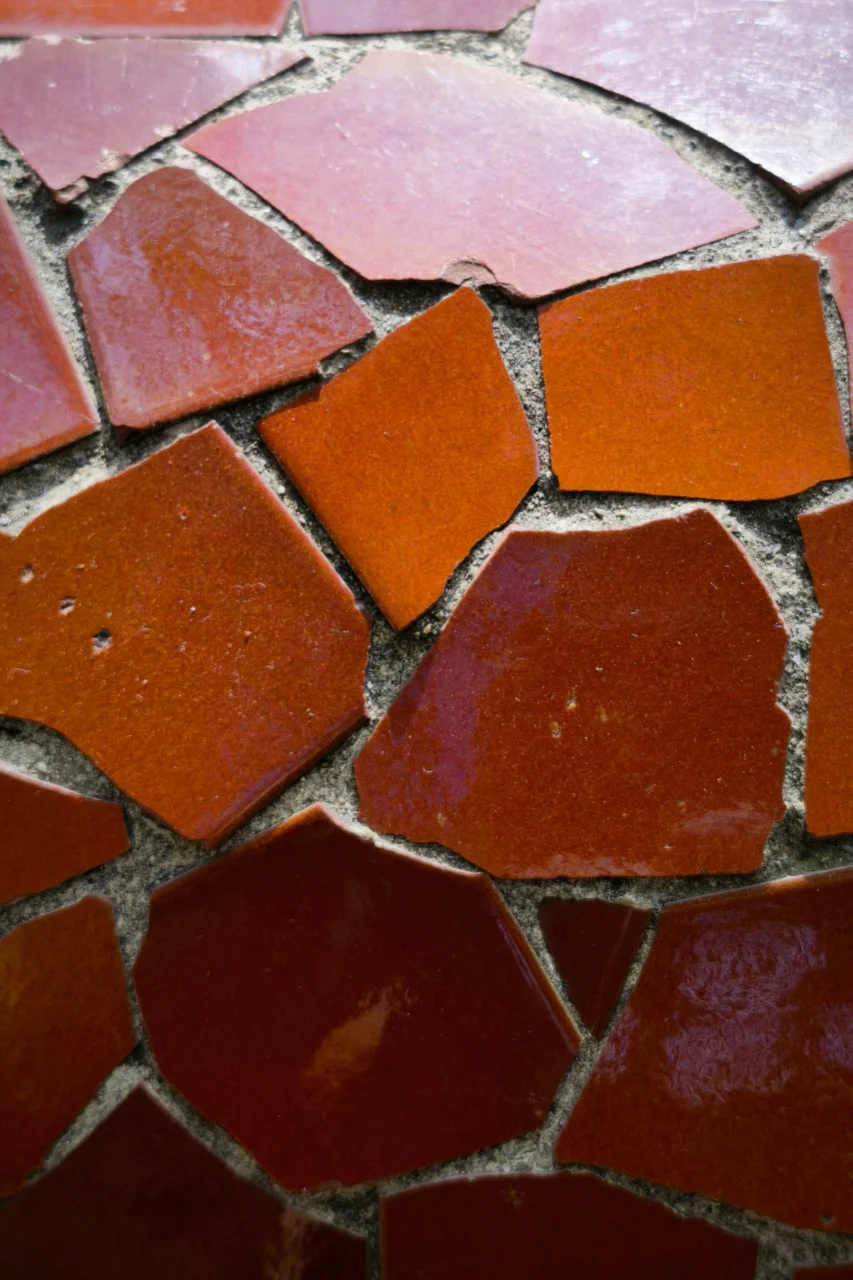
Photo by Filipe Nobre on Unsplash
If you love color and pattern, a bold ceramic tile can become the focal point of the kitchen. Look for designs that echo other elements in the room—perhaps a geometric print that mirrors your countertop edge or a floral motif that picks up the curtains.
- Scale matters: Large‑format tiles (12 in. × 12 in. or bigger) make a small kitchen feel larger, while smaller mosaics add texture without overwhelming the space.
- Mix and match: Pair a patterned strip with a solid‑color border to frame the design.
- Durability: Choose a tile rated for high‑traffic areas (PEI rating of 3 or above).
Maintenance tip
Patterned tiles can trap food particles in the grout lines. Seal the grout after installation and reseal annually to prevent discoloration.
3. Natural Stone Slabs
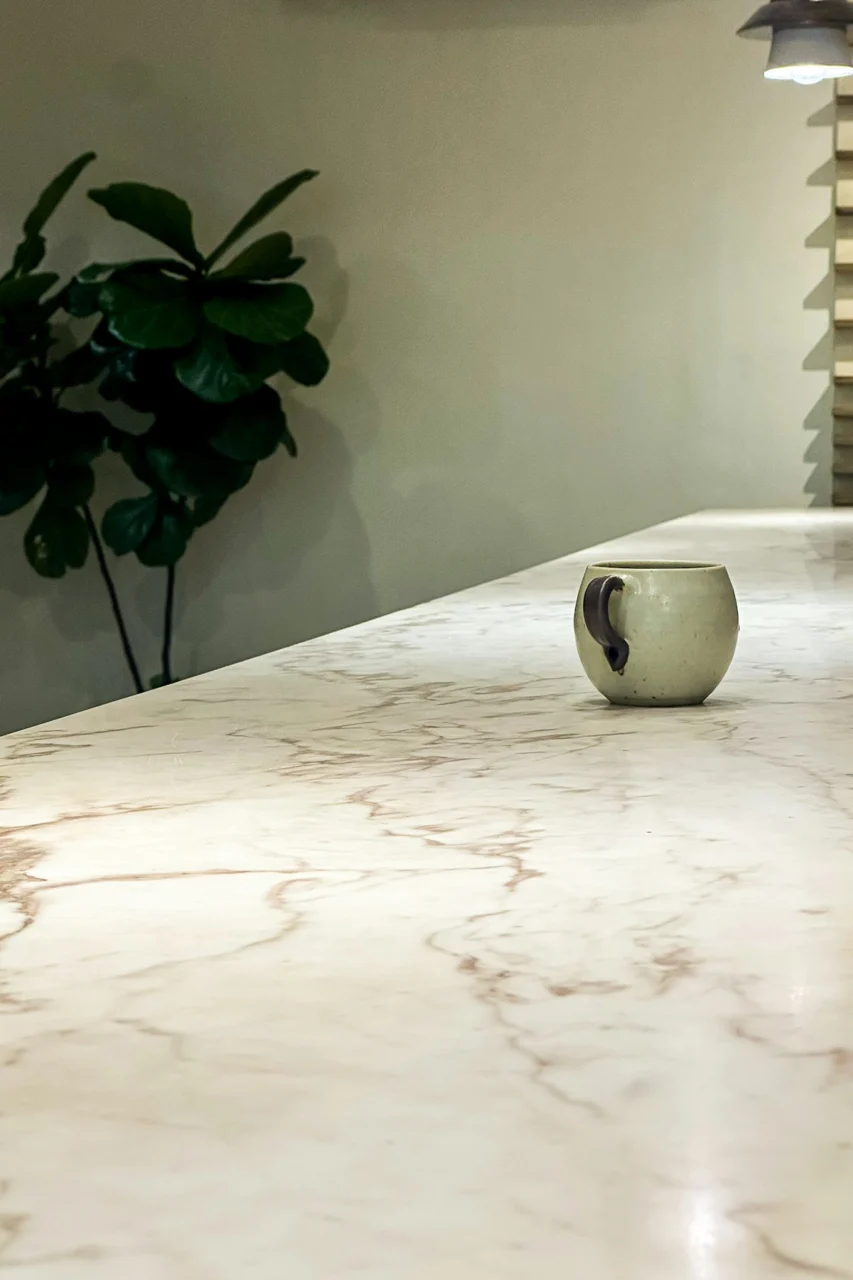
Photo by Bill Ringer on Unsplash
Nothing feels as luxe as a slab of natural stone—think marble, travertine, or slate—spanning the length of your backsplash. A single piece creates a seamless look that ties the countertop and wall together.
- Marble: Offers elegant veining but is prone to etching from acidic foods; a high‑quality sealant is essential.
- Slate: Provides a rustic, matte surface that hides water spots well.
- Travertine: Warm, porous stone that works nicely with earth‑tone palettes.
Installation considerations
Stone slabs are heavy; ensure your wall studs can support the weight or use a reinforced backing board. Cutting stone requires a wet saw, so many homeowners hire a professional installer.
4. Peel‑and‑Stick Vinyl Tiles
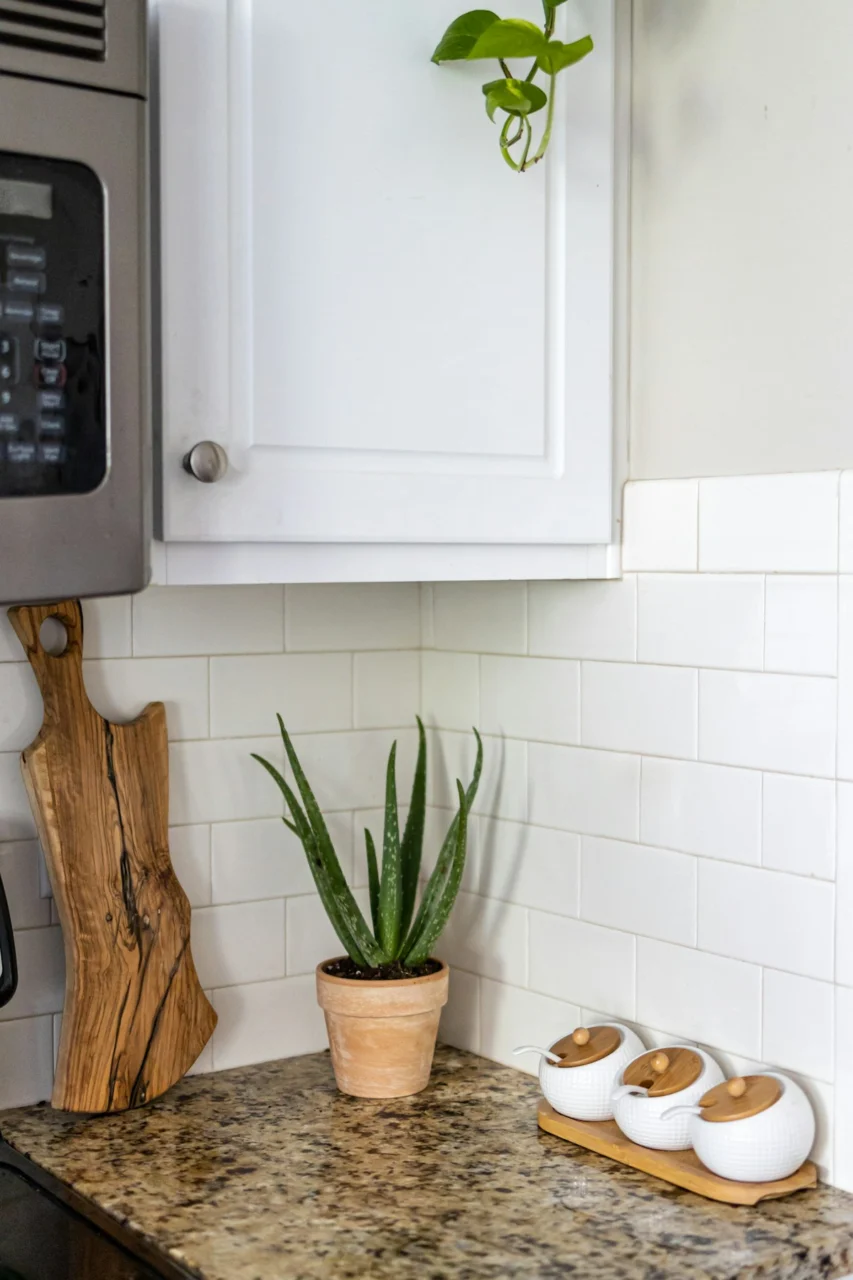
Photo by Jordan Bigelow on Unsplash
For renters or anyone on a tight timeline, peel‑and‑stick vinyl offers a quick, mess‑free solution. Modern vinyl mimics everything from ceramic to wood, and the adhesive backing eliminates the need for mortar.
- Choose a product with a water‑resistant rating (look for “kitchen‑grade” labels).
- Measure carefully and plan the layout before removing any backing.
- Use a utility knife to trim edges for a clean finish.
Pros and cons
Pros: inexpensive, DIY‑friendly, easy to replace. Cons: may not hold up as long as traditional tile in high‑heat zones, and seams can become visible over time if not aligned perfectly.
5. Glass Mosaic Tiles

Photo by tommao wang on Unsplash
Glass mosaics add a luminous quality that reflects light, making a dark kitchen feel brighter. Small glass pieces (often 1 in. squares) can be arranged in a variety of patterns—linear, chevron, or even a free‑form splash.
- Opt for tempered glass for added durability.
- Consider a light‑colored grout to enhance the sparkle, or a dark grout for a more subtle look.
- Combine glass with metal accents (like brushed nickel) for a contemporary vibe.
Cleaning advice
Glass surfaces attract water spots. Wipe down with a soft, damp cloth after cooking, and avoid abrasive cleaners that can scratch the surface.
6. Reclaimed Wood Panels
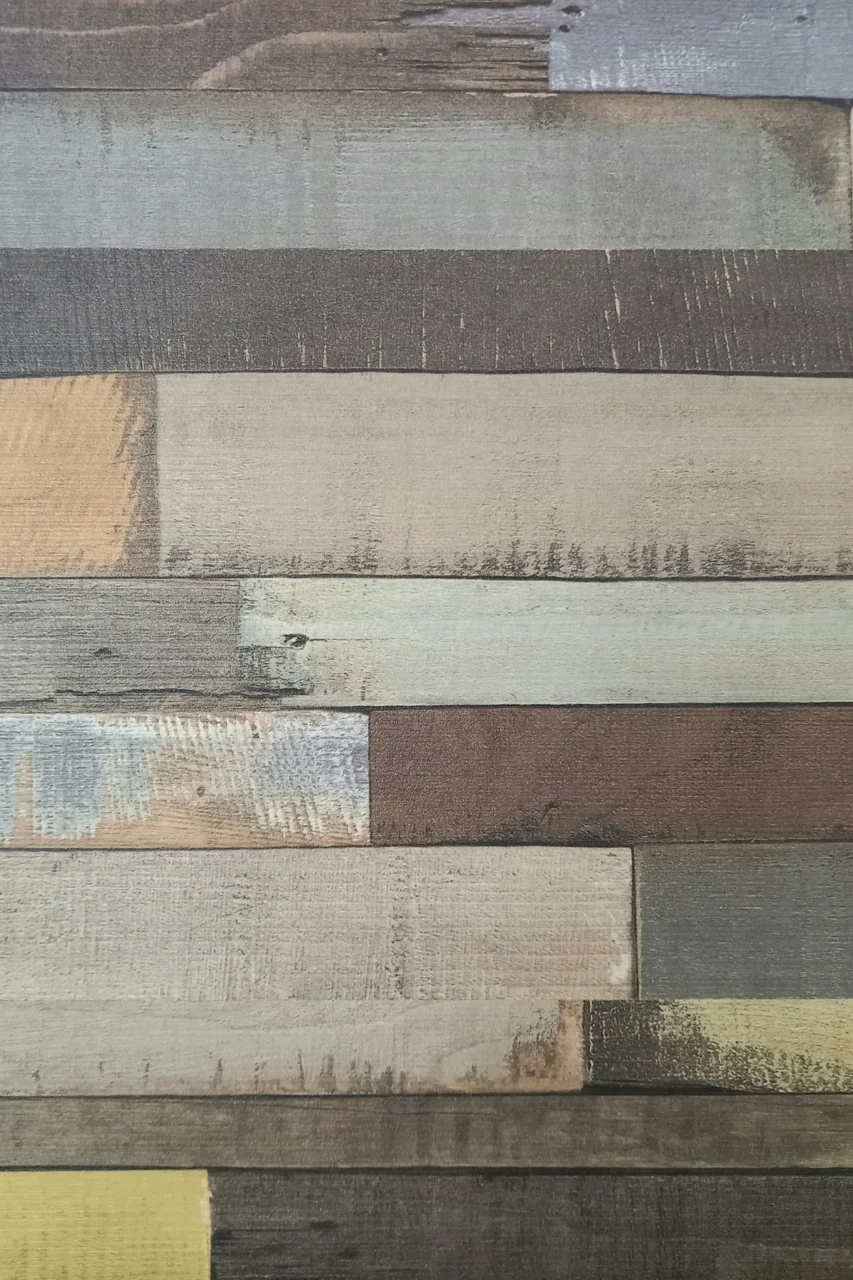
Photo by Frank Weichelt on Unsplash
Wood brings warmth, and reclaimed boards add character through weathered patina and nail‑hole details. When sealed properly, wood can handle the occasional splash while adding a cozy, farmhouse feel.
- Use a water‑based polyurethane with a satin finish to protect against moisture.
- Leave a small expansion gap at the top to allow for seasonal movement.
- Pair with stainless‑steel appliances for a balanced modern‑rustic look.
Potential pitfalls
Unsealed wood will swell when exposed to steam. Even sealed wood needs regular inspection for any cracks in the finish, especially near the stove where heat rises.
7. Metallic Tiles or Panels
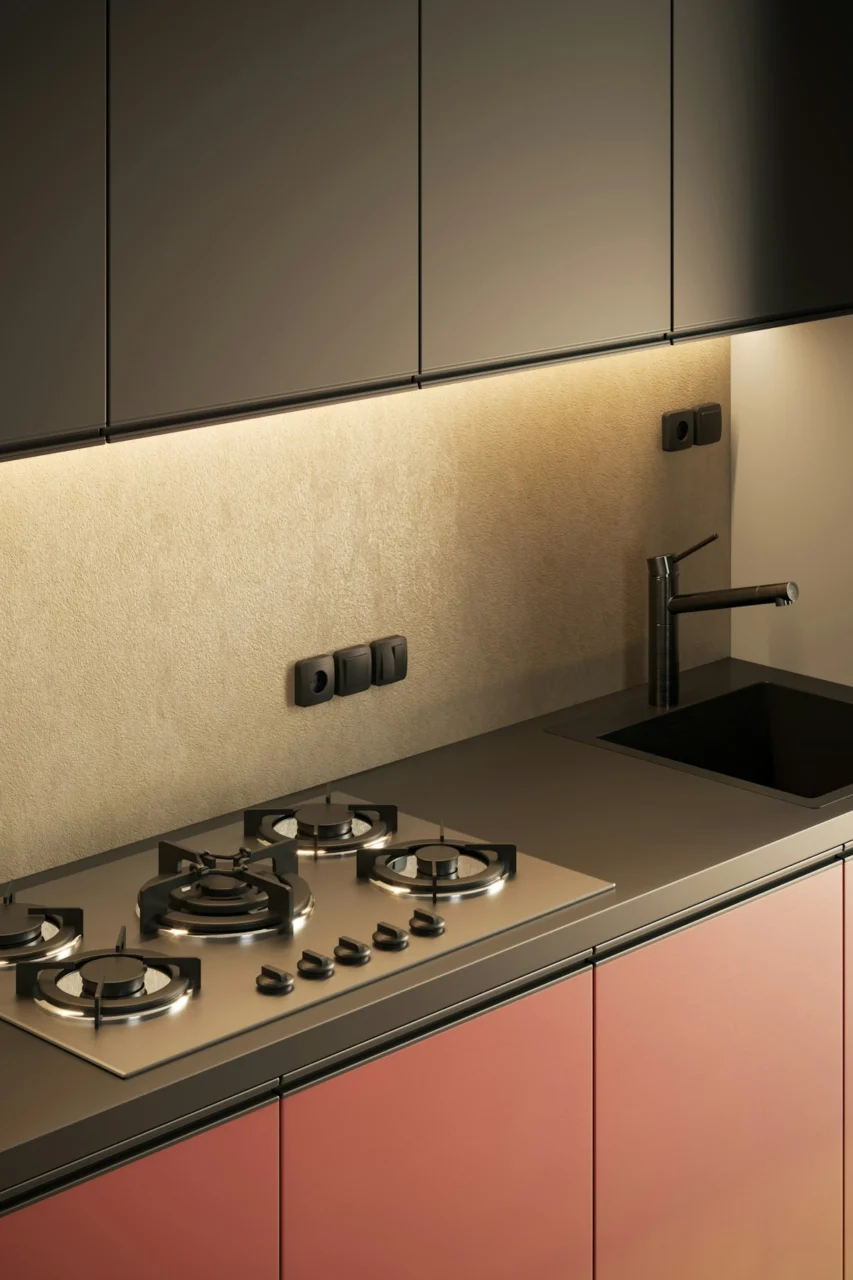
Photo by Bilal Mansuri on Unsplash
Metal backsplashes—copper, stainless steel, or brushed aluminum—create an industrial chic aesthetic while offering a surface that’s easy to wipe clean. They work especially well in contemporary kitchens with clean lines.
- Copper: Ages to a verdigris patina if left untreated; you can seal it to retain the bright finish.
- Stainless steel: Resists heat and stains; ideal for a professional‑grade look.
- Aluminum: Lightweight and budget‑friendly, though it can dent more easily.
Installation tip
Metal panels are typically mounted with adhesive and screws. Use a silicone sealant along the edges to prevent water infiltration behind the panels.
Frequently Asked Questions
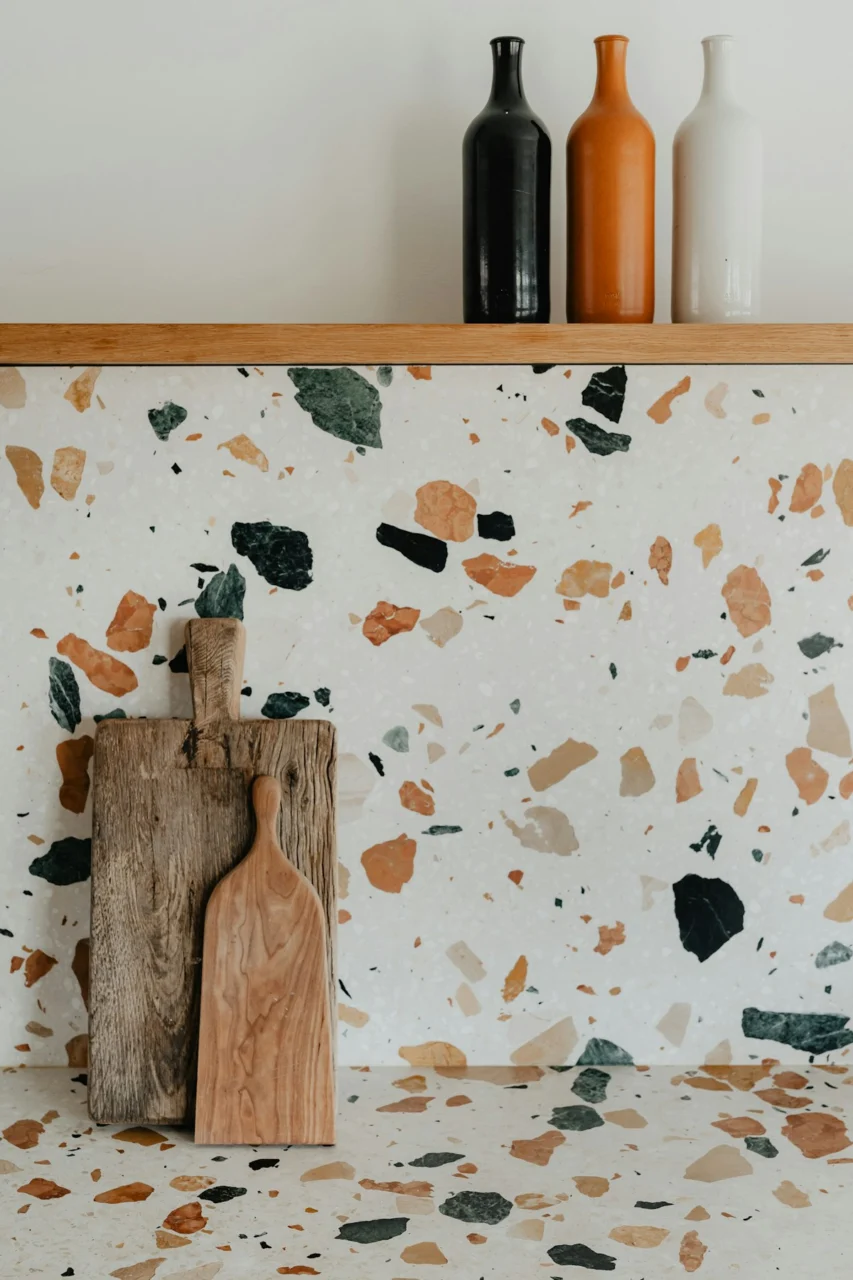
Photo by Clay Banks on Unsplash
Can I install a backsplash myself, or do I need a professional?
Simple peel‑and‑stick vinyl or pre‑cut mosaic sheets are DIY‑friendly. For heavy materials like stone slabs, glass mosaics, or intricate tile patterns, hiring a professional ensures proper adhesion, level installation, and compliance with local building codes.
How far should the backsplash extend from the countertop?
The standard height is 4 in. above the countertop, but extending to the bottom of the upper cabinets (often 15‑18 in.) provides extra protection and a more polished look, especially in high‑traffic kitchens.
What grout color works best with dark tiles?
Light grout creates contrast and highlights the tile shape, while dark grout offers a seamless, monolithic appearance. Choose based on the visual effect you prefer and consider a grout sealer to reduce staining.
Is it safe to use a backsplash behind a gas stove?
Yes, as long as the material is heat‑resistant. Ceramic, stone, glass, and metal backsplashes can tolerate the heat generated by a gas flame. Avoid wood or vinyl directly behind the burner without a heat shield.
How often should I reseal grout?
Most sealants last 1‑3 years depending on traffic and cleaning habits. Test the grout by sprinkling water; if it beads, the seal is still effective. Reseal when water begins to soak in.
Final Thoughts
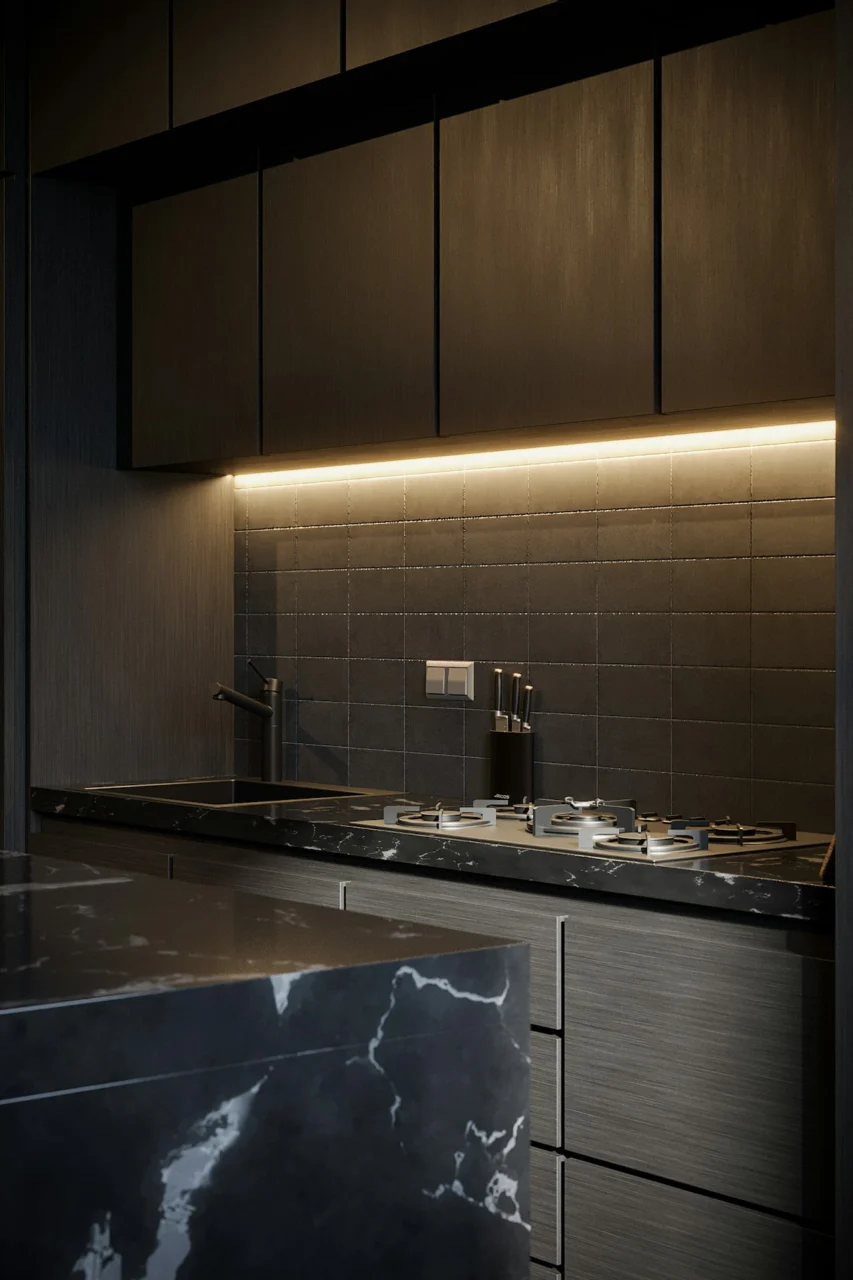
Photo by Bilal Mansuri on Unsplash
Choosing a backsplash is an opportunity to blend practicality with personality. Whether you gravitate toward the timeless charm of subway tiles, the luxe feel of natural stone, or the bold energy of patterned ceramics, each of the seven ideas above offers a clear path from concept to completion. Consider your kitchen’s traffic, your willingness to maintain the surface, and the overall style you’re aiming for. With a little planning and the right materials, your new backsplash will become the backdrop that makes cooking—and entertaining—feel even more enjoyable.

One Comment