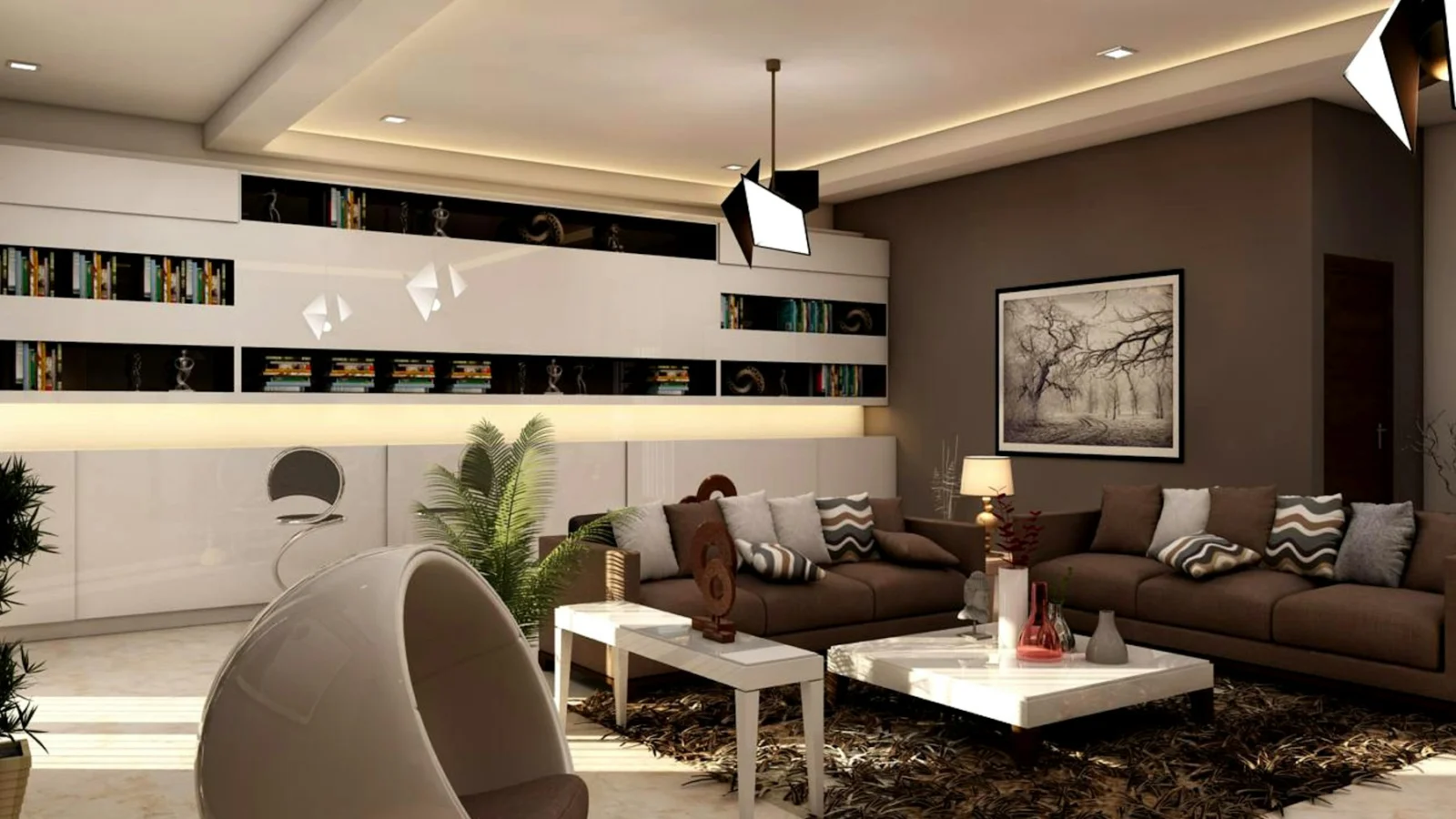
Office Guest Room Ideas That Work Double Duty for Small Spaces
When a home office doubles as a place for overnight guests, the design challenge is to keep the space functional by day and welcoming by night. Below are seven proven ideas that let you switch roles without a full‑room makeover each time. Each tip balances work‑ready efficiency with guest‑friendly comfort, so you’ll never feel cramped or forced to choose one use over the other.
1. Convertible Desk‑to‑Bed Solutions
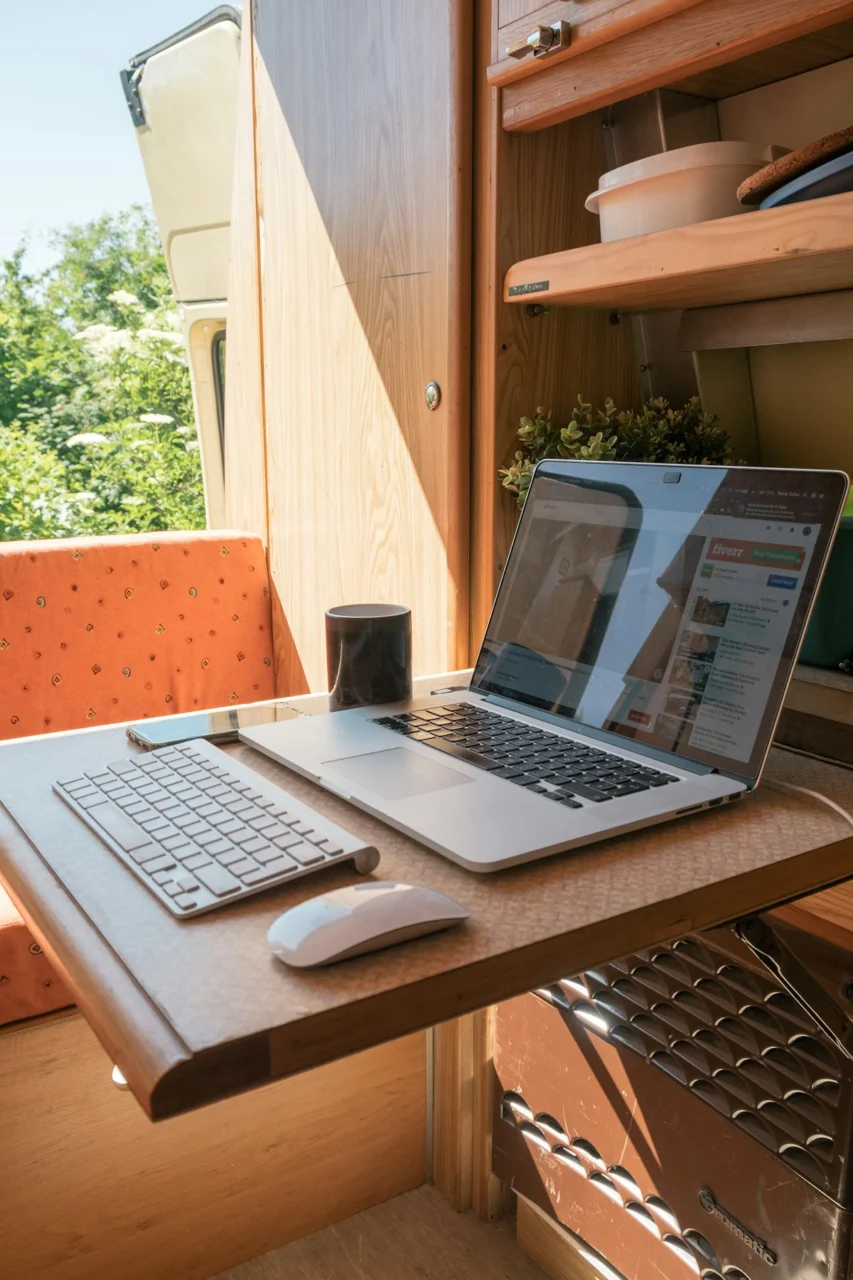
Photo by Tobias Tullius on Unsplash
A sturdy desk that folds down into a low platform can serve as a work surface by day and a comfortable sleeping area by night. Look for a model with a solid frame and a mattress‑compatible surface.
Key Features to Prioritize
- Solid support: A metal or hardwood frame prevents sagging when a mattress is placed on top.
- Easy‑fold mechanism: Lever‑action hinges let you transition in under a minute.
- Built‑in storage: Drawers or shelves under the desk keep bedding and office supplies organized.
What can go wrong? A flimsy platform may creak or wobble, making sleep uncomfortable. Test the weight capacity before buying, and choose a mattress no thicker than 6‑8 inches to keep the overall height manageable.
2. Multi‑Purpose Seating With Hidden Storage
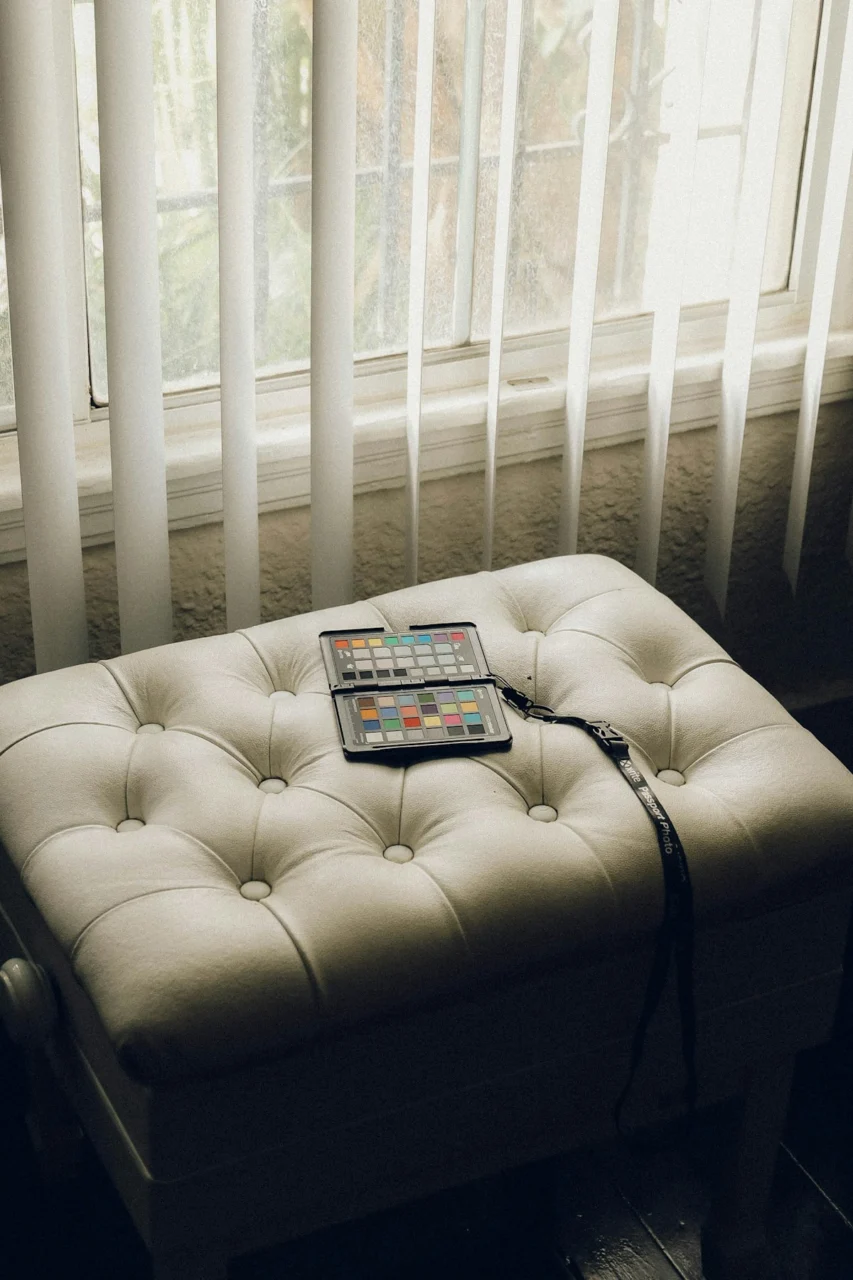
Photo by kevin turcios on Unsplash
A sleek ottoman or bench that opens to reveal blankets, pillows, and office files solves two problems at once: extra seating for meetings and a stash for guest linens.
Choosing the Right Piece
- Dimensions: Aim for a depth of 18‑20 inches so it fits under a desk or against a wall without crowding the floor.
- Material: Upholstery in a durable, washable fabric (like performance linen) stands up to daily use.
- Closure: A discreet latch or magnetic catch keeps contents from spilling when opened.
Remember to rotate the stored items regularly; linens can develop odors if left untouched for months.
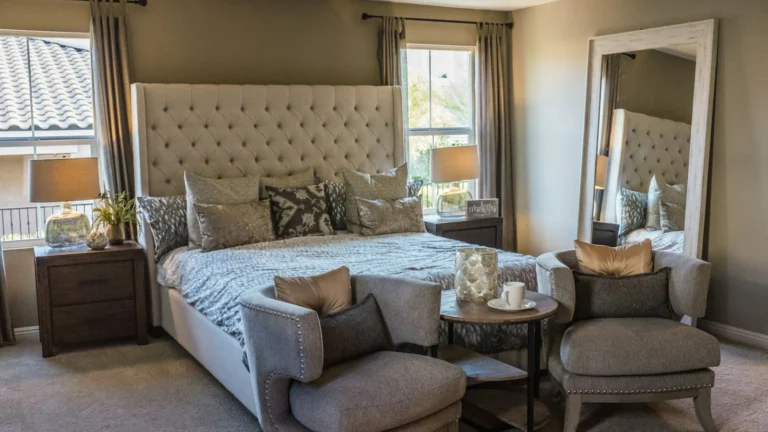
3. Light‑Blocking Curtains That Double as Room Dividers
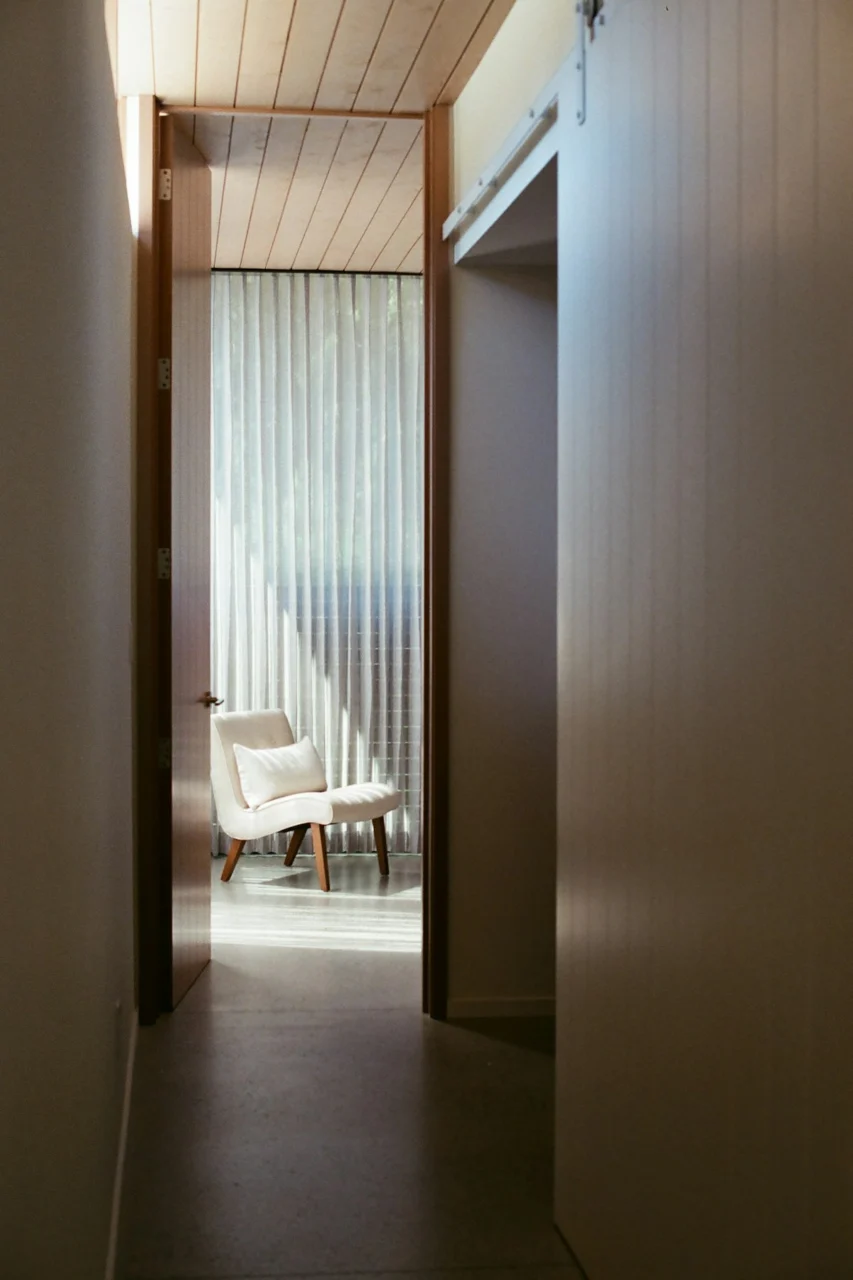
Photo by Zara Johnson on Unsplash
When you need privacy for a guest or a visual break for focused work, floor‑to‑ceiling curtains act as both blackout shades and flexible room partitions.
Installation Tips
- Track system: A ceiling‑mounted track lets you pull the curtains to one side for a full‑width workspace.
- Fabric choice: Heavy cotton or linen blends block light effectively while still looking light enough for daytime.
- Layering: Pair a sheer panel behind the blackout layer for a softened glow when the room is used as an office.
Cleaning is straightforward—most blackout fabrics can be spot‑cleaned, and the sheer layer can be machine‑washed on a gentle cycle.
4. Wall‑Mounted Shelving That Serves Both Roles
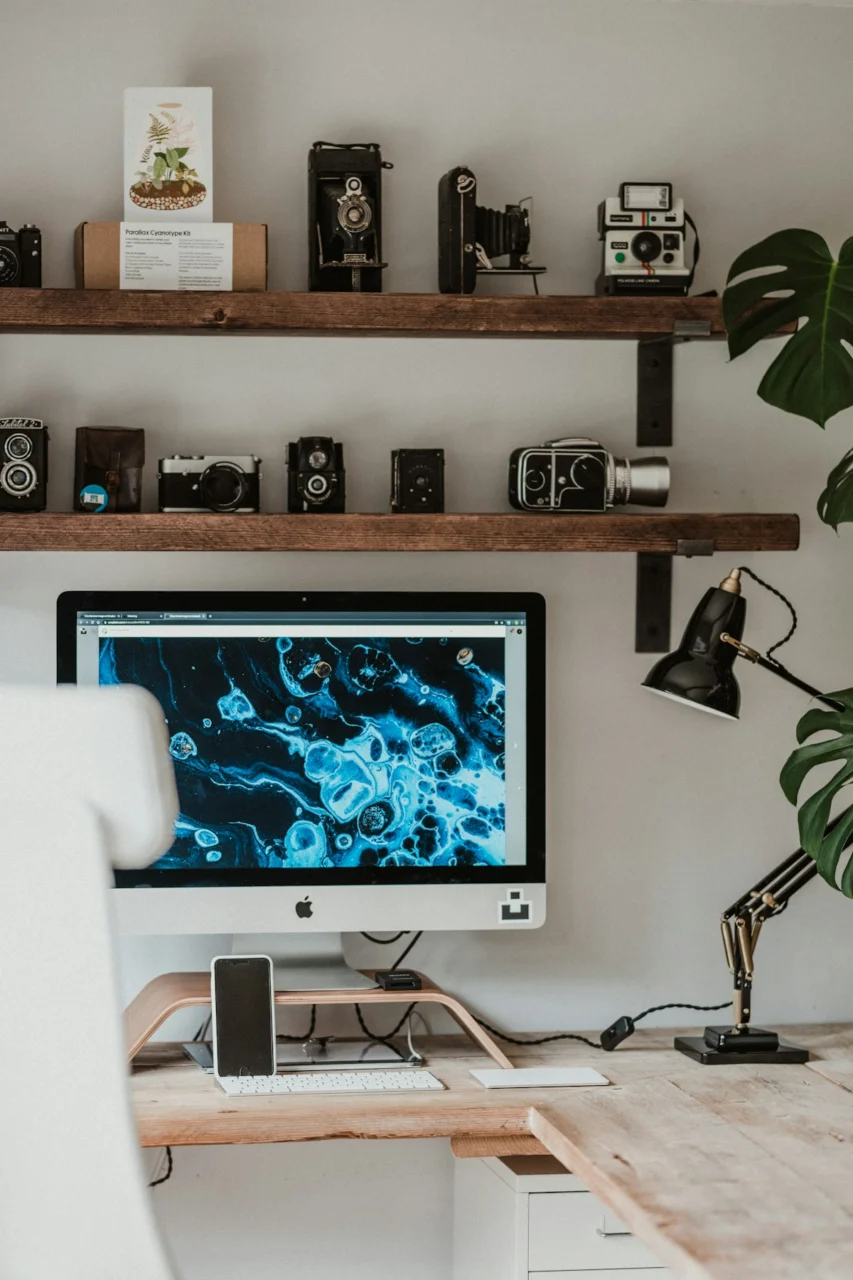
Photo by Annie Spratt on Unsplash
Floating shelves installed above the desk provide quick access to books, office supplies, and decorative items. The same shelves can hold a guest’s personal items—like a phone charger, a water bottle, or a small suitcase.
Design Considerations
- Height: Position the lower shelf at eye level for easy reach while seated; the upper shelf should be no higher than 6 feet to stay safe for guests.
- Support: Use brackets rated for at least 20 pounds per shelf to avoid sagging under heavier luggage.
- Styling: Mix functional containers (e.g., woven baskets) with decorative objects (e.g., a small plant) to keep the look polished.
A common mistake is overloading a single shelf with heavy books, which can cause the brackets to pull away from the wall. Distribute weight evenly across multiple shelves.
5. Smart Lighting That Adjusts to Mood
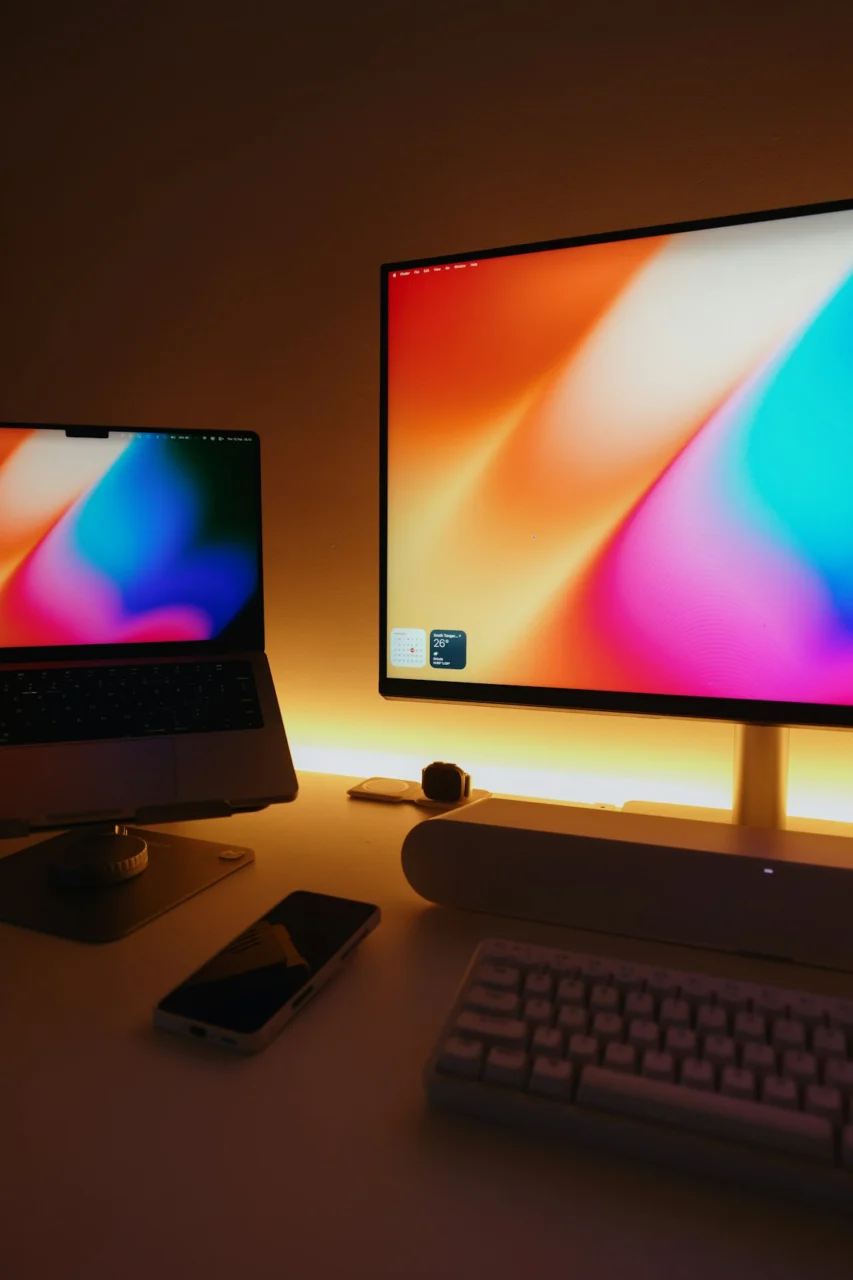
Layered lighting gives you the flexibility to switch from bright task illumination to a softer ambiance for a guest’s evening.
Components to Include
- Overhead LED panel: Provides even, glare‑free light for video calls and paperwork.
- Adjustable desk lamp: Offers focused illumination without lighting the whole room.
- Floor or table lamp with dimmer: Creates a warm glow for bedtime reading.
Install a simple dimmer switch or use smart bulbs that you can control via an app. This eliminates the need for multiple switch plates and lets you set the perfect scene with a single tap.
6. Portable Privacy Screens for Quick Transformations
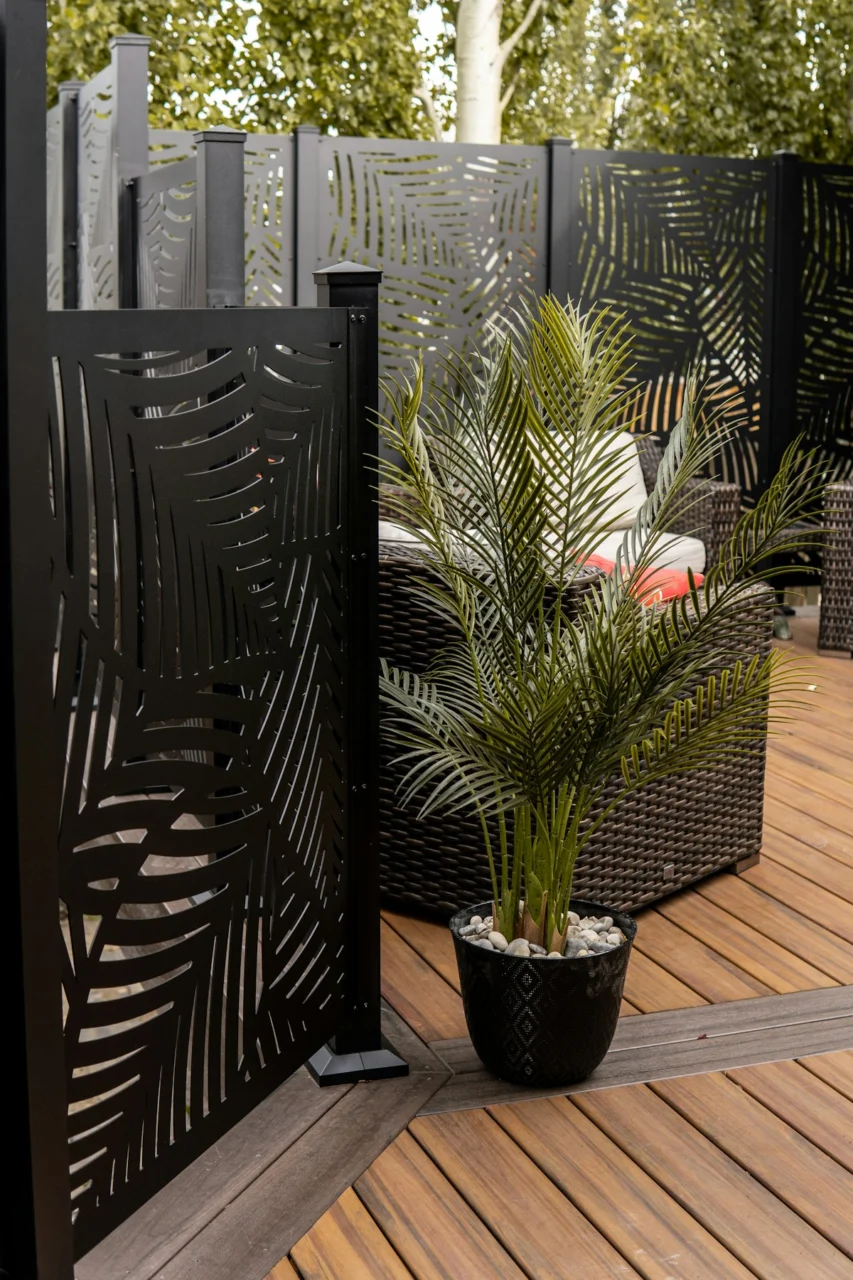
Photo by HideAway Inc. on Unsplash
If you don’t want permanent walls, a folding privacy screen can instantly separate a guest sleeping area from your work zone. Choose a screen with a lightweight frame and acoustic‑friendly fabric.
Practical Tips
- Size: A 6‑foot tall screen provides enough height for visual privacy without overwhelming a small room.
- Material: Felt or heavyweight linen absorbs sound, reducing echo when the room is used for video calls.
- Mobility: Wheels on the base make it easy to reposition or store when not needed.
Be mindful of fire safety—avoid screens with highly flammable upholstery and keep them away from desk lamps or heating elements.
7. Dual‑Purpose Flooring That Feels Cozy and Professional
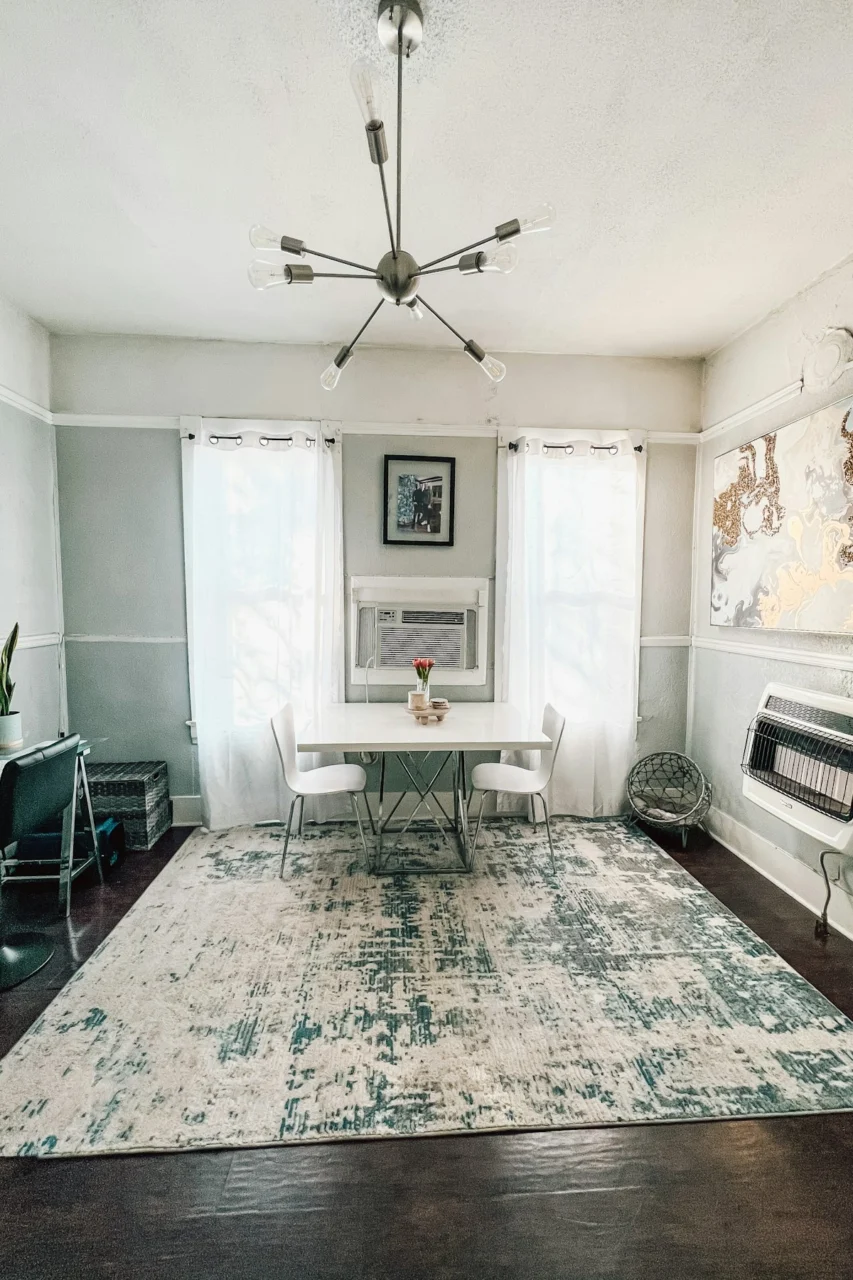
Photo by Aurelio Uribe-Wright on Unsplash
Flooring sets the tone for both work and rest. A low‑pile rug placed under the desk adds comfort for standing meetings, while the same rug feels inviting under a guest’s feet.
Selection Guidelines
- Material: Wool blends are durable, stain‑resistant, and provide natural sound dampening.
- Pattern: A subtle geometric design hides minor spills and adds visual interest without distracting during video calls.
- Size: Choose a rug that extends at least 24 inches beyond the desk perimeter to create a defined zone.
Regular vacuuming and spot cleaning keep the rug looking fresh. For high‑traffic days, a washable rug pad can protect both the floor and the rug.
FAQ
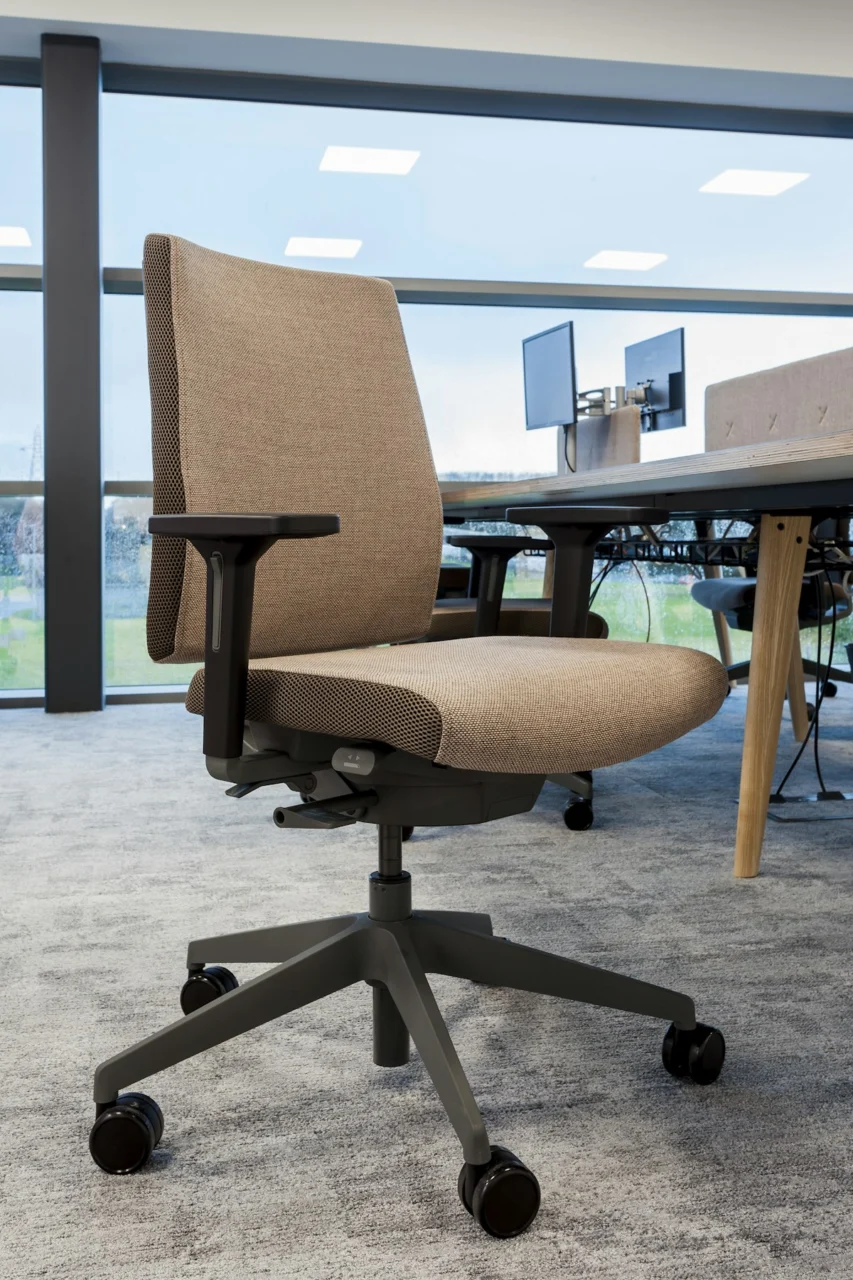
Photo by SCOPIC LTD on Unsplash
Can I use a regular office chair for guests?
A standard ergonomic office chair works for short stays, but adding a plush cushion or a lightweight side chair can make the sleeping area feel more inviting without sacrificing support.
How do I keep work clutter from overwhelming the guest space?
Utilize hidden storage—such as a desk with built‑in drawers or an ottoman with a secret compartment—to tuck away paperwork and office supplies when the room switches to guest mode.
Is it safe to install a wall‑mounted desk in a small room?
Yes, as long as you locate studs and use appropriate anchors. A wall‑mounted desk frees floor space, making the room feel larger for both work and sleep.
What’s the best mattress thickness for a convertible desk‑to‑bed?
Six to eight inches provides enough cushioning for a good night’s sleep while keeping the overall height low enough to sit comfortably at the desk during the day.
Do I need a separate power strip for the guest side?
Installing a short, floor‑standing power strip on the side of the room gives guests easy access to outlets without cluttering the desk area.
How can I maintain good air quality in a dual‑use space?
Place a small indoor plant—like a snake plant or pothos—near the window. These species help filter pollutants and add a touch of greenery that works in both professional and relaxing settings.
Final Thoughts
Photo by Amy Vosters on Unsplash
Designing an office that welcomes guests doesn’t require a full renovation; it’s about thoughtful pieces that serve two purposes gracefully. By selecting convertible furniture, adaptable lighting, and smart storage, you create a space that feels productive by day and restful by night. Implement a few of these ideas, and you’ll find the transition between work and hospitality effortless—leaving both you and your guests feeling right at home.