Easy DIY Gas Fire Pit Ideas for Backyard Cozy Nights
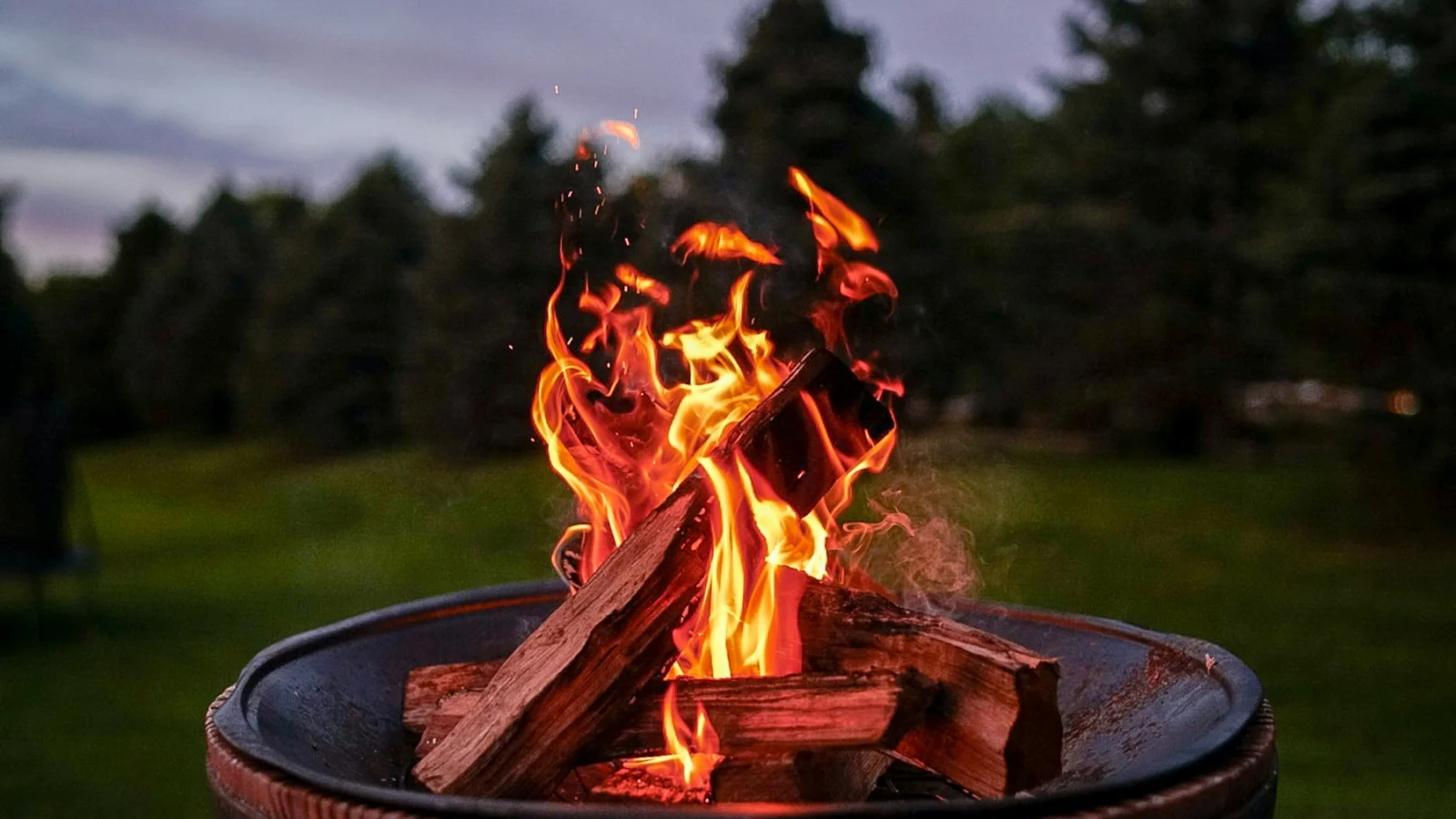
When the temperature drops and the sky turns amber, the backyard becomes a natural gathering place if you have a warm, inviting focal point. A gas fire pit offers instant heat, clean flames, and the flexibility to start a fire with the push of a button—no kindling, no smoke, and minimal mess. The good news is that you don’t need a professional fabricator to enjoy that glow; a handful of well‑chosen materials and a little planning can turn everyday items into a stylish fire pit that fits your space, budget, and aesthetic. Below are seven distinct DIY concepts, each with its own personality, that you can adapt to your own outdoor layout.
1. Repurposed Metal Drum Fire Pit

Photo by Fabio Sasso on Unsplash
One of the most satisfying transformations begins with a sturdy steel drum, the kind you might have rescued from a garden shed or a local recycling center. After cleaning the surface, a coat of rust‑inhibiting primer followed by a matte charcoal paint creates a backdrop that ages gracefully. The drum is cut a half‑circle at the top, the edge is sanded smooth, and a commercial gas burner kit is mounted inside, its control valve routed through a discreetly drilled hole. The drum’s curved walls naturally reflect heat upward, while the metal’s durability stands up to wind and rain.
Why this works is simple: the drum’s size is already calibrated for a comfortable seating radius of three to four feet, and the metal conducts heat efficiently without the need for additional insulation. When you place low‑profile lounge chairs or a pair of Adirondack chairs around the rim, the fire pit becomes the centerpiece of an intimate conversation zone. The primary trade‑off is weight; a full‑size drum can be difficult to move once installed, so it’s best suited for a semi‑permanent spot near a concrete patio or a level stone slab.
Installation is straightforward for anyone comfortable with basic tools. After the drum is painted and the burner secured, connect the gas line to an existing outdoor gas supply or a portable propane tank, following the manufacturer’s instructions. A quick leak test with soapy water ensures safety before the first lighting. Once in place, the drum’s industrial vibe pairs well with reclaimed wood benches, a woven jute rug, and soft amber string lights that accent the perimeter without competing with the flame.
2. Stone Veneer Surround with Recessed Burner

If you prefer a more natural, earthy feel, building a low wall of stone veneer around a recessed gas burner can provide that tactile sense of permanence without the expense of full‑size stone blocks. Start by laying a concrete slab or a sturdy deck board as a base, then stack veneer pieces in a staggered pattern, using thin mortar joints to hold them together. The burner sits in a shallow cavity cut into the center of the wall, its flame emerging from a narrow opening that mimics a traditional hearth.
The appeal of this approach lies in its visual depth; the stone’s texture catches the firelight, casting subtle shadows that change as the flame dances. Moreover, the recessed design keeps the heat directed upward, reducing the risk of accidental burns on nearby furniture. A modest drawback is the need for a level surface and a bit of masonry skill; uneven placement can lead to cracking over time, especially in freeze‑thaw cycles.
To finish the look, choose a muted palette of gray and sand‑colored stone that complements existing landscaping. Add a few large river rocks around the perimeter for a casual, organic feel, and place a weather‑resistant pouf or a set of woven outdoor cushions nearby. The stone wall’s mass also acts as a low windbreak, allowing the fire to burn more efficiently on breezy evenings.
3. Concrete Paver Platform with Built‑In Gas Line
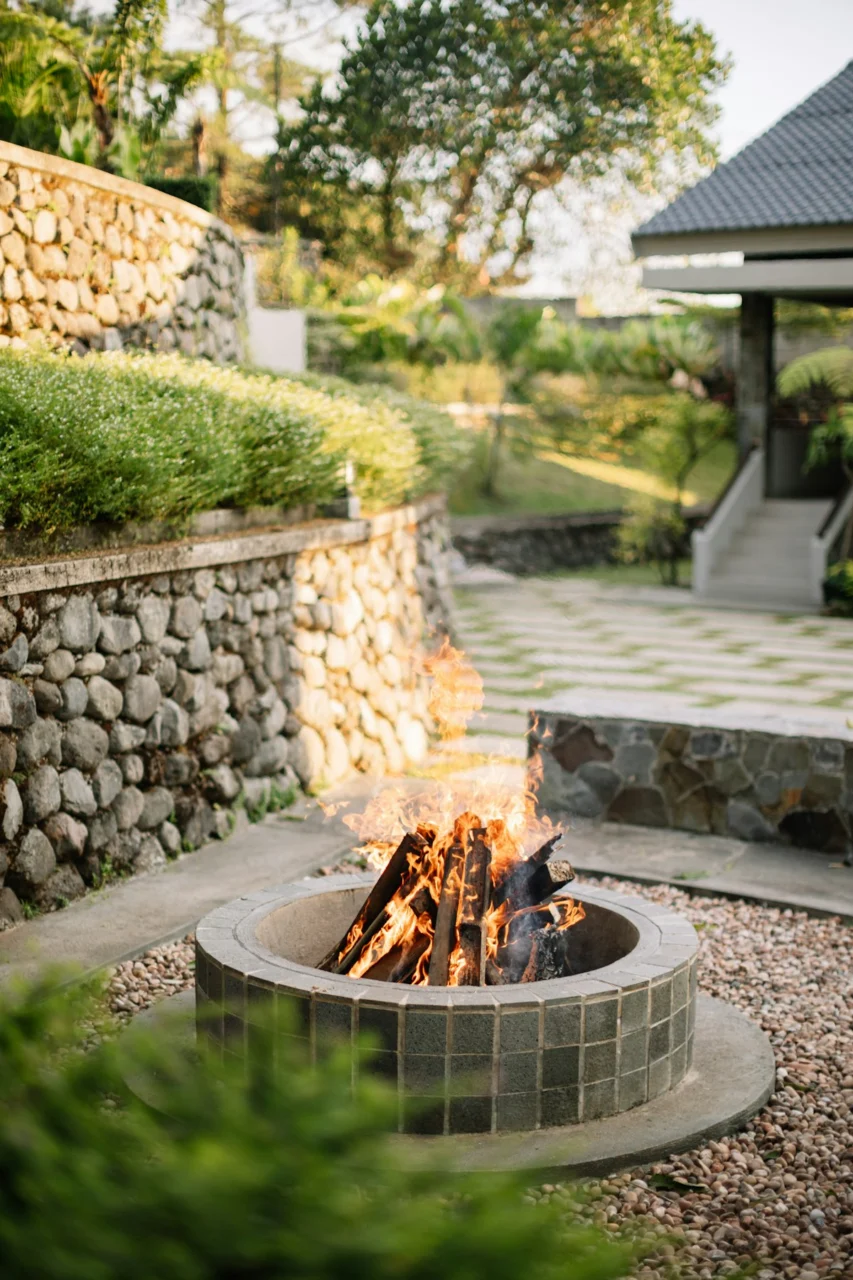
Photo by Ichsan Chairul on Unsplash
For homeowners who love clean lines and a modern aesthetic, a rectangular platform constructed from interlocking concrete pavers can serve as both a base and a subtle visual cue that a fire pit belongs there. The design begins with a compacted gravel bed, followed by a layer of sand to level the surface. Pavers are laid in a herringbone or running bond pattern, creating a subtle texture that feels solid underfoot.
A small trench is cut beneath the central area of the platform, allowing a concealed gas line to run from the outdoor meter to a recessed burner that sits flush with the paver surface. The burner’s rim sits just below the paver height, so the flame appears to rise from the ground itself, a minimalist effect that suits contemporary outdoor rooms. One consideration is that the paver surface can become hot; placing a heat‑resistant metal or stone fire bowl on top mitigates this issue while adding a decorative element.
Because the pavers are modular, you can easily expand the platform later to accommodate additional seating or a dining table. Pair the platform with low‑profile metal chairs, a simple woven rug, and a few sculptural planters to keep the visual weight balanced. The overall look is understated, letting the fire’s glow become the primary source of ambience.
4. Portable Tabletop Fire Pit with Decorative Tiles
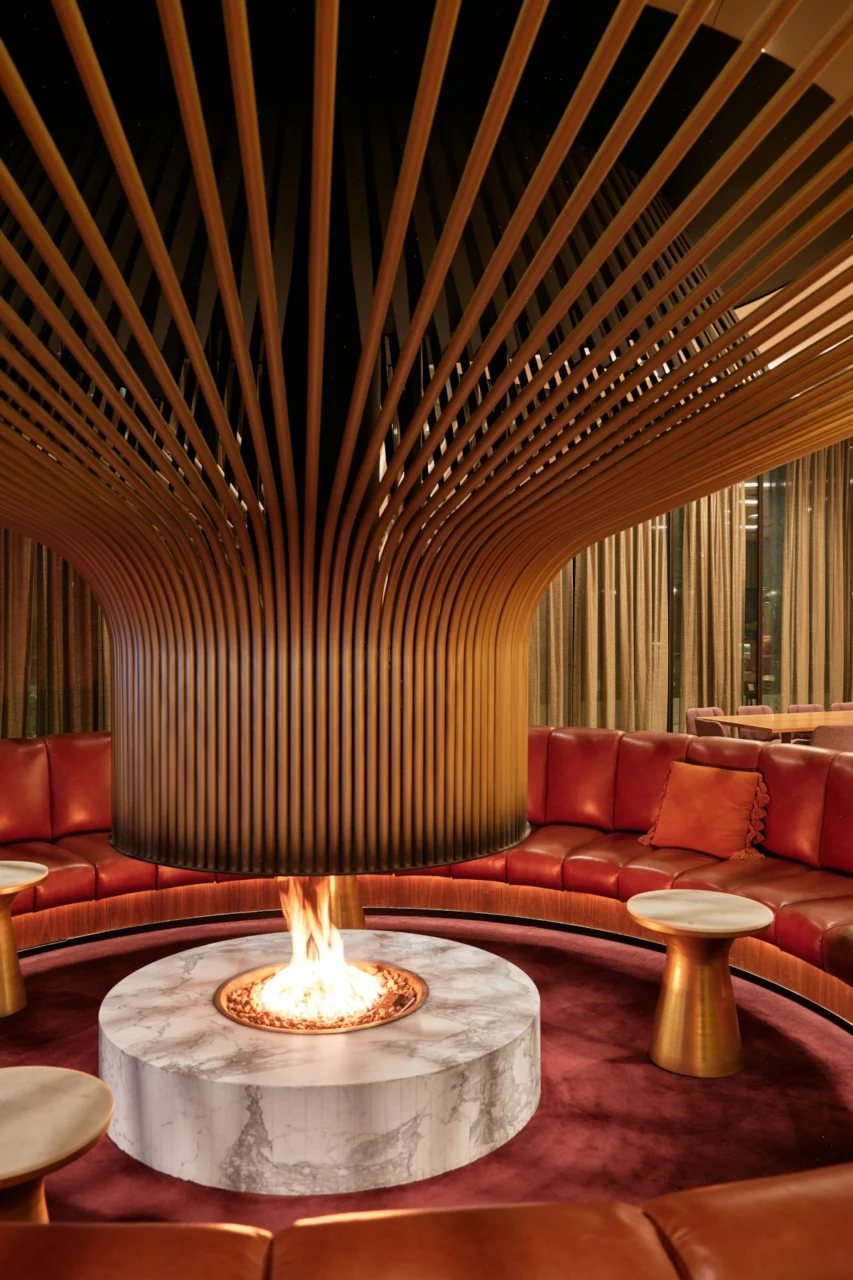
When space is at a premium or you enjoy the flexibility to move the fire pit from patio to balcony, a tabletop version built from a shallow metal basin and a ring of decorative ceramic tiles offers both portability and style. The basin, often a stainless‑steel or copper dish, holds the burner and a small amount of decorative gravel to protect the surface. Surrounding the basin, hand‑picked tiles in muted earth tones or subtle geometric patterns create a visual border that catches the flame’s light.
This concept works well because the entire unit weighs less than twenty pounds, making it easy to lift with one person. The tiles not only add visual interest but also protect the metal from direct heat, extending the life of the basin. The main limitation is the reduced heat output; a tabletop fire pit provides a cozy glow rather than a full‑size heating zone, so it’s ideal for a small seating cluster of two or three chairs.
To use it, connect the burner to a small propane tank that can be stored discreetly under a garden bench or in a lockable box. When not in use, the tiles can be swapped for a different pattern to match seasonal décor, and the basin can be cleaned with a mild soap solution. Adding a few potted herbs or a low‑lying succulent arrangement around the base reinforces the garden feel without crowding the flame.
5. Rustic Wooden Crate with Steel Burner Insert
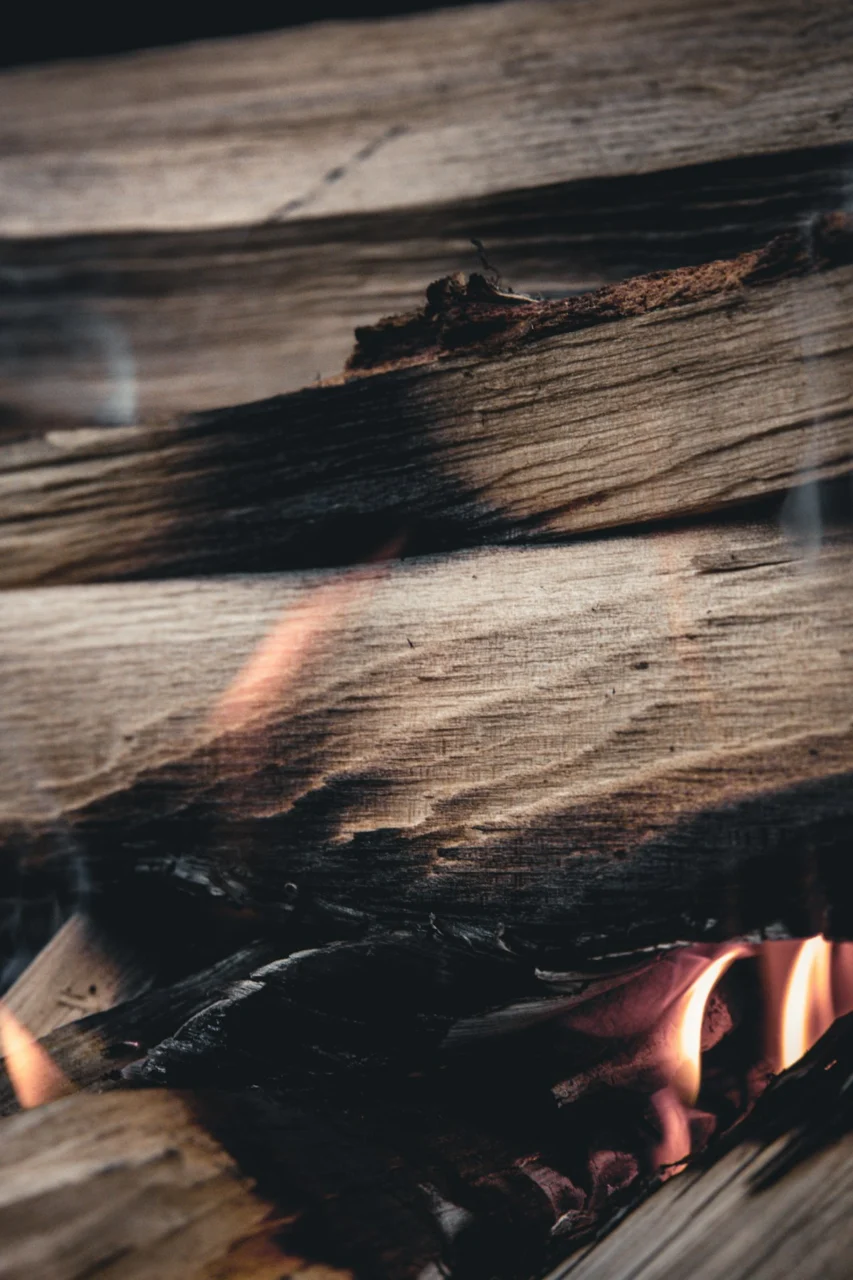
Photo by Kirill Pershin on Unsplash
For a touch of reclaimed charm, repurpose a sturdy wooden crate—think of the kind used for shipping produce or wine barrels—into a fire pit enclosure. The crate is sanded, treated with an outdoor‑grade sealant, and fitted with a steel burner insert that sits snugly within the crate’s interior. The wood’s natural grain frames the fire, while the steel insert ensures a clean, controllable flame.
The rustic look works especially well alongside vintage metal chairs, a distressed leather pouf, and warm‑toned lanterns. Because wood is combustible, the key safety measure is to line the interior of the crate with a fire‑resistant metal sheet or a high‑temperature ceramic board before installing the burner. This barrier prevents heat from reaching the wood’s outer walls, extending the crate’s lifespan.
A practical downside is that the crate will need periodic inspection for signs of warping or cracking, particularly after heavy use or exposure to moisture. However, the crate’s modular nature means you can replace it or refresh the finish as needed. Pair the crate fire pit with a reclaimed wood coffee table and a handful of oversized floor cushions for a relaxed, lodge‑like atmosphere.
6. Garden Arch with Integrated Fire Bowl
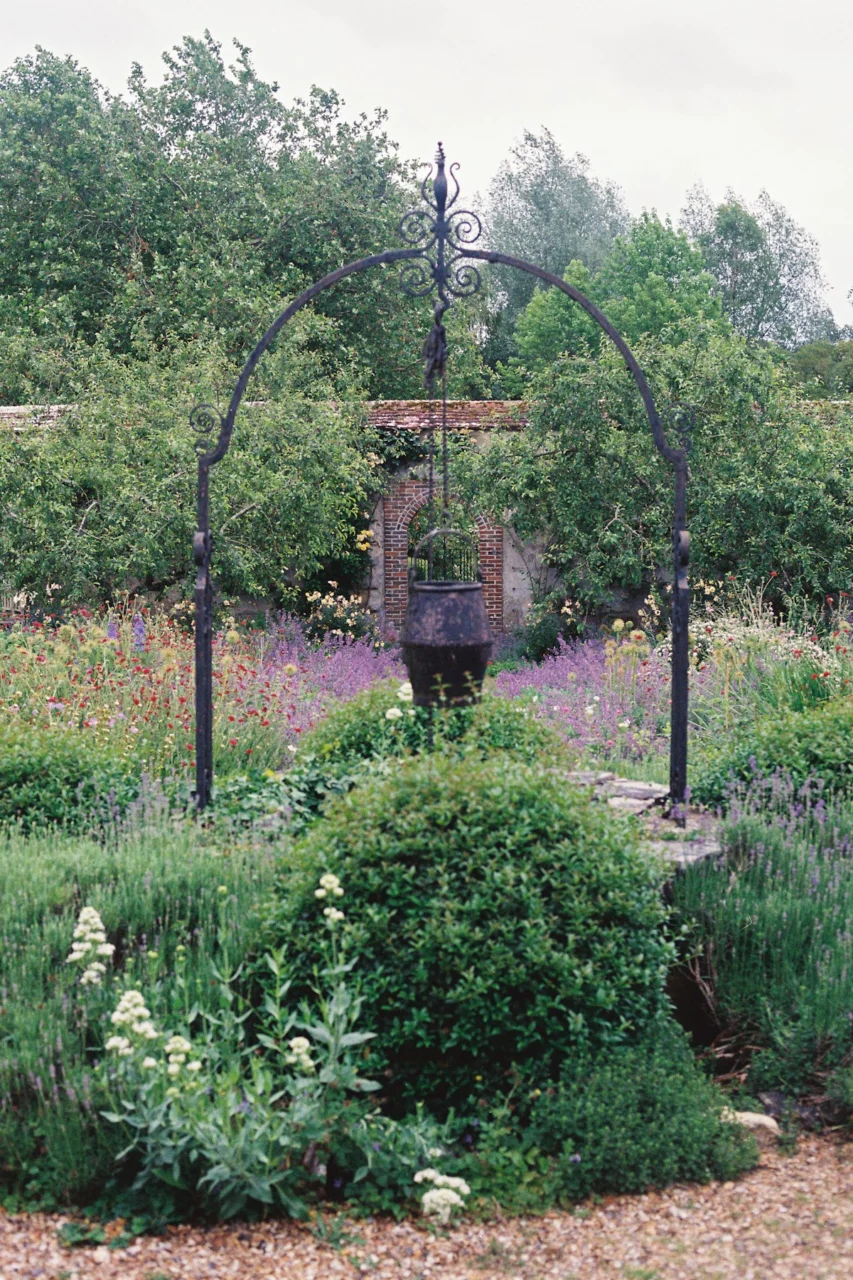
When you want the fire pit to become an architectural feature, constructing a garden arch that cradles a circular fire bowl can transform the space into a focal point that also defines a pathway. The arch is built from weathered steel or treated cedar, its curved legs anchored into concrete footings for stability. At the apex of the arch, a shallow metal fire bowl sits, its rim flush with the arch’s inner curve, allowing the flame to be framed from multiple angles.
This arrangement invites guests to walk beneath the arch, creating a sense of intimacy as the firelight filters through the overhead structure. The arch also doubles as a trellis for climbing vines or seasonal hanging baskets, adding layers of greenery that soften the metal’s hardness. The primary consideration is clearance; ensure there is at least three feet of open space on all sides to accommodate heat dispersion and to meet local safety setbacks.
Because the fire bowl is integrated, you can choose a burner that offers adjustable flame heights, letting you shift from a low, ambient glow to a more robust heat source for colder evenings. Pair the arch with low‑profile wicker seating, a woven outdoor rug, and a few soft cushions in muted sage or dusted rose. The combination of structure and flame creates a memorable backdrop for evening conversations.
7. Minimalist Steel Box with Glass Front
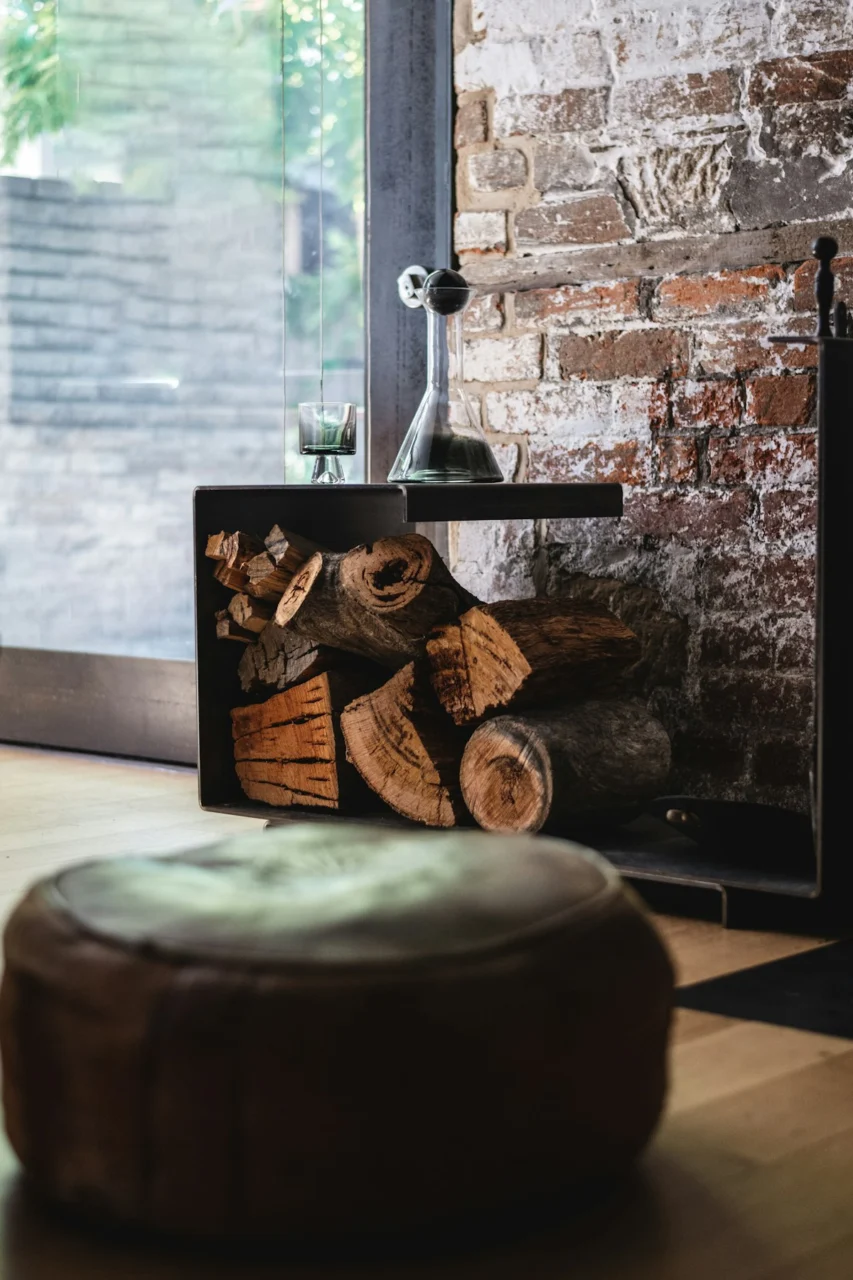
Photo by Laura Barry on Unsplash
For a contemporary garden that leans toward sleek minimalism, a rectangular steel box with a tempered glass front panel delivers a clean, modern silhouette. The box is fabricated from brushed stainless steel, its edges beveled to soften the visual impact. A recessed gas burner sits within the interior, and the glass front—treated to resist heat—allows the flame to be viewed from a distance while keeping the heat contained.
This design excels in small urban backyards where space is limited; the glass front reduces the visual bulk, making the fire pit feel lighter than its actual size. The steel’s reflective surface picks up ambient light, giving the unit a subtle sparkle even when the fire is off. A potential drawback is the need for regular cleaning of the glass to prevent soot buildup, which can obscure the flame’s beauty.
To enhance the minimalist vibe, surround the steel box with low‑profile concrete benches or a single elongated chaise lounge in a neutral linen fabric. A few strategically placed LED uplights can accent the steel’s edges after dark, extending the visual interest beyond the fire itself. The result is a sophisticated gathering spot that feels both functional and sculptural.
FAQ

Photo by Caleb Stokes on Unsplash
Can I use a natural gas line for a DIY fire pit?
Yes, a natural gas line can power a DIY fire pit, provided the burner is rated for natural gas and the connection follows local building codes. It’s advisable to have a licensed plumber install the line and to use a shut‑off valve for safety.
Do I need a permit to install a gas fire pit?
Most municipalities require a permit for permanent gas installations, especially when connecting to an existing gas supply. Check with your city’s building department before beginning work to avoid fines or the need to remove the pit later.
How do I maintain the fire pit and keep it looking good?
Regular maintenance involves cleaning the burner ports with a soft brush, wiping the exterior with a mild soap solution, and inspecting the gas line for wear. For stone or concrete surrounds, a yearly sealant application helps prevent staining and water penetration.
What safety precautions should I observe when using a gas fire pit?
Always keep the flame at least three feet away from combustible materials such as furniture, plants, or wooden decks. Use a carbon monoxide detector if the pit is near an enclosed space, and never leave the fire unattended.
How far should the fire pit be placed from my house?
Maintain a minimum distance of ten feet from any structure, including siding, windows, and overhanging eaves. This buffer reduces the risk of heat damage and complies with most fire codes.
Final Thoughts
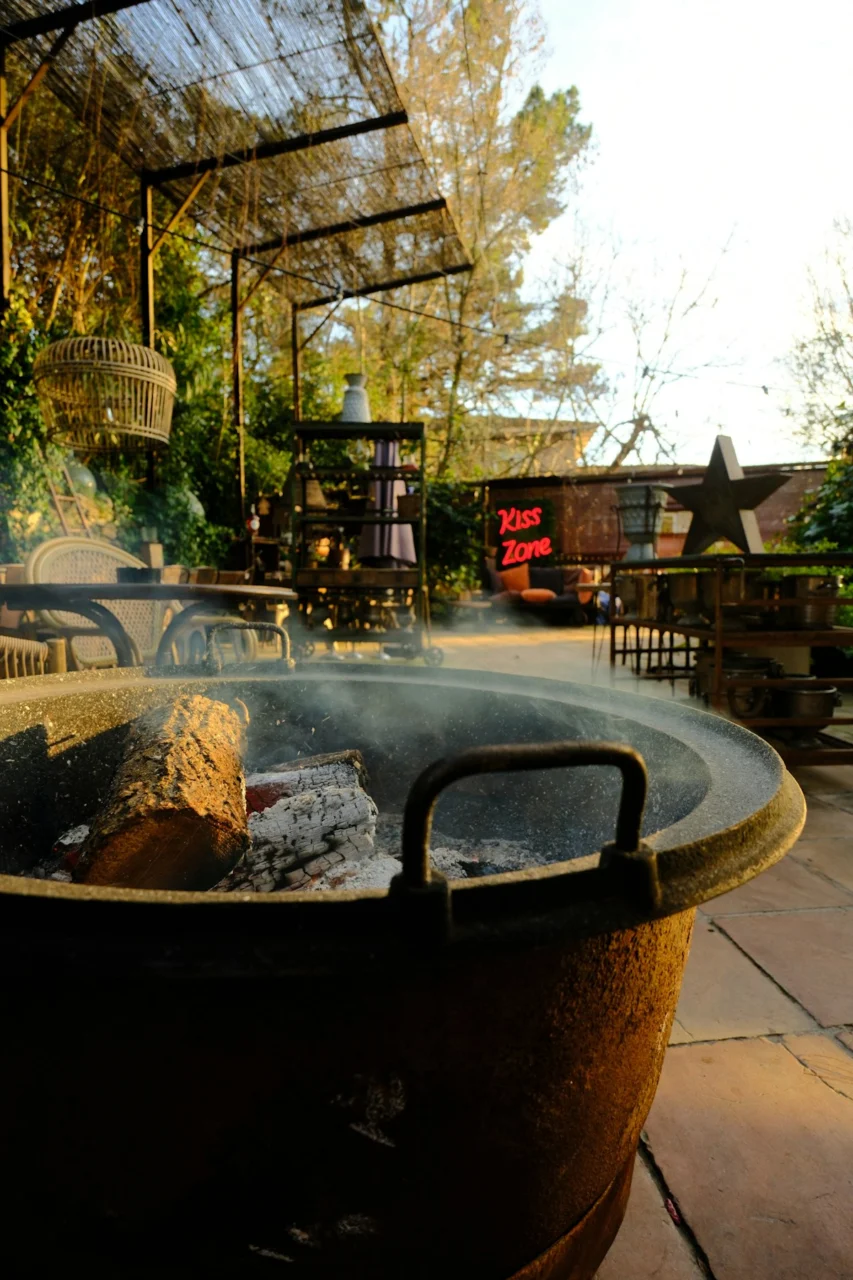
Photo by Litus Fixe on Unsplash
Creating a warm gathering spot in your backyard doesn’t have to involve a hefty budget or professional contractors. By selecting the right materials—whether it’s a repurposed drum, a stone veneer wall, or a sleek steel box—you can craft a gas fire pit that reflects your personal style and meets the practical demands of outdoor living. Each of the seven ideas presented offers a different balance of aesthetics, effort, and maintenance, allowing you to choose the solution that best fits your space and lifestyle. With careful planning, adherence to safety guidelines, and a touch of creativity, your new fire pit will become the heart of countless cozy evenings for years to come.