Kids Bathroom Ideas That Are Fun & Functional for Every Family
Designing a bathroom for children can feel like walking a tightrope between whimsy and practicality. A splash of personality is great, but the space also has to survive daily messes, curious hands, and growing bodies. Below you’ll find seven ideas that keep the room lively while staying durable, safe, and easy to maintain. Follow each section for concrete details you can apply right away—whether you’re starting from a blank wall or simply looking to refresh a tired space.
1. Playful Color Schemes That Grow With Them
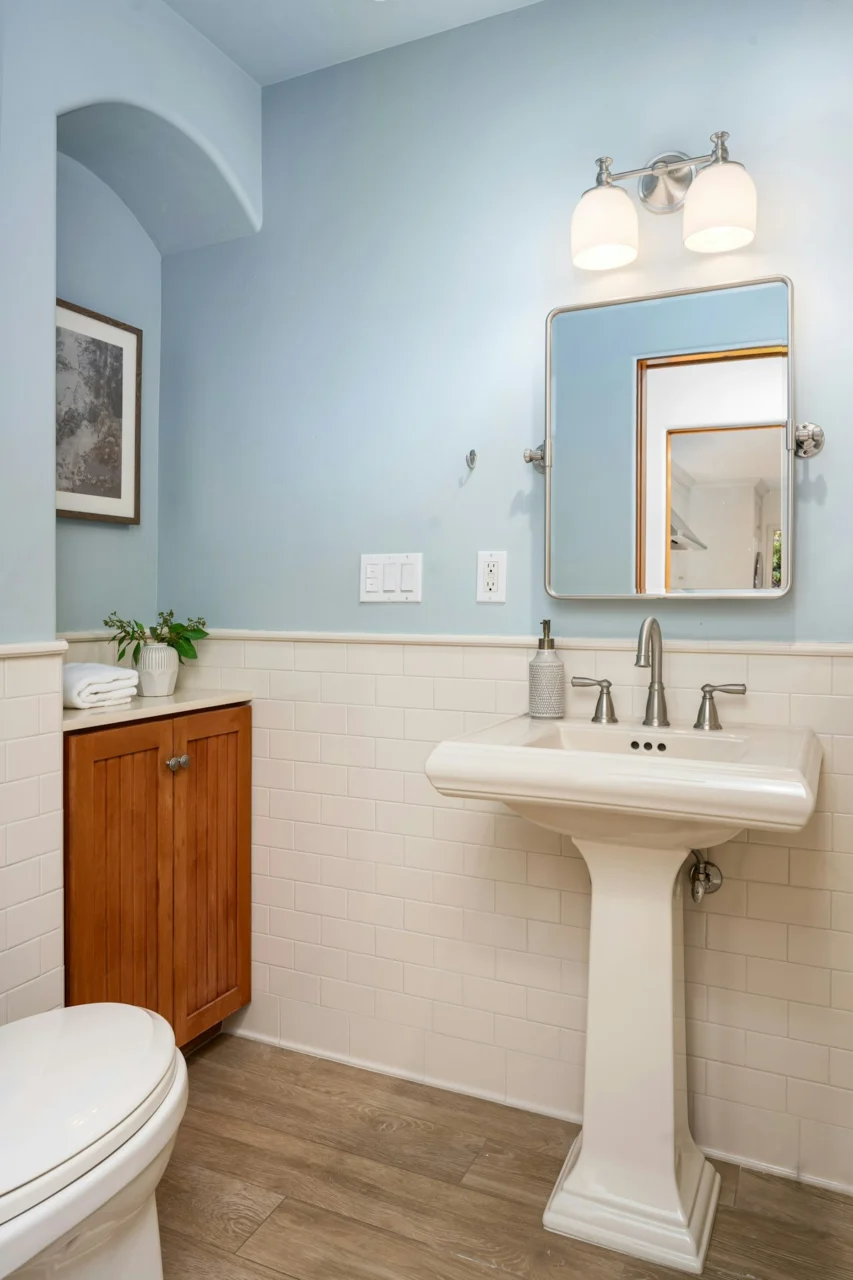
Photo by Alex Tyson on Unsplash
Choosing the right palette sets the tone without overwhelming the senses. Opt for two‑tone walls—a calming base like soft sky blue paired with a brighter accent such as sunny yellow or mint green. This contrast creates visual interest while allowing you to change the accent color as your child’s tastes evolve.
How to Apply
- Paint the lower half of the walls in a washable satin finish; it hides splashes and can be wiped clean.
- Use a matte or low‑sheen paint for the upper half to reduce glare and make the ceiling feel higher.
- Introduce color through accessories—towels, soap dispensers, and a patterned shower curtain—so updates are inexpensive.
Avoid dark hues on the floor area; they can make the space feel smaller and show water spots more readily.
2. Smart Storage Solutions That Encourage Independence
Photo by Sanju Pandita on Unsplash
Kids love to claim ownership of their belongings, but clutter can quickly turn a bathroom into a hazard. Install low, open shelving at a child’s height for everyday items like toothbrushes and washcloths. Pair this with a few labeled bins for “dirty” and “clean” clothes.
Tips for Durability
- Choose shelves with rounded edges to prevent bumps.
- Use clear acrylic bins or fabric baskets with waterproof liners for easy cleaning.
- Label each bin with a simple picture or a large, easy‑to‑read word.
When the child gets older, replace the open shelves with adjustable cubbies that can be reconfigured as needs change.
3. Slip‑Resistant Flooring That Looks Good Too
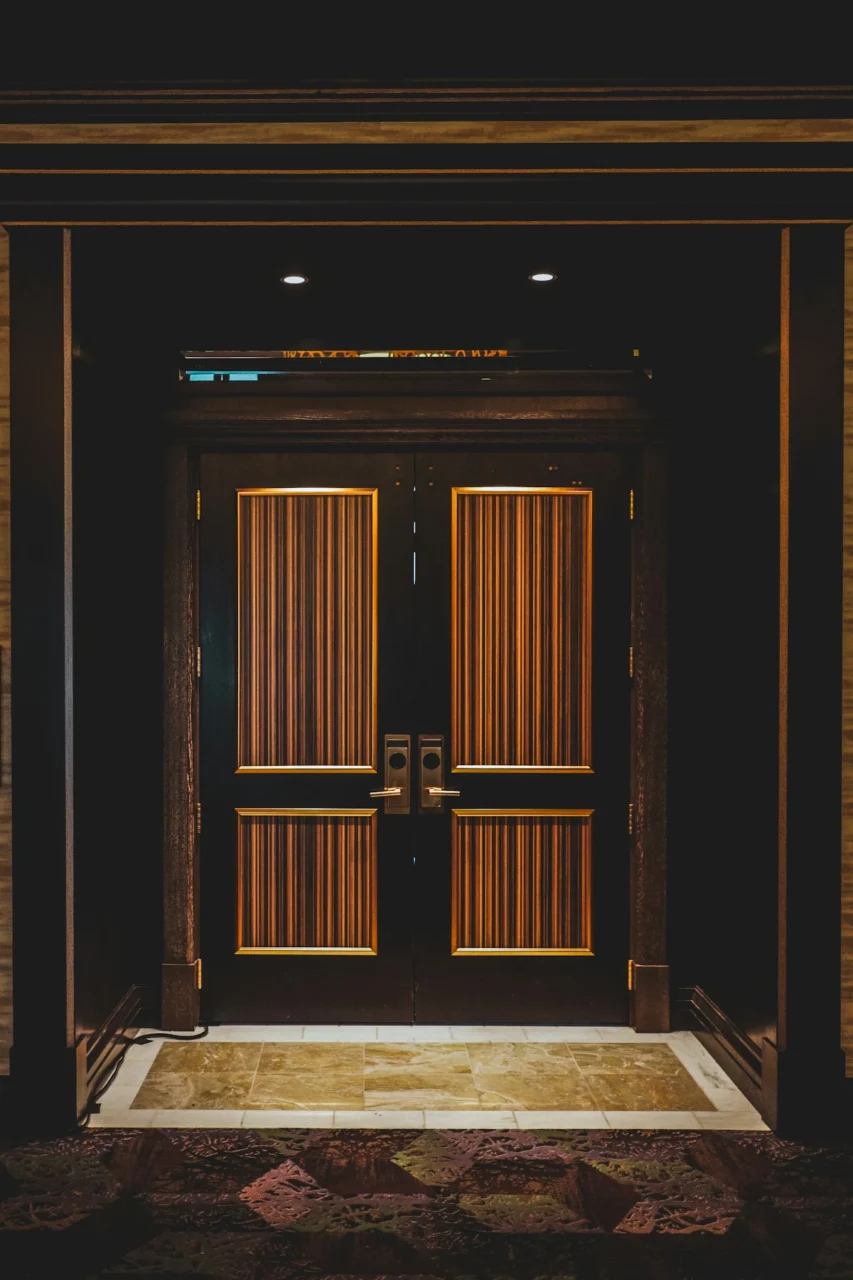
Photo by Daniel Romero on Unsplash
Safety starts on the floor. Vinyl plank or luxury vinyl tile (LVT) offers a water‑resistant surface that mimics wood or stone without the slip risk. Look for products with an R‑value of 0.5 or higher for better traction.
Installation Insight
- Lay a moisture‑resistant underlayment to protect the subfloor.
- Consider a pattern that disguises wear, such as a subtle chevron.
- Use a grout‑sealed, textured tile in the shower area for extra grip.
Regularly sweep and mop with a mild cleaner; avoid harsh chemicals that can degrade the surface finish.
4. Adjustable Fixtures for Growing Kids
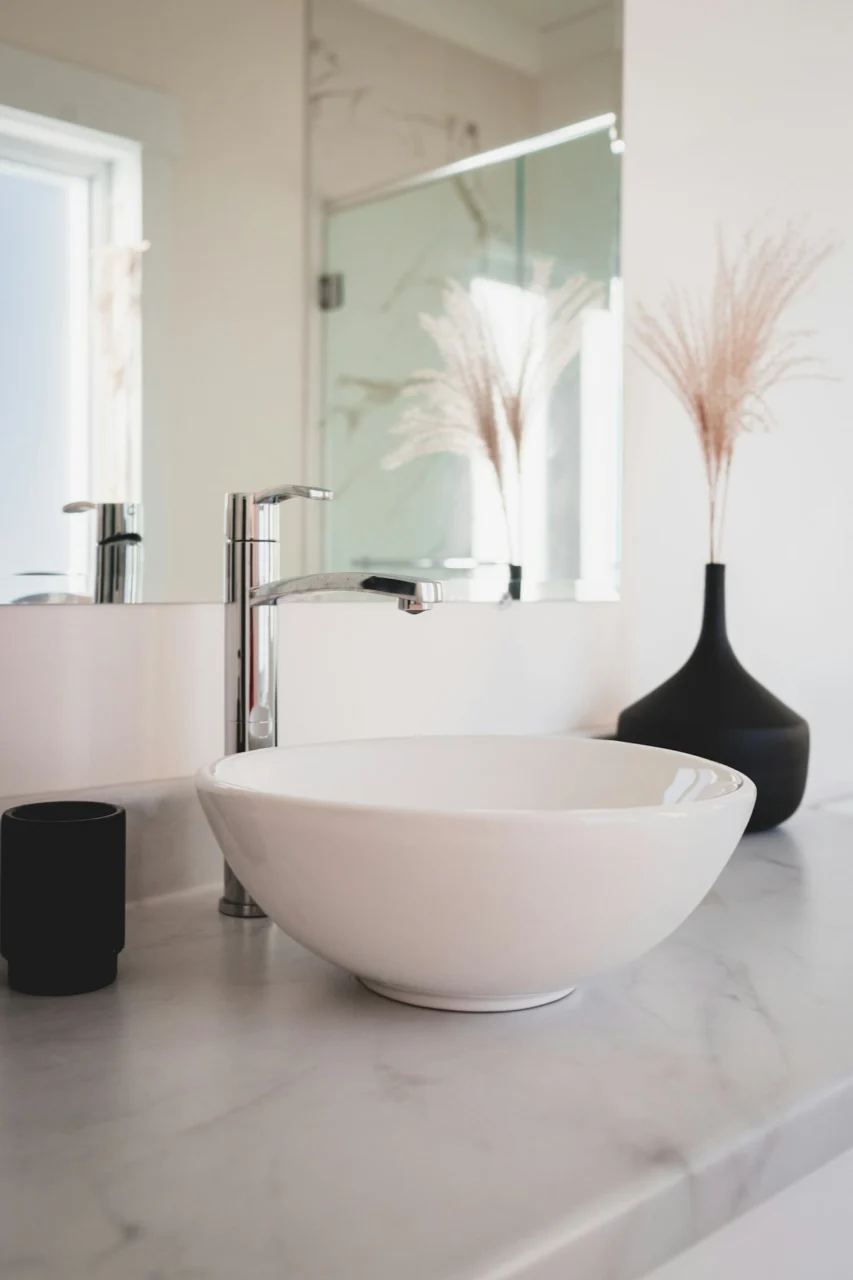
Photo by Erik Mclean on Unsplash
Standard bathroom hardware often becomes unusable as children outgrow it. Install a height‑adjustable vanity sink or a pull‑up bar that can be moved as your child gets taller. These fixtures keep the bathroom functional for years, saving you from a full remodel.
Choosing the Right Model
- Pick a sink with a sturdy, anchored base; cheap plastic can wobble under weight.
- Look for a pull‑up bar with a safety lock and a weight rating that exceeds your child’s maximum.
- Opt for brushed nickel or matte black finishes—both hide fingerprints better than polished chrome.
Always follow the manufacturer’s installation instructions and, if you’re unsure about mounting, hire a qualified professional.
5. Interactive Wall Panels for Learning and Play
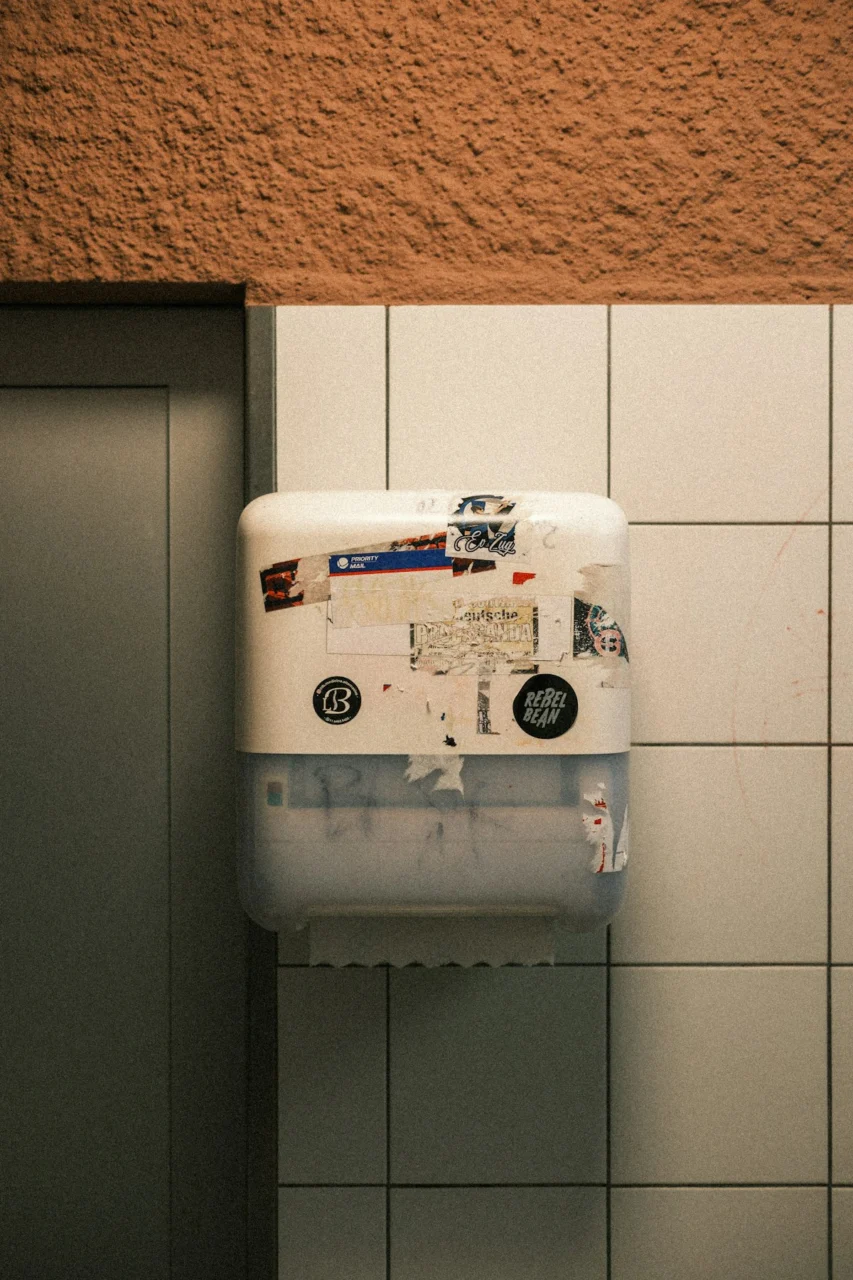
Photo by Jonah Townsley on Unsplash
Transform an empty wall into a mini‑learning zone. Removable magnetic or dry‑erase panels let kids practice letters, numbers, or simple doodles while you keep the bathroom walls protected.
Installation and Care
- Secure the panel with adhesive strips designed for tile or painted surfaces.
- Choose a panel with a smooth, non‑porous surface for easy wiping.
- Rotate the panel’s location as your child’s interests shift—perhaps moving from alphabet stickers to a small chalkboard for art.
Make sure the panel is positioned away from direct water spray to prevent moisture damage.
6. Fun Lighting That Enhances Safety
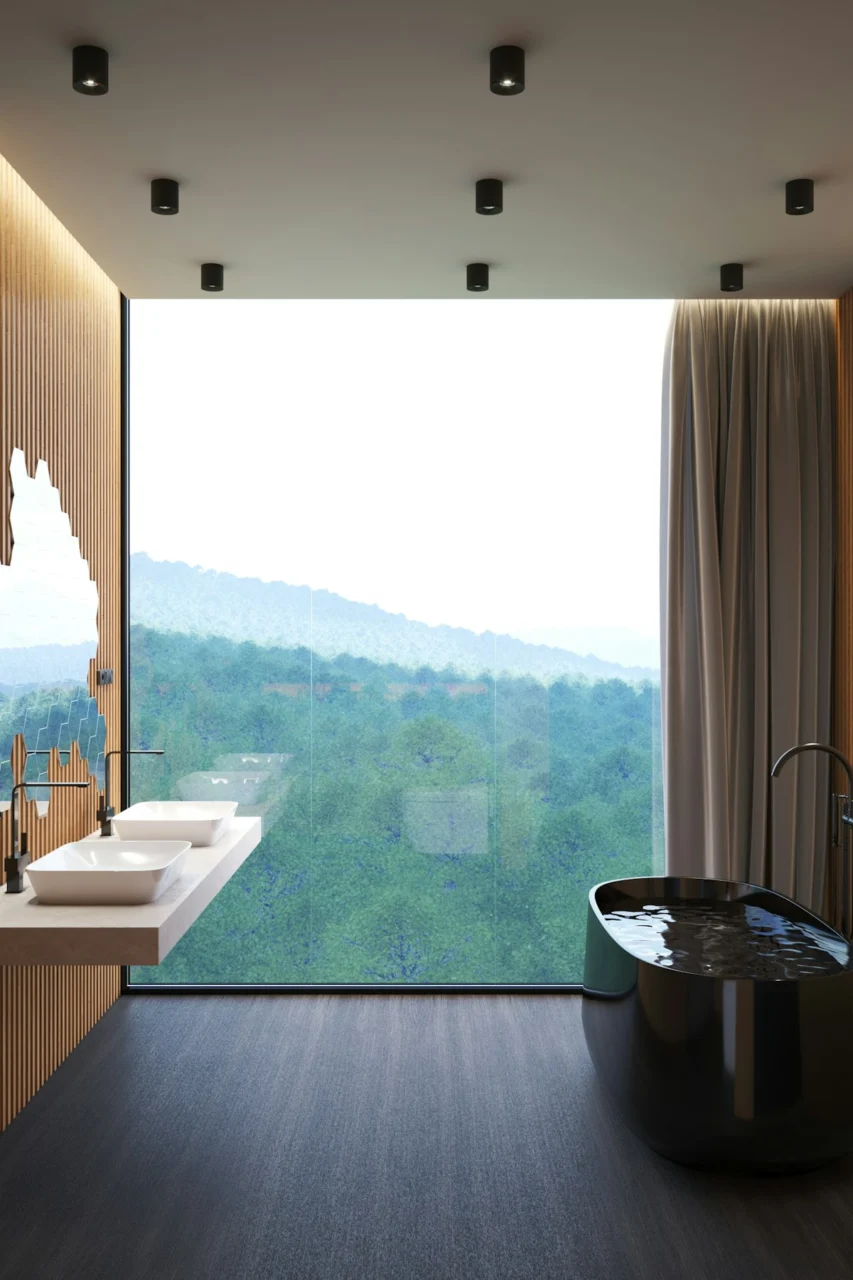
Photo by Bilal Mansuri on Unsplash
Good lighting reduces bathroom accidents and makes the space feel inviting. Combine a soft overhead fixture with a child‑friendly night light that glows gently after bedtime.
Practical Lighting Choices
- Install a dimmable LED ceiling light with a frosted cover to spread light evenly.
- Place a motion‑sensor night light near the door; it turns on automatically and conserves energy.
- Consider a waterproof vanity light with a low heat output to avoid burns.
Avoid exposed bulbs at low heights; instead, use recessed or covered fixtures to keep the area safe.
7. Easy‑Clean Fixtures and Accessories
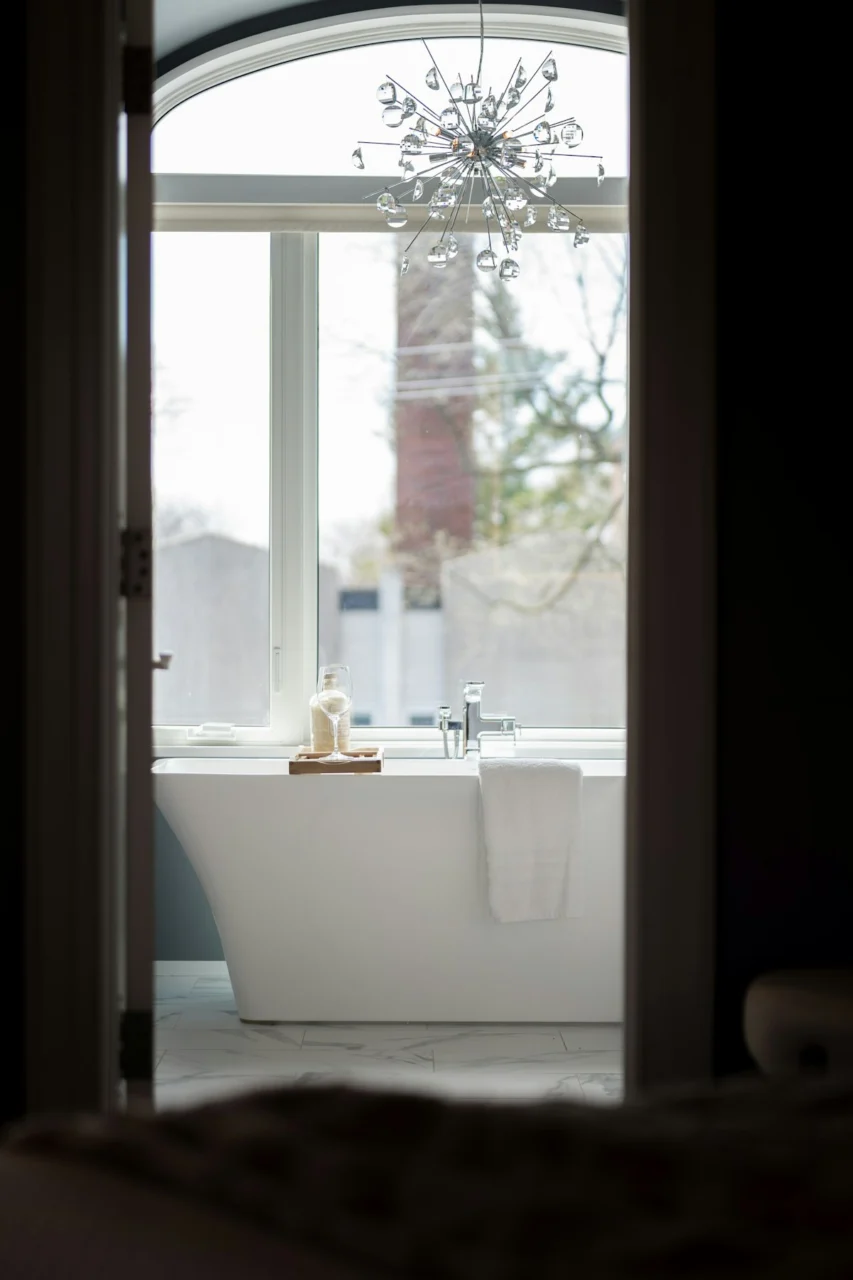
Photo by Franco Debartolo on Unsplash
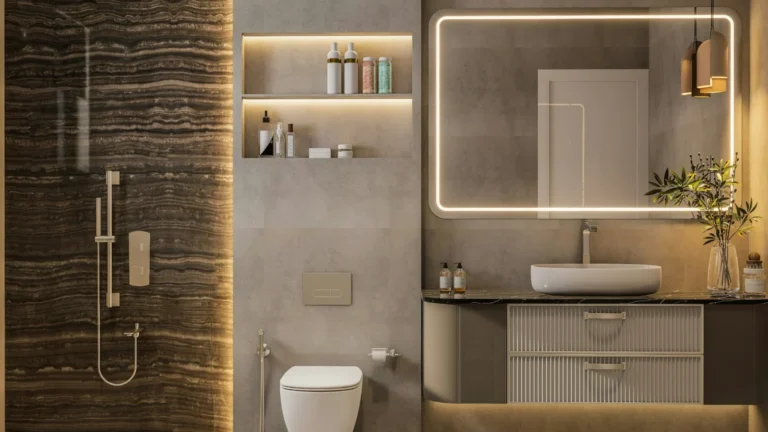
Materials that resist grime make daily upkeep less of a chore. Choose a porcelain or acrylic bathtub with a smooth finish, and pair it with a handheld showerhead that can be stored out of the way when not in use.
Maintenance Hacks
- Wipe down the tub after each use with a microfiber cloth and a mild, non‑abrasive cleaner.
- Replace standard shower curtains with a waterproof, mildew‑resistant fabric that can be machine‑washed.
- Use silicone‑sealed faucet handles to prevent water seepage into the hardware.
These small choices reduce the buildup of soap scum and keep the bathroom looking fresh longer.
FAQ
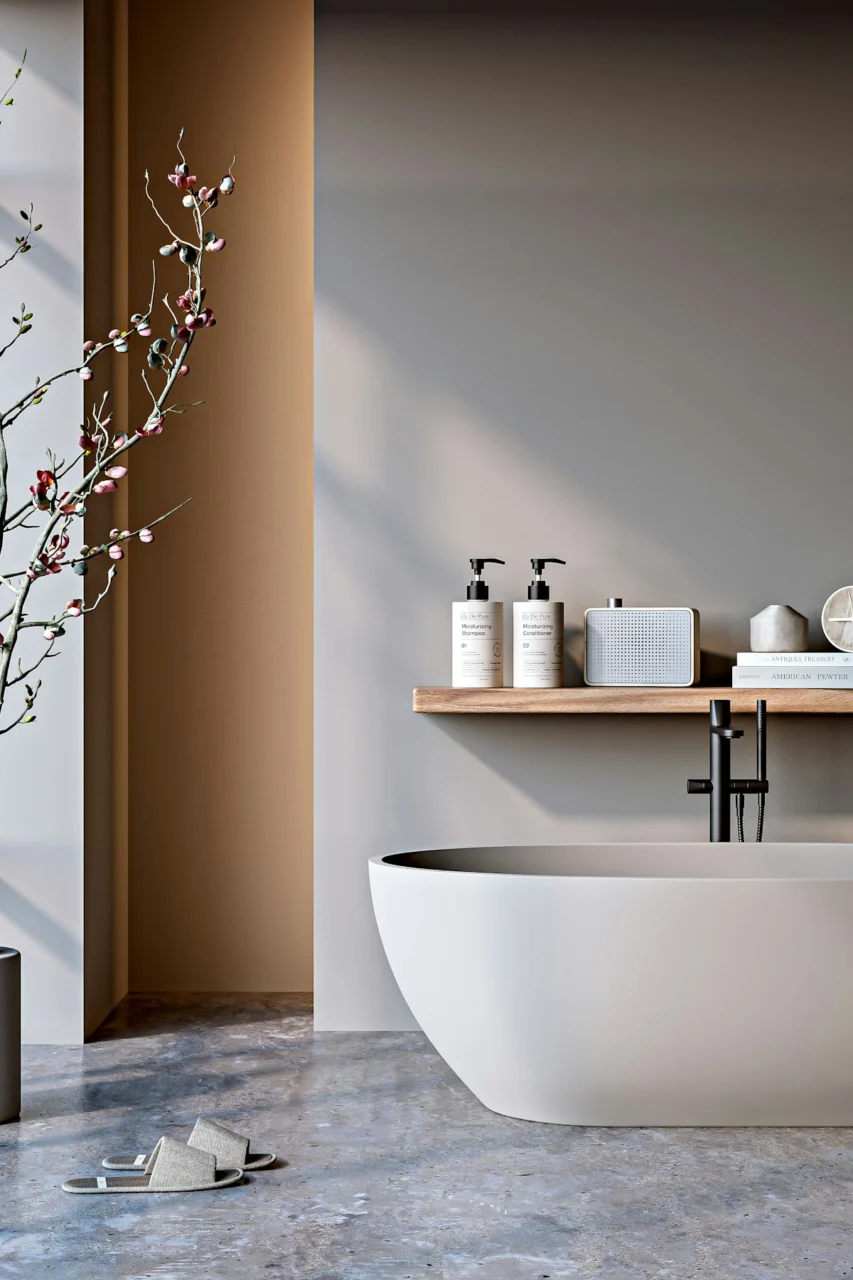
Photo by Ela De Pure on Unsplash
What paint finish is best for a kids’ bathroom?
A washable satin or semi‑gloss finish balances durability with easy cleaning. It resists moisture and can be wiped down without damaging the surface.
How can I make a bathtub safer for toddlers?
Install a non‑slip mat or apply a textured anti‑slip coating to the tub surface. Keep a soft, waterproof step stool nearby so the child can sit comfortably without slipping.
Are magnetic wall panels safe around water?
Yes, as long as the panel is mounted away from direct spray and the adhesive used is rated for humid environments. Check the product’s specifications for moisture resistance.
What’s a budget‑friendly way to add color?
Swap out accessories—towels, soap dispensers, toothbrush holders—and add a bold shower curtain. These items are inexpensive and easy to replace as tastes change.
Can I install a pull‑up bar myself?
Only if you’re comfortable working with studs and using proper anchors. For any load‑bearing installation, especially in a wet area, it’s safest to hire a professional.
Final Thoughts
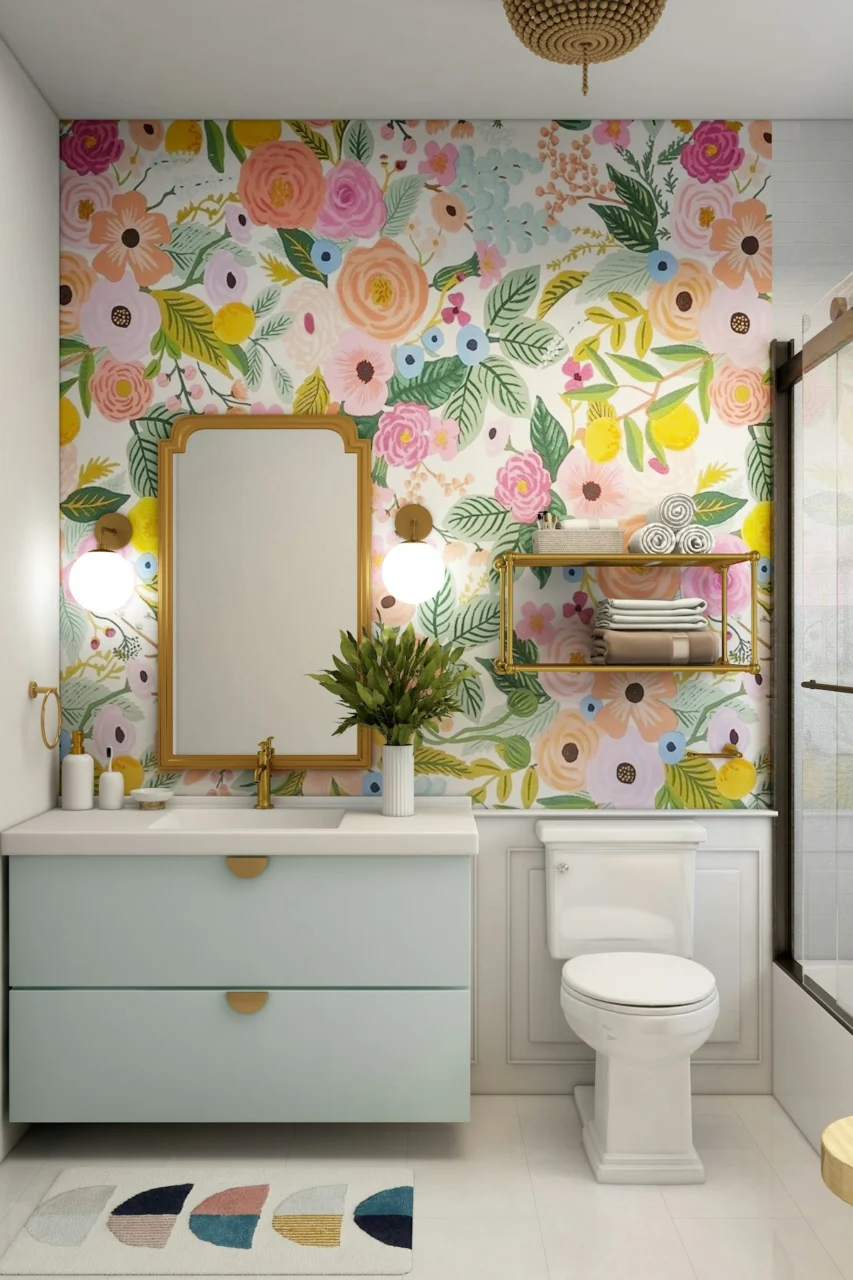
Photo by Collov Home Design on Unsplash
Designing a kids’ bathroom that feels joyful yet stands up to everyday wear is entirely doable with thoughtful choices. By focusing on adaptable colors, safe flooring, clever storage, and easy‑maintain fixtures, you create a space that supports independence, encourages good habits, and grows with your child. Start with one or two ideas from this guide, and watch the room transform into a functional playground for daily routines.