Kitchen Countertop Ideas That Steal the Show
When you walk into a kitchen, the countertop is the first surface you notice. It frames the sink, holds the appliances, and becomes the backdrop for everything from morning coffee to dinner prep. Because it balances function and style, the right countertop can make a modest kitchen feel like a design statement, while the wrong choice can quickly look dated. Below are seven ideas that bring visual interest, durability, and a touch of personality to the heart of the home. Each option includes a look‑book description, practical considerations, and a note on where it shines or falls short, so you can match the material to your cooking habits, budget, and aesthetic goals.
1. Classic Marble with Subtle Veining
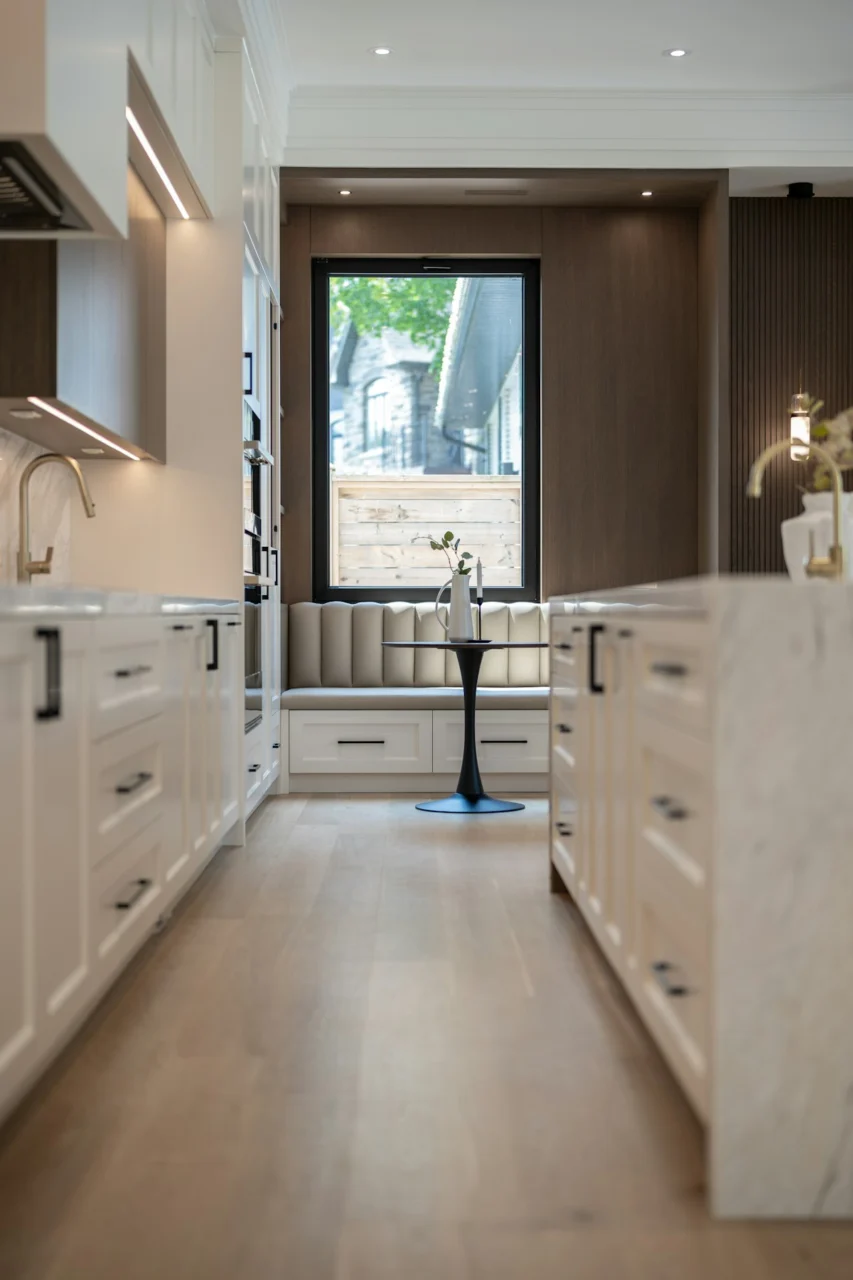
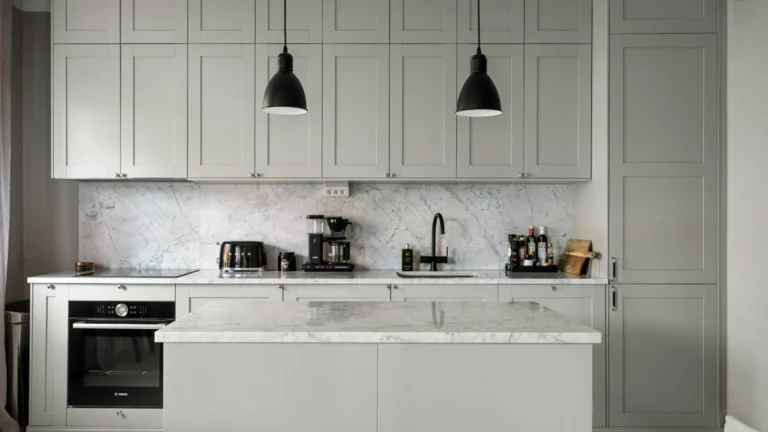
Photo by Franco Debartolo on Unsplash
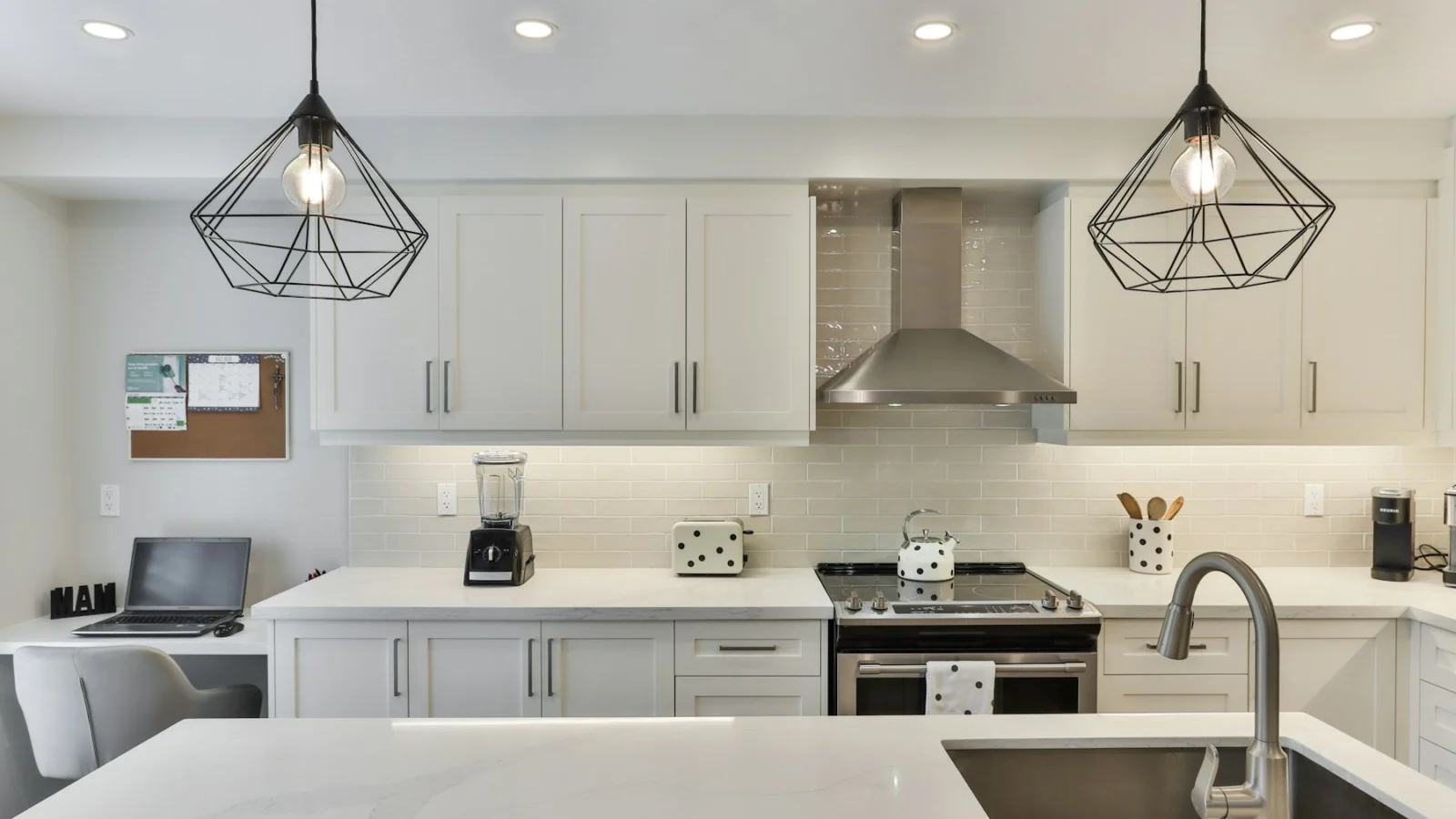
Marble has long been associated with elegance, and a slab that showcases soft gray veins against a creamy backdrop can instantly lift a kitchen’s ambience. The natural light that bounces off its polished surface adds a sense of openness, especially in smaller spaces where reflective surfaces help the room feel larger. When you pair marble with brushed brass hardware, the contrast between cool stone and warm metal feels timeless.
Because marble is porous, it demands a diligent sealing routine; a high‑quality impregnating sealer should be applied every six months to guard against stains from acidic foods like tomatoes or citrus. Heat resistance is excellent, but placing hot pans directly on the stone can cause thermal shock, so a simple silicone trivet is a worthwhile addition. Marble’s price point reflects both its rarity and the labor involved in polishing, so budget‑conscious remodels often opt for a thinner slab or a marble‑look porcelain tile that mimics the look without the same upkeep.
2. Warm Butcher Block with Integrated Cutting Surface
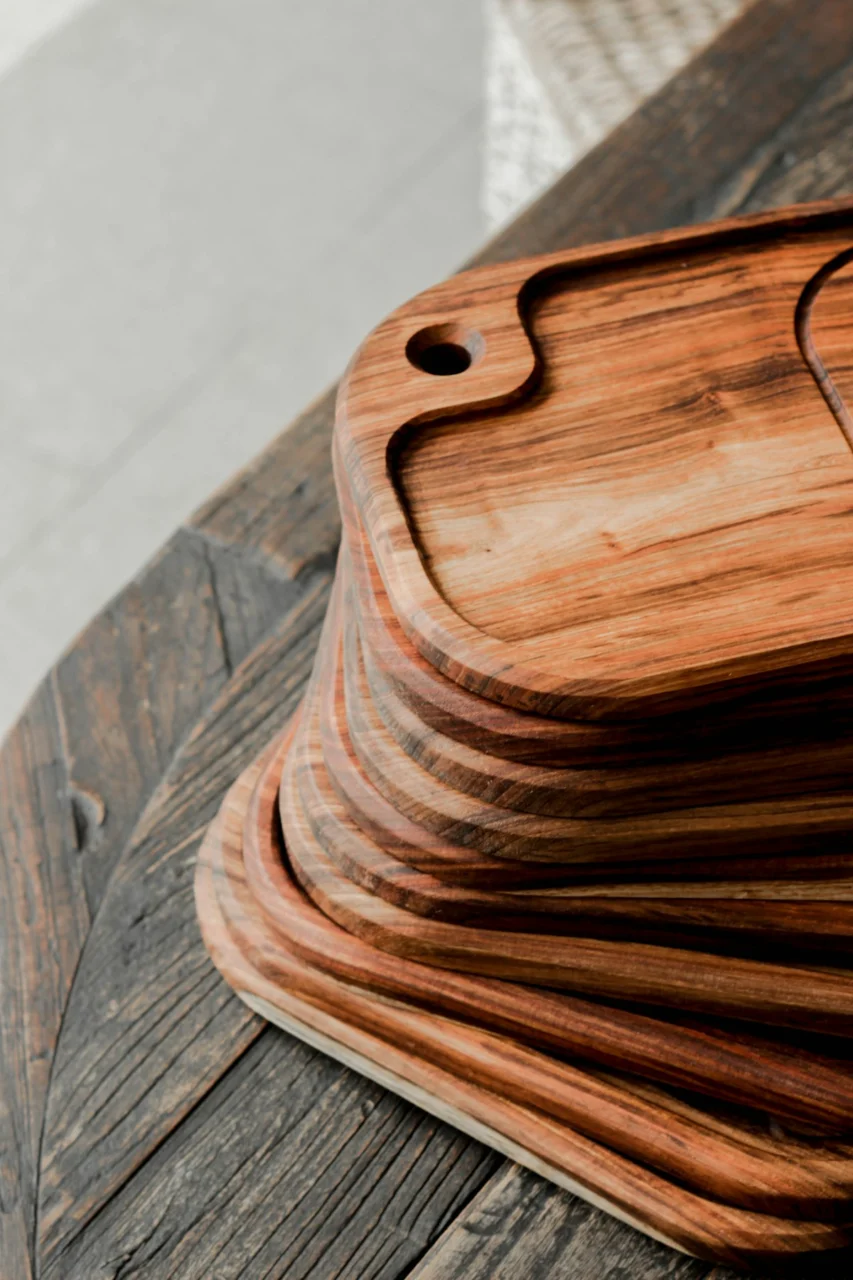
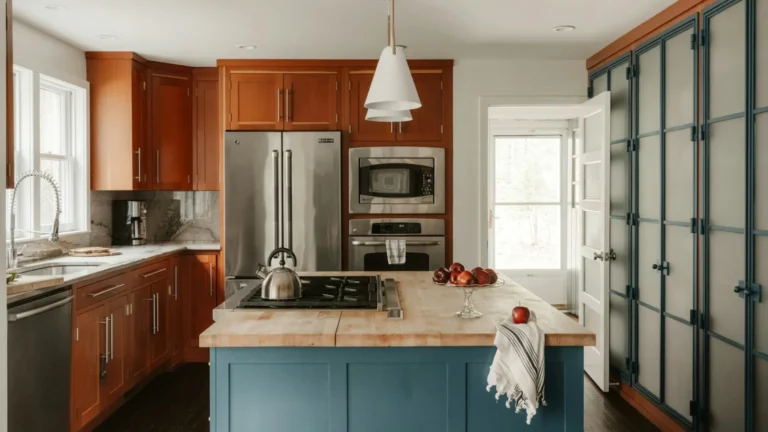
Photo by Nadia Storm on Unsplash
A wide butcher‑block countertop brings a tactile warmth that wood only can provide. Selecting a hardwood such as maple or walnut adds a rich grain that deepens with age, and integrating a recessed cutting board creates a seamless work zone that eliminates the need for a separate chopping surface. The visual continuity of the same material from the cooking area to the dining side can make the kitchen feel cohesive.
Wood does expand and contract with humidity, so it’s essential to leave a small expansion gap at the edges and to finish the surface with a food‑safe oil or polyurethane that can be reapplied annually. While butcher block handles light chopping well, it is vulnerable to deep scratches and water damage, so a quick wipe‑down after each use and occasional sanding keep it looking fresh. For households with heavy daily traffic, consider a mixed approach—using butcher block for the island and a more resilient material for the main work line.
3. Matte Black Quartz for Modern Contrast
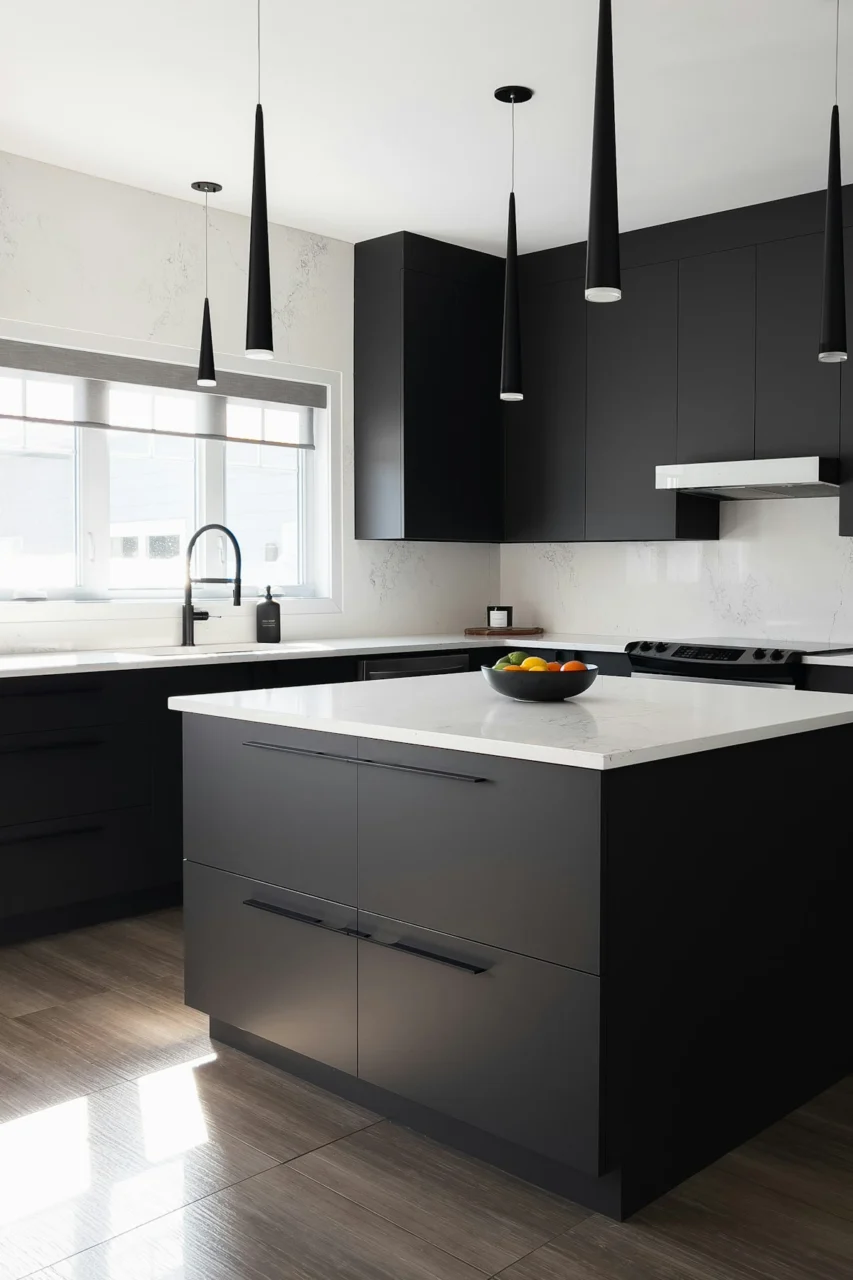
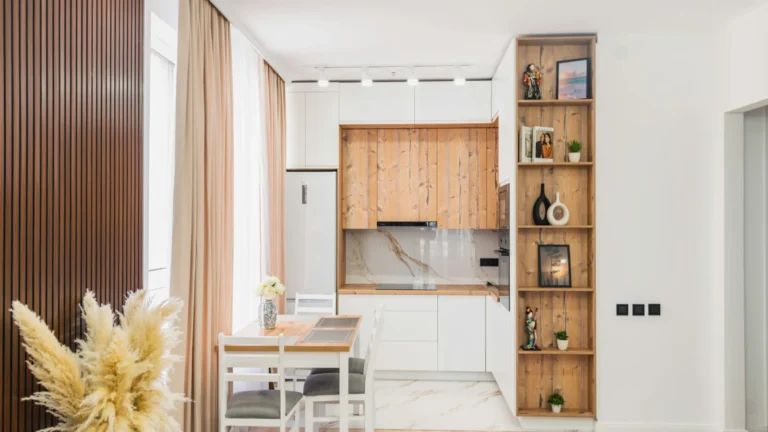
Photo by iris lavoie on Unsplash
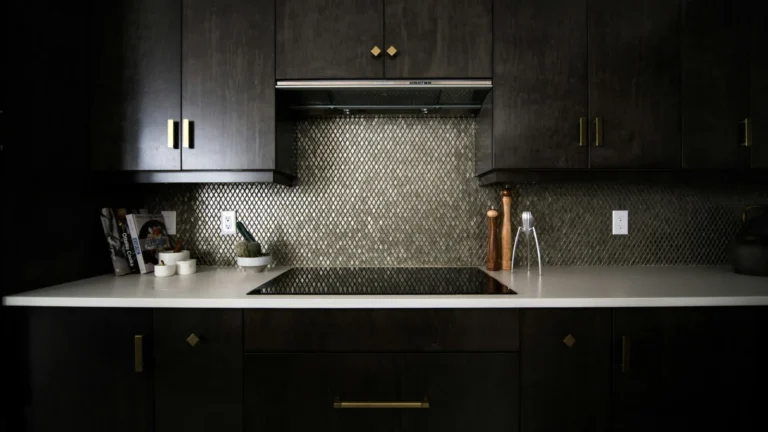
Matte black quartz offers a sleek, contemporary edge that works beautifully in kitchens with light cabinetry or industrial‑style metal fixtures. The uniform pattern of engineered stone hides minor scratches, while the matte finish reduces glare from pendant lighting, creating a calm backdrop for colorful dishes. Pairing it with stainless‑steel appliances reinforces the modern vibe without feeling cold.
Because quartz is non‑porous, it resists stains and does not require sealing, which is a practical advantage for busy families. However, the dark surface can show dust and fingerprints more readily, so a microfiber cloth is handy for daily maintenance. The material’s weight means professional installation is advisable; the countertop must be supported on a sturdy base to prevent flexing. If the budget is a concern, a thinner slab or a quartz veneer can deliver the look at a lower cost, though it may sacrifice some durability over time.
4. Reclaimed Wood Slab with an Epoxy River

Photo by Susan Wilkinson on Unsplash
For a kitchen that feels both rustic and artistic, a reclaimed‑wood slab topped with an epoxy river creates a focal point that draws the eye across the room. The weathered planks bring history and texture, while the clear epoxy—often tinted with a subtle gray—mimics the flow of water, adding a sculptural element that works well above a simple island or as a full‑length countertop.
Reclaimed wood must be carefully inspected for hidden nails or rot, and the slab should be kiln‑dried before installation to reduce movement. The epoxy coating provides a waterproof barrier, making the surface more resistant to spills, but it can be prone to scratching if abrasive cleaners are used. The combination is typically higher in cost due to the labor involved in sourcing and preparing the wood, as well as the custom epoxy work. If you love the aesthetic but need a more budget‑friendly version, a thinner veneer over plywood with a clear seal can achieve a similar visual effect.
5. Polished Concrete with Integrated Sink
Concrete countertops have become a favorite for loft‑style kitchens, offering an industrial feel that can be softened with warm lighting. A polished finish reveals a subtle sheen that highlights the material’s natural speckles, and embedding the sink directly into the slab eliminates the visual break of a separate basin. This seamless look can make the workspace feel larger and more cohesive.
The concrete mix can be tinted with pigments to match a palette ranging from soft gray to deep charcoal, and adding a light aggregate such as quartz can introduce a gentle sparkle. Because concrete is porous, a high‑quality sealant must be applied to protect against oil and water absorption; resealing every year is advisable in a high‑use kitchen. The weight of a full‑depth slab requires reinforced cabinetry, so consulting a structural engineer or experienced contractor is wise before proceeding. For a lighter option, a concrete‑look laminate can provide the aesthetic without the structural demands.
6. Large‑Format Porcelain Tiles That Mimic Stone
When you love the look of natural stone but want a more resilient surface, large‑format porcelain tiles printed with stone patterns are a smart alternative. Tiles measuring 24‑by‑48 inches reduce grout lines, creating a near‑continuous surface that feels spacious. The porcelain core resists scratches, heat, and moisture, making it suitable for both cooking zones and dining areas.
Installation requires careful planning to ensure the substrate is perfectly flat; any imperfections become visible under the large tiles. Grout color can be matched to the tile for a seamless appearance or contrasted for subtle definition. While porcelain is low‑maintenance, the polished finish can become slippery when wet, so a matte finish or a textured surface may be preferable if the kitchen sees a lot of foot traffic. The cost per square foot is generally lower than genuine stone, and the material’s durability often extends the lifespan of the countertop beyond that of many natural options.
7. Mixed‑Material Island with Brass Accents
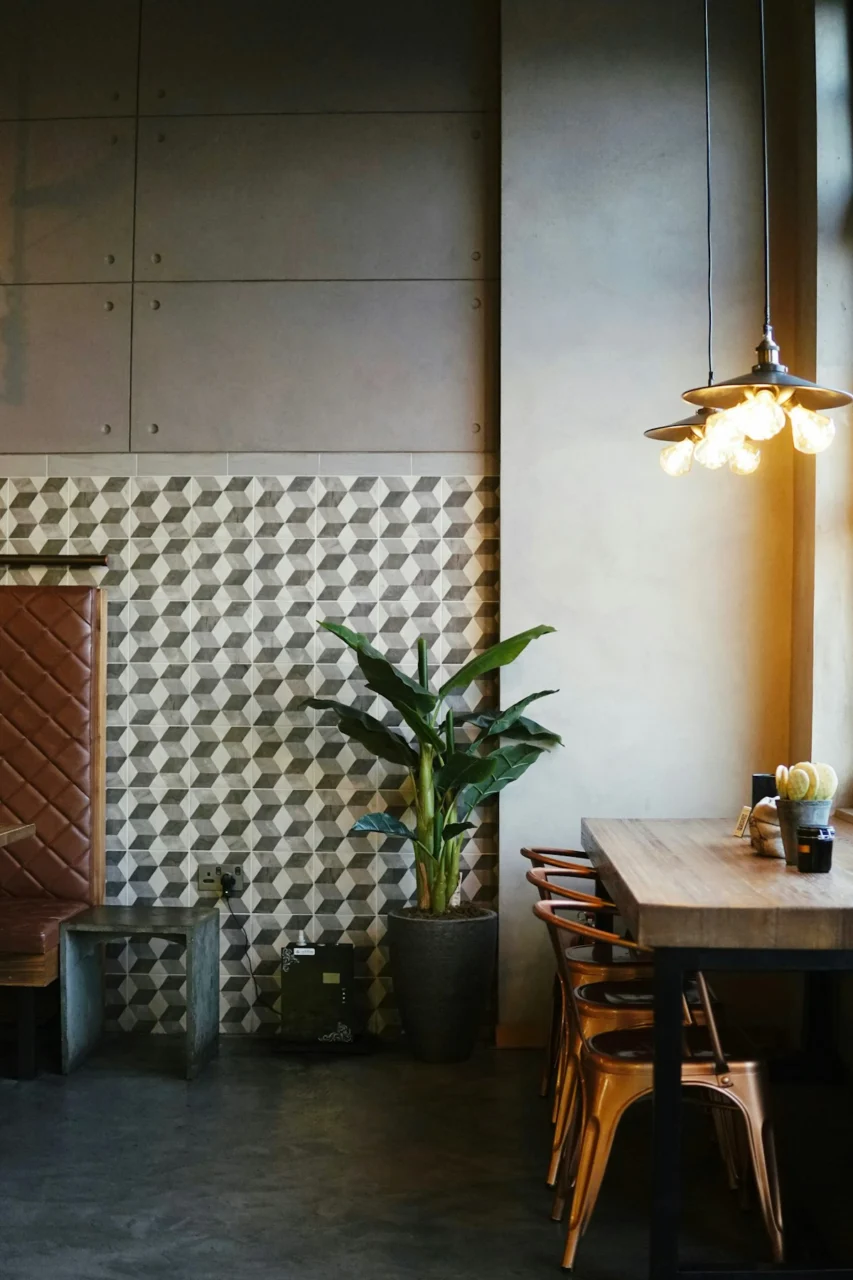
Photo by Syed Naveed on Unsplash
An island that combines two countertop materials—such as a central strip of dark quartz flanked by lighter butcher block—creates visual interest without overwhelming the space. Adding a thin brass inlay along the seam not only separates the materials but also introduces a warm metallic touch that catches the light. This approach works well in open‑plan kitchens where the island serves as both a work surface and a gathering spot.
Designing a mixed‑material island requires precise measurements to ensure the transition is smooth and the differing expansion rates do not cause cracking. Brass inlays should be sealed to prevent tarnish, and the surrounding countertops need compatible edge profiles to maintain a cohesive edge. The combination can be more expensive than a single material, but the impact on the room’s character often justifies the investment. If budget constraints arise, a single material with a brass countertop trim can achieve a similar effect with fewer complexities.
FAQ
Photo by Sergei Sushchik on Unsplash
How do I choose the right countertop material for a busy kitchen?
Select a material that balances durability with the look you love. Non‑porous surfaces like quartz or porcelain resist stains and require little maintenance, while wood offers warmth but needs regular sealing.
Can I install a countertop myself?
Minor installations such as a prefabricated laminate can be a DIY project if you have basic carpentry skills. Most stone, concrete, or mixed‑material countertops are heavy and require precise cuts, so hiring a professional ensures safety and a proper finish.
What is the best way to protect a marble countertop?
Apply a penetrating sealer every six months and use trivets for hot pots. Wipe spills immediately, especially acidic ones, to prevent etching.
How does countertop thickness affect design?
Thicker slabs—usually 1.5 to 2 inches—create a substantial, upscale look and can span longer spans without support. Thinner profiles are lighter and may be more suitable for cabinets with limited load capacity.
Are there eco‑friendly countertop options?
Reclaimed wood, recycled glass, and low‑impact concrete mixes provide sustainable choices. Look for certifications that verify recycled content and responsible sourcing.
Final Thoughts
Photo by Franco Debartolo on Unsplash
Choosing a countertop is more than a design decision; it shapes how you move, work, and gather in the kitchen. By considering the visual impact, maintenance routine, and structural requirements of each option, you can select a surface that not only steals the show but also serves your daily life gracefully. Whether you gravitate toward the timeless elegance of marble, the tactile comfort of wood, or the bold contrast of matte black quartz, the right countertop will anchor your kitchen’s personality for years to come.