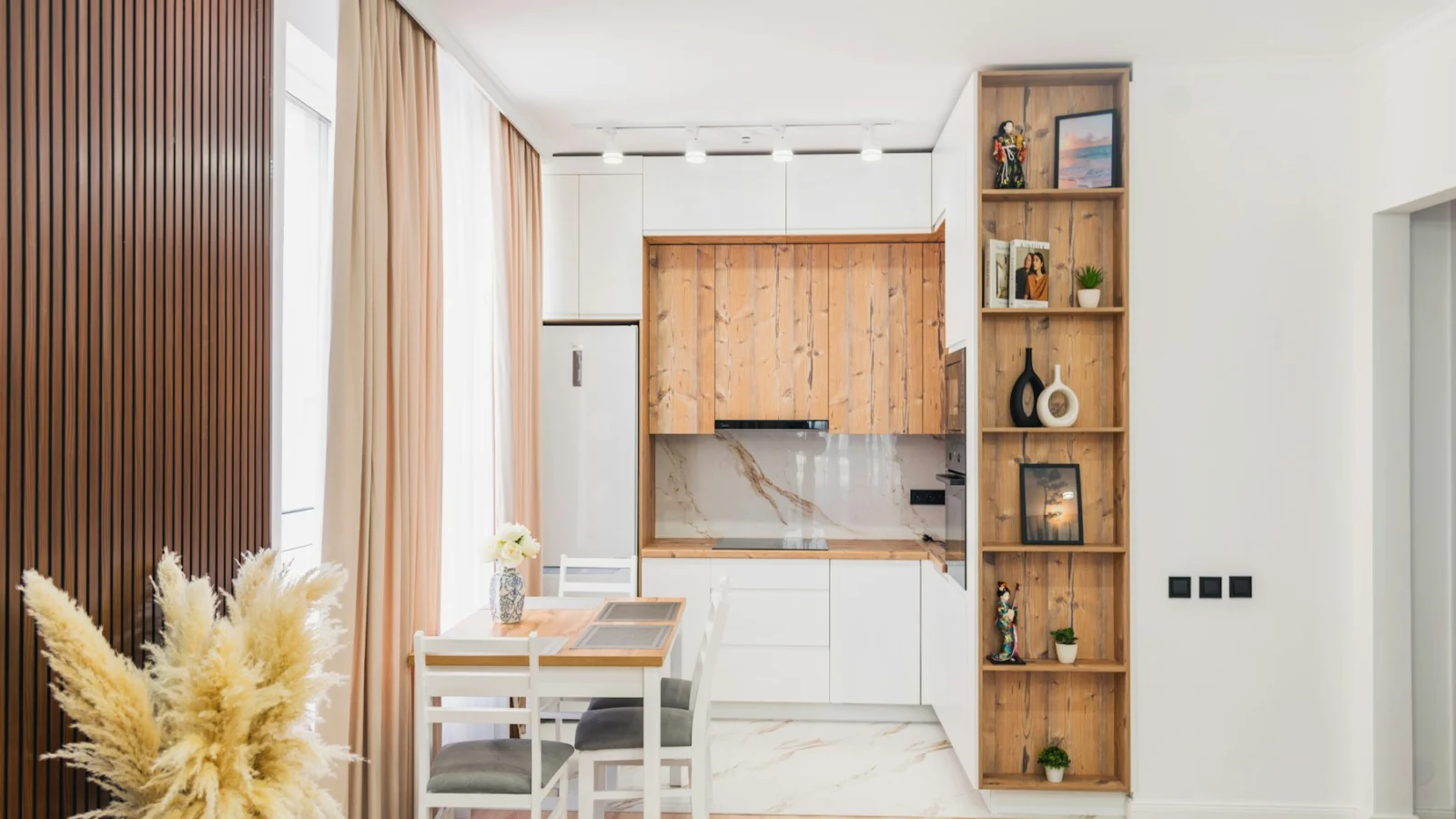
Chic Kitchen Curtain Ideas to Brighten Your Space
When you walk into a kitchen that feels dim or boxed in, the first thing you notice is often the window treatment. A well‑chosen curtain can soften harsh edges, reflect natural light, and tie together the surrounding décor without overwhelming the room. Below are seven distinct approaches that balance style and practicality, each suited to a different kitchen personality. By the end of this article you’ll have a clear sense of which option fits your layout, budget, and daily routine.
1. Sheer Linen Panels for Soft Diffusion
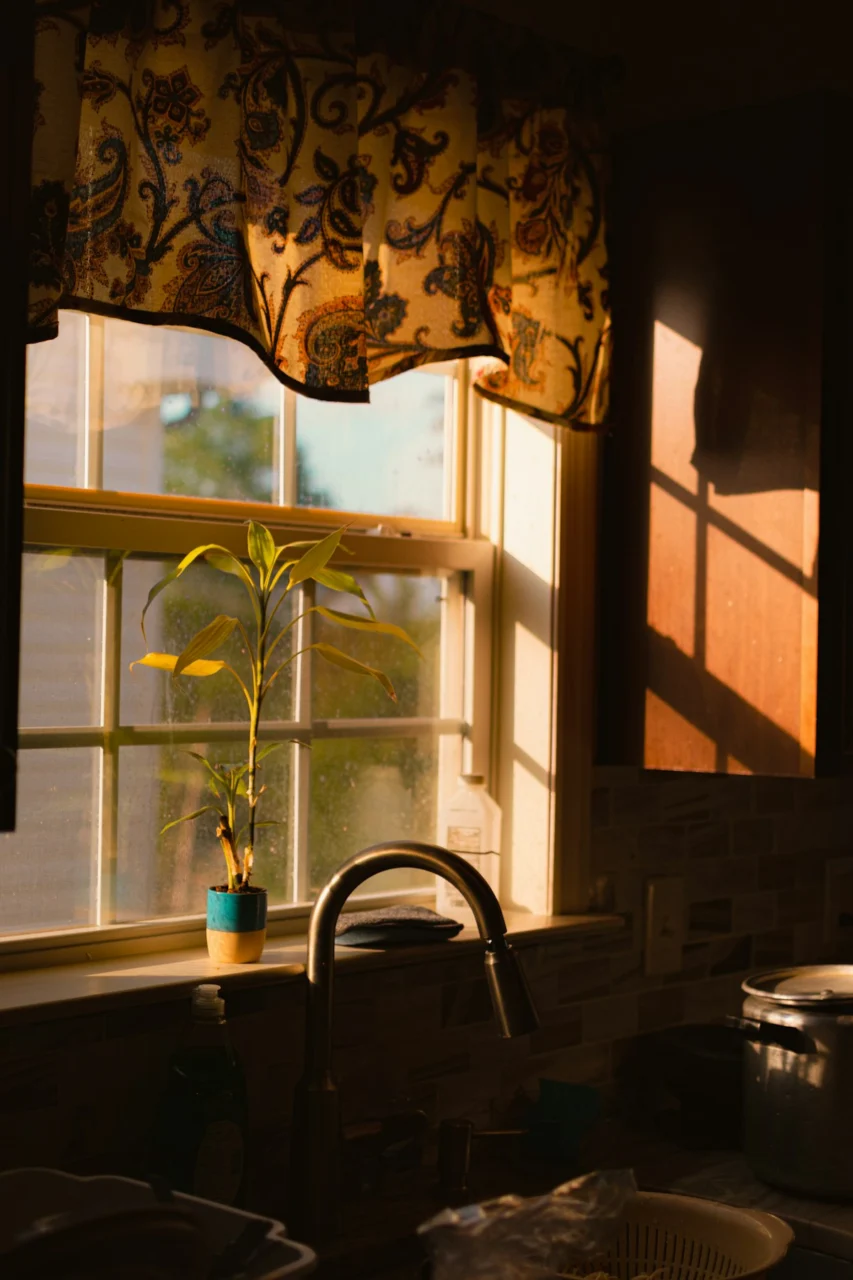
Sheer linen curtains offer a whisper of fabric that lets daylight filter through while still providing a modest barrier against glare. The natural texture of linen adds a tactile warmth that complements both rustic wooden cabinets and sleek modern countertops. Because the weave is loose, the fabric drapes gently, creating subtle folds that move with breezes from an open window. This movement can make a small kitchen feel more alive, especially when the sun is low in the morning.
Installation is straightforward: a simple rod mounted just above the cabinet height ensures the panels hang low enough to frame the window without interfering with the backsplash. If you have a pantry door nearby, choose a length that stops short of the floor to keep the pathway clear. One consideration is maintenance; linen can attract dust, so a regular gentle vacuum with a brush attachment is advisable. For homes prone to spills, a light wash in cool water will keep the fabric fresh without shrinking.
When paired with light‑colored walls—soft greige or pale sage—the sheer panels amplify the room’s brightness without competing with the kitchen’s functional elements. The result is a serene backdrop that lets your appliances and accessories take center stage.
2. Bold Printed Cotton for a Statement Look
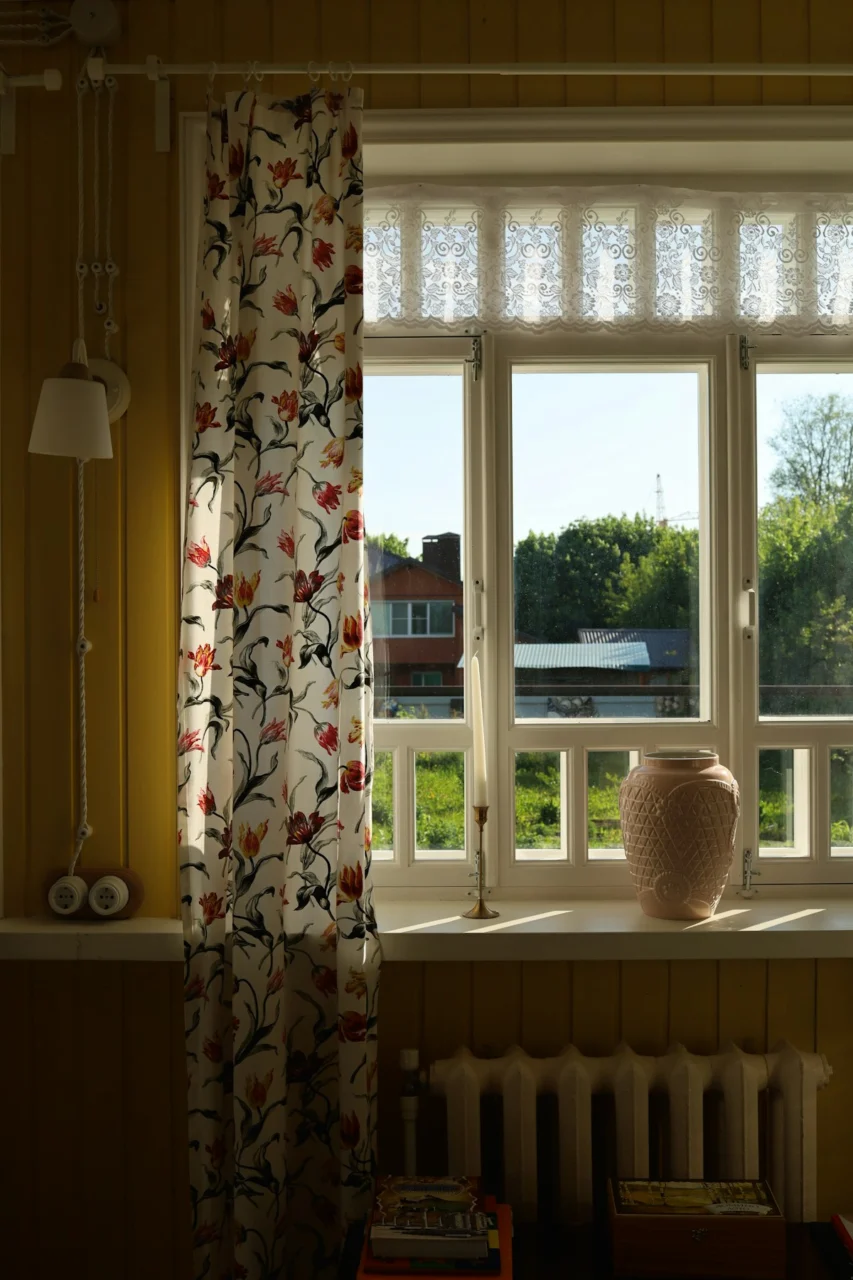
Photo by Evgeniya Pron on Unsplash
If your kitchen leans toward a minimalist palette, a printed cotton curtain can become the focal point without feeling out of place. Choose a pattern that echoes an existing element—perhaps a geometric motif that mirrors the shape of your tile or a botanical print that references fresh herbs on the countertop. Cotton’s medium weight offers enough opacity to provide privacy during evening meals while still allowing some natural light to seep through.
Mounting a printed set on a decorative finial‑topped rod adds a subtle layer of sophistication. Because cotton absorbs moisture more readily than synthetic fabrics, it’s wise to select a pattern with a slightly looser weave, which dries faster after a kitchen steam session. If you worry about stains from cooking splatters, a removable liner can be slipped inside; the liner can be laundered separately, preserving the visual integrity of the outer fabric.
The trade‑off is that a strong pattern can dominate the visual field, so balance it with solid‑colored accessories—perhaps matte black handles or brushed‑nickel hardware. When done thoughtfully, the curtain becomes a curated piece of art that invites conversation.
3. Double‑Layered Panels for Light Control
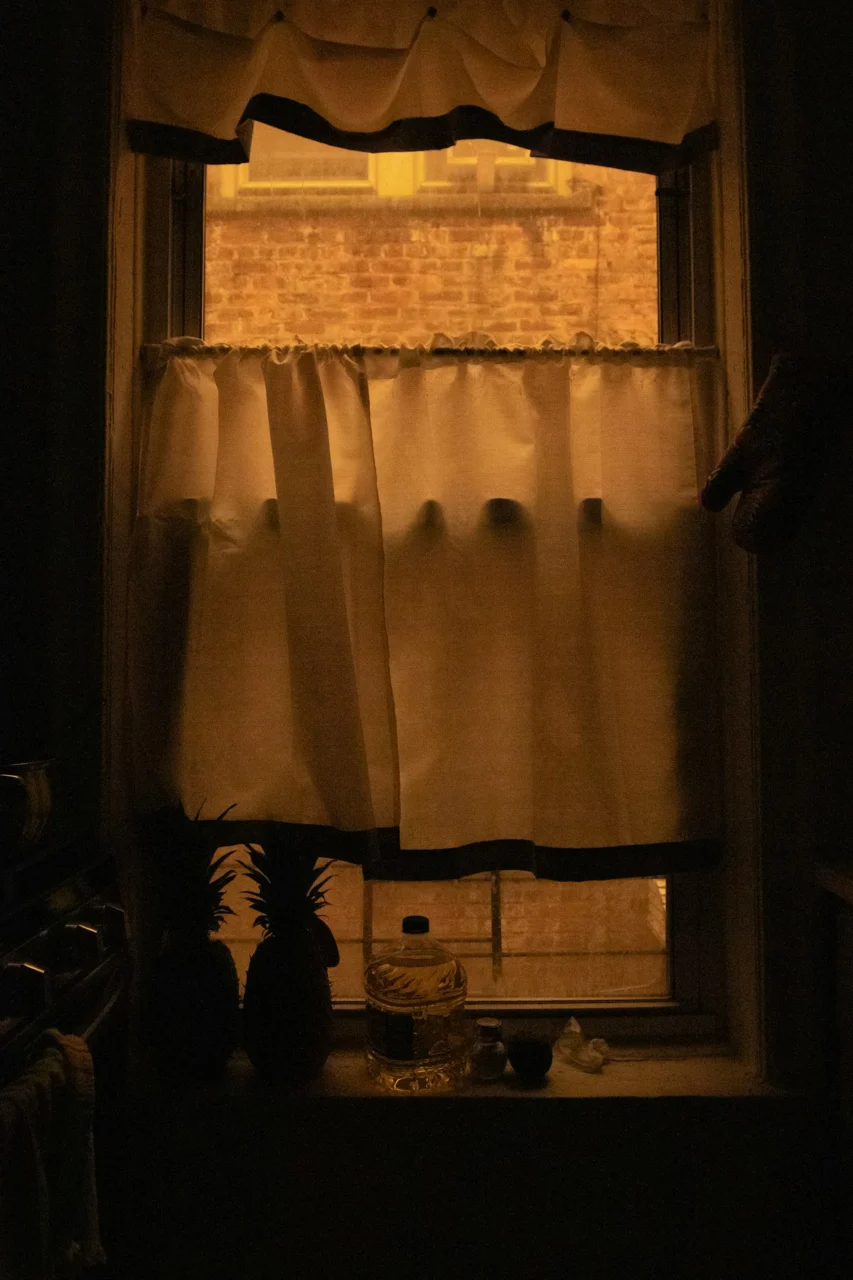
Photo by Evie Martinez on Unsplash
Double‑layered curtains combine a sheer inner panel with a heavier outer drape, giving you the flexibility to adjust light levels throughout the day. In the morning, pull back the outer layer to let the sheer fabric soften the sunrise. By late afternoon, close the heavier panel to protect the kitchen from harsh glare while still preserving a warm ambience.
Materials for the outer layer vary: a blackout polyester offers maximum privacy for late‑night snack sessions, while a soft, brushed velvet in a muted tone adds a touch of luxury without absorbing too much heat. Velvet’s plush pile can also help dampen the echo that sometimes bounces off stainless‑steel appliances, creating a quieter cooking environment.
Installation requires two rods—one for each layer—or a single rod with clips that accommodate both fabrics. The added hardware may raise the initial cost, but the versatility it provides often outweighs the expense. Keep in mind that heavier fabrics demand sturdier brackets, and the weight should be evenly distributed to avoid sagging over time.
4. Café‑Style Valances Paired with Open Shelving
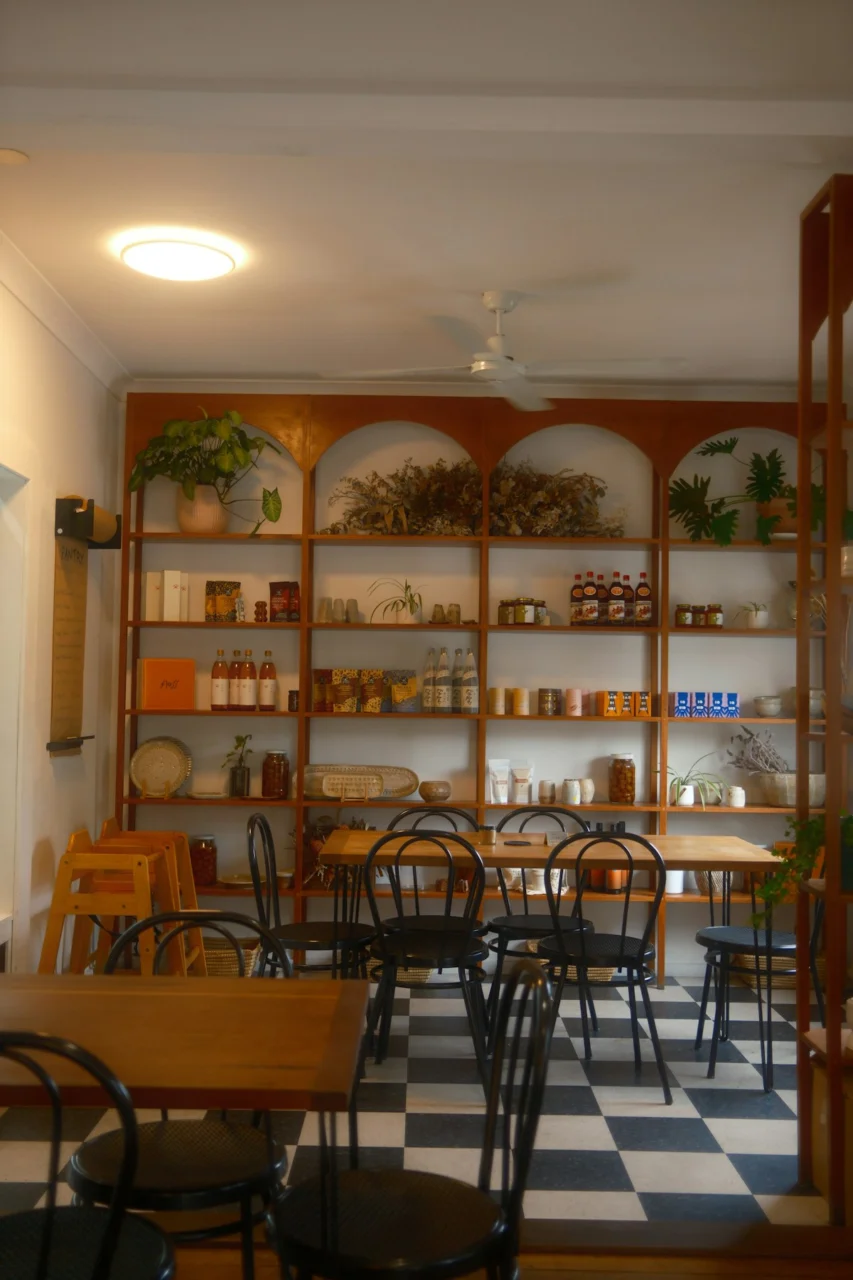
Photo by Grace Anne Bobadilla on Unsplash
A short, tailored valance that sits just above the window frame can introduce a crisp line without covering the full height of the opening. This approach works especially well in kitchens where open shelving dominates the wall space. The valance frames the window, allowing the shelves to remain the visual centerpiece while still offering a modest degree of light diffusion.
Choosing a cotton‑linen blend for the valance provides a clean finish that resists wrinkling, an advantage when the kitchen is a high‑traffic zone. Because the fabric is limited to the top few inches, cleaning is less demanding—spot cleaning with a damp cloth usually suffices. The modest height also means the valance won’t interfere with the reach of items stored on upper shelves.
A potential limitation is that a valance alone does not provide full privacy, so it’s best suited for kitchens that open onto a living area rather than a street‑facing window. When paired with light‑colored open shelving, the overall effect is airy and organized, reinforcing the sense of an uncluttered workspace.
5. Natural Fiber Rod‑Pocket Curtains for Eco‑Conscious Homes
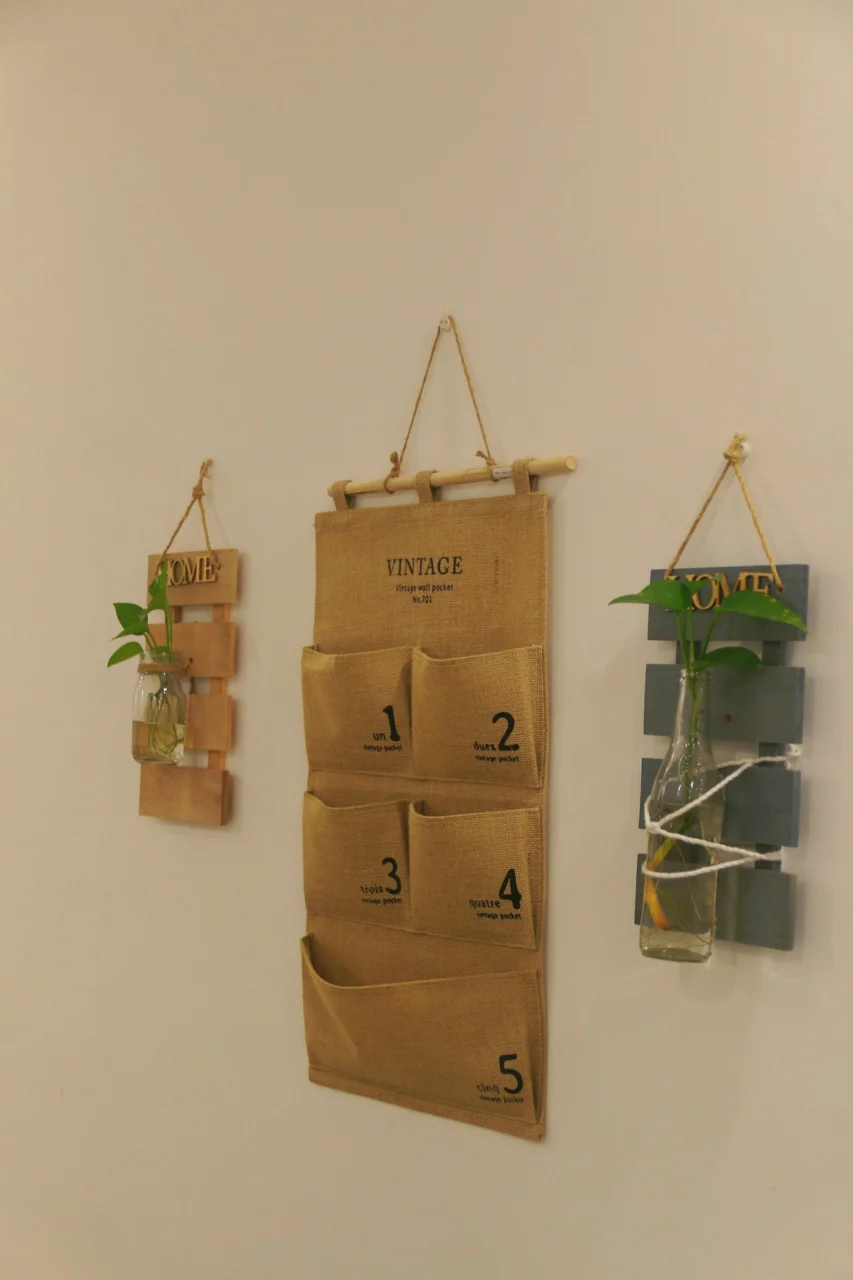
Photo by Bùi Hoàng Long on Unsplash
Rod‑pocket curtains crafted from hemp, jute, or bamboo linen bring an earthy sensibility to the kitchen. The raw texture of these fibers adds depth to a space that might otherwise feel overly polished. Because the fabric is woven without a lining, it breathes easily—a benefit in kitchens where humidity from cooking can accumulate.
Installation is simple: the top of the curtain folds over the rod, creating a hidden pocket that eliminates the need for rings or hooks. This minimalist hardware aligns well with sustainable design principles, reducing the amount of metal or plastic in the room. However, natural fibers can be prone to fraying at the edges, so a hem stitched by a professional or a pre‑finished edge can extend the lifespan.
When paired with reclaimed wood cabinets or a concrete countertop, the curtain reinforces a cohesive, nature‑inspired palette. The downside is that the fabric may not block light as effectively as a heavier material, so consider using them in kitchens that receive abundant daylight and where privacy is less of a concern.
6. Metallic‑Thread Accents for a Touch of Glamour
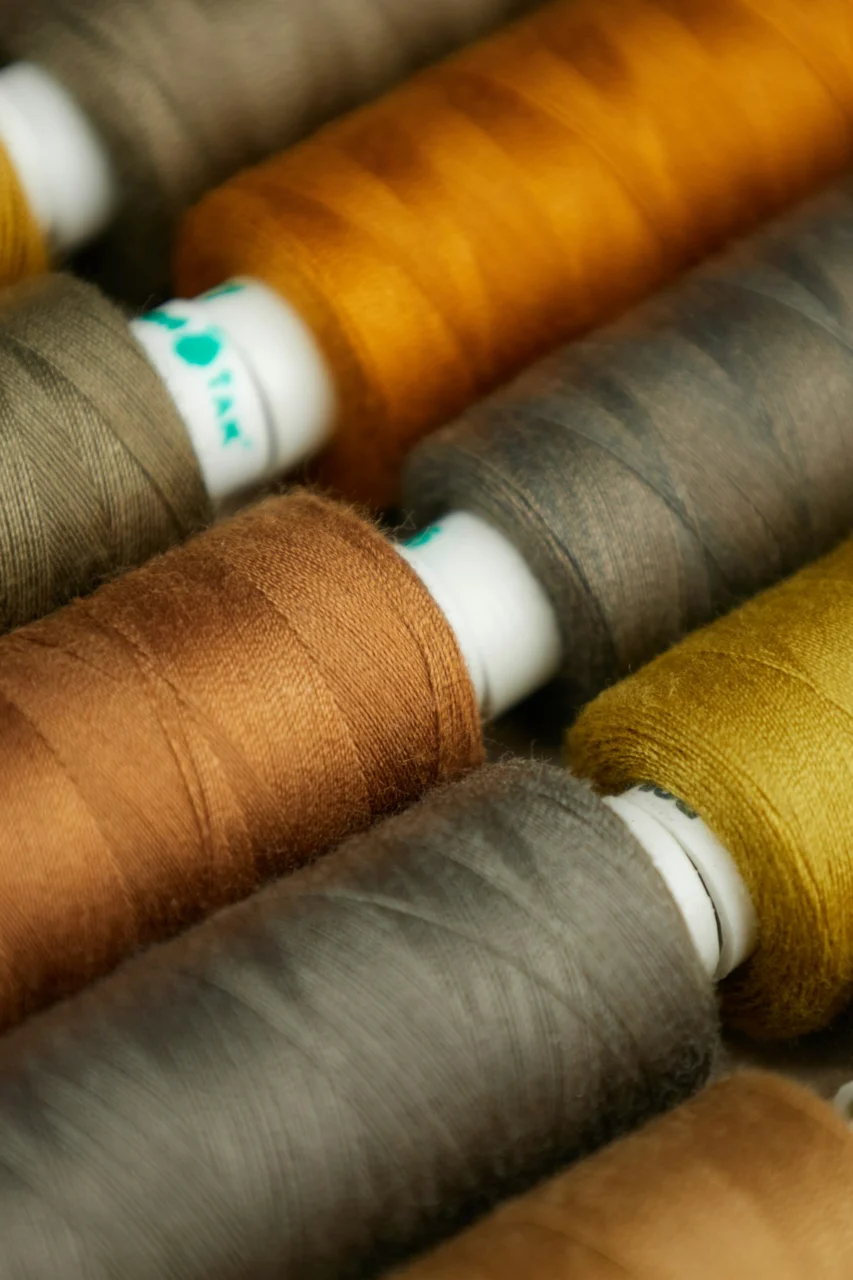
Photo by Victor Volkov on Unsplash
For kitchens that already feature stainless steel appliances or brushed brass fixtures, curtains woven with subtle metallic threads can echo those finishes without overwhelming the room. A sheer cotton blend interlaced with fine copper or silver threads catches the light, creating a gentle shimmer that moves with the breeze.
The metallic accent works best when the curtain is left unlined, allowing the sparkle to be visible from both sides of the window. Because the fabric is lightweight, it won’t obstruct the view of the outdoor scenery, yet it adds a refined sparkle that reflects the kitchen’s functional surfaces. Maintenance is straightforward: a cool wash with mild detergent preserves the sheen, and the fabric dries quickly, preventing any metallic tarnish.
A consideration is that too much shine can feel cold if the rest of the kitchen leans heavily on industrial materials. Balancing the curtain with warm wood tones—perhaps a walnut cutting board or a maple dining stool—softens the overall aesthetic. The result is a space that feels both contemporary and inviting.
7. Floor‑Length Greige Drapes for Classic Elegance
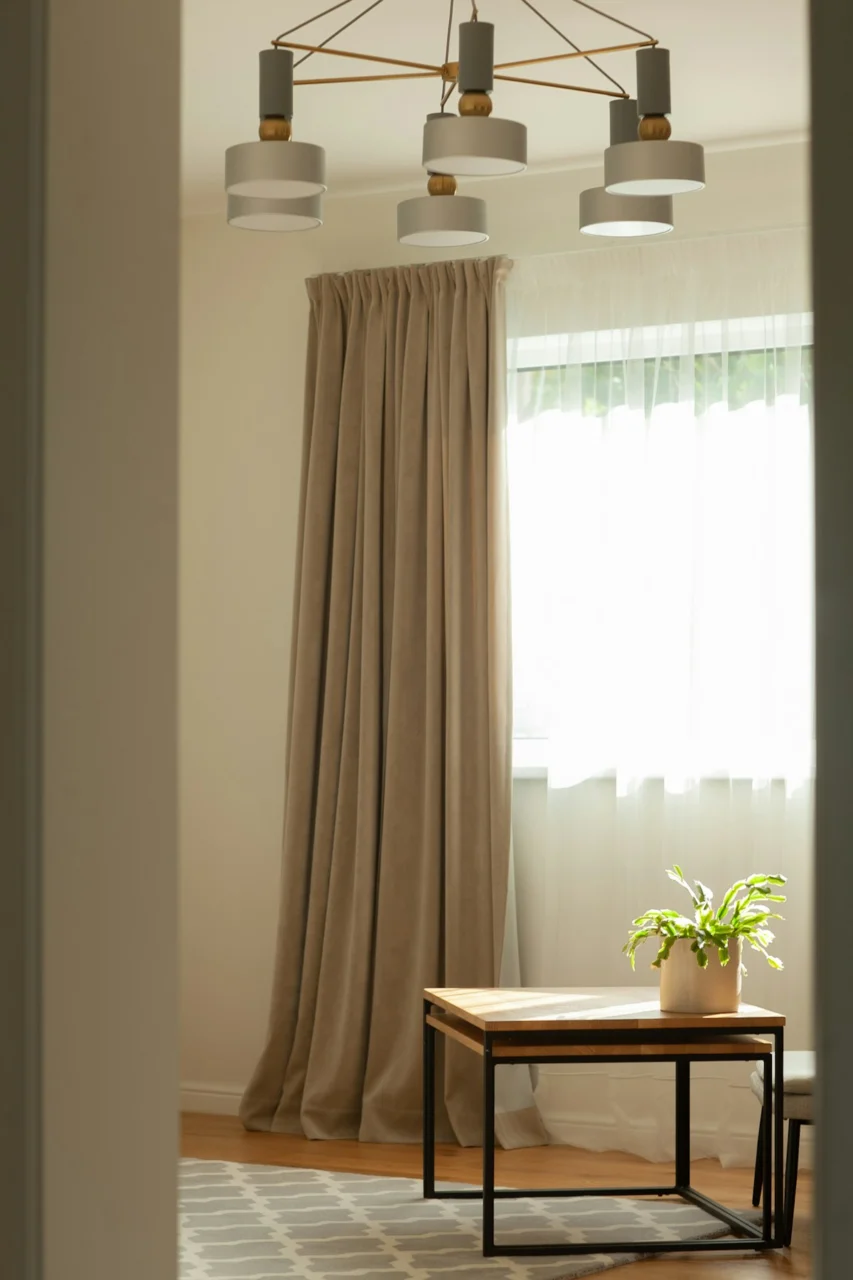
Photo by Kristine Zalakmentina on Unsplash
Floor‑length drapes in a greige hue—an elegant mix of gray and beige—provide a timeless backdrop that works with virtually any kitchen style. The length of the curtain creates a vertical line that visually lifts the ceiling, a useful trick in kitchens with lower overhead cabinets. The weight of a medium‑to‑heavy fabric, such as a brushed cotton twill, adds a sense of solidity that can anchor a bustling cooking environment.
Because the drapes extend to the floor, they can also conceal the base of the cabinets, hiding any uneven flooring or small gaps. To keep the look polished, use a sturdy wooden or metal rod with decorative finials that complement the hardware on cabinets. The fabric’s density helps block out excessive afternoon sun, protecting countertops from fading.
The main trade‑off is the need for regular cleaning; dust can accumulate along the lower edge, so a weekly vacuum with a soft brush head is advisable. If your kitchen is prone to spills, a removable, washable liner can protect the main fabric. When paired with warm wood cabinets and soft white walls, the greige drapes become a quiet, sophisticated canvas that lets your culinary creations shine.
Frequently Asked Questions
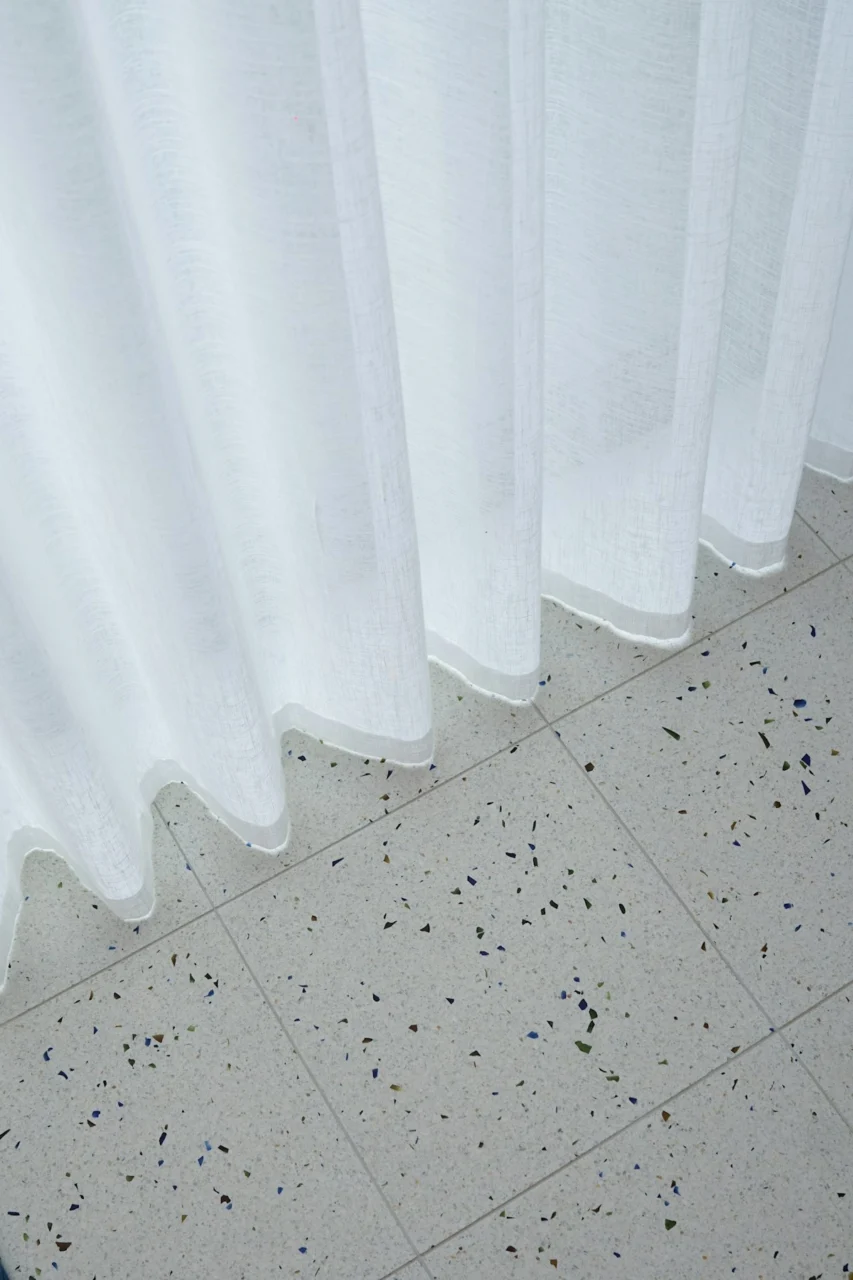
Photo by sander traa on Unsplash
What curtain length is best for a kitchen with a low countertop?
Floor‑length curtains work well because they add visual height, making the ceiling appear higher. If the countertop is particularly low, choose a rod placed a few inches above the cabinet line to avoid interference while still allowing the fabric to fall gracefully.
Can I use machine‑washable curtains in a kitchen?
Yes, many cotton, linen, and polyester blends are safe for machine washing. Look for fabrics labeled “machine washable” and follow the care instructions—typically a gentle cycle with cool water. Avoid high‑heat drying to preserve the fiber integrity.
How do I prevent curtains from getting greasy or smoky stains?
Installing a removable liner behind the decorative fabric creates a barrier that catches most cooking splatters. The liner can be taken out and laundered separately, protecting the outer curtain and extending its life.
Are rod‑pocket curtains suitable for very wide windows?
Rod‑pocket curtains can work on wide windows if the rod is sturdy enough to support the weight of the fabric. Using a double‑rod system—one for the pocket curtains and another for a sheer layer—provides extra stability and flexibility.
Do metallic‑thread curtains require special cleaning?
Metallic‑thread curtains generally need the same care as their base fabric. A cool wash with a mild detergent keeps the fibers and threads in good condition. Avoid bleach, which can dull the metallic sheen.
Final Thoughts
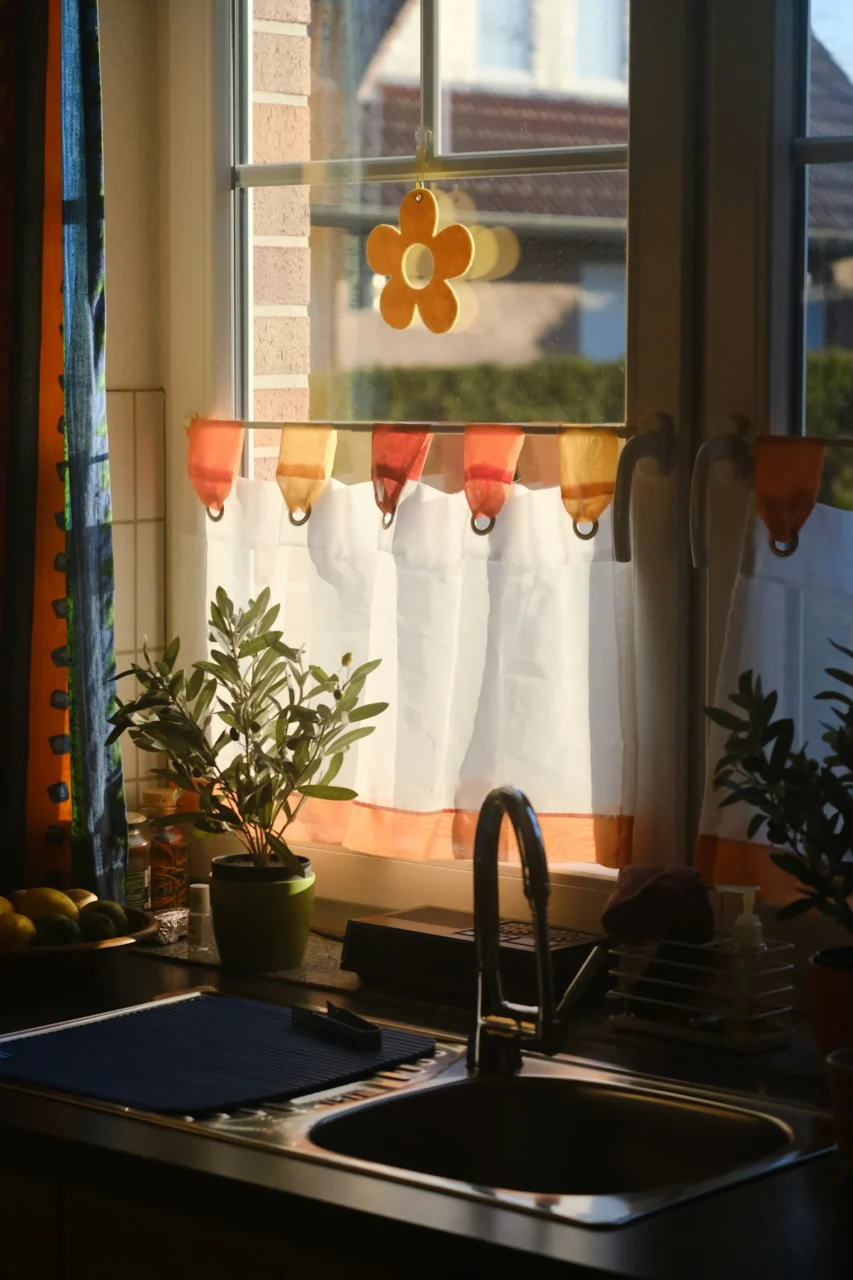
Photo by Yves Cedric Schulze on Unsplash
Choosing the right curtain for your kitchen is about more than just color; it’s an interplay of light, texture, and practicality. Whether you favor the airy softness of sheer linen, the bold personality of printed cotton, or the understated elegance of floor‑length greige drapes, each option offers a distinct way to brighten the space while supporting the room’s daily rhythm. Consider the amount of natural light, the level of privacy you need, and the amount of maintenance you’re comfortable with, then let the fabric you select become a quiet partner in your cooking and gathering moments. With the right curtain, your kitchen can feel both welcoming and refined—ready for any recipe you decide to create.