Kitchen Cabinet Color Ideas That Transform Everything
When you walk into a kitchen, the first thing you notice is often the color of the cabinets. A thoughtful hue can set the tone for the entire home, while a misstep can make the space feel dated or cramped. In this article we’ll explore seven distinct cabinet colors, each with its own personality and practical considerations. You’ll learn how the shade interacts with light, hardware, and surrounding finishes, and discover when each option works best for everyday living.
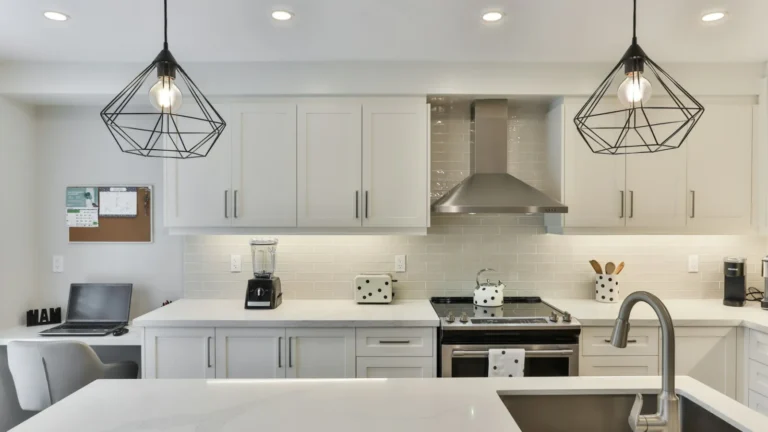
1. Classic White with a Matte Finish
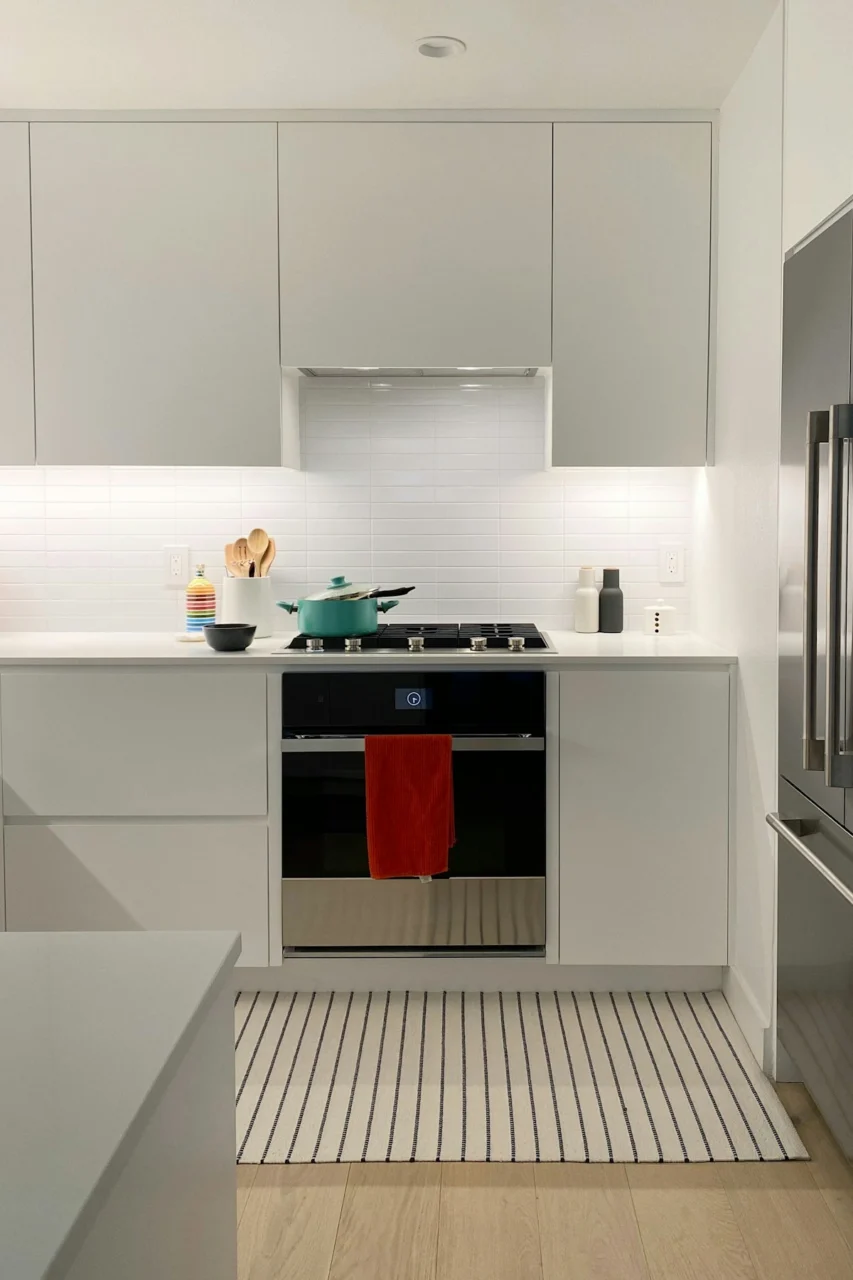
White cabinets have a way of making a kitchen feel open and airy, especially when natural light pours in through a window. A matte surface diffuses light gently, reducing glare that can be harsh on glossy finishes. Pairing matte white with simple brushed‑nickel hardware keeps the look restrained, allowing countertop materials—whether quartz, butcher block, or concrete—to become the focal point. This approach works particularly well in compact kitchens where every inch of perceived space counts.
One practical advantage is that white is a neutral backdrop for a variety of décor styles, from farmhouse to modern industrial. However, the very neutrality that makes it versatile also means it shows stains and fingerprints more readily. Choosing a high‑quality, low‑sheen paint or laminate and committing to regular cleaning with a mild cleanser will keep the surface looking fresh. If you’re concerned about maintenance, consider a semi‑gloss topcoat in areas that see heavy use, such as around the stove.
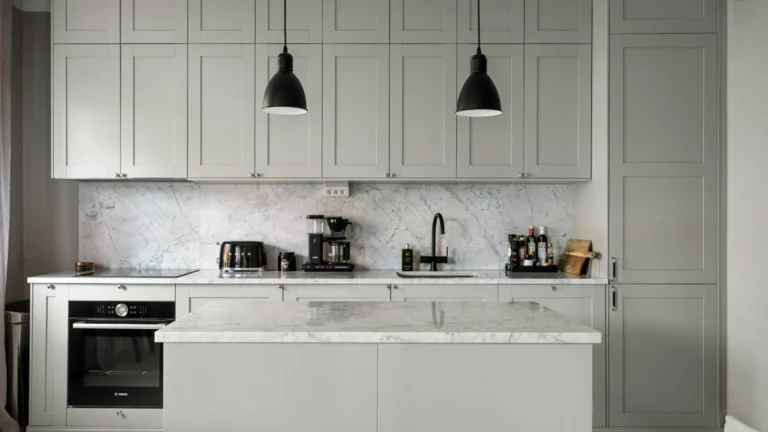
2. Soft Greige for Warm Neutrality
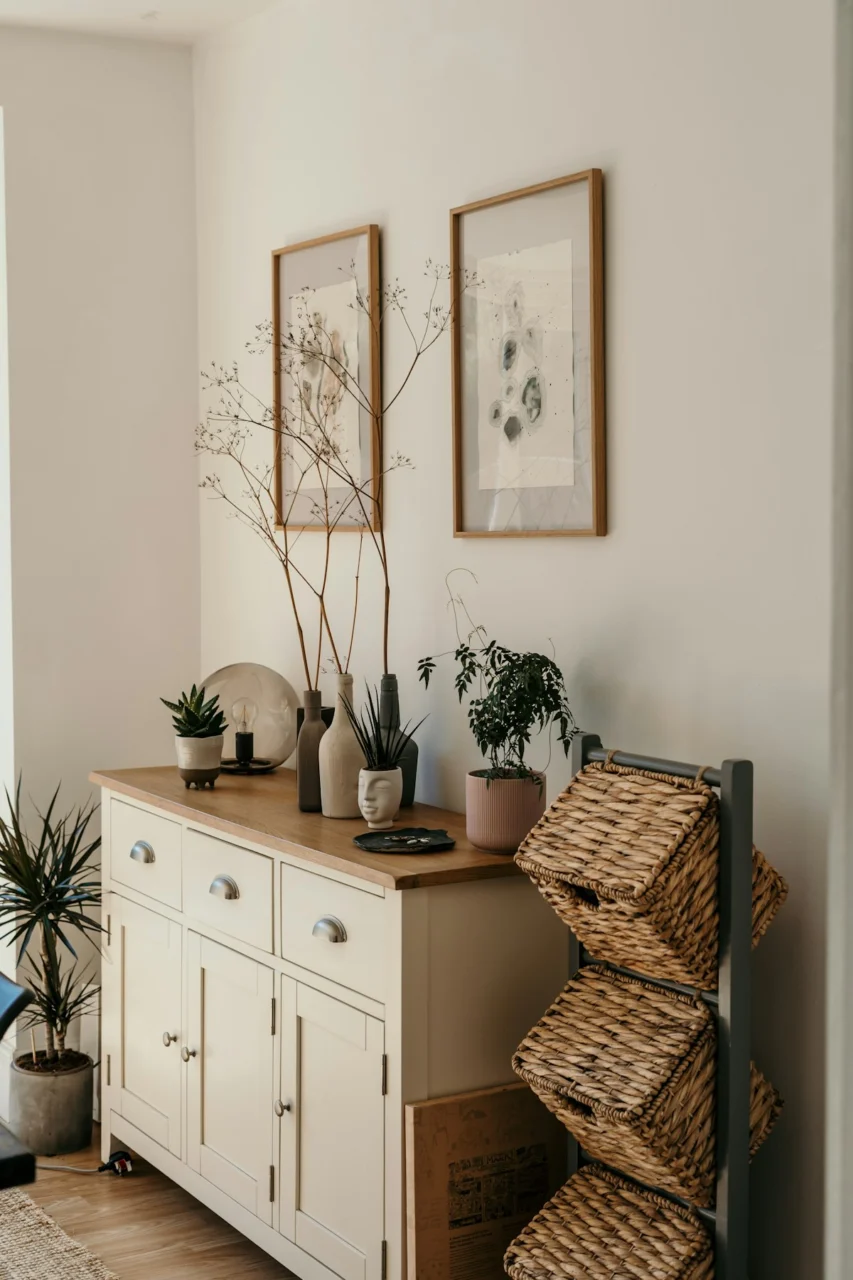
Photo by Toa Heftiba on Unsplash
Greige—a blend of gray and beige—offers a warm neutrality that bridges the gap between cool modernity and cozy traditional tones. When applied to cabinets, it creates a subtle backdrop that allows colorful backsplashes, patterned tiles, or vibrant appliances to stand out without competing for attention. The muted depth of greige works well with both light hardwood floors and darker stone countertops, providing a seamless transition across the room.
Because greige absorbs some light, it can soften a kitchen that receives intense afternoon sun, preventing the space from feeling overly bright. On the downside, the same quality can make it harder to spot dust on the cabinet surface, so a routine wipe‑down with a microfiber cloth is advisable. If you prefer a bit more contrast, consider a slightly darker greige on lower cabinets while keeping upper cabinets in a lighter shade.
3. Deep Navy for Sophisticated Contrast
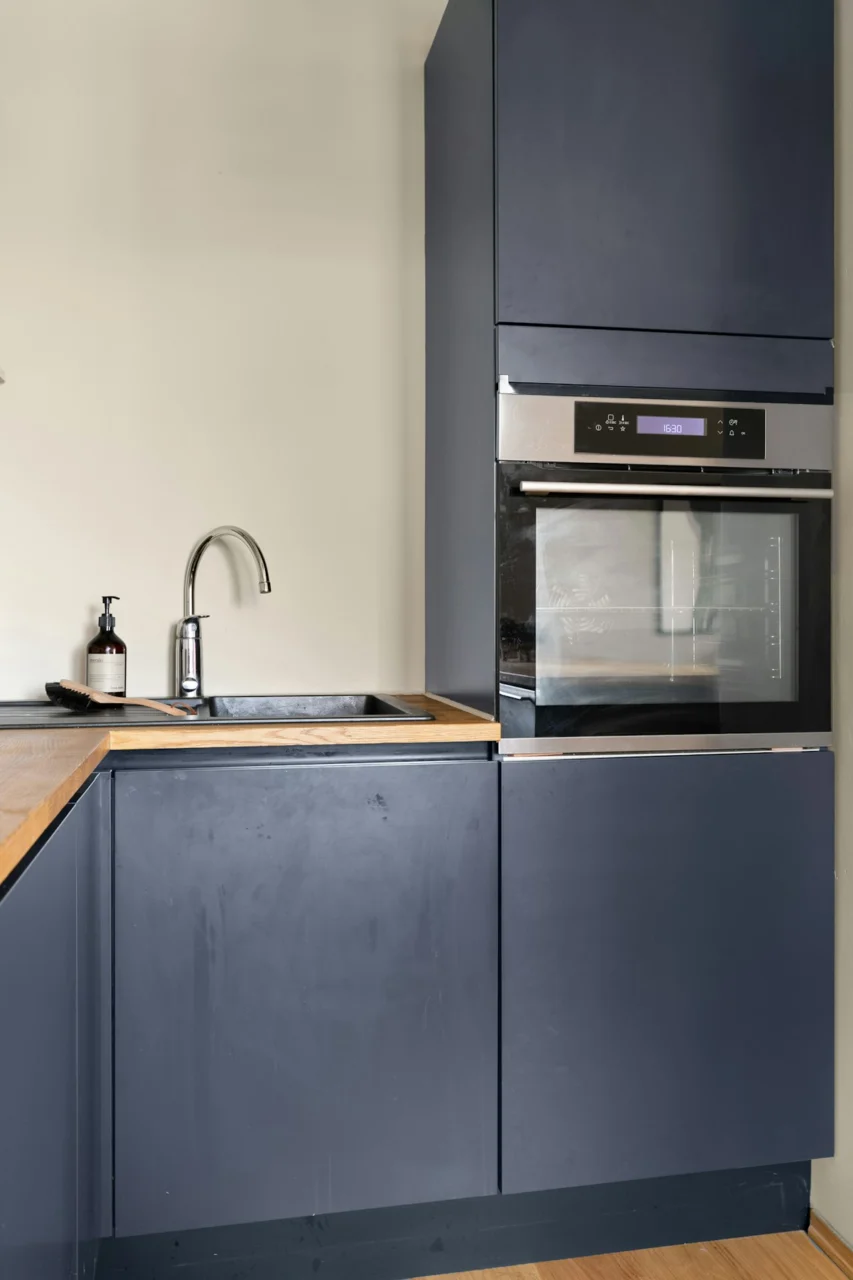
Photo by Alex Tyson on Unsplash
Deep navy cabinets introduce a dramatic, yet refined, element to the kitchen. The richness of the color creates a striking contrast against light countertops—think marble, white quartz, or even a subtle pastel tile. When paired with brass or gold hardware, the navy takes on a luxurious feel that can elevate a modest kitchen into a statement space.
Because dark colors absorb light, it’s wise to balance navy cabinets with ample illumination. Under‑cabinet LED strips and pendant lighting can prevent the area from feeling closed in, especially in rooms without large windows. One cautionary note: a fully navy kitchen can feel heavy if the floor is also dark. Introducing lighter flooring or a neutral backsplash helps maintain visual balance while preserving the depth that makes navy appealing.
4. Sage Green for a Calm, Natural Palette
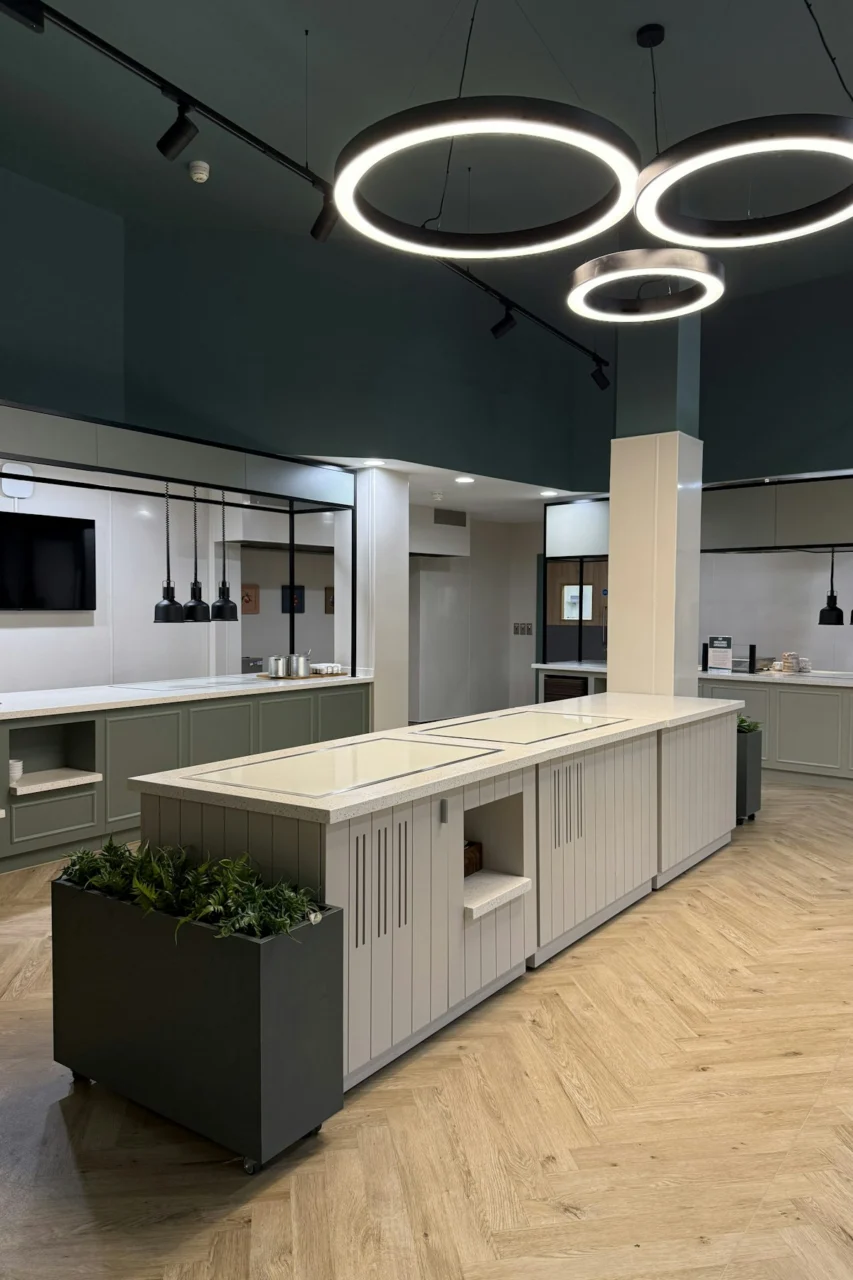
Photo by Ceba Solutions on Unsplash
Sage green draws inspiration from foliage, bringing a sense of calm that works beautifully in kitchens that double as gathering places. The muted green tone pairs naturally with marble or quartz that features gray veining, and it complements wooden elements such as open‑shelf supports or a reclaimed wood island. When sunlight filters through a window, the green hue subtly shifts, adding a dynamic quality without overwhelming the space.
While sage is soothing, it can clash with overly warm wood tones if the undertones aren’t considered. To avoid a discordant look, choose cabinetry with a cool‑leaning finish and match the flooring to a lighter, perhaps ash‑colored wood. Additionally, because green can sometimes appear muted in low‑light conditions, make sure the kitchen has layered lighting—ambient ceiling fixtures plus task lighting over work surfaces—to keep the color lively.
5. Warm Terracotta for Earthy Depth
Photo by Steffen Lemmerzahl on Unsplash
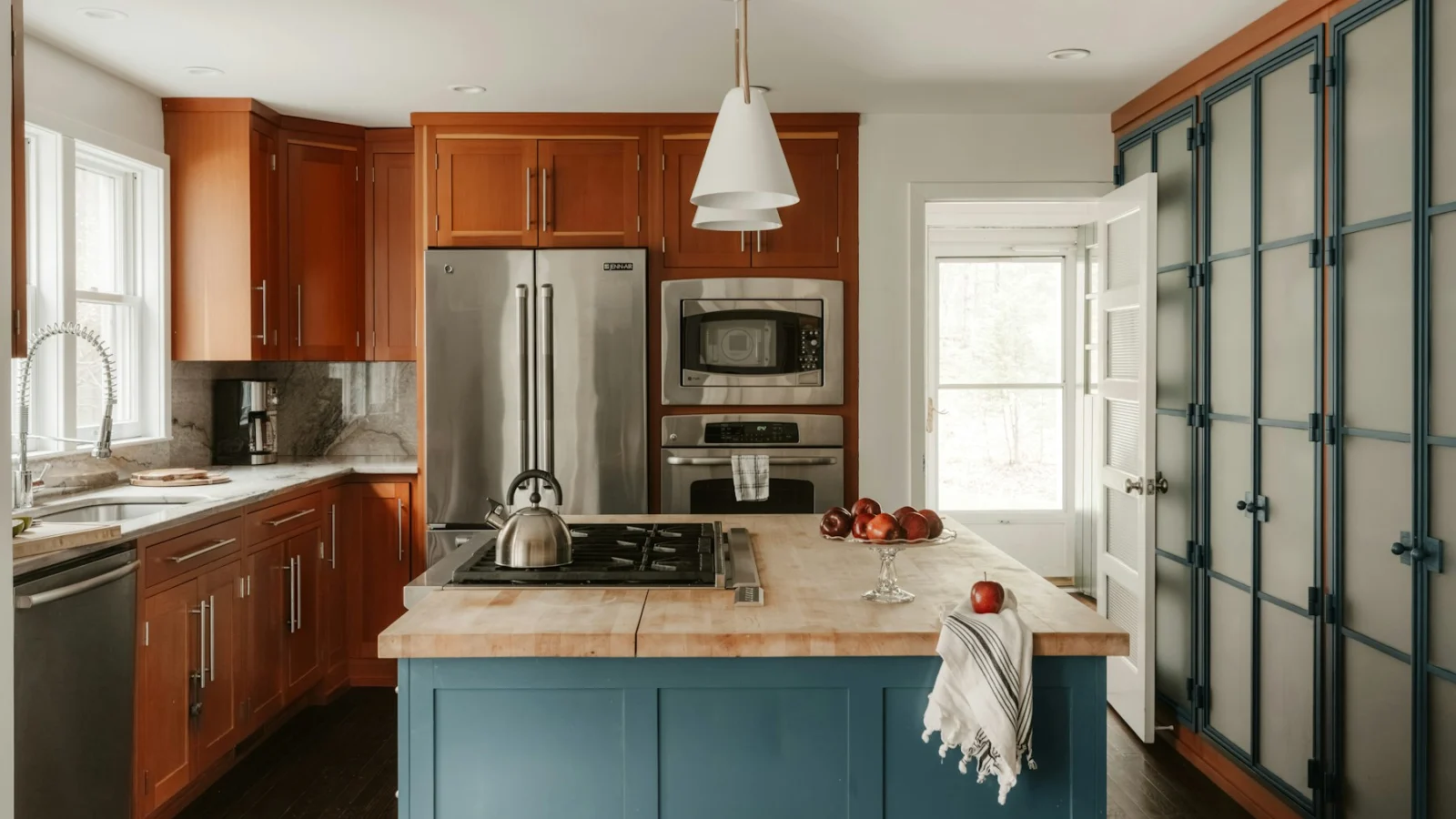
Terracotta cabinets infuse a kitchen with earthy warmth that feels both contemporary and rooted in tradition. The reddish‑orange hue works especially well with natural stone backsplashes that feature warm veining, and it creates a welcoming backdrop for open shelving that displays dishes or plants. When paired with matte black or brushed bronze hardware, terracotta gains a modern edge without losing its organic character.
The intensity of terracotta can dominate a room if not balanced correctly. Pairing it with light-colored countertops—such as creamy quartz—or a pale, sand‑tone floor helps the cabinets stand out without overwhelming the eye. Because the color can fade slightly under direct sunlight over many years, consider using low‑VOC paint formulated for cabinetry, which offers better UV resistance and a smoother finish.
6. Two‑Tone Strategy: Light Upper, Dark Lower
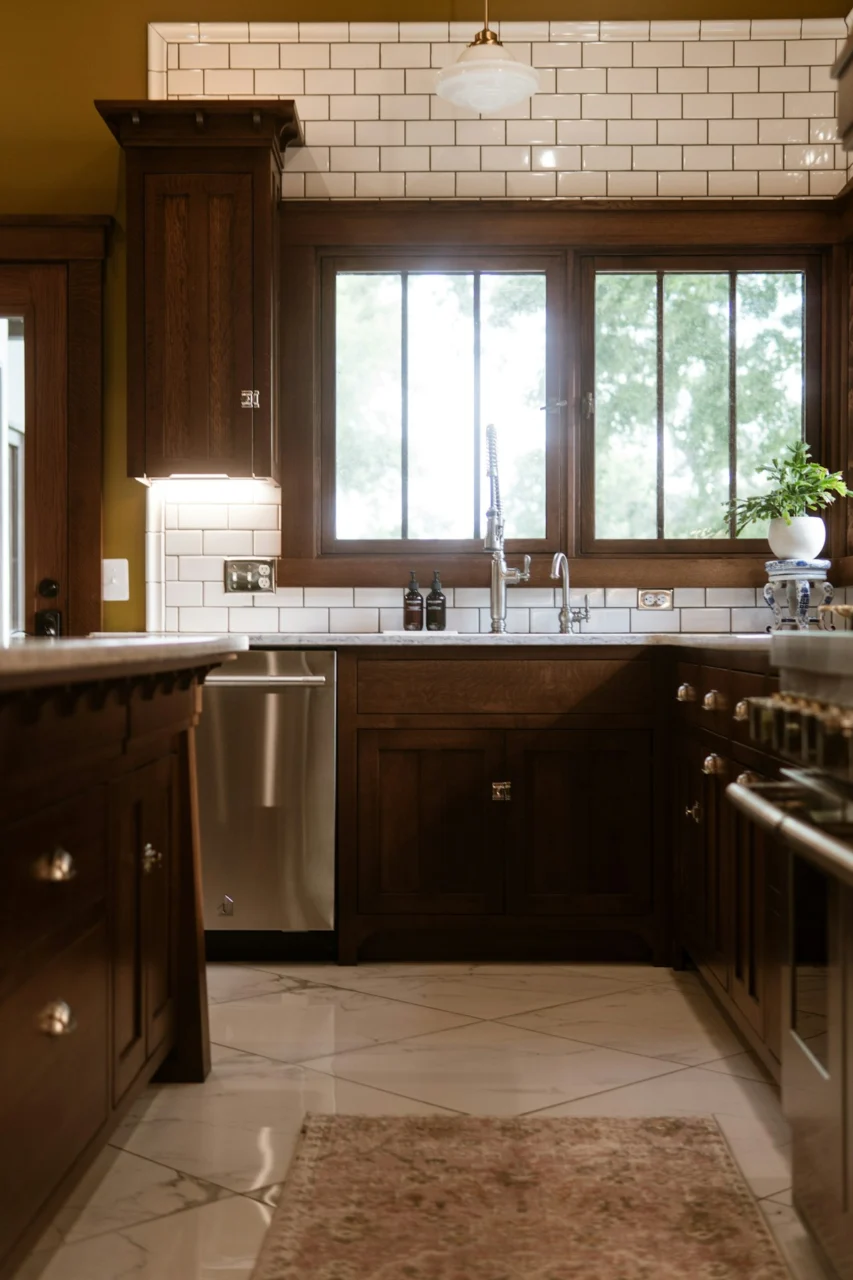
Photo by Taylor Friehl on Unsplash
Dividing cabinet colors between the upper and lower sections creates visual interest while addressing practical concerns. Light-colored upper cabinets reflect light, making the kitchen feel taller, whereas darker lower cabinets hide scuffs and wear that naturally occur near the floor. This approach works well in kitchens with a traditional layout, allowing you to maintain a cohesive style while adding depth.
Executing a two‑tone scheme requires careful coordination of paint or finish tones; the two colors should share a common undertone to avoid a disjointed appearance. For instance, pairing a soft dove gray above with a deep charcoal below creates a harmonious gradient. The main trade‑off is the additional cost of two separate finishes and the need for precise installation to ensure clean lines where the colors meet.
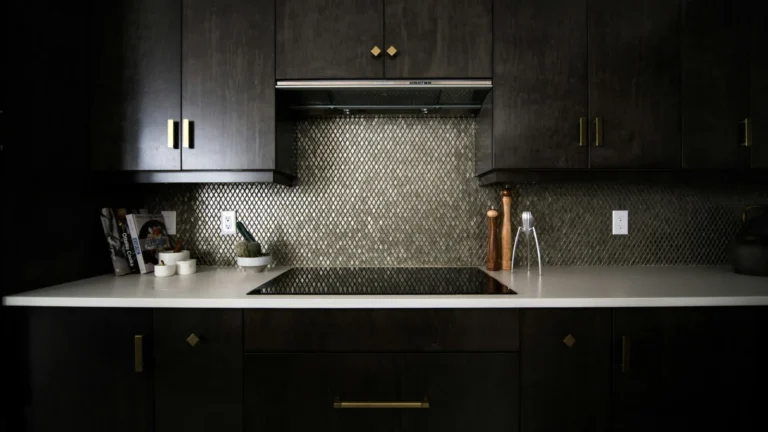
7. High‑Gloss Black for Modern Sleekness
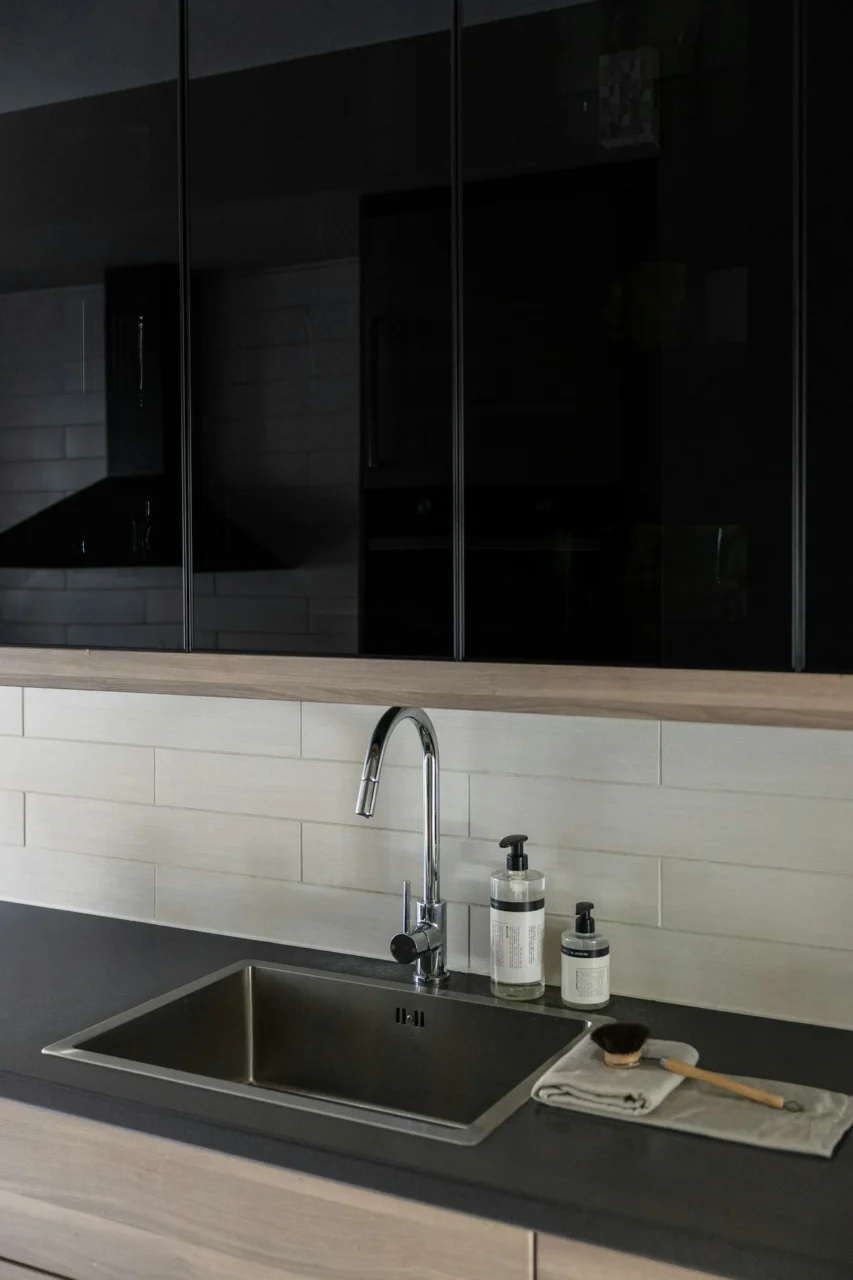
High‑gloss black cabinets bring a sleek, contemporary vibe that instantly modernizes a kitchen. The reflective surface catches ambient light, creating a subtle glow that can make a dark hue feel less oppressive. When combined with stainless steel appliances and minimalistic hardware, the result is a polished aesthetic that feels both sophisticated and functional.
One practical consideration is that glossy black surfaces reveal fingerprints, water spots, and dust more readily than matte finishes. Regular cleaning with a soft cloth and a non‑abrasive cleaner will keep the cabinets looking their best. Additionally, because black can absorb light, ensure the kitchen has sufficient illumination—recessed lights, under‑cabinet strips, and a well‑placed skylight can prevent the space from feeling dim.
FAQ
Photo by Caroline Badran on Unsplash
What cabinet color works best in a small kitchen?
Light shades such as matte white or soft greige keep a small kitchen feeling open because they reflect more natural and artificial light.
Can I paint my cabinets myself, or should I hire a professional?
You can paint cabinets yourself if you have experience with surface preparation and use high‑quality primer and paint; however, a professional will ensure an even finish and may save time on sanding and masking.
How do I choose hardware that complements a bold cabinet color?
Select hardware in a contrasting finish—brass with navy, matte black with terracotta, or brushed nickel with sage green—to create visual balance without competing with the cabinet hue.
Is it safe to use under‑cabinet lighting with dark cabinets?
Yes, under‑cabinet LED lighting is safe and especially helpful with dark cabinets, as it adds task illumination and prevents the area from feeling overly shadowed.
What maintenance routine should I follow for high‑gloss finishes?
Wipe cabinets regularly with a microfiber cloth and a gentle cleaner; avoid abrasive pads, and spot‑clean fingerprints as soon as they appear to maintain the shine.
Final Thoughts
Photo by Courtney Smith on Unsplash
Choosing a cabinet color is more than a decorative decision; it shapes how you experience the kitchen each day. Whether you gravitate toward the timeless clarity of matte white, the soothing presence of sage green, or the bold drama of navy, each hue offers a distinct atmosphere and set of practical considerations. By weighing light, hardware, maintenance, and the overall style of your home, you can select a palette that not only looks beautiful but also supports the way you cook, gather, and relax. The right color will make your kitchen feel like an extension of your personal style, turning an ordinary space into a place you genuinely enjoy.