Shed Floor Ideas That Are Durable & Easy to Clean
When you turn a simple outbuilding into a workshop, hobby room, or seasonal retreat, the floor often becomes the first thing that shows wear. Muddy boots, dropped tools, and occasional spills can quickly turn a functional space into a maintenance headache. The good news is that a well‑chosen floor can handle the traffic, resist stains, and still look inviting. Below are seven flooring approaches that balance resilience with low‑maintenance care, each explained with enough detail to help you decide which one fits your shed’s style and budget.
1. Interlocking Rubber Tiles
Rubber tiles that snap together like puzzle pieces create a soft, resilient surface that absorbs impact and reduces fatigue when you’re standing for long periods. The material is naturally resistant to water, oil, and most chemicals, which means a quick mop or a rinse with a garden hose clears away grime without leaving a residue. Because the tiles are modular, you can replace a single damaged piece without redoing the entire floor. The downside is that solid‑color rubber can feel industrial; however, many manufacturers now offer muted earth tones or speckled finishes that blend with a rustic aesthetic. To install, simply lay a moisture‑resistant underlayment, then fit the tiles, cutting any edge pieces with a utility knife for a seamless perimeter.
2. Epoxy‑Coated Concrete
Photo by Sirius Harrison on Unsplash
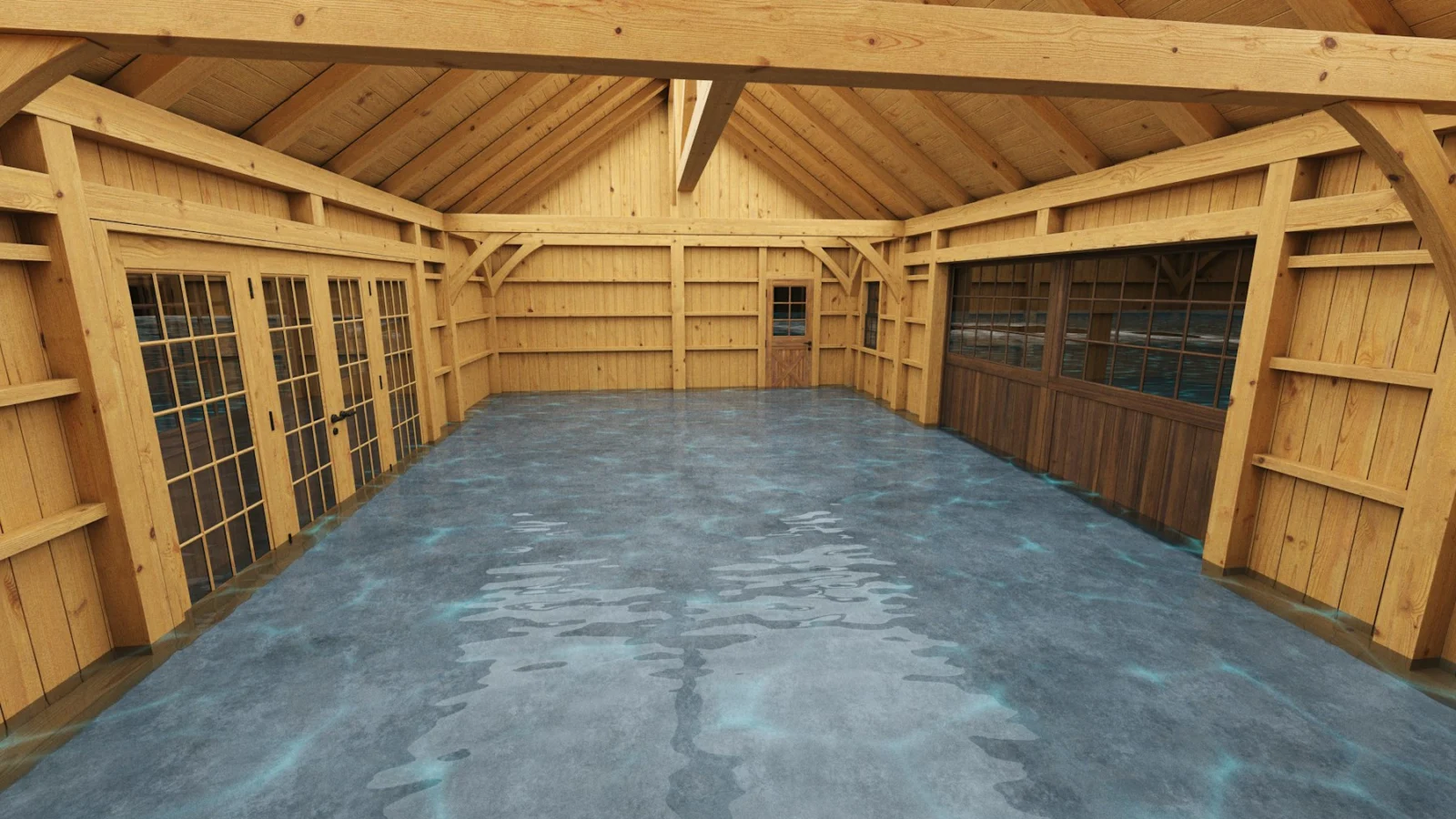
Concrete is a common shed foundation, and a clear or tinted epoxy coating transforms it into a glossy, water‑tight surface. The coating seals pores, preventing moisture from seeping up and creating a surface that can be wiped clean with a damp cloth. Epoxy also adds a subtle sheen that reflects natural light, making a small shed feel more spacious. Application requires thorough cleaning, etching, and a well‑ventilated area, so you may want to hire a professional if you’re uncomfortable with the chemistry. While the finish is extremely durable, it can be slippery when wet; adding a non‑slip additive to the top coat or placing rubber mats in high‑traffic zones mitigates that risk.
3. Luxury Vinyl Plank (LVP)
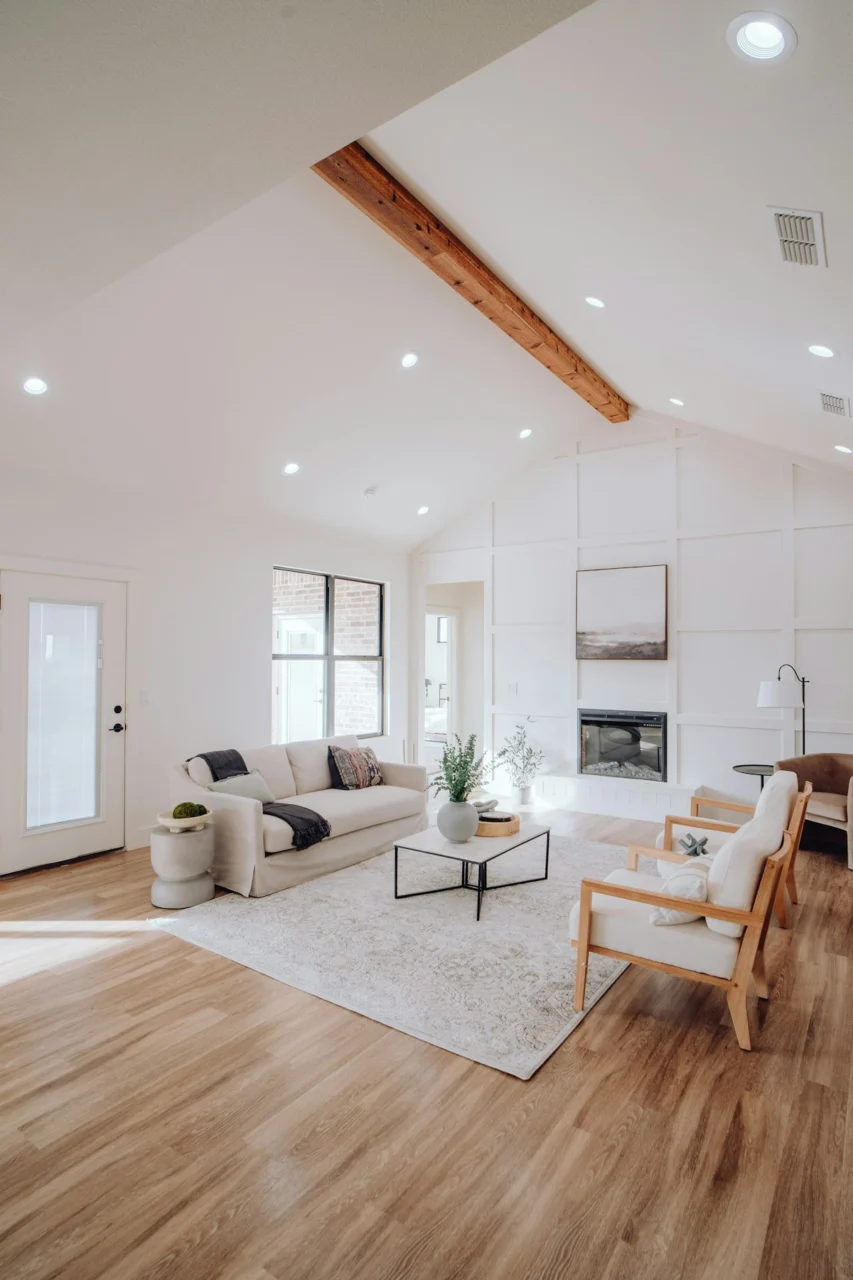
Photo by Bailey Alexander on Unsplash
Luxury vinyl plank mimics the look of hardwood while offering a surface that tolerates spills, dust, and pet traffic. The click‑lock system allows you to install the planks over most existing subfloors, and the wear layer protects against scratches from tools or garden equipment. Because vinyl does not absorb moisture, a simple sweep followed by a mop with a mild cleaner restores its appearance. The aesthetic flexibility is a strong point; you can choose a warm oak grain for a cozy feel or a slate‑gray finish for a more modern vibe. One consideration is that prolonged exposure to direct sunlight may cause slight fading, so positioning the shed where it receives filtered light helps preserve the color.
4. Stamped Concrete with Sealant
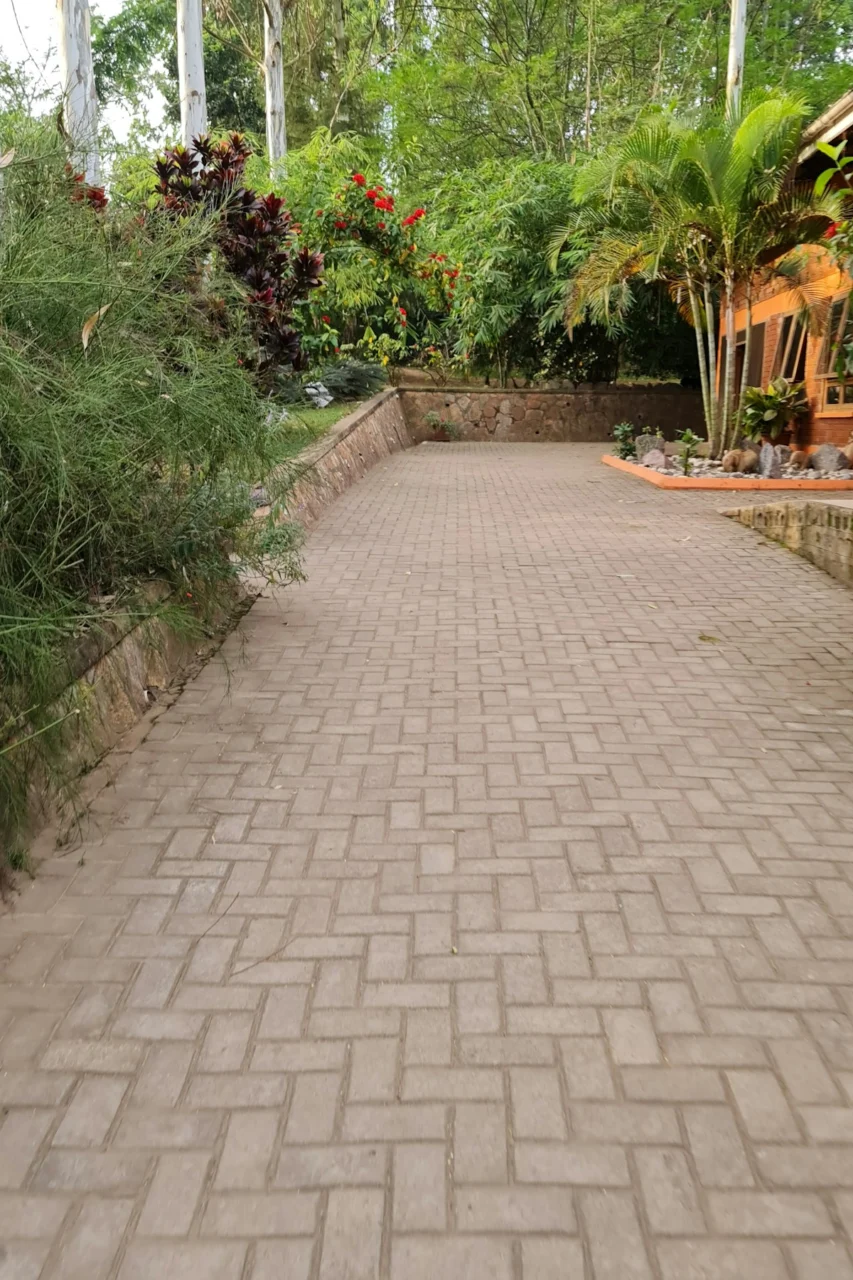
Photo by Marion Alyek on Unsplash
If you prefer a floor that feels like stone but remains level for carts and workbenches, stamped concrete offers texture without the cost of natural stone. After the concrete is poured, a patterned stamp creates the illusion of flagstone, brick, or pebble. Once cured, a penetrating sealant locks in the pattern and creates a surface that resists oil and water. The texture provides a gentle grip, reducing the likelihood of slips, while the sealant makes sweeping and mopping straightforward. The primary trade‑off is the installation complexity; achieving a uniform stamp requires skill, so hiring an experienced contractor is advisable. Maintenance is simple, though you’ll need to reapply sealant every few years to maintain its protective qualities.
5. Engineered Hardwood with Polyurethane Finish
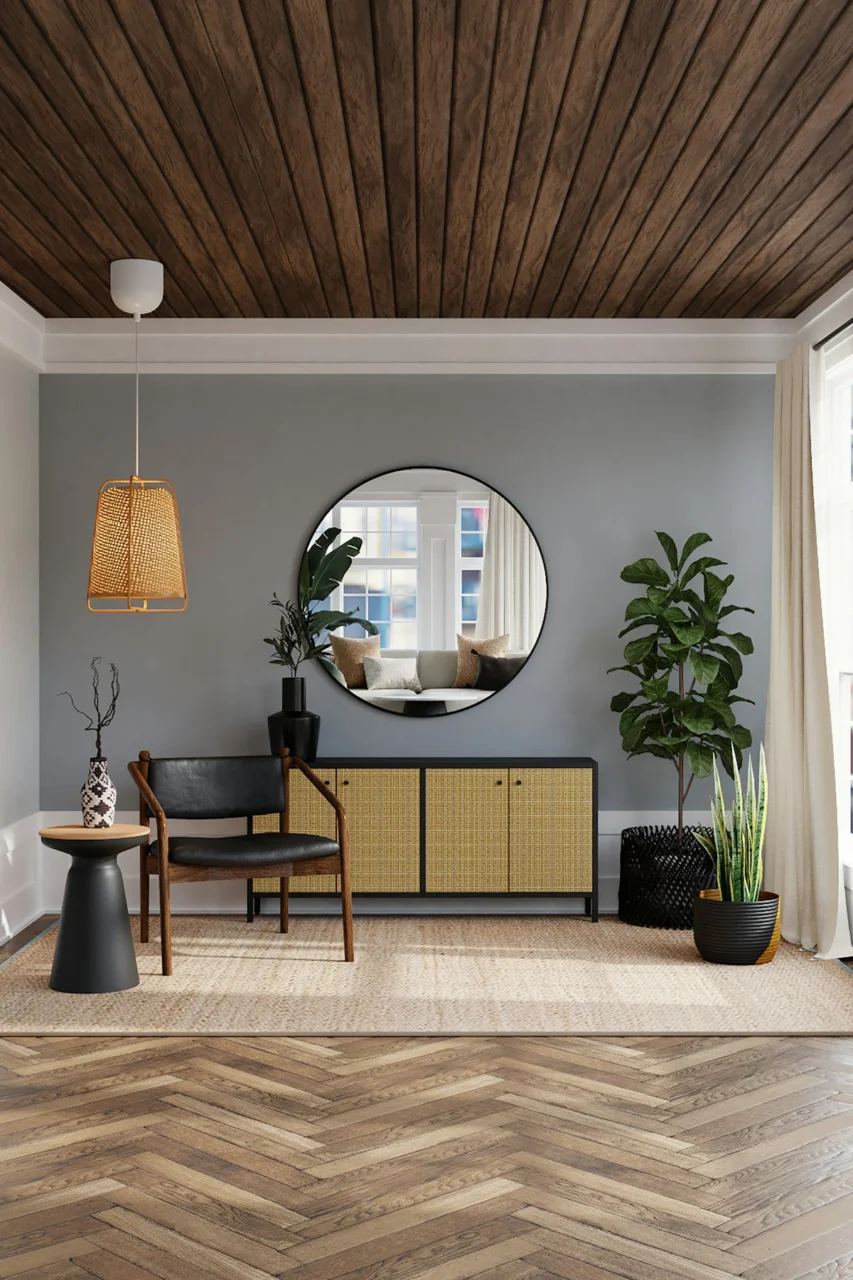
For a shed that doubles as a guest space or a quiet reading nook, engineered hardwood can bring warmth without sacrificing durability. The layered construction resists expansion and contraction better than solid wood, which is essential in a setting that may experience temperature swings. A high‑gloss polyurethane finish creates a hard barrier that repels spills; a quick wipe with a soft cloth removes dust and light stains. Pair the floor with area rugs in high‑traffic zones to protect against scratches from wheels or heavy equipment. The main limitation is that hardwood can be vulnerable to standing water, so a well‑drained floor and immediate cleanup of any wet messes are necessary to avoid warping.
6. High‑Gloss Paint on Plywood Subfloor

Photo by Aditya Karande on Unsplash
When budget constraints limit you to a basic plywood base, a coat of high‑gloss interior paint can turn the surface into a surprisingly sleek floor. The gloss creates a smooth, non‑porous layer that sheds dirt and is easy to clean with a damp mop. Selecting a light neutral shade such as soft greige or pale sage reflects daylight, making the interior feel brighter. Because paint is thinner than other flooring systems, you’ll want to reinforce the plywood with additional joists if the shed will hold heavy machinery. The finish can chip over time, especially in areas where tools are dropped, but touch‑up paint is inexpensive and straightforward.
7. Modular Laminate Panels
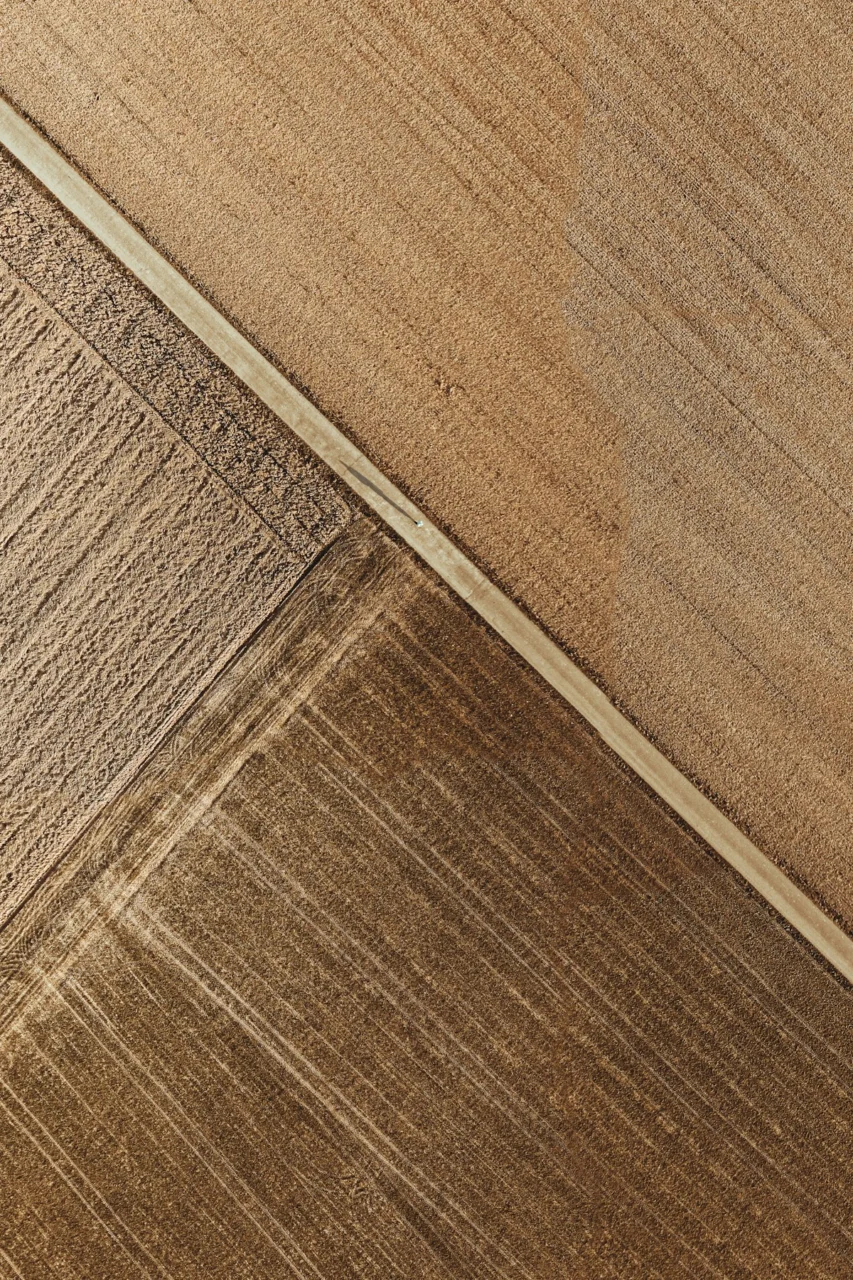
Photo by Marcel Strauß on Unsplash
Laminate panels that lock together provide a quick‑install option that resembles tile without the grout lines. Each panel has a smooth, sealed surface that resists stains from paints, solvents, and garden chemicals. The interlocking design allows you to lay the floor over an uneven subfloor, as the panels can flex slightly to accommodate minor imperfections. Because the panels are relatively thin, they work well in sheds where ceiling height is limited. A potential drawback is that laminate can swell if water seeps beneath the seams, so installing a moisture barrier beneath the panels is essential in damp climates.
FAQ
Photo by Alexander Mass on Unsplash
What flooring is best for a shed that will be used as a workshop?
Interlocking rubber tiles or epoxy‑coated concrete are top choices because they absorb impact, resist chemicals, and can be cleaned with minimal effort.
Can I install vinyl plank over an existing concrete floor?
Yes, vinyl plank can be laid over a clean, level concrete slab using a moisture‑resistant underlayment, providing a quick and durable upgrade.
How often should I reseal stamped concrete?
Resealing every two to three years maintains water resistance and preserves the visual depth of the stamped pattern.
Is hardwood flooring practical in a shed?
Engineered hardwood works if you control moisture and avoid standing water; regular cleaning and immediate spill removal keep it in good condition.
Do rubber tiles slip when wet?
Most rubber tiles have a textured surface that offers grip, but adding a non‑slip additive to the tile surface can further reduce any risk.
Final Thoughts

Photo by Jordan Sampson on Unsplash
Choosing a shed floor is less about following trends and more about matching the material to the way you use the space. Whether you prioritize shock absorption, a polished look, or a budget‑friendly DIY solution, the options above provide a range of textures, finishes, and maintenance requirements. By considering the climate, expected foot traffic, and the types of activities you’ll perform, you can select a surface that stays functional and attractive for years to come. A well‑chosen floor not only protects your tools and belongings but also sets the tone for a space that feels purposeful, organized, and welcoming.