Living Room Design Ideas That Feel Cozy & Elegant
When you step into a living room that balances softness with refinement, the space instantly invites you to linger. Achieving that balance is less about following a single trend and more about layering choices that complement each other. Below are seven design ideas that help you create a living room that feels both welcoming and polished, with practical suggestions you can adapt to any layout or budget.
1. Embrace a Soft, Layered Color Palette
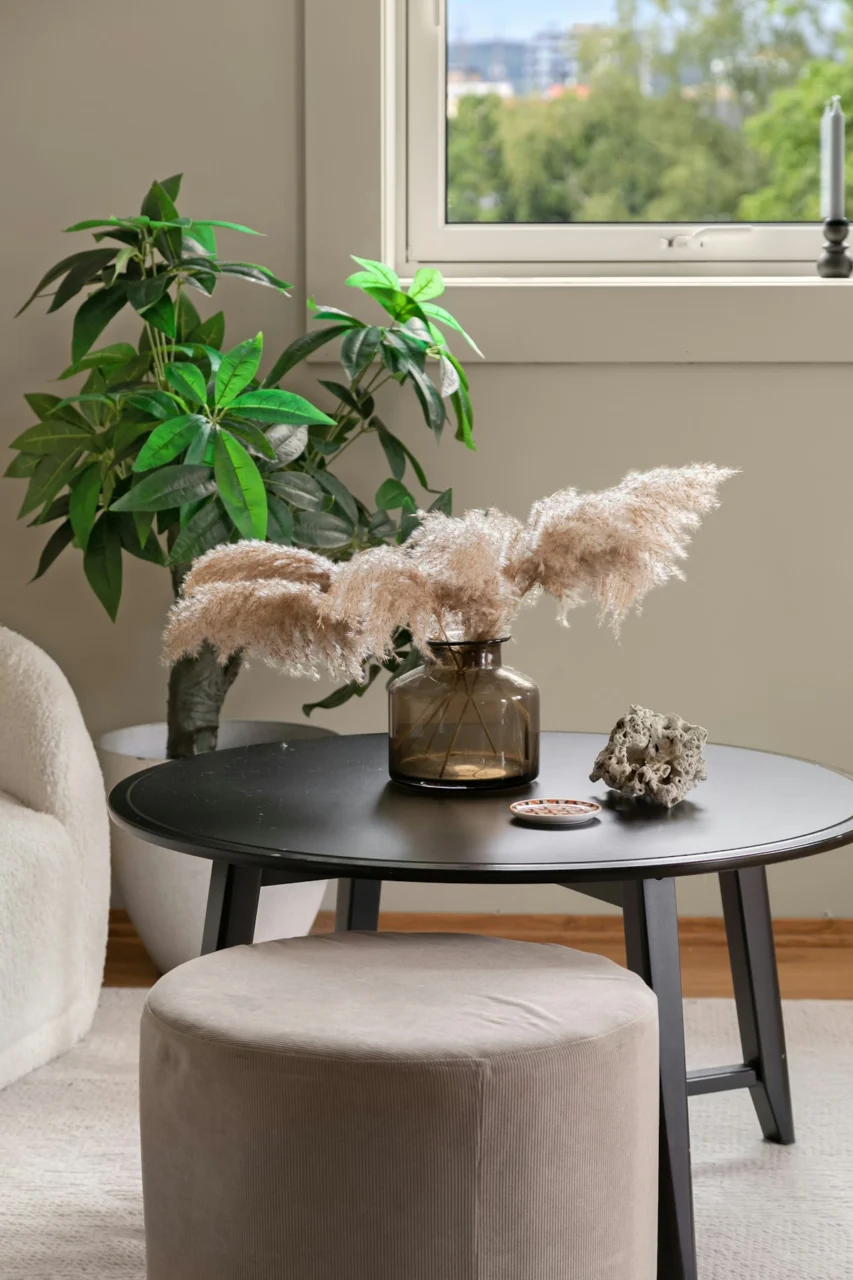
Photo by Alex Tyson on Unsplash
Choosing colors that sit close together on the spectrum creates a calm backdrop without sacrificing visual interest. A base of warm greige or muted taupe works well on walls, while cushions, throws, and artwork can introduce subtle shifts toward soft sage, dusty rose, or muted amber. The advantage of this approach is that the room feels cohesive even when multiple textures are present. If you have abundant natural light, you can lean toward cooler undertones such as pale blue‑gray; in darker rooms, richer earth tones help the space feel more intimate. Remember that paint is the easiest element to change, so start there if you’re unsure about committing to bold accents.
One practical tip is to test paint swatches at different times of day. Light can turn a warm greige into a cooler stone hue, affecting how fabrics and wood tones appear. By confirming the interaction early, you avoid costly repainting later.
2. Choose Furniture with Gentle Silhouettes and Natural Materials
Furniture that features rounded edges and a low profile encourages a relaxed atmosphere while still looking intentional. A sofa upholstered in linen or brushed cotton offers a tactile invitation to sit, and its natural fibers breathe better than synthetic blends. Pair it with a wooden coffee table that showcases the grain of oak or walnut; the organic pattern adds depth without overwhelming the eye.
When space is limited, consider a sectional with a chaise that hugs the wall, freeing up floor area for movement. A piece crafted from sustainably sourced wood not only aligns with modern values but also ages gracefully, developing a patina that contributes to an elegant feel over time. Be mindful of the scale: oversized pieces can dominate a modest room, while too‑small items may feel lost.
3. Incorporate Textured Soft Furnishings for Warmth

Photo by Sérgio André on Unsplash
Soft furnishings are the easiest way to introduce comfort and visual richness. A mix of plush velvet pillows, a chunky knit throw, and a low‑pile rug can transform a plain seating area into a place you want to curl up in. The key is to vary texture while keeping the color family consistent, so the room feels curated rather than chaotic.
Rugs made from natural fibers such as jute or sisal provide a subtle, tactile foundation, especially when layered under a slightly larger area rug in a muted pattern. This layering not only defines the conversation zone but also adds a sense of depth. Keep in mind that high‑pile rugs can trap dust, so choose a pile height that matches your cleaning routine.
4. Use Ambient Lighting to Define Different Zones
Lighting that can be adjusted throughout the day creates both functional and atmospheric benefits. A dimmable overhead fixture supplies general illumination, while floor lamps placed beside a reading chair or a pair of table lamps on side tables introduce softer pools of light. This layering allows you to shift from a bright, active setting to a mellow, evening mood without changing the room’s layout.
When selecting lamps, look for finishes that echo other hardware in the room—brushed brass, matte black, or antique copper—so the lighting feels integrated. Positioning a lamp near a window can also reflect natural light, reducing the need for additional fixtures during daylight hours. If you have a high ceiling, consider a pendant with a diffuser that spreads light evenly across the seating area.
5. Create a Focal Point with a Thoughtful Artwork or Mirror
A well‑chosen piece of art or a decorative mirror can anchor the room and draw the eye upward, adding a sense of height. An oversized canvas in a muted abstract style works well above a sofa, while a large, framed mirror placed opposite a window can amplify natural light and make the space feel larger.
When choosing artwork, think about the emotional tone you want to set. A serene landscape in soft blues can reinforce a calming environment, whereas a geometric print in metallic tones adds a hint of sophistication. Ensure the frame material complements other accents—if you have brushed brass lighting, a brass‑finished frame will tie the elements together. Avoid overcrowding the wall; a single, well‑placed piece often has more impact than multiple smaller items.
6. Add Built‑in or Open Shelving for Elegant Storage
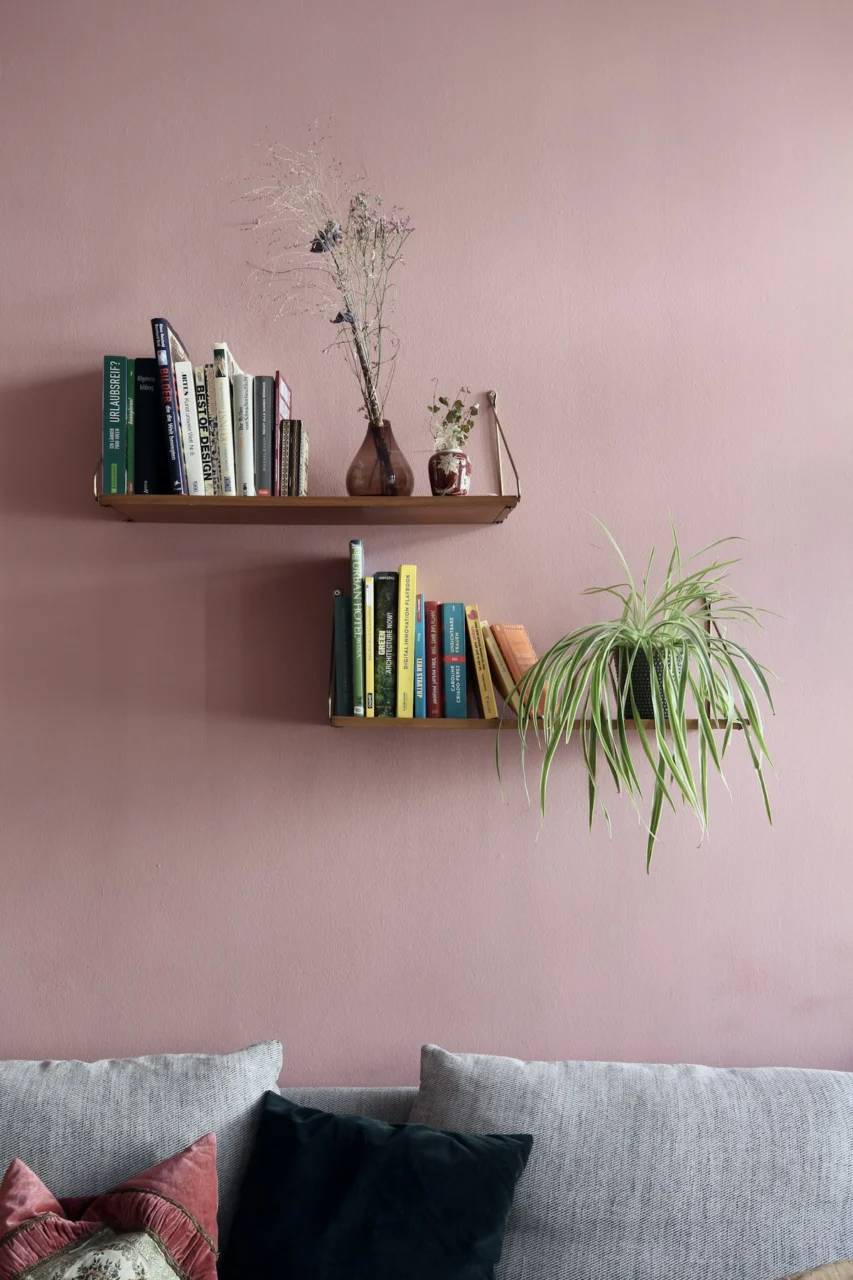
Photo by Nathan Walker on Unsplash
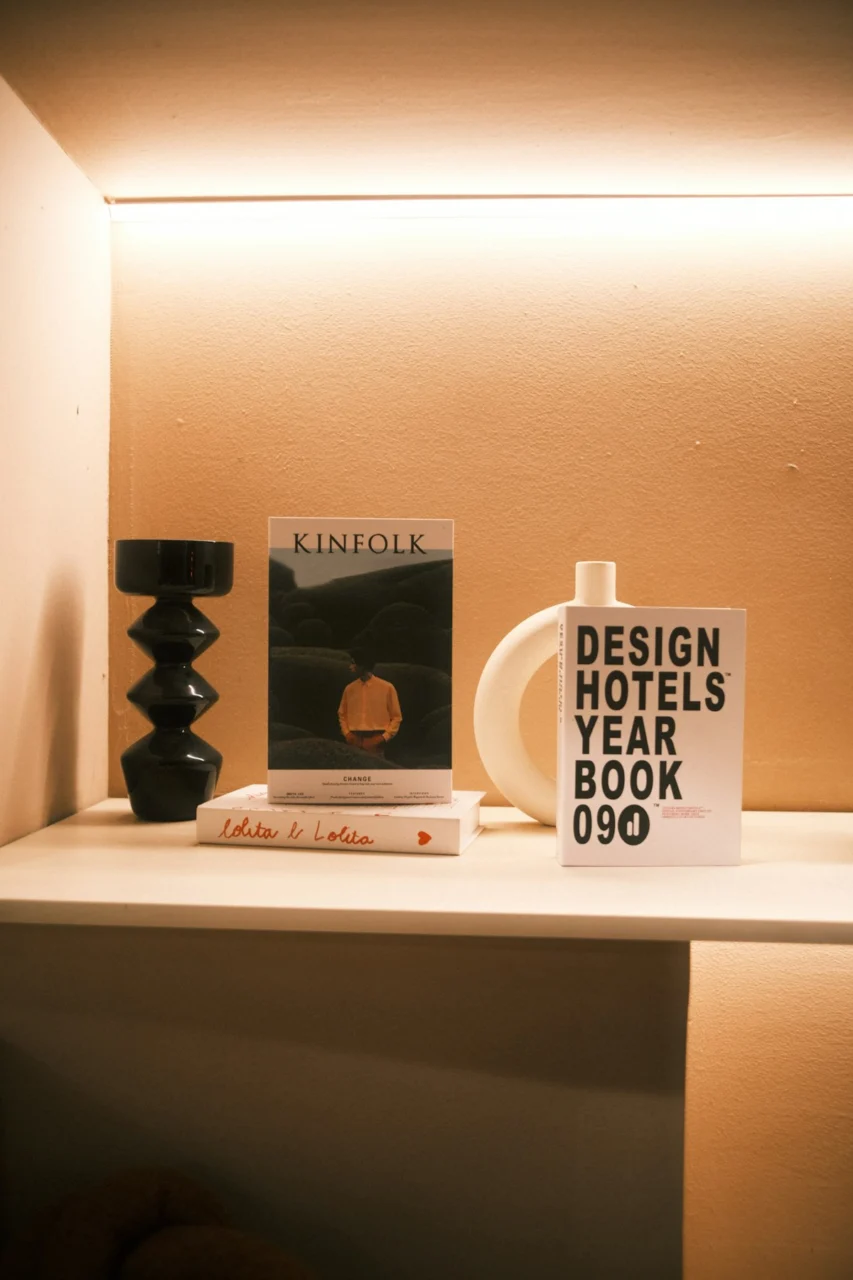
Open shelving provides an opportunity to display curated objects while keeping the room organized. Wooden shelves with a natural finish can hold books, ceramics, and small plants, turning storage into a decorative feature. Built‑in units that blend into the wall maintain a clean silhouette and prevent the visual clutter of freestanding cabinets.
When arranging items, vary the heights of objects to create rhythm. A tall vase next to a stack of books adds visual interest without feeling random. If you’re concerned about dust, choose items made from glazed ceramics or metal that are easy to wipe down. Remember that too many decorative pieces can overwhelm the space; a selective approach maintains the room’s elegant simplicity.
7. Bring Nature Inside with Greenery and Natural Elements
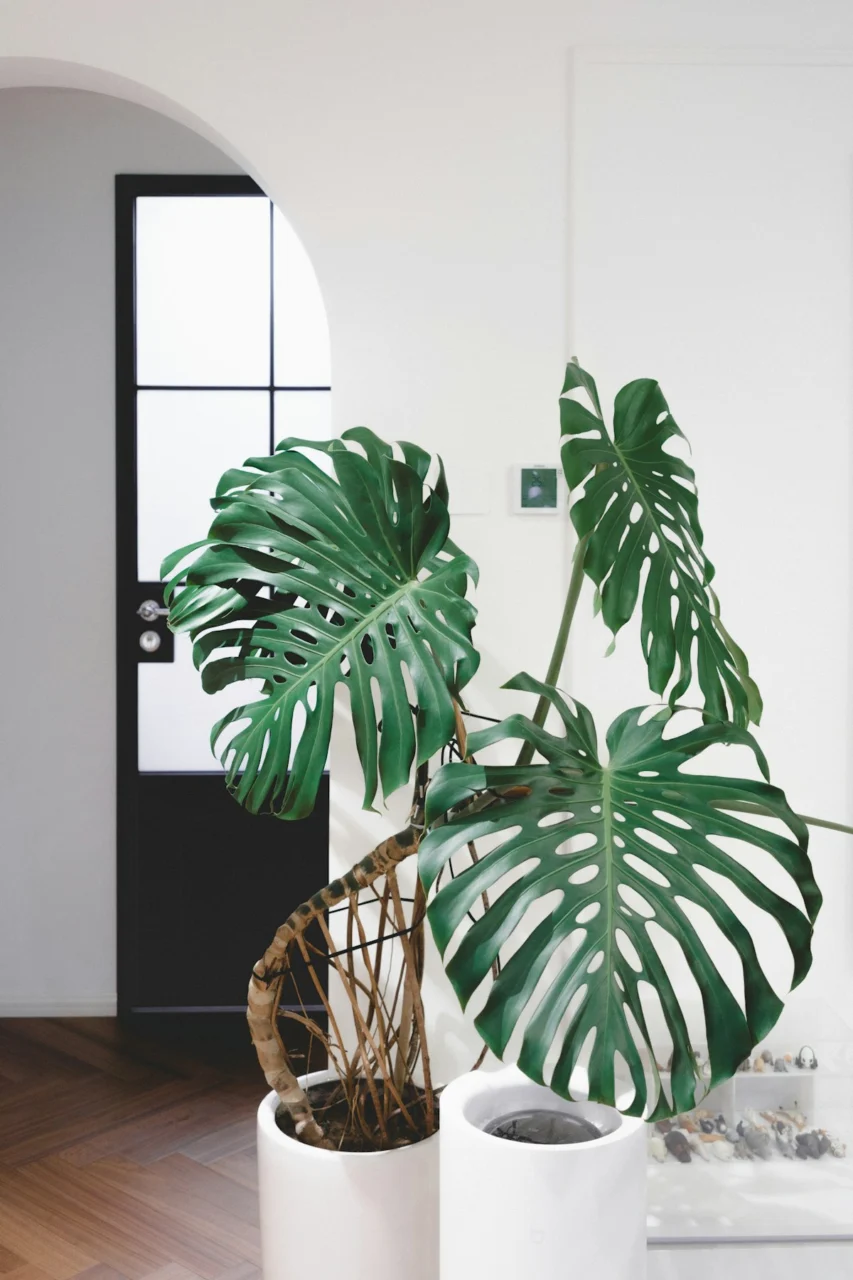
Plants soften hard edges and introduce a quiet vitality that complements both cozy and refined aesthetics. A large, leafy floor plant such as a monstera can serve as a natural partition between seating areas, while a row of smaller succulents on a side table adds subtle color. The presence of greenery also improves indoor air quality, making the room healthier.
When selecting pots, match the material to other finishes in the room—ceramic in a soft matte glaze works well with linen textiles, while a woven basket aligns with natural wood furniture. Position plants where they receive appropriate light; a spot near a south‑facing window suits most foliage, whereas low‑light tolerant varieties can thrive in corners. If you travel frequently, choose low‑maintenance plants or consider a self‑watering system.
FAQ
Photo by Collov Home Design on Unsplash
How can I make a small living room feel both cozy and elegant?
Start with a light, neutral wall color and incorporate a few well‑chosen accessories rather than filling the space with many small items. A streamlined sofa, a single statement rug, and layered lighting create depth without crowding the room.
What type of rug works best in a room that aims for elegance?
A low‑pile rug in natural fibers such as wool or jute provides a refined look while remaining comfortable underfoot. Choose a muted pattern that complements the overall color scheme to keep the focus on the furniture.
Is it okay to mix modern and classic furniture?
Yes, blending styles can add interest when the pieces share a common material or finish. For example, a modern metal coffee table paired with a classic upholstered sofa creates a balanced conversation between eras.
How often should I change my throw pillows?
Switching pillows seasonally keeps the room feeling fresh; a few months of summer hues followed by richer autumn tones works well. Because pillows are inexpensive to update, you can experiment without a major investment.
Can I achieve a luxurious look on a modest budget?
Focus on high‑impact items such as a quality rug, a statement lighting fixture, or a well‑chosen piece of art. Pair these with more affordable basics like solid‑color sofas or DIY‑refinished side tables to maintain a polished appearance without overspending.
Final Thoughts
Designing a living room that feels both inviting and sophisticated is a process of thoughtful layering—color, texture, light, and personal touches all play a part. By selecting natural materials, embracing gentle silhouettes, and curating each element with intention, you can create a space that welcomes you home and impresses your guests. Take one idea at a time, adapt it to the specifics of your room, and enjoy the gradual transformation toward a living room that truly reflects comfort and elegance.