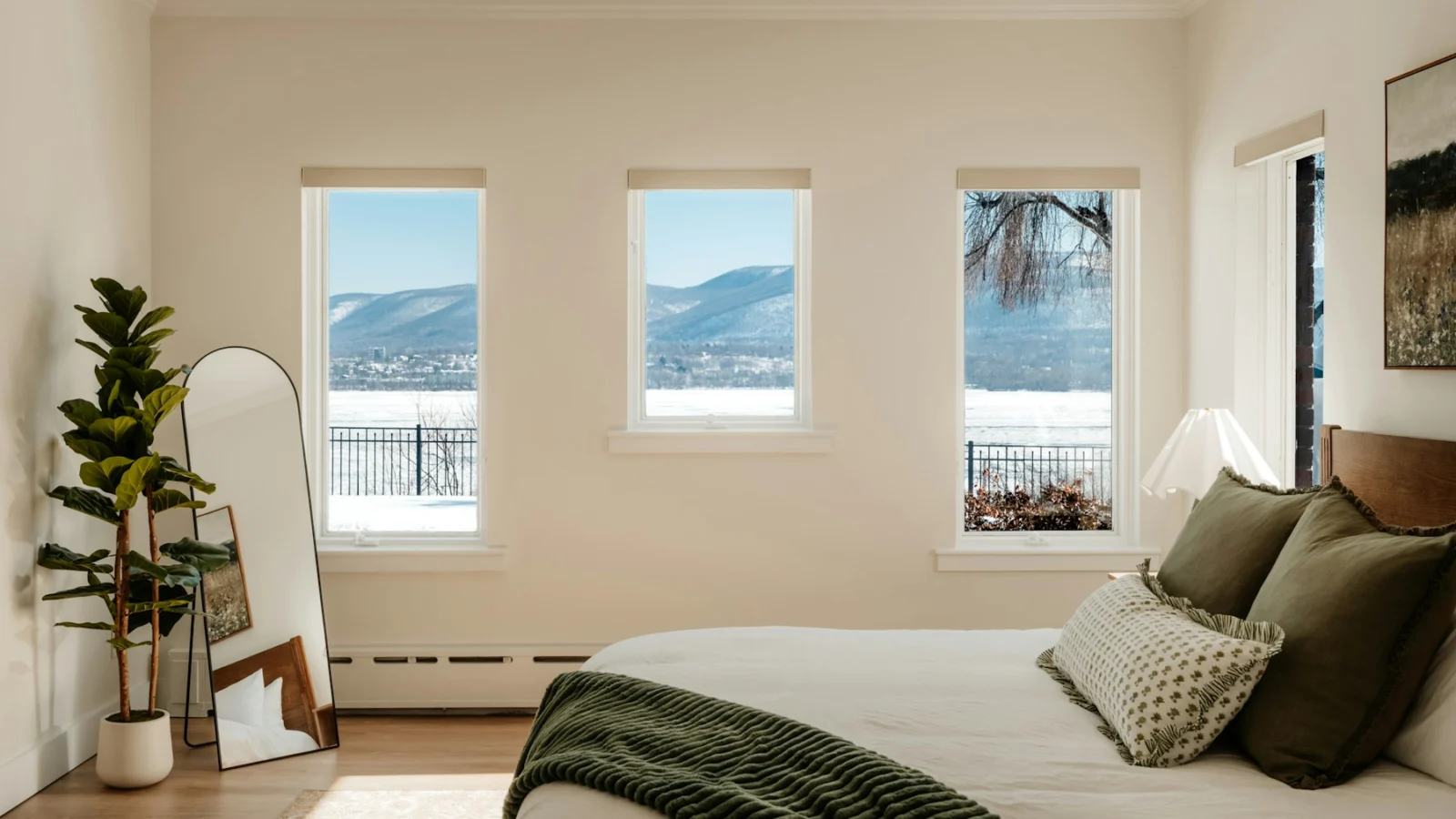
Purple Bedroom Ideas That Feel Royal & Cozy
Finding the right balance between drama and comfort can be a puzzle, especially when you’re drawn to a color as bold as purple. The hue carries a sense of regality, yet it can quickly feel overwhelming if not paired thoughtfully. In this article you’ll discover seven distinct approaches that let you enjoy the richness of purple while keeping the room inviting. From wall treatments to texture choices, each idea is broken down with practical guidance, so you can translate the vision into a bedroom that feels both majestic and snug.
1. Embrace a Deep Plum Accent Wall
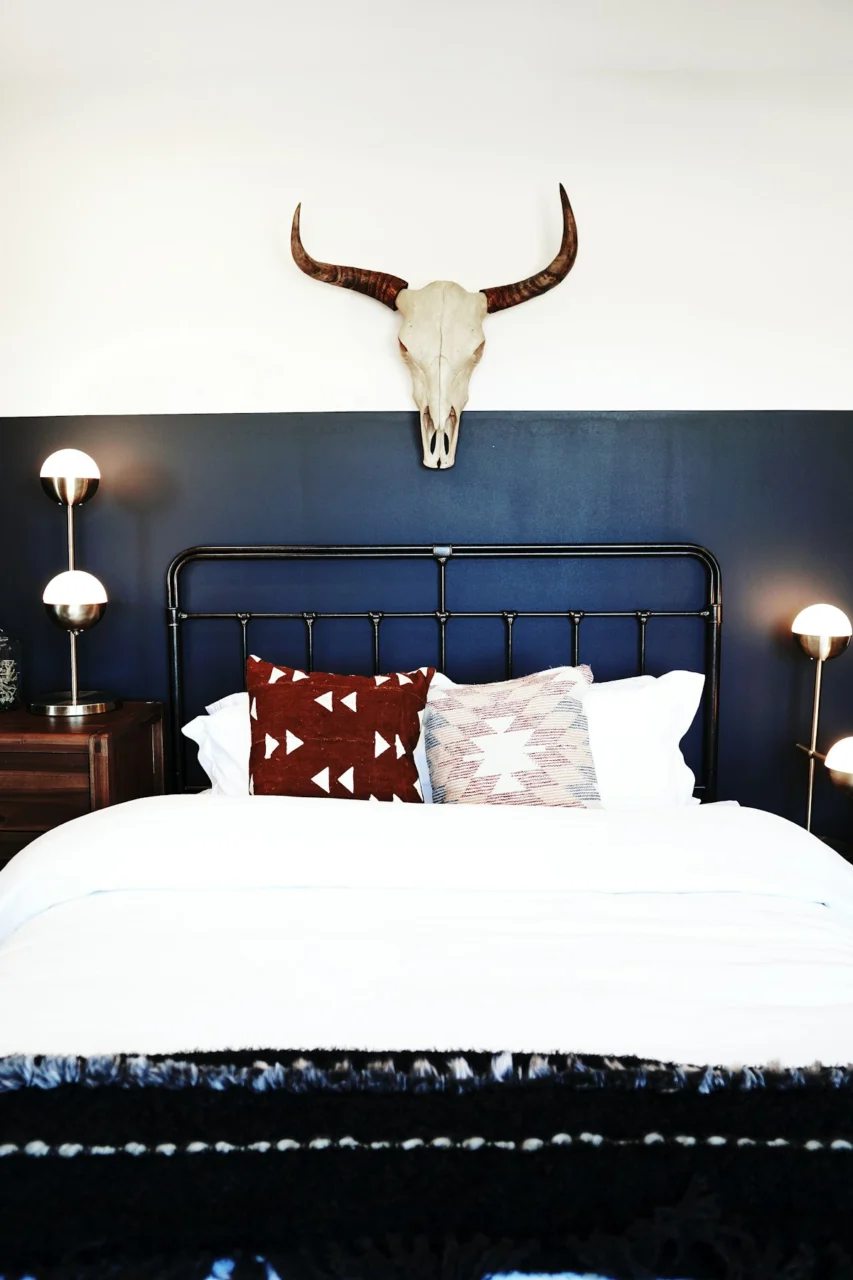
Photo by Josh Hemsley on Unsplash
A single wall painted in a saturated plum can become the room’s focal point without drowning the space. Choose the wall that naturally draws the eye—often the one behind the headboard or the longest uninterrupted surface. The deep hue absorbs light, creating a cocoon‑like atmosphere that encourages relaxation after a long day. To keep the effect from feeling heavy, balance the wall with lighter elements on the remaining surfaces: crisp white trim, pale bedding, or a soft gray rug. When selecting paint, opt for a low‑sheen finish; it offers a subtle depth and is easier to touch up than a high‑gloss. If you’re hesitant about committing to a full wall, a half‑wall or a narrow stripe can deliver the same visual interest with less risk.
2. Layer Soft Lavender Textiles
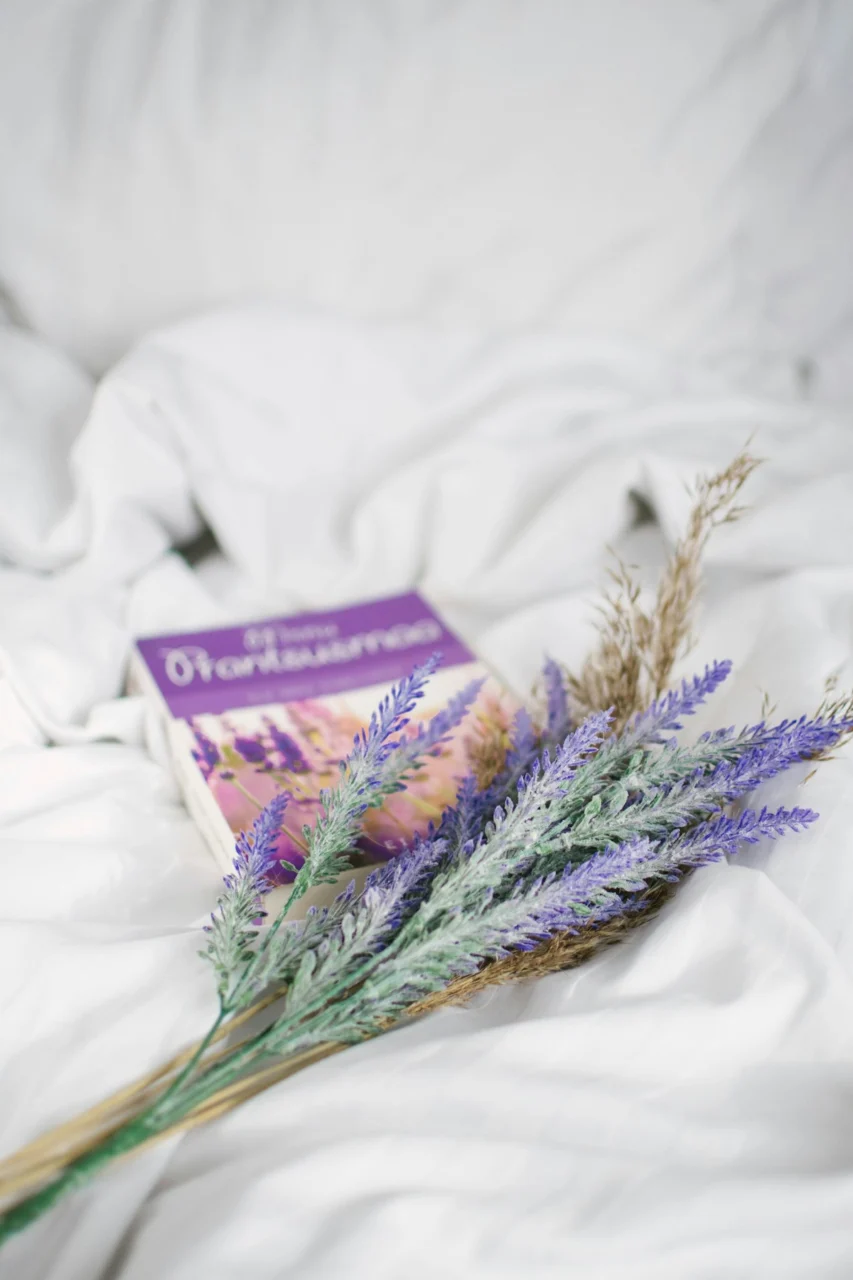
Photo by Pille R. Priske on Unsplash
Introducing lavender through bedding, curtains, and cushions adds a gentle counterpoint to a darker accent wall. A duvet cover in a muted lavender, paired with a few plush throw pillows, creates a layered look that feels curated rather than coordinated. The key is to vary the fabrics—linen sheets for breathability, a velour throw for tactile warmth, and a sheer curtain that lets filtered daylight dance across the floor. This mixture of textures prevents the room from feeling flat and invites you to touch and rearrange items as your mood shifts. If you’re concerned about maintenance, choose washable fabrics for the most used pieces and reserve delicate materials for occasional accents.
3. Choose Furniture in Rich, Neutral Tones
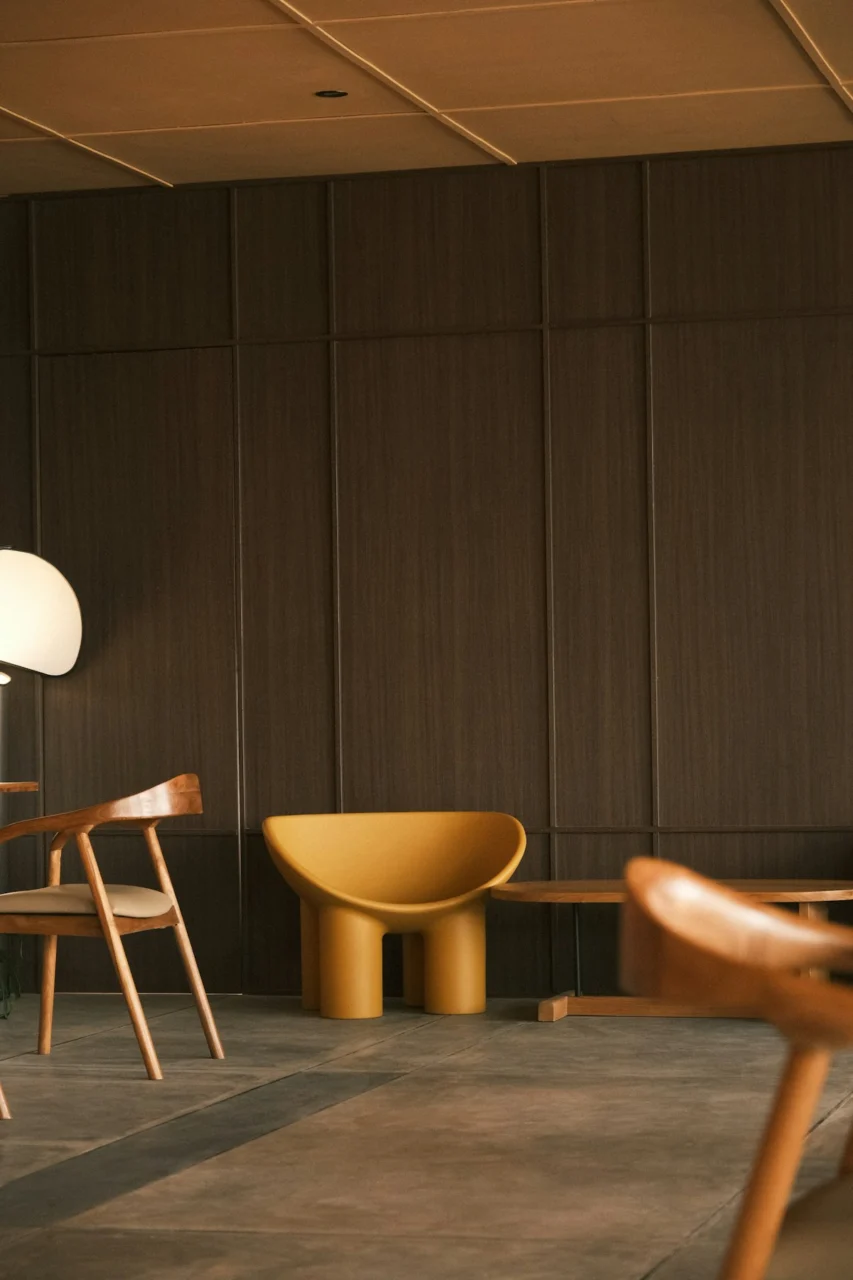
Photo by Febri Adiawarja on Unsplash
Furniture in warm neutrals such as walnut, brushed brass, or muted charcoal anchors the purple without competing for attention. A low‑profile platform bed in a natural oak finish offers a sturdy base that complements the regal color scheme while keeping the floor space open. Nightstands with subtle metal hardware add a hint of sophistication without introducing additional colors. When selecting a dresser, consider one with clean lines and a finish that reflects a soft sheen; it will catch the ambient light and echo the sheen of a polished plum wall. Remember that heavier pieces can make a room feel cramped, so scale the furniture to the bedroom’s dimensions and leave room for circulation.
4. Add Metallic Accents for Subtle Glamour
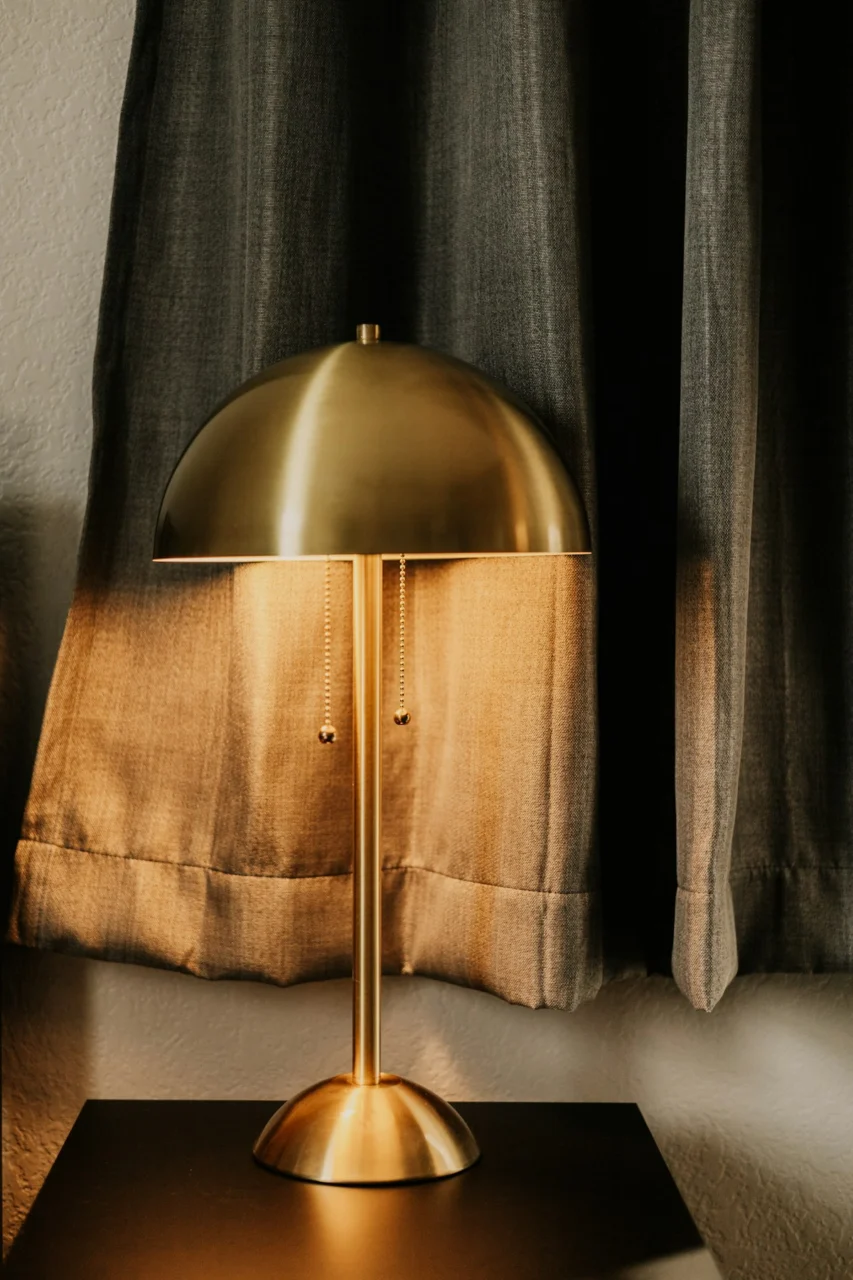
Photo by Elijah Pilchard on Unsplash
Metallic touches in brushed gold, aged copper, or polished nickel can lift the overall mood from merely colorful to truly regal. A pair of copper bedside lamps not only provides functional lighting but also reflects the purple’s undertones, creating a warm glow at dusk. A slender brass mirror above the dresser can visually expand the space while echoing the room’s luxe vibe. When incorporating metal, keep the quantity modest; a few well‑placed pieces create interest without overwhelming the senses. If you’re working with a tighter budget, consider metal picture frames or a decorative tray to achieve the same effect.
5. Incorporate Natural Elements for Warmth
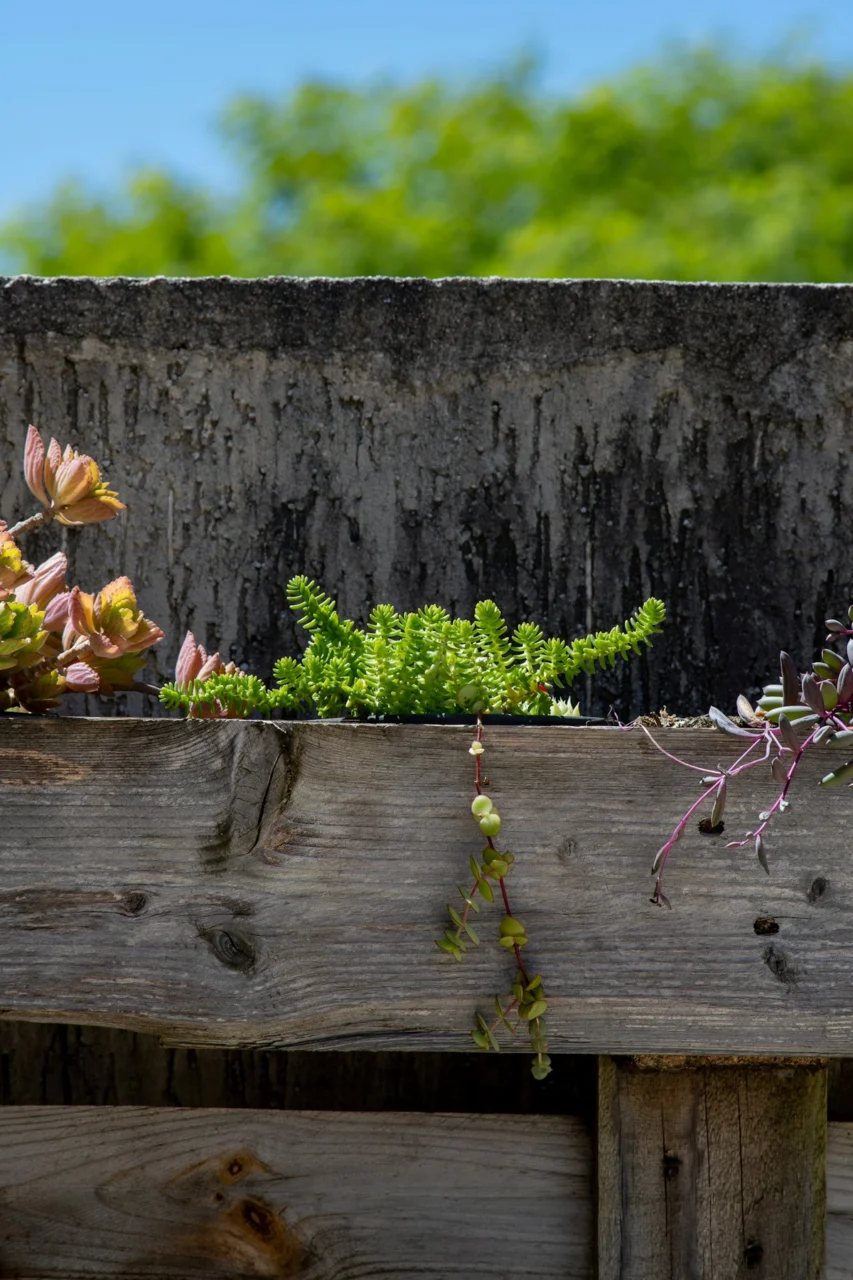
Photo by Filipe Cantador on Unsplash
Wood, stone, and plants soften the intensity of purple and bring a grounding quality to the bedroom. A reclaimed‑wood headboard adds texture and a sense of history, while a small cluster of low‑maintenance succulents on the windowsill introduces a touch of green that complements both plum and lavender. A woven jute rug underfoot adds an organic texture that feels inviting when you step out of bed. Natural materials also age gracefully, meaning the room will evolve with you rather than feeling dated after a few seasons. Be mindful of moisture levels; ensure any wood or stone surfaces are sealed to protect against humidity.
6. Play with Light and Shadow
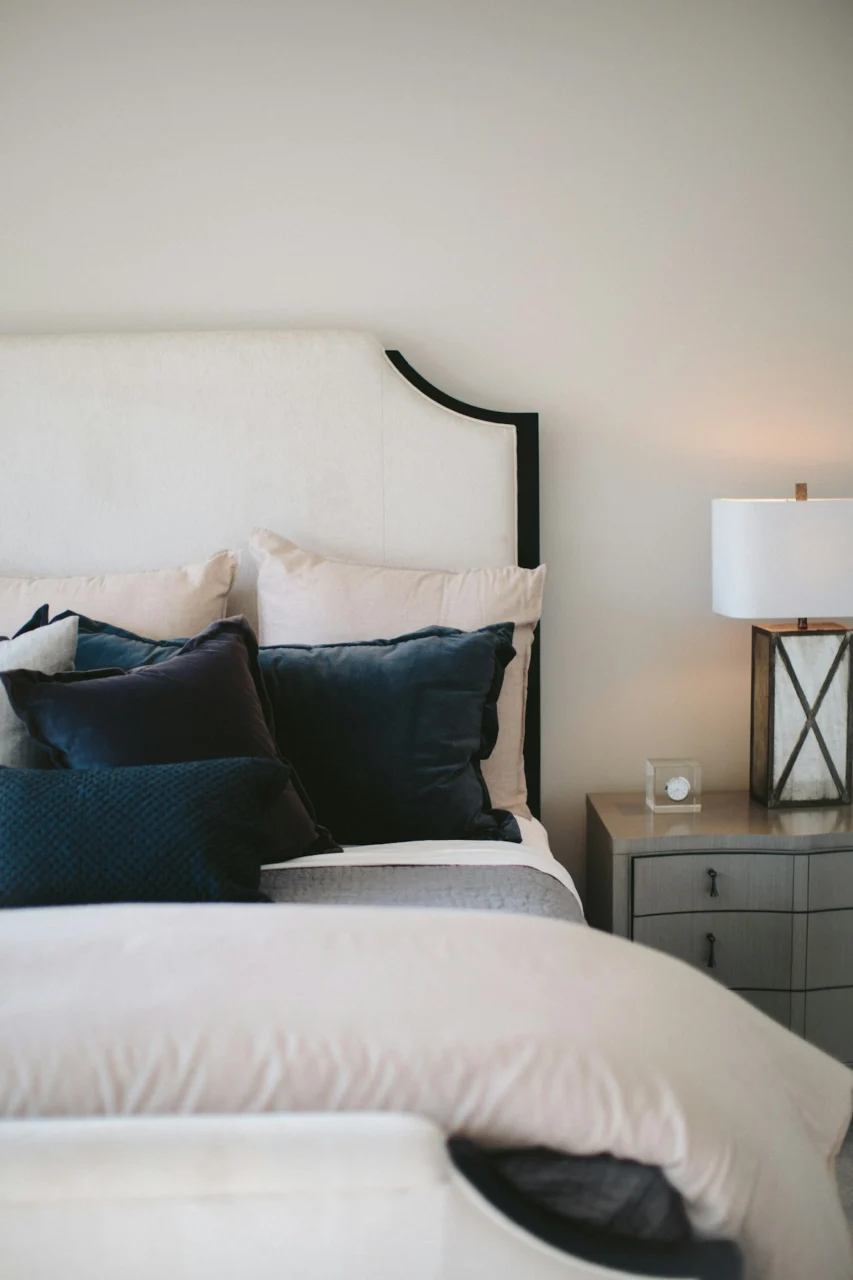
Photo by Mariah Krafft on Unsplash
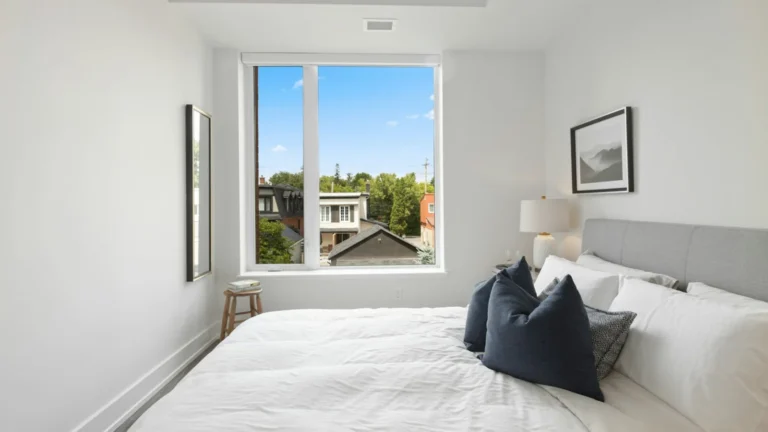
Lighting can either mute or magnify the drama of a purple bedroom. Layered illumination—overhead recessed lights, a bedside reading lamp, and a soft floor lamp—creates zones of brightness that can be adjusted throughout the day. A dimmable switch on the main fixture lets you lower the intensity for a cozy evening, while a warm‑white bulb enhances the richness of the plum wall without casting harsh shadows. If natural light is limited, a sheer curtain in a light ivory tone will diffuse what little daylight enters, casting a gentle glow that highlights the room’s textures. Avoid overly cool light sources; they can make purple appear stark rather than soothing.
7. Create a Cohesive Color Palette with Complementary Hues
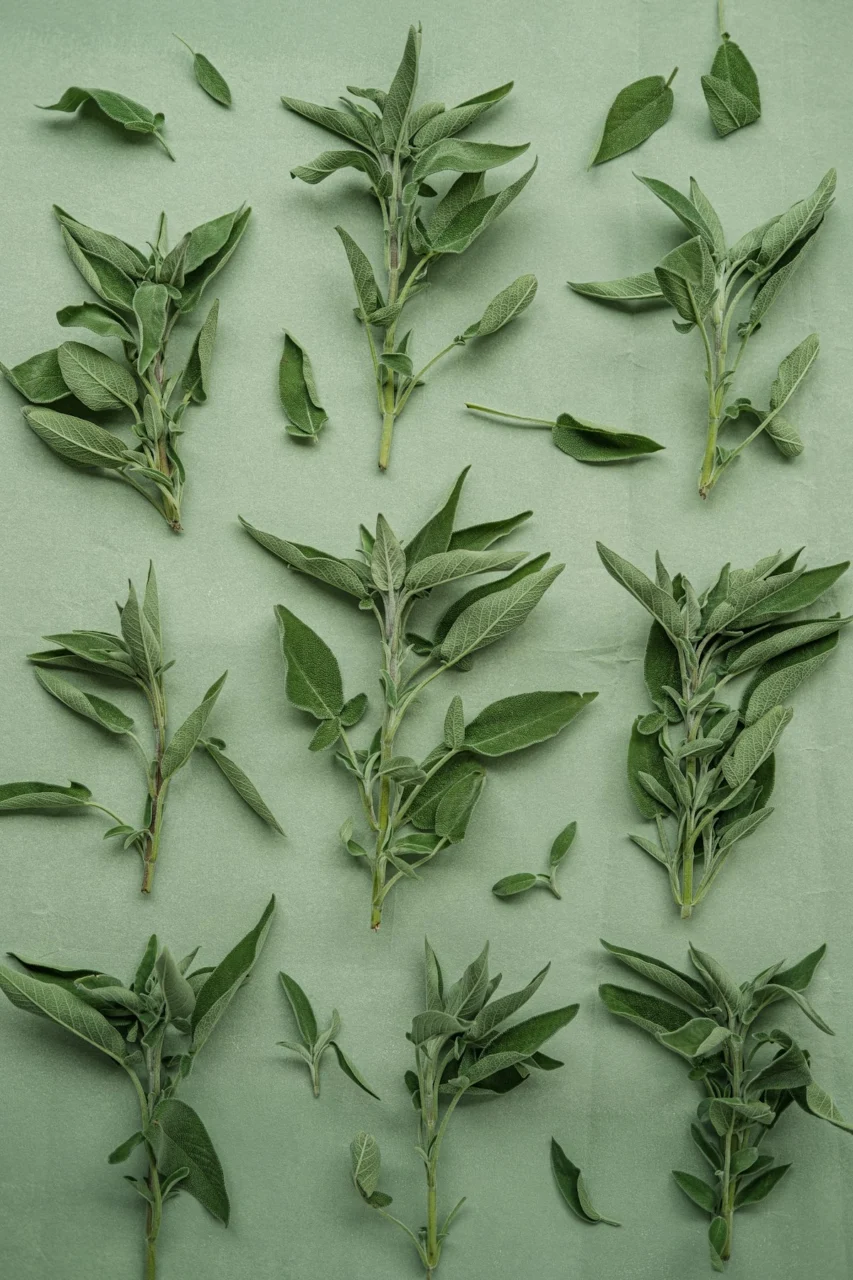
Photo by 360floralflaves on Unsplash
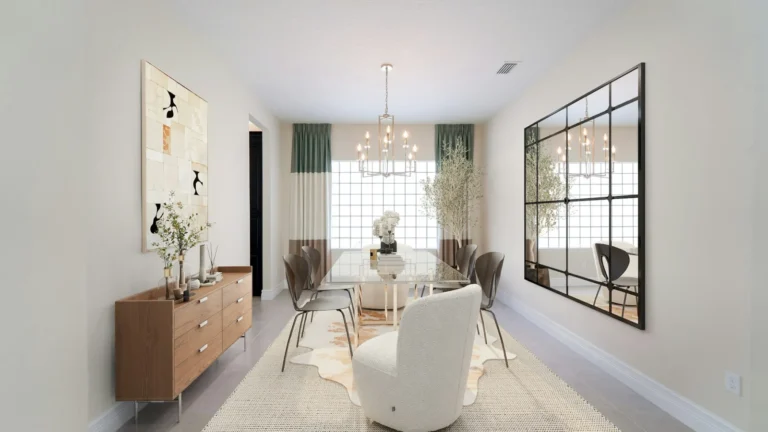
While purple takes center stage, subtle complementary colors keep the design harmonious. Soft greys, muted taupes, and even a hint of sage green can be introduced through accessories like a woven basket, a decorative vase, or a piece of wall art. These hues sit next to purple on the color wheel, offering visual relief without clashing. When selecting artwork, choose pieces that incorporate both purple and one of the supporting shades; this creates a visual bridge that ties the room together. If you prefer a monochromatic feel, stick to variations of lavender and plum, but remember to vary the intensity to maintain depth.
FAQ
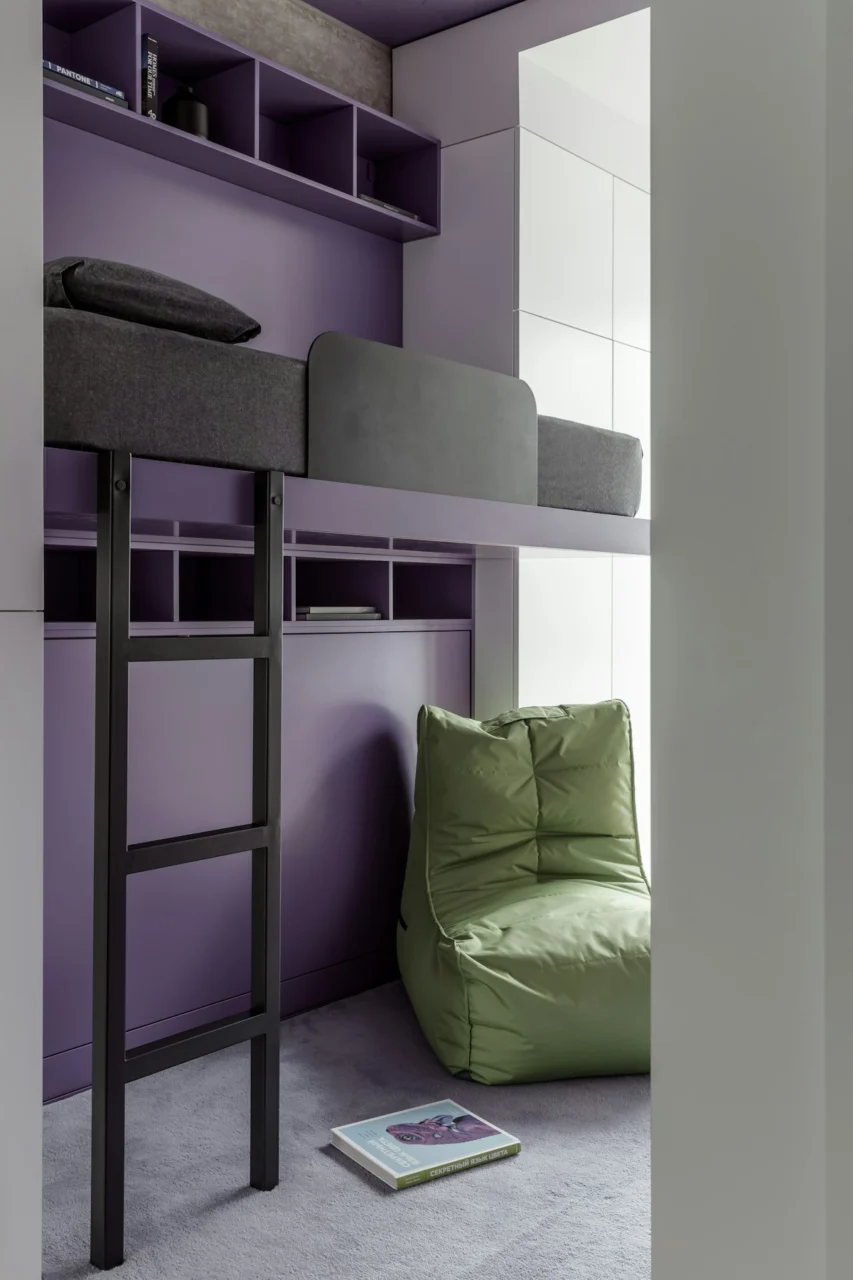
Photo by Alexey Aladashvili on Unsplash
Can I use purple in a small bedroom without making it feel cramped?
Yes, limit purple to an accent wall or select accessories rather than covering every surface. Light‑colored flooring and reflective surfaces help maintain an open feeling.
What shade of purple works best with hardwood floors?
A medium‑depth lavender or muted plum pairs nicely with the warm tones of most hardwoods, creating contrast without harshness.
How do I keep purple fabrics from fading?
Choose fabrics that are colorfast and wash them in cold water with gentle detergents. Avoid prolonged exposure to direct sunlight; using sheer curtains can filter harsh rays.
Is it okay to mix different shades of purple together?
Mixing shades adds depth, but balance is key. Pair a deep plum with a lighter lavender to prevent the room from feeling overly saturated.
Should I use LED bulbs in a purple bedroom?
LED bulbs with a warm‑white temperature (around 2700‑3000 K) enhance the cozy atmosphere while being energy‑efficient. They also preserve the true hue of the purple surfaces.
Final Thoughts
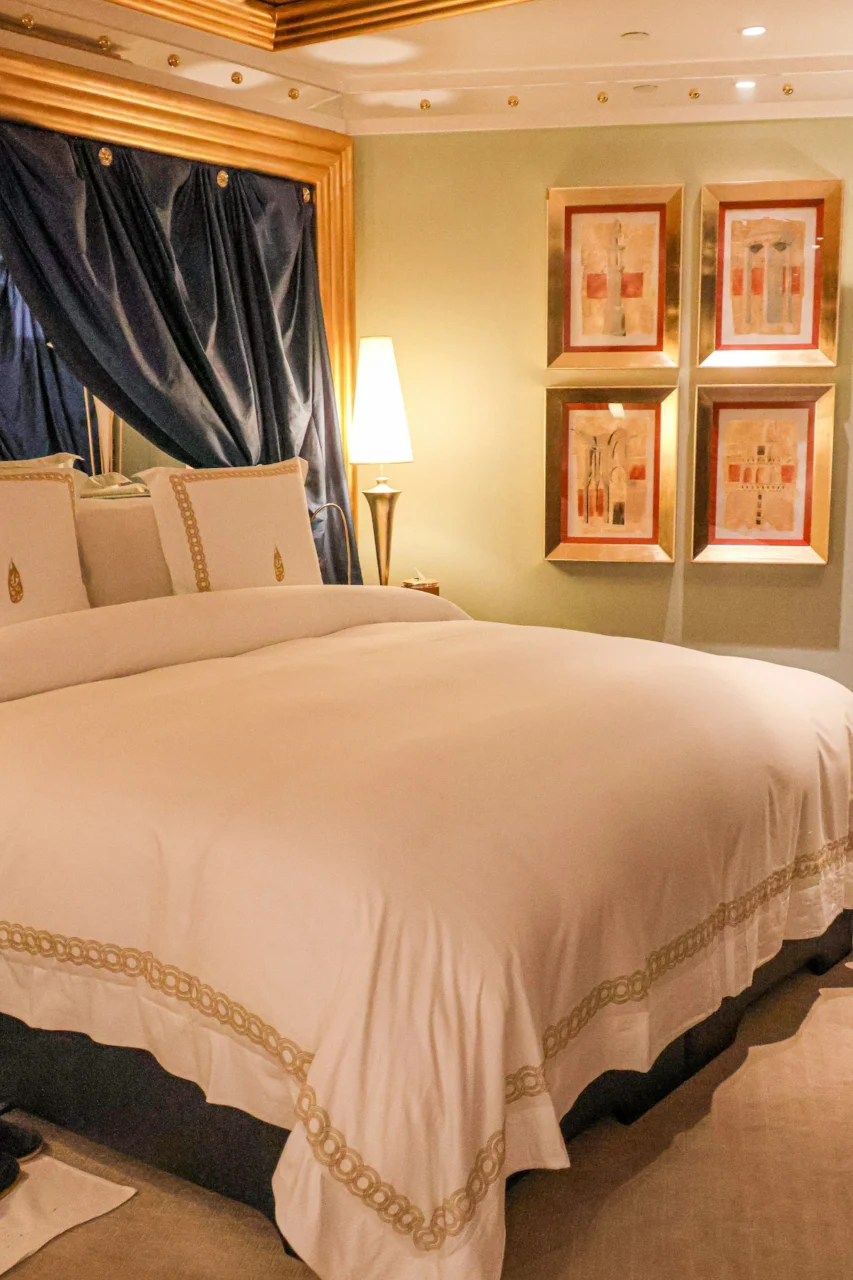
Photo by Meg von Haartman on Unsplash
Integrating purple into a bedroom doesn’t have to feel like a gamble. By anchoring the color with thoughtful accents, balanced lighting, and natural textures, you can achieve a space that feels both regal and comfortable. Each of the seven ideas presented offers a different entry point—whether you start with a bold wall, a handful of textiles, or a subtle metal lamp—allowing you to tailor the look to your budget and personal style. With careful layering and an eye for contrast, your purple bedroom can become a sanctuary that welcomes you nightly with a sense of understated luxury.