Dining Room Window Treatments That Feel Elegant and Timeless
When you pull out a chair for dinner, the first thing you notice isn’t the silverware—it’s the view framed by your windows. A well‑chosen treatment can soften harsh daylight, hide the occasional glare, and set the tone for the entire meal. Below are seven distinct approaches that bring genuine elegance to any dining room, each with practical tips you can apply right away.
1. Sheer Elegance: Soft Fabrics for Light & Privacy
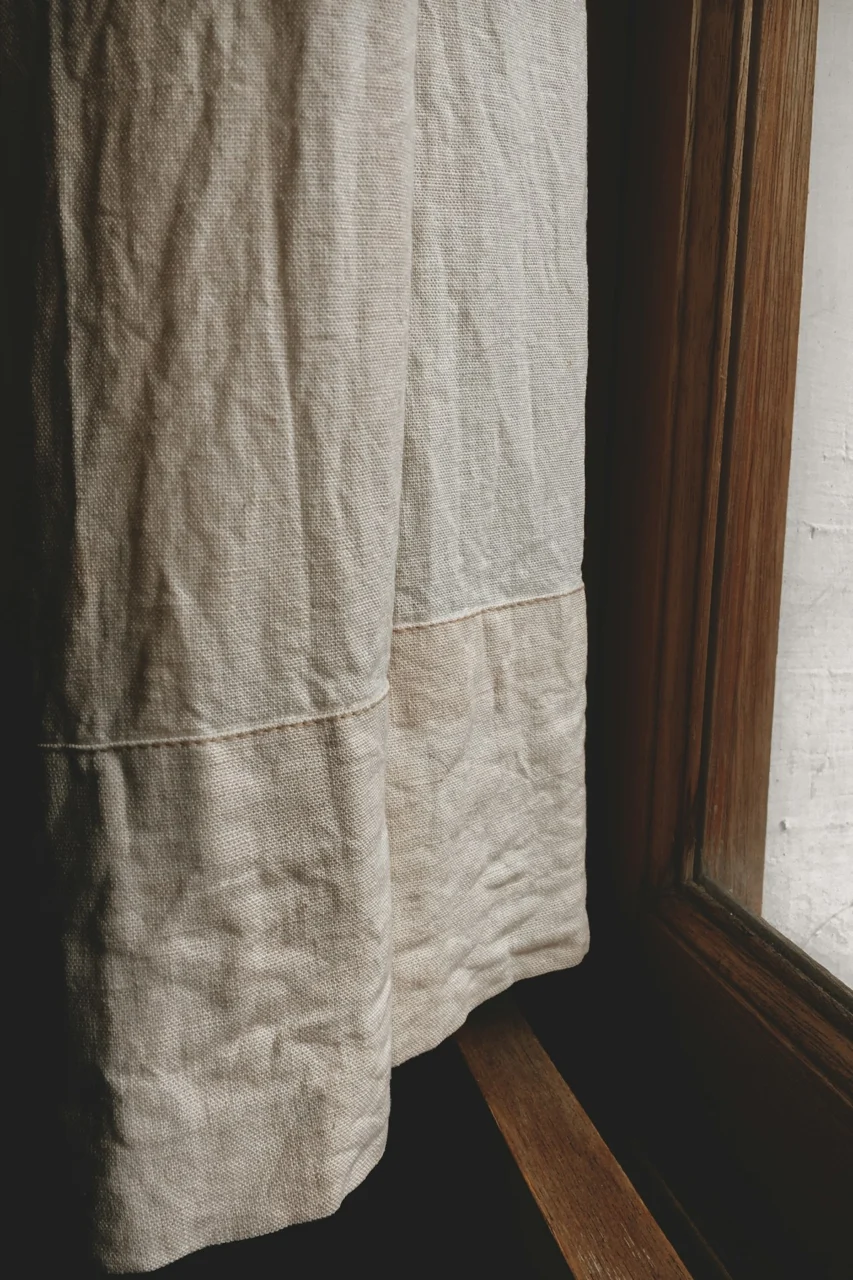
Sheer panels let natural light filter in while offering a whisper of privacy. Choose a fabric with a subtle sheen—think linen‑blend or fine cotton voile—to keep the space feeling airy.
Why it works
- Light diffusion creates a gentle glow that flatters both food and conversation.
- Easy to pair with heavier drapes for a layered look.
- Low‑maintenance: most sheers can be machine‑washed on a gentle cycle.
Practical tips
- Measure the window width and add 2‑3 inches on each side for a gathered, full look.
- Opt for a double‑pole rod so you can slide the sheer aside when you need more privacy.
- Consider a light‑filtering lining if you’re in a sun‑intense climate; it adds modesty without sacrificing brightness.
2. Tailored Drapes: Structured Panels for Formal Flair

Photo by Sarah Penney on Unsplash
Floor‑length drapes in a rich fabric—think silk, velvet, or a heavy linen—instantly raise the room’s sophistication. The key is a crisp, tailored hang.
Key considerations
- Use a sturdy, decorative rod with finials that complement other hardware in the room.
- Include a blackout or thermal lining if you want extra insulation or evening privacy.
- Allow the drape panels to extend 2‑4 inches beyond the window frame; this makes the window appear larger.
Installation notes
- Mount the rod 4‑6 inches above the window frame to emphasize ceiling height.
- For a classic “puddled” look, let the fabric pool slightly on the floor—no more than an inch to avoid tripping hazards.
- Choose a hem that matches the dining room’s color palette; a subtle contrast can become a focal point.
3. Roman Shades: Classic Lines with Modern Comfort
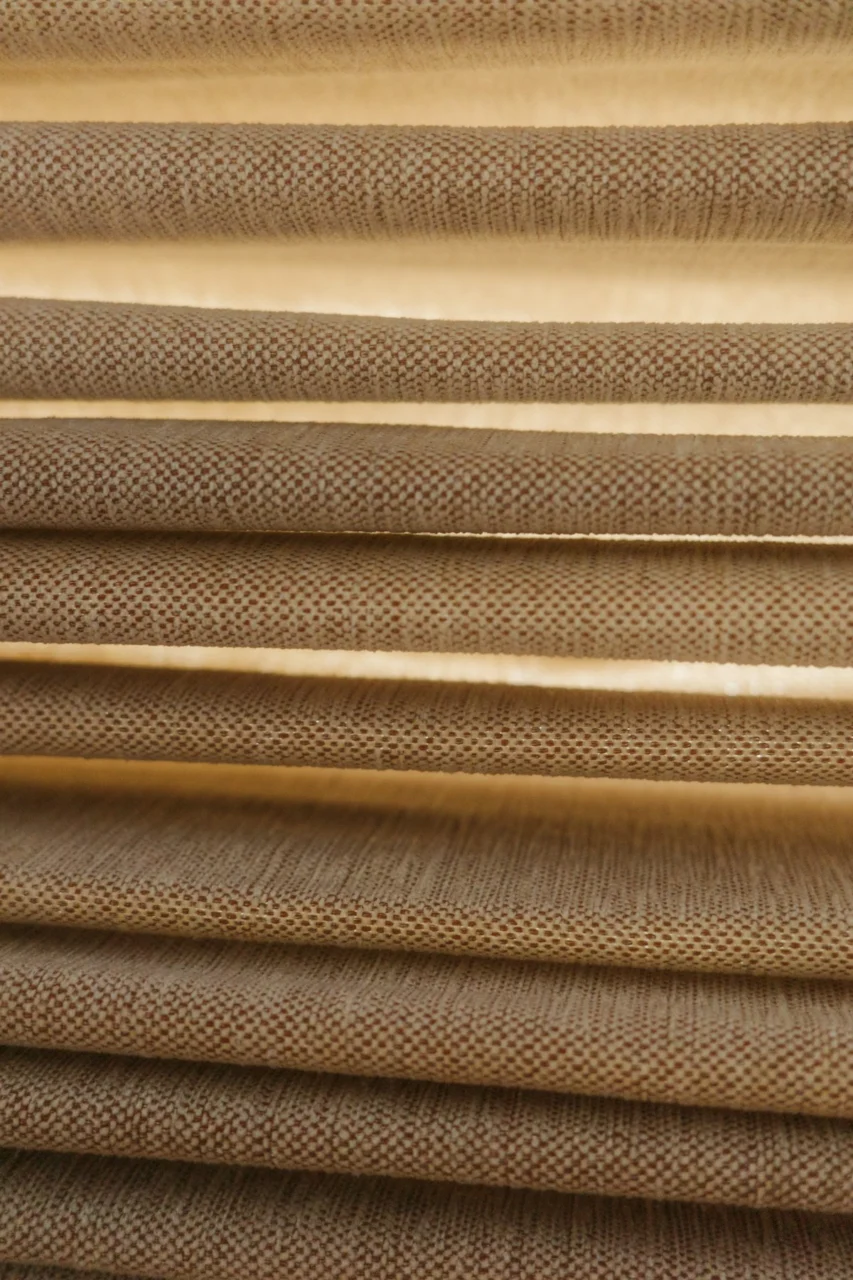
Roman shades blend the sleekness of blinds with the softness of fabric. When raised, they form neat folds; when lowered, they create a solid panel of color.
Benefits
- Provides clean, tailored lines that suit both traditional and contemporary dining rooms.
- Available in a wide range of fabrics—from light cottons to plush brocades.
- Simple operation: a cord or cordless pull‑system keeps the look uncluttered.
Choosing the right fabric
- For high‑traffic families, select a blend with a low‑pilling finish.
- Sun‑faded rooms benefit from UV‑protective fabrics.
- When you want a hint of texture, opt for a subtle jacquard pattern that catches the eye without overwhelming the table setting.
4. Wooden Blinds with a Luxe Finish

Photo by mikearchetype on Unsplash
Wooden blinds bring natural warmth while maintaining a refined silhouette. A matte lacquer or hand‑stained finish can make the wood feel upscale without looking rustic.
Design tips
- Choose slat widths of 2–2.5 inches for a balanced look; wider slats work well on larger windows.
- Coordinate the stain with existing wood tones—whether it’s a light oak table or a dark walnut buffet.
- Install a tilt‑lock mechanism to keep the slats steady during meals.
Maintenance
- Dust weekly with a soft cloth; occasional spot‑cleaning with a damp rag keeps the finish pristine.
- Avoid harsh chemicals that can strip the protective coating.
- For homes with pets, consider a low‑gloss finish that resists scratches.
5. Café Curtains: Cozy Charm Without Sacrificing Light
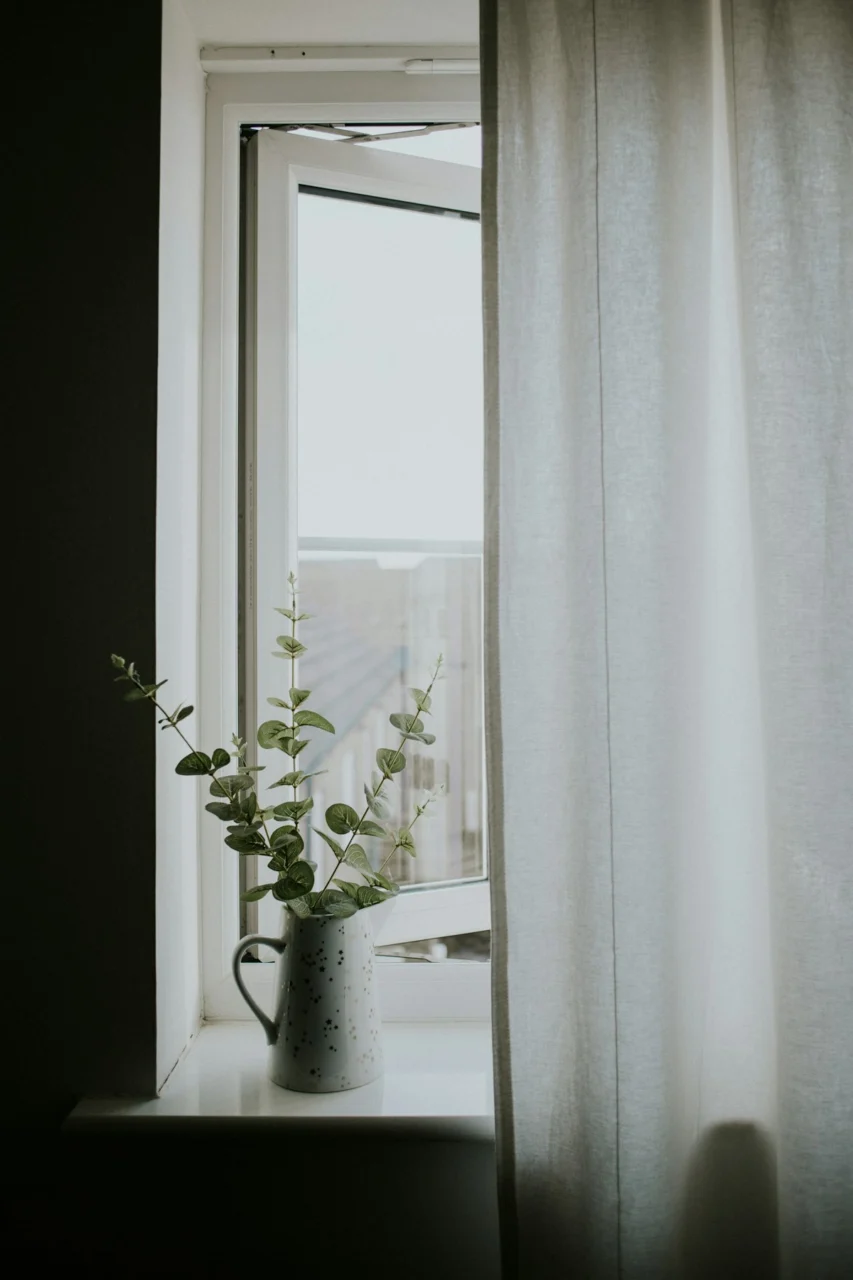
Photo by Beth Stevenson on Unsplash
Café‑style curtains cover the lower half of the window, preserving the view while adding a touch of intimacy. They’re perfect for dining rooms that double as breakfast nooks.
How to style
- Pick a fabric that echoes the dining room’s secondary colors—perhaps a muted teal that matches a vase set.
- Pair with a sheer top panel for a layered effect that lets morning light pour in.
- Use a simple rod with decorative finials to keep the look light and airy.
Practical points
- Measure from the floor to the desired height—typically 3‑4 inches above the table surface.
- Choose a hem that is easy to hem at home; a double‑fold hem works well for most fabrics.
- Because only the lower portion is covered, cleaning is straightforward—most café curtains are machine washable.
6. Layered Look: Combining Shades and Curtains
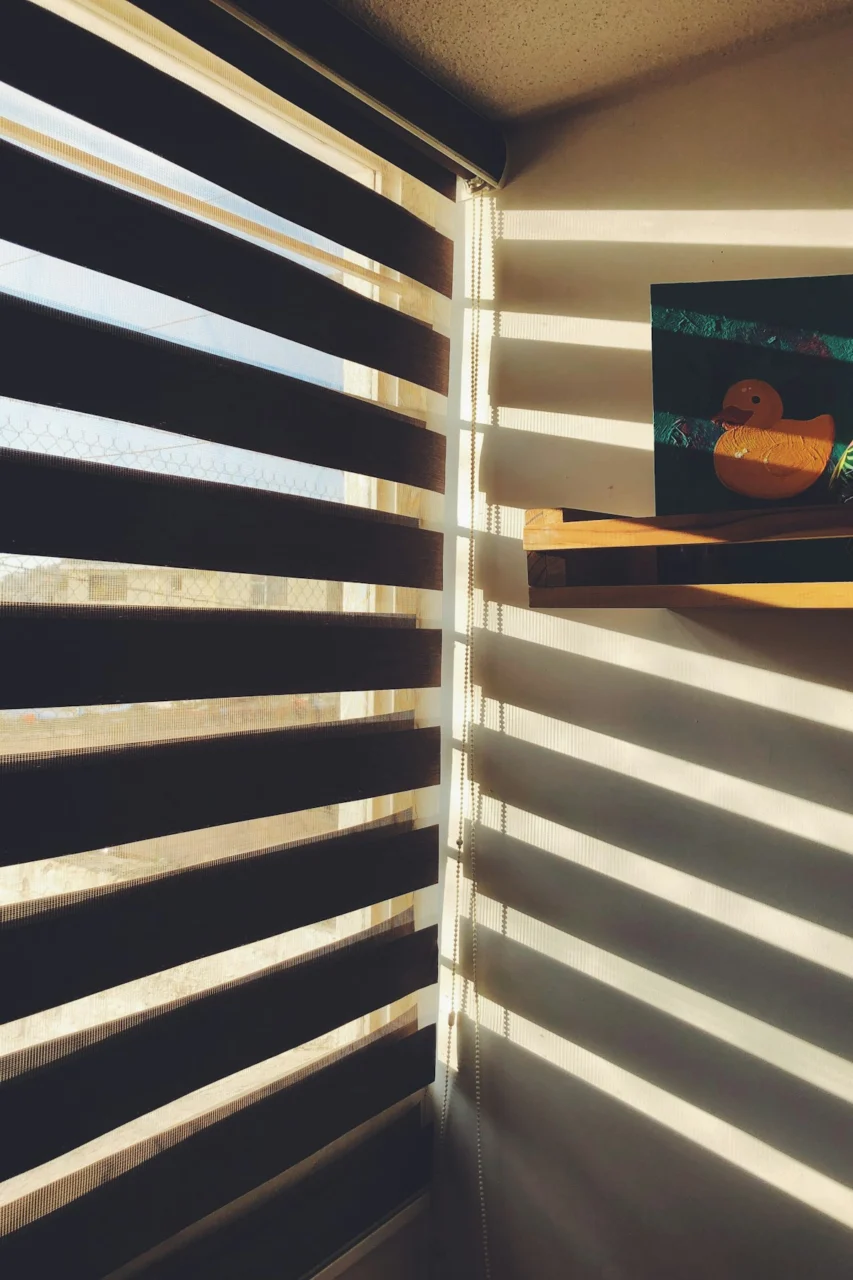
Photo by María García on Unsplash
Layering offers the best of both worlds: the precise light control of shades plus the decorative softness of curtains. This approach adds depth and visual interest without clutter.
Step‑by‑step guide
- Install a solid‑core shade—Roman or cellular—directly on the window frame.
- Hang a decorative curtain rod a few inches above the shade, allowing the curtains to drape over the top.
- Select curtains in a complementary fabric; a subtle pattern can break up a solid‑color shade.
Advantages
- During the day, pull the curtains aside to reveal the shade’s precise light control.
- At night, close both for maximum privacy and a plush, layered backdrop.
- Allows you to swap out only one element—like changing the curtains seasonally—while keeping the shade in place.
7. Statement Valances: Adding Drama at the Top
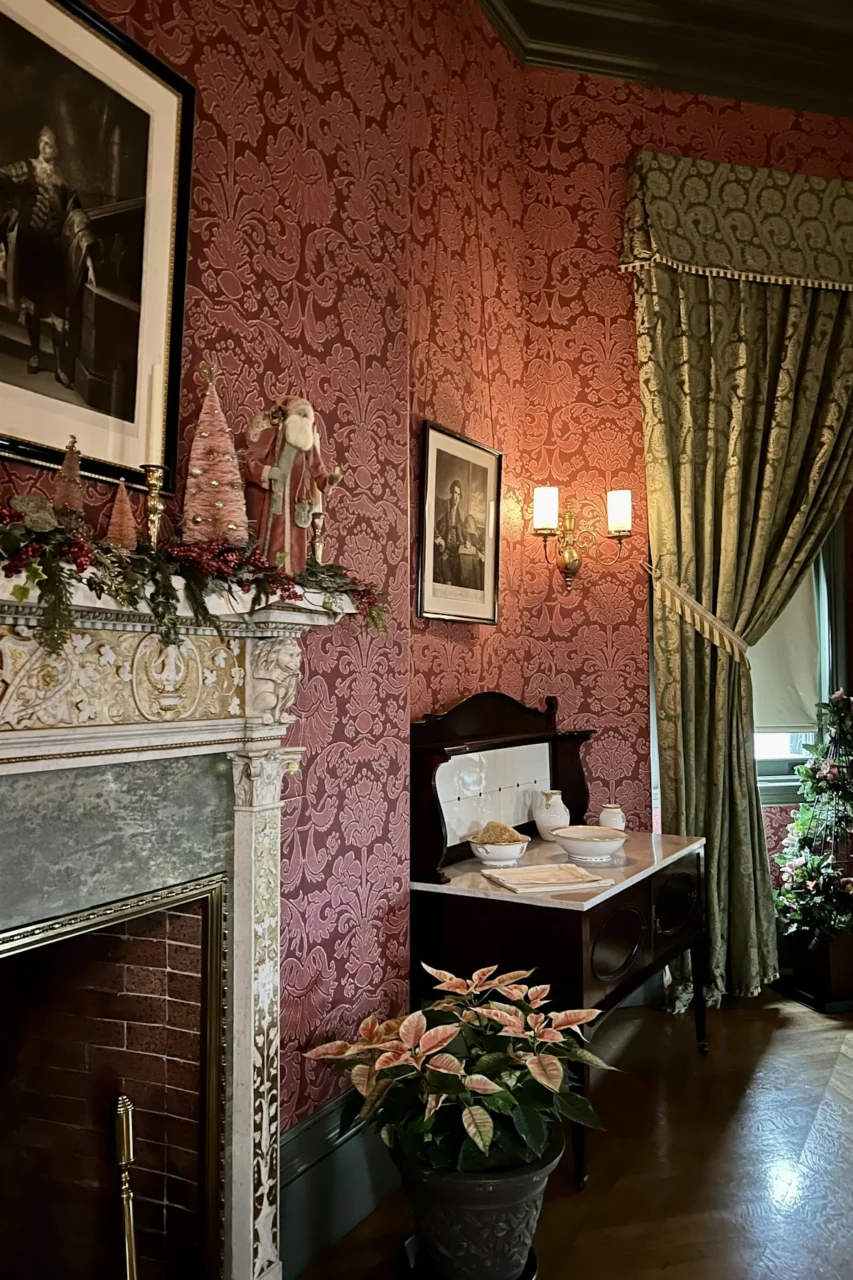
Photo by Stephanie Klepacki on Unsplash
A well‑chosen valance can turn a modest window into a focal point. Think of it as the jewelry of your dining room—small, but impactful.
Choosing the right style
- For a classic feel, opt for a swirled or pleated valance in a fabric that mirrors your drapes.
- Modern spaces benefit from a simple, straight‑cut valance in a bold color or subtle metallic thread.
- If you have a high ceiling, a taller valance (8‑12 inches) adds proportion.
Installation tips
- Mount the valance rod 1‑2 inches above the window frame to avoid visual conflict with crown molding.
- Secure with brackets that match the finish of your other hardware.
- Pair with a coordinating curtain or shade for a cohesive look; avoid clashing patterns.
Frequently Asked Questions
Photo by Alina Bondar on Unsplash
Can I install elegant window treatments myself, or should I hire a professional?
Most treatments—sheers, café curtains, Roman shades, and even basic wooden blinds—are designed for DIY installation with clear instructions. For heavier drapes that require robust rods or for custom tailoring, a professional can ensure proper support and flawless hemming.
How do I balance natural light with privacy in a dining room that faces a busy street?
Layering is the most effective strategy: start with a light‑filtering shade or sheer panel to soften glare, then add a heavier curtain or valance that can be drawn for full privacy when needed.
What fabric should I avoid in a dining room with frequent spills?
Highly textured fabrics like boucle or loosely woven linen can trap liquids and become stains. Opt for tightly woven blends with a protective finish, or choose fabrics that are labeled machine‑washable.
Is there a budget‑friendly way to achieve an elegant look?
Yes. Focus on one statement element—such as a high‑quality valance or a set of sleek Roman shades—and pair it with more affordable accessories like simple sheers or budget‑friendly wooden blinds. Mixing high and low creates a curated, designer feel without overspending.
Do I need to consider fire safety when selecting window treatments?
All fabrics sold for residential use meet basic fire‑retardant standards, but it’s wise to verify that the material is labeled “fire‑resistant” or “flame‑retardant,” especially if the dining room is near a kitchen or open flame.
Final Thoughts
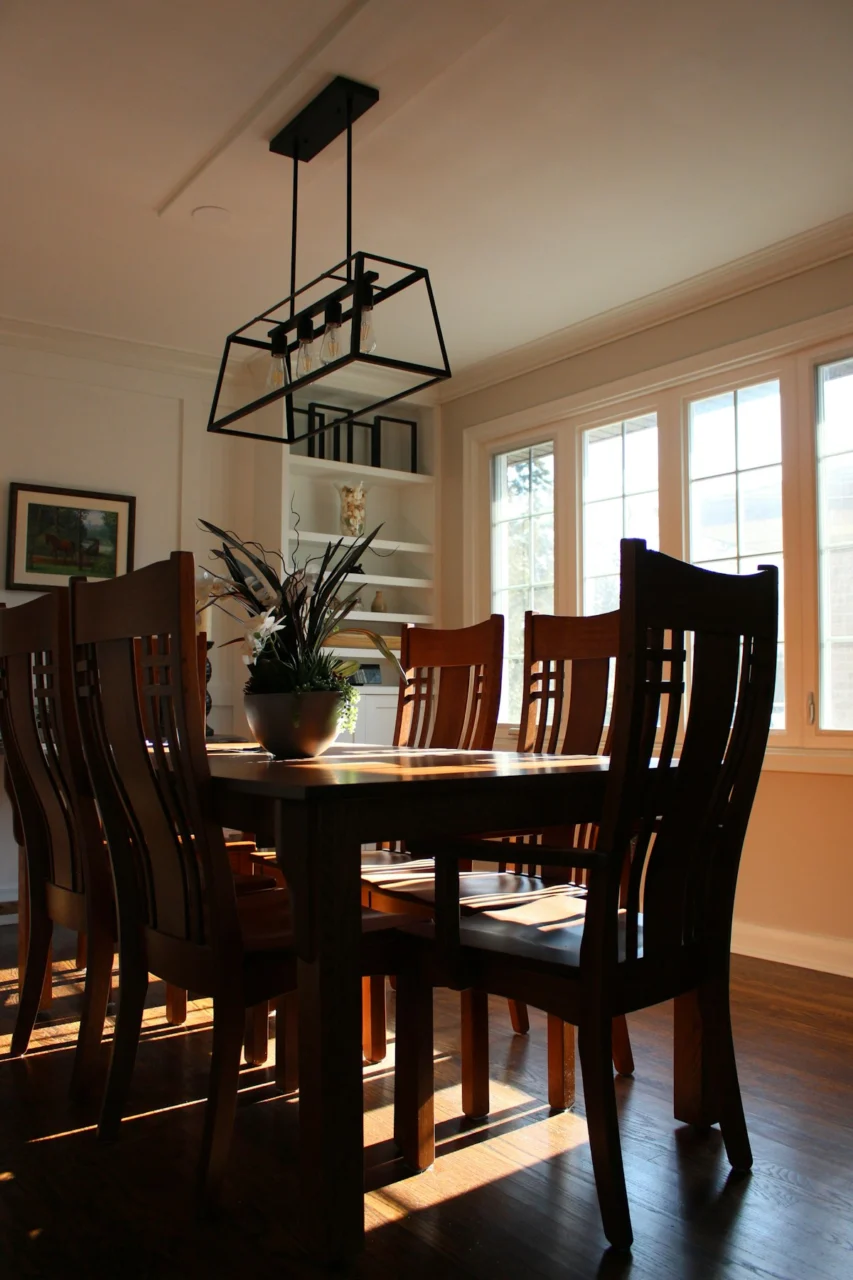
Photo by Rebecca Winter on Unsplash
Choosing the right window treatment is about more than aesthetics; it’s a blend of light control, comfort, and lasting style. By selecting one of the seven options above—or combining a few—you can give your dining room the elegant ambiance it deserves while keeping practical concerns in check. Take a moment to assess your space, test fabric swatches against the light, and enjoy the process of turning a simple window into a centerpiece of refined hospitality.