Japanese Style Living Room Ideas
When the living room feels cluttered or overstimulating, it’s hard to unwind after a long day. A Japanese‑inspired approach can turn that space into a quiet sanctuary without sacrificing comfort. Below you’ll find seven distinct ideas that blend traditional Japanese aesthetics with modern practicality, so you can create a room that invites calm and encourages mindful living.
1. Create a Calm Canvas With Neutral Walls
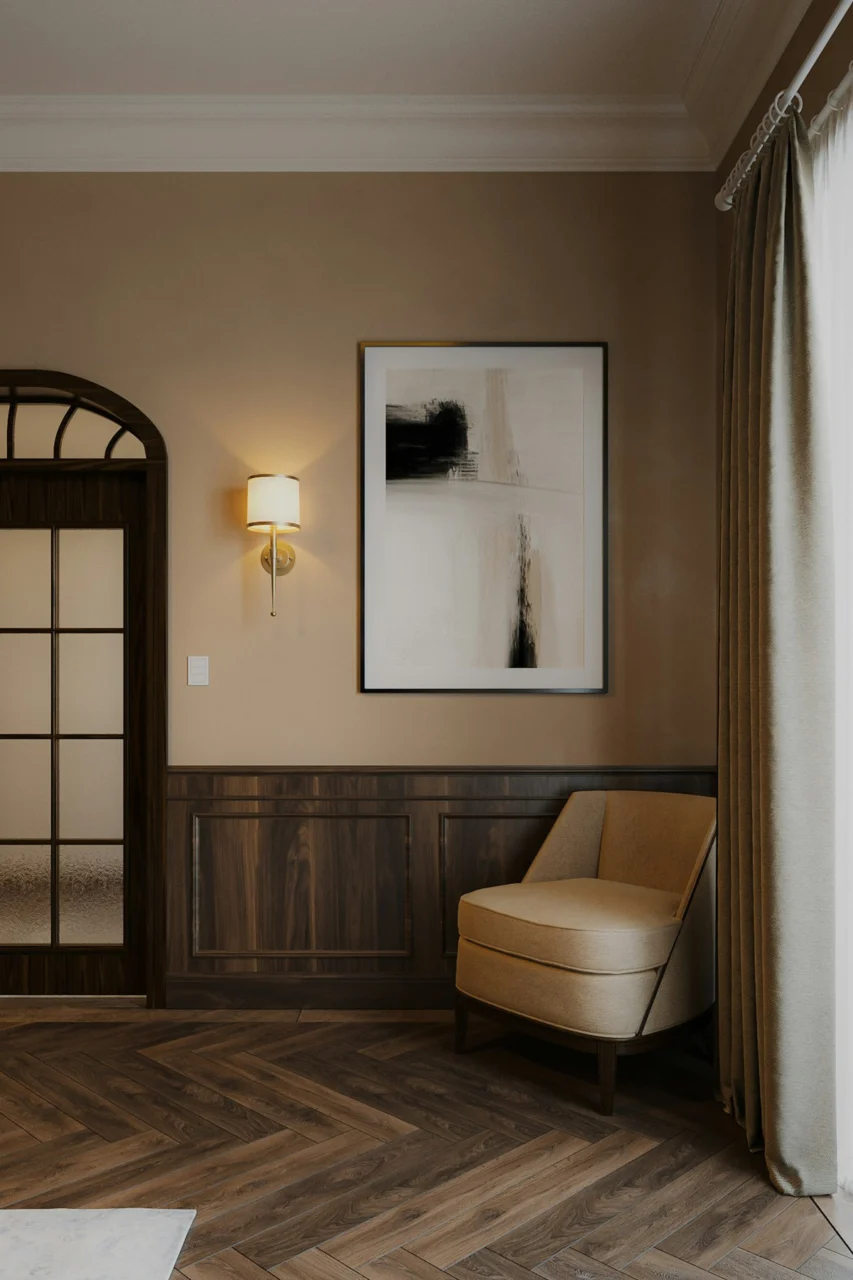
Color sets the tone before any furniture arrives. In a Japanese‑style living room, soft, muted hues such as off‑white, warm beige, or a very light gray act like a blank page for the rest of the design.
Why neutrals work
- They reflect natural light, keeping the space bright without harsh glare.
- They provide a subtle backdrop for textures and natural materials to shine.
- They reduce visual noise, reinforcing a sense of spaciousness.
For a touch of authenticity, consider a matte finish rather than a high‑gloss paint. If you love a hint of color, a single accent wall in a muted sage or indigo can echo traditional Japanese fabrics without overwhelming the calm.
2. Choose Low, Natural Seating
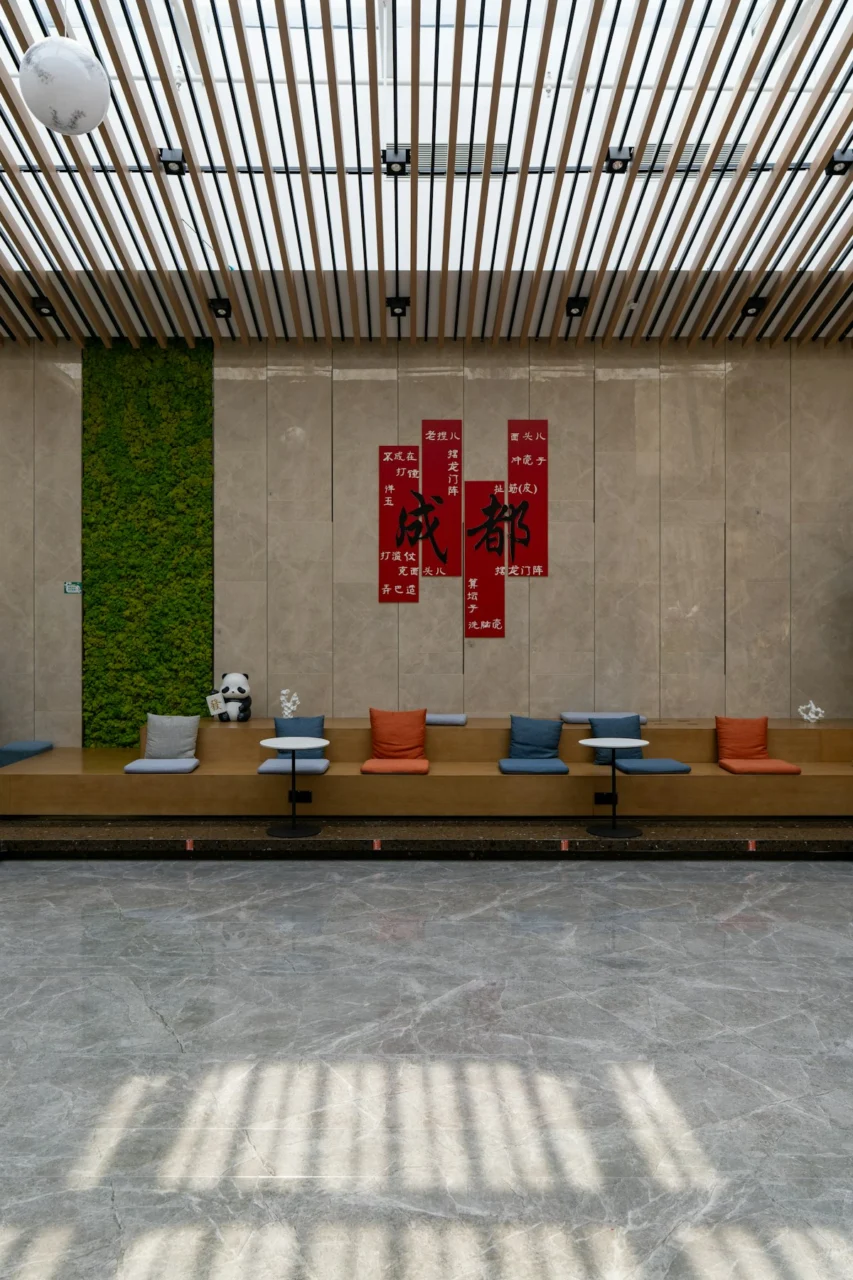
Photo by Declan Sun on Unsplash
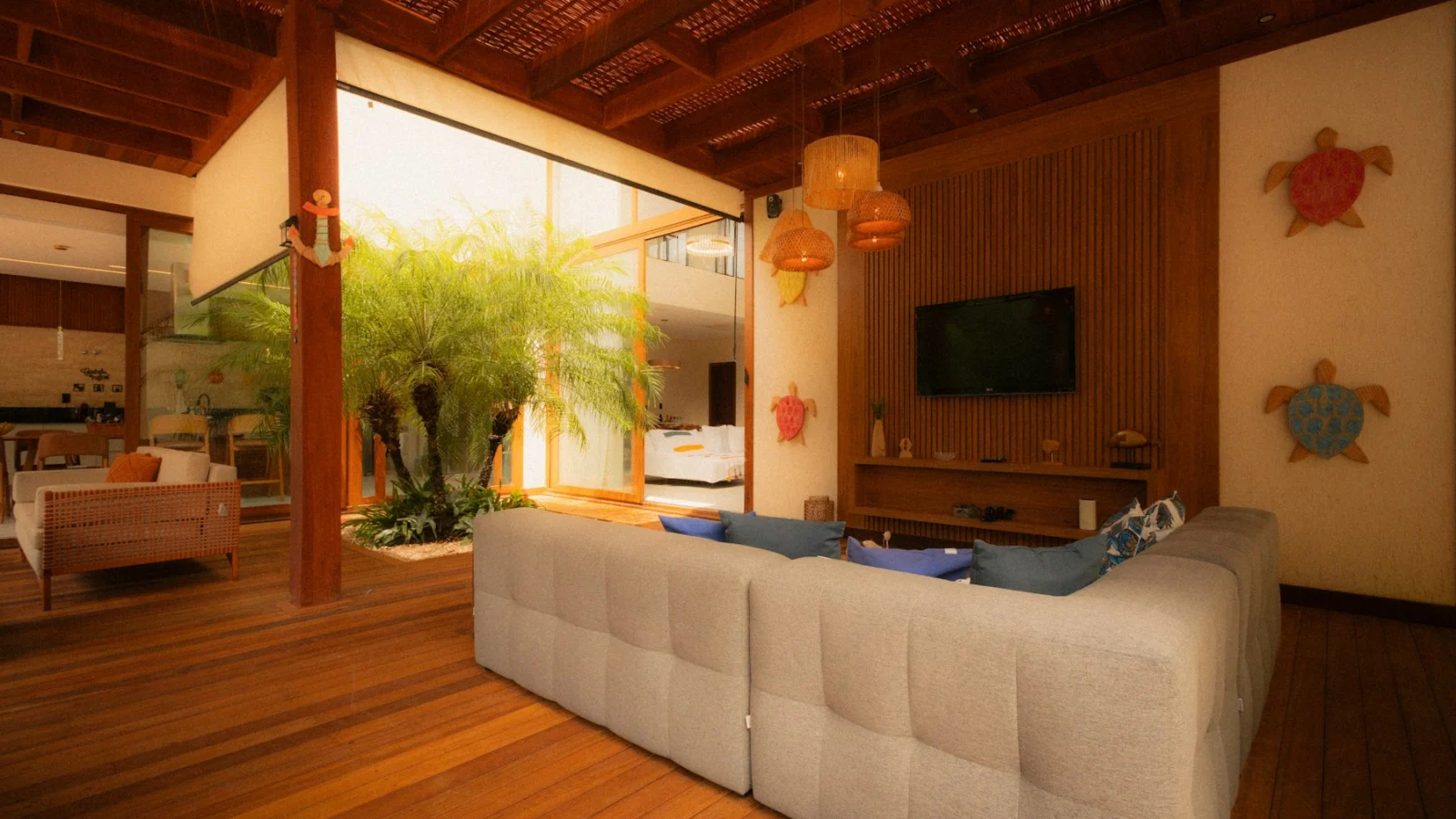
Floor‑level or low‑profile seating encourages a grounded feeling, mirroring the way traditional tatami rooms are used. Opt for a low sofa with a simple silhouette, or a set of zaisu chairs (legless chairs) paired with a soft floor cushion.
Practical tips
- Pick upholstery in natural fibers—linen, cotton, or hemp—for breathability.
- Keep cushion thickness moderate; too plush can feel out of place in a minimalist setting.
- Arrange seating in a loose “U” shape to foster conversation while still leaving clear pathways.
When space is limited, a single low sofa paired with a couple of floor cushions offers flexibility: you can pull the cushions aside for yoga, meditation, or a quick nap.
3. Introduce Natural Materials and Textures
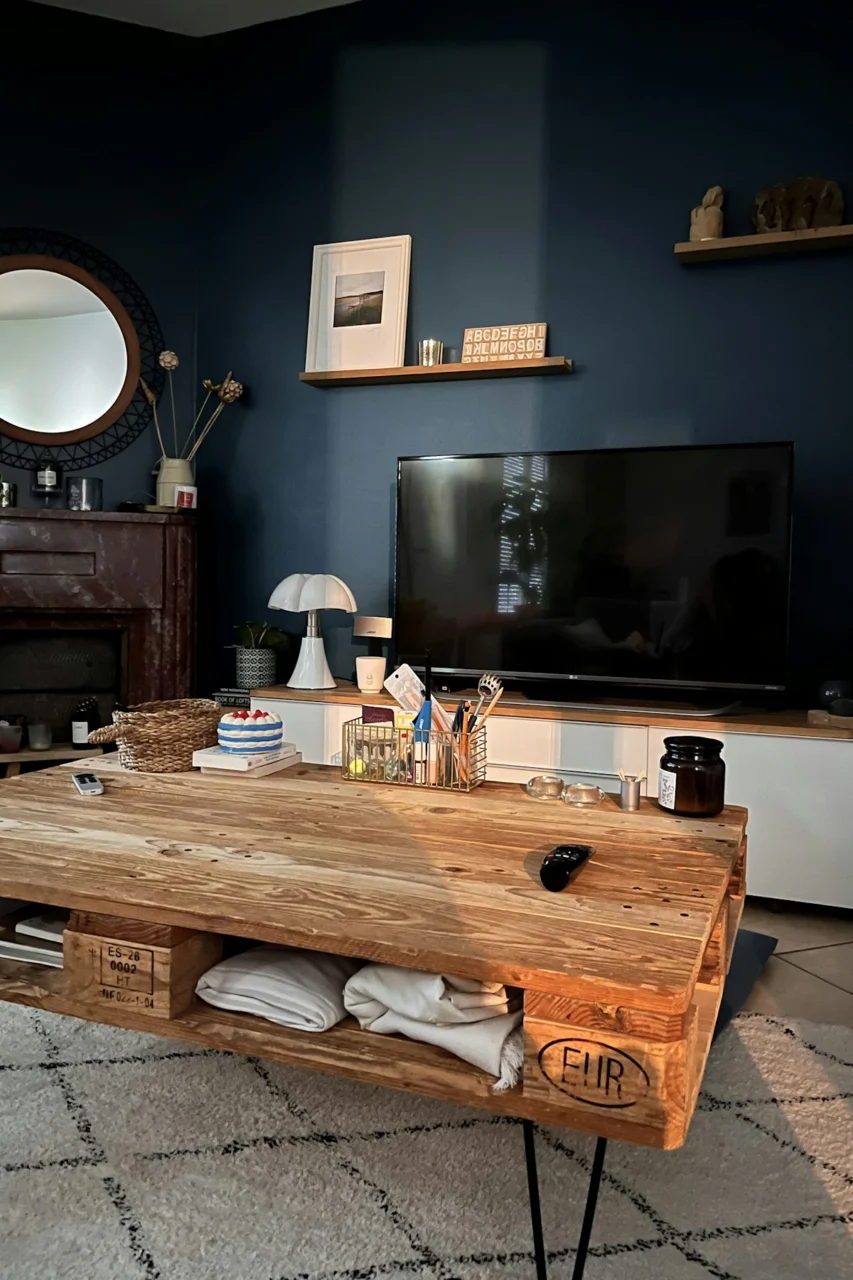
Photo by benkhira celine on Unsplash
Japanese design celebrates the beauty of imperfection, known as wabi‑sabi. Incorporate materials that age gracefully—raw wood, bamboo, and stone.
How to layer textures
- Use a reclaimed‑wood coffee table as a focal point; its grain adds visual interest without shouting for attention.
- Add a woven bamboo rug to soften the floor while keeping the room airy.
- Place a simple linen throw over a cushion for a tactile contrast that invites touch.
When selecting wood finishes, avoid overly polished surfaces. A lightly oiled or matte finish shows the wood’s natural grain and resists fingerprints better than high‑gloss varnish.
4. Use Sliding Shoji Screens for Flexible Space

Traditional shoji screens are lightweight panels made of translucent paper over a wooden lattice. Modern versions use frosted glass or fabric, but the principle remains the same: they provide privacy while allowing diffused light.
Installation pointers
- Mount the track at ceiling height for smooth operation.
- Choose a screen height that matches the room’s proportions—usually 7‑8 feet for a standard living room.
- When using fabric panels, select a natural, low‑pile weave that can be cleaned with a gentle vacuum.
Sliding screens can separate a reading nook from the main seating area without erecting a permanent wall, preserving the room’s openness.
5. Add a Touch of Nature With Indoor Plants
Plants are a cornerstone of Japanese interiors, symbolizing growth and tranquility. Choose species that thrive indoors and complement a minimalist aesthetic.
Low‑maintenance favorites
- Fiddle leaf fig – adds height and a sculptural element.
- Snake plant – tolerates low light and requires minimal watering.
- Bonsai – a living piece of art that reinforces the wabi‑sabi vibe.
Place a small potted plant on the coffee table, a taller one in a corner, and consider a hanging planter near a window to keep the floor clear. Remember to rotate pots periodically for even growth.
6. Light the Room With Soft, Layered Illumination
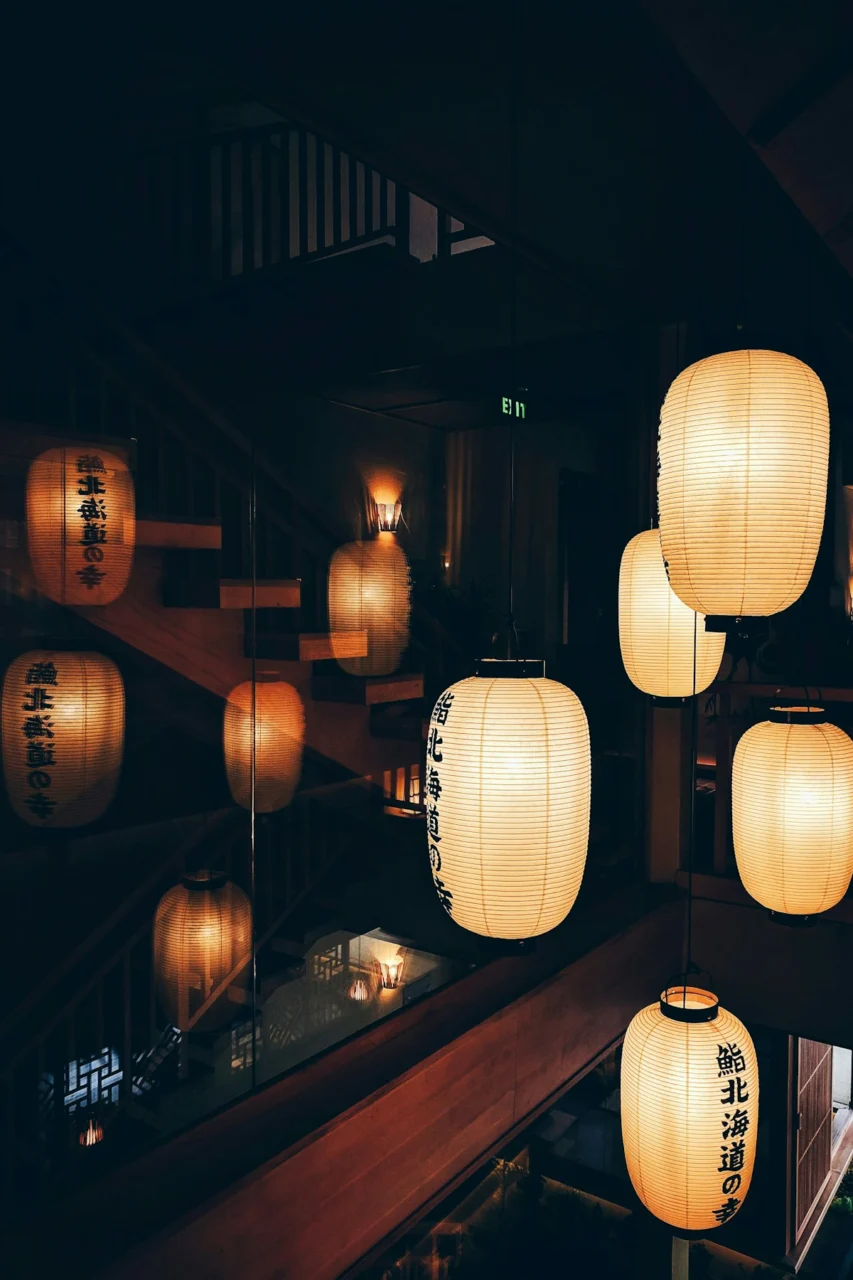
Photo by qui nguyen on Unsplash
Lighting in a Japanese‑style living room should feel gentle, like sunrise filtering through paper screens. Combine three layers: ambient, task, and accent.
Layering guide
- Ambient: A recessed LED ceiling fixture with a dimmer provides even, low‑glare illumination.
- Task: A slender floor lamp with a rice‑paper shade beside the seating offers focused light for reading.
- Accent: Small LED strips hidden behind a low shelf highlight a decorative object or a wall‑mounted artwork.
Warm‑white bulbs (2700‑3000 K) reinforce the cozy atmosphere, while a dimmer switch lets you shift from daytime brightness to evening serenity with a single motion.
7. Keep Clutter at Bay With Thoughtful Storage
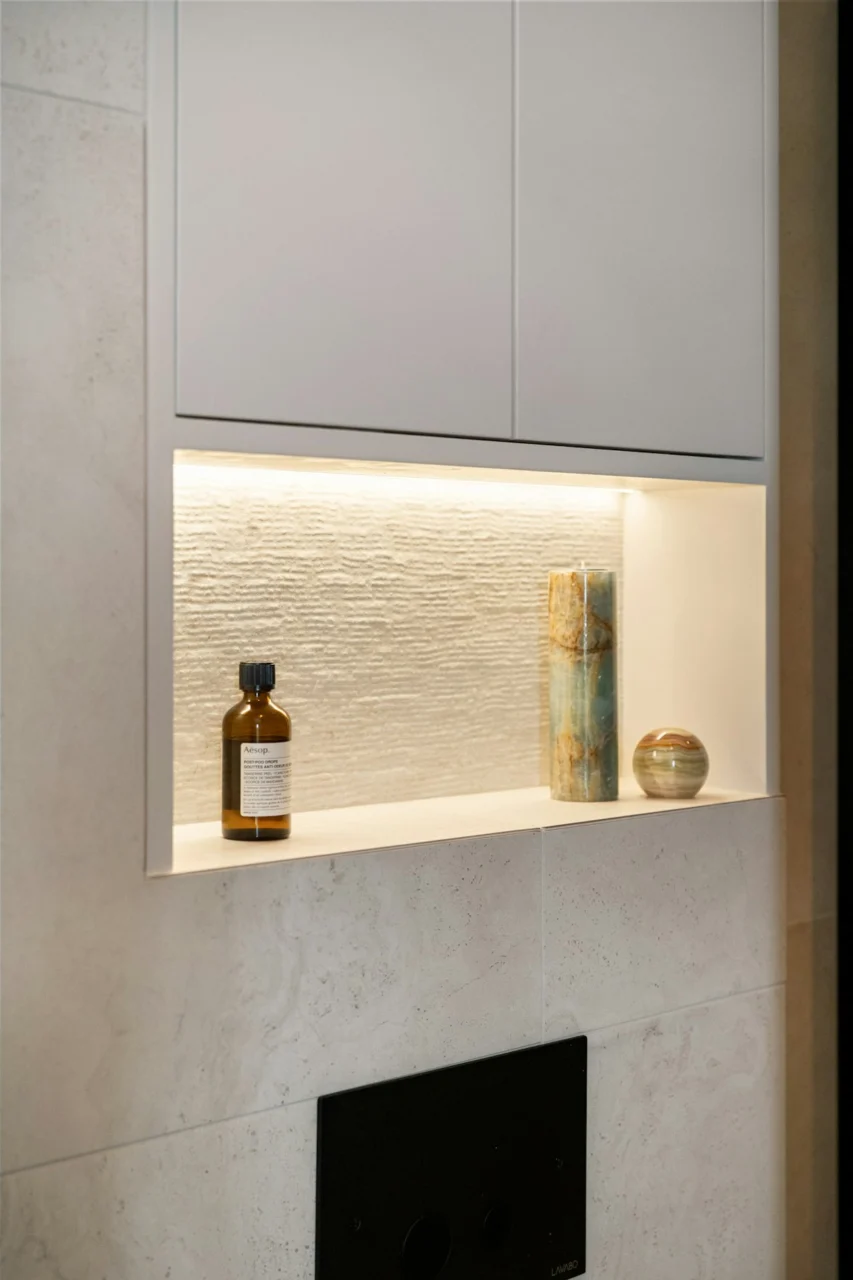
Photo by Alex Tyson on Unsplash
Zen spaces are defined by the absence of unnecessary items. Built‑in storage that blends with the wall color maintains the clean lines essential to Japanese design.
Smart storage ideas
- Install low, shallow cabinets beneath the coffee table; they hide magazines, blankets, or board games without adding height.
- Use woven baskets on the floor for items you need occasional access to—choose natural fibers that echo the room’s texture palette.
- Consider a sleek media console with hidden compartments, keeping electronics out of sight when not in use.
When selecting storage pieces, prioritize smooth‑closing mechanisms and soft‑close hinges to keep the room’s quiet ambience intact.
FAQ
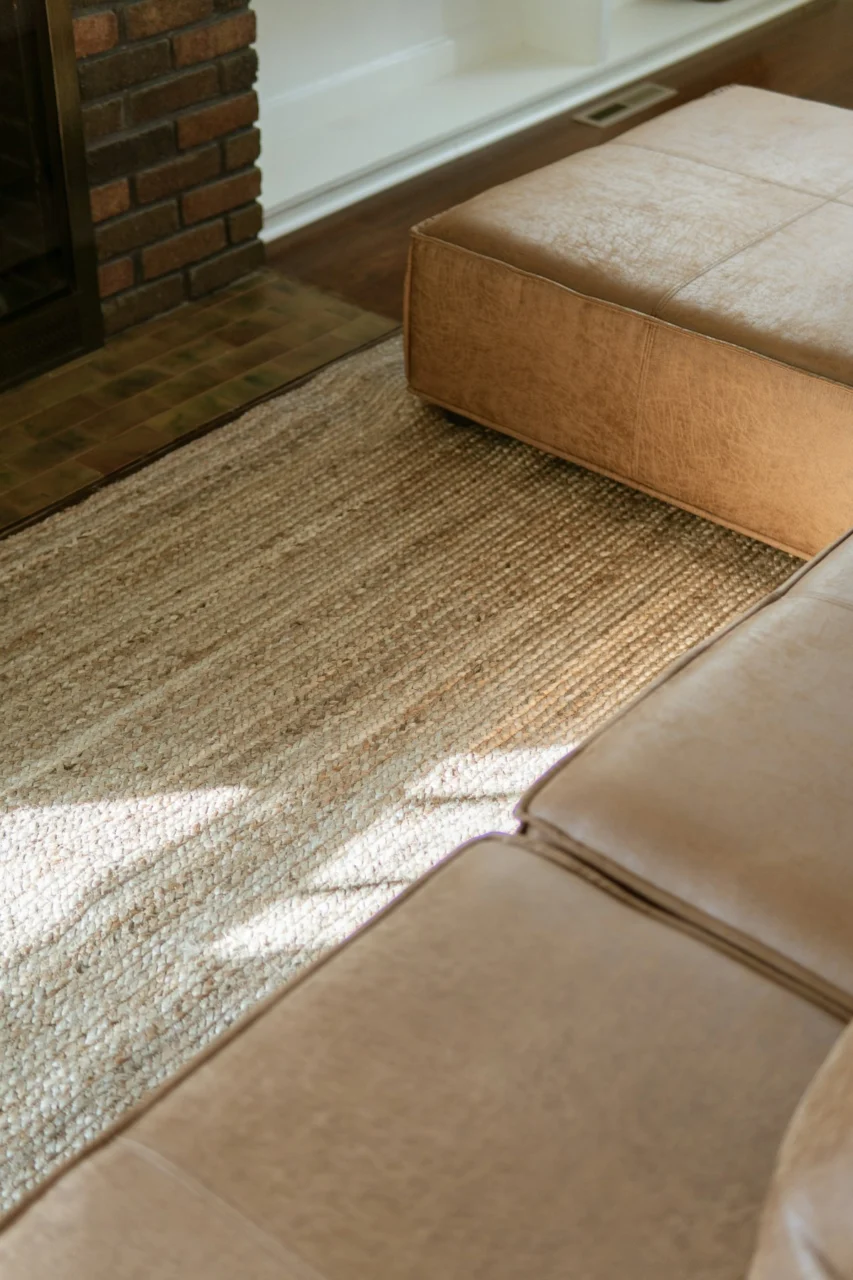
Photo by Taylor Friehl on Unsplash
What floor covering works best for a Japanese‑style living room?
A natural fiber rug—such as jute, sisal, or a low‑pile bamboo mat—adds texture without disrupting the minimalist feel. If you prefer a softer surface, a light‑colored linen rug works well.
Can I incorporate color without breaking the zen vibe?
Yes. Use muted, earth‑tone accents like soft sage, indigo, or rust in small doses—think a single cushion, a decorative vase, or an accent wall. The key is restraint.
Do I need authentic tatami mats?
Authentic tatami can be costly and requires specific maintenance. Instead, opt for a tatami‑style rug made from woven rush or a low‑pile synthetic version that mimics the look and feel while being easier to clean.
How can I make a small living room feel more spacious?
Keep furniture low, use neutral walls, and maximize natural light with sheer curtains or shoji screens. Mirrors placed opposite a window can also reflect light and create an illusion of depth.
Is it okay to mix modern furniture with traditional Japanese elements?
Absolutely. The balance between contemporary pieces and traditional textures is a hallmark of modern Japanese interiors. Just ensure the modern items share clean lines and natural finishes to maintain cohesion.
Final Thoughts
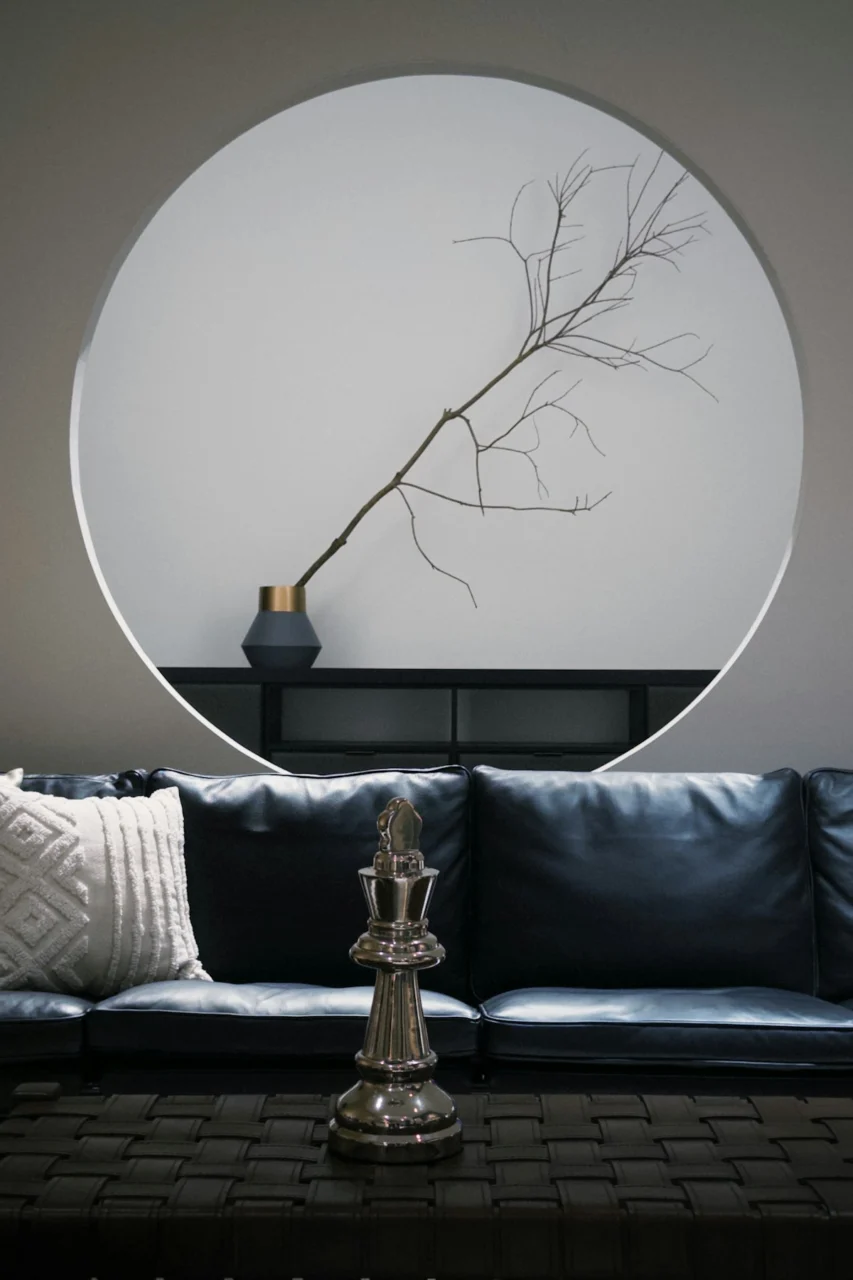
Photo by Aion Tuesday on Unsplash
Bringing a Japanese‑inspired, zen atmosphere to your living room isn’t about strict rules; it’s about thoughtful choices that promote calm, simplicity, and a connection to nature. By focusing on neutral colors, low seating, natural materials, flexible screens, greenery, layered lighting, and discreet storage, you’ll craft a space that feels both welcoming and meditative. Take one idea at a time, adapt it to your home’s layout, and enjoy the gradual transformation into a room that truly feels like a retreat.