Dining Room Curtain Ideas That Instantly Set the Mood
When you pull up a chair for dinner, the first thing you notice isn’t the place setting—it’s the atmosphere. A well‑chosen curtain can soften glare, frame a view, or add a splash of personality that makes the space feel inviting. Below are seven distinct curtain approaches that let you dial the mood from relaxed brunch to elegant soirée, all while keeping practical concerns like light control, maintenance, and budget in mind.
1. Sheer Elegance for Soft Light
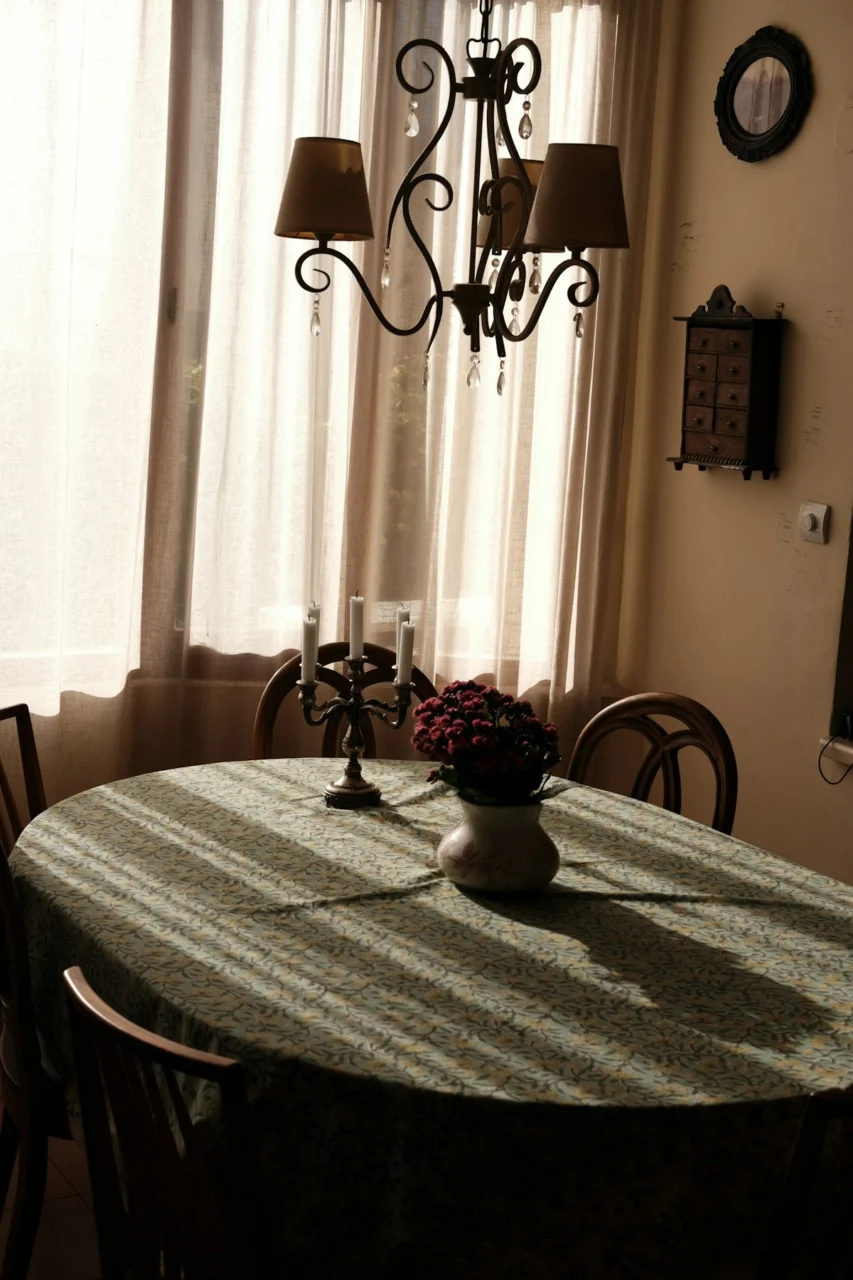
Photo by Chen Mizrach on Unsplash
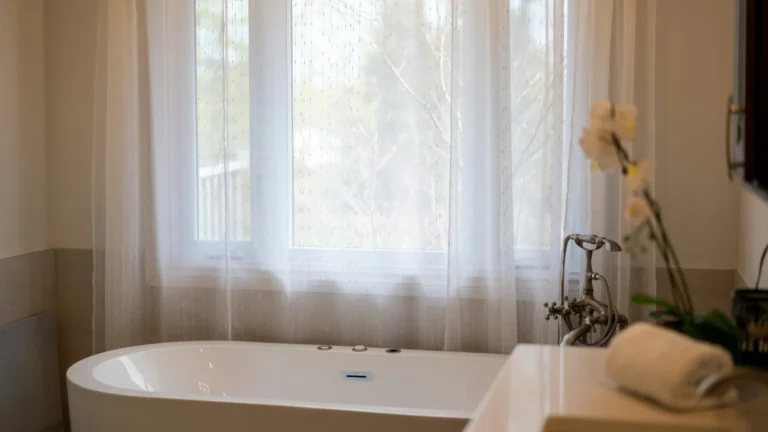
Sheer panels filter daylight without blocking it, creating a gentle glow that works beautifully for daytime meals. Because they’re lightweight, they drape effortlessly and can be paired with a heavier backing if you need occasional privacy.
Why it works
- Light diffusion: Softens harsh sunlight while preserving a view of the outdoors.
- Versatility: Easy to swap for a heavier curtain on evenings when you want more darkness.
- Budget‑friendly: Typically less expensive than lined options.
Things to watch
- Sheers can show dust quickly; a routine vacuum with a brush attachment helps keep them fresh.
- In rooms with strong winds or high traffic, choose a fabric with a tighter weave to avoid excessive flutter.
2. Bold Prints for Dramatic Flair
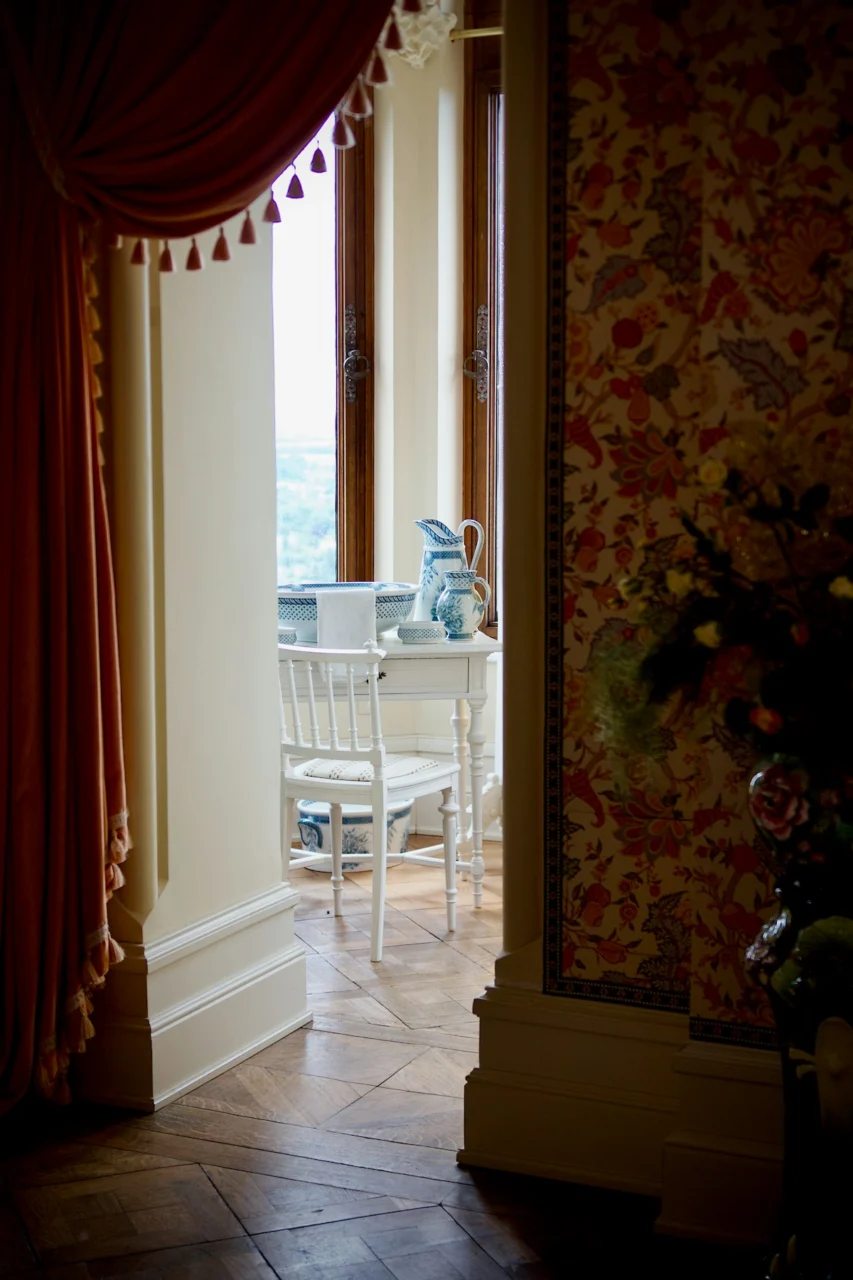
Photo by Alexandra Zelena on Unsplash
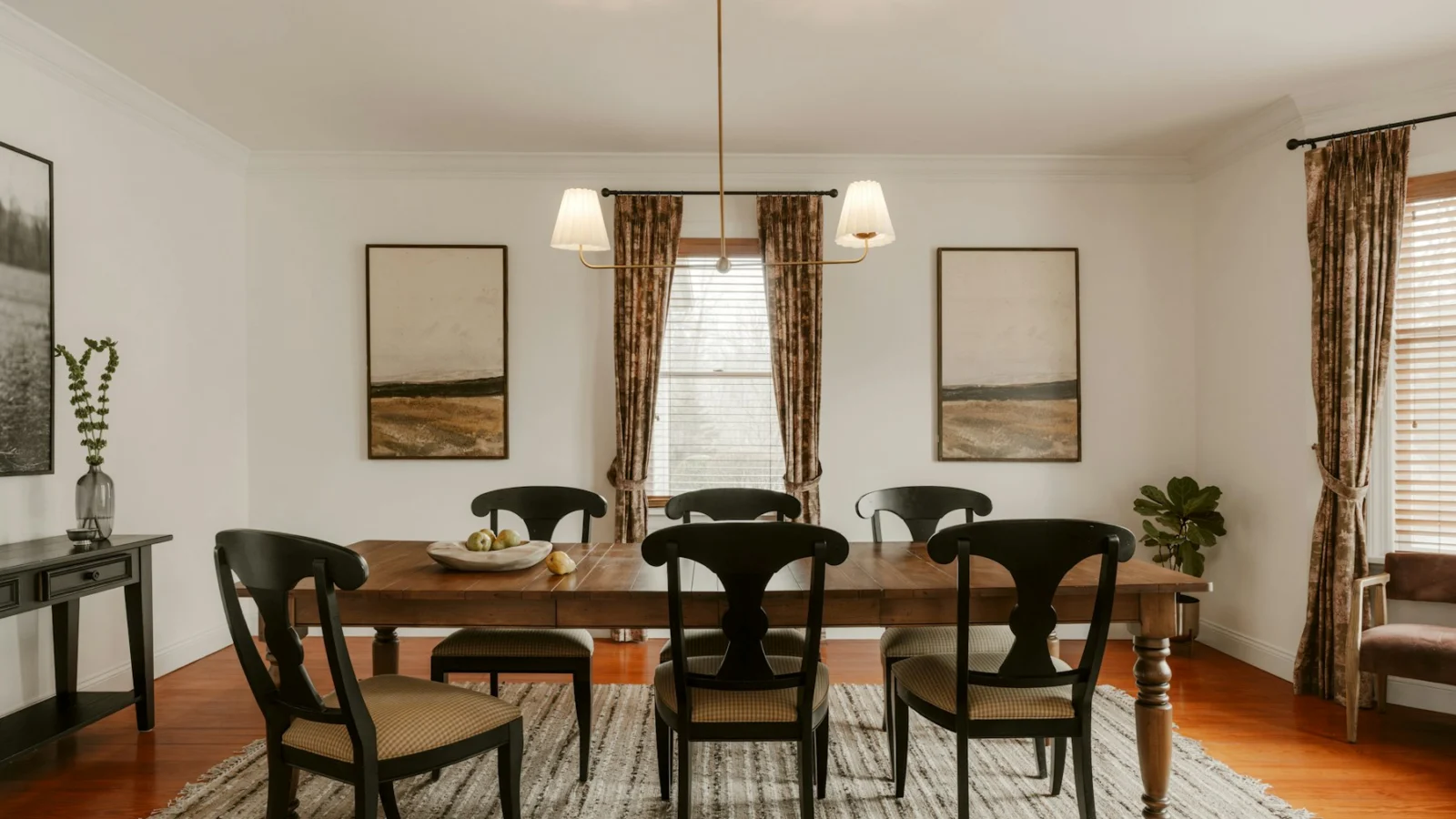
A statement pattern—think botanical motifs, geometric stripes, or vintage damask—adds instant personality. When the dining room is a neutral canvas, a printed curtain becomes the focal point without the need for additional artwork.
Choosing the right print
- Scale matters: Large‑scale designs suit expansive windows; smaller repeats work better in tighter spaces.
- Color harmony: Pull a hue from the print to echo in your table linens or wall art for cohesion.
- Material durability: Look for polyester blends that resist fading, especially if the room gets a lot of sun.
Potential pitfalls
- Over‑patterning can overwhelm a small dining area—balance with solid‑colored chairs or a muted rug.
- Heavy prints may require a sturdier curtain rod; a metal track often handles the weight better than a simple wooden pole.
3. Layered Curtains for Depth
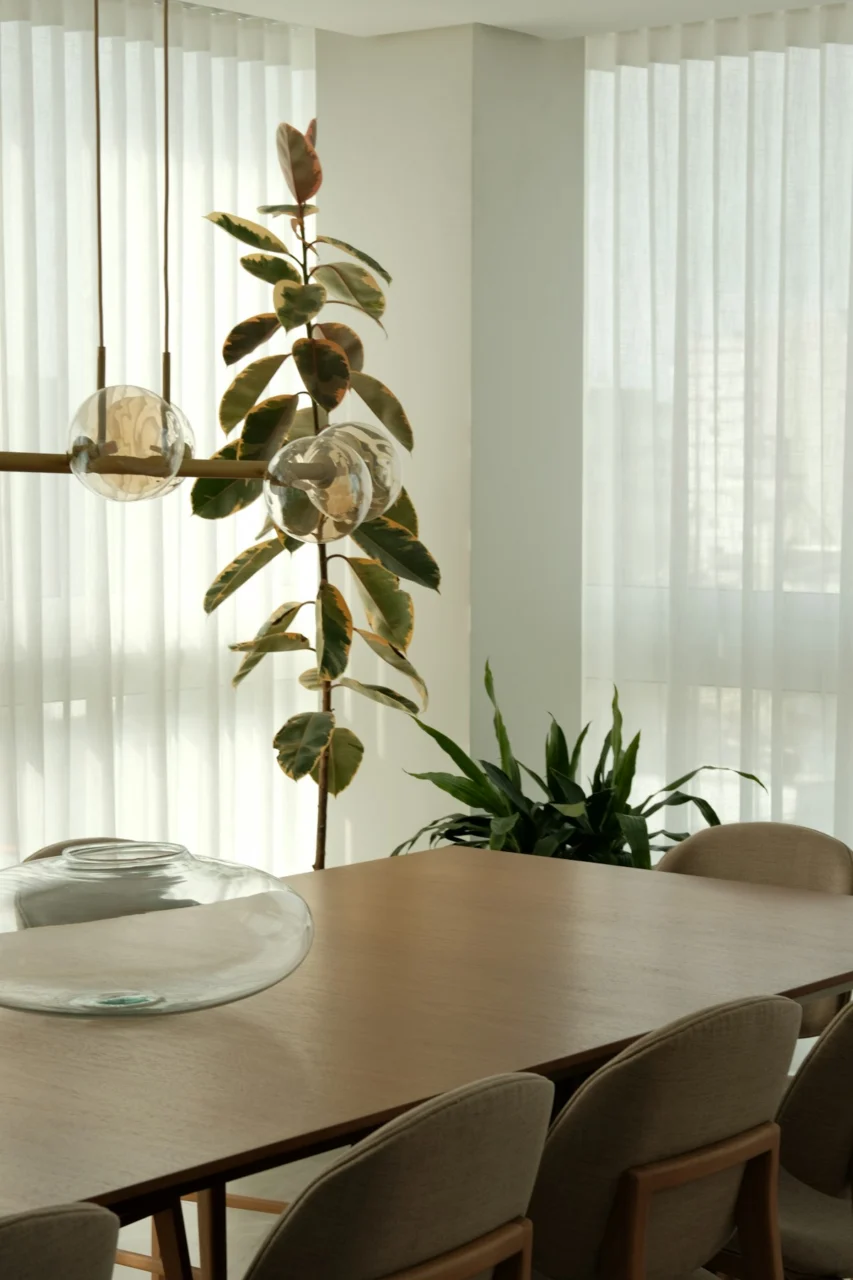
Photo by Caroline Badran on Unsplash
Combining a sheer under‑layer with a heavier drape on top gives you two looks in one. Pull the top layer aside for a breezy, casual vibe, or close both layers for a cozy, theater‑like setting.
How to layer effectively
- Start with a light, neutral sheer to maintain a bright base.
- Add a secondary panel in a complementary texture—linen, velvet, or a subtle silk blend.
- Install a double‑track system so each layer slides independently.
Maintenance tips
- Wash each layer according to its fabric care label; separating them prevents color transfer.
- Regularly check the tracks for dust buildup that can cause the curtains to snag.
4. Natural Fibers for Warmth
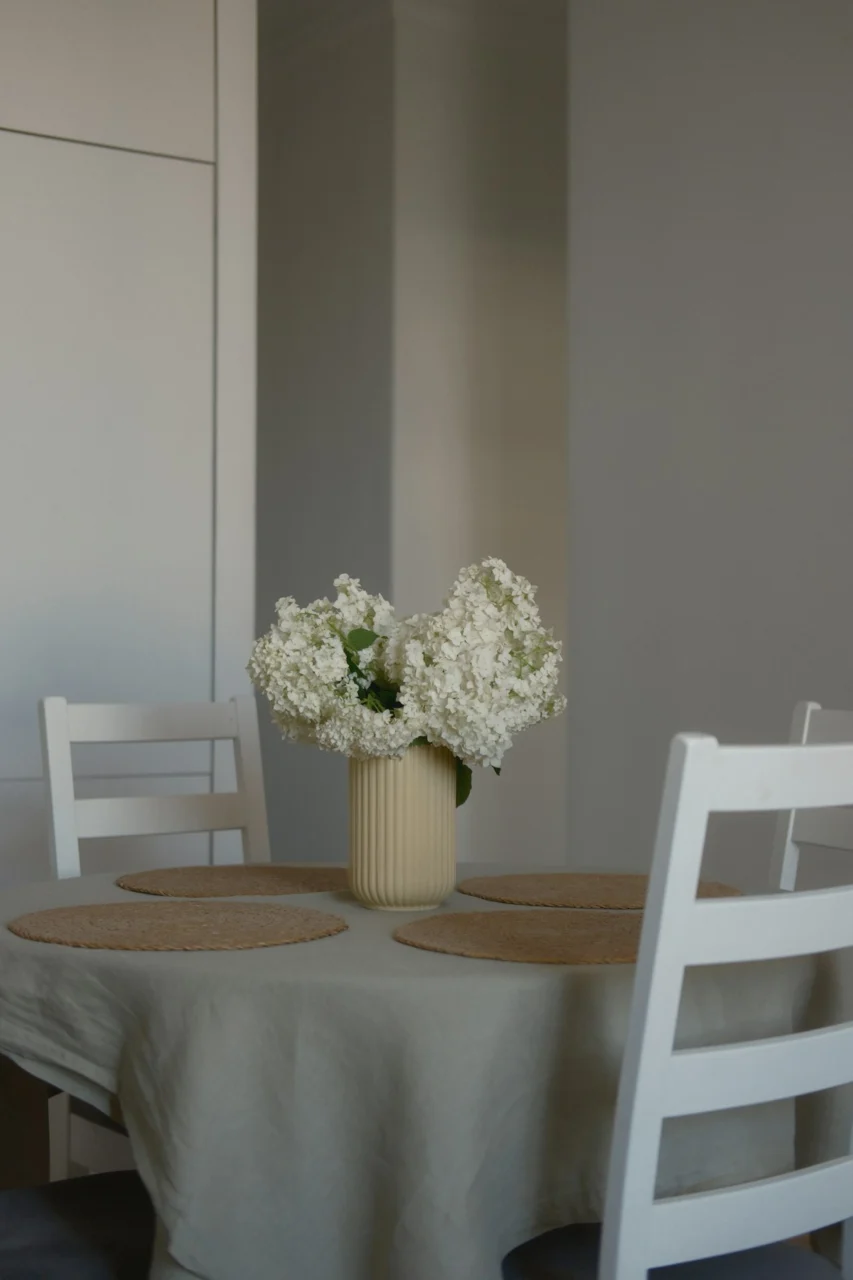
Photo by Katya Azimova on Unsplash
Materials like linen, cotton, or bamboo bring an organic softness that pairs well with wooden tables and earthy palettes. Their texture absorbs sound, reducing echo during lively conversations.
Benefits of natural fabrics
- Breathable fibers stay cooler in summer and soften in winter.
- They develop a relaxed, lived‑in look over time, adding character without extra effort.
- Eco‑conscious shoppers appreciate the renewable sourcing.
Care considerations
- Linen can wrinkle; a light steam after washing restores a crisp appearance.
- Sun exposure may fade lighter shades; consider a UV‑protective liner if the window faces south.
5. Floor‑to‑Ceiling Panels for Height
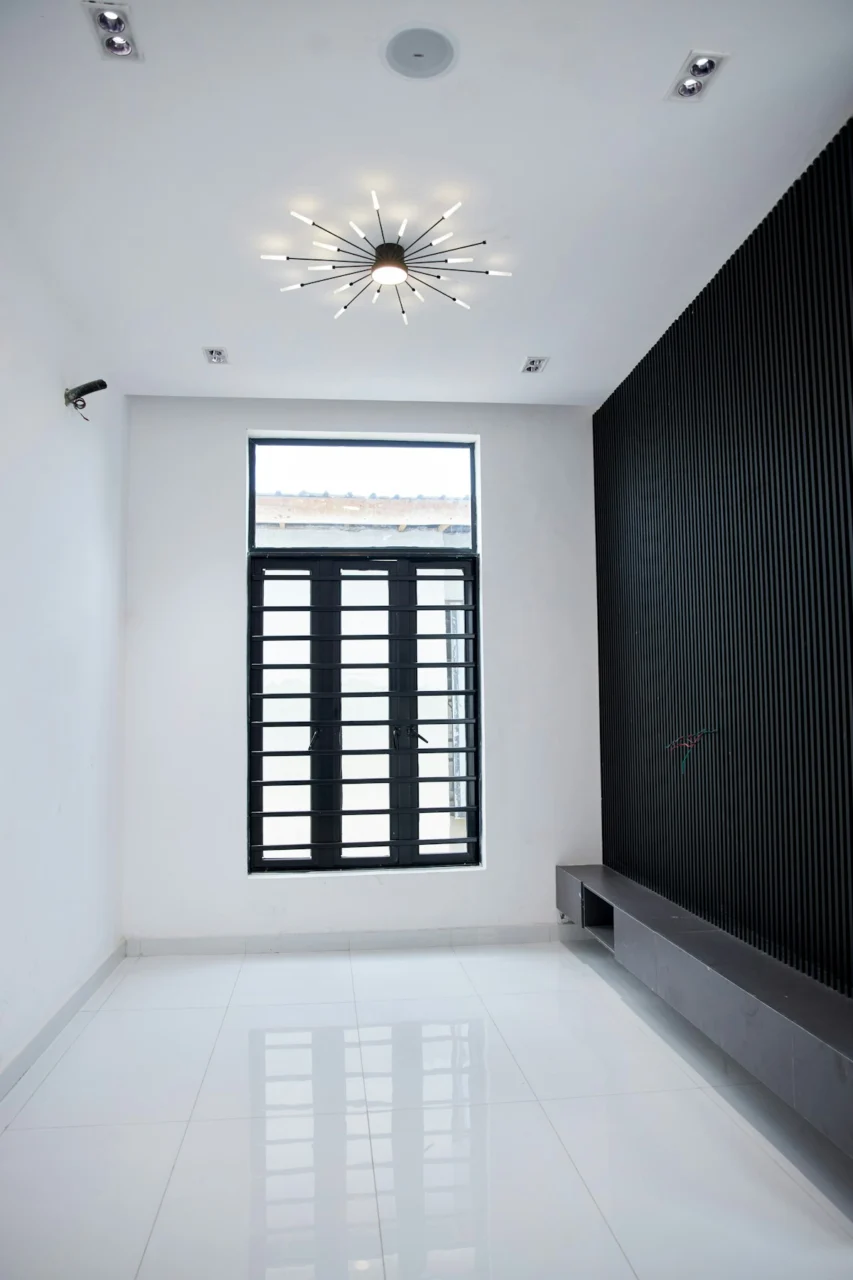
Long curtains that touch the floor—and even extend slightly beyond—create an illusion of taller ceilings. This is especially effective in rooms with modest ceiling heights or low‑lying windows.
Installation pointers
- Mount the curtain rod a few inches above the window frame, ideally near the ceiling.
- Use a wrap‑around or pocket style to keep the fabric gathered neatly at the bottom.
- Choose a weight that hangs straight; too light a fabric will billow and lose the elongating effect.
Budget angle
- Prefabricated panels can be more cost‑effective than custom‑sewn options while still delivering a sleek look.
- Consider buying a single panel and folding it in half for a symmetrical appearance if the window is wide.
6. Metallic Accents for Modern Glam
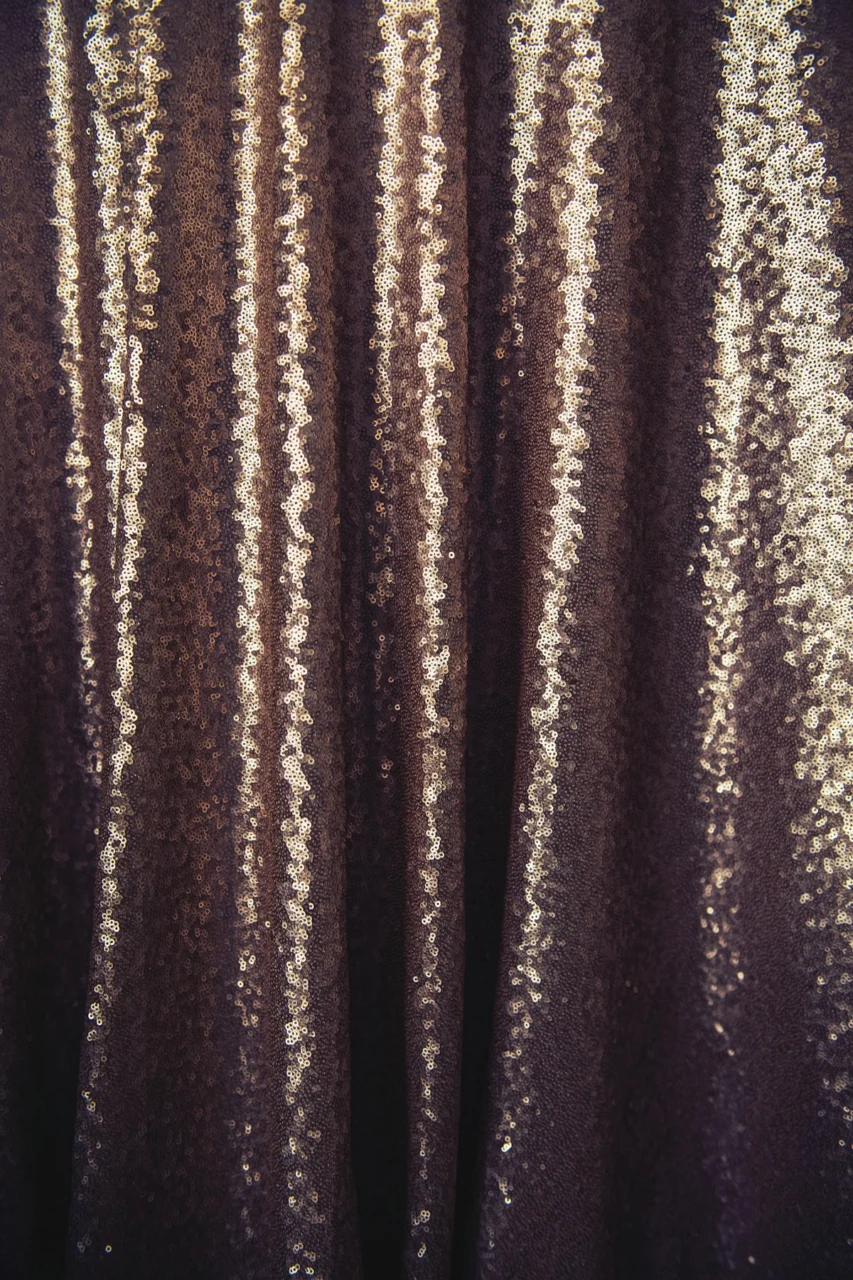
Photo by Tim Mossholder on Unsplash
Threaded metallic fibers or a subtle sheen on a blackout curtain can inject a contemporary sparkle without overwhelming the space. Gold, silver, or brushed nickel tones reflect ambient light, adding a sense of luxury.
When to use metallics
- In dining rooms with minimalist décor—metallics become the accent rather than the centerpiece.
- When the room already features glass or chrome hardware; the curtain ties the palette together.
Practical notes
- Metallic fabrics can show fingerprints; spot‑clean with a damp cloth rather than full washes.
- Pair with matte accessories to avoid a visual overload.
7. Smart Curtain Tech for Mood Control
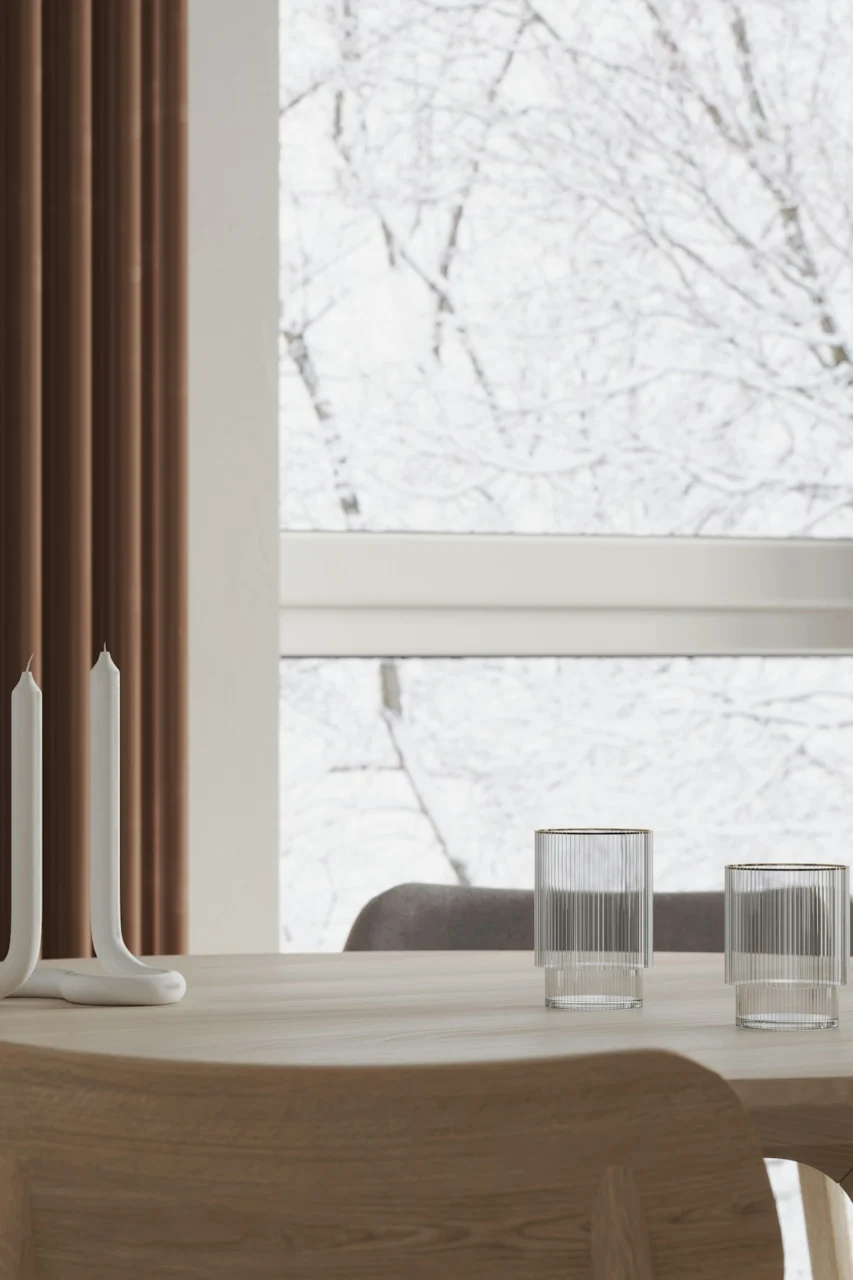
Photo by Prydumano Design on Unsplash
Motorized curtains linked to a smart home hub let you adjust light levels with a voice command or a timer. Perfect for setting the scene for a dinner party without leaving the table.
Key features to evaluate
- Compatibility with existing smart assistants (Alexa, Google Home, etc.).
- Battery‑operated vs. wired—battery units avoid drilling but may need periodic charging.
- Quiet motor mechanisms to prevent disruption during conversation.
Cost‑benefit snapshot
- Entry‑level kits start around $150; higher‑end models with integrated lighting can exceed $400.
- Consider the long‑term convenience and energy savings—automated schedules can lower heating/cooling loads by shading windows when not needed.
FAQ
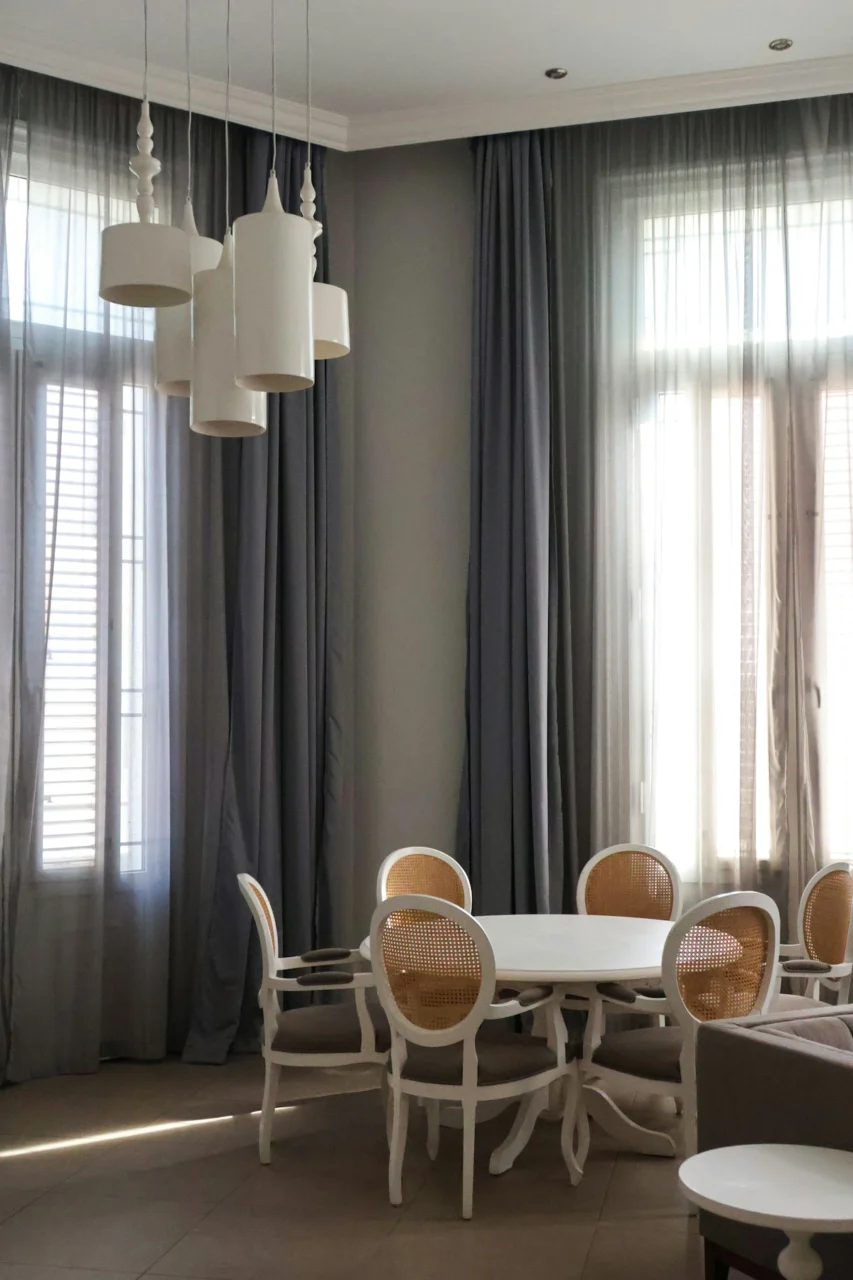
Photo by Meg von Haartman on Unsplash
What curtain length is ideal for a standard dining table height?
For most dining tables (28‑30 inches tall), floor‑length curtains that stop just a half‑inch above the floor work well. This avoids dragging on chairs while still providing a polished look.
Can I use blackout curtains in a dining room?
Yes, especially if the room doubles as a media space or you often dine at night. Pair a blackout panel with a sheer under‑layer to keep daylight options open.
How do I measure my window for a new curtain rod?
Measure the window width, then add 4‑6 inches on each side for overlap. For height, mount the rod 2‑4 inches above the frame and let the fabric fall to the floor, adding a small “puddle” if you prefer a more relaxed style.
Are there fire‑safety concerns with curtain fabrics?
Most curtains sold in the U.S. meet flame‑retardant standards. Look for labels indicating compliance (e.g., NFPA 701). Avoid hanging curtains near open flames or heat sources like candles.
What’s the best way to keep curtains looking fresh in a high‑traffic dining room?
Vacuum weekly with a brush attachment, spot‑clean stains promptly, and rotate panels every few months to distribute wear evenly. For fabrics prone to wrinkling, a quick steam can revive their appearance.
Final Thoughts
Photo by JIEUN KWON on Unsplash
Choosing the right curtain is less about following trends and more about matching the room’s function, light, and your personal vibe. Whether you gravitate toward airy sheers, bold prints, or the convenience of smart tech, each of the seven ideas above offers a clear path to setting the perfect mood for every meal. Take a moment to assess your space, weigh the practical details, and let your curtains become the quiet host that shapes the dining experience.