Japanese Style Kitchen Ideas That Are Minimal & Calm
When you step into a kitchen that feels both spacious and serene, the chaos of daily cooking fades into the background. Japanese design achieves that balance by stripping away excess and focusing on natural materials, clean lines, and subtle texture. Below are seven practical ideas you can apply today to give your kitchen a calm, minimalist vibe without sacrificing functionality.
1. Open Shelving With Natural Wood
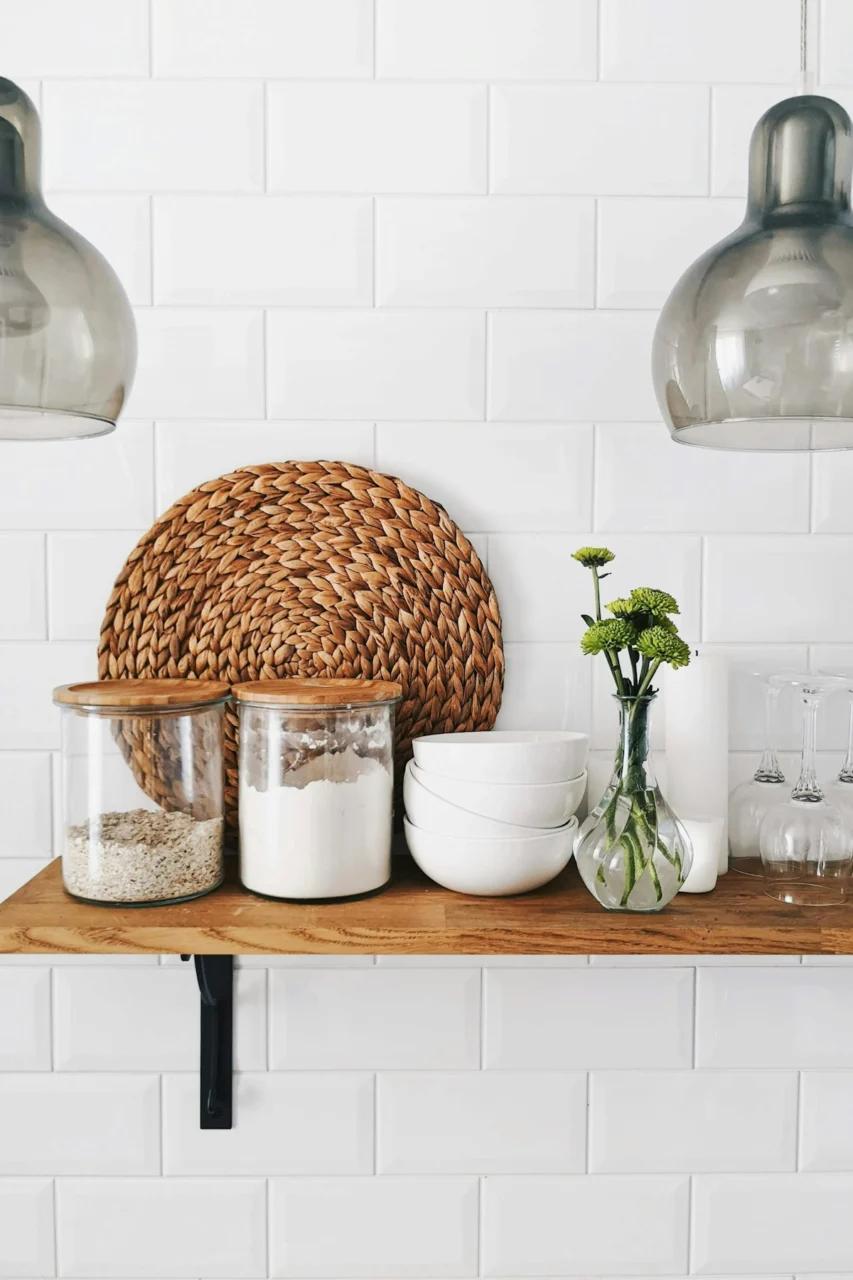
Photo by Uliana Kopanytsia on Unsplash
Replacing upper cabinets with open shelves instantly lightens the visual weight of a kitchen. Choose reclaimed bamboo or light oak planks for a warm, organic feel.
How to make it work
- Keep the depth shallow—about 8‑10 inches—so items stay within easy reach and the wall doesn’t feel crowded.
- Arrange dishes by size and frequency of use; reserve the most visible spots for everyday plates.
- Install a simple metal bracket or hidden cleat system to maintain a clean line.
Common mistake: Overloading shelves with decorative objects. Stick to essentials and let the wood speak for itself.
2. Neutral Palette With Subtle Textures
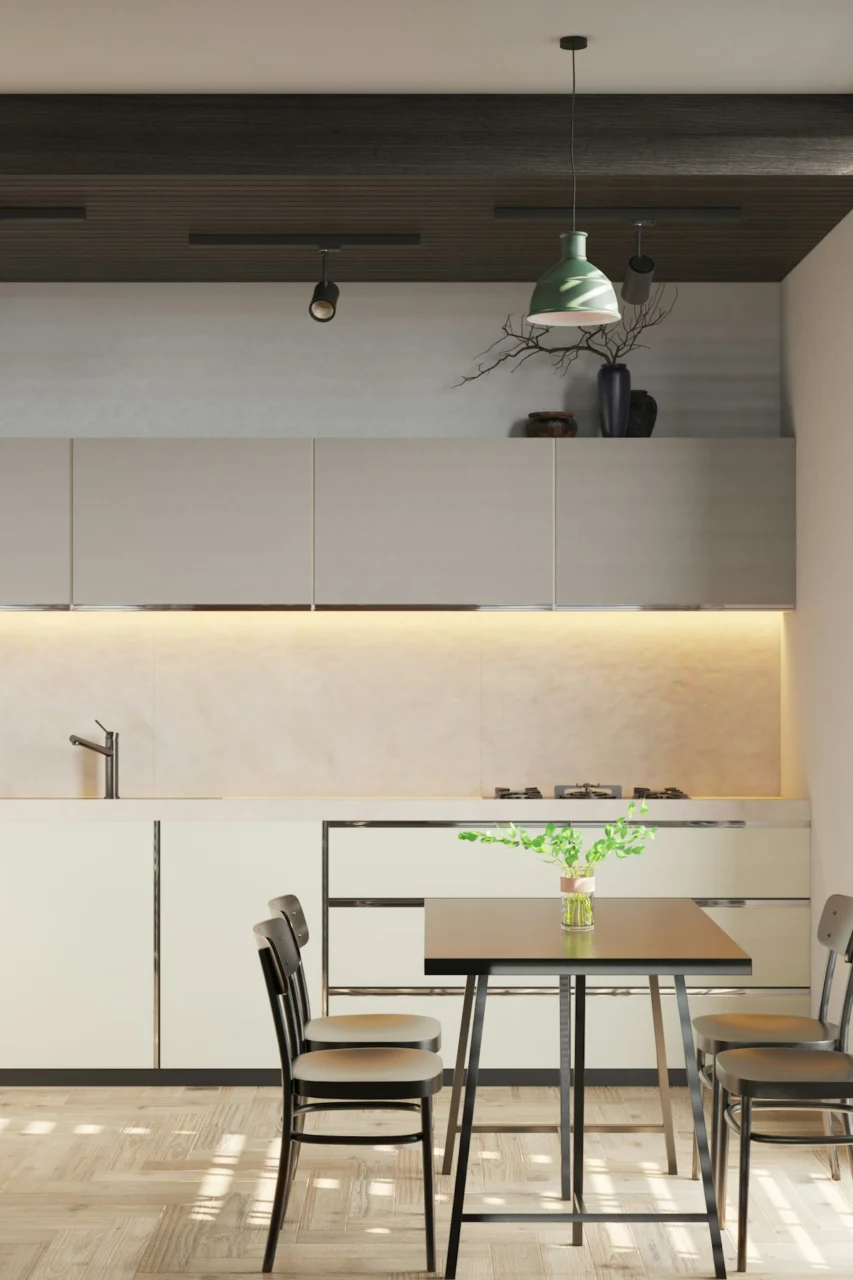
Photo by Bilal Mansuri on Unsplash
A muted color scheme is the backbone of a calm kitchen. Think soft whites, warm beiges, and pale greys, then layer in texture to avoid a sterile look.
Texture ideas
- Matte-finish ceramic tiles that feel cool underfoot.
- Woven rice‑paper lampshades that diffuse light gently.
- Hand‑finished concrete countertops that develop a natural patina over time.
When choosing paint, opt for low‑VOC formulas to keep indoor air quality high—an often‑overlooked aspect of Japanese design.
3. Low‑Profile Cabinets With Clean Lines
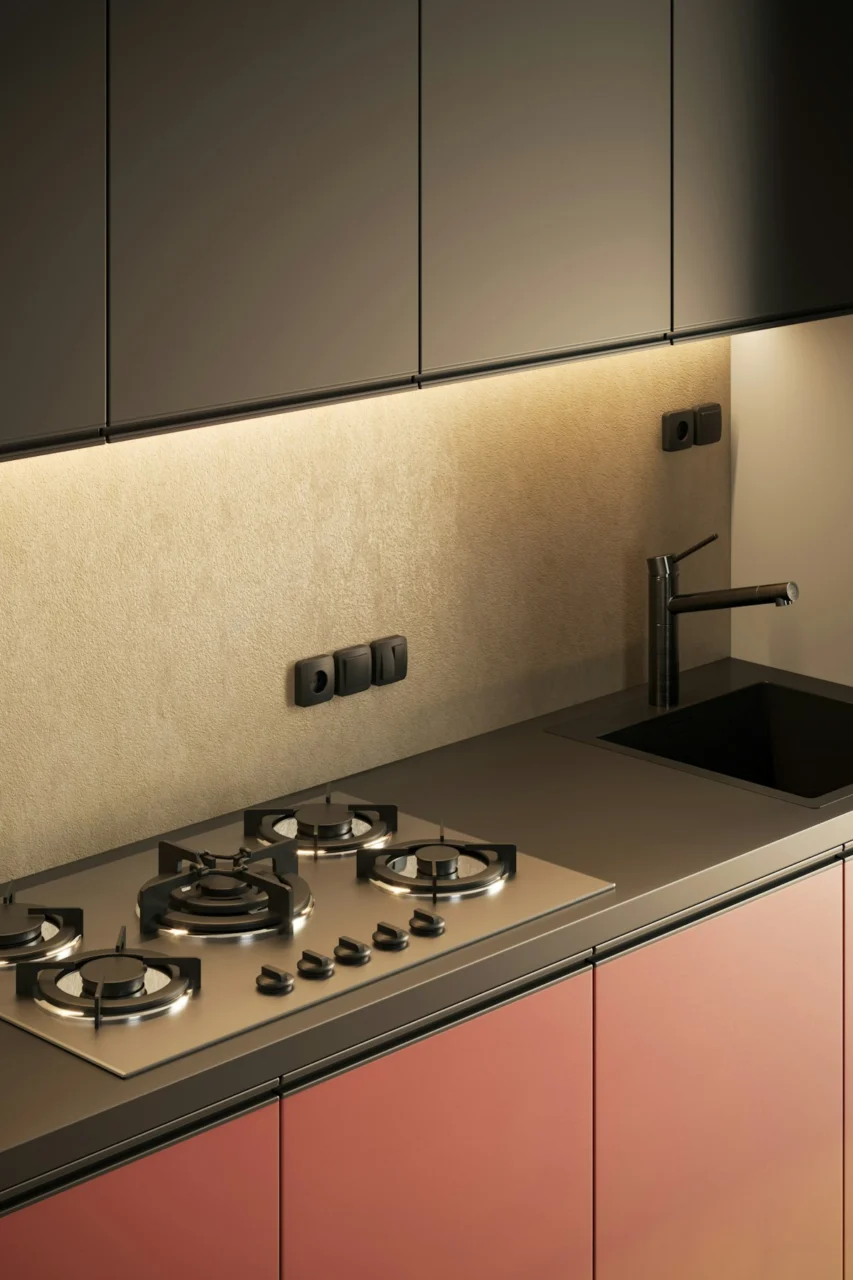
Photo by Bilal Mansuri on Unsplash
Cabinetry should hug the floor rather than dominate the room. Flat‑panel doors without ornate hardware keep the silhouette sleek.
Practical considerations
- Measure ceiling height carefully; a cabinet that stops 2‑3 inches below the ceiling creates a subtle floating effect.
- Use a soft-close hinge to maintain the quiet, peaceful atmosphere.
- Consider a two‑tone approach: a light interior finish that reveals contents without adding visual clutter.
What to avoid: Shiny lacquer finishes that reflect too much light and distract from the overall calm.
4. Natural Light Paired With Soft Ambient Lighting
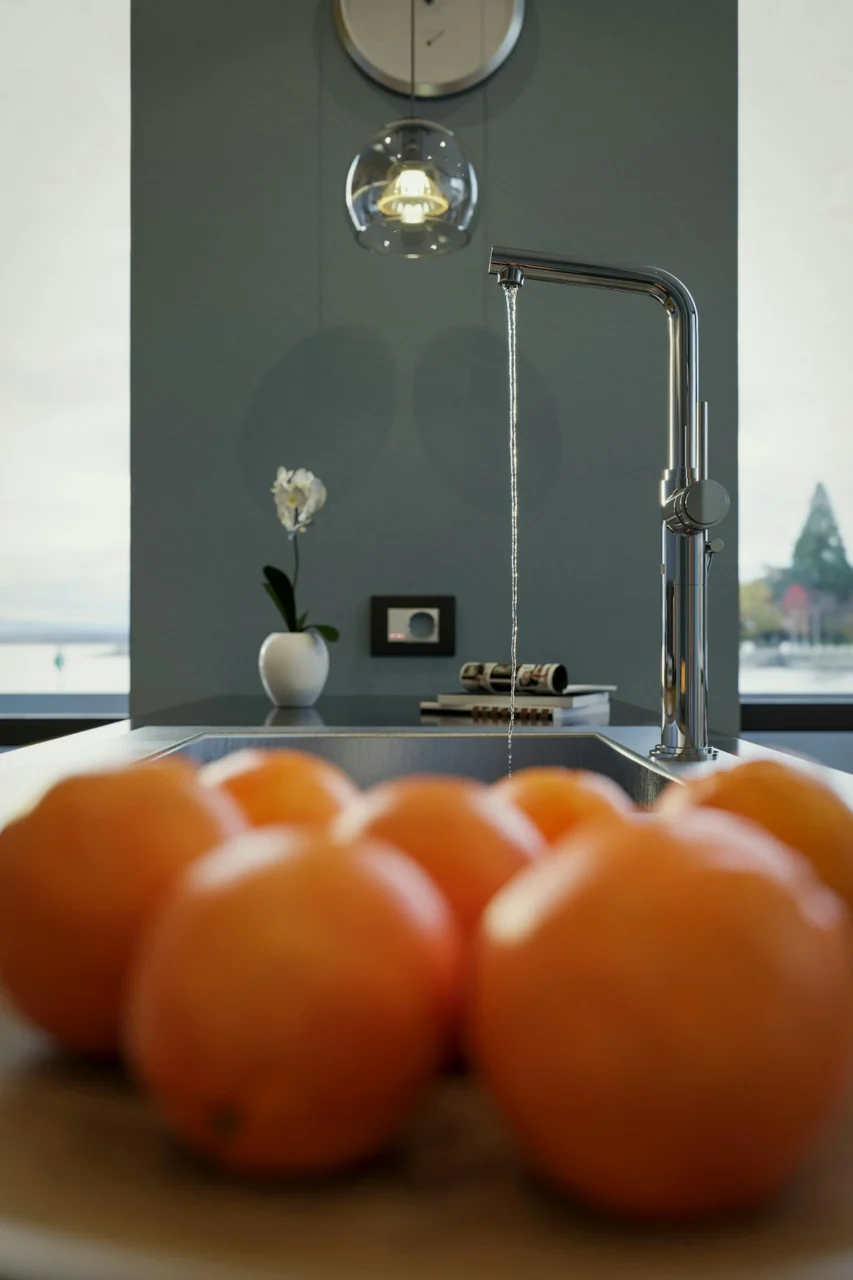
Photo by Michael Alake on Unsplash
Daylight is the most authentic source of calm. If large windows aren’t possible, replicate that effect with layered lighting.
Lighting layers
- Overhead: Recessed LED fixtures with a dimmer provide even illumination without glare.
- Task: Under‑cabinet strip lights that highlight work surfaces while staying low‑profile.
- Ambient: A single pendant with a rice‑paper shade over the island adds a warm glow in the evenings.
When installing new wiring, always follow local codes and, if unsure, consult a licensed electrician.
5. Zen‑Inspired Island or Counter
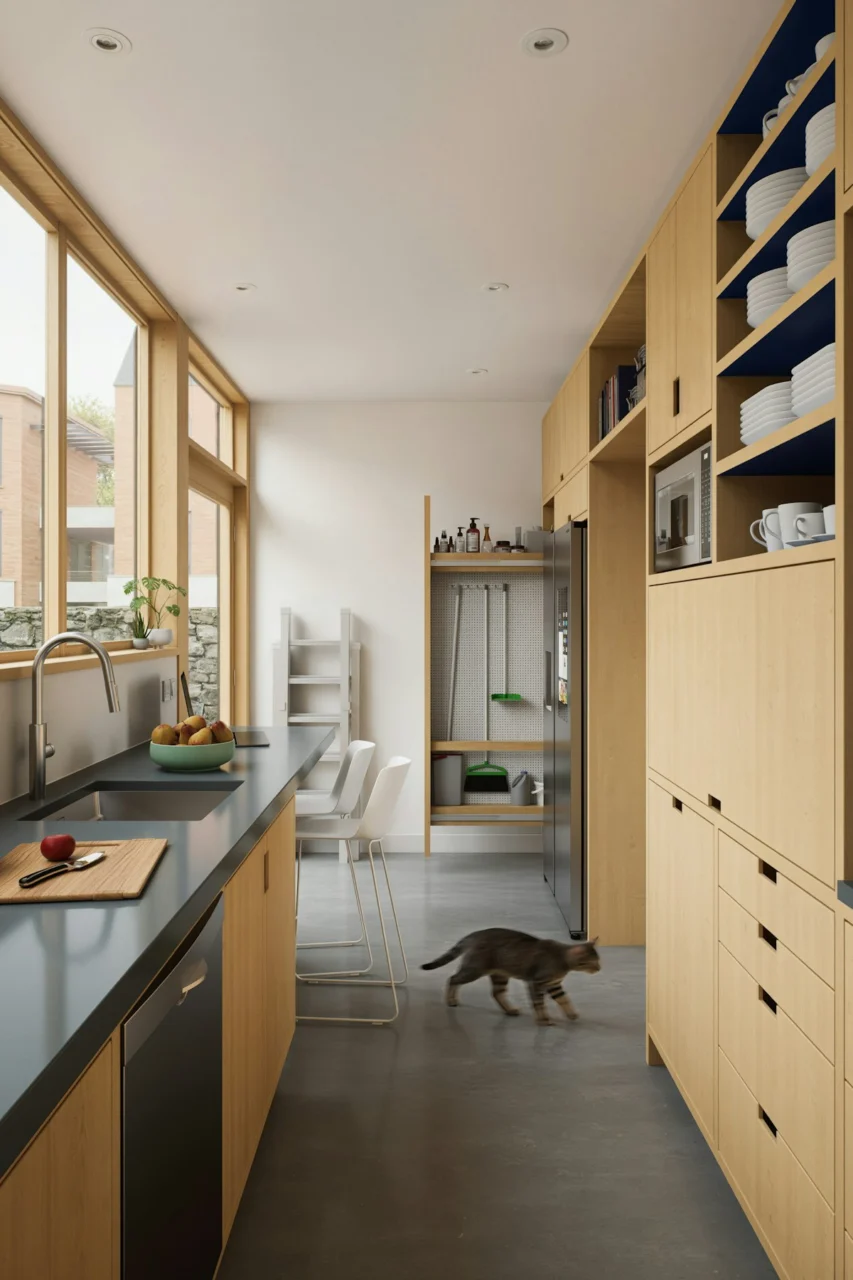
Photo by João Emanuel on Unsplash
An island can become a focal point without breaking the minimalist mood. Choose a simple rectangular form with a natural stone or concrete top.
Design tips
- Keep the island height consistent with the rest of the countertops (usually 36 inches) to maintain visual flow.
- Integrate a shallow sink or a single prep bowl rather than multiple basins.
- Leave at least 42‑inches of clearance around the island for smooth traffic.
For a touch of serenity, place a single bonsai or a small bamboo plant on one corner—just enough to hint at nature without clutter.
6. Minimalist Hardware And Fixtures

Photo by Philippe Murray-Pietsch on Unsplash
Handles, pulls, and faucets should be understated. Brushed brass or matte black finishes work well, but the key is simplicity.
Choosing the right pieces
- Opt for bar‑style pulls that sit flush with the cabinet door.
- A single‑hole pull‑out faucet with a smooth arc reduces visual noise.
- Use the same metal finish across all hardware to create cohesion.
When selecting fixtures, verify that they are easy to clean; smooth surfaces prevent grime buildup and keep the kitchen looking pristine.
7. Sparse Japanese Decorative Elements

Decoration in a Japanese‑style kitchen is about intentionality. A single piece can convey cultural depth without overwhelming the space.
Ideas for subtle accents
- A handcrafted noren (fabric divider) hung near the pantry entrance.
- A small, hand‑painted ceramic jar for tea leaves or rice.
- Simple washi‑paper wall art featuring a single brushstroke.
Remember: the goal is to add meaning, not mass. Rotate or replace items seasonally to keep the space feeling fresh.
Frequently Asked Questions
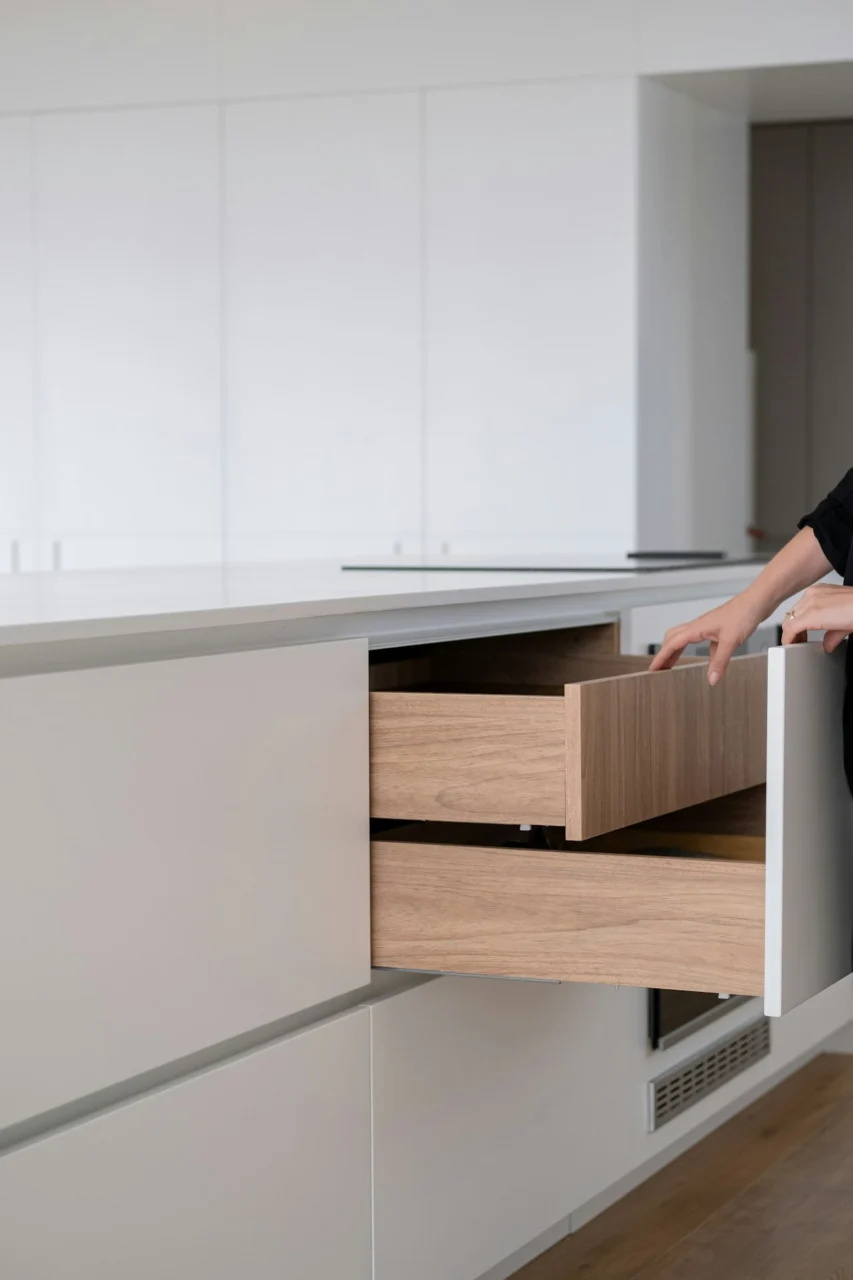
Photo by Caroline Badran on Unsplash
Can I incorporate a dishwasher in a minimalist Japanese kitchen?
Yes. Choose a built‑in model with a flat front that matches the cabinet material. A concealed handle or push‑open mechanism maintains the clean line.
What flooring works best for this style?
Light‑colored natural wood or polished concrete complements the neutral palette and adds subtle texture. Ensure the floor finish is slip‑resistant for safety.
How do I keep the space feeling warm without adding color?
Layer natural textures—wood, stone, woven fabrics—and use warm‑tone lighting. A single wooden cutting board left on the counter can also add a tactile warmth.
Is it expensive to achieve a Japanese‑style kitchen?
The cost depends on material choices. Using reclaimed wood, simple hardware, and DIY open shelving can keep the budget modest, while high‑end natural stone or custom cabinetry will raise the price.
Do I need to hire a professional for the low‑profile cabinets?
Custom cabinets typically require a carpenter for precise fitting. However, many retailers offer flat‑panel cabinet kits that skilled DIYers can install with basic tools.
Final Thoughts
Creating a kitchen that feels both minimal and calm is less about removing items and more about curating what remains. By embracing natural materials, restrained color, and thoughtful lighting, you can transform a bustling cooking area into a peaceful, functional space that reflects Japanese aesthetics. Start with one of the ideas above, adapt it to your layout, and let the calm gradually unfold.