Gravel Garden Ideas That Are Low‑maintenance & Beautiful
Imagine stepping into a backyard that feels polished, inviting, and practically self‑cleaning. Gravel offers that sleek foundation, but without a plan it can look stark or become a weed‑magnet. Below you’ll find seven distinct ideas that turn simple stone into a thriving garden space you hardly have to tend to, while keeping the visual appeal high.
1. Choose the Right Gravel Base and Edge It Smartly
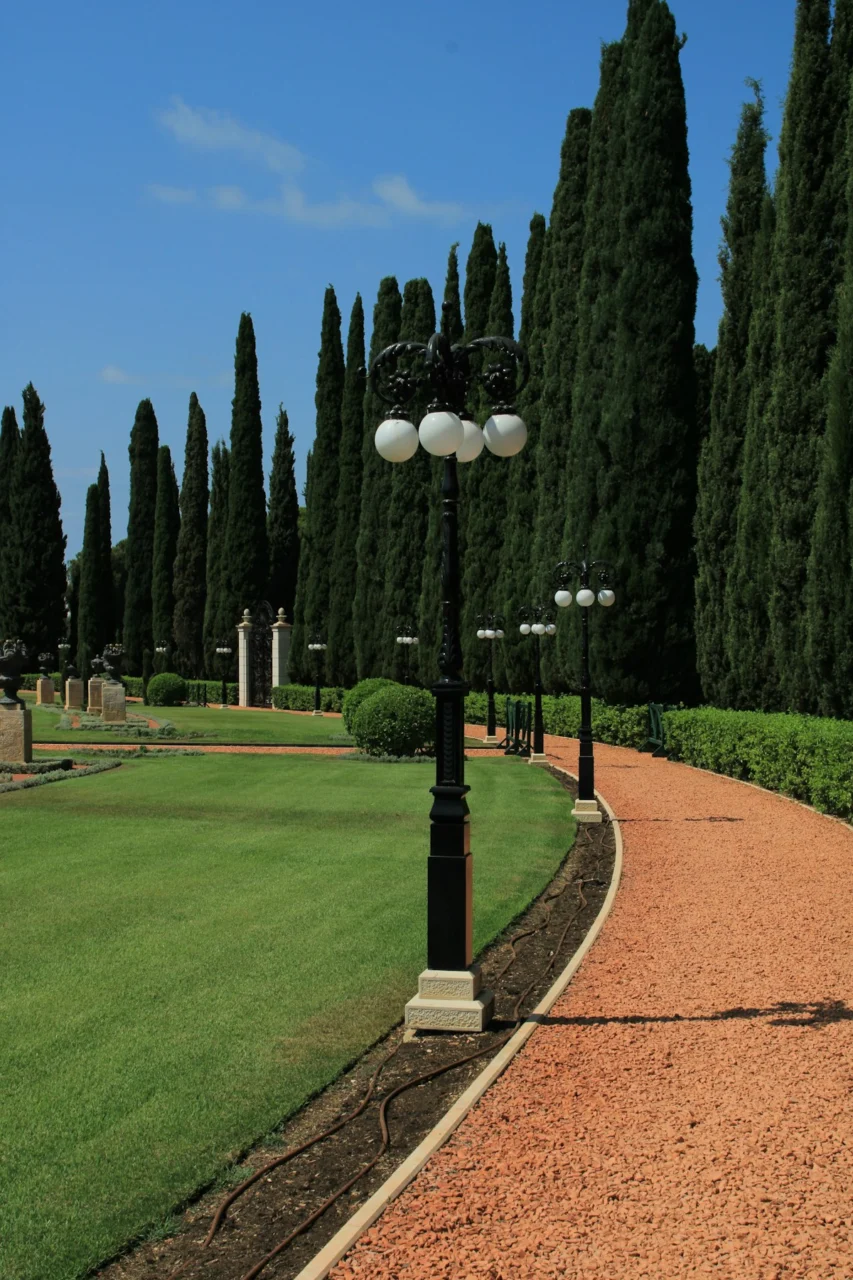
Photo by Artem Liubarski on Unsplash
The foundation sets the tone. Selecting a grain size that matches the scale of your garden prevents the surface from feeling either too fine (like sand) or too chunky (like river rock).
Practical tips for a clean base
- Gravel size: ½‑inch to ¾‑inch is ideal for most residential yards; larger stones work better in open, modern landscapes.
- Depth: Aim for 2‑3 inches of gravel over a weed barrier; this depth discourages weeds while allowing water to percolate.
- Edge material: Use metal, plastic, or concrete edging to keep the stones from spilling onto lawns or walkways.
- Installation: Lay a landscape fabric first, then spread gravel evenly with a rake.
By establishing a crisp edge, you create a visual boundary that makes the entire garden look intentional and reduces the need for constant edging maintenance.
2. Plant Drought‑Tolerant Succulents for Instant Color
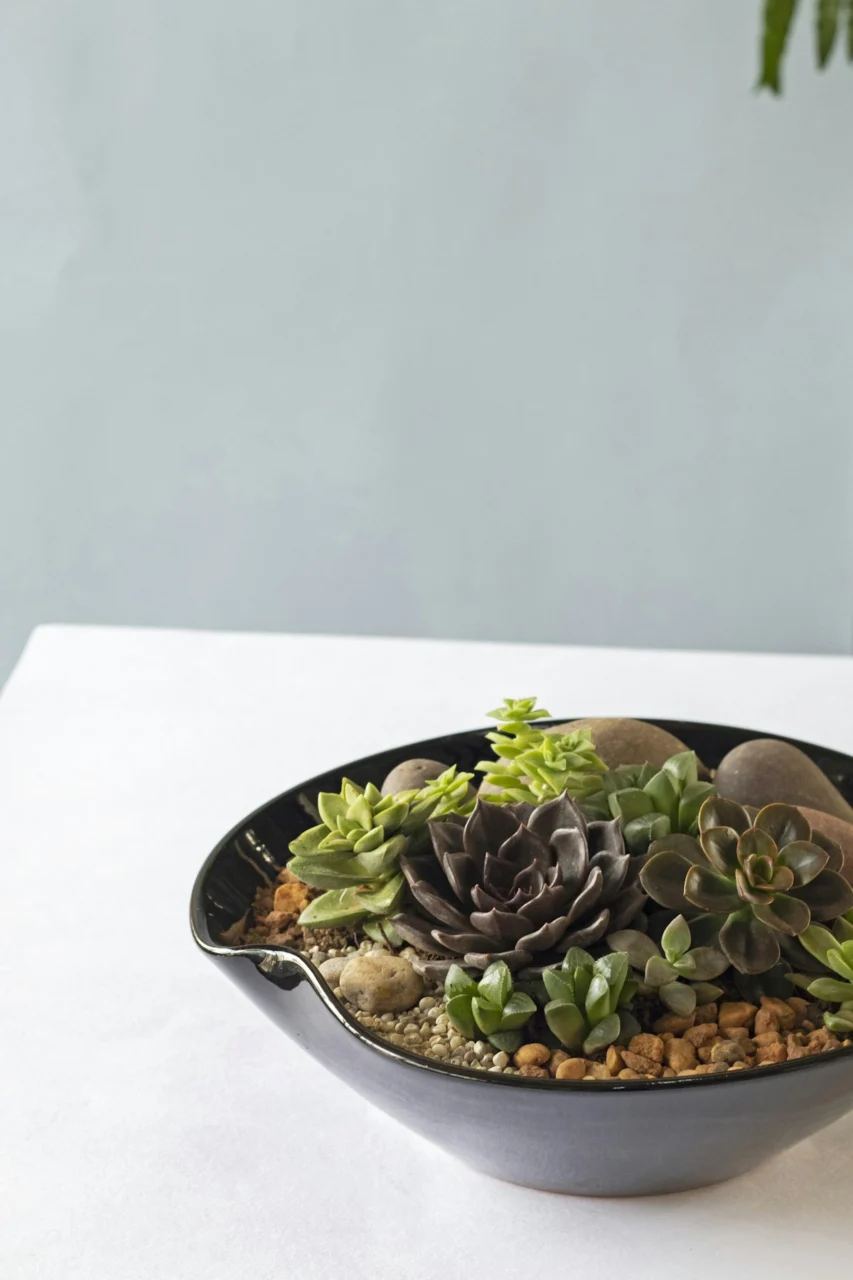
Photo by Art and Soil Bangalore on Unsplash
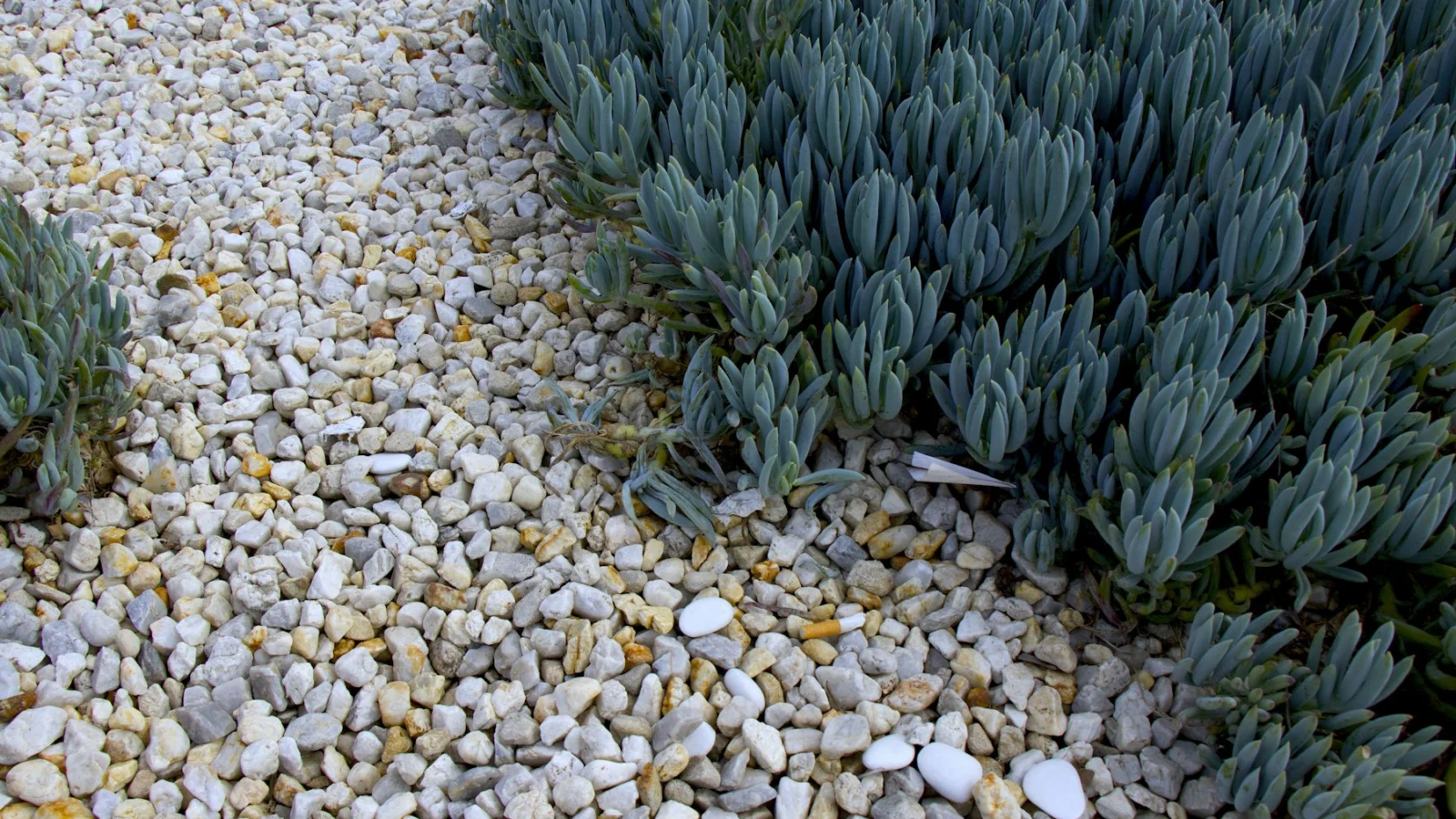
Succulents thrive in well‑draining gravel, and they bring texture and hue without demanding weekly watering.
Best low‑maintenance picks
- Echeveria: Rosette shapes add sculptural interest; choose pastel tones for a soft look.
- Sempervivum (Hens and Chicks): Their clumping habit fills gaps and creates natural groundcover.
- Lavender: Offers fragrance, silvery foliage, and blooms that attract pollinators.
- Sedum ‘Autumn Joy’: Provides pink‑orange flower clusters that linger into fall.
Space plants about 12‑18 inches apart to allow airflow and prevent rot. A light mulch of fine gravel around each plant helps retain moisture without inviting weeds.
3. Add Textural Contrast with Stones and Groundcovers
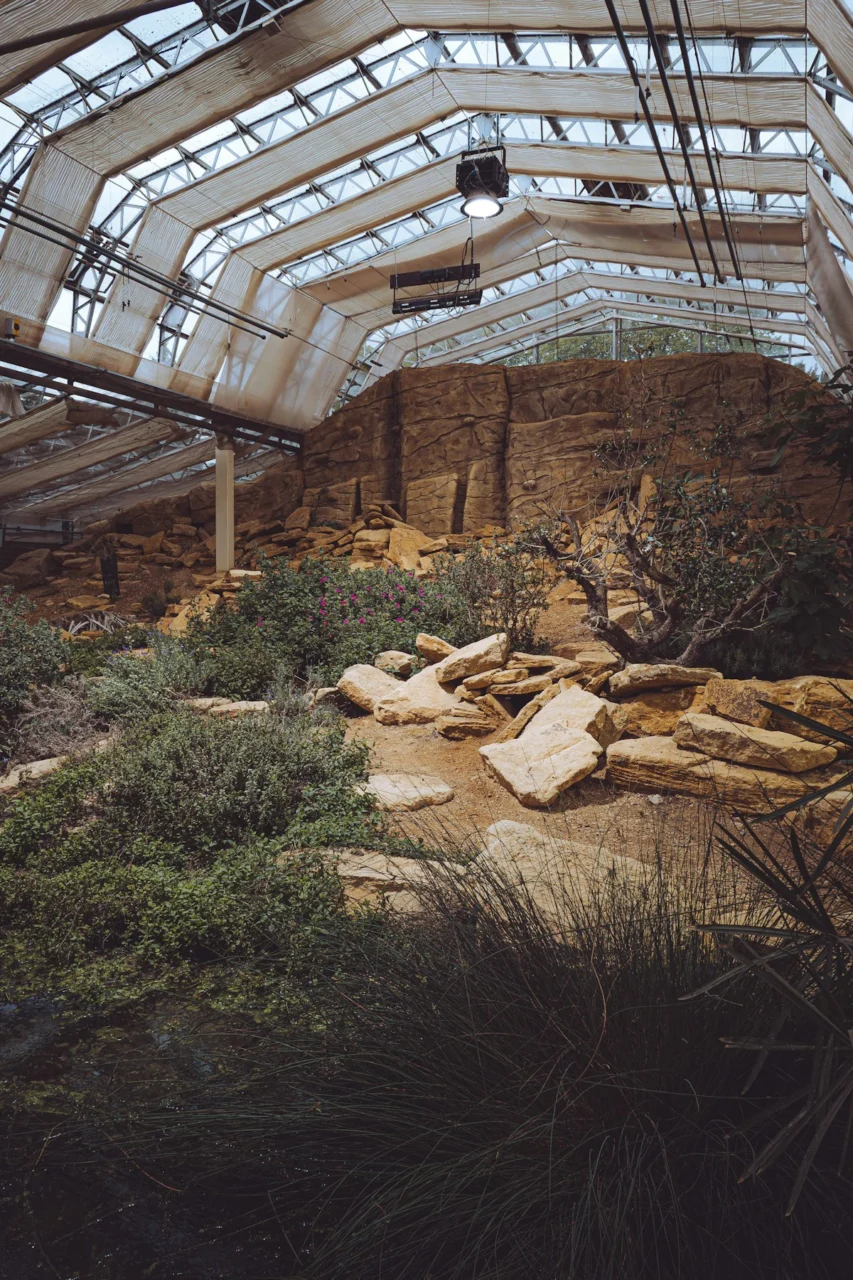
Photo by Kier Allen on Unsplash
Mixing different materials prevents the garden from feeling flat. Combining larger boulders, decorative pebbles, and low‑growth groundcovers creates layers that catch the eye from multiple angles.
How to layer textures
- Large boulders: Position one or two focal stones near seating or a pathway for a natural sculpture effect.
- Decorative pebbles: Scatter white or amber river pebbles in small pockets to highlight plant groupings.
- Groundcovers: Consider creeping thyme or dwarf mondo grass; both stay low, tolerate foot traffic, and release subtle scents when stepped on.
When arranging, step back frequently. The goal is a balanced composition where no single element overwhelms the rest.
4. Define Functional Zones Without Extra Soil
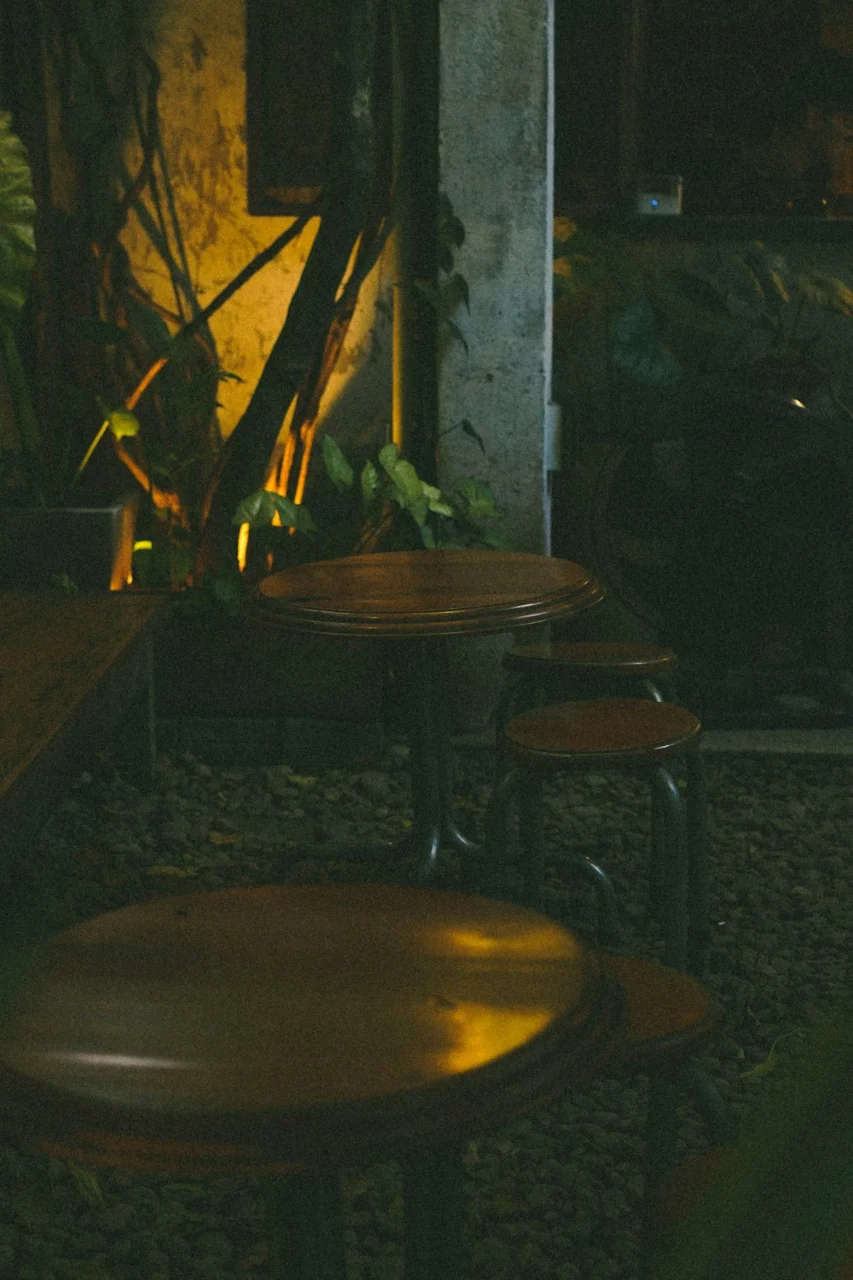
Gravel doesn’t have to be purely decorative; it can delineate spaces for sitting, strolling, or even a modest water feature.
Zone ideas you can build quickly
- Seating nook: Lay a rectangle of compact gravel, add a weather‑proof bench, and surround with tall grasses for privacy.
- Curved pathway: Use a different color or size of gravel to trace a gentle curve that guides visitors through the garden.
- Mini fountain: Place a small, recirculating fountain on a raised gravel platform; the sound of water softens the stone’s hardness.
All of these zones stay dry and stable because gravel drains quickly, reducing the chance of puddles or mud.
5. Light the Landscape with Low‑Energy Options
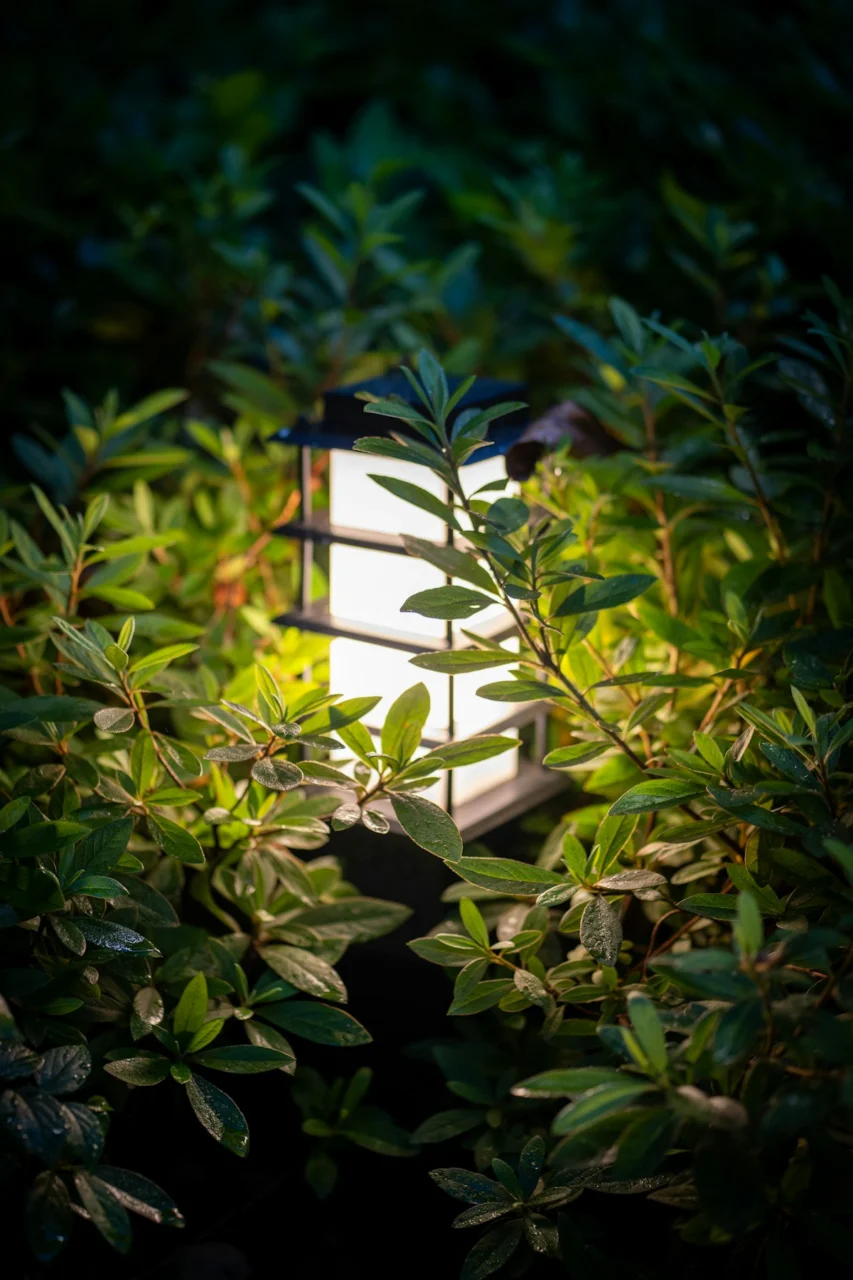
Photo by Limi change on Unsplash
Strategic lighting extends the garden’s usability into the evening and highlights textures you might miss at daylight.
Simple lighting solutions
- Solar stake lights: Insert them along pathways; they charge by day and glow softly at night.
- LED spotlights: Aim a few toward larger boulders or a standout plant to create dramatic shadows.
- String lights: Drape weather‑proof bulbs over a pergola or low fence for a cozy ambience.
Because gravel reflects light, even low‑intensity fixtures can make the space feel brighter without increasing electricity use.
6. Incorporate Recycled Materials for Eco‑Friendly Flair
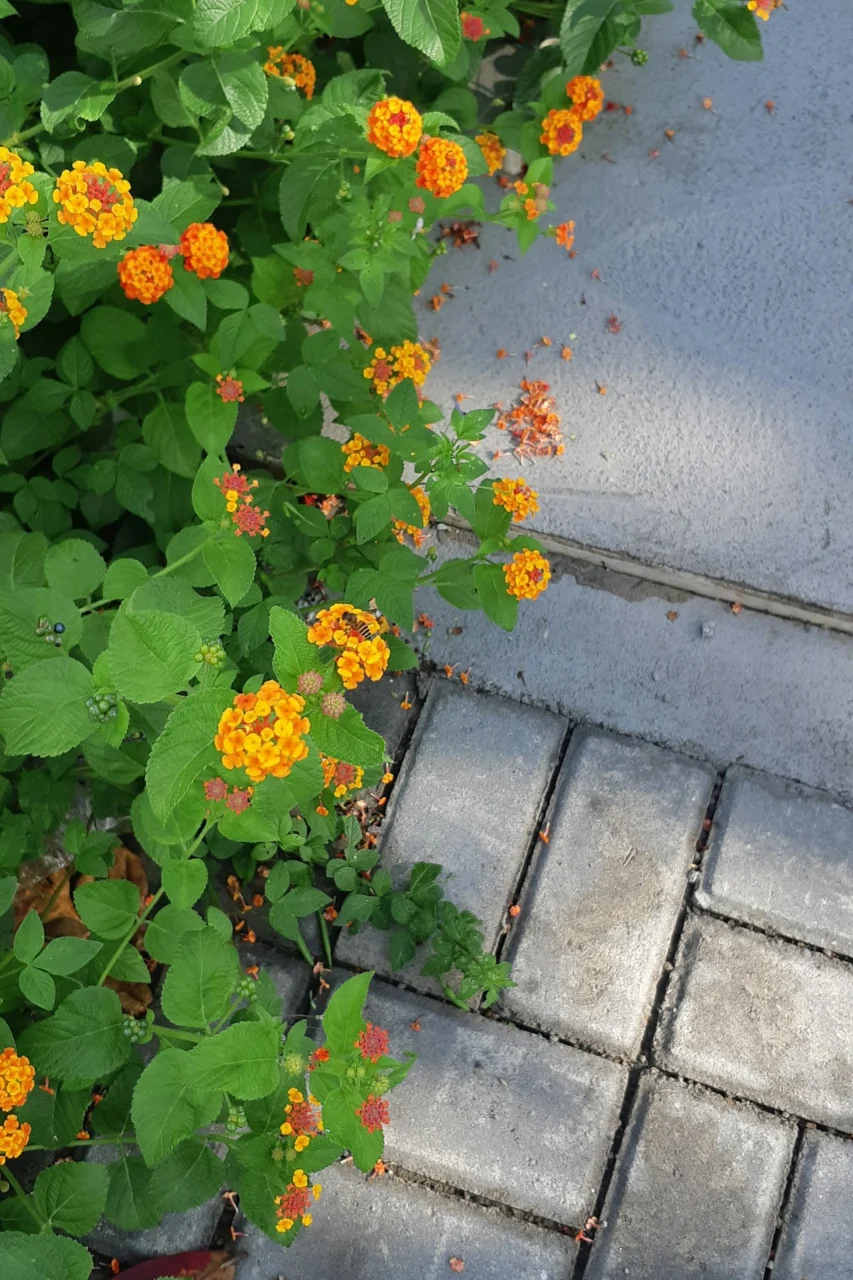
Photo by Indra Wakhidatul on Unsplash
Using reclaimed items not only reduces waste but adds character that new, uniform products can’t replicate.
Ideas for repurposed elements
- Upcycled pavers: Break old patio bricks into irregular shapes and embed them in the gravel for a mosaic effect.
- Reclaimed wood: Lay a short, treated timber bench or a low fence made from salvaged pallets.
- Vintage metal containers: Turn an old metal tub into a raised planting bed filled with gravel and succulents.
Before placing any reclaimed wood, ensure it’s pressure‑treated or sealed to resist moisture. Metal pieces should be checked for sharp edges that could cause injury.
7. Plan for Seasonal Interest Without Ongoing Effort
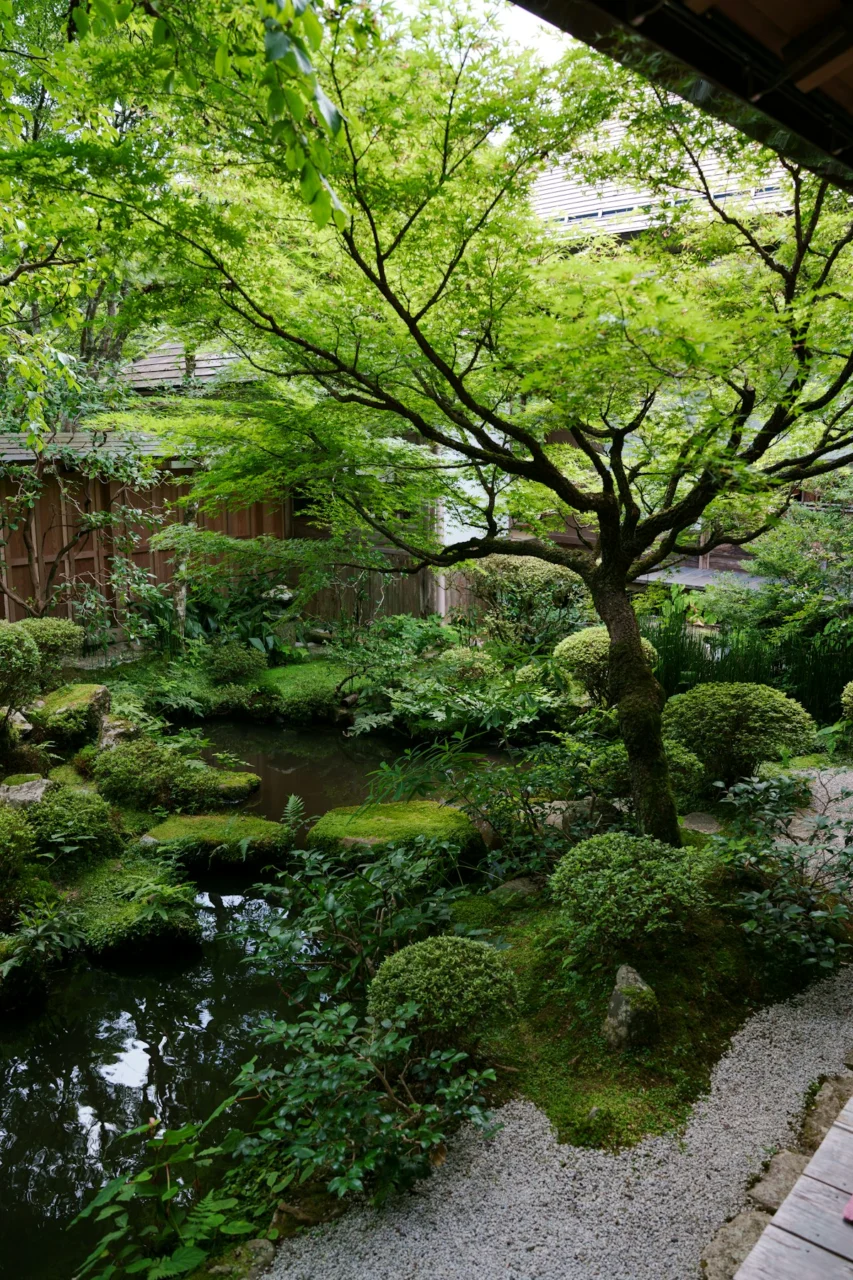
A truly low‑maintenance garden still offers something to look at year after year. Choose plants that change texture or color with the seasons, and let the gravel provide a steady backdrop.
Seasonal selections
- Evergreen ornamental grasses: Varieties like ‘Blue Fescue’ retain color through winter and sway gently in breezes.
- Winter berries: Dwarf viburnum or winterberry holly add bright red points when most foliage is brown.
- Early‑spring crocuses: Plant bulbs in pockets of gravel for a surprise splash of purple or yellow.
Because these plants are adapted to the local climate, they require minimal watering or pruning once established.
FAQ

Photo by Jonathan Borba on Unsplash
What type of gravel is best for a garden that gets heavy foot traffic?
Rounded pea gravel (¼‑inch) compacts well and stays stable under shoes, making it ideal for pathways and seating areas.
How often should I refresh the weed barrier under the gravel?
Inspect the fabric annually; replace it only if you notice significant tearing or weed breakthrough. Most high‑quality landscape fabrics last 5‑7 years.
Can I use gravel in a sloped garden without causing erosion?
Yes, but combine it with retaining walls or terracing. A slight slope (no more than 5%) helps water run off without washing stones away.
Do I need to seal the gravel to keep colors vibrant?
Sealing isn’t necessary for durability, but a clear, breathable sealant can reduce dust and keep lighter stones from fading quickly.
Is it safe to place a fire pit on a gravel surface?
Place a fire‑proof mat or a metal fire pit ring on top of the gravel to protect the stones from heat damage and to contain sparks.
Final Thoughts
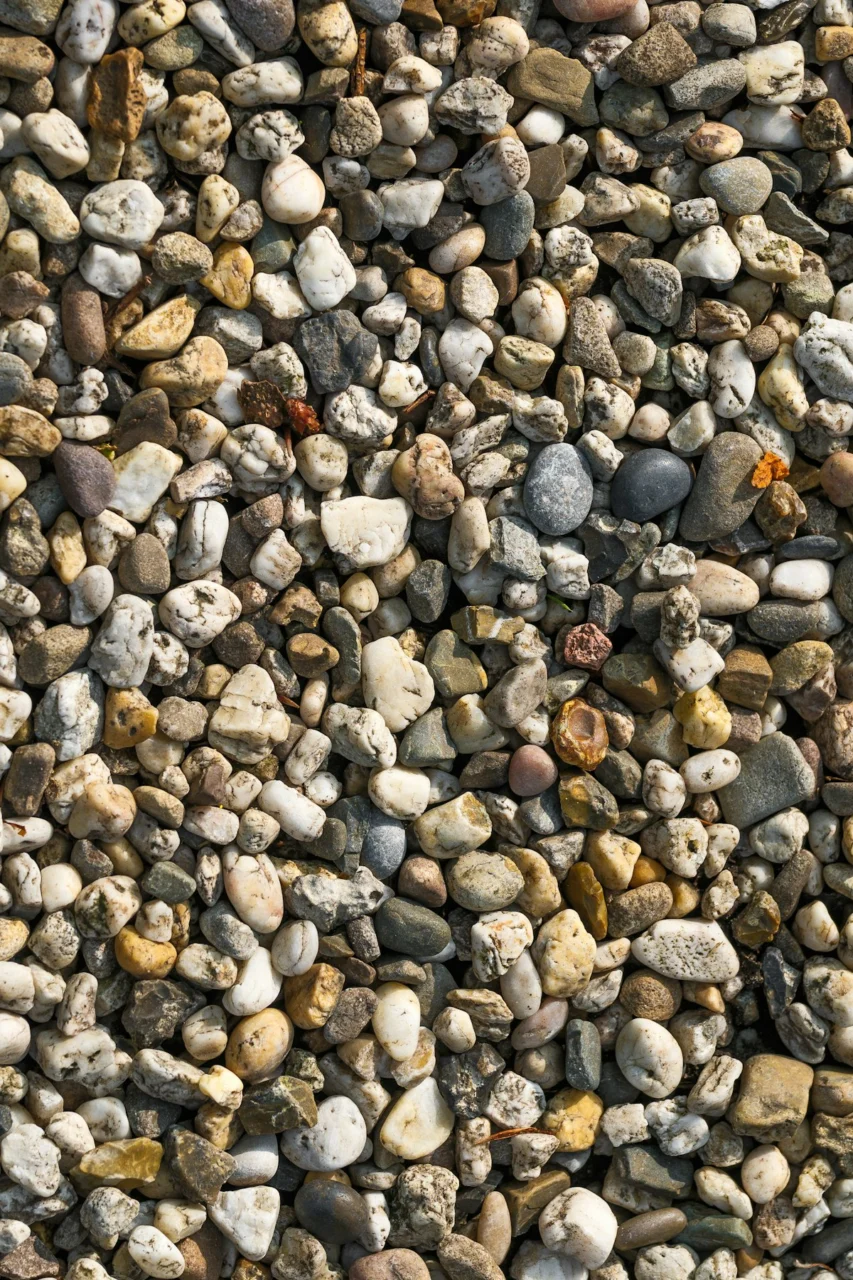
Photo by Haberdoedas on Unsplash
Gravel gardens prove that simplicity can coexist with style. By selecting the right stone size, pairing it with drought‑tolerant plants, and adding thoughtful touches—lighting, reclaimed materials, and seasonal interest—you create a space that looks curated while demanding very little upkeep. Start with one of the ideas above, adapt it to your yard’s shape, and enjoy a low‑maintenance garden that stays beautiful year after year.