Bathroom Countertop Ideas That Shine: Fresh Looks for Every Style
When you glance at a bathroom, the countertop is the first surface you notice. It holds the toothbrush, the soap, the morning coffee, and often sets the tone for the whole room. Yet many homeowners treat it as an afterthought, choosing the cheapest material that will survive a splash. What if you could pick a surface that not only stands up to moisture but also adds a touch of sparkle, personality, and lasting value? Below are seven distinct countertop ideas, each with its own strengths, quirks, and styling possibilities, so you can pick the one that truly shines in your space.
1. Classic Marble That Glimmers
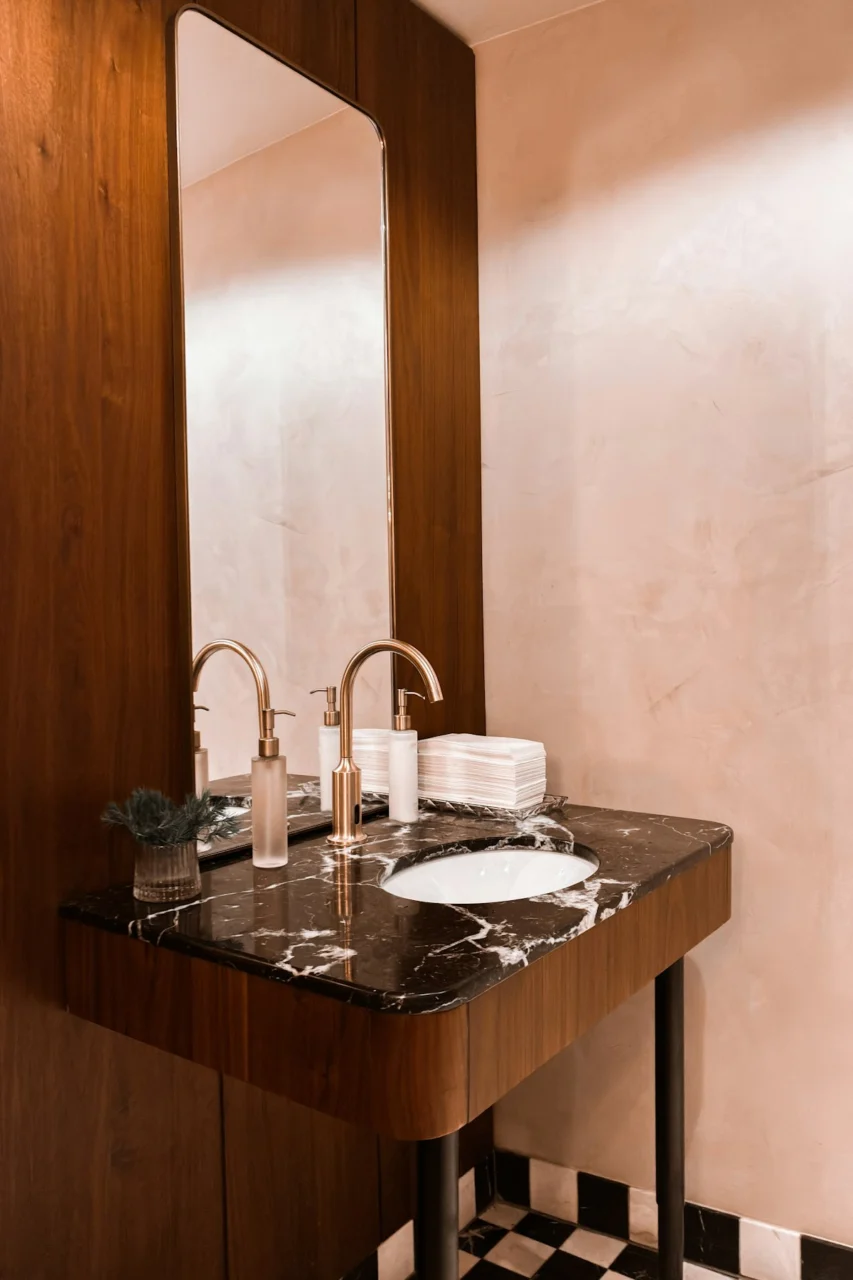
Photo by Luc Sauvage on Unsplash
Marble has been a bathroom staple for centuries, and for good reason. Its natural veining creates a sophisticated, timeless look that instantly elevates a modest bathroom.
Why It Works
- Elegant visual impact: Each slab is unique, offering a one‑of‑a‑kind pattern.
- Cool surface: Marble stays cool, making it pleasant for grooming tasks.
- Resale appeal: Luxury buyers often expect marble in master baths.
Things to Watch
- Porous nature: Without proper sealing, marble can stain from cosmetics or hair products.
- Softness: It scratches more easily than quartz or engineered stone.
- Cost: High‑grade marble can be pricey, especially when you factor in professional installation.
Practical Tips
- Apply a high‑quality penetrating sealer every 6‑12 months.
- Use a cutting board or silicone mat for makeup or shaving cream to protect the surface.
- Consider a honed finish for a softer, less reflective look that also hides minor scratches.
2. Bold Quartz With Colorful Veins
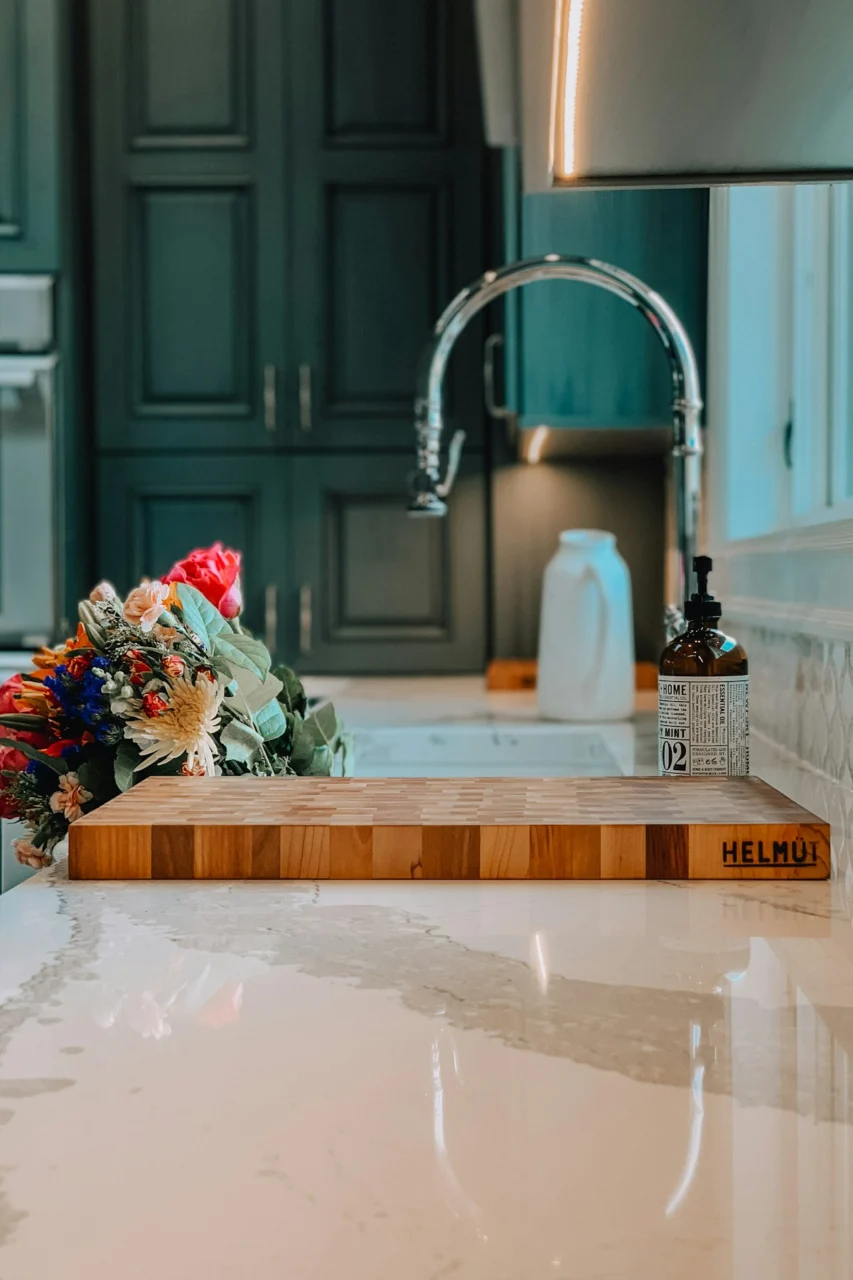
Photo by Sergei Sushchik on Unsplash
Engineered quartz offers the look of natural stone with added durability. Modern manufacturers now produce slabs with vibrant, swirling veins that can become the centerpiece of a bathroom.
Why It Works
- Non‑porous surface: Resists stains, mold, and bacterial growth.
- Consistent pattern: You can order matching pieces for a seamless look.
- Low maintenance: No sealing required; simple soap and water keep it looking new.
Things to Watch
- Heat sensitivity: While fine for a bathroom, avoid placing hot appliances directly on it.
- Weight: Quartz is heavy; ensure cabinets and supports are rated for the load.
- Cost variance: Premium colors and custom edges can increase price.
Practical Tips
- Choose a quartz with a subtle background and bold veining for visual drama without overwhelming the space.
- Opt for rounded or eased edges to soften the look and reduce chipping.
- Pair with brushed nickel fixtures to complement the cool tones of quartz.
3. Warm Wood‑Look Porcelain Tiles
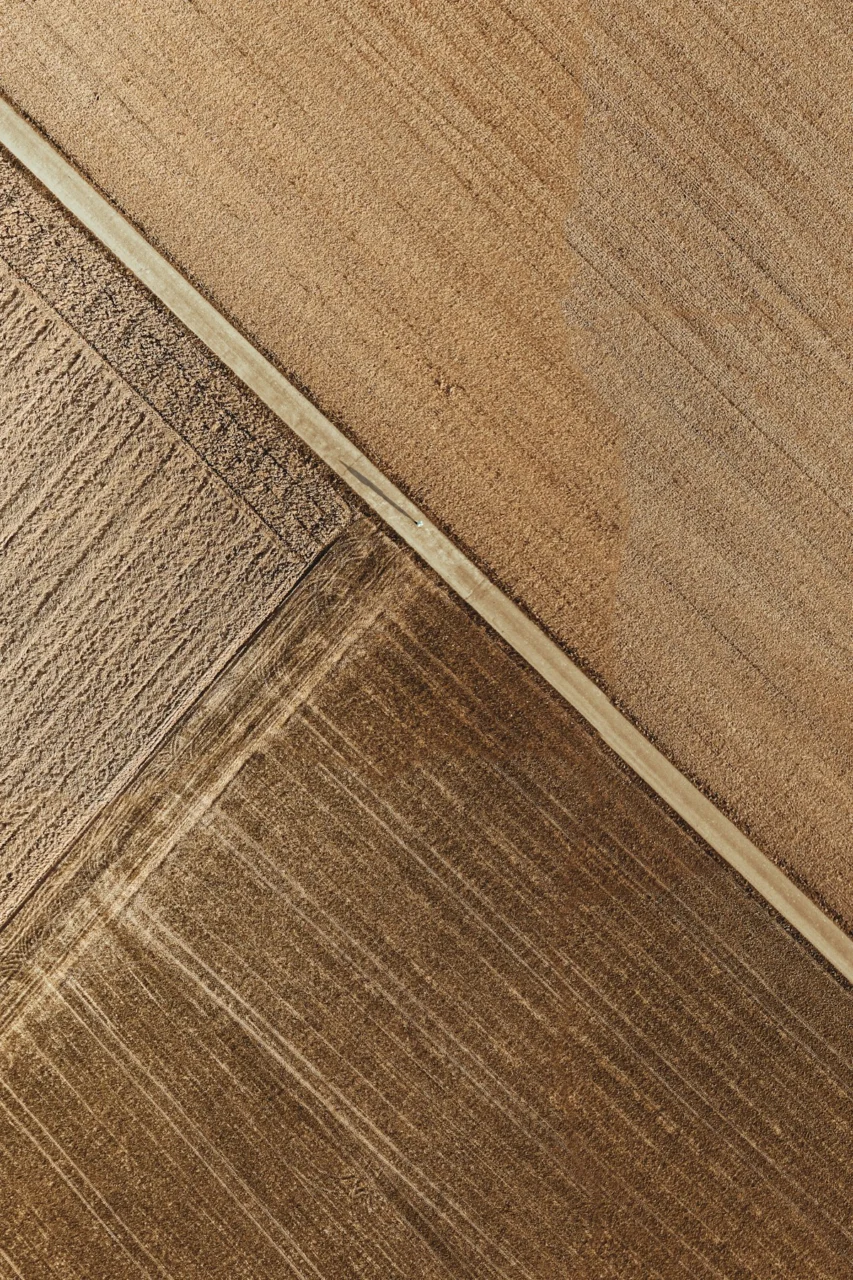
Photo by Marcel Strauß on Unsplash
If you love the coziness of wood but fear water damage, porcelain tiles that mimic timber are a clever compromise. They bring warmth without the maintenance headaches of real wood.
Why It Works
- Water‑tight: Porcelain is virtually impermeable, making it perfect for wet zones.
- Durable: Resistant to scratches, dents, and fading.
- Versatile style: From reclaimed barnboard to sleek light oak, the options are extensive.
Things to Watch
- Grout lines: Visible grout can interrupt the seamless wood illusion; use matching grout color.
- Cold feel: Porcelain stays cool; consider a heated underlayment in colder climates.
- Installation precision: Uneven cuts can betray the “wood” look.
Practical Tips
- Choose a large‑format tile (12×24 inches) to reduce the number of grout lines.
- Use a high‑quality, epoxy‑based grout that resists mildew.
- Combine with matte black hardware for a modern rustic vibe.
4. Sleek Concrete‑Polished Slab
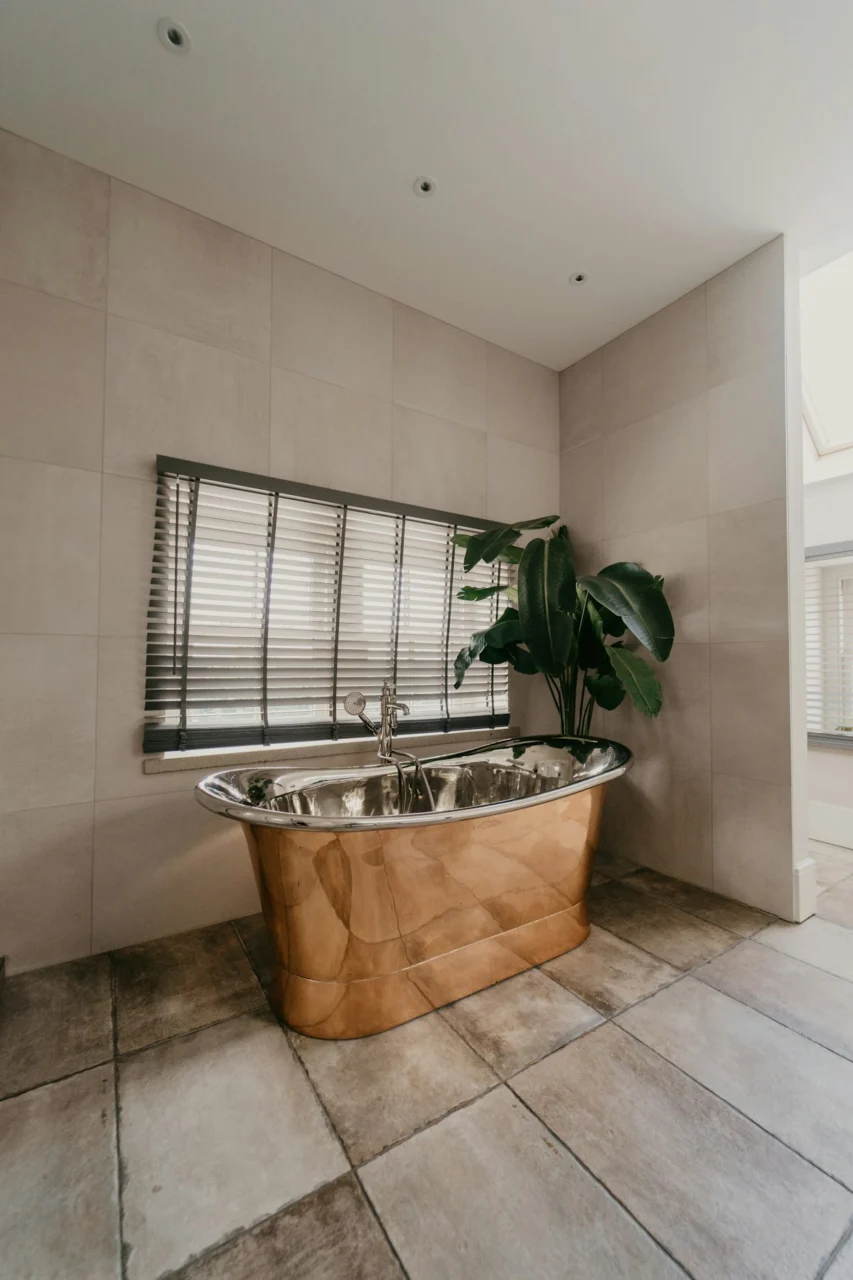
Photo by Toa Heftiba on Unsplash
Concrete brings an industrial edge that can feel surprisingly elegant when polished and sealed. Its raw texture pairs well with minimalist or loft‑style bathrooms.
Why It Works
- Customizable: You can tint, embed aggregates, or add subtle stains.
- Durability: Handles heavy objects and resists impact.
- Modern aesthetic: The smooth, reflective surface creates a clean backdrop for bold accessories.
Things to Watch
- Porosity: Unsealed concrete will absorb water and stain.
- Cracking risk: Movement in the substrate can cause hairline cracks.
- Weight: Requires reinforced cabinetry.
Practical Tips
- Apply a penetrating sealer followed by a topcoat for both stain resistance and a high gloss.
- Incorporate subtle color flecks or glass chips for visual interest without overwhelming the design.
- Pair with simple, white vessel sinks to let the concrete shine.
5. Glamorous Glass Mosaic Accents
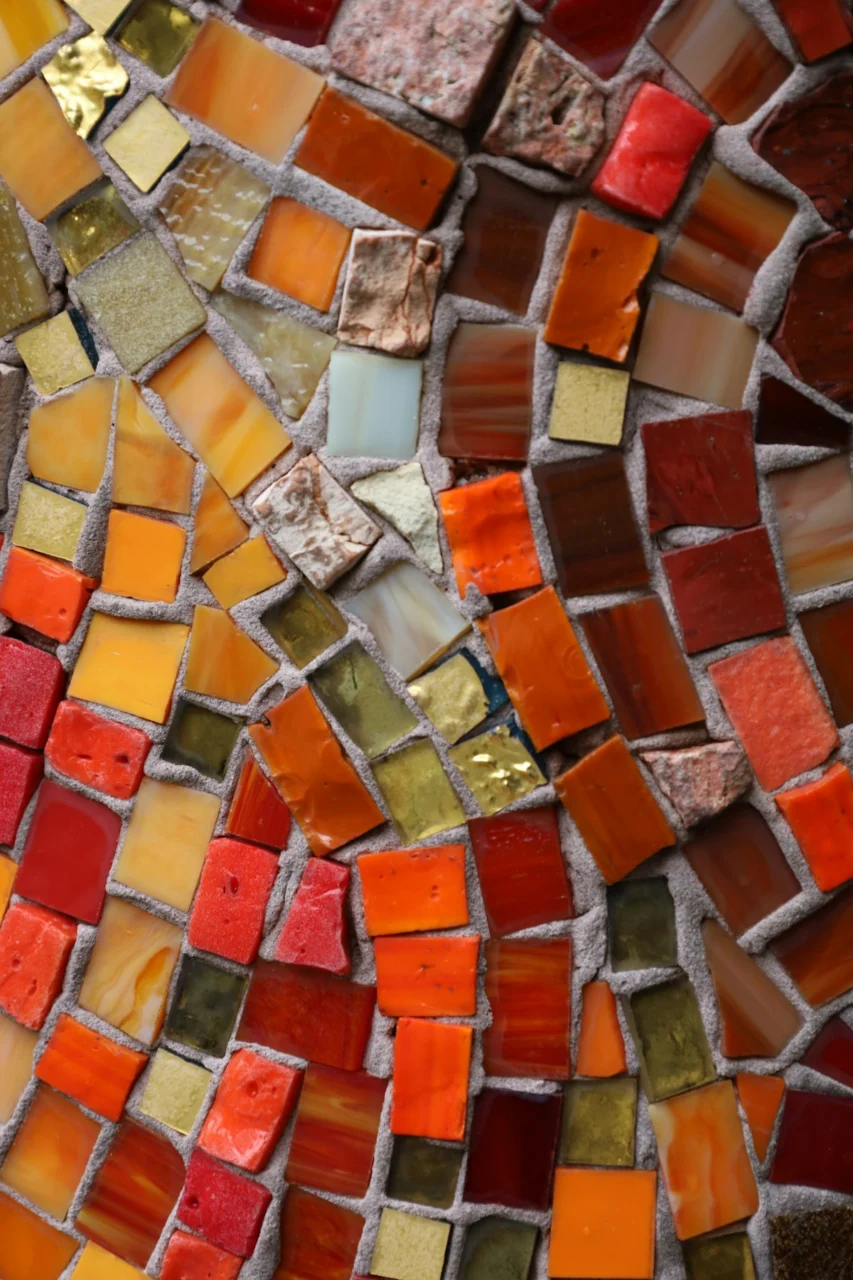
Photo by Kiran Naidu on Unsplash
Glass mosaics can be used as a full countertop or as a striking border. The way light bounces off the tiny shards adds a luminous quality that truly makes the surface shine.
Why It Works
- Light reflection: Enhances natural or artificial lighting, making small bathrooms feel larger.
- Design flexibility: Available in countless colors, shapes, and finishes.
- Easy to clean: Smooth surface resists grime when sealed properly.
Things to Watch
- Installation labor: Mosaic placement is time‑intensive and best left to professionals.
- Potential for chips: Edges can chip if not protected with a metal or silicone trim.
- Cost per square foot: High‑end glass mosaics can add up quickly.
Practical Tips
- Use a clear epoxy resin overlay to protect the glass and create a seamless, waterproof surface.
- Combine a glass border with a solid‑colored main slab for a balanced look.
- Match the glass hue to accent tiles or shower walls for cohesive color flow.
6. Eco‑Friendly Recycled Surface Options
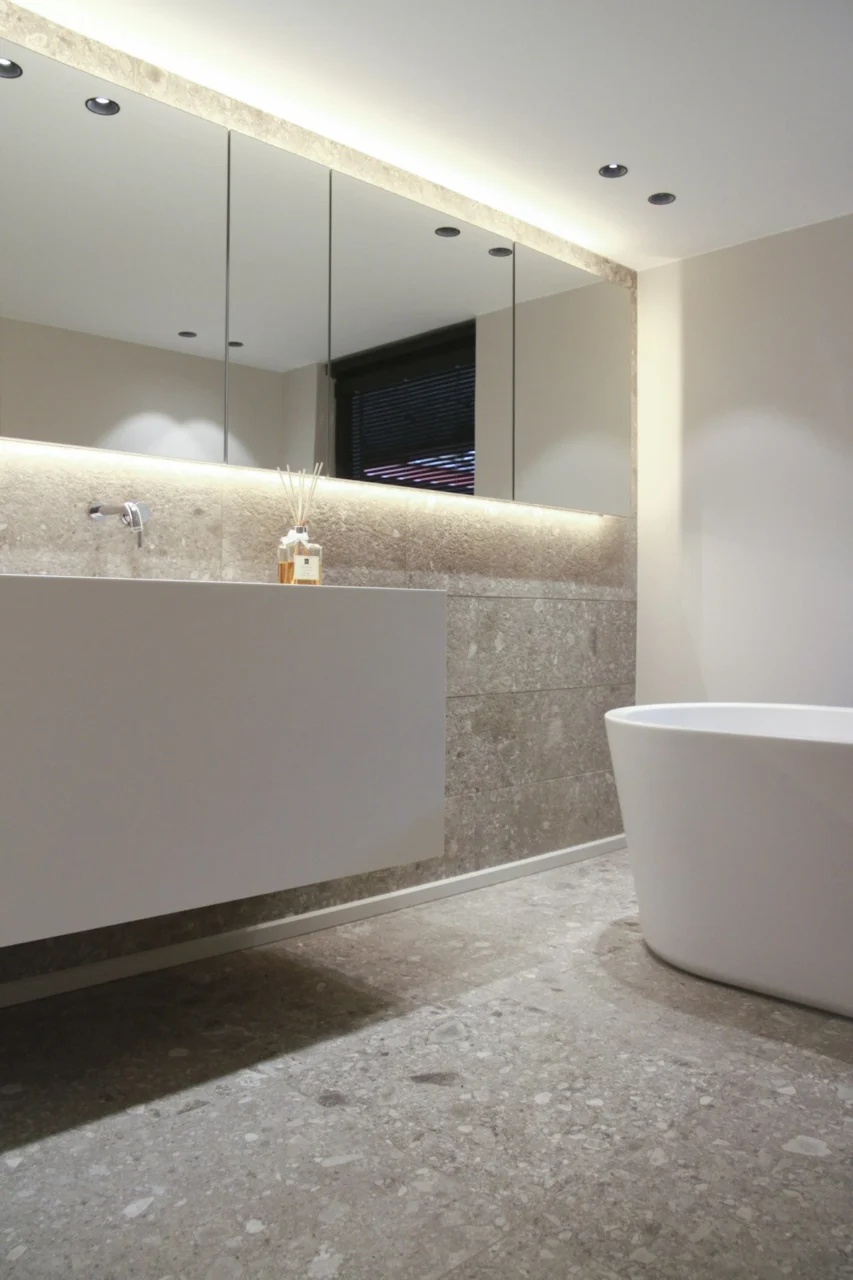
Photo by Jean-Philippe Delberghe on Unsplash
For the environmentally conscious, recycled materials like glass‑filled concrete, paper‑based composite, or reclaimed wood veneer offer sustainable style without sacrificing performance.
Why It Works
- Reduced waste: Utilizes post‑consumer or industrial by‑products.
- Unique texture: Often features subtle speckles or layered patterns.
- Moderate cost: Generally less expensive than high‑end natural stone.
Things to Watch
- Durability variance: Some composites may be softer; check manufacturer specifications.
- Sealing needs: Many recycled surfaces still benefit from a protective seal.
- Color consistency: Recycled content can lead to slight color variations between slabs.
Practical Tips
- Look for products certified by reputable green building programs.
- Pair with bamboo or reclaimed wood accessories to reinforce the sustainable narrative.
- Choose a matte finish for a natural, earthy feel that hides minor scratches.
7. Custom LED‑Backlit Countertops
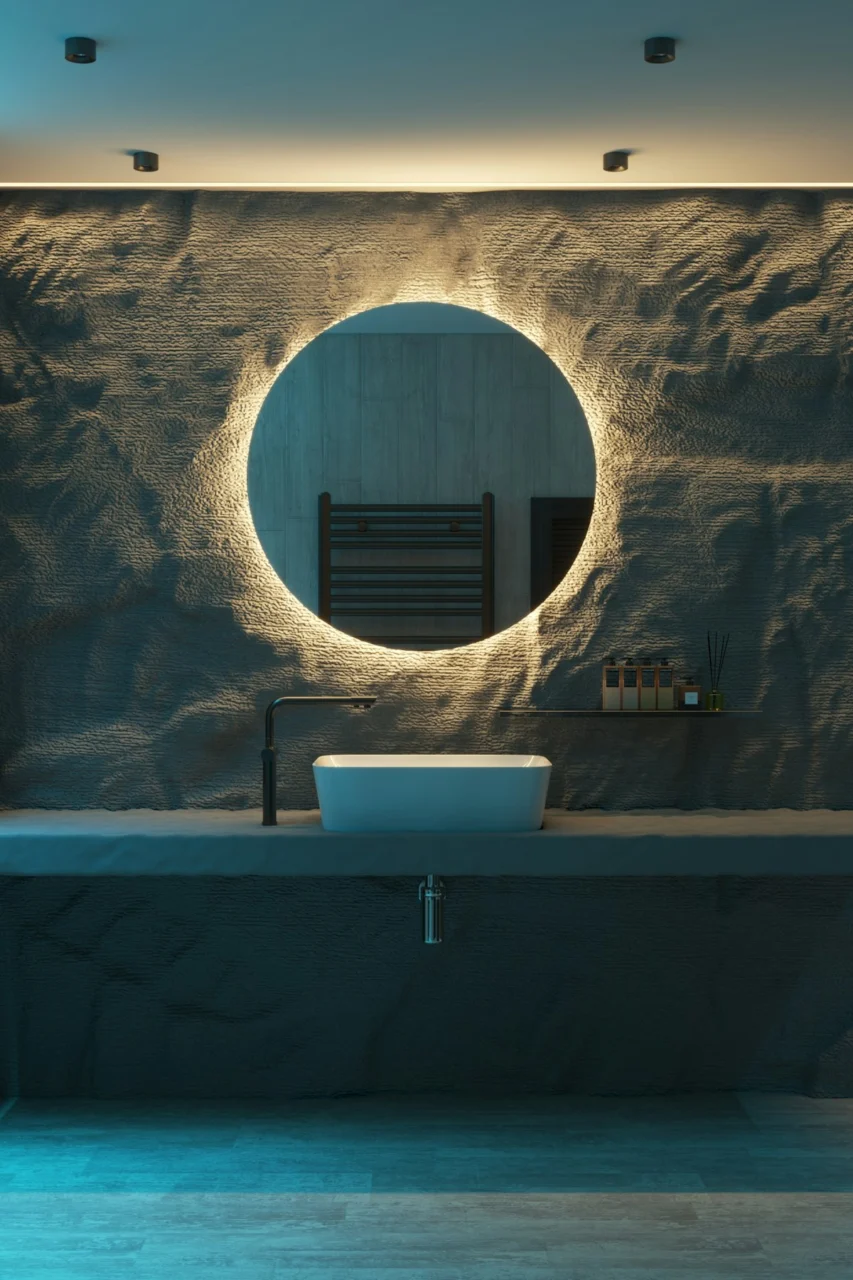
Photo by Bilal Mansuri on Unsplash
Integrating LED lighting beneath a translucent or semi‑translucent countertop creates a subtle glow that can serve as ambient lighting or a nighttime guide.
Why It Works
- Atmospheric effect: Soft illumination adds drama without additional fixtures.
- Functional benefit: Lighted edges help locate the sink in low‑light conditions.
- Design novelty: Sets a modern, high‑tech tone that appeals to younger homeowners.
Things to Watch
- Electrical safety: All wiring must be rated for damp locations and installed by a qualified electrician.
- Material choice: Only translucent surfaces like acrylic, engineered stone with light‑pass cores, or glass can transmit light effectively.
- Maintenance: LED strips may need occasional cleaning to avoid dust buildup that dulls the glow.
Practical Tips
- Install a dimmer switch to adjust brightness for different moods.
- Choose a cool‑white LED for a crisp, spa‑like feel, or warm‑white for a cozy ambiance.
- Seal seams thoroughly to prevent water ingress around the lighting channel.
Frequently Asked Questions
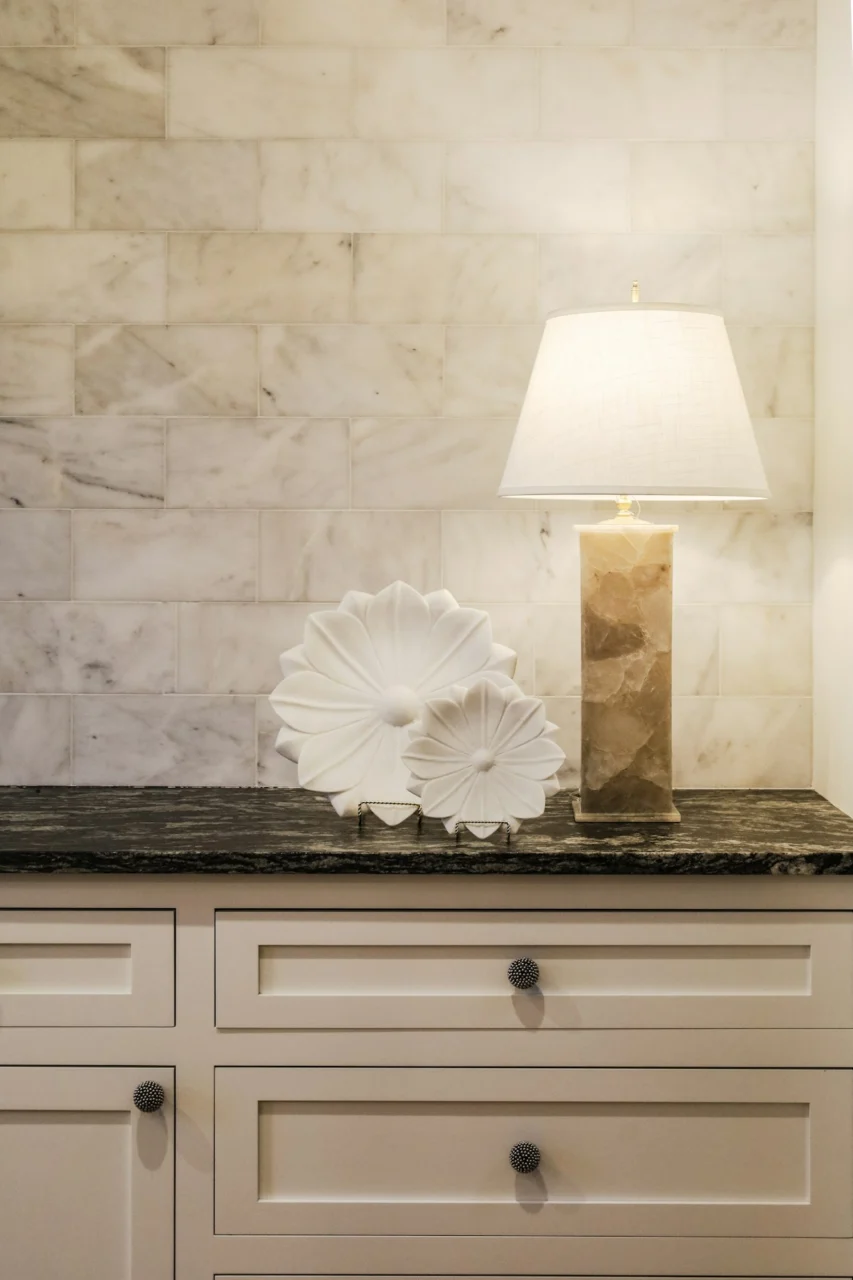
Photo by Rosemary Media on Unsplash
Can I install a marble countertop myself?
Marble is heavy and requires precise leveling. Most DIYers find it challenging, especially when cutting edge profiles. Hiring a professional stone installer ensures proper support, accurate cuts, and a flawless finish.
How often should quartz countertops be sealed?
One of quartz’s advantages is that it is non‑porous, so sealing isn’t required. A routine cleaning with mild detergent keeps it looking fresh.
Is wood‑look porcelain safe for a wet bathroom environment?
Yes. Porcelain is essentially waterproof. The only concern is the grout, which should be sealed and kept clean to prevent mold.
What’s the best way to clean glass mosaic countertops?
Use a non‑abrasive glass cleaner or a mixture of water and a few drops of dish soap. Rinse thoroughly and dry with a soft microfiber cloth to avoid water spots.
Do LED‑backlit countertops increase my electricity bill?
LED strips consume very little power—typically under 10 watts per foot. Even with continuous use, the impact on your bill is negligible.
Final Thoughts
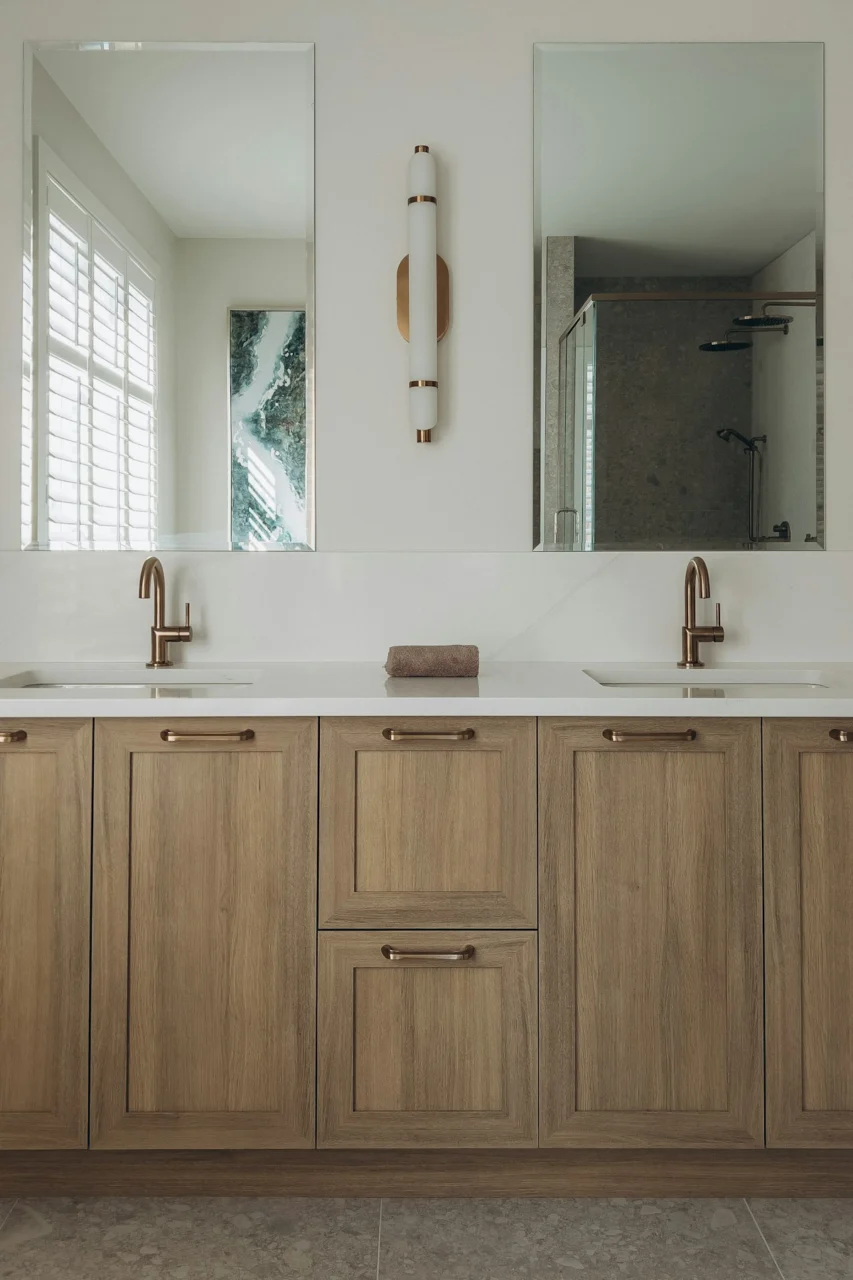
Photo by iris lavoie on Unsplash
Choosing a bathroom countertop is more than a functional decision; it’s an opportunity to define the room’s character. Whether you gravitate toward the classic elegance of marble, the bold resilience of quartz, the cozy illusion of wood‑look porcelain, or the futuristic glow of LED‑backlit surfaces, each option brings its own set of benefits and considerations. By weighing durability, maintenance, budget, and personal style, you can select a surface that not only shines today but continues to delight for years to come.