Bedroom Seating Area Ideas for a Cozy Nook
When a bedroom feels more like a place to sleep than a place to linger, a small seating nook can shift the room’s rhythm. Carving out a dedicated corner with a single piece of furniture or a built‑in solution creates a pause point without crowding the floor plan. The following seven ideas show how to fit a comfortable seat into bedrooms of any size, with concrete material choices, placement tips, and realistic trade‑offs.
1. Begin with a low‑profile upholstered bench at the foot of the bed
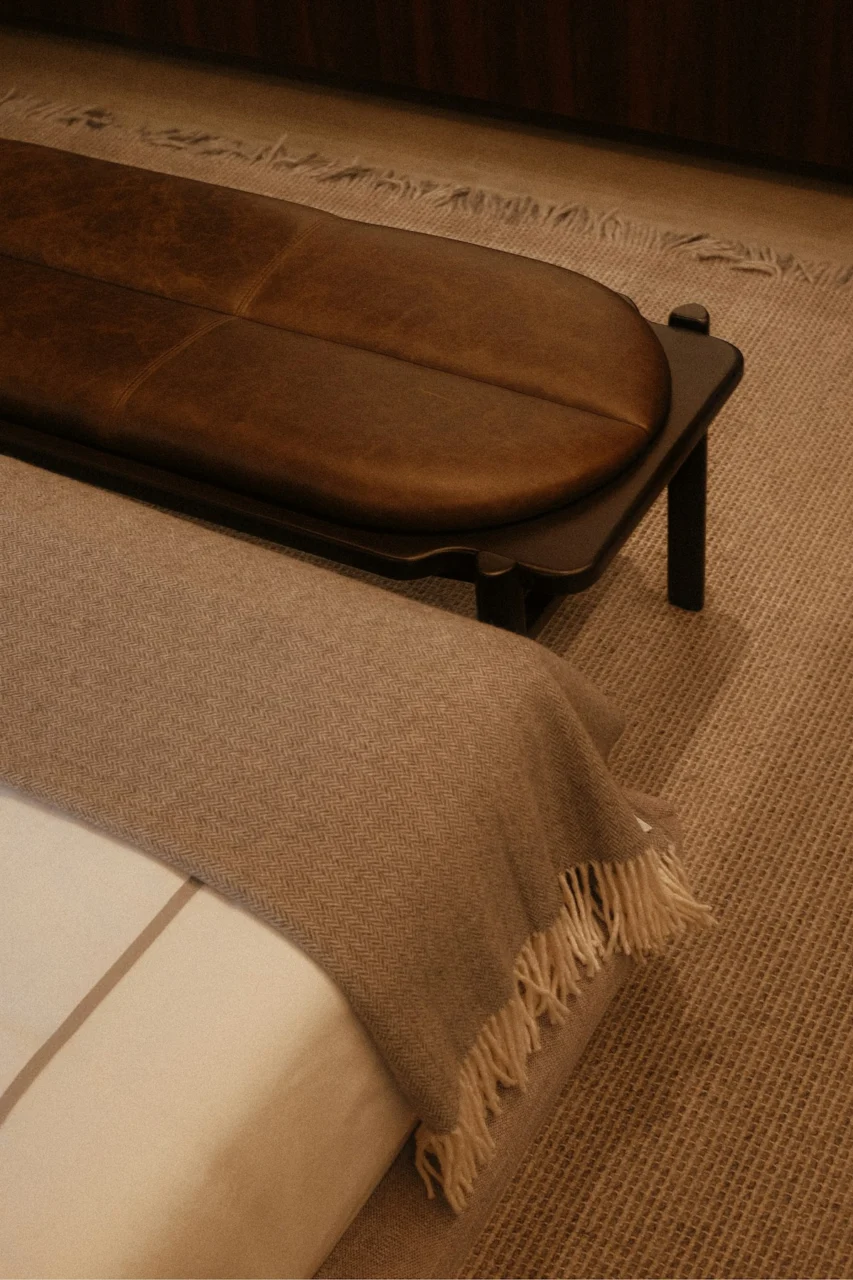
Photo by Caroline Badran on Unsplash
A bench that sits 16‑18 inches high and stretches 48‑60 inches long offers a place to sit, a surface for a tray, and hidden storage for blankets. Linen or boucle in oat or warm white adds a subtle texture that softens the line of the bed. Brushed‑brass legs reflect ambient light and keep the silhouette light.
The benefit is that the bench anchors the foot of the bed while remaining out of the main traffic lane. A common mistake is choosing a depth greater than 14 inches, which can block the pathway to a closet or dresser. For renters, a thrift‑store wooden bench painted matte charcoal and topped with a DIY cushion provides a budget‑friendly swap that can be moved easily.
2. Consider a built‑in window seat that folds into the existing window frame
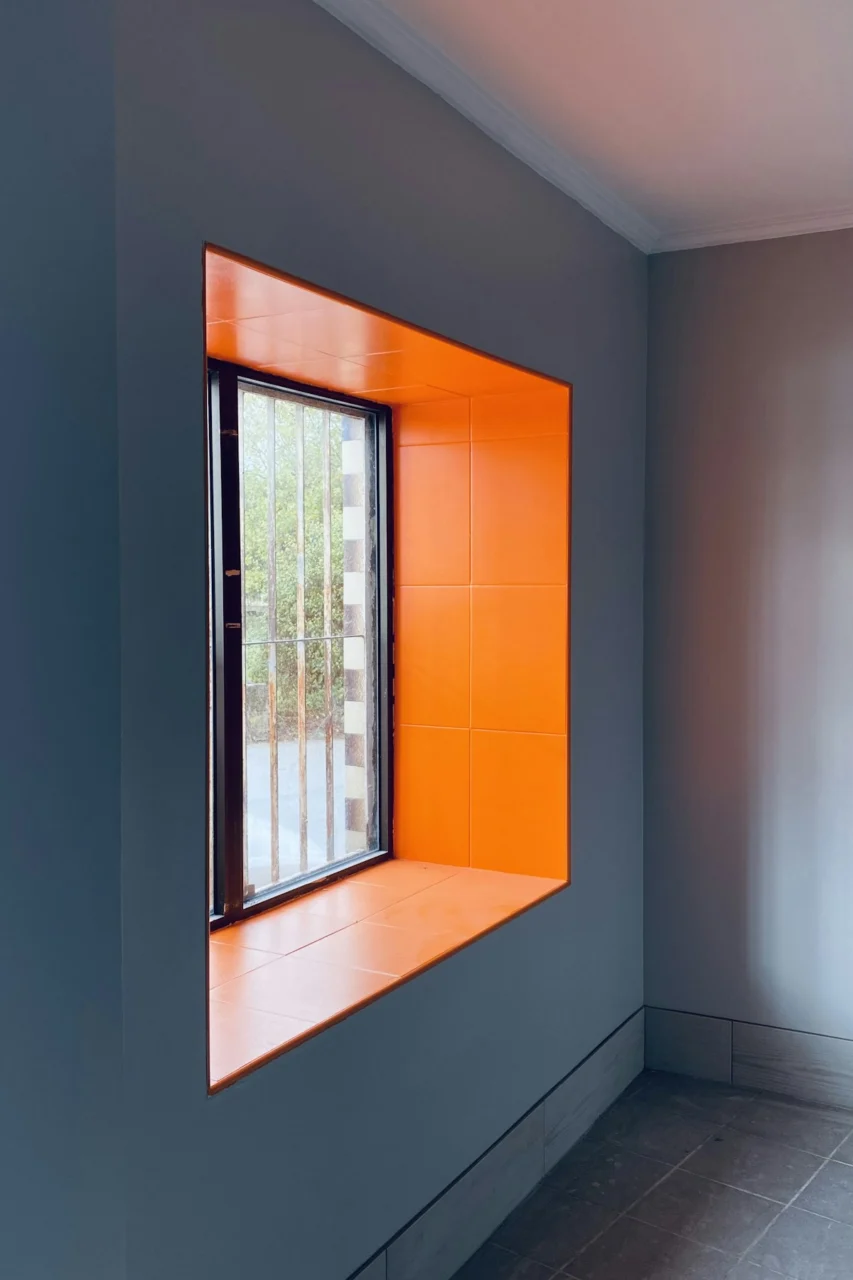
Photo by João Martins on Unsplash
Installing a shallow shelf 12‑14 inches deep inside a wide window creates a low backrest that preserves the view. Oak or reclaimed pine framing ties the wood tones of the room together, while a cushion in soft sage fabric adds a calming hue. Removable cushion covers simplify cleaning.
This approach brings natural light directly to the seating spot, turning the window into a reading perch. The trade‑off is the need for a solid support system; if the wall cannot bear the load, a freestanding wooden box with a matching cushion mimics the look without permanent work. A portable version works well for renters who cannot alter the window frame.
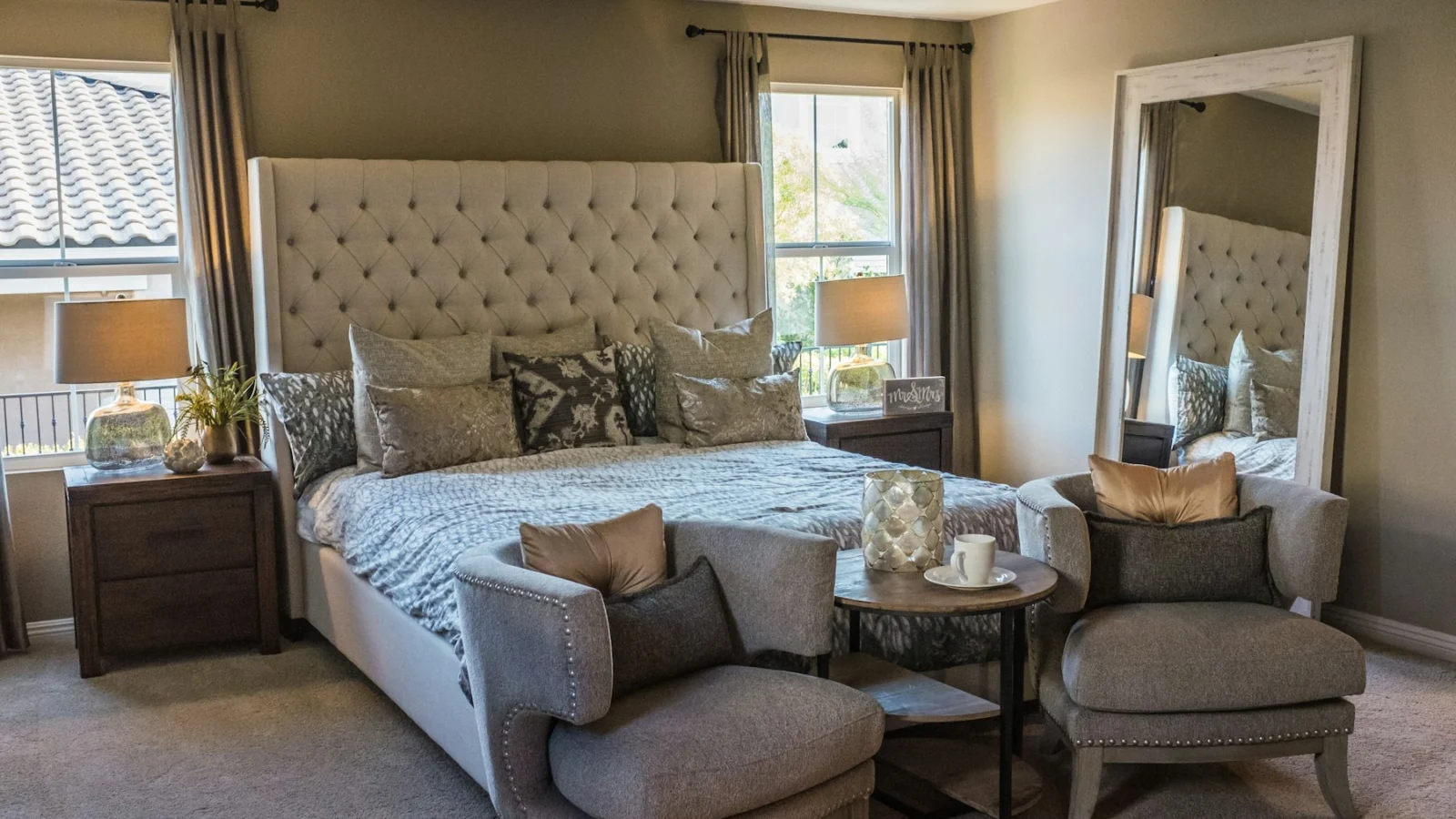
3. Try pairing two slim armchairs with a narrow side table

Photo by LOGAN WEAVER | @LGNWVR on Unsplash
Select armchairs no wider than 28 inches and set them at a 45‑degree angle to a side table that stands about 18 inches high. Upholstering the chairs in muted terracotta velvet introduces a warm pop of colour while keeping the overall feel soothing. A round matte ceramic table in a coordinating sage tone offers a surface for a lamp or a cup of tea.
The angular arrangement creates a conversational zone and still leaves clear pathways to the bed and wardrobe. Placing the chairs too close to the headboard often makes the room feel cramped; keeping at least 24 inches between the chairs and any wall maintains flow. Repainting a pair of second‑hand chairs and adding inexpensive slipcovers serves as a budget alternative.
4. Introduce a floor‑level lounge by placing a large pouf on a soft rug
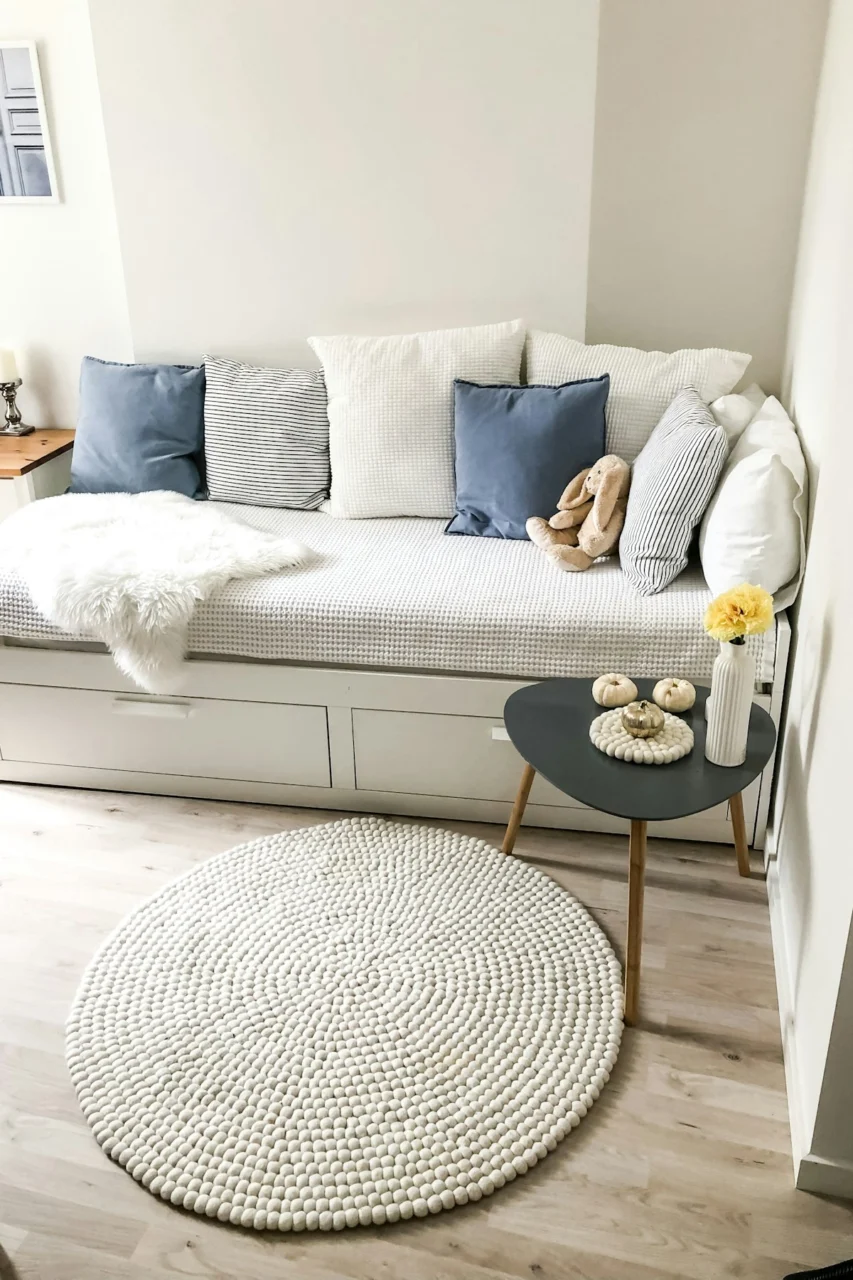
Photo by Jelena Mirkovic on Unsplash
Choose a pouf 18‑20 inches high and 24‑30 inches in diameter, upholstered in a durable cotton‑blend in charcoal. Position it on a layered rug set: a low‑pile natural‑fiber rug about 5 feet square as the base, topped with a smaller plush rug in sage. A non‑slip rug pad beneath the pouf prevents sliding on smooth flooring.
The low height encourages relaxed sitting and can double as extra seating for guests. Poufs tend to tip on slick surfaces, so the rug pad is essential for stability. A DIY fabric‑filled cushion made from a sturdy canvas cover provides a cost‑effective version that can be reupholstered later.
5. Add a suspended hammock chair in the corner for a relaxed vibe

Photo by Rosemary Media on Unsplash
Hang a hammock chair from a sturdy ceiling joist using a steel bracket rated for at least 250 pounds. A woven rattan frame paired with a warm‑white linen cushion blends natural texture with softness. The chair swings gently, offering a place to unwind while keeping the floor clear.
The vertical element draws the eye upward, making the room feel taller, and the motion adds a subtle sense of relaxation. Securing the anchor point correctly is critical; if there is any doubt, a professional installer should be consulted. A macramé‑style hanging chair made from cotton rope offers a renter‑friendly, budget‑conscious option that can be swapped out later.
6. Place a vintage trunk on its side to serve as both seat and storage

Photo by Ludmyla Walli on Unsplash
Find a weathered leather or canvas trunk roughly 30 inches long, 20 inches tall, and 15 inches deep. Turning it on its side lets the lid become the seat; a cushion in muted terracotta or oat fabric adds comfort. The interior remains usable for blankets, books, or seasonal items.
The trunk adds character, provides hidden storage, and occupies minimal floor space. Its weight can make moving the piece difficult, which is a consideration for renters who may need to relocate. A repurposed wooden crate painted matte charcoal and fitted with a removable cushion works as a budget swap that is lighter to move.
7. Define the nook with layered rugs and layered lighting
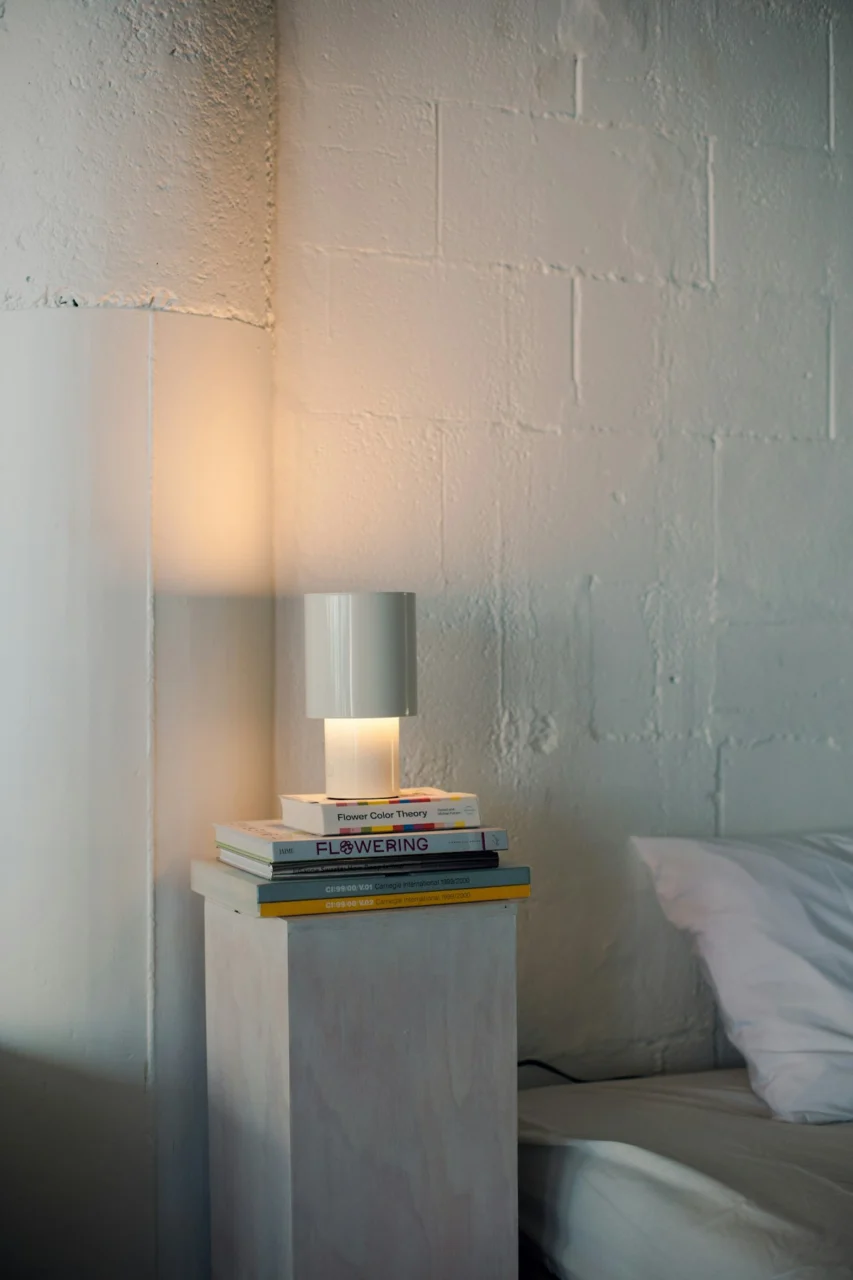
Photo by Jason Leung on Unsplash
Start with a base rug in a natural jute finish, then place a smaller soft rug in muted sage on top. A floor lamp with a warm‑white bulb (around 2700 K) positioned beside the seating piece adds task lighting, while a small dimmer switch on the overhead fixture allows the light level to be adjusted for reading or ambience.
Layered rugs delineate the seating area and add tactile interest; the varied heights help anchor the furniture. Over‑layering can make cleaning more involved, so keeping the top rug to a modest 3 feet square reduces maintenance. If a floor lamp is not available, a battery‑operated LED lantern provides a temporary lighting solution.
Frequently Asked Questions
How much space is needed for a bedroom seating nook?
A minimum of 4 × 4 feet accommodates a small chair or bench with enough room to move around. Larger arrangements, such as a window seat with cushions, typically require at least 6 × 6 feet to preserve clear pathways.
What lighting works best for a small nook?
Warm‑white bulbs in the 2700‑3000 K range provide a gentle glow without harsh contrast. A floor lamp with an adjustable head or a small pendant on a dimmer offers flexibility for reading or ambient lighting.
Can I create a seating area in a rented bedroom without permanent changes?
Yes. Portable pieces like a freestanding window box, a floor pouf, or a hanging chair that uses a removable ceiling bracket are renter‑friendly. Avoid drilling or attaching fixtures to walls unless permission has been granted.
Which fabrics are best for durability in a bedroom seat?
Natural fibers such as linen, cotton‑blend, and boucle resist wear and are easy to clean. For high‑traffic spots, a performance fabric with a low‑pile weave that repels dust and stains offers added durability.
Final Thoughts
Begin with the option that aligns with the current layout, whether a simple bench, a window seat, or a hanging chair, and let the rest of the room adapt around it. Prioritising comfort, appropriate scale, and easy maintenance ensures the nook remains inviting for years to come.