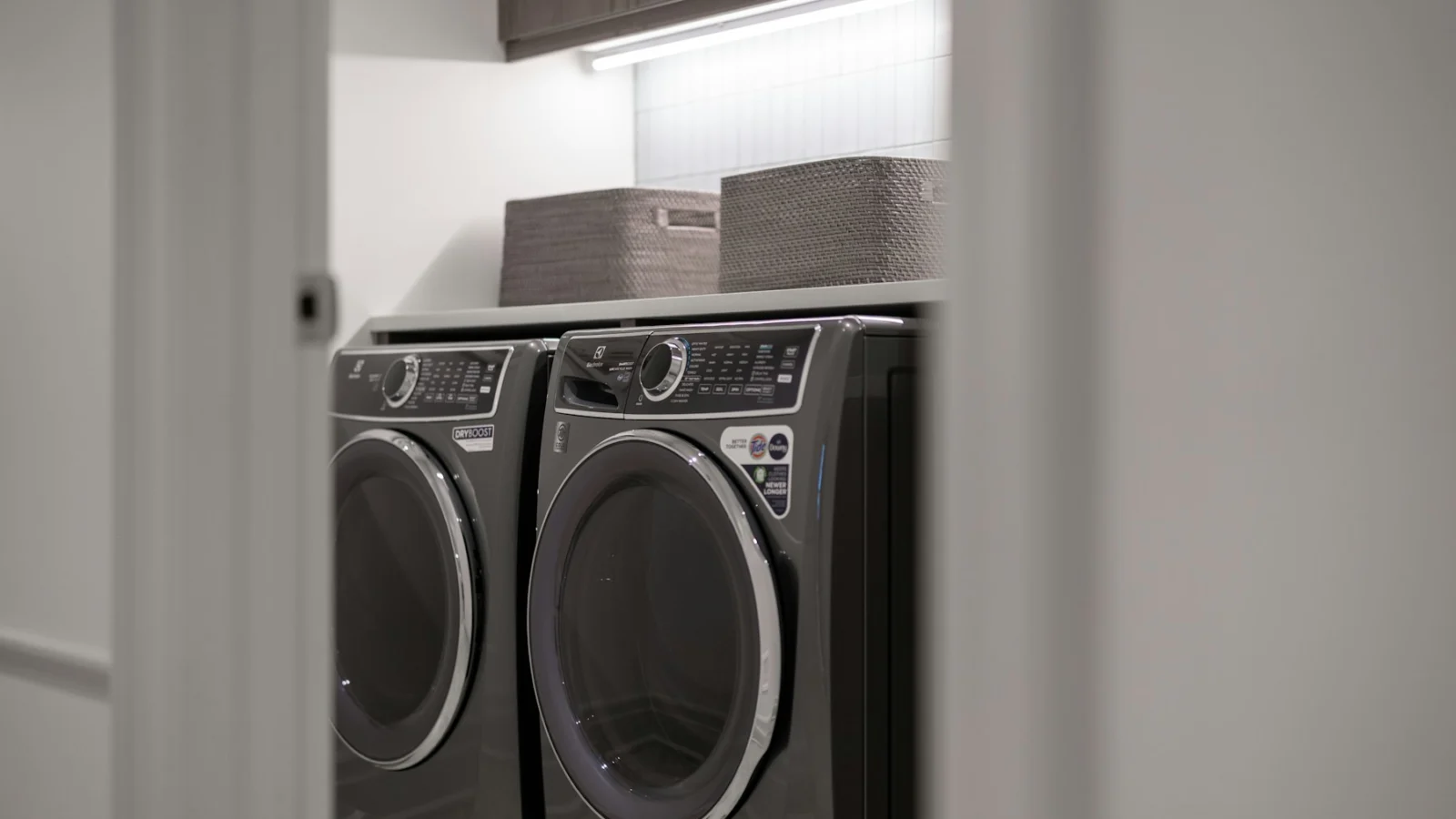
Smart Laundry Room Storage Ideas
When the laundry cycle ends, the room often looks like a small storm has passed through: damp towels, loose detergent bottles, and a tangle of socks waiting for a home. A well‑planned laundry space can turn that chaos into a calm, functional zone that feels as tidy as a boutique shop. Below are seven ideas that blend clever organization with thoughtful design, helping you keep the room organized while preserving a welcoming atmosphere.
1. Pull‑out drying racks hidden in cabinets
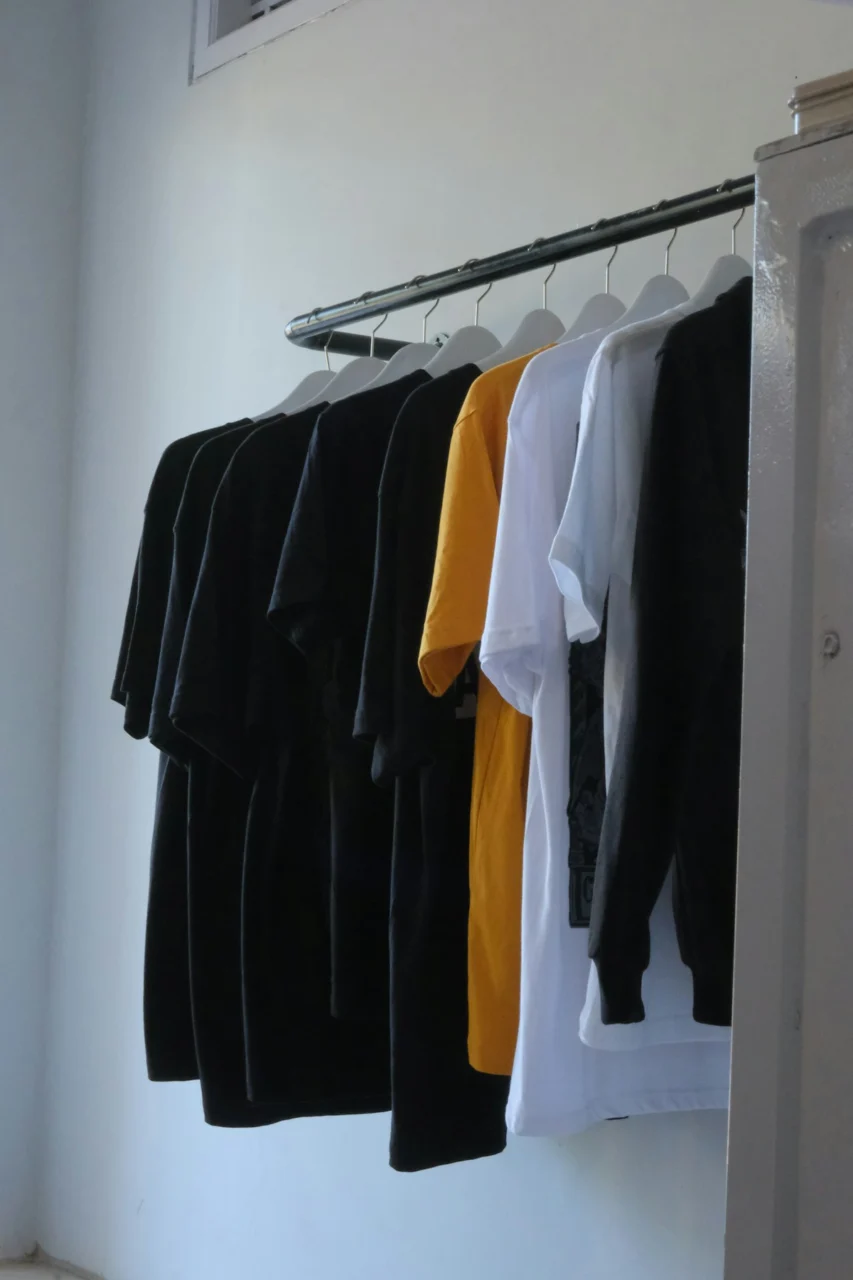
Photo by nobleseed nobleseed on Unsplash
Imagine a sleek cabinet that slides open to reveal a set of stainless‑steel drying rods. When you need to air‑dry delicate sweaters or a favorite pair of jeans, you simply pull the rack out, hang the items, and close the doors once the cycle is finished. The metal rods stay cool and resist rust, making them suitable for humid environments. By keeping the rack inside a cabinet, you protect it from dust and prevent it from becoming a permanent visual obstacle. The trade‑off is that the rack’s length is limited by the cabinet’s depth, so very long garments may need an alternative solution. Pair the cabinet with a soft‑close hinge to avoid slamming, and choose a neutral finish—such as brushed nickel or matte black—that complements the room’s existing hardware.
2. Wall‑mounted fold‑down ironing board with integrated storage
Photo by pandepande studio on Unsplash
A folding ironing board attached to the wall can free up floor space while providing a sturdy surface for pressing clothes. The board folds up flush against a painted panel, and the underside houses a shallow drawer for starch, spray mist, and a small iron. When the board is lowered, the drawer remains accessible, allowing you to grab supplies without stepping away. This arrangement works best in rooms with at least a foot of clearance above the board, ensuring the surface can be fully extended. A board with a heat‑resistant laminate protects the wall from accidental scorch marks. If the room has limited wall space, consider a narrower board that folds to the side instead of directly upward.
3. Modular stacking bins with clear labels
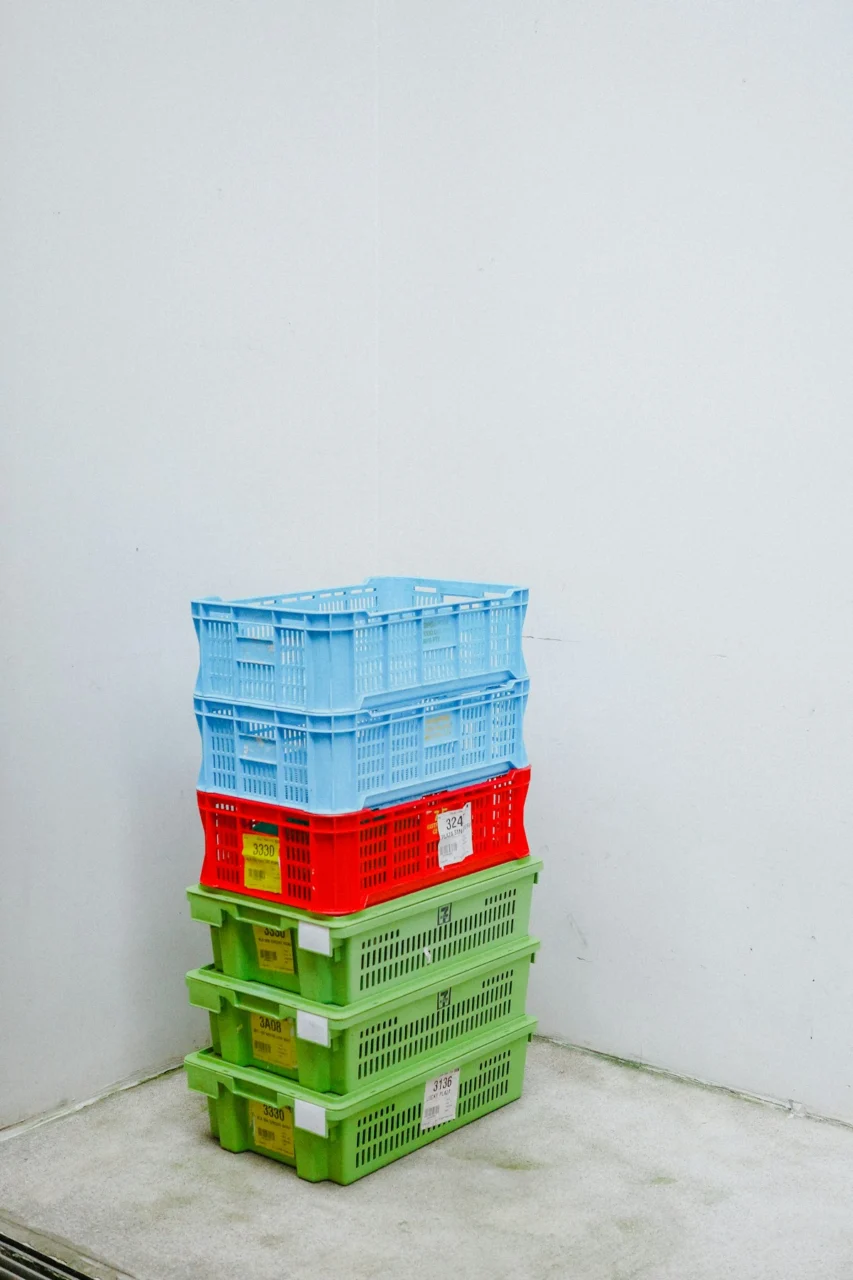
Photo by bady abbas on Unsplash
Stackable bins made from durable polypropylene give you the flexibility to adjust the layout as your laundry habits evolve. By arranging the bins in a vertical column, you keep the floor clear and create a visual hierarchy that makes sorting easier. Each bin can be labeled with a simple tag—one for whites, another for colors, a third for delicates—so you never have to hunt for the right container. The clear material also lets you see the contents at a glance, reducing the temptation to overfill. One limitation is that the bins can appear industrial if not softened with a decorative basket or a fabric liner; choosing a matte finish in a soft gray or warm sand can blend them into a more domestic aesthetic.
4. Built‑in laundry hampers with separate compartments

Photo by Annie Spratt on Unsplash
Instead of a single open basket, a built‑in hamper that splits into two or three sections encourages immediate sorting. The compartments can be sized for everyday loads—one for darks, one for lights, and an optional third for items that need hand‑washing. Framed in reclaimed oak, the hamper adds a touch of warmth that contrasts nicely with stainless appliances. Because the unit is recessed into a wall niche, you avoid the visual bulk of a free‑standing basket, and the doors can be fitted with soft‑close hinges for quiet operation. The main consideration is the need for precise measurements during installation; a mis‑fit can result in awkward gaps that collect lint. If you lack a wall niche, a freestanding version with a low profile can still offer the same sorting benefits.
5. Over‑door pocket system for detergents and accessories

Photo by Handsup -U on Unsplash
Many laundry rooms have a swinging door that often goes unused. By attaching a set of fabric or canvas pockets to the inside of the door, you create instant storage for detergent bottles, fabric softener, dryer sheets, and a small handheld vacuum. The pockets can be sewn with reinforced corners to support the weight of a full detergent jug, and a subtle hook at the bottom keeps a lint roller within reach. This solution is inexpensive, requires no drilling, and can be removed when you change the room’s layout. However, the pockets add a soft surface to the door, which may affect the door’s ability to close fully if the hinges are already loose; reinforcing the hinges beforehand prevents any snagging.
6. Adjustable shelving that follows the ceiling line

Photo by Vlado Paunovic on Unsplash
When a laundry room has a sloping ceiling, conventional shelves often leave wasted space. Installing a series of adjustable brackets that follow the roofline allows you to place shelves at varying heights, making use of the narrowest sections for small containers and the wider sections for bulkier items like laundry baskets. Shelves in powder‑coated steel resist moisture and can be painted to match the wall color—soft greige or muted teal works well with most appliances. The flexibility of the system means you can reposition the shelves as your storage needs change, but the brackets require secure anchoring into studs; otherwise, the weight of heavy items could cause sagging.
7. Multipurpose bench that doubles as a sorting station

Photo by Jason Leung on Unsplash
A low bench placed near the washer provides a place to sit while folding, and its interior can serve as a concealed drawer for sorting supplies such as stain remover, a lint brush, and spare hangers. Upholstering the seat in a durable, water‑resistant fabric—like a performance linen in a warm stone hue—adds comfort without inviting spills. The bench’s top can be left open to hold a tray of folded towels or a basket of clean socks, keeping the most frequently used items within arm’s reach. The main drawback is the need for adequate floor space; in a cramped room, a bench may impede the flow between the washer and dryer. If space is limited, a narrow ottoman with a hidden compartment can provide a similar function without sacrificing movement.
FAQ
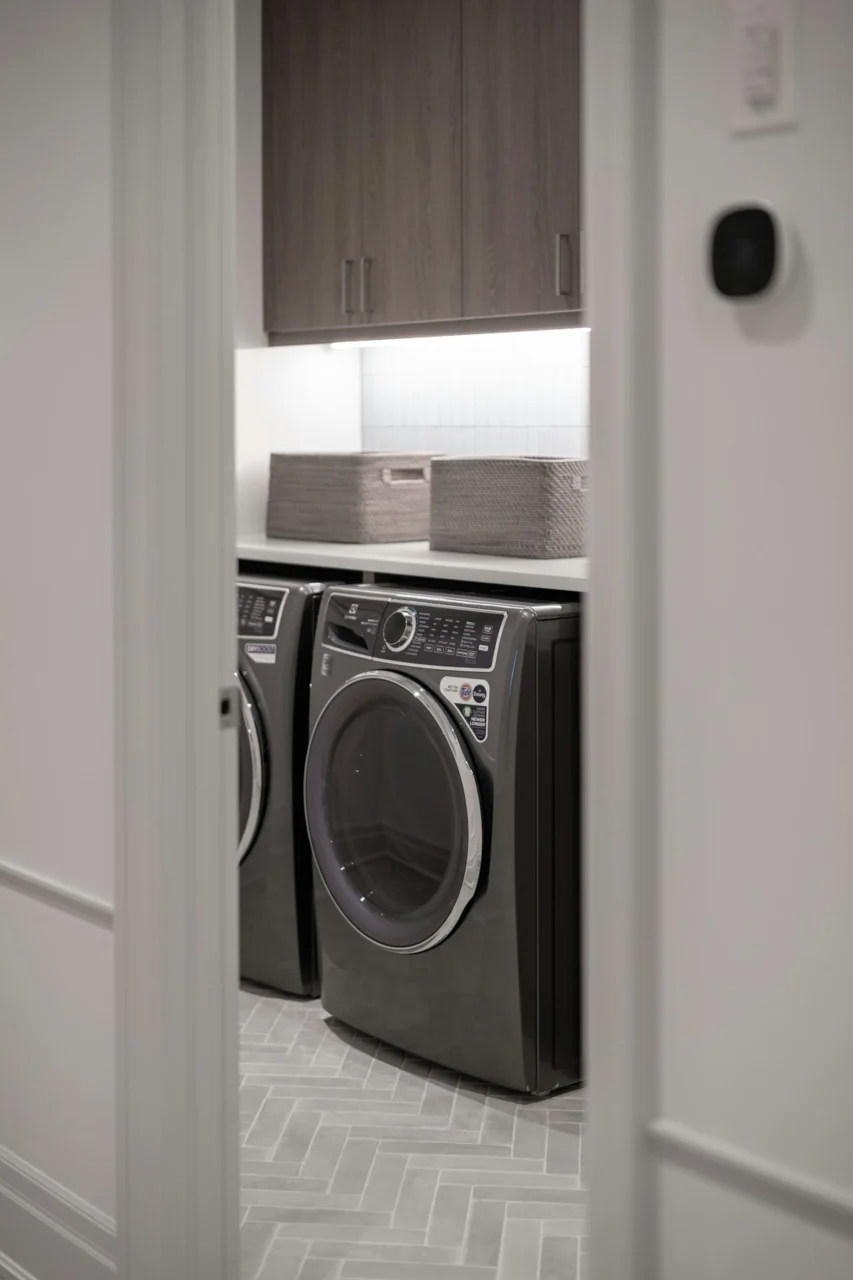
Photo by Franco Debartolo on Unsplash
How can I keep my laundry room smelling fresh?
Place a small dish of baking soda or a scented sachet on a shelf to absorb odors, and run a short cycle with white vinegar once a month to clear residue. Good ventilation, either through a window or an exhaust fan, also helps prevent musty smells.
What type of lighting works best for a laundry room?
Bright, even lighting is essential for spotting stains. A combination of recessed LED fixtures on the ceiling and a task light over the folding area creates balanced illumination without harsh shadows.
Is it safe to store cleaning chemicals on lower shelves?
Store chemicals on a shelf that is out of reach of children and pets, preferably above waist height. Keep them in their original containers and label them clearly to avoid confusion.
Can I install a drying rack if my walls are drywall?
Yes, use wall anchors rated for the weight of the rack and the items you’ll hang. A stud finder helps locate solid wood behind the drywall, providing a more secure mounting point.
What flooring material stands up to water spills?
Ceramic tile, vinyl plank, or sealed concrete are all water‑resistant options that handle frequent spills. Choose a finish with a low slip rating to maintain safety when the floor is wet.
Final Thoughts
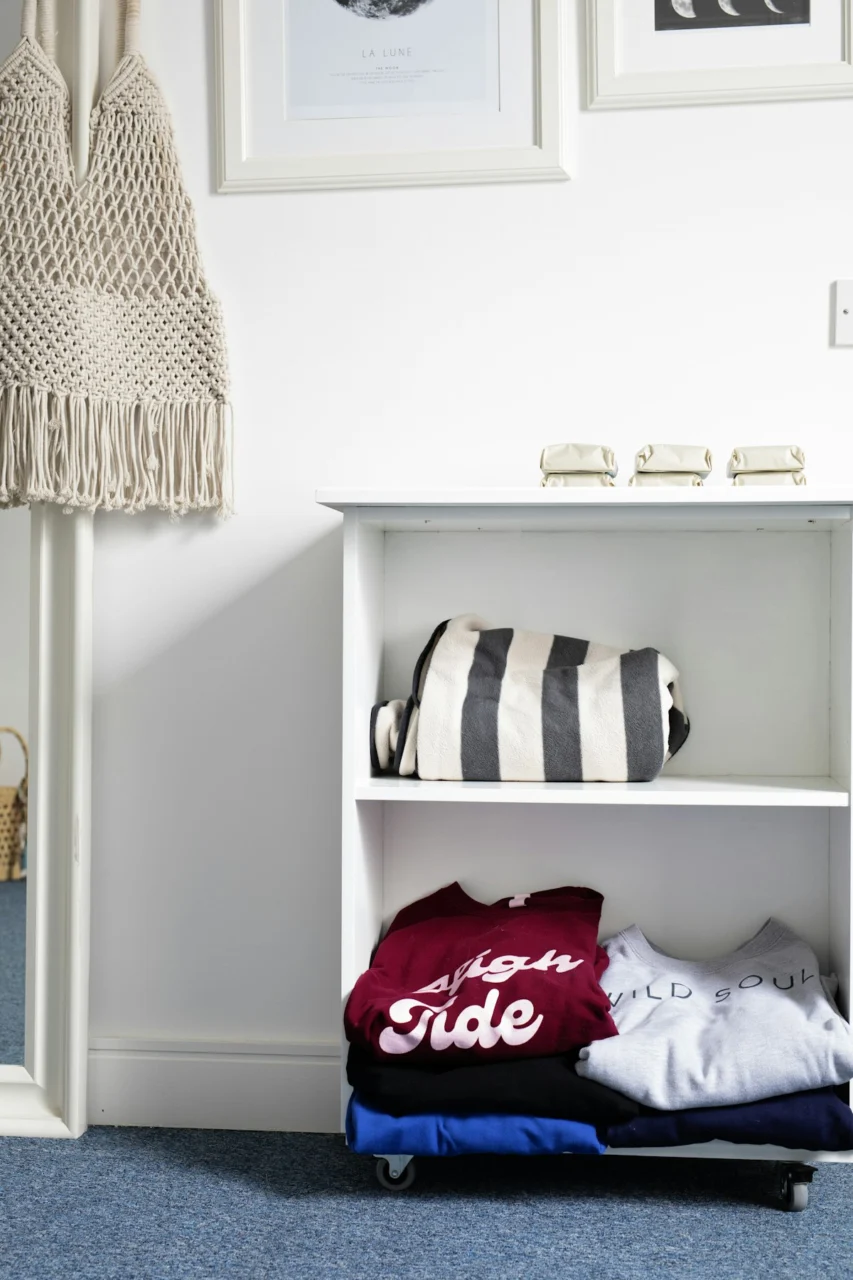
Photo by Margaret Young on Unsplash
Transforming a laundry room from a functional afterthought into a well‑organized, pleasant space doesn’t require a complete remodel. By integrating hidden drying racks, fold‑down ironing stations, modular bins, built‑in hampers, over‑door pockets, adaptive shelving, and a multipurpose bench, you can create a room that works with your routine rather than against it. Each idea brings its own set of benefits and considerations, so choose the elements that match your layout, budget, and style. With thoughtful planning, the laundry room can become a place where chores feel a little lighter and the home feels a little more cohesive.