Bathroom Backsplash Ideas That Add Wow Factor: Stunning Ways to Wow Your Space
When you step into a bathroom, the first thing you notice is often the wall behind the sink. A well‑chosen backsplash can turn a plain vanity wall into a visual centerpiece without a full remodel. Below are seven distinct ideas that blend style, durability, and practicality, so you can pick the one that fits your taste, budget, and daily routine.
1. Mosaic Marvels: Small Tiles, Big Impact
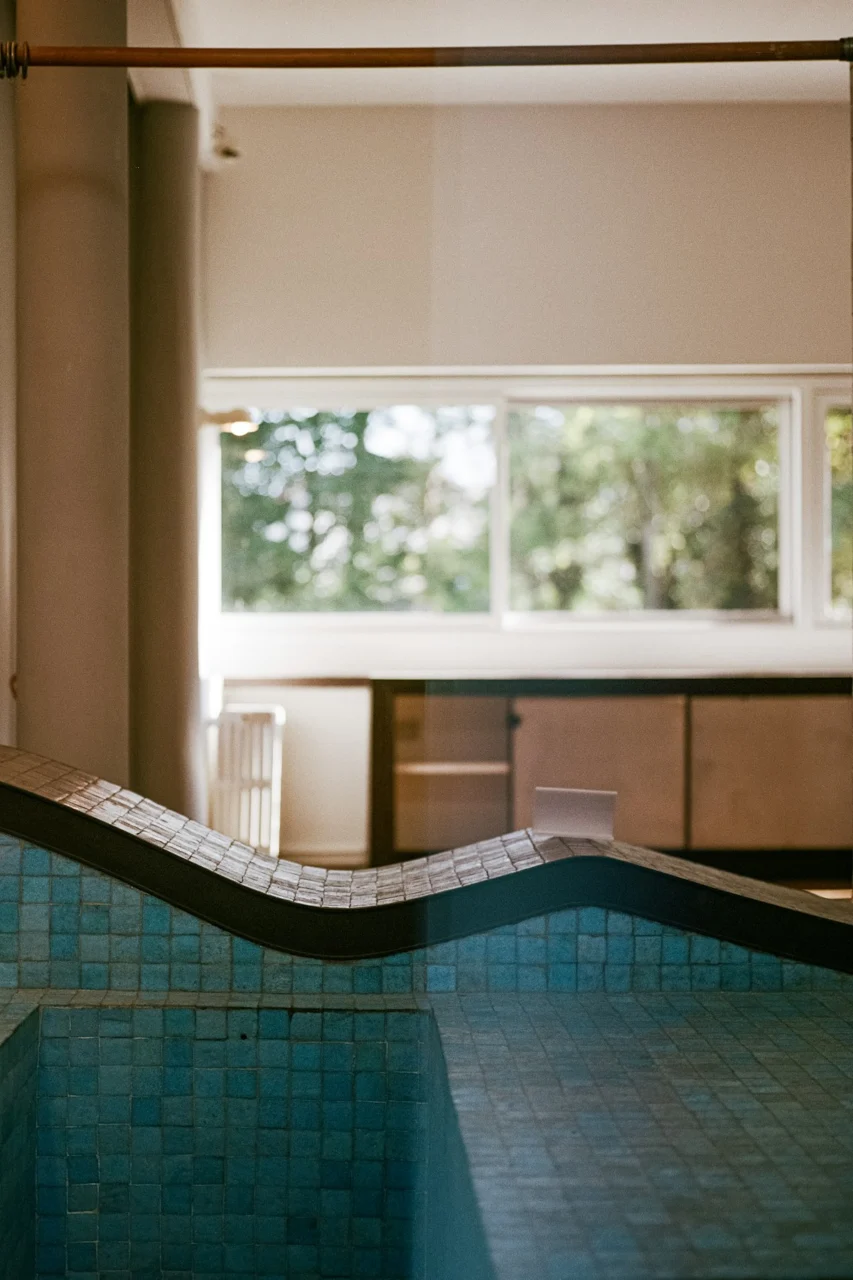
Photo by valentin ciccarone on Unsplash
Glass or ceramic mosaics create texture and color in a way that larger tiles can’t. Because each piece is tiny, you can craft intricate patterns or subtle gradients that catch light from every angle.
Why It Works
- Design flexibility: Arrange tiles in geometric shapes, floral motifs, or even a custom monogram.
- Water resistance: Grouted mosaics are sealed, making them ideal for splash zones.
Things to Watch
- Grout lines can darken over time; choose a high‑quality epoxy grout for durability.
- Installation is labor‑intensive, so budget for professional help if you’re not comfortable with small‑scale tiling.
2. Subway Tile Remix: Classic With a Twist
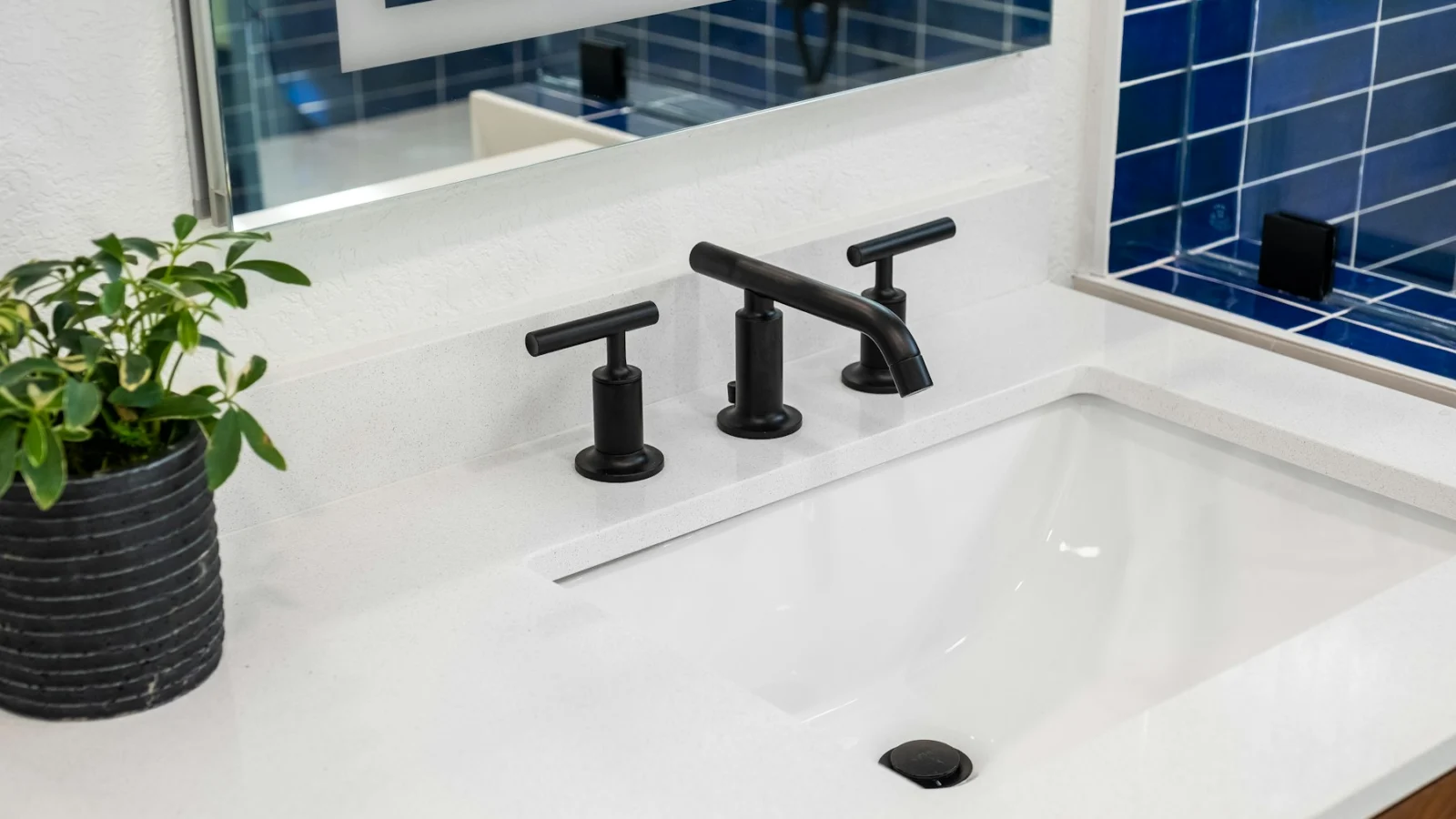
Subway tiles are a bathroom staple, but you can elevate them by playing with layout, finish, or color.
Creative Variations
- Offset (running bond) pattern: Break the monotony of straight rows.
- Matte black or deep navy: Adds drama without overwhelming the space.
- Textured finishes: Look for brushed or hammered surfaces for subtle depth.
Practical Tips
- Use a waterproof membrane behind the tiles to protect drywall.
- Seal the grout after curing to prevent staining from soap or cosmetics.
3. Natural Stone Slabs: Organic Elegance
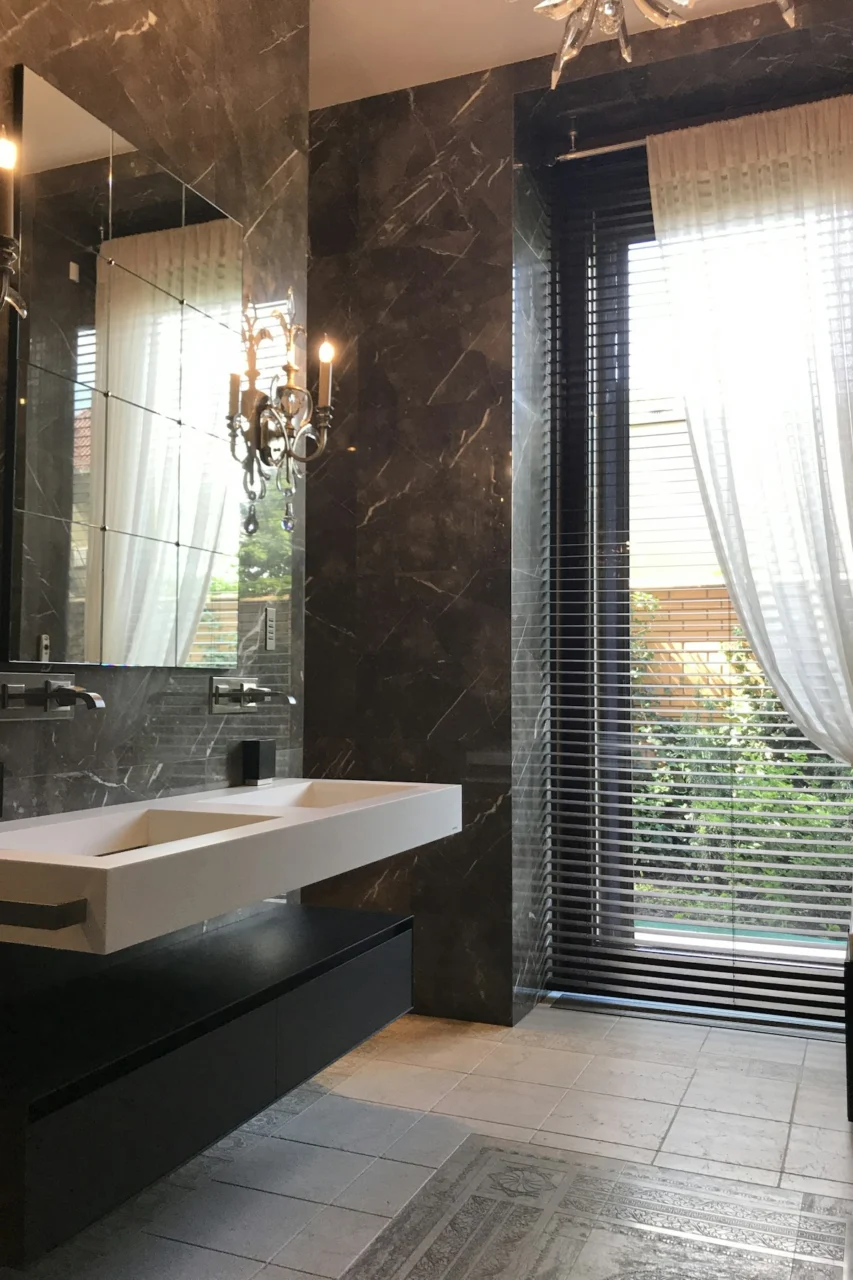
Photo by Андрей Постовой on Unsplash
Large slabs of marble, travertine, or slate bring a spa‑like feel. Their natural veining becomes a focal point that ages gracefully.
Installation Considerations
- Stone is heavy; ensure the wall studs can support the load or add a backing board.
- Apply a penetrating sealant to resist water penetration and staining.
Maintenance Snapshot
- Regularly wipe with a pH‑balanced cleaner; avoid acidic cleaners that etch marble.
- Re‑seal every 12‑18 months, especially in high‑traffic homes.
4. Peel‑and‑Stick Vinyl Tiles: Budget‑Friendly Quick Fix
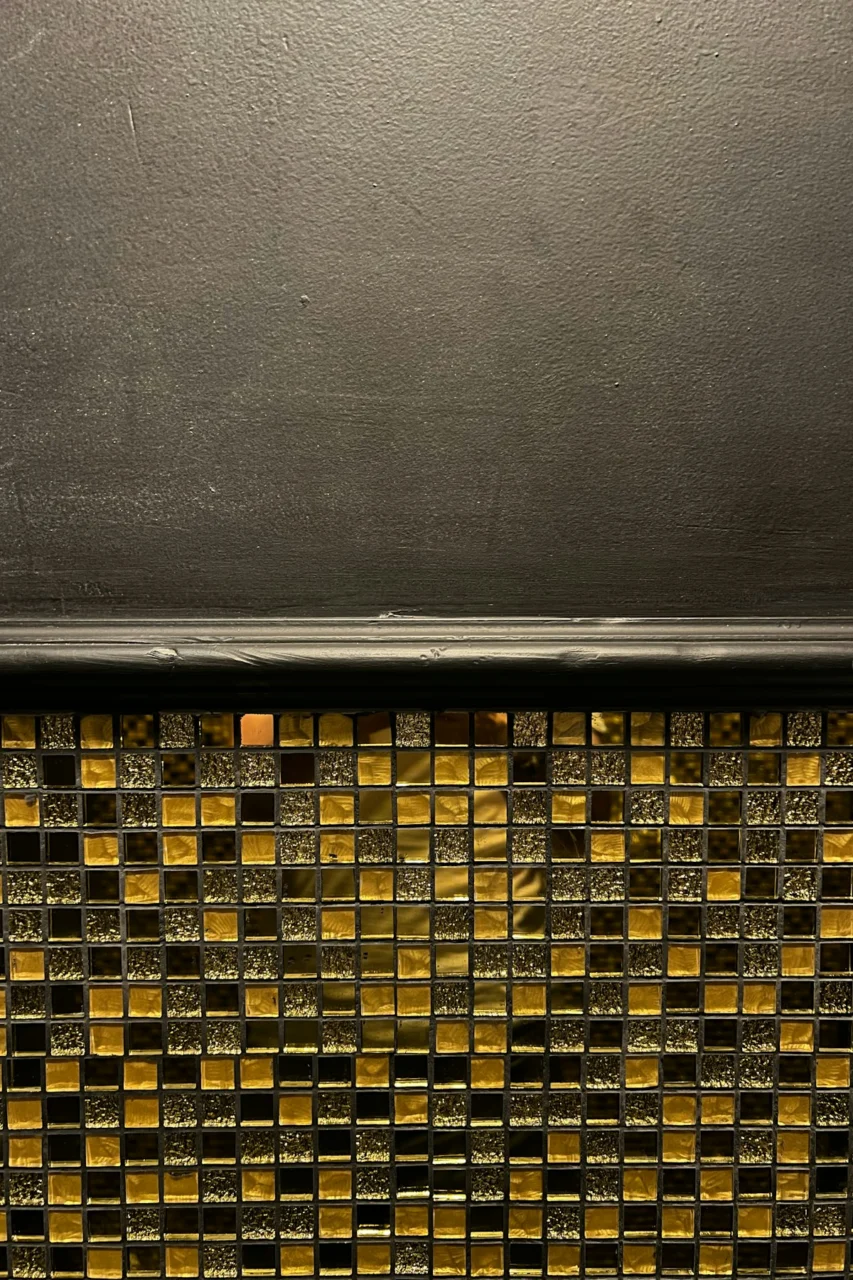
Photo by Daniel Tanase on Unsplash
Modern vinyl backsplashes mimic tile, wood, or stone and adhere directly to a clean wall. They’re perfect for renters or DIY novices.
Best Practices
- Prepare the surface by removing any old adhesive and cleaning thoroughly.
- Cut pieces with a utility knife for a seamless look around outlets.
Limitations
- Not as heat‑resistant as ceramic; keep hair dryers a few inches away.
- May not hold up as long in humid climates; replace after a few years if it begins to delaminate.
5. Metal Panels: Industrial Chic Meets Moisture Resistance
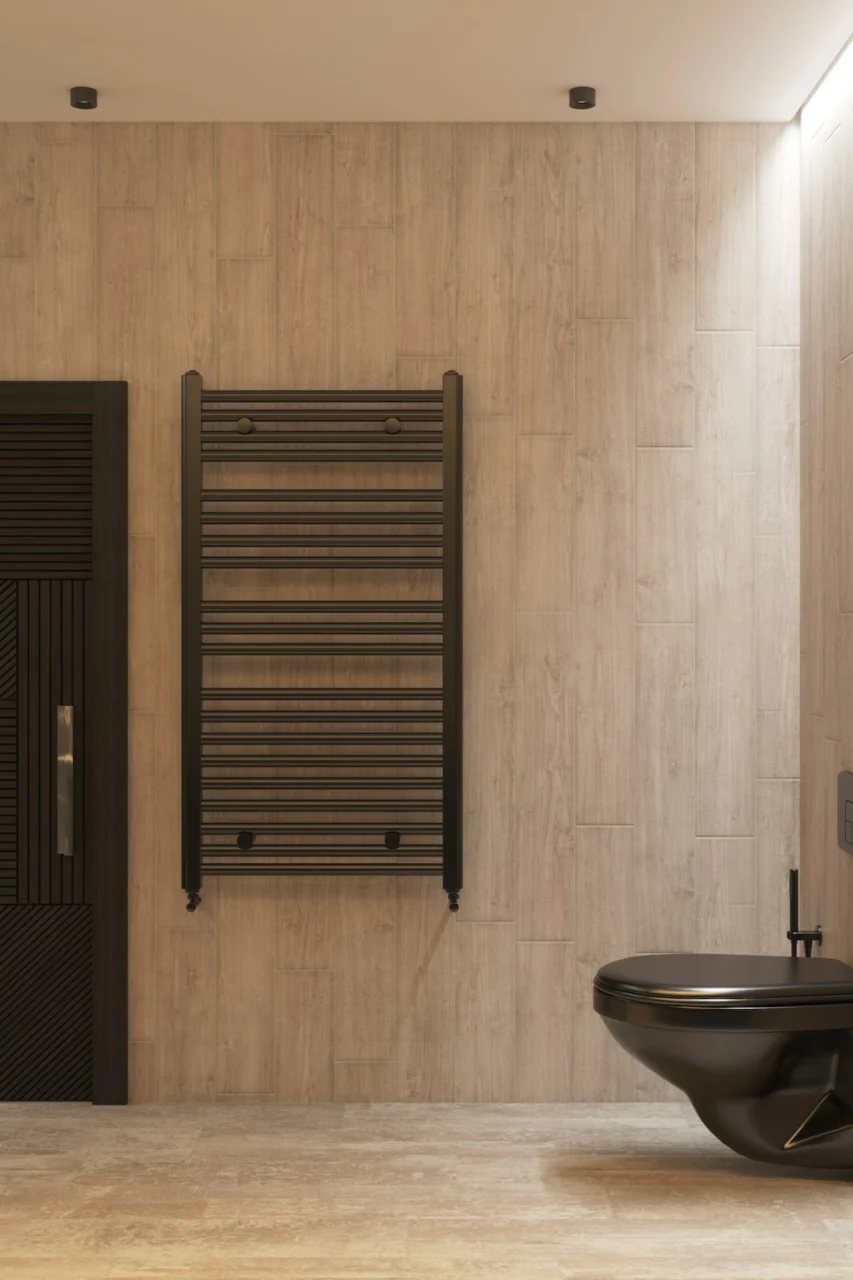
Photo by Bilal Mansuri on Unsplash
Stainless steel, brushed copper, or aluminum panels add a sleek, reflective surface that’s surprisingly easy to clean.
Design Ideas
- Use a single large panel for a minimalist look.
- Combine with wood trim for a warm, mixed‑material vibe.
Installation Notes
- Secure panels with corrosion‑resistant screws; pre‑drill to avoid warping.
- Apply a clear protective coat if the metal is prone to fingerprints.
6. Painted Glass: Colorful Transparency
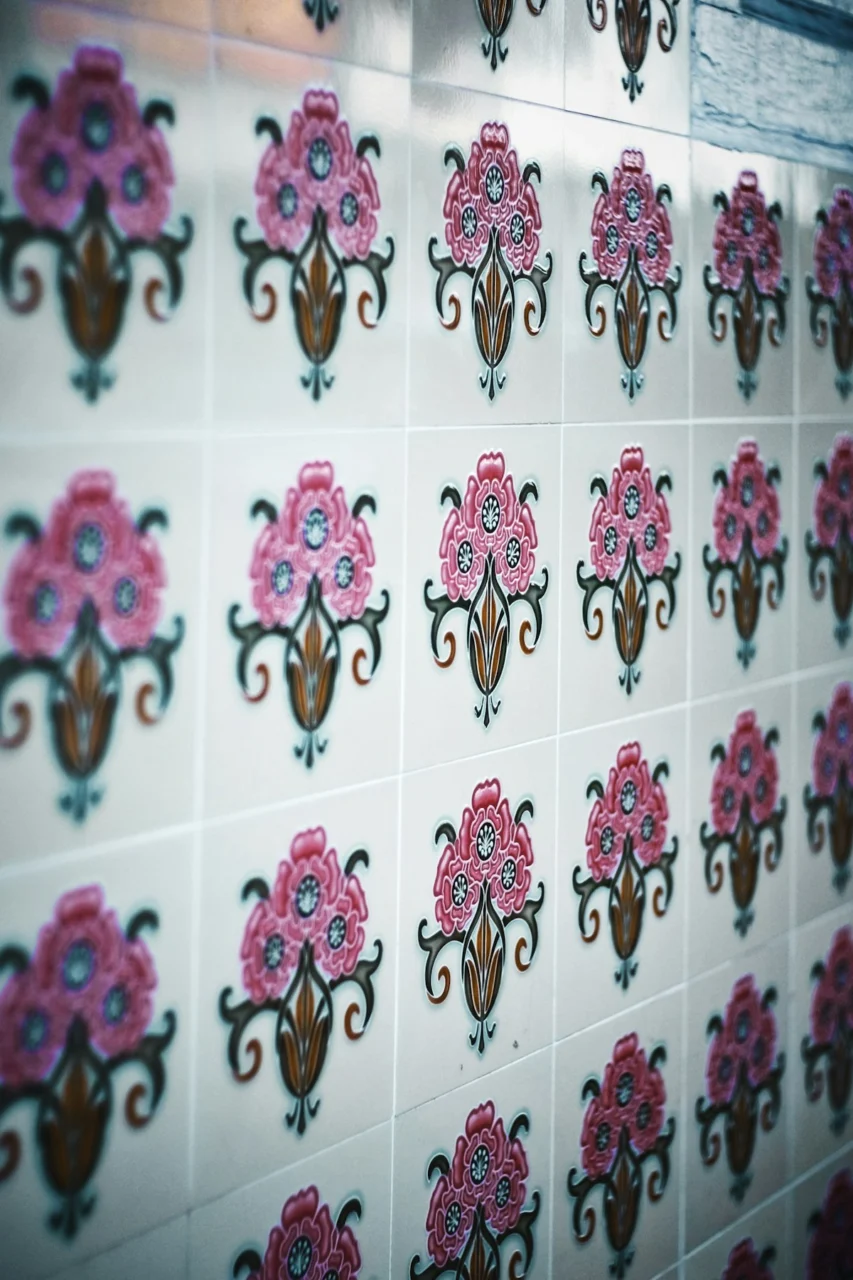
Photo by Danist Soh on Unsplash
Tempered glass panels can be frosted, tinted, or hand‑painted with waterproof pigments. The result is a splash‑proof surface that doubles as art.
Advantages
- Completely non‑porous; wipes clean with a soft cloth.
- Reflects light, making small bathrooms feel larger.
Potential Pitfalls
- Custom painted glass can be pricey; order from a reputable studio.
- Edge trimming is essential to avoid sharp corners.
7. Reclaimed Wood Slats: Warmth With a Modern Edge
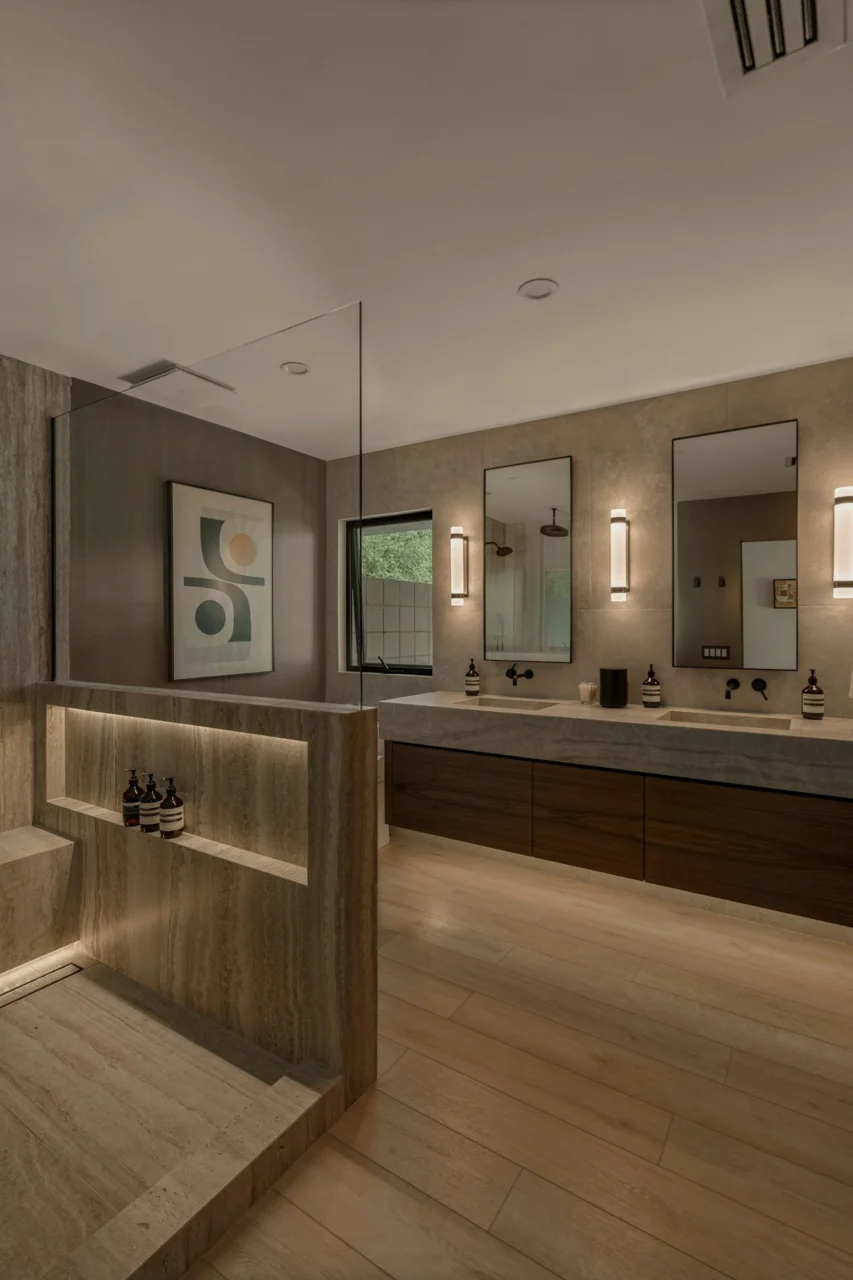
Photo by Peter Muniz on Unsplash
When properly sealed, wood adds texture and a cozy feel that contrasts nicely with sleek fixtures.
Choosing the Right Wood
- Hardwoods like oak or walnut resist warping better than softwoods.
- Look for kiln‑dried boards to minimize moisture movement.
Sealing Strategy
- Apply a marine‑grade varnish or polyurethane for water resistance.
- Consider a clear epoxy coating for extra durability in the splash zone.
FAQ
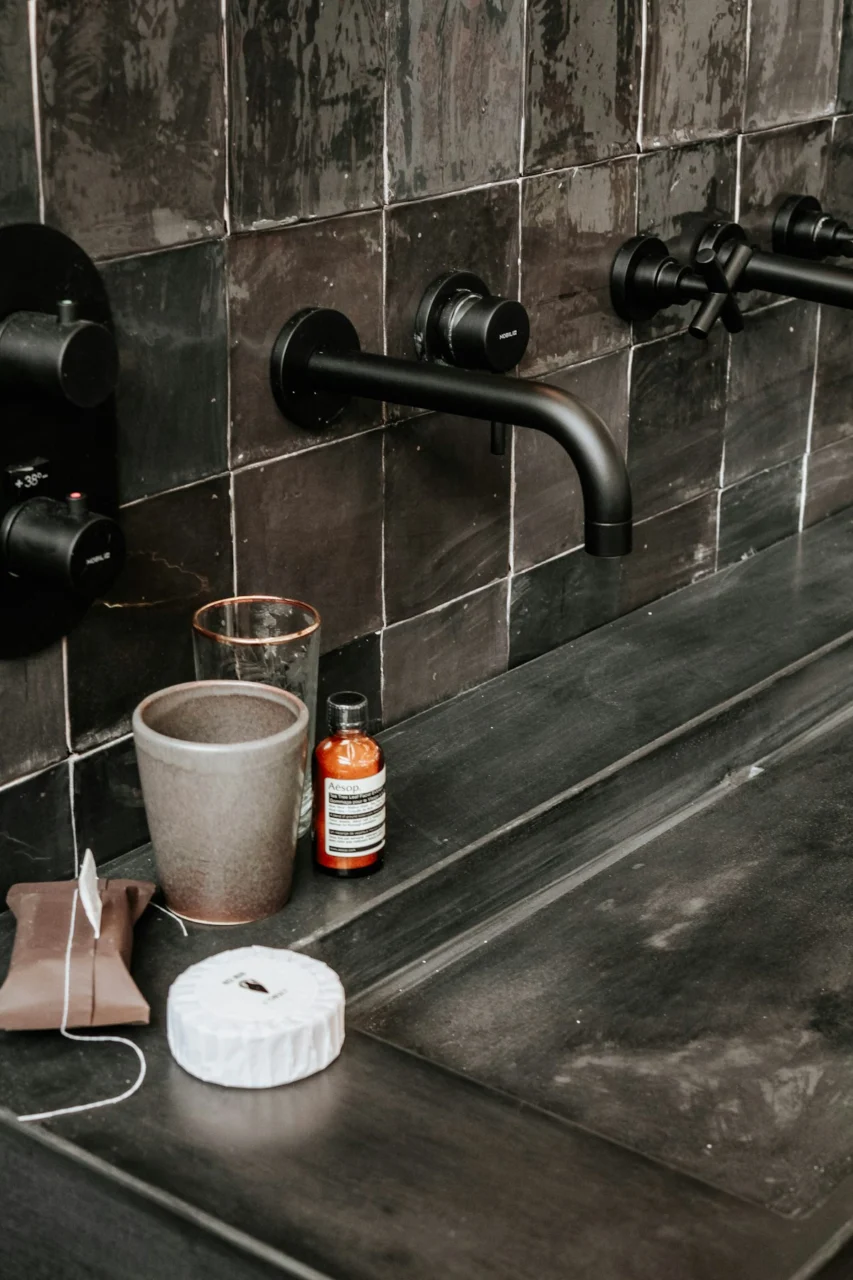
Photo by micheile henderson on Unsplash
Q: Can I install a backsplash myself if I have limited DIY experience?
A: Simple options like peel‑and‑stick vinyl or pre‑cut subway tiles are manageable for beginners. More complex materials—mosaic, stone, or metal—usually benefit from professional installation.
Q: How high should a bathroom backsplash be?
A: A common height is 4 feet, covering the area above the vanity and below the mirror. For taller walls, extending to the ceiling can create a dramatic effect, especially with bold patterns.
Q: What maintenance does a glass backsplash require?
A: Because glass is non‑porous, a daily wipe with a mild detergent and water is sufficient. Avoid abrasive pads that can scratch the surface.
Q: Are there eco‑friendly backsplash materials?
A: Reclaimed wood, recycled glass tiles, and low‑VOC ceramic mosaics are good choices for a greener bathroom.
Q: Will a backsplash protect my wall from water damage?
A: Yes, when properly installed with a waterproof membrane and sealed grout, a backsplash creates a barrier that prevents moisture from reaching drywall.
Final Thoughts
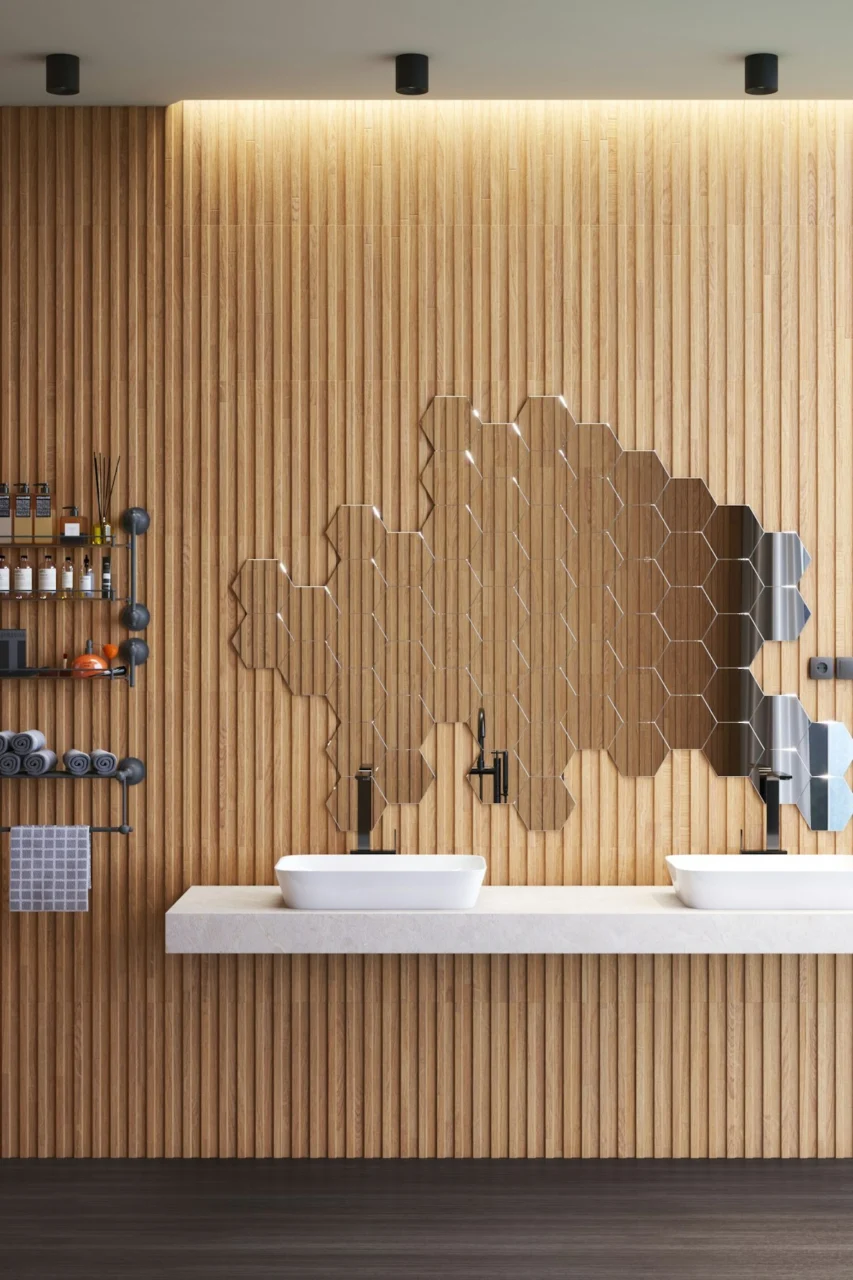
Photo by Bilal Mansuri on Unsplash
Choosing a backsplash is an opportunity to express personal style while adding a layer of protection where it matters most. Whether you gravitate toward the timeless charm of subway tiles, the luxe feel of natural stone, or the playful edge of reclaimed wood, each option brings its own set of considerations. Balance aesthetics with durability, budget, and maintenance, and you’ll end up with a bathroom wall that truly adds wow factor.