Rustic Outdoor Kitchen Ideas for Alfresco Cooking to Inspire Your Backyard
When the grill’s heat meets a breezy patio, cooking outdoors becomes a ritual rather than a task. Yet many homeowners struggle to blend function with the relaxed, weather‑worn charm of a rustic kitchen. Below are seven distinct ideas that keep the look earthy while delivering the practicality you need for alfresco meals.
1. Reclaimed‑Wood Countertops That Age Gracefully
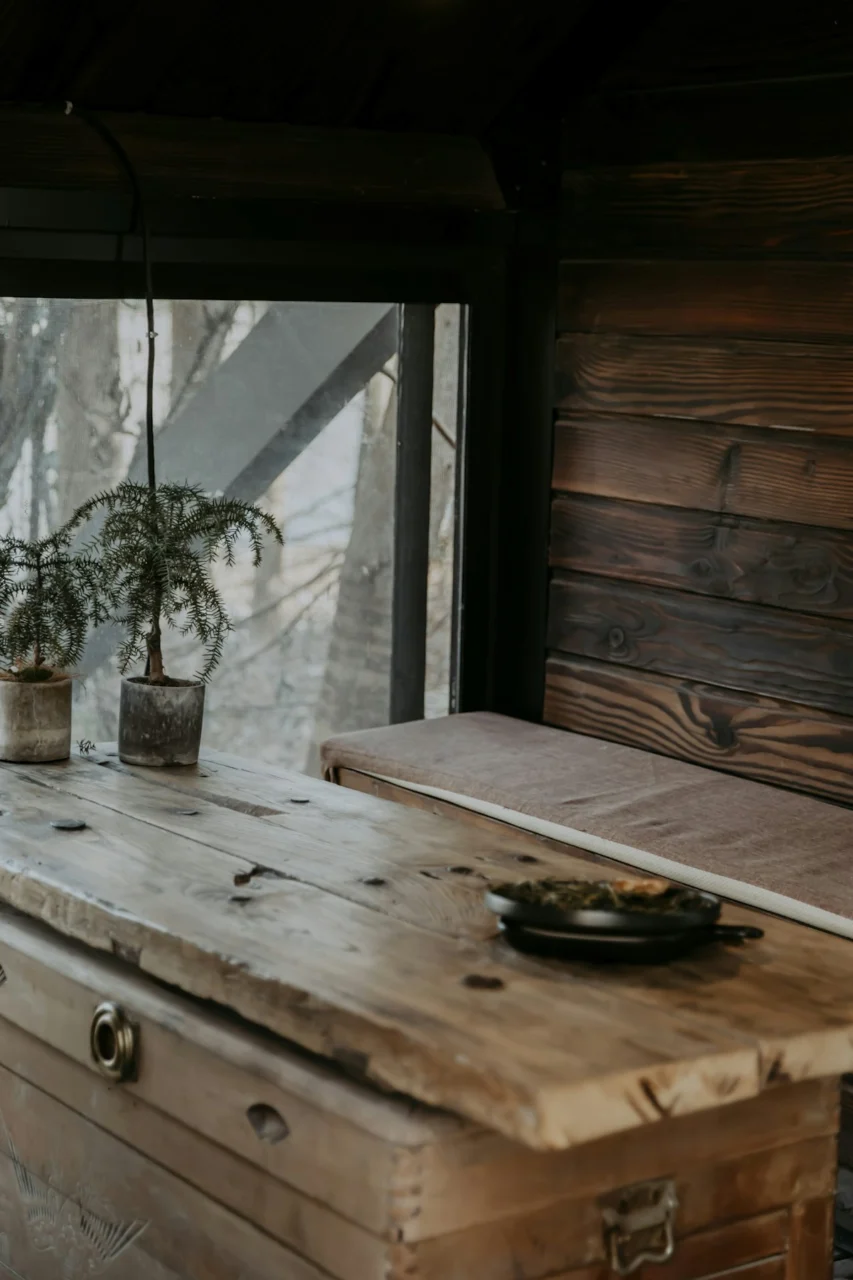
Nothing says “rustic” like a surface salvaged from old barns or pallets. Reclaimed wood adds character, and its natural patina deepens with sun and use.
Why It Works
- Durability: Hard, dense woods such as oak or reclaimed pine resist scratches and can be sealed for moisture resistance.
- Eco‑friendly: Reusing material reduces waste and often costs less than new stone.
Practical Tips
- Choose boards that are at least 1½ inches thick to avoid warping.
- Apply a food‑safe marine varnish; re‑coat annually in humid climates.
- Install a drip edge to protect the wood from runoff when washing vegetables.
Be aware that untreated wood can harbor bacteria, so sealing is non‑negotiable for food prep areas.
2. Stone or Brick Backsplash for Heat‑Resistant Style
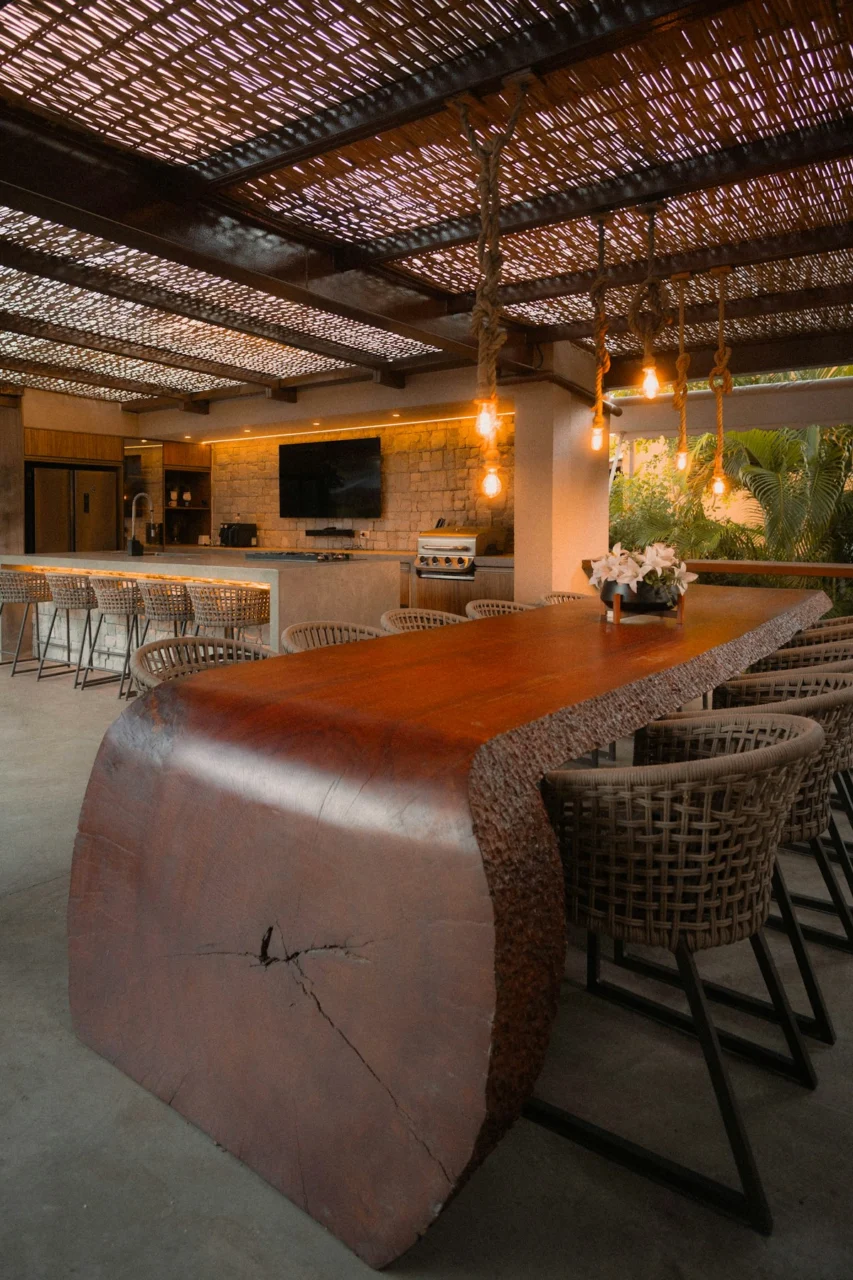
Photo by Alef Morais on Unsplash
A brick or natural stone wall behind the grill not only shields adjacent surfaces from splatter but also creates a visual anchor.
Material Choices
- Fieldstone: Irregular shapes give a rugged look; requires mortar joints that can be sealed.
- Fire‑bricks: Specifically designed to withstand high temperatures; ideal for direct grill proximity.
Installation Considerations
- Leave a 2‑inch air gap between the backsplash and any combustible material.
- Use stainless‑steel brackets for mounting to prevent rust.
- Plan for a removable panel if you need occasional access to gas lines.
Regularly sweep ash and debris to keep the surface from becoming a fire hazard.
3. Open‑Shelving Made from Treated Cedar
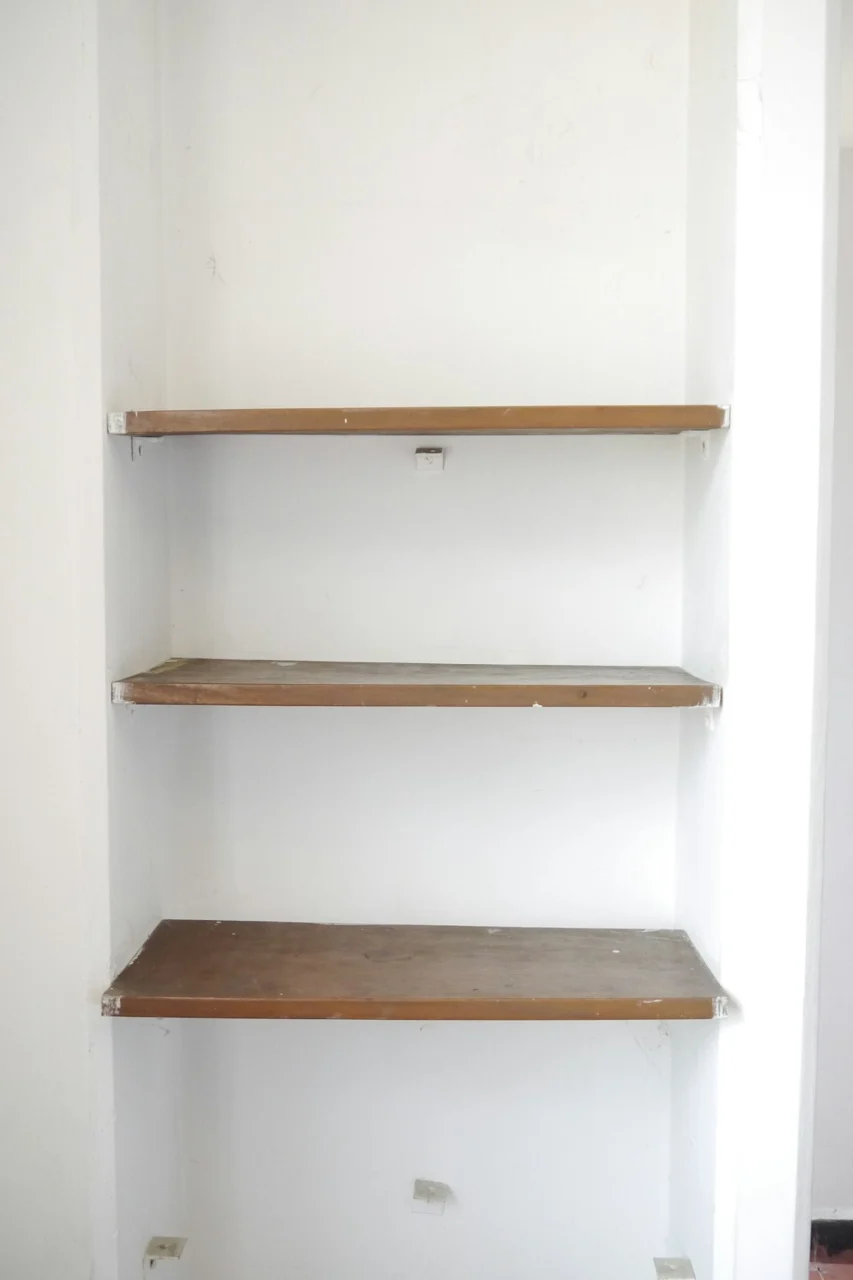
Photo by Celso A. Torres Pirron on Unsplash
Cedar’s natural oils repel insects, making it a smart choice for outdoor storage. Open shelves keep dishes, spices, and grilling tools within arm’s reach while preserving an airy feel.
Design Details
- Space shelves 12‑18 inches apart to accommodate large pots and cutting boards.
- Anchor brackets into concrete or a sturdy frame to prevent wobble in windy conditions.
- Consider a simple rope rope‑pulley system for a rustic, farmhouse vibe.
Maintenance
Apply a clear, UV‑blocking sealant yearly; cedar can fade under intense sun but will retain structural integrity.
4. Farmhouse‑Style Sink with a Copper Basin

A deep copper sink offers both practicality and a warm glow that complements weathered wood. Copper’s natural antimicrobial properties add a subtle health benefit.
Choosing the Right Model
- Opt for a single‑bowl, 30‑inch width to fit most prep stations.
- Ensure the faucet has a pull‑out sprayer for rinsing produce.
- Look for a basin with a brushed finish to hide fingerprints.
Installation Tips
- Mount the sink on a sturdy, waterproof base—concrete or a thick composite board.
- Run supply lines through a sealed conduit to protect against weather.
- Install a simple drain trap; avoid complex plumbing that could freeze in colder climates.
Polish the copper periodically with a mild acid solution (e.g., lemon juice) to maintain its patina.
5. Ambient Lighting with Vintage Lanterns

Photo by Blake Cheek on Unsplash
Evening cooking needs reliable illumination without sacrificing the rustic vibe. Vintage metal lanterns, paired with LED bulbs, deliver soft, warm light and are energy‑efficient.
Placement Strategy
- Hang two lanterns on opposite sides of the prep area for even coverage.
- Mount a low‑profile, battery‑operated strip under the countertop edge for task lighting.
- Use a solar‑powered lantern on a nearby post for eco‑friendly accent lighting.
Safety Note
All wiring should be rated for outdoor use (UL‑listed) and connections sealed with waterproof gaskets. If you’re uncomfortable with electrical work, hire a licensed electrician.
6. Portable Grill Island on a Concrete Pad
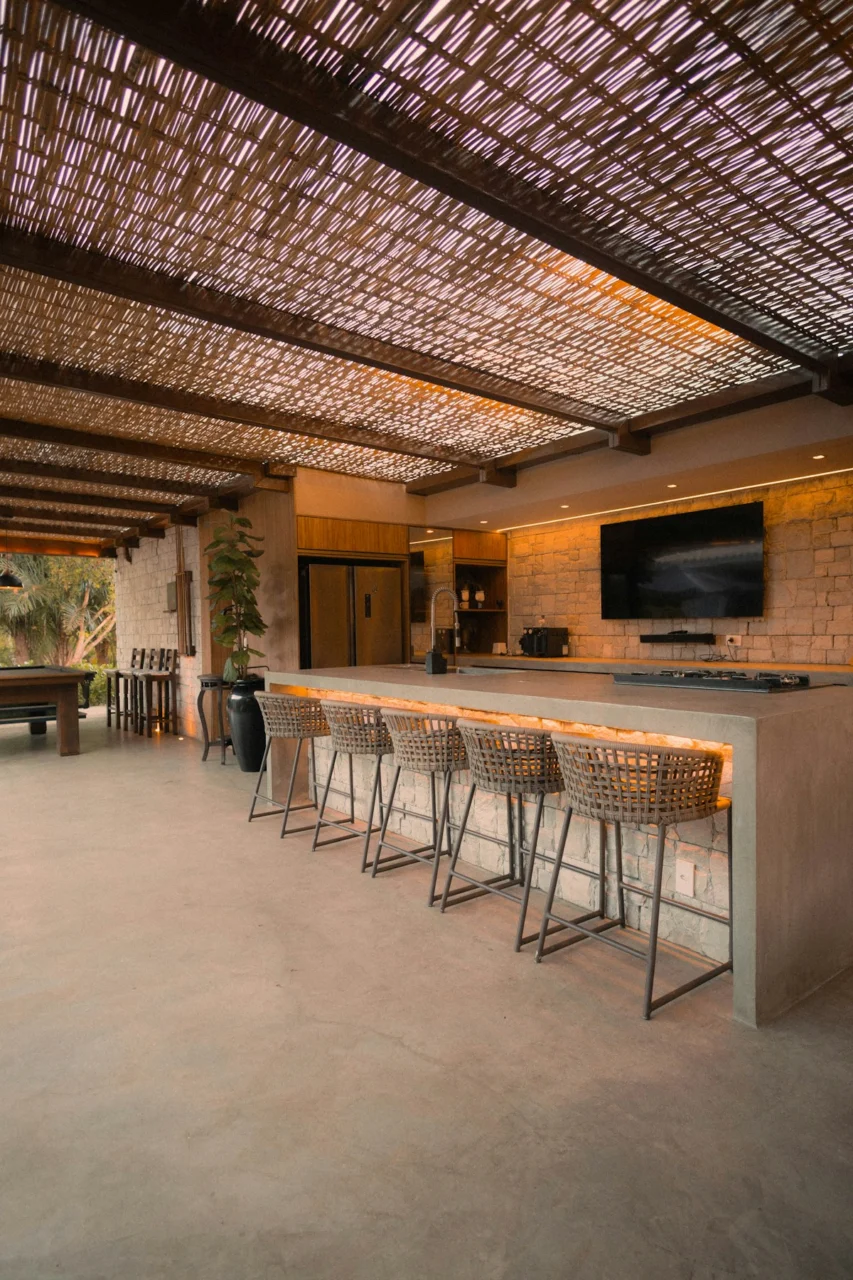
Photo by Alef Morais on Unsplash
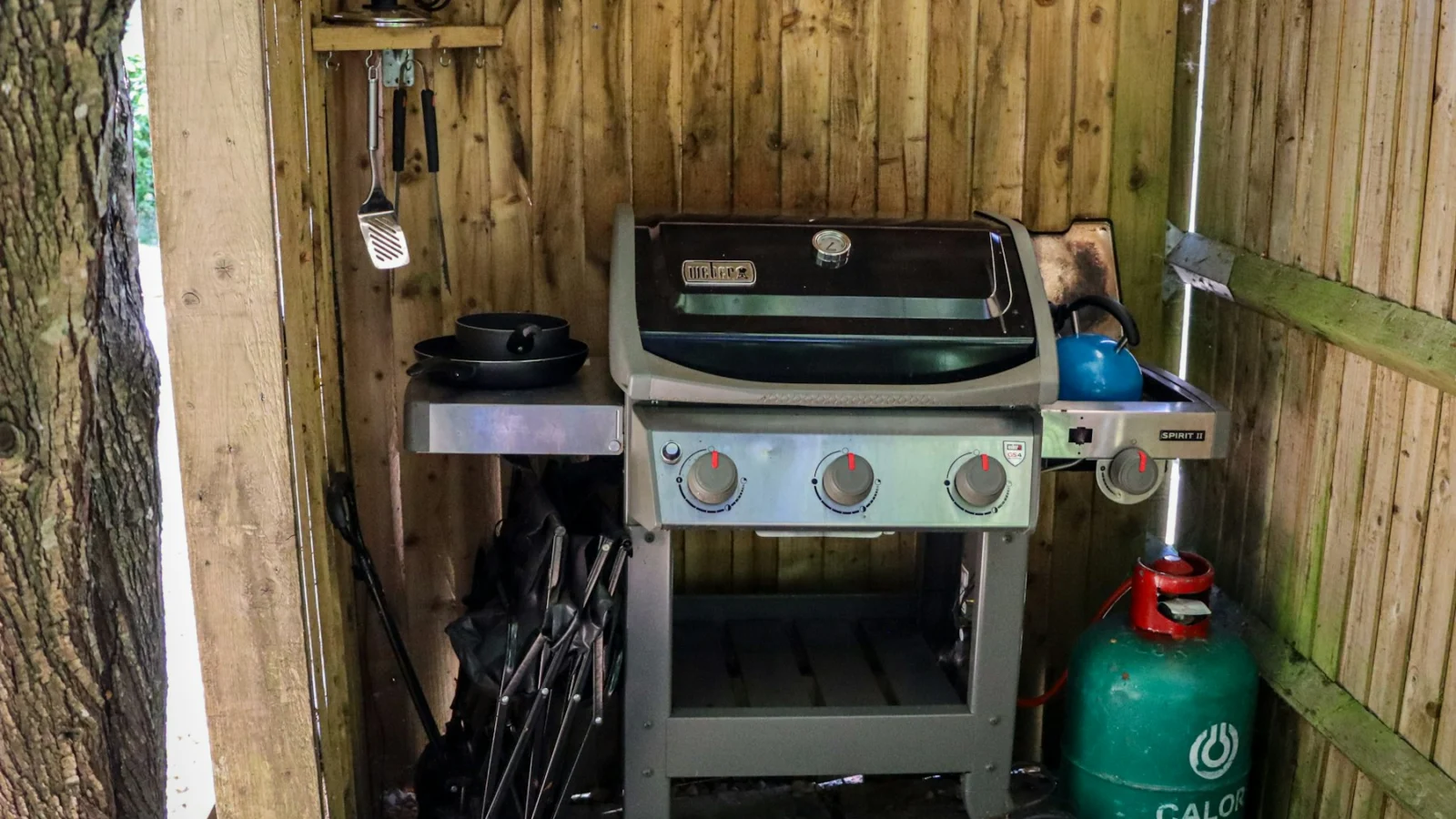
A freestanding grill island offers flexibility; you can move it for seasonal layouts or store it during winter. A simple concrete pad provides a stable, heat‑resistant foundation.
Building the Pad
- Pour a 4‑inch‑thick slab with a smooth finish; roughen the surface slightly for better traction.
- Include a small recessed groove for a drainage pipe if you anticipate heavy rain.
- Seal the concrete with a penetrating sealer to prevent staining.
Island Design
- Use reclaimed timber for the island frame; add lockable wheels with a weight limit of at least 200 lb.
- Incorporate a lower shelf for charcoal or wood chips and an upper shelf for utensils.
- Consider a removable side table for prep work; attach with stainless steel brackets for easy removal.
Check local fire codes for clearance distances between the grill and any flammable material.
7. Herb Garden Border Integrated Into the Kitchen Layout
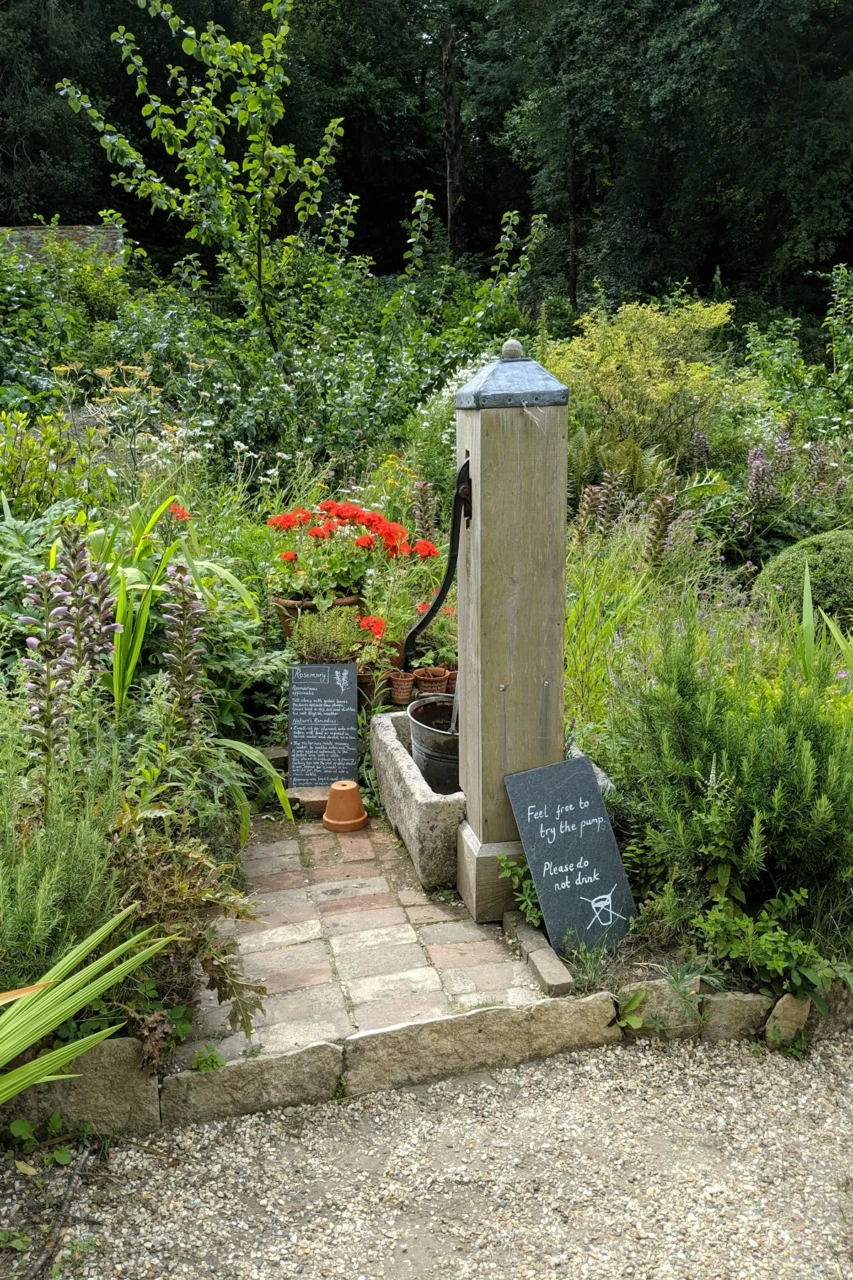
Photo by Howard Walsh on Unsplash
Fresh herbs at arm’s length transform a backyard cookout. A low, stone‑capped border doubles as a decorative edge and a planting bed.
Plant Selection
- Choose hardy, sun‑loving varieties: rosemary, thyme, oregano, and sage.
- Include a few shade‑tolerant herbs like mint in a separate container to prevent spreading.
- Use a well‑draining soil mix; avoid heavy clay that retains water.
Construction Tips
- Build the border 6‑8 inches high with reclaimed brick; fill the interior with a weed‑blocking fabric before adding soil.
- Install a drip‑irrigation line with a timer to keep maintenance low.
- Place the garden on the wind‑protected side of the kitchen to reduce drying.
Harvest regularly to encourage new growth and prevent the plants from becoming woody.
FAQ
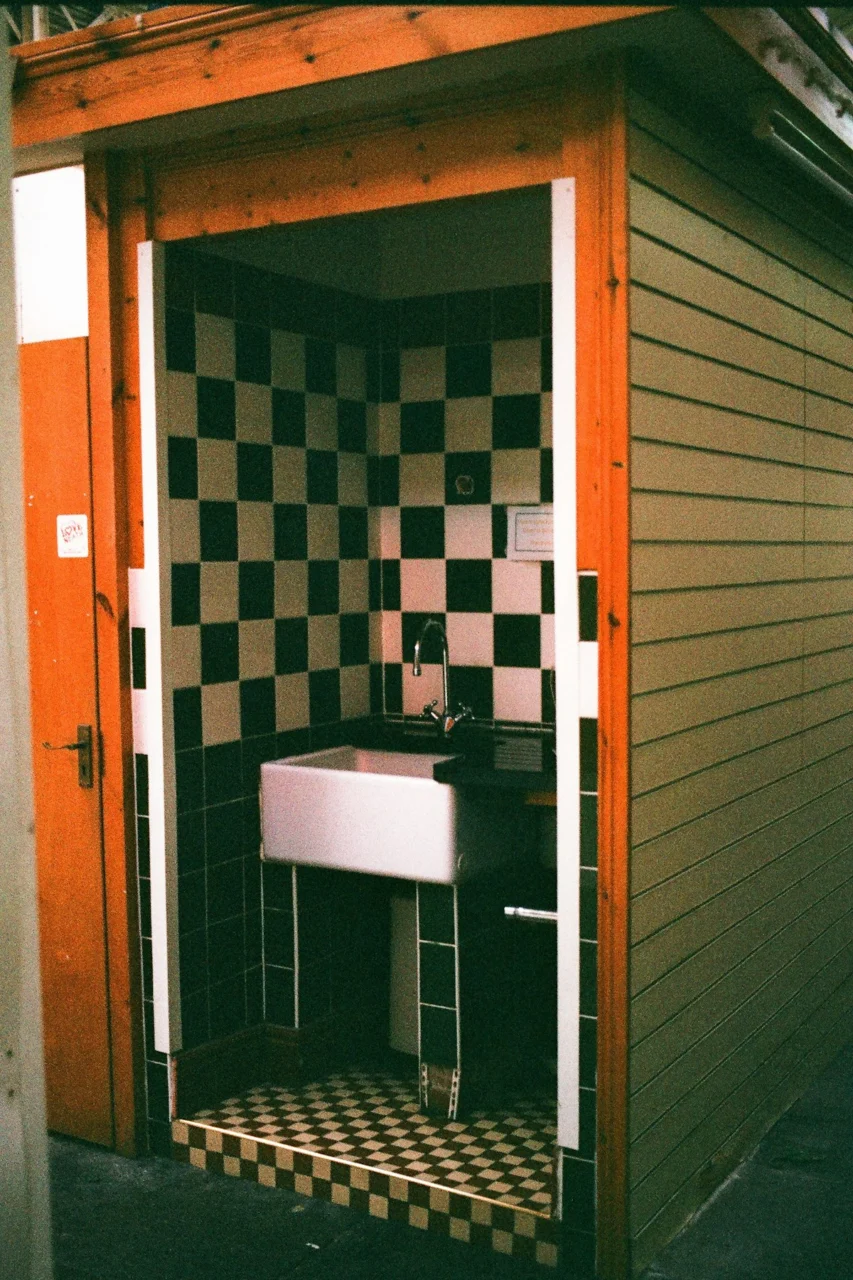
Can I use a standard indoor sink outdoors?
Indoor sinks lack the corrosion‑resistant finish needed for weather exposure. A sink specifically rated for outdoor use, such as stainless steel or copper with a protective coating, is recommended.
Do reclaimed‑wood countertops need to be sealed?
Yes. Even dense hardwood can absorb moisture, leading to swelling or bacterial growth. A food‑safe marine varnish or penetrating oil provides a barrier while preserving the wood’s natural look.
How far should a grill be from a wooden fence?
Most fire codes require at least 36 inches of clearance between an open flame grill and any combustible material, including wood fences. Verify local regulations for exact requirements.
Is solar lighting bright enough for cooking?
Solar lanterns are best for ambient lighting. For precise tasks, combine them with LED task lights powered by mains electricity or battery packs.
What maintenance does a stone backsplash need?
Periodically sweep away ash and debris, then rinse with a mild detergent. For natural stone, reseal the surface every 1‑2 years to protect against stains.
Final Thoughts
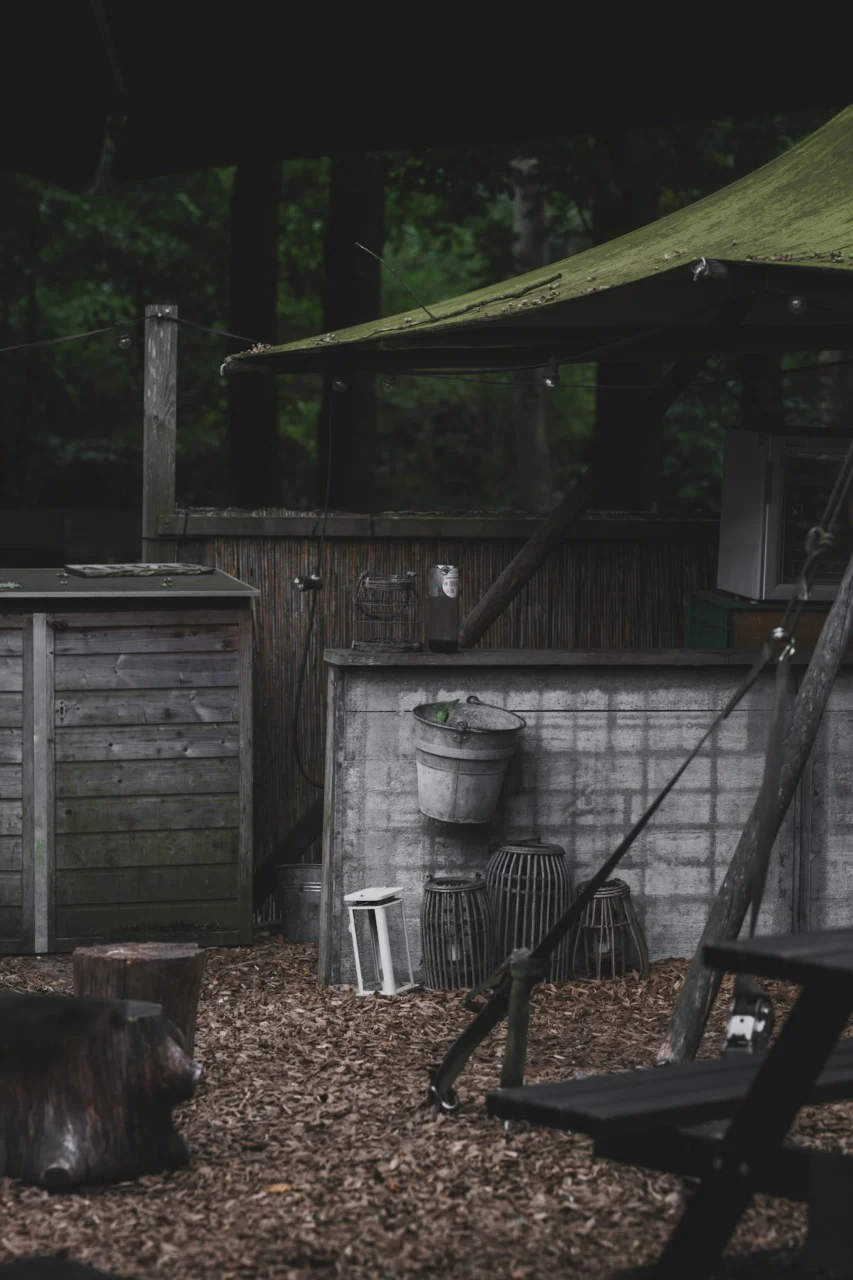
Photo by Haberdoedas on Unsplash
Creating a rustic outdoor kitchen is less about following a strict template and more about marrying durable materials with thoughtful layout. By selecting reclaimed wood, weather‑ready stone, and functional lighting, you can build a space that feels timeless and serves everyday cooking needs. Remember to respect safety guidelines—especially around heat and electricity—and plan for easy maintenance. With these seven ideas, your alfresco kitchen will become a welcoming hub for family meals and friendly gatherings for seasons to come.