Creative Basement Stair Ideas That Look Finished & Stylish
Staircases in basements often get overlooked, leaving a raw, unfinished look that can make the whole space feel neglected. Whether you’re turning a damp utility area into a cozy family room or adding a sleek path to a home theater, the stairs are a visual anchor. Below are seven distinct ideas that turn a functional staircase into a polished design feature—each one balanced for style, durability, and everyday use.
1. Polished Concrete Treads Paired With Warm Wood Risers
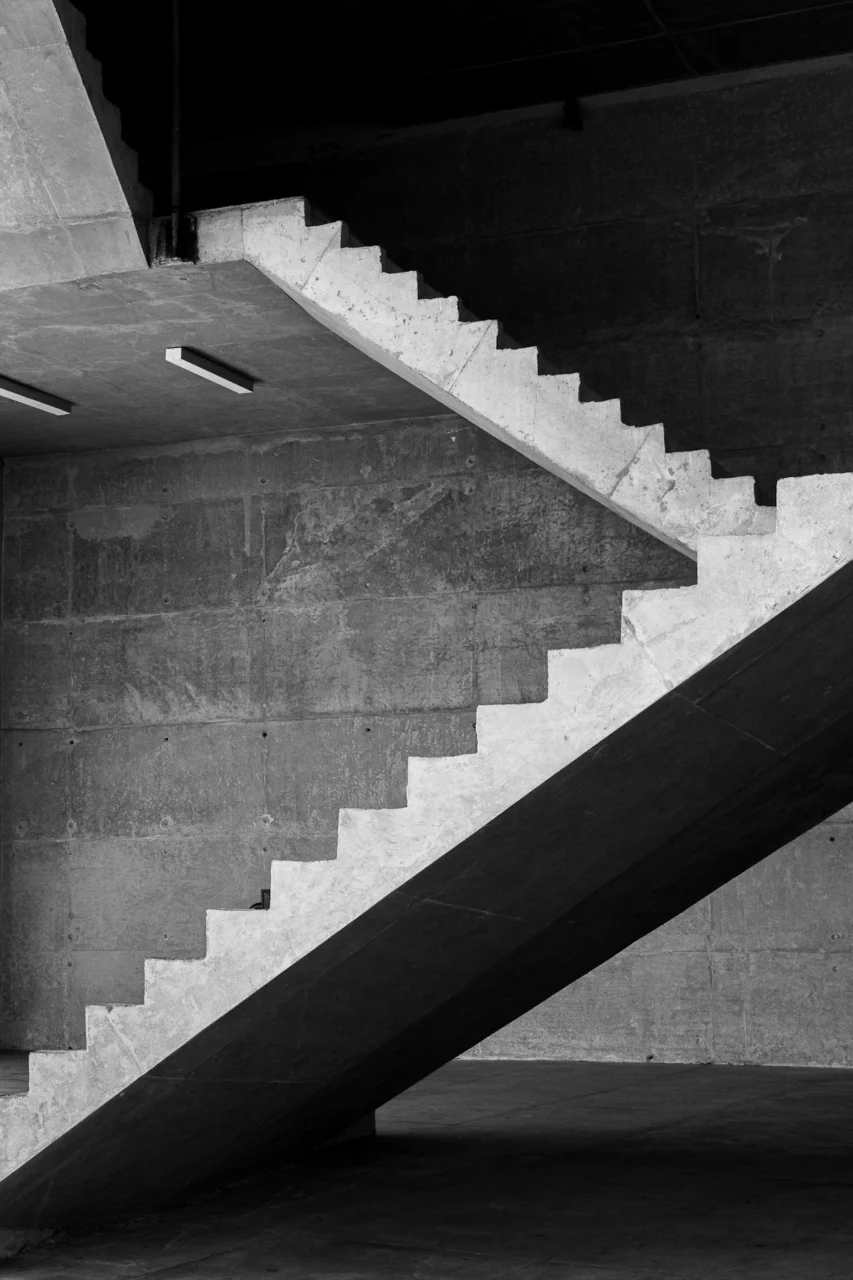
Photo by Mauro Lima on Unsplash
Concrete is a basement favorite because it resists moisture and is easy to maintain. When you give the treads a high‑gloss polish, they reflect light and add a modern edge. Pairing them with wood risers softens the industrial feel and creates a subtle contrast.
Why It Works
- Durability: Concrete handles foot traffic and occasional spills without denting.
- Moisture Management: Proper sealing prevents water absorption, a common basement concern.
- Visual Warmth: Light‑stained or reclaimed wood risers add texture without overwhelming the space.
Practical Tips
- Seal the concrete with a penetrating epoxy to protect against moisture.
- Choose a wood species that tolerates humidity—oak or maple work well.
- Install a low‑profile stair nosing to protect the edge of each tread.
2. Floating Glass Stairs With Integrated LED Lighting
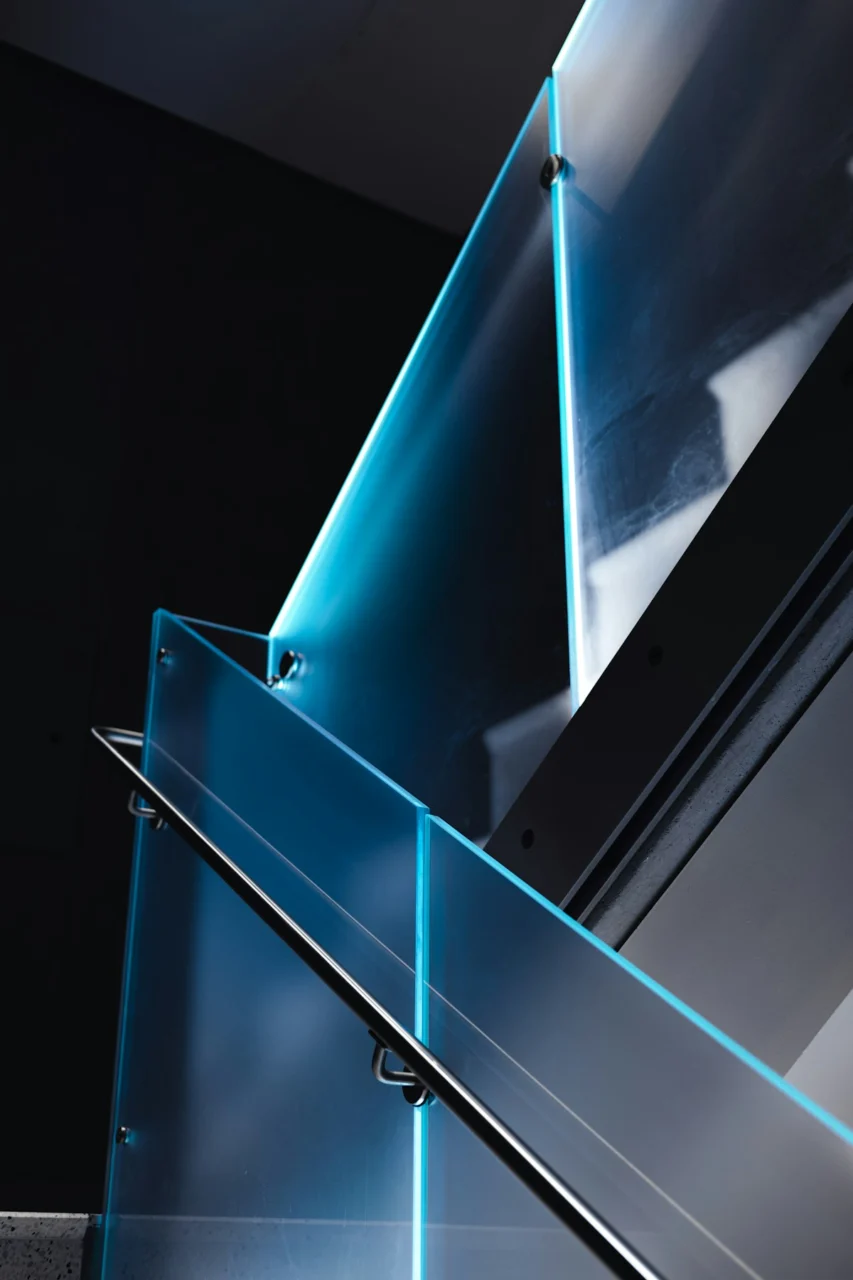
Photo by Ryunosuke Kikuno on Unsplash
For a dramatic, airy effect, glass treads appear to hover when supported by hidden steel brackets. Adding LED strips along the underside of each tread creates a soft glow that guides the way after dark.
Key Considerations
- Safety: Use tempered glass with a minimum thickness of ¾ inch and consider a non‑slip surface treatment.
- Installation: This design usually requires a professional carpenter or metal fabricator.
- Maintenance: Clean the glass with a mild glass cleaner; avoid abrasive pads that can scratch the surface.
Budget‑Friendly Alternatives
If full glass feels too pricey, try acrylic panels or a glass‑look laminate that still offers a sleek silhouette but at a lower cost.
3. Reclaimed Barn Wood Steps With Rustic Handrails
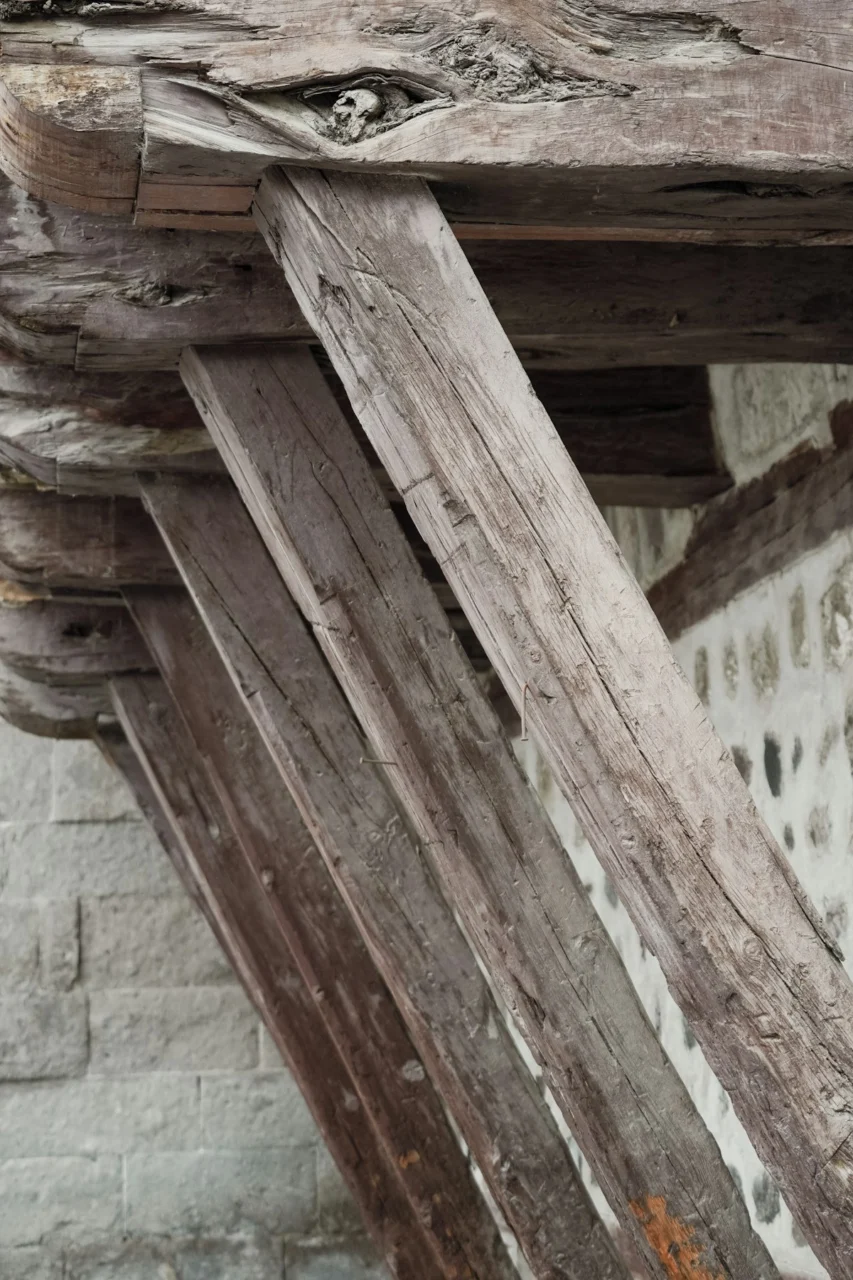
Photo by Yusuf Onuk on Unsplash
Reclaimed wood brings character and a story to any basement. Barn planks, often featuring nail holes and weathered grain, add a rustic charm that pairs nicely with industrial lighting or a modern paint palette.
Installation Advice
- Inspect each board for hidden nails or screws; remove them before installation.
- Sand lightly to smooth rough spots, then finish with a matte polyurethane to protect against moisture.
- Use a sturdy handrail—metal or solid wood—to balance the rustic look with structural integrity.
Maintenance Note
Reclaimed wood can expand or contract with humidity changes. Allow a small expansion gap at each tread edge to prevent buckling.
4. Staircase With Built‑In Storage Drawers
Maximizing space is a top priority in basements. By turning the space beneath each tread into a shallow drawer, you gain hidden storage for shoes, seasonal items, or even a wine rack.
Design Details
- Depth of each drawer should be no more than 4‑5 inches to keep the stair comfortable to walk.
- Use soft‑close drawer slides for durability and a quiet operation.
- Finish the drawer fronts to match or contrast the tread material—painted MDF works well for a seamless look.
Safety Tips
Ensure the drawer fronts sit flush with the tread surface to avoid tripping hazards. A small lip or rubber gasket can keep the drawer from sliding out unintentionally.
5. Boldly Painted Stair Risers
A splash of color on the risers can become a statement without a major overhaul. Choose a hue that complements the overall basement palette—deep navy for a nautical vibe, or a soft sage for a calming retreat.
Choosing the Right Paint
- Opt for a high‑traffic interior paint with a satin or semi‑gloss finish; it resists scuffs and is easy to wipe clean.
- Test a small area first to see how the color looks under basement lighting, which can be cooler than natural light.
Application Steps
- Mask the tread edges with painter’s tape.
- Apply two thin coats, allowing each to dry fully.
- Remove tape carefully to reveal crisp lines.
6. Soft Carpet Runner With Decorative Borders

Photo by Virginia Commonwealth University Libraries on Unsplash
Carpet adds warmth and reduces noise—both valuable in a basement environment. A runner that spans the full width of the stairs, anchored with a low‑profile stair rod, creates a cohesive look. Choose a pattern that echoes other textiles in the room, such as a subtle chevron or a muted floral.
Installation Guidance
- Measure each tread and riser precisely; cut the carpet with a rotary cutter for clean edges.
- Use a stair‑specific adhesive that remains flexible to accommodate slight movement.
- Secure the runner with a stair rod at the top and bottom to keep it taut.
Maintenance Advice
Vacuum regularly with a brush‑roll attachment. For stains, spot‑clean with a mild carpet cleaner—avoid soaking the carpet, as excess moisture can seep into the subfloor.
7. Curved Stair With Sleek Metal Handrail

Photo by Claudio Schwarz on Unsplash
Curved stairs make a bold architectural statement and can soften a rectangular basement layout. Pairing the curve with a slender stainless‑steel handrail adds a contemporary touch while keeping the visual weight low.
Design Benefits
- Creates a flow that guides the eye through the space, making the basement feel larger.
- The curve can be positioned to open up a corner, freeing up floor area for furniture.
- Metal handrails are low‑maintenance and can be brushed to a high polish.
Considerations
Curved stairs require precise framing; a professional carpenter should handle the layout. Ensure the handrail height meets local building codes—typically 34‑38 inches above the nosing.
FAQ
Photo by Reuben Hustler on Unsplash
What is the best material for basement stairs to resist moisture?
Concrete, sealed hardwood, and metal are top choices because they don’t absorb water. If you prefer wood, select a species with natural resistance (like oak) and finish it with a high‑quality sealant.
Do I need a permit for a stair remodel?
Most jurisdictions require a permit when you change the stair’s structure, width, or rise/run dimensions. Always check local building codes and, when in doubt, consult a licensed contractor.
How can I make my stairs safer for children?
Install non‑slip tread surfaces, add a handrail on both sides, and consider a low‑profile runner with a tight binding to prevent tripping.
Is it possible to add lighting without rewiring?
Battery‑powered LED strip lights with adhesive backing can be applied to the underside of treads or along the handrail. For a permanent solution, have an electrician install low‑voltage wiring that connects to a dimmer.
Can I combine two of these ideas?
Absolutely. A popular combo is polished concrete treads with painted risers and integrated LED lighting—mixing texture, color, and illumination for a layered effect.
Final Thoughts
Photo by Diane Picchiottino on Unsplash
Basement stairs don’t have to be an afterthought. By selecting one of these seven ideas—or mixing elements that suit your style—you can turn a functional passage into a finished, stylish focal point. Keep durability, safety, and maintenance in mind, and don’t hesitate to bring in a professional for structural or electrical work. With thoughtful design, the stairs become a bridge that not only connects floors but also elevates the entire basement experience.