Dining Room Wainscoting Ideas for Classic Elegance You’ll Love
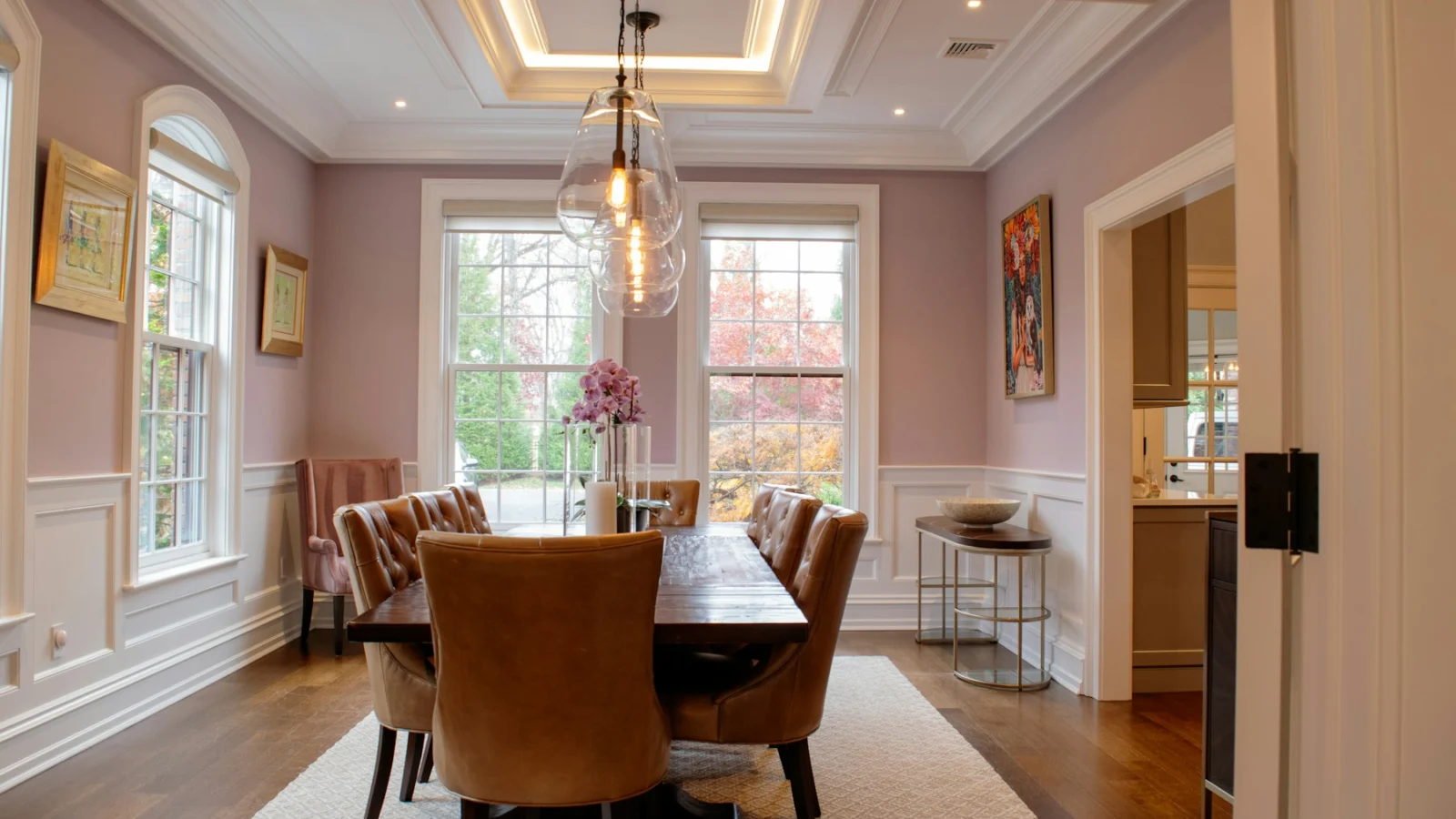
When you walk into a dining room that feels both timeless and inviting, the walls are often the silent hero. A well‑chosen wainscoting treatment can frame the space, add texture, and elevate the overall mood without overwhelming the room. Below are seven distinct ideas that blend classic elegance with practical design, so you can pick the one that matches your style, budget, and DIY comfort level.
1. Traditional Raised Panel with a Modern Twist
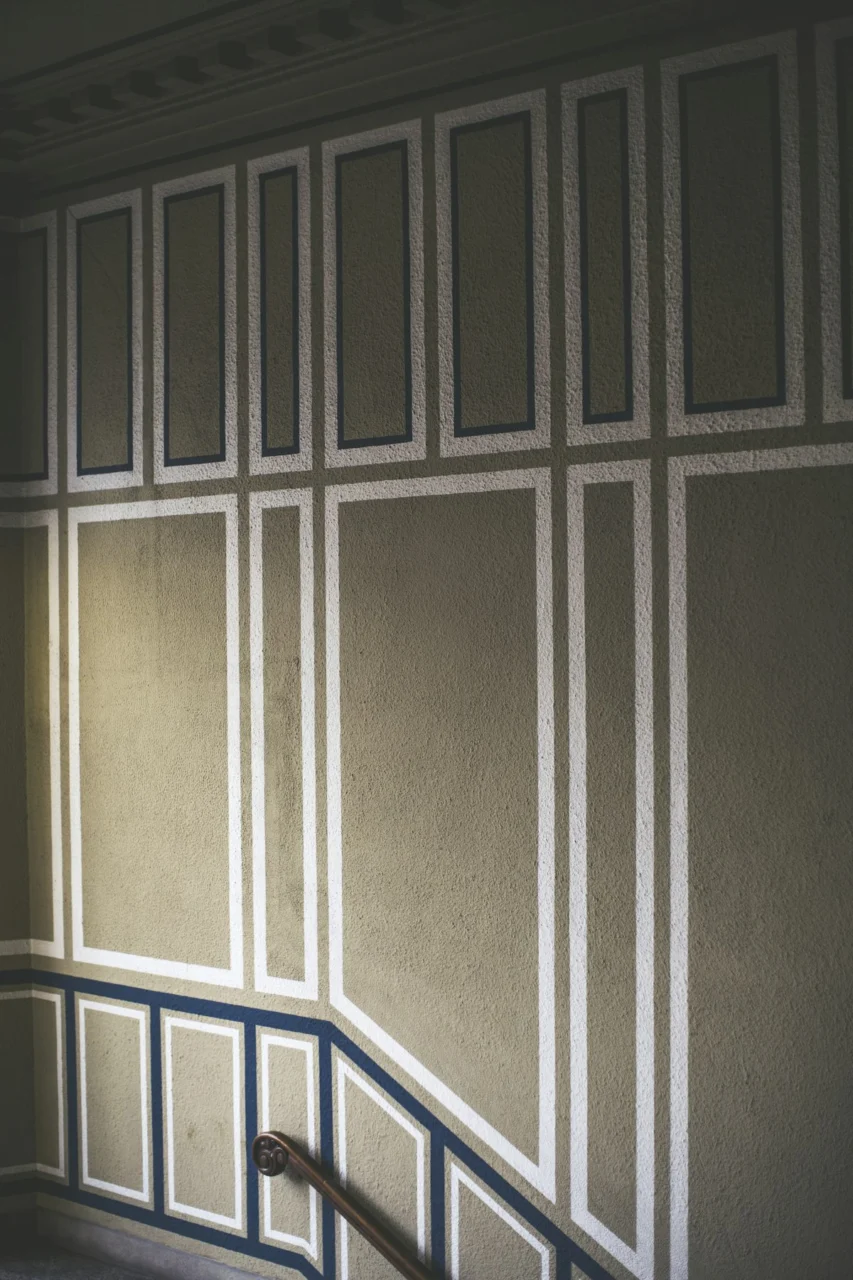
Photo by Markus Spiske on Unsplash
Raised‑panel wainscoting is the quintessential classic look, but you don’t have to stick to a strict Victorian palette. Choose a crisp white or soft dove gray for the panels and pair them with a slim, matte‑black molding. The contrast gives the wall a contemporary edge while preserving the heritage feel.
Practical Tips
- Panel size: 12‑inch high panels work well in rooms with 9‑foot ceilings; taller panels can make a high ceiling feel cozier.
- Installation: Use a level‑filled nail gun for even spacing; a small gap (about 1/16″) between panels allows for expansion.
- Finishing: Paint the molding first, then the panels, to avoid brush marks on the trim.
Common mistake: Over‑mudding the joints. Keep the bead thin so the crisp lines remain visible.
2. Soft Beige Board and Subtle Molding
If your dining room leans toward a neutral palette, a warm beige board topped with a delicate, single‑rail molding can add depth without competing with your table setting. The subtle hue reflects natural light, making the space feel larger.
What to Watch For
- Material: Medium‑density fiberboard (MDF) is budget‑friendly and paints smoothly, but seal any edges to protect against moisture.
- Height: A ½‑height wainscoting (about 30‑35 inches) works best in modest‑sized rooms.
- Maintenance: Wipe the surface with a soft, damp cloth; avoid abrasive cleaners that can dull the paint.
Tip: Add a thin, satin‑finish top rail to break up the vertical lines and add a hint of sophistication.
3. Two‑Tone Wainscoting for Visual Depth

Photo by Jorgen Hendriksen on Unsplash
Playing with color can create a striking, gallery‑like effect. Paint the lower panel a deep navy or forest green, then contrast it with a light, creamy upper wall. The two‑tone approach draws the eye upward and adds a sense of height.
Design Considerations
- Balance: Keep the lower color no more than one‑third of the wall height to avoid a heavy feel.
- Lighting: Install a subtle wall‑sconce above the wainscoting; the warm glow will accentuate the darker hue.
- Coordination: Echo the lower color in accessories—think napkins or a rug—to tie the room together.
Avoid using overly glossy finishes on the darker panel; a matte or eggshell sheen prevents glare and looks more refined.
4. Incorporating Decorative Chair Rail
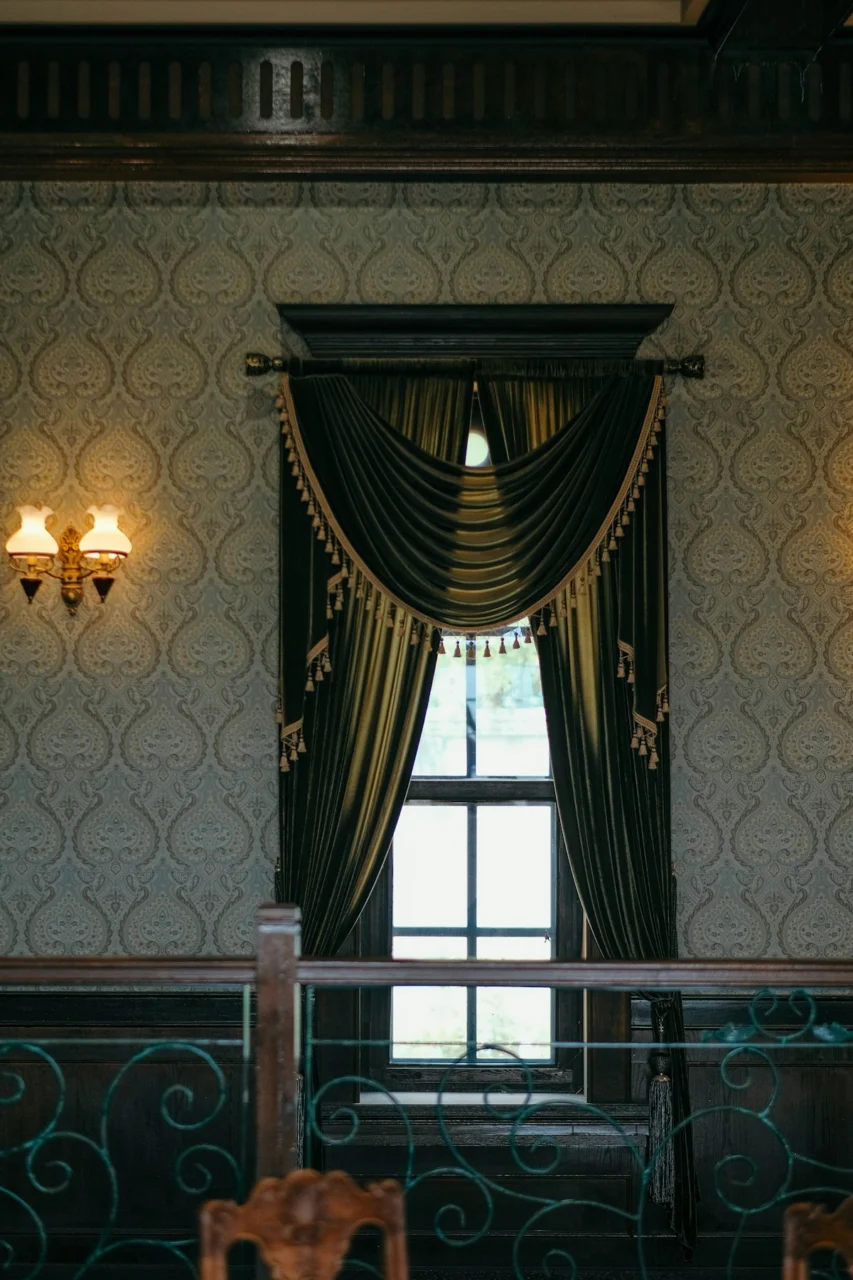
Photo by insung yoon on Unsplash
Even a simple chair rail can become a statement when paired with decorative molding. Choose a rail with a modest ogee or a subtle beaded profile, then add a thin, contrasting strip of wallpaper or painted beadboard above it. This layered look adds texture without demanding a full‑height wainscoting installation.
Step‑by‑Step
- Measure: Position the chair rail at the standard 32‑inch height, adjusting for ceiling height if needed.
- Secure: Use a stud finder and level; pre‑drill holes to avoid splitting the wood.
- Finish: Paint the rail a shade darker than the wall for subtle depth.
Common pitfall: Forgetting to caulk the top edge of the rail, which can lead to dust buildup. A thin bead of paintable caulk keeps the line crisp.
5. Painted Wainscoting with Contrasting Ceiling
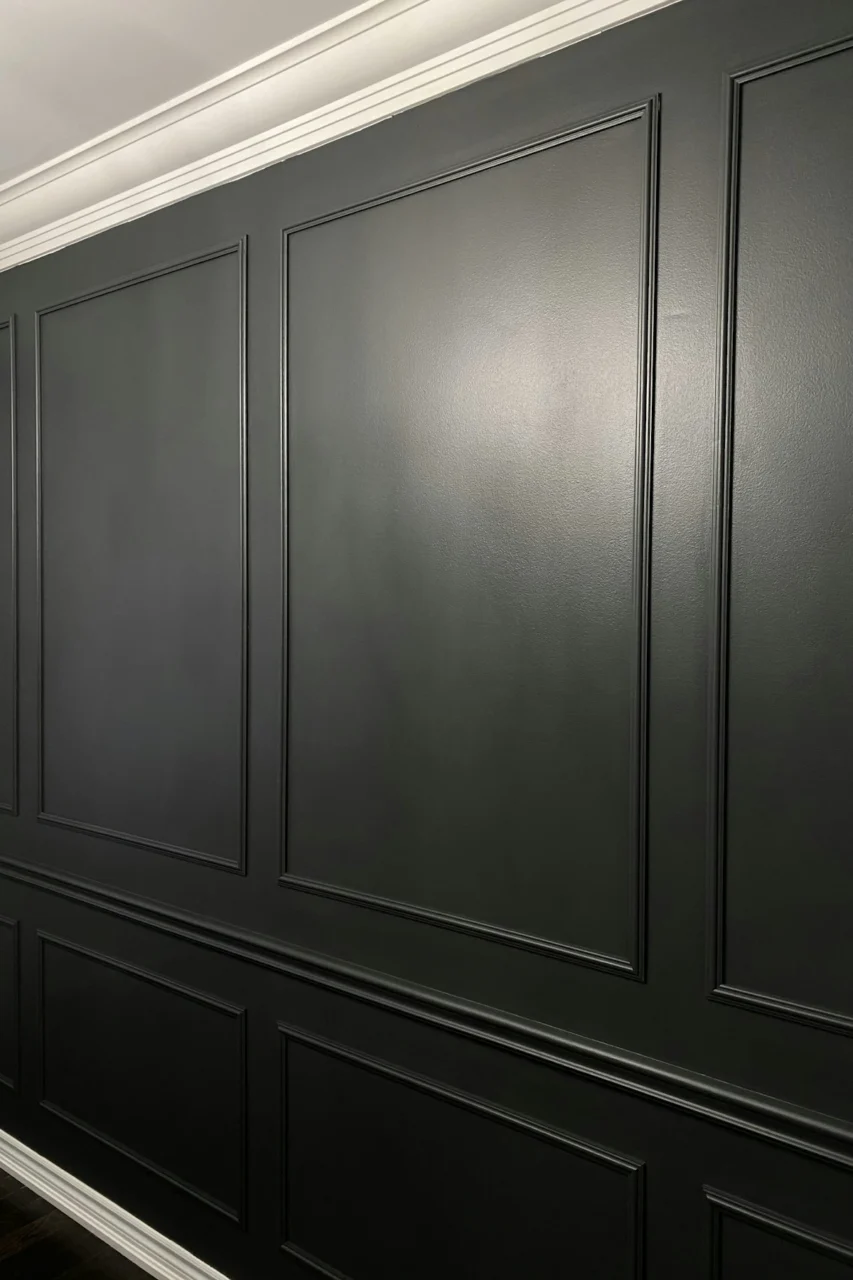
When you want the walls to whisper rather than shout, pair a muted wainscoting finish with a slightly lighter ceiling. A soft ivory wainscoting topped by a pale greige wall, then a ceiling a shade brighter, creates a gentle gradient that feels airy and elegant.
Why It Works
- Visual flow: The gradual lightening draws the eye upward, making the room appear taller.
- Flexibility: This palette works with both traditional wood tables and modern glass tops.
- Durability: Use a low‑VOC, washable paint on the wainscoting; it stands up to occasional splatters from meals.
Tip: Add a thin, glossy top rail to reflect a hint of light and subtly separate the two paint zones.
6. Wainscoting with Integrated Lighting
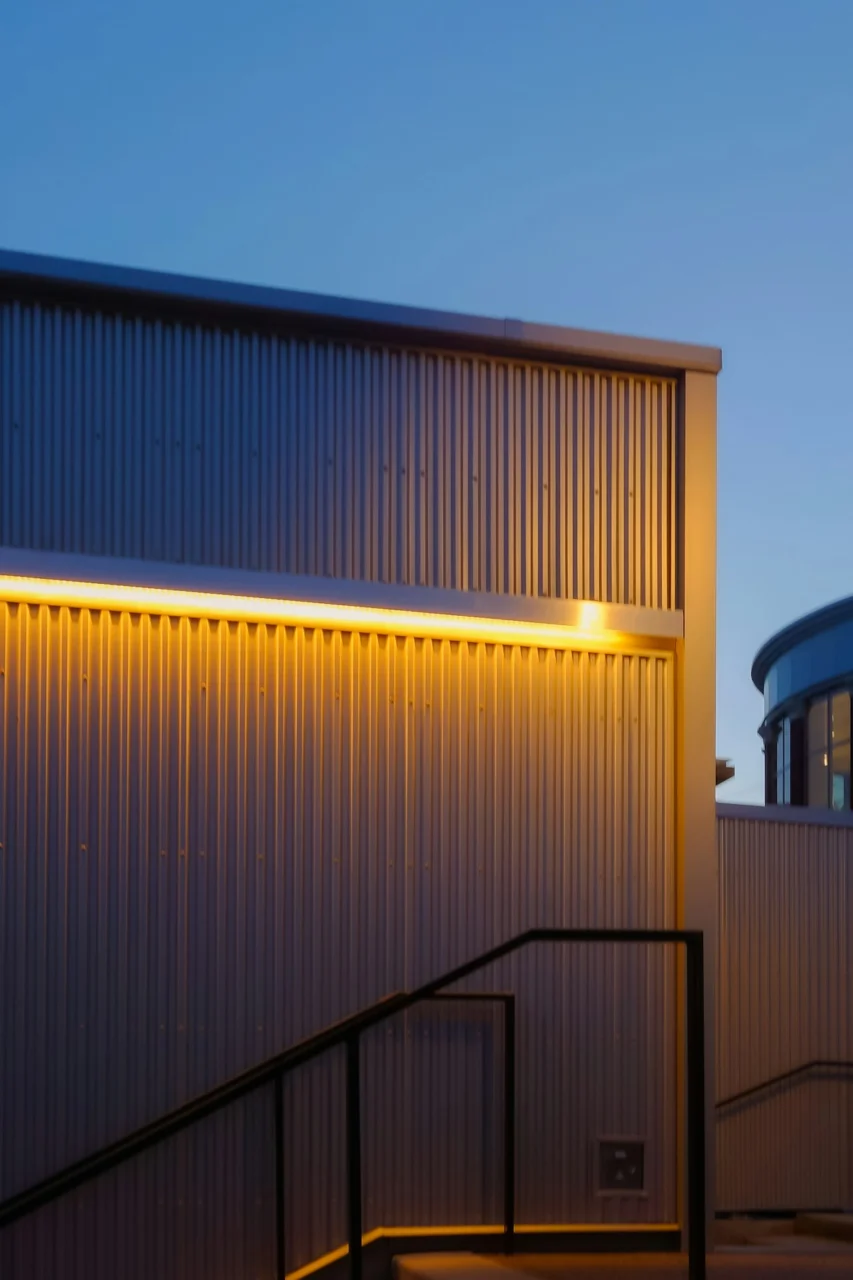
Lighting built into the wainscoting adds drama without cluttering the ceiling. Recessed LED strips placed behind a shallow cove can emit a soft wash that highlights the wall texture while providing ambient illumination for evening meals.
Installation Essentials
- Power source: Run wiring through the wall cavity before installing the panels; consult an electrician if you’re unsure.
- Heat management: Choose LEDs with a low heat output to protect the wood.
- Control: Install a dimmer switch so you can adjust the mood from bright to intimate.
Safety note: Ensure all electrical components are rated for indoor use and that any gaps around the lighting are sealed to prevent dust accumulation.
7. Reclaimed Wood Panels for Timeless Warmth
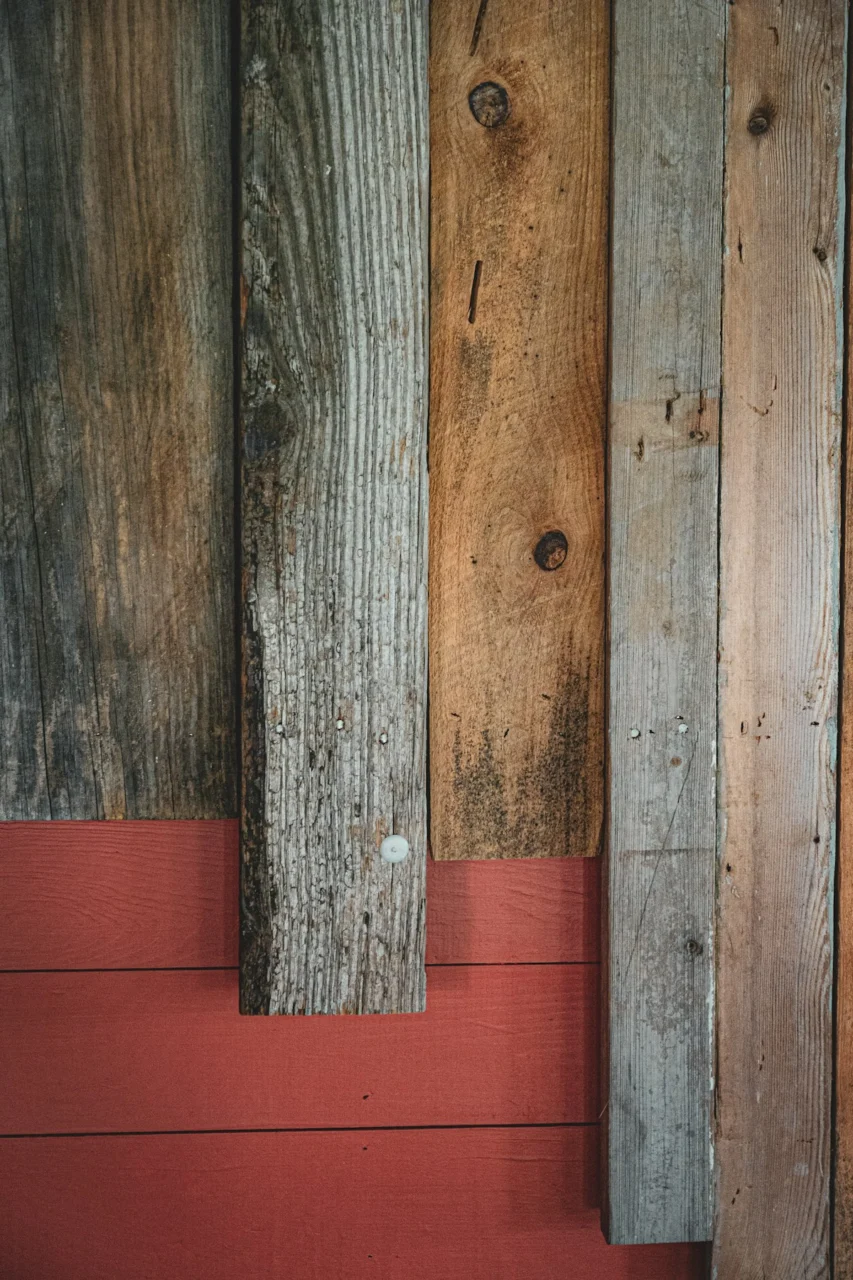
Photo by Terren Hurst on Unsplash
For a rustic yet refined dining room, reclaimed barn wood or salvaged pine can serve as wainscoting panels. The natural grain and patina add character, while the height of the panels can be adjusted to suit the room’s proportions.
Considerations
- Preparation: Sand lightly to remove splinters, then apply a clear sealant to protect against spills.
- Moisture: In humid climates, use a moisture‑resistant finish to prevent warping.
- Budget: While reclaimed wood can be pricier than MDF, the unique look often justifies the cost.
Pro tip: Pair the reclaimed wainscoting with simple, white crown molding to keep the overall look balanced and prevent the space from feeling overly rustic.
Frequently Asked Questions
Photo by Darien Attridge on Unsplash
Can I install wainscoting myself, or do I need a professional?
Most wainscoting projects are DIY‑friendly with basic carpentry tools. However, if you plan to incorporate electrical lighting or work with heavy plaster, hiring a qualified professional ensures safety and a polished finish.
What height is most flattering for wainscoting in a dining room?
A common rule of thumb is to set the wainscoting at one‑third the total wall height. For an 8‑foot ceiling, that translates to roughly 32‑36 inches. Adjust upward for very high ceilings to maintain proportion.
How do I choose the right paint finish for wainscoting?
Use a satin or eggshell finish on the panels for easy cleaning and a soft sheen. Reserve semi‑gloss for trim to highlight details and improve durability.
Is wainscoting suitable for high‑traffic dining rooms?
Yes, especially when finished with a durable, washable paint. MDF or solid wood panels hold up well to occasional bumps and spills, provided the surface is properly sealed.
Can I mix wainscoting styles in the same room?
Mixing can work if the elements share a common material or color palette. For instance, a raised‑panel lower section paired with a simple beadboard upper wall can create visual interest without clashing.
Final Thoughts
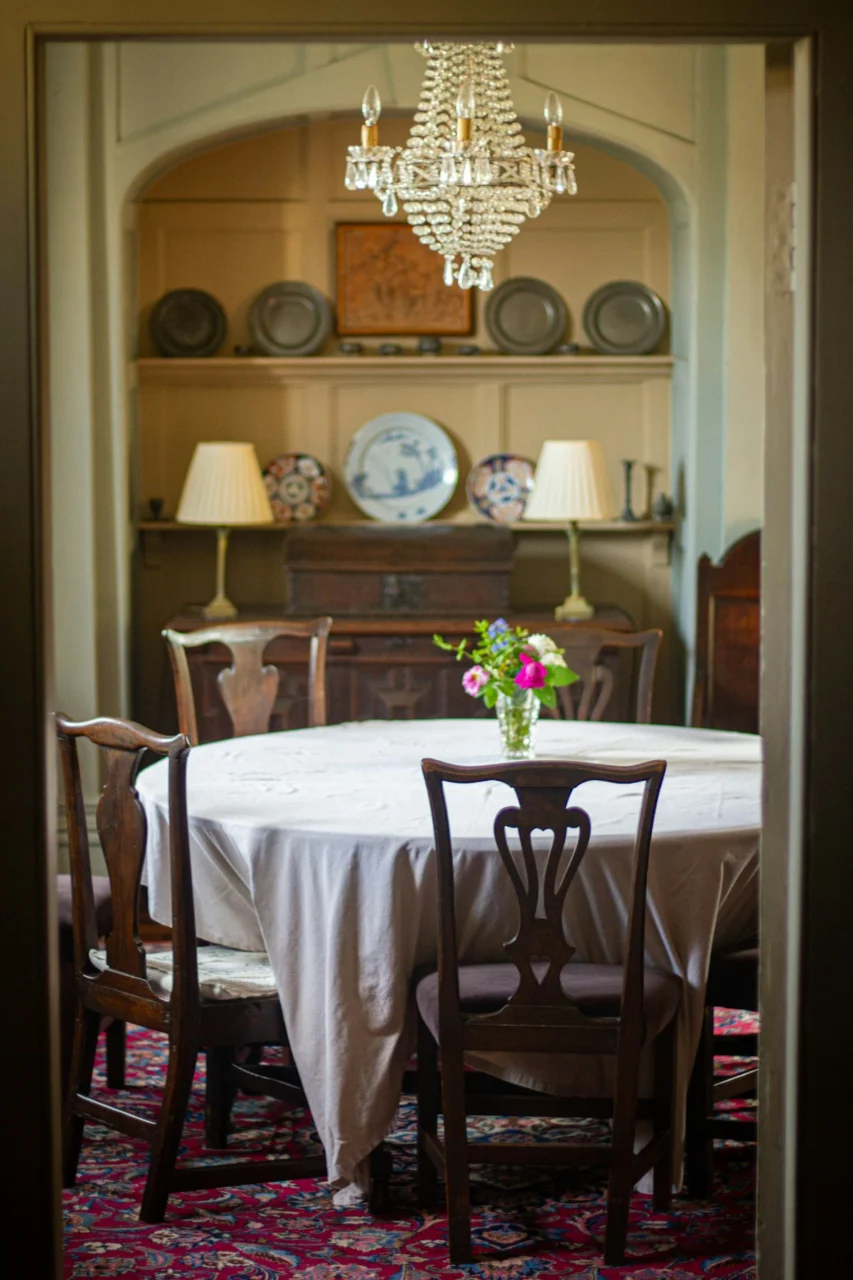
Wainscoting isn’t just decorative trim; it’s a versatile tool that can shape the ambiance of your dining room. Whether you prefer the crisp lines of a modern raised panel, the soothing hue of a two‑tone scheme, or the organic charm of reclaimed wood, each of the seven ideas above offers a pathway to classic elegance. Take a moment to assess your space, budget, and DIY confidence, then choose the treatment that feels right for you. With thoughtful installation and a touch of personal style, your dining room will become a timeless backdrop for countless meals and memories.