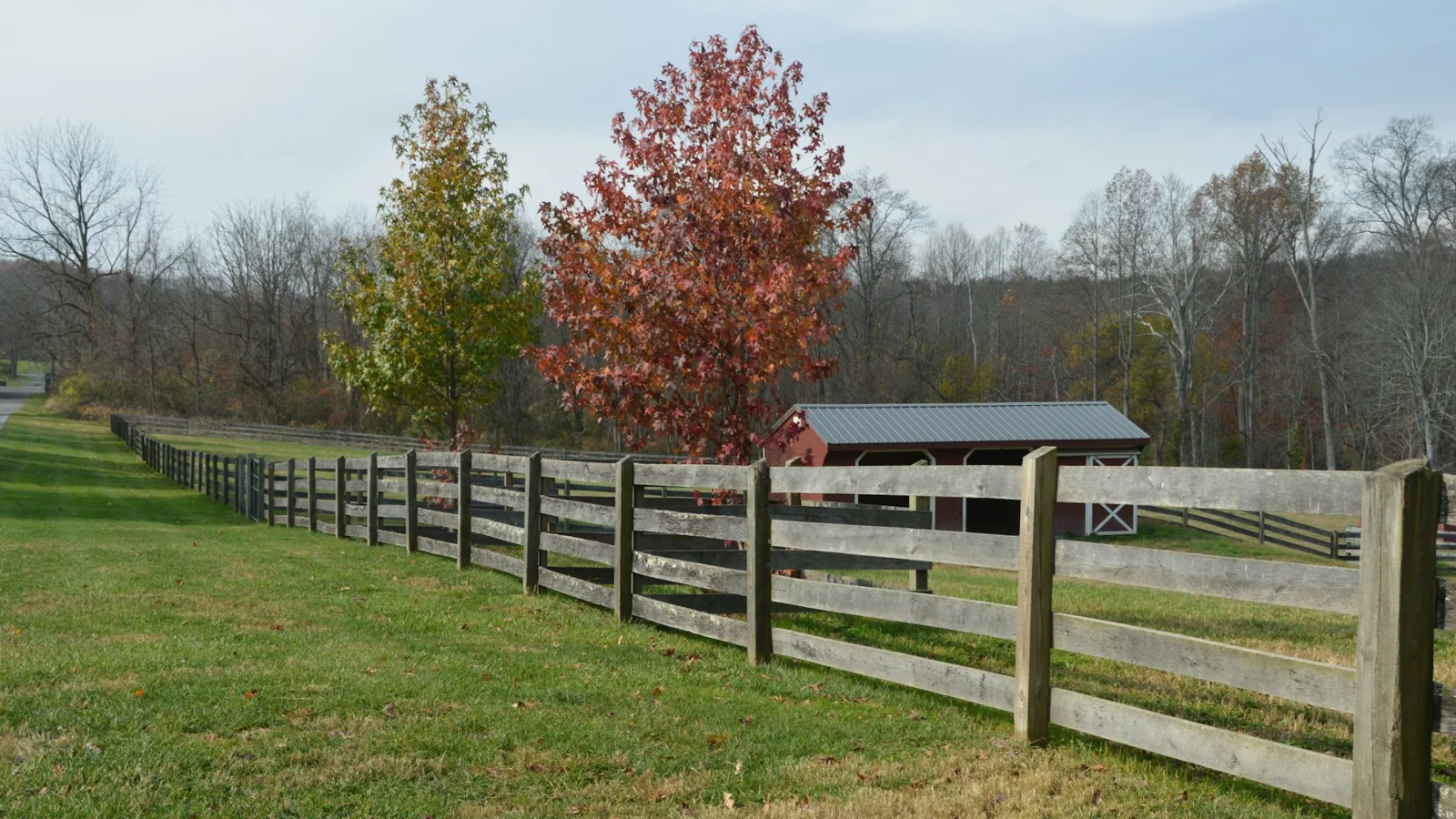
Horizontal Fence Ideas for Modern Privacy That Elevate Your Outdoor Space
When a neighbor’s yard feels like an open‑plan living room, the need for a stylish barrier becomes urgent. A horizontal fence can deliver the visual separation you crave while staying on‑trend. Below are seven distinct approaches, each with its own vibe, material considerations, and upkeep profile. Pick the one that matches your budget, climate, and design taste, then enjoy a private oasis that still feels spacious.
1. Sleek Slat Fence – Minimalist Wood With Controlled Gaps
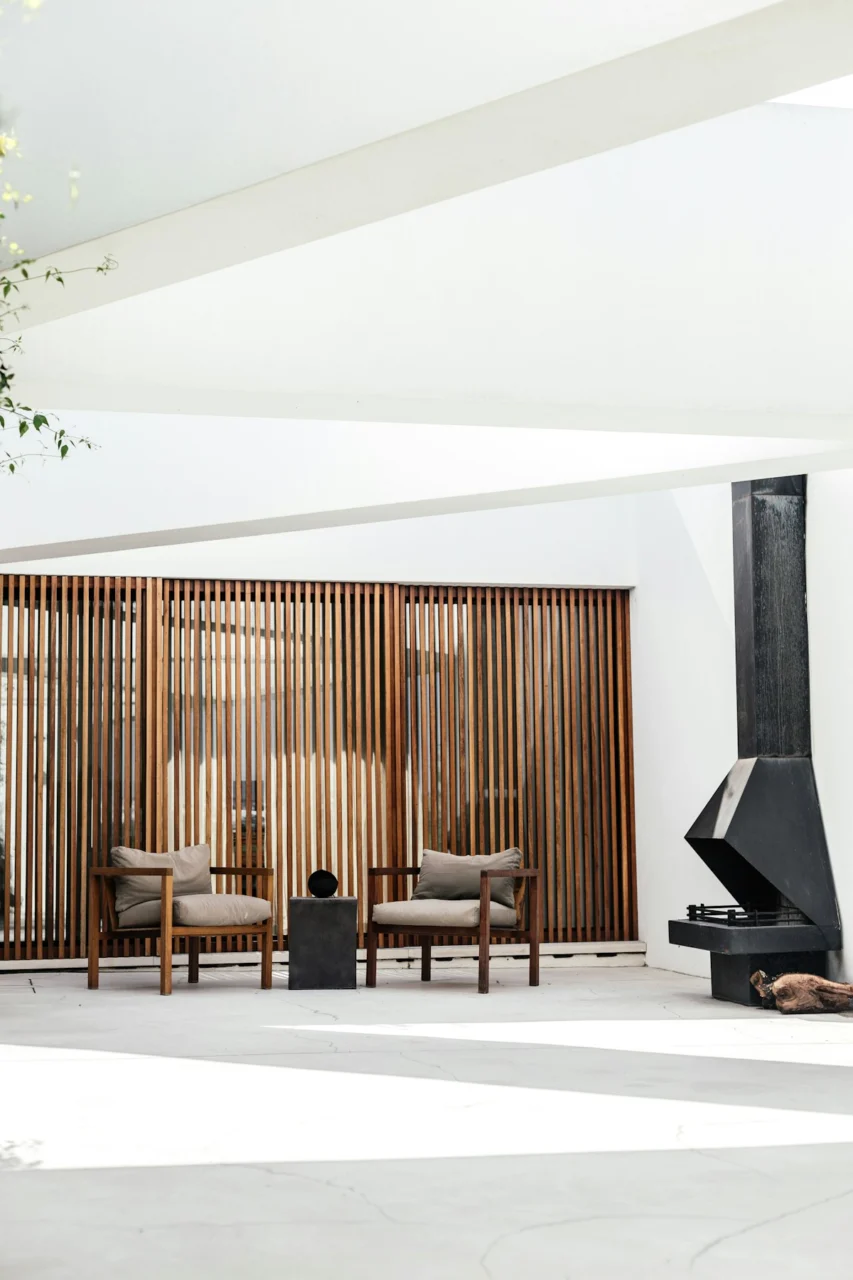
Photo by Dário Gomes on Unsplash
Uniform wooden slats mounted horizontally create a clean silhouette that lets filtered light dance through while keeping prying eyes at bay. The key is spacing: a 1‑inch gap offers privacy without a solid wall feel.
Why It Works
- Material: Cedar or sustainably sourced pine resists rot and ages gracefully.
- Installation: Simple post‑and‑rail setup; slats attach with hidden brackets for a seamless look.
- Budget: Mid‑range; DIY‑friendly if you’re comfortable with basic carpentry.
Practical Tips
- Pre‑drill holes to avoid splitting the wood.
- Apply a clear sealant annually to preserve color and protect against moisture.
- Consider a staggered pattern for added visual interest.
2. Metal Mesh Panels – Industrial Edge With Airflow
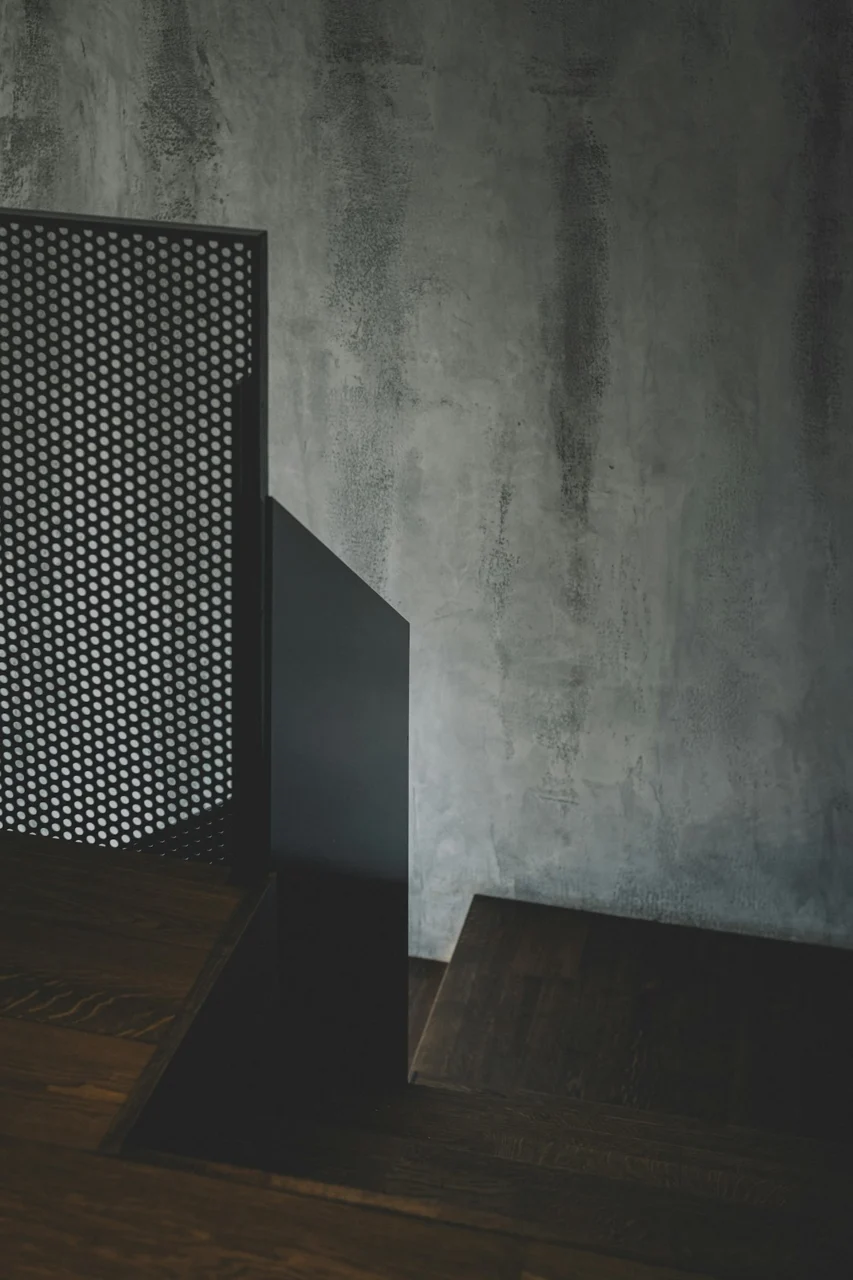
Photo by Egor Myznik on Unsplash
Perforated steel or aluminum panels, oriented horizontally, give a modern industrial feel. The mesh lets breezes pass while still obscuring sightlines, perfect for contemporary homes.
Advantages
- Durability: Resistant to rot, insects, and fire.
- Low Maintenance: Occasional wash with a garden hose keeps it looking fresh.
- Design Flexibility: Panels can be painted to match house trim.
Things to Watch
- Sharp edges require careful handling during installation.
- In windy regions, ensure posts are anchored securely to prevent vibration.
- Metal can heat up in direct sun; consider a heat‑reflective coating if you’ll lean against it.
3. Living Green Wall – Horizontal Planters for Natural Privacy

Photo by Nadine Primeau on Unsplash
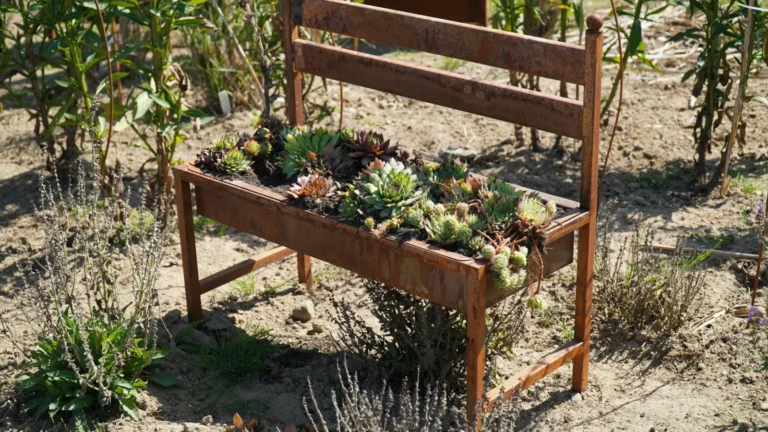
Combine the privacy of a fence with the serenity of a garden by installing shallow horizontal planter boxes. Fill them with low‑maintenance succulents, herbs, or native grasses for year‑round greenery.
Benefits
- Provides privacy that grows denser over time.
- Improves air quality and adds a soft, natural texture.
- Can be re‑planted seasonally for fresh color palettes.
Maintenance Notes
- Choose drought‑tolerant species to reduce watering needs.
- Install a drip‑irrigation line for consistent moisture without overwatering.
- Replace any dead foliage promptly to keep the barrier effective.
4. Reclaimed Pallet Boards – Rustic Charm With Eco Appeal

Photo by Terren Hurst on Unsplash
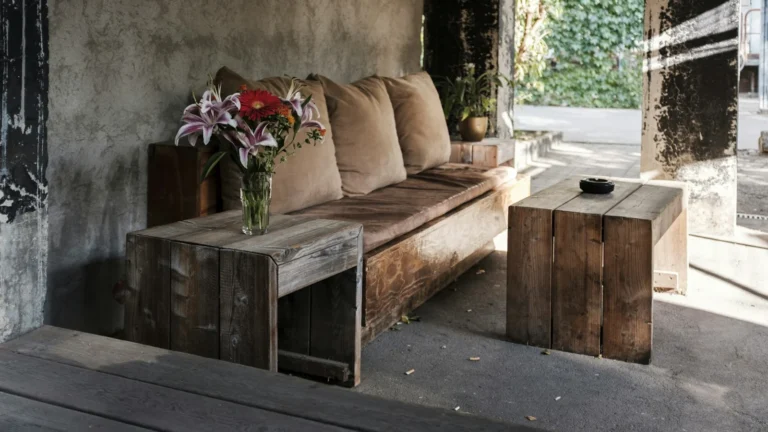
Give discarded pallets a second life by arranging their boards horizontally. The weathered look adds character, and the reclaimed nature appeals to eco‑conscious homeowners.
Cost & Construction
- Often free or low‑cost if sourced locally.
- Requires sanding and removal of loose nails before mounting.
- Secure boards with stainless‑steel screws to prevent rust.
Potential Pitfalls
- Palettes may contain treated wood; verify safety for outdoor exposure.
- Uneven board thickness can create gaps—plan for overlapping joints.
- Periodic sealing helps protect against moisture infiltration.
5. Composite Board Fence – Low‑Maintenance Modern Look
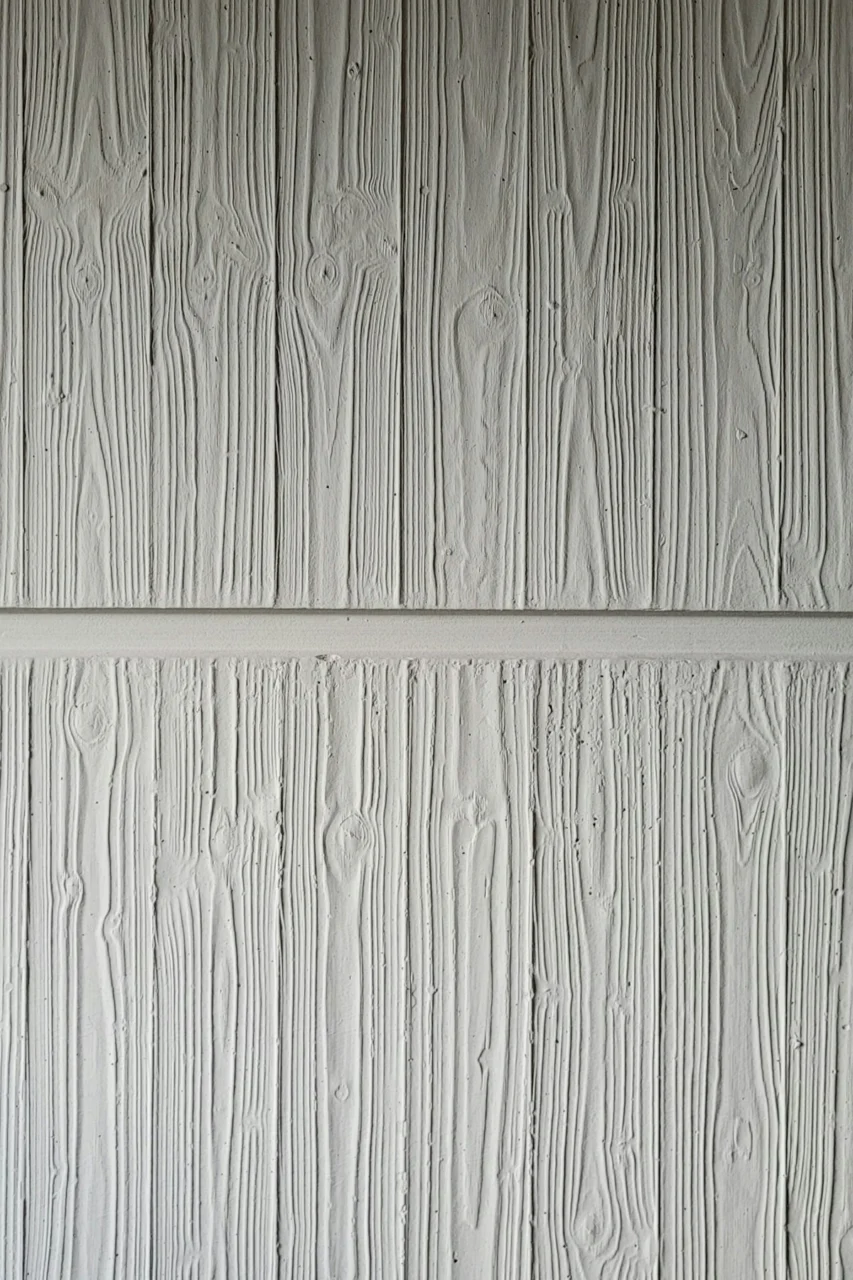
Photo by Frank Weichelt on Unsplash
Composite panels mimic wood grain while offering superior resistance to rot, fading, and insect damage. Horizontal orientation keeps the design sleek and contemporary.
Why Choose Composite?
- Long‑term maintenance is minimal—no staining or painting required.
- Consistent color and texture across the entire fence.
- Often comes with a manufacturer’s warranty for peace of mind.
Installation Insight
- Use hidden fasteners to maintain a clean face.
- Allow for expansion gaps (about 1/8 inch) between boards in hot climates.
- Check local building codes for required post depth.
6. Horizontal Lattice With Outdoor Fabric – Soft, Adjustable Privacy
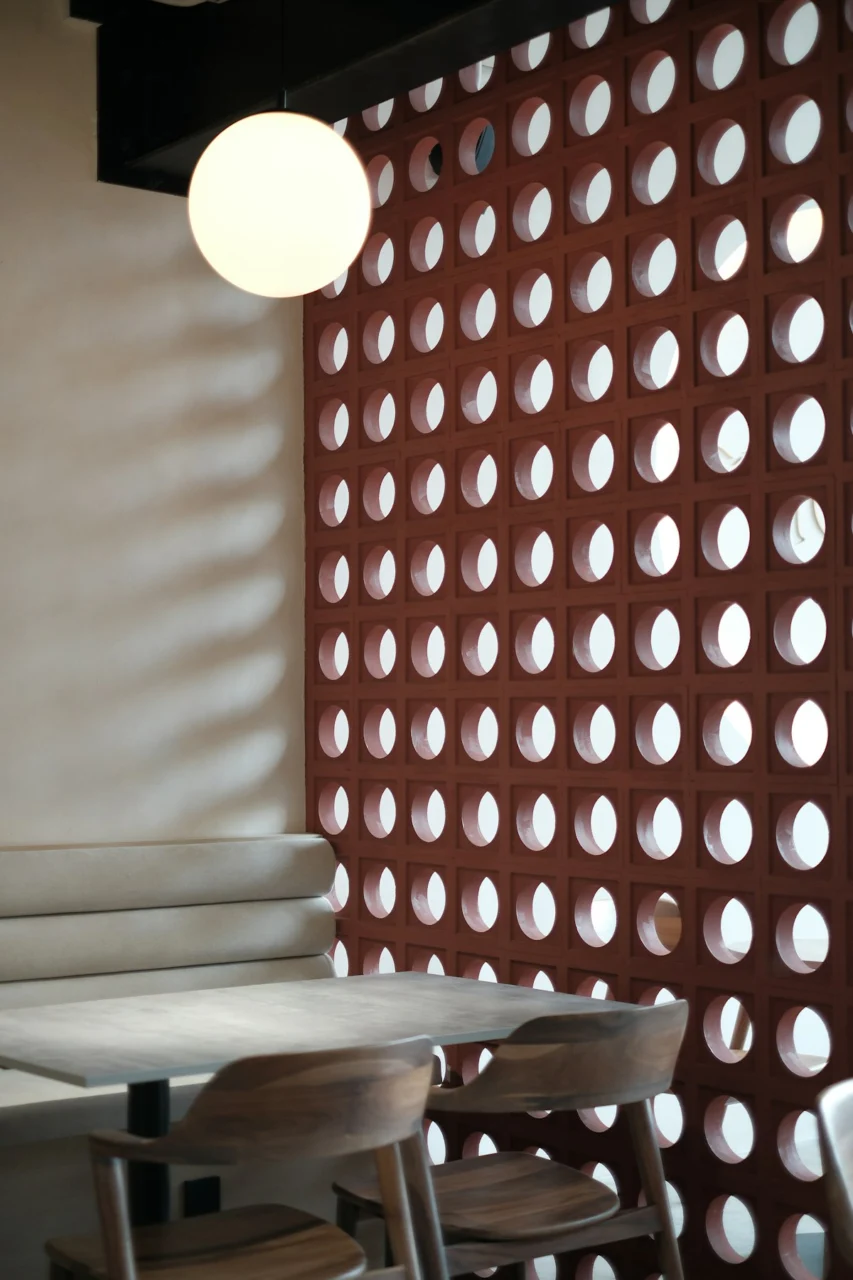
Photo by syahmi syahir on Unsplash
A wooden lattice set horizontally, paired with weather‑resistant fabric panels, offers a versatile solution. Pull the fabric closed for full privacy or slide it aside to open the space.
Design Flexibility
- Fabric comes in a range of colors and patterns, allowing seasonal updates.
- Lattice adds visual interest even when the fabric is removed.
- Easy to replace fabric without altering the underlying structure.
Care Tips
- Choose UV‑protected fabric to prevent fading.
- Secure fabric with discreet grommets or magnetic strips for smooth operation.
- Wash fabric annually with mild soap and water to remove dust.
7. Mixed‑Material Hybrid – Wood Meets Metal for Dynamic Contrast
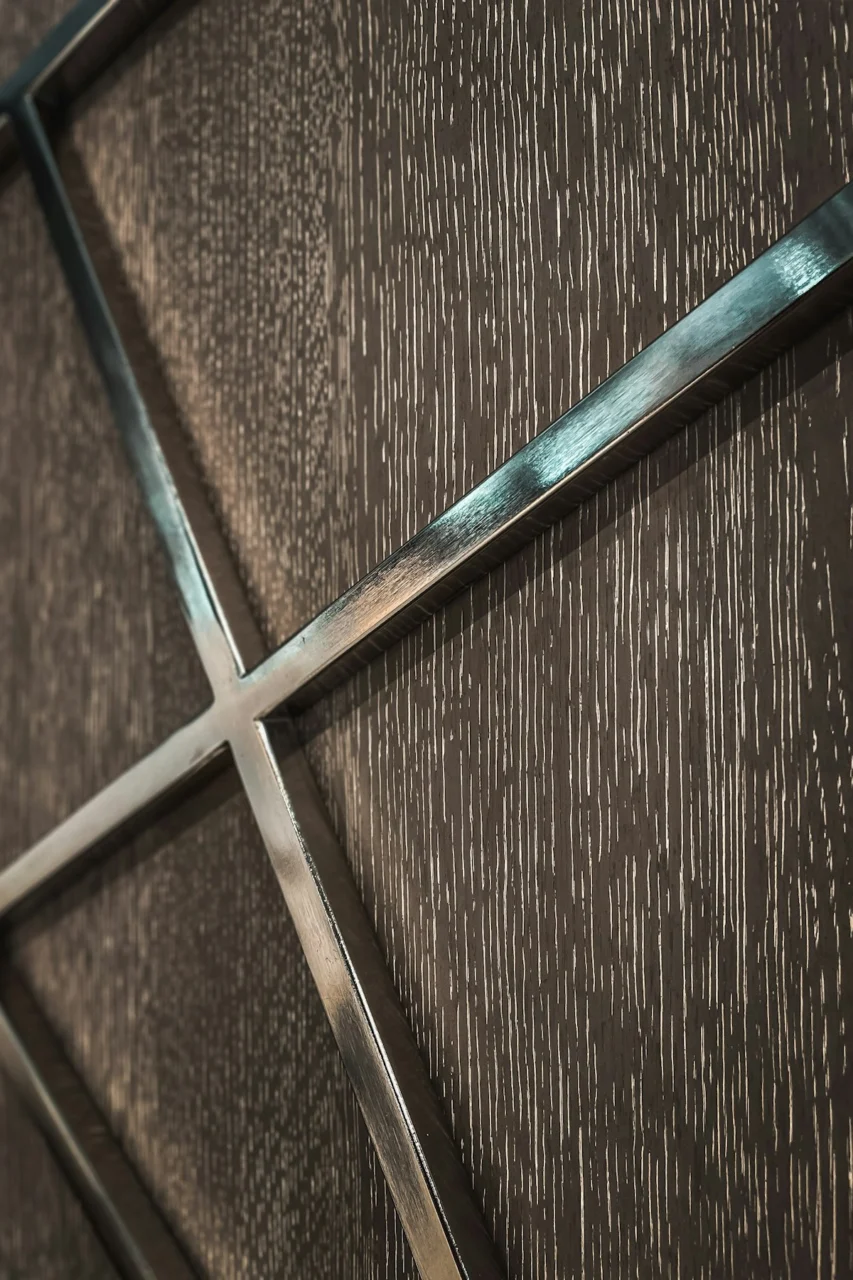
Photo by Brice Cooper on Unsplash
Combine horizontal wooden slats with narrow metal strips for a striking, layered effect. The contrast highlights each material’s strengths: wood’s warmth and metal’s sleekness.
Planning Considerations
- Align the metal strips at regular intervals (e.g., every third slat) for rhythm.
- Use stainless steel or powder‑coated aluminum to resist corrosion.
- Ensure both materials are anchored to the same sturdy posts to avoid differential movement.
Pros & Cons
- Pros: Unique aesthetic, high durability, adaptable to various architectural styles.
- Cons: Slightly higher cost due to dual materials; requires careful coordination during installation.
FAQ

Photo by Max LaRochelle on Unsplash
Can I install a horizontal fence myself, or do I need a professional?
If the design involves only basic post‑and‑rail work and the local building code permits a DIY approach, most homeowners can handle installation. For metal panels, hybrids, or any structure that must meet specific load requirements, consulting a professional ensures safety and compliance.
How far apart should the posts be for a stable fence?
Typical spacing ranges from 6 to 8 feet between posts, depending on material weight and wind exposure. Wider spans may need additional bracing or thicker posts.
What is the best way to protect a wooden horizontal fence from weathering?
Apply a high‑quality exterior sealant or stain after installation, then reapply every 1‑2 years. Keeping the fence clean and addressing any water pooling helps prevent rot.
Is a horizontal fence suitable for small backyards?
Yes. Because horizontal lines can visually widen a space, they often feel less imposing than tall vertical fences, making them ideal for compact areas.
Do I need a permit for a horizontal fence?
Permit requirements vary by municipality. Generally, fences under 6 feet in height don’t need a permit, but it’s wise to check local regulations before starting.
Final Thoughts
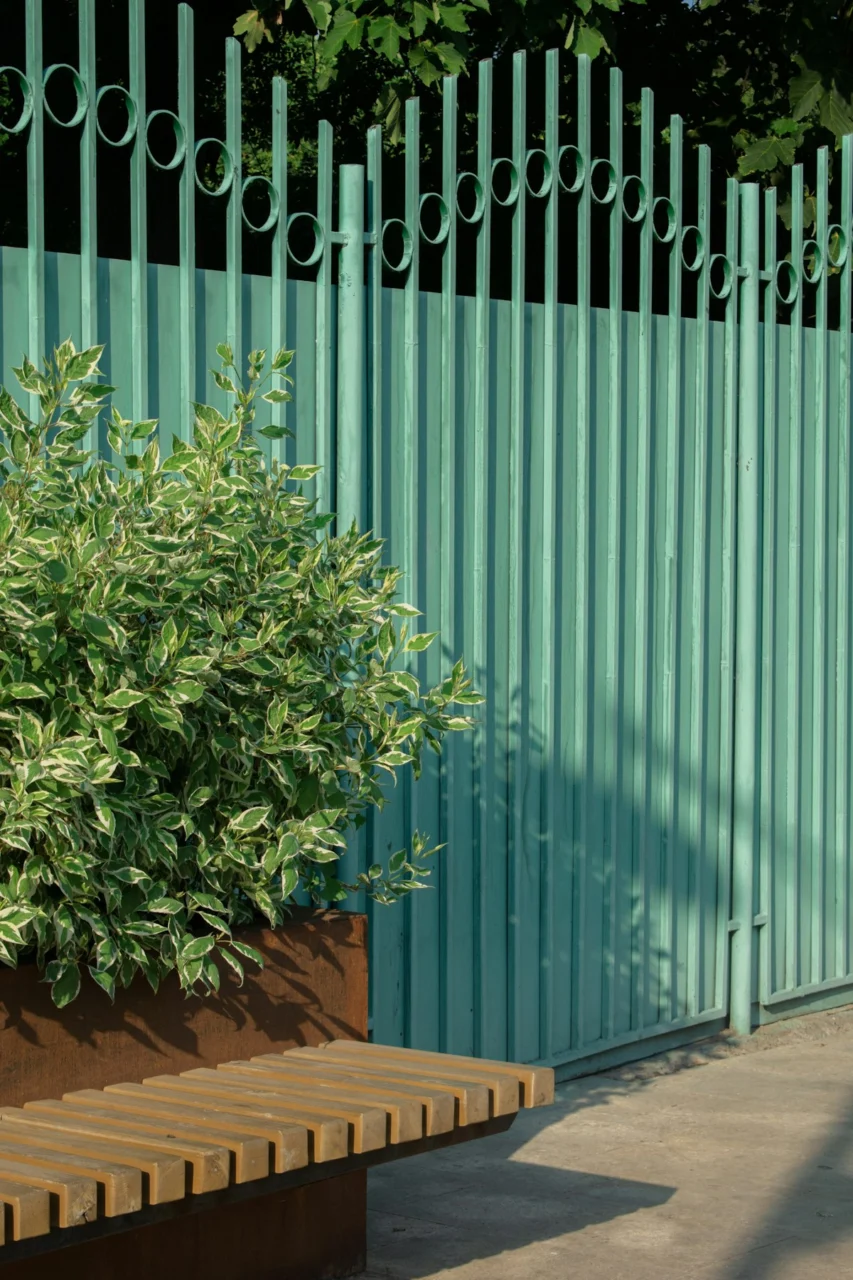
Photo by Alex Batonisashvili on Unsplash
Choosing the right horizontal fence is less about a single “best” option and more about matching material, style, and maintenance level to your lifestyle. Whether you gravitate toward the natural rhythm of wood slats, the industrial edge of metal mesh, or the living charm of a green wall, each idea offers a fresh way to claim privacy without sacrificing modern design. Take the time to weigh durability, budget, and the visual impact you desire—then let your fence become an intentional extension of your home’s personality.