Green & Yellow Kitchen Ideas That Feel Fresh & Happy
When you walk into a kitchen drenched in bright sunshine and a hint of garden foliage, you instantly feel uplifted. Yet many homeowners hesitate to pair green and yellow because they imagine a clash of hues. The good news? With a few thoughtful choices, those colors can coexist beautifully, creating a space that feels both fresh and happy. Below are seven distinct ideas that show how to balance the two tones, manage lighting, and keep the look practical for everyday cooking.
1. Mint‑Green Cabinets Paired With Lemon‑Yellow Accents
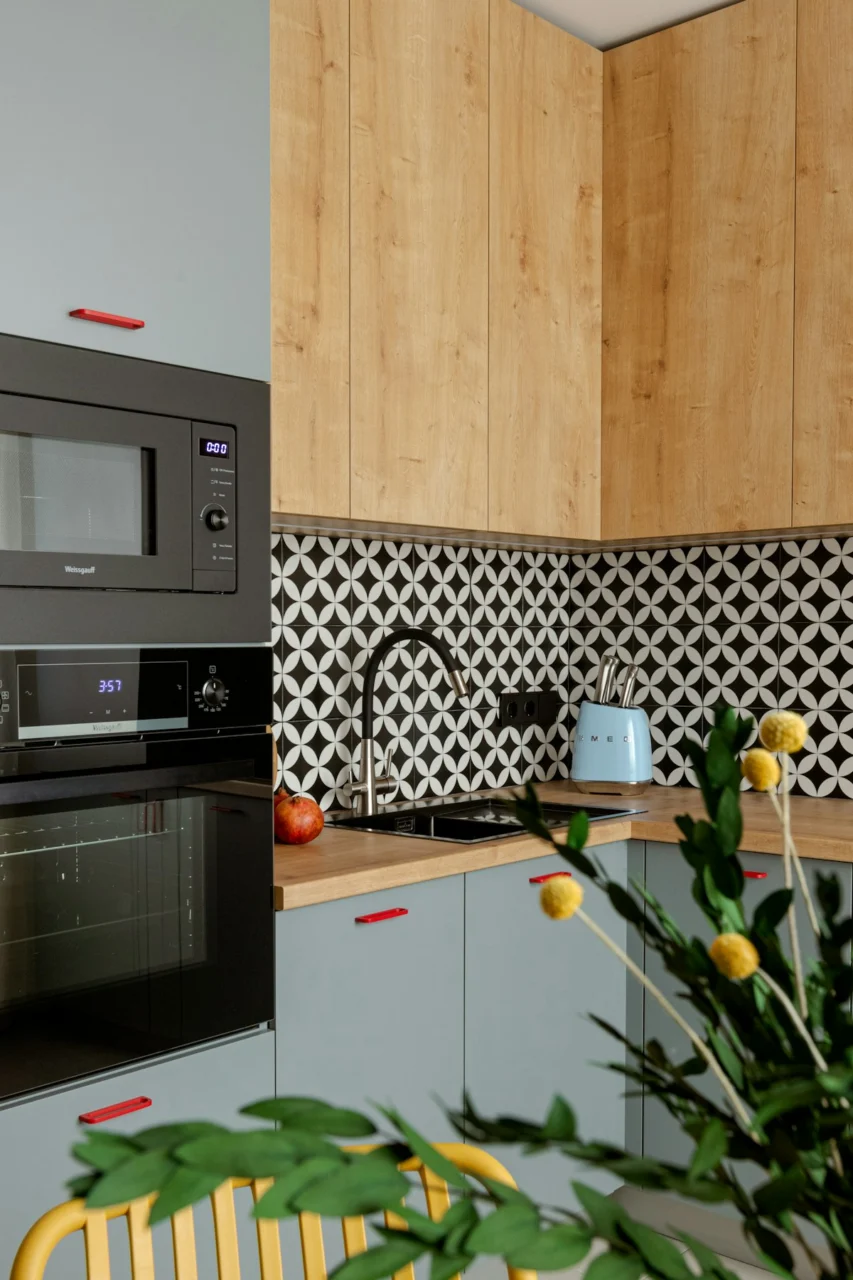
Photo by Aleksandra Dementeva on Unsplash
Cabinets are the backbone of any kitchen’s palette. A muted mint‑green finish provides a soothing backdrop while still delivering a pop of color. To avoid overwhelming the space, keep hardware and accessories in a soft lemon‑yellow.
How to make it work
- Choose a matte or satin paint for cabinets; it hides fingerprints better than high‑gloss.
- Install brushed brass or matte gold pulls – the warm metal echoes the yellow accents without competing.
- Introduce a yellow dish rack or utensil holder on the countertop for a functional splash of color.
Common mistake: Selecting a neon mint that looks artificial. Stick to pastel tones that blend with natural light.
2. Yellow Backsplash With Green Tile Inset
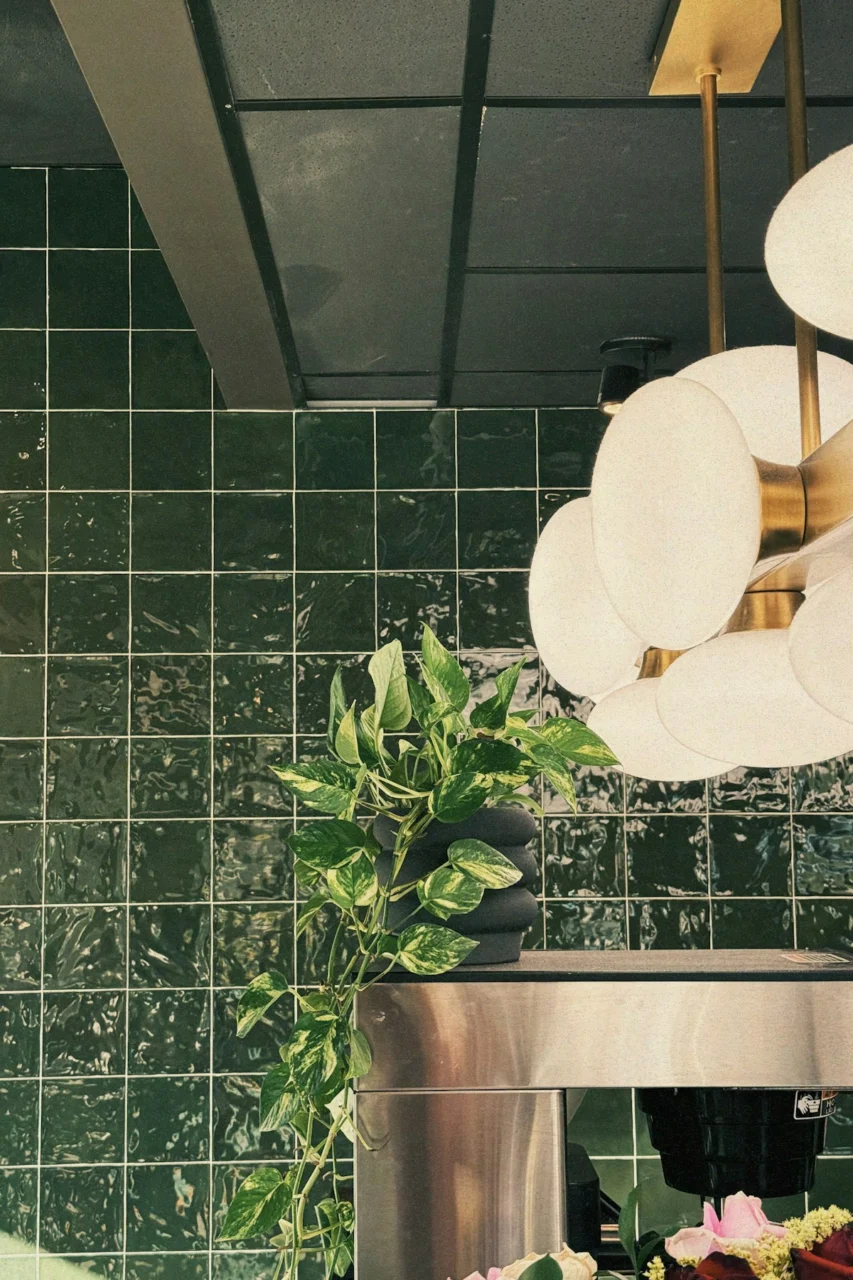
Photo by Skyler Smith on Unsplash
A backsplash offers a perfect canvas for pattern play. A bright yellow subway tile can energize the room, while a single row of green glass tiles creates a subtle focal point.
Installation tips
- Use ceramic or porcelain tiles for durability; they resist moisture and are easy to clean.
- Place the green inset at eye level, either as a vertical stripe or a small mosaic square.
- Seal the grout with a waterproof sealant to prevent staining from cooking splatters.
What to avoid: Over‑loading the backsplash with too many colors. Keep the green element narrow to maintain visual balance.
3. Open Shelving in Soft Green With Yellow Dishware
Open shelves showcase both style and practicality. Painting the shelving in a pale sage green adds depth without darkening the room. Pair the shelves with yellow plates, bowls, or glassware to keep the vibe lively.
Practical considerations
- Secure the brackets to wall studs to support the weight of dishes.
- Opt for rounded shelf edges to reduce the chance of chipped ceramics.
- Rotate displayed items every few weeks to keep the look fresh and avoid dust buildup.
Tip: Use clear acrylic shelf liners; they protect wood or painted surfaces and are invisible to the eye.
4. Green Marble Countertops With Yellow Pendant Lights
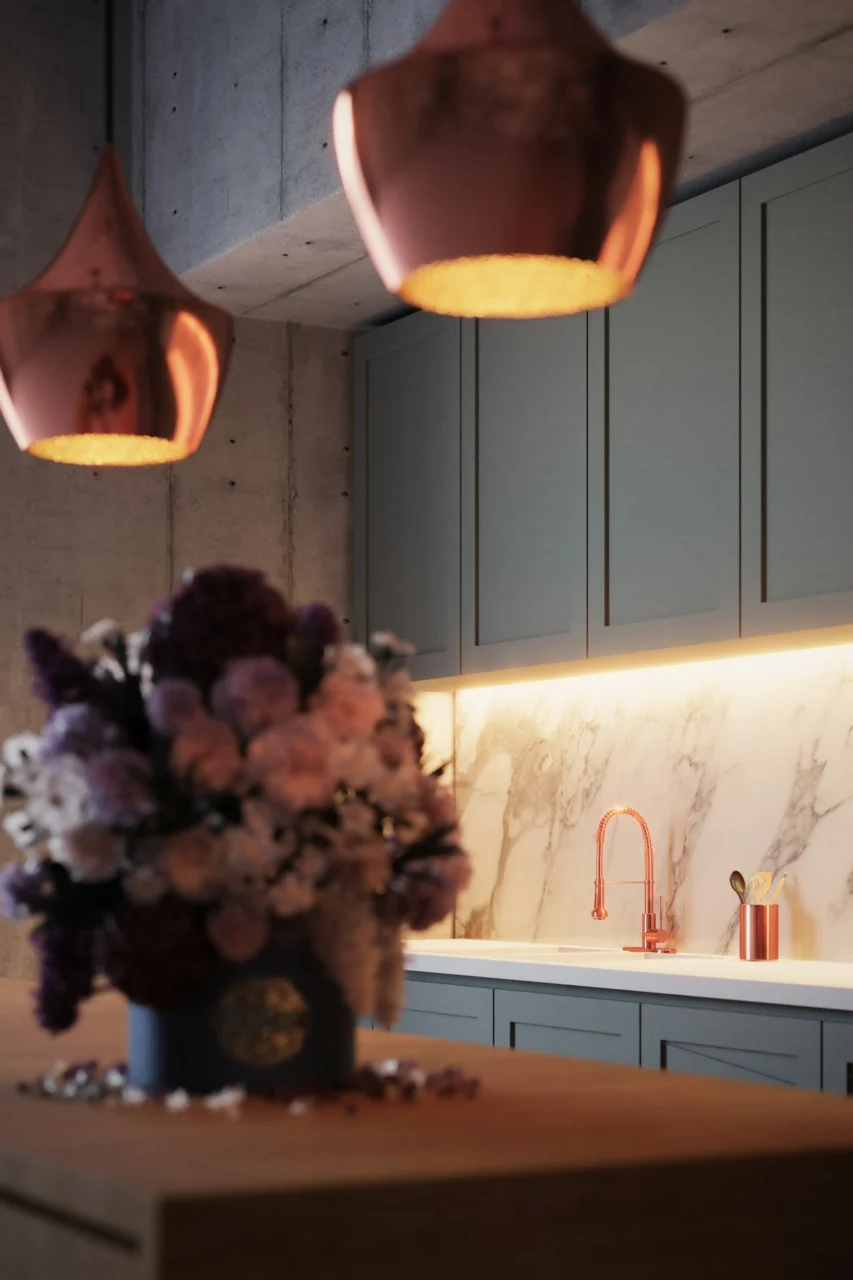
Photo by Pankaj Teli on Unsplash
Natural stone adds elegance, and a green‑tinged marble (think subtle olive veining) works beautifully with a sunny kitchen. Complement the cool countertop with warm‑toned yellow pendant lights over the island or breakfast bar.
Choosing the right lighting
- Select fixtures with LED bulbs rated for kitchen use; they stay cool and last longer.
- Adjust the pendant height so the light falls about 30‑36 inches above the countertop for optimal task lighting.
- Consider a dimmer switch to shift from bright cooking mode to a softer ambiance for meals.
Maintenance note: Marble requires sealing every six months to prevent staining from acidic foods.
5. Yellow Kitchen Island With Green Herb Garden
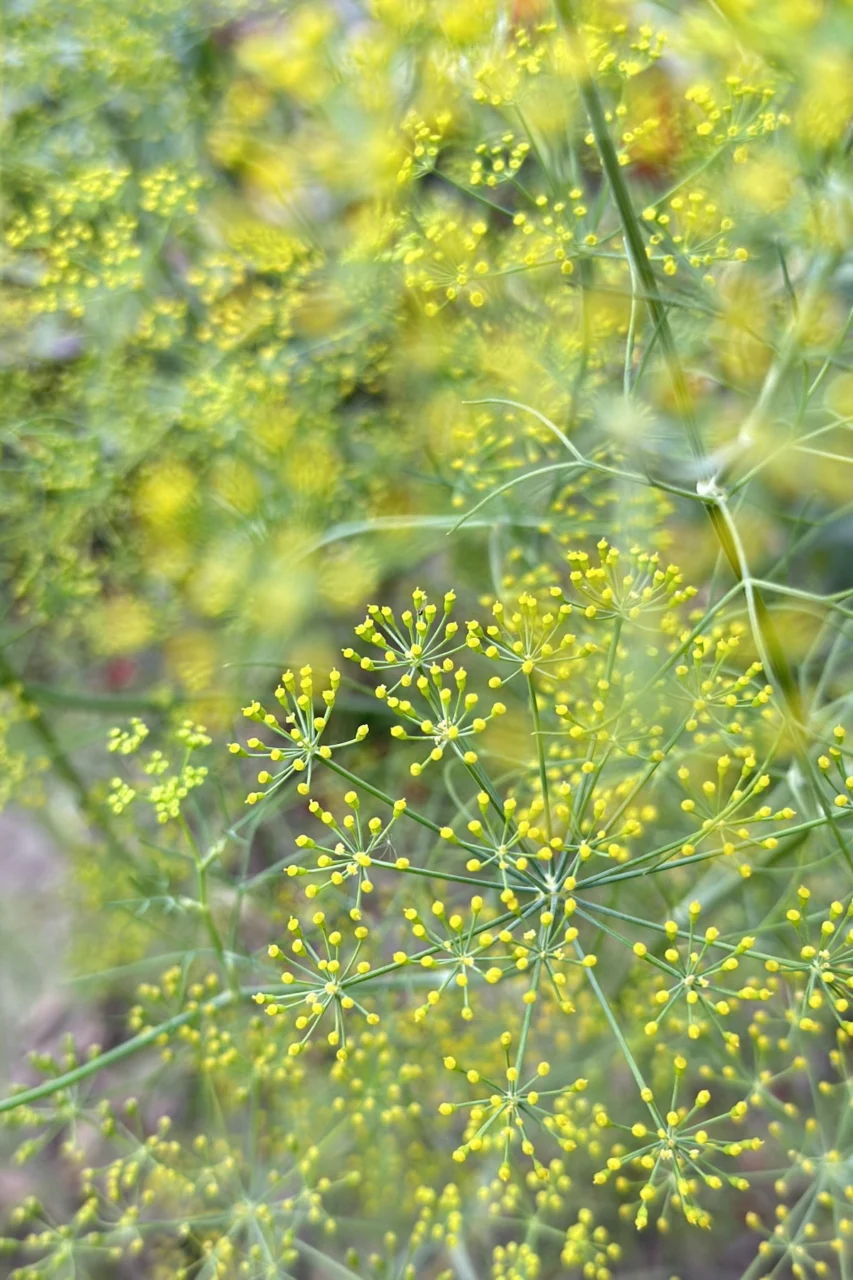
Photo by Tushar Agarwal on Unsplash
An island painted in buttery yellow instantly becomes the room’s centerpiece. Adding a built‑in herb garden on one side introduces a fresh green element that’s both decorative and functional.
Building the herb garden
- Install a shallow trough lined with waterproof liner; fill it with a lightweight potting mix.
- Choose herbs that thrive in indirect light, such as basil, parsley, and mint.
- Place a small LED grow light above the trough for consistent growth during darker months.
Safety reminder: Keep the garden area away from the stovetop to avoid accidental splashes onto the soil.
6. Green Textiles – Curtains, Rugs, And Seat Cushions

Photo by Nathana Rebouças on Unsplash
Textiles are the easiest way to introduce color without committing to paint or permanent fixtures. A light green linen curtain filters daylight nicely, while a patterned rug with both green and yellow motifs ties the room together.
Choosing fabrics
- Pick machine‑washable cotton or linen for curtains; they’re easy to maintain.
- Look for rugs with a low pile; they’re less likely to trap crumbs and are simpler to clean.
- Seat cushions in a durable, stain‑resistant fabric keep the dining bench comfortable and bright.
Pro tip: Use a rug pad to prevent slipping and extend the rug’s life.
7. Mixed‑Metal Fixtures With Green‑Tinted Glass
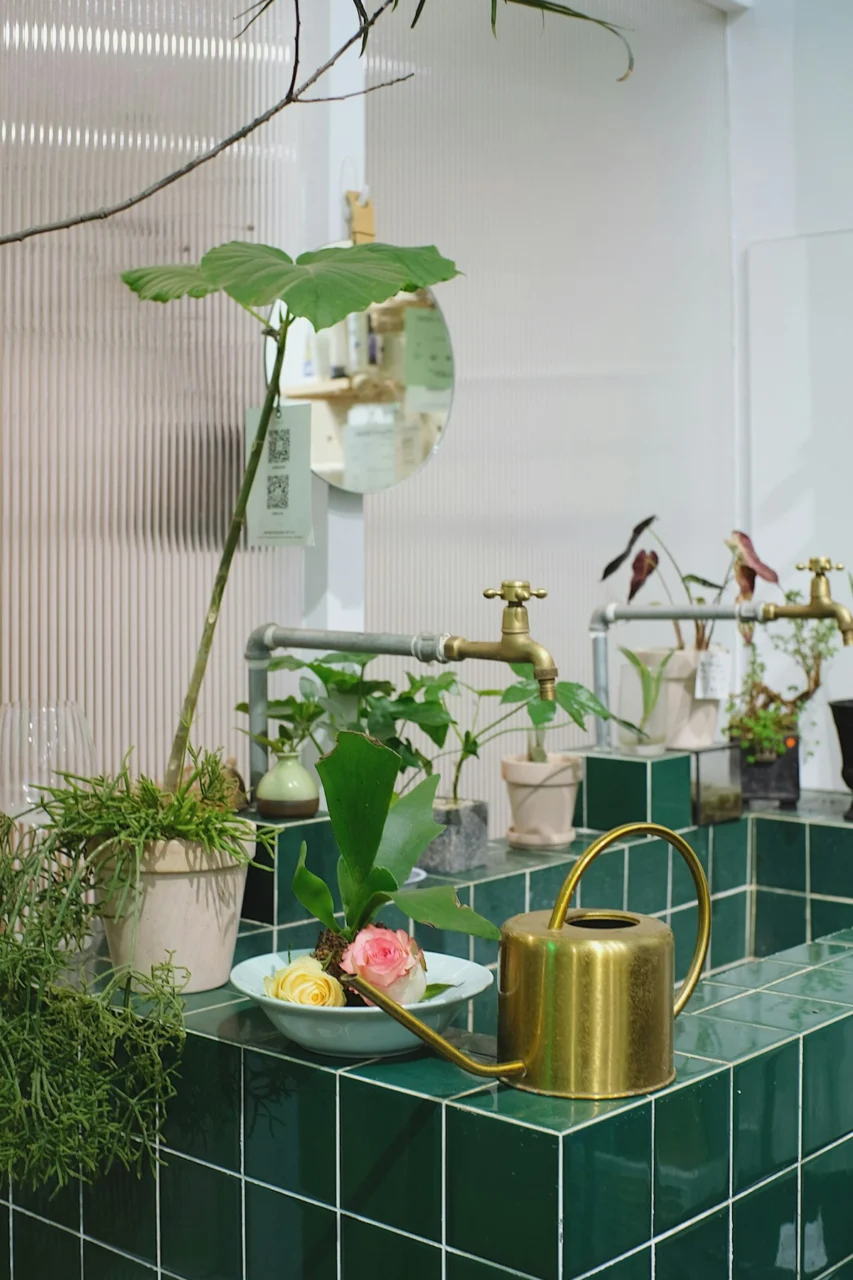
Metal finishes can unify disparate colors. Pair brushed nickel or matte black hardware with a green‑tinted glass faucet or a set of green glass canisters on the countertop. The glass adds a reflective quality that brightens the space.
Installation and care
- Ensure the faucet’s finish matches other hardware to avoid visual dissonance.
- Clean glass elements with a non‑abrasive cleaner to prevent scratching.
- Check for water spots regularly; a quick wipe with a microfiber cloth keeps them sparkling.
Watch out for: Over‑mixing too many metal tones. Stick to one primary finish for handles and switches.
FAQ
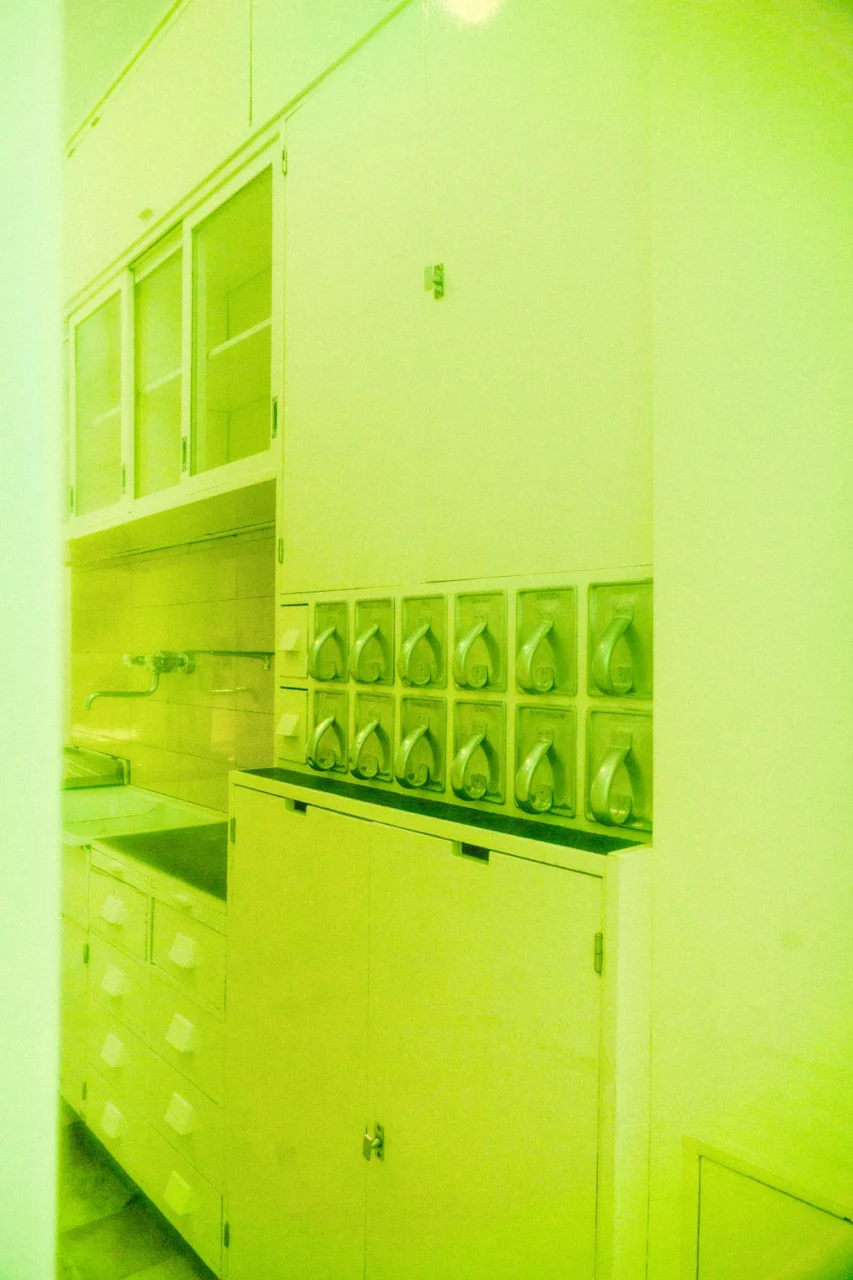
Photo by Sindy Süßengut on Unsplash
Can I use bright neon shades of green and yellow together?
Neon tones tend to clash and can feel overwhelming in a kitchen. Soft, pastel versions create a harmonious look while still delivering the desired energy.
Do green cabinets require special cleaning products?
Standard mild dish soap and a soft cloth work fine. Avoid abrasive cleaners that can dull the paint finish, especially on matte surfaces.
Is a yellow backsplash safe for high‑traffic cooking areas?
Yes, as long as you choose durable tile material such as porcelain and seal the grout. Regular wiping prevents grease buildup.
How much natural light is needed for a green‑yellow kitchen?
Both colors thrive with ample daylight. If your kitchen lacks windows, supplement with warm LED lighting and consider a light‑reflective ceiling paint.
Can I mix different shades of green in the same kitchen?
Mixing shades works when you anchor the palette with a neutral (white, gray, or wood). Use one dominant green and a secondary, lighter tone for accents.
Final Thoughts
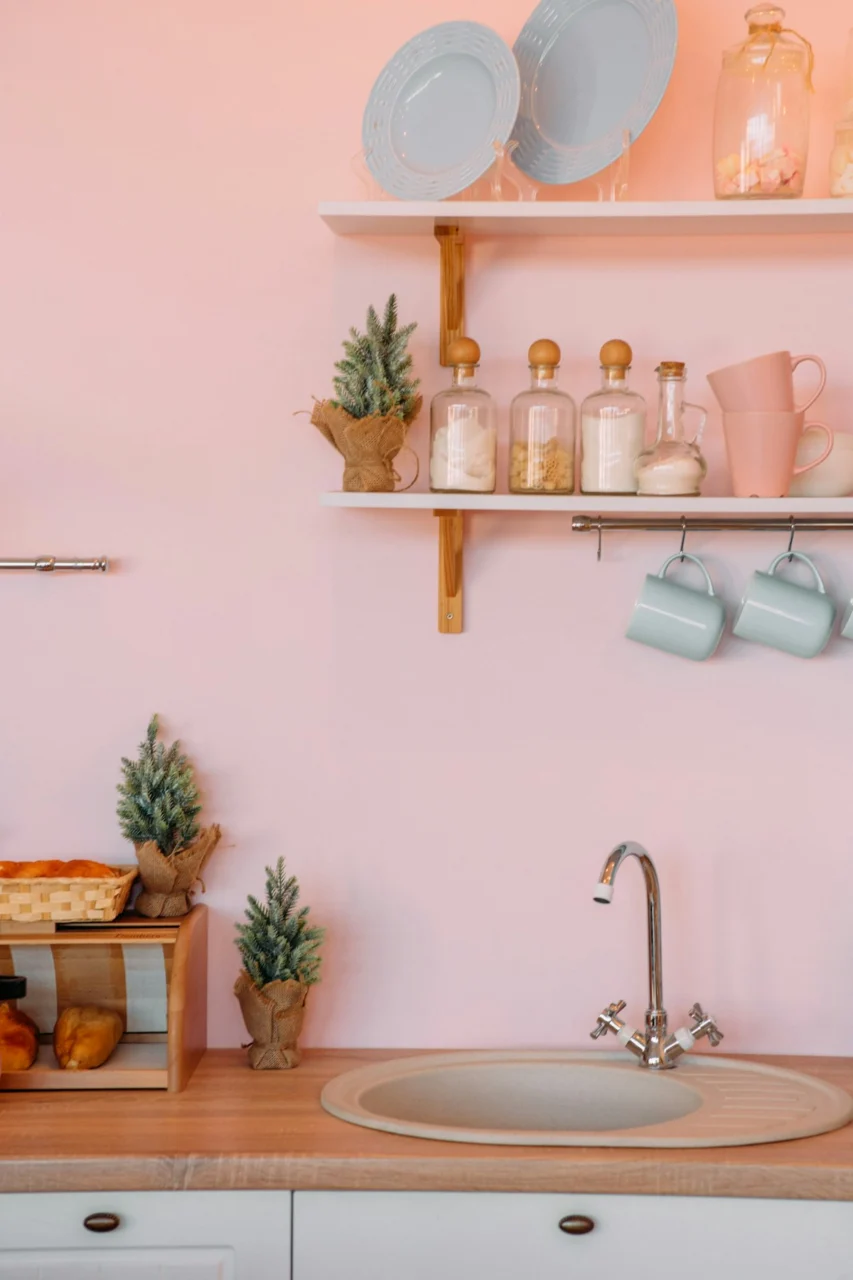
Photo by Eugenia Pan’kiv on Unsplash
Green and yellow together can transform a kitchen from ordinary to joyful, provided you balance the hues, choose durable materials, and consider lighting and maintenance from the start. Whether you opt for mint‑green cabinets, a sunny yellow backsplash, or a herb‑filled island, each idea above offers a practical route to a fresh, happy kitchen that invites both cooking and conversation.


2 Comments