Spring Front Door Decor Ideas That Feel Fresh
Spring arrives with a quiet invitation to open the front door and let the season’s light spill inside. For many homeowners the entryway is the first impression, yet it often stays unchanged through the year. Updating that small square of space doesn’t require a full remodel; a handful of thoughtful touches can make the door feel like a welcoming portal to a brighter home. Below are seven ideas that balance style, practicality, and a hint of seasonal charm, each explained with the kind of detail that helps you picture the result and plan the execution.
1. Swap the Doormat for a Hand‑Woven Natural Fiber Runner

Photo by Liana Mikah on Unsplash
A hand‑woven runner made from seagrass or jute instantly softens the hard surface of a stone or concrete threshold. The texture invites guests to pause, and the neutral earth tones complement the pastel hues often found in spring décor. Because the fibers are porous, they handle light rain better than a cotton mat, though they do benefit from occasional shaking and a gentle vacuum to keep dirt from embedding. Pair the runner with a simple metal or wooden border that matches any existing door hardware, and you’ll have a low‑maintenance entry that feels grounded yet fresh. If you live in a region with heavy snowfall, choose a runner with a tighter weave to prevent water from soaking through.
2. Add a Pair of Slim, Weather‑Resistant Planters
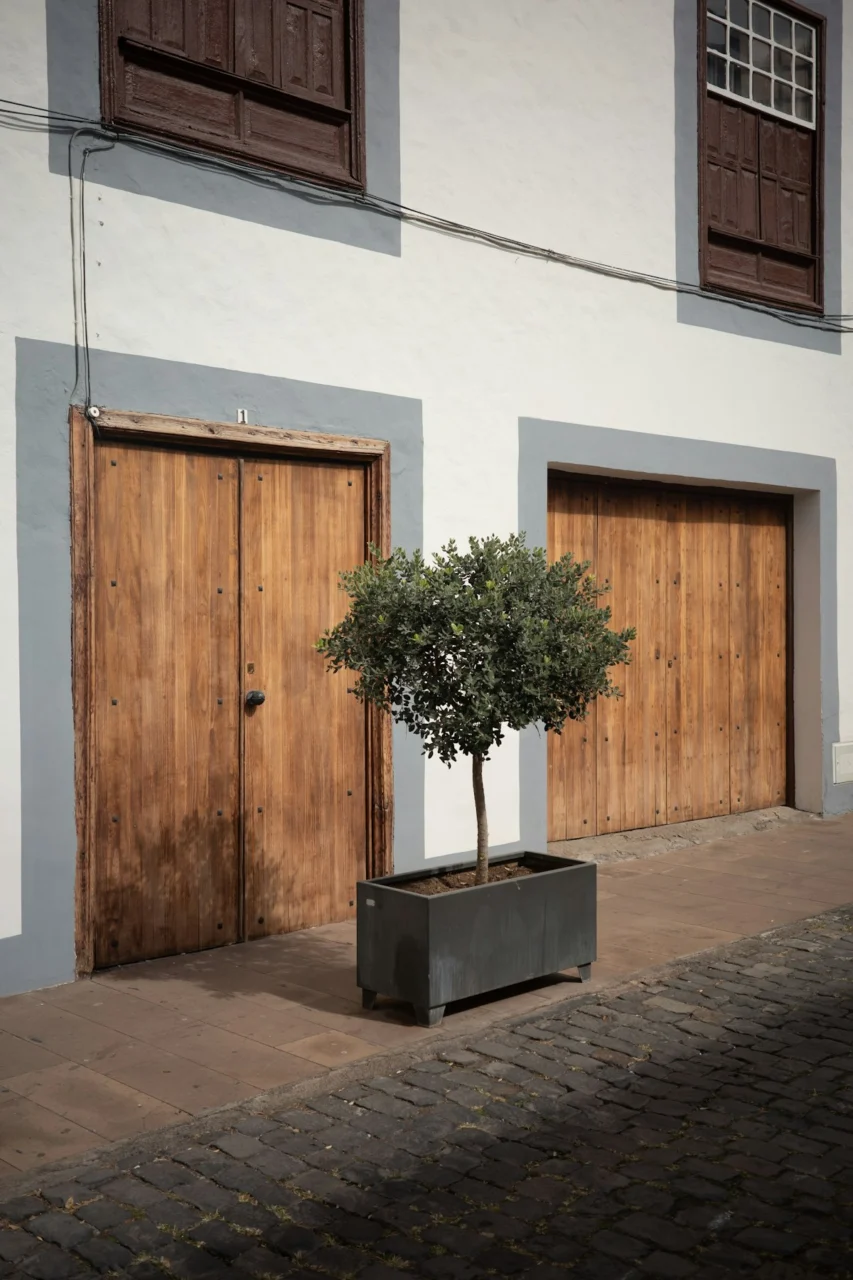
Photo by Anton Khmelnitsky on Unsplash
Flanking the door with two narrow planters made of powder‑coated metal or glazed ceramic creates a symmetrical frame that draws the eye upward. Fill them with hardy spring bloomers such as pansies, dwarf iris, or even a trailing lobelia. These plants tolerate the cooler temperatures that linger at the doorway and provide a burst of color without overwhelming the space. Because the planters sit at ground level, they also help define the threshold, making the entrance feel intentional. Keep in mind that heavier pots can become a tripping hazard, so select containers that sit low and are stable on uneven pavement.
3. Install a Subtle, Backlit Door Sign
A small, acrylic or reclaimed‑wood sign that reads “Welcome” or simply displays a seasonal motif can become a quiet focal point when illuminated from behind. The soft glow highlights the lettering after dusk without the harsh glare of a traditional porch light. Wiring the sign to an existing outdoor outlet is straightforward, but if you’re uncomfortable with low‑voltage connections, a battery‑operated LED strip can provide the same effect. The key is to choose a font and finish that echo the architectural details of your home; a modern sans‑serif pairs well with a sleek metal door, while a hand‑carved script complements a vintage façade. Overly bright illumination may clash with nearby street lighting, so test the brightness before final installation.
4. Refresh the Door Paint with a Soft, Muted Hue

Photo by Lana Graves on Unsplash
A fresh coat of paint can transform the whole entryway, and selecting a muted spring shade—such as a pale sage, dove‑gray, or buttery cream—adds a sense of calm that welcomes visitors. These colors work well with both light‑filled and shaded porches because they reflect natural light without appearing washed out. When choosing a finish, a low‑sheen semi‑gloss offers enough durability for the high‑traffic surface while still showing subtle texture. Preparing the door by sanding any rough spots and applying a primer ensures the new color adheres evenly. Keep in mind that lighter tones may show scuffs more readily, so a quick touch‑up kit should be on hand for minor wear.
5. Hang a Lightweight Woven Wall Basket
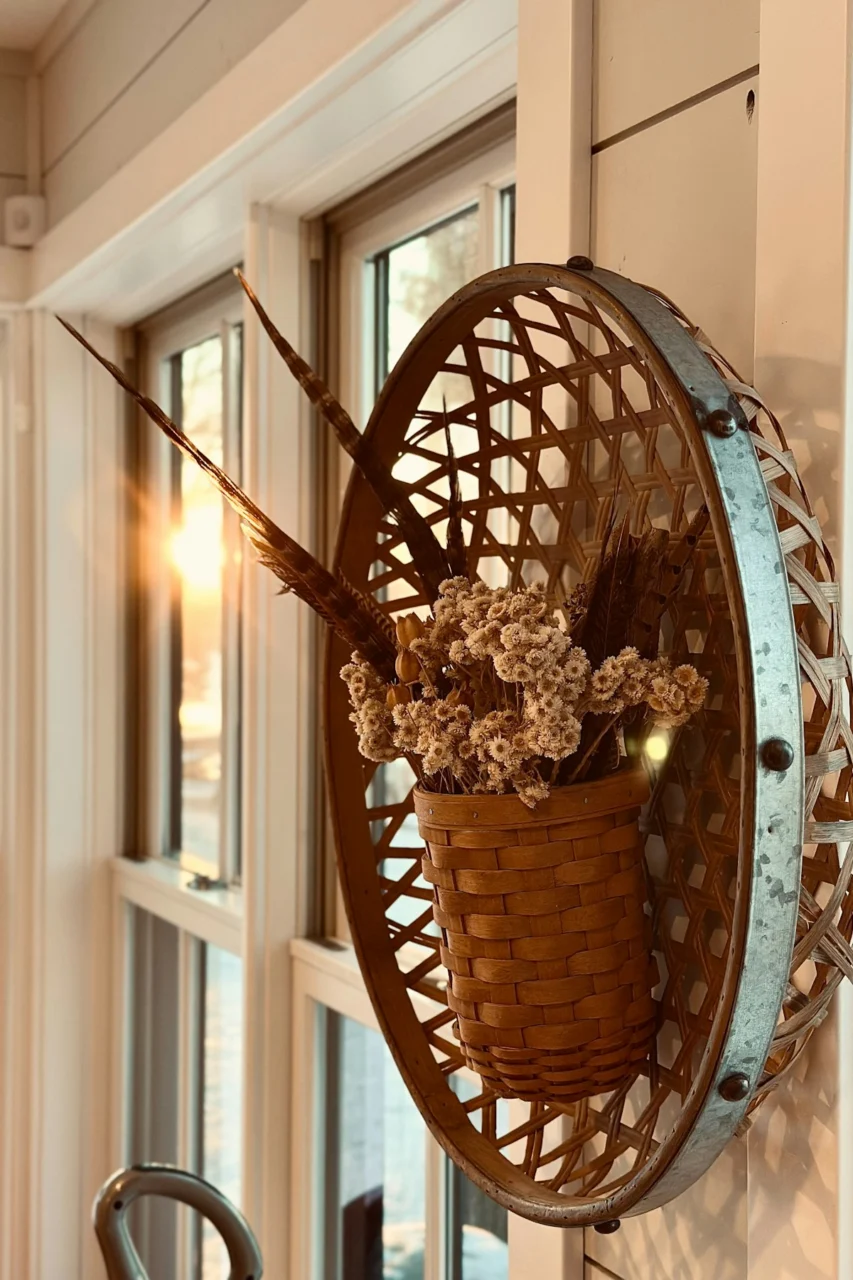
Photo by Thomas Avra on Unsplash
A large, open‑weave basket mounted on the wall beside the door provides an attractive spot for storing umbrellas, gardening gloves, or a small stack of mail. The natural fibers echo the runner and planters, creating a cohesive material story at the entry. Because the basket is not a solid box, it allows air to circulate, which helps damp items dry faster after a rainstorm. Installation requires only a couple of sturdy anchors, but be sure the wall can support the weight of the basket when fully loaded. If you have a narrow entryway, choose a basket with a shallow depth to avoid crowding the walkway.
6. Layer Soft Lighting with a Small Lantern or Solar Torch
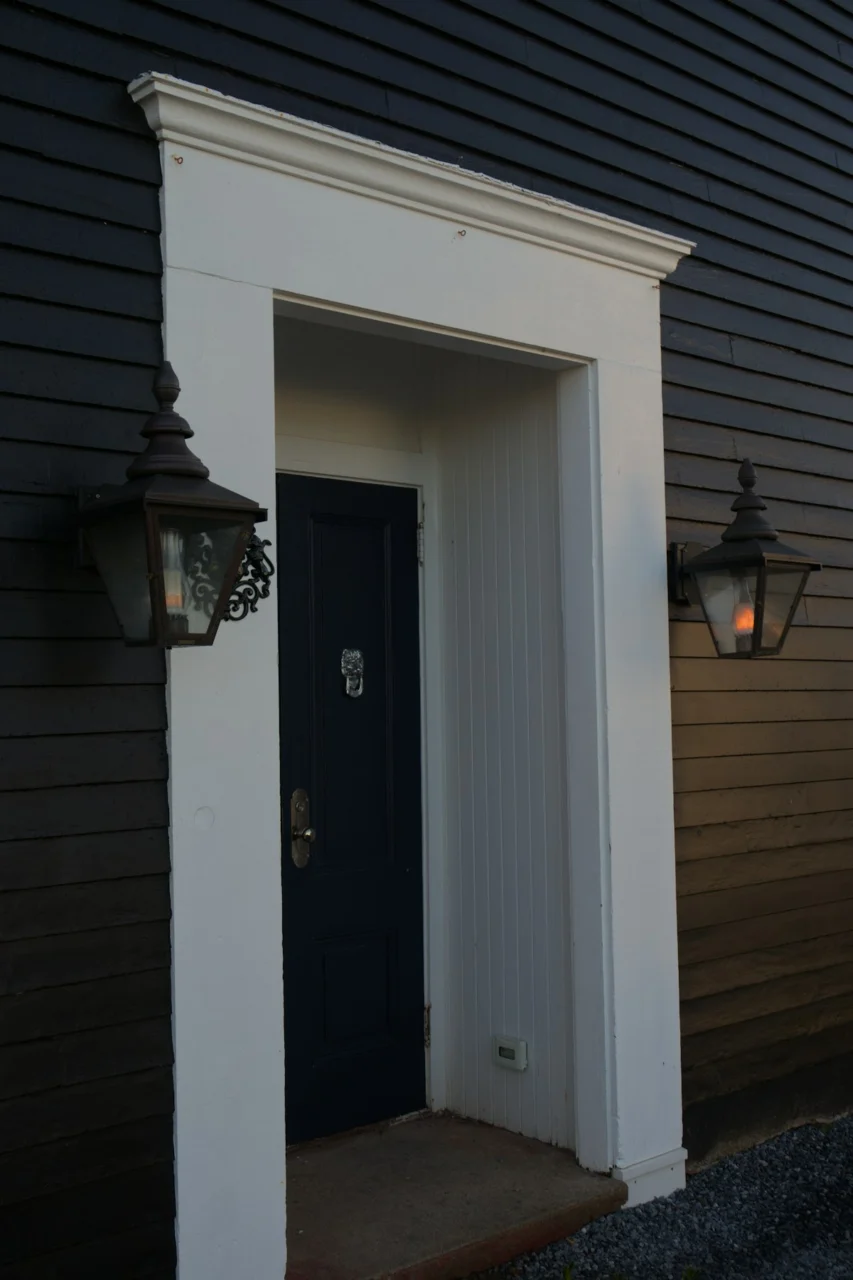
Photo by Patrick Wadden on Unsplash
A modest lantern placed on a low table or a solar‑powered torch tucked into the runner adds a warm, inviting glow that feels especially comforting as days grow longer. Lanterns made from brushed brass or matte black metal complement a variety of door colors, while a glass lantern can reflect the surrounding foliage. Solar options eliminate the need for wiring, but they rely on sufficient sunlight to charge, so position the unit where it receives at least a few hours of direct sun each day. If the lantern sits on a wooden surface, a coaster can protect the finish from condensation.
7. Curate a Seasonal Wreath with Mixed Materials

Photo by Giulia Losa Fiori on Unsplash
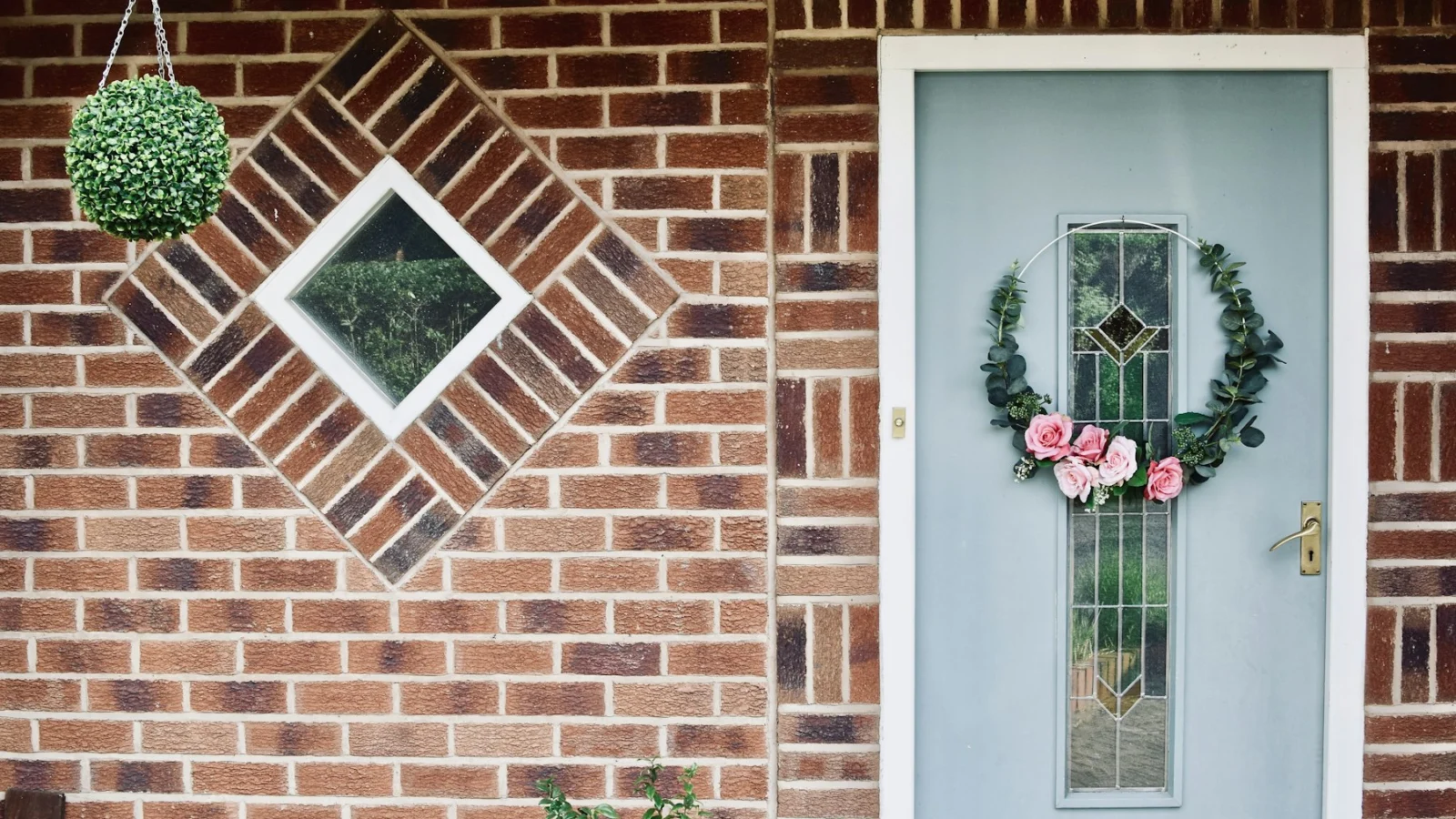
A wreath assembled from fresh greenery, dried seed pods, and a few pastel ribbons brings the outdoors in without overwhelming the door’s design. By mixing pliable eucalyptus branches with sturdier elements like twine‑wrapped pine cones, the wreath maintains its shape throughout the season. Attach the wreath with a simple hook that can be removed easily for cleaning or swapping out components as the weather changes. While fresh foliage adds fragrance, it also requires occasional misting to prevent wilting; alternatively, use high‑quality silk foliage for a maintenance‑free version that still looks natural. A wreath that is too dense can obscure the door hardware, so keep the central space open for the knob or handle.
Frequently Asked Questions
What type of runner is best for a rainy climate?
A runner made from tightly woven seagrass or synthetic fibers resists water absorption better than loose‑weave natural fibers. These materials can be shaken out and brushed clean, making them practical for frequent rain while still offering a natural look.
Can I use real plants in the planters year‑round?
Real plants thrive outdoors during the growing season, but many will need to be swapped for seasonal varieties as temperatures shift. Choosing hardy perennials or evergreen foliage for the colder months ensures the planters remain attractive without constant replacement.
How do I power a backlit door sign safely?
If you’re comfortable with basic electrical work, connect the sign to an existing outdoor outlet using a low‑voltage transformer and follow the manufacturer’s instructions. For those who prefer a plug‑and‑play solution, battery‑operated LED strips provide a safe, wire‑free alternative.
Is a light‑colored paint more prone to damage?
Lighter paints can show scuffs and dirt more readily, but a semi‑gloss finish helps hide minor marks and makes cleaning easier. Keeping a small touch‑up kit nearby allows you to address any wear quickly.
What is the best way to attach a wall basket?
Use wall anchors appropriate for your wall type—plastic anchors for drywall or masonry screws for brick. Ensure the anchors are rated for the weight you plan to store, and double‑check that the basket sits level before loading it.
Final Thoughts
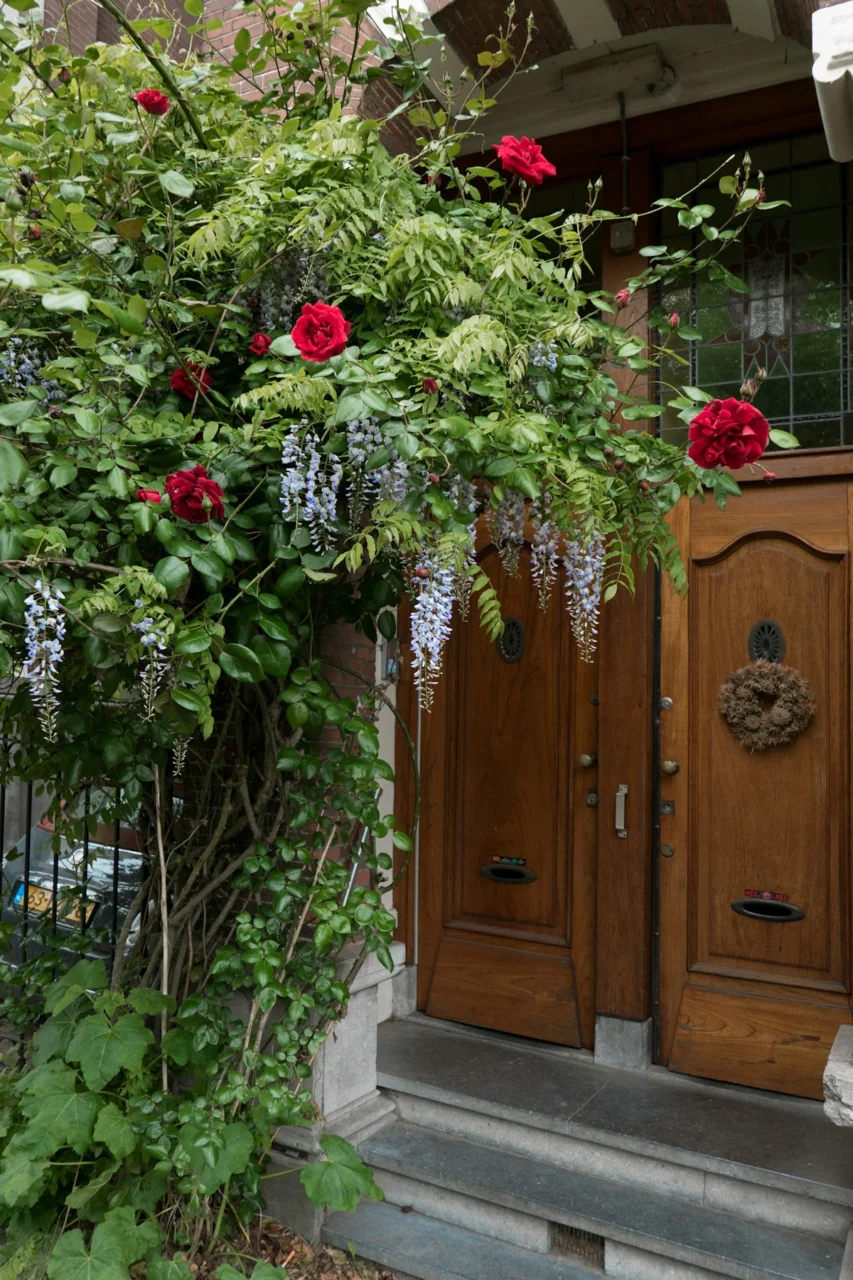
Photo by Fons Heijnsbroek on Unsplash
A fresh front‑door look does not require a major renovation; a few well‑chosen pieces can convey the optimism of spring while remaining functional for everyday life. By considering texture, color, lighting, and storage together, you create an entry that feels both inviting and purposeful. Choose the ideas that match your home’s architecture and your own routine, and you’ll find the doorway becoming a small but meaningful celebration of the season.