Kitchen Island Back Panel Ideas You Haven’t Seen
When the island becomes the visual anchor of a kitchen, the surface that hides its cabinets can feel just as important as the countertop itself. Most homeowners settle for a plain painted board or a simple tile, but the back panel offers a chance to introduce texture, color, or function that the rest of the room doesn’t provide. Below are seven ideas that move beyond the usual choices, each explained with enough detail to help you decide whether it fits your style, budget, and daily routine.
1. Hand‑painted chalkboard panel
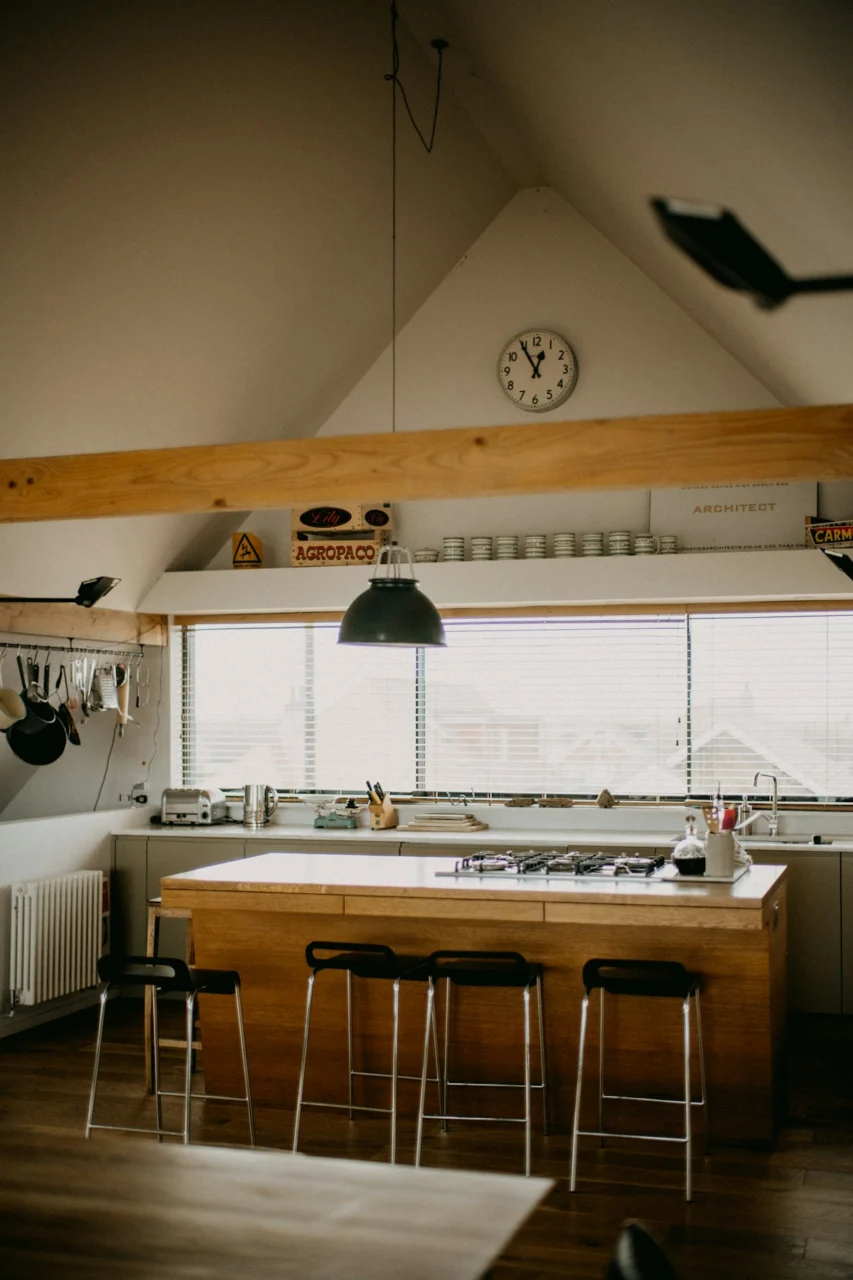
Photo by Annie Spratt on Unsplash
A chalkboard finish turns the island’s back wall into an ever‑changing canvas. The matte black surface absorbs light, which helps it recede a bit in a busy kitchen, while the chalk‑friendly texture invites family members to leave notes, grocery lists, or playful doodles. To achieve this look, start with a smooth MDF board, apply a few coats of chalkboard paint, and seal it with a clear, low‑sheen polyurethane that tolerates occasional wiping. The real benefit is the dual role it plays: decorative and functional. You can switch from a weekly menu to a seasonal recipe without adding extra clutter. The main trade‑off is that the surface requires regular cleaning with a damp cloth; heavy oils from cooking can leave faint stains if not tended to promptly.
2. Reclaimed wood with live edge
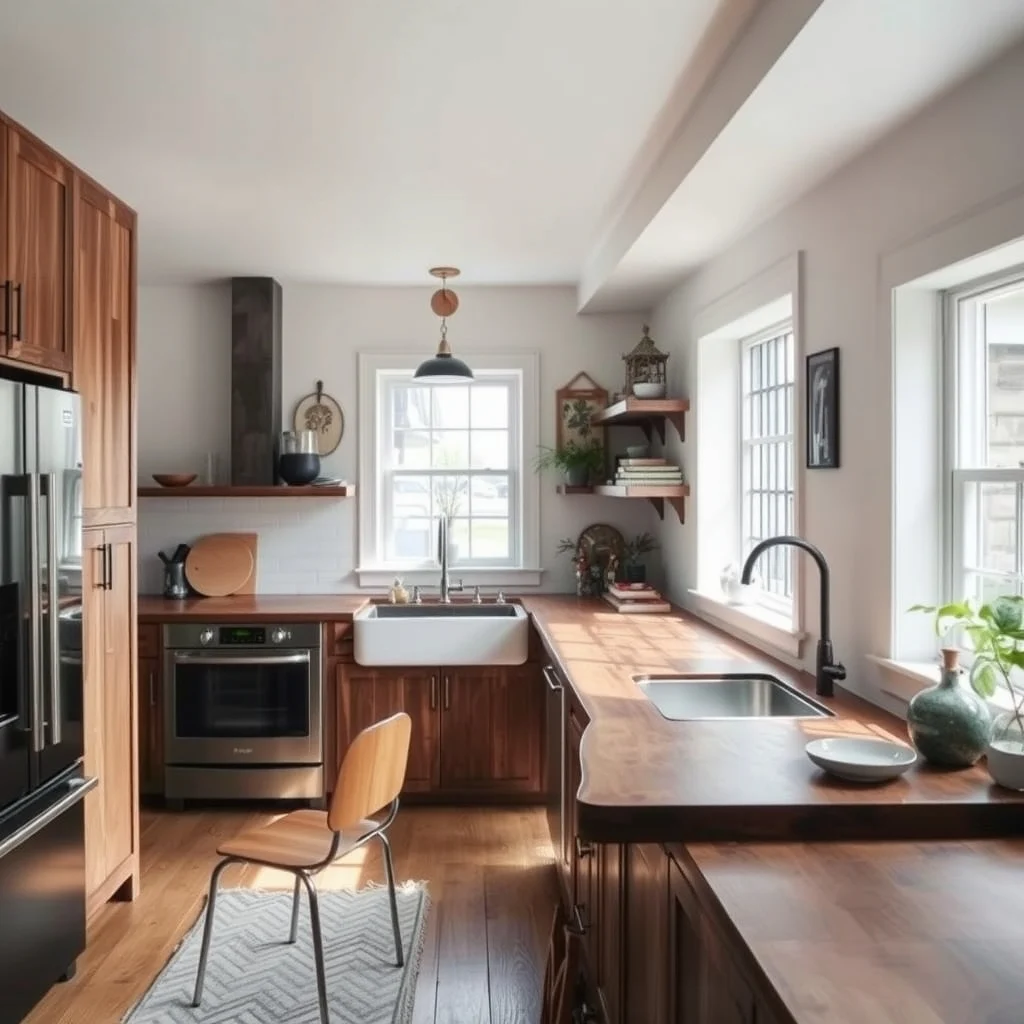
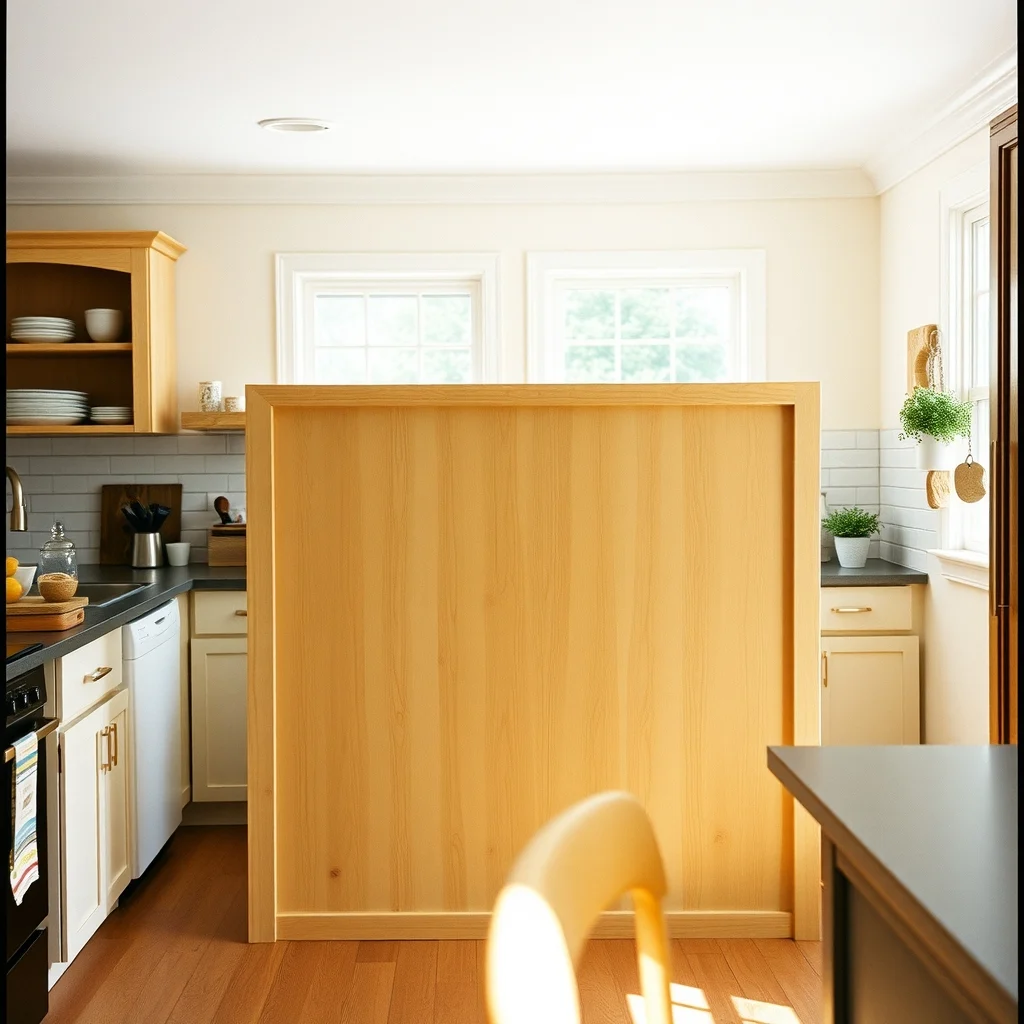
Reclaimed timber brings a sense of history to the kitchen, especially when the board retains its natural live edge. The irregular silhouette catches the eye and adds warmth that contrasts nicely with sleek appliances. Selecting boards that have been properly kiln‑dried prevents future warping, and a hand‑rubbed oil finish highlights the grain while offering resistance to moisture. Because the island often sees splatters, a finish that can be reapplied annually keeps the wood looking fresh. The visual impact is immediate, but the material can be more expensive than new lumber and may require occasional sanding to remove surface scratches caused by pots or utensils.
3. Textured cement board with metallic glaze
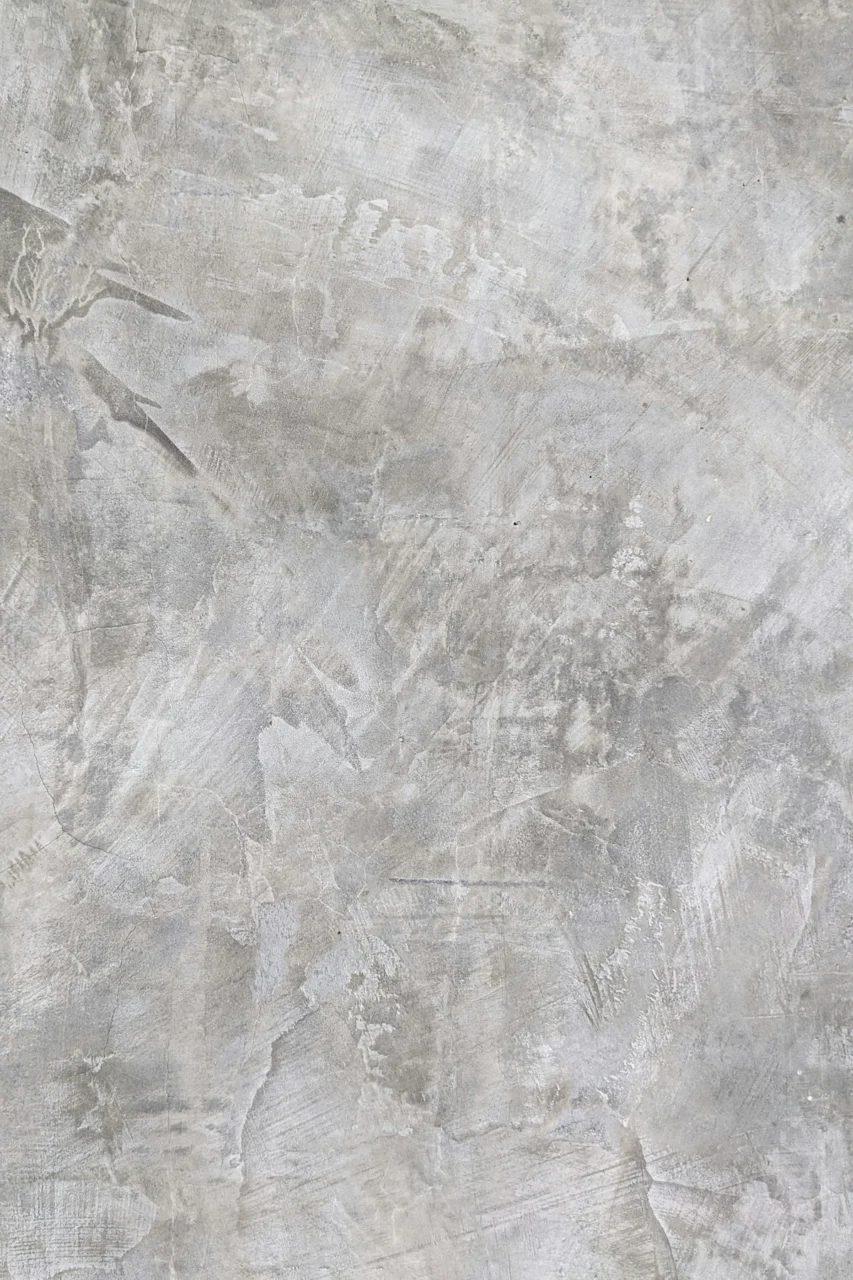
Cement board is a durable substrate that can be finished with a thin metallic glaze to create a subtle shimmer. The texture resembles a fine sandpaper, which diffuses light and adds depth without overwhelming the surrounding cabinets. Applying a glaze in a muted bronze or pewter tone lets the panel catch ambient light from pendant fixtures, creating a soft glow that changes throughout the day. This approach works well in modern or industrial kitchens where concrete elements already exist. The downside is that cement can be heavy, so confirming the island’s support structure is essential before installation. Regular dusting with a soft cloth keeps the surface from looking dull.
4. Glass back panel with backlit LED
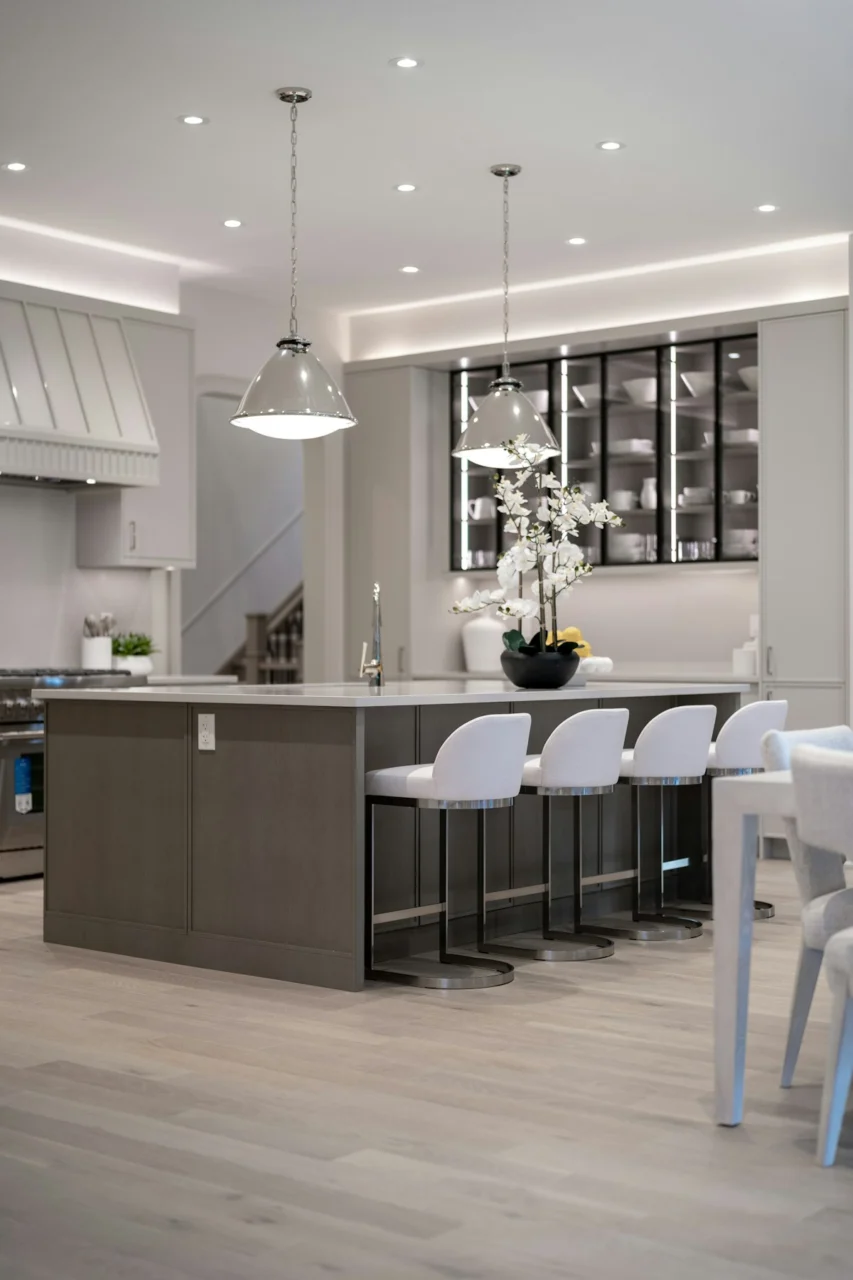
Photo by Franco Debartolo on Unsplash
Installing a tempered glass panel and placing a thin LED strip behind it creates a luminous backdrop that can be adjusted with a dimmer. The glass can be clear for a minimalist feel, frosted for privacy, or tinted to match a color scheme. Because the light source is hidden, the effect feels sophisticated rather than overt. This option works especially well in kitchens that lack natural light, as the glow can make the island feel larger. However, glass requires careful handling during installation, and the LED system should be rated for kitchen environments to avoid moisture issues. Cleaning the glass with a vinegar‑water solution prevents streaks that would diminish the glow.
5. Tiled mosaic with unexpected color palette

A mosaic composed of small ceramic tiles lets you play with pattern and hue in a way that a single sheet cannot. Choosing a palette that pulls a muted tone from the backsplash or a bold accent from the dining chairs creates cohesion while still standing out. The grout lines add visual interest, and the hard surface resists spills and heat. Installing a mosaic demands patience, but the result is a handcrafted look that feels personal. One consideration is that the grout may require resealing every few years, especially in a high‑traffic area where water can seep in.
6. Fabric‑wrapped panel for acoustic softness
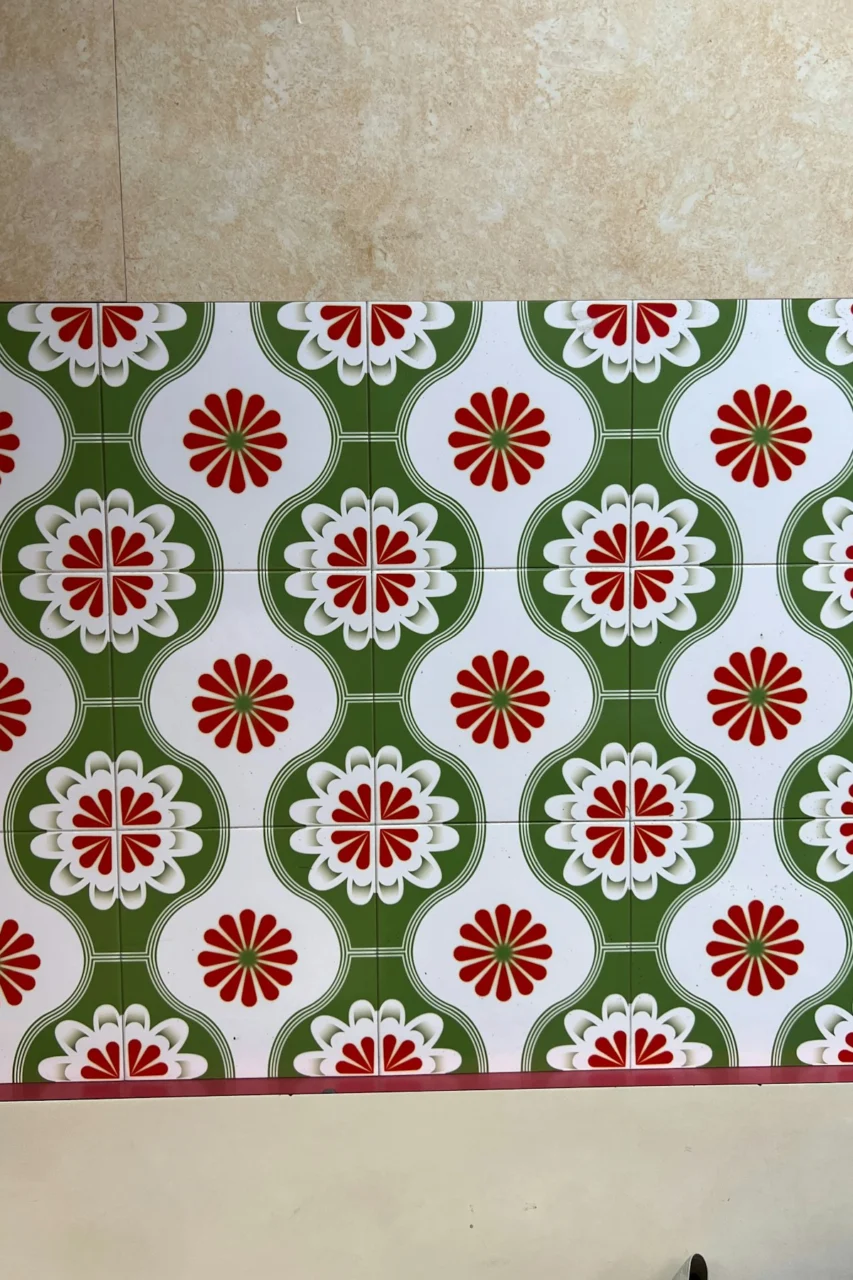
Covering the back panel with a durable, washable fabric introduces a tactile element that also dampens kitchen noise. Materials such as Sunbrella outdoor fabric or heavy linen can withstand occasional splashes and are easy to remove for laundering. The fabric can be chosen in a subtle pattern that echoes the curtains or upholstered stools, tying the room together. While the softness adds a cozy vibe, it does not provide the same heat resistance as tile or metal, so placing hot pans directly against it should be avoided. A thin layer of fire‑retardant backing can mitigate this concern without compromising the look.
7. Sliding magnetic board for flexibility
Photo by Amir Hanna on Unsplash
A magnetic sheet mounted on a smooth wood or metal panel gives you a surface that can hold recipes, magnets, or decorative metal tiles. The board can be set on tracks that allow it to slide out of the way when you need extra workspace, then glide back for a clean appearance. This solution blends utility with style, especially in kitchens where the island doubles as a command center. The primary limitation is the need for a sturdy mounting system; otherwise the board may wobble under the weight of multiple items. Choosing a low‑friction track ensures smooth operation and reduces wear over time.
FAQ
Can I install a back panel myself, or do I need a professional?
You can install most back panels yourself if you have basic carpentry tools, but anything involving electrical components, heavy glass, or structural changes should be handled by a qualified professional.
What is the best way to protect a painted back panel from kitchen grease?
Applying a clear, satin‑finish polyurethane over the paint creates a barrier that can be wiped clean with a mild detergent, keeping grease from seeping into the surface.
How do I choose a back panel material that matches my existing countertop?
Look for a material that shares a similar finish or complementary tone; for example, a concrete‑styled panel pairs well with a quartz countertop that has subtle speckles, while reclaimed wood works nicely alongside a butcher‑block top.
Is a backlit glass panel safe around cooking splatters?
Yes, provided the LED strip is rated for damp locations and the glass is tempered; regular cleaning with a non‑abrasive cleaner will keep the light from dimming.
Do fabric‑wrapped panels require special cleaning products?
Most durable outdoor fabrics can be cleaned with a gentle soap and water solution; avoid harsh chemicals that could degrade the fibers or fade the color.
Final Thoughts
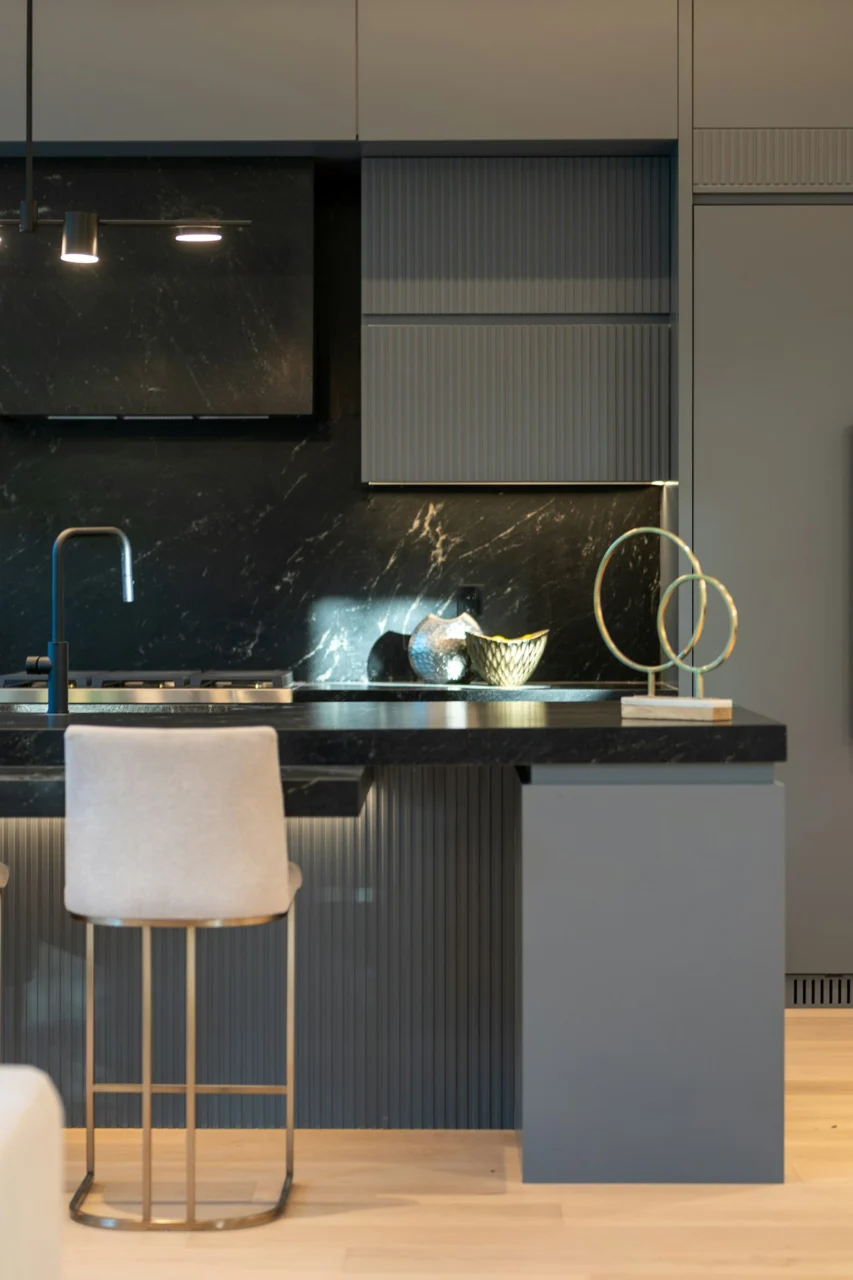
Photo by Franco Debartolo on Unsplash
The back panel of a kitchen island is often overlooked, yet it holds the potential to become a defining feature. Whether you prefer the interactive charm of a chalkboard, the timeless grain of reclaimed wood, or the modern glow of backlit glass, each option brings its own blend of aesthetics and practicality. Consider the daily demands of your kitchen, the level of maintenance you’re comfortable with, and the overall mood you want to create. With a thoughtful choice, the island’s hidden side can become as expressive as the countertop itself, adding depth and personality to the heart of your home.