Adorable Duck House Ideas for Your Backyard That Wow
Ever watched a pair of ducks waddle across your garden and thought, “They deserve a better home than that cardboard box”? You’re not alone. Many backyard‑owners love the charm of water‑fowl but struggle to find a duck house that blends with their landscaping while staying practical. This guide walks you through seven distinct designs—each with clear steps, material suggestions, and maintenance tips—so you can pick the perfect fit for your space, budget, and style.
1. Rustic Log Cabin Duck House
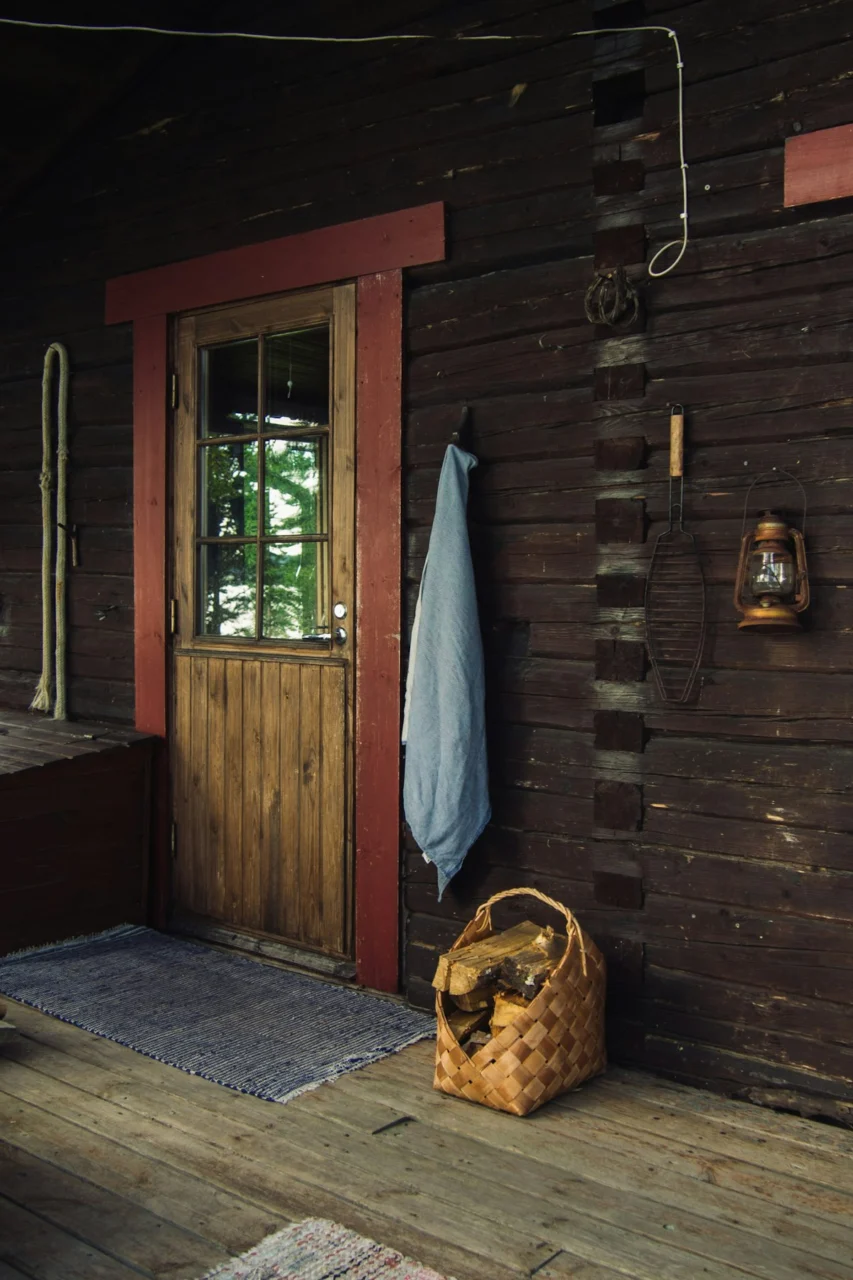
Nothing says “cozy countryside” like a mini log cabin. The natural texture of reclaimed wood adds warmth to any garden, and the elevated design keeps water out during rainstorms.
Materials & Construction
- Reclaimed cedar or pine logs (4‑6 ft long, 6‑8 in diameter)
- Galvanized steel brackets for stability
- Exterior‑grade roofing felt or metal sheet
- Hardware cloth (½‑inch mesh) for ventilation
Key Tips
- Stack logs in a square‑foot pattern, leaving a 2‑inch gap between each for drainage.
- Install a small, sloped roof that overhangs the entrance by at least 4 in to shed water.
- Use a hinged roof panel for easy cleaning—ducks love a tidy space.
Pros: Durable, blends with natural landscaping, excellent insulation.
Cons: Heavier to move; may require a small concrete pad for stability.
2. Modern Minimalist Duck Shed

Photo by Erik Mclean on Unsplash
If your backyard leans toward sleek lines and neutral tones, a minimalist duck shed can become a subtle focal point. Think clean geometry, muted colors, and low‑maintenance materials.
Materials & Construction
- Prefabricated PVC or composite panels (white or light gray)
- Flat metal roof with a low pitch
- Stainless‑steel hinges and latch
- Ventilation slots cut into the upper panel
Key Tips
- Keep the interior floor at least 12 in above ground level to avoid dampness.
- Use a simple, rectangular doorway (8 in × 12 in) that matches the duck’s size.
- Paint the exterior with a weather‑resistant, non‑toxic sealant—ducks are sensitive to harsh chemicals.
Pros: Light, easy to assemble, fits contemporary gardens.
Cons: Less “cottage‑y” charm; may need supplemental insulation in colder climates.
3. Upcycled Pallet Duck Retreat
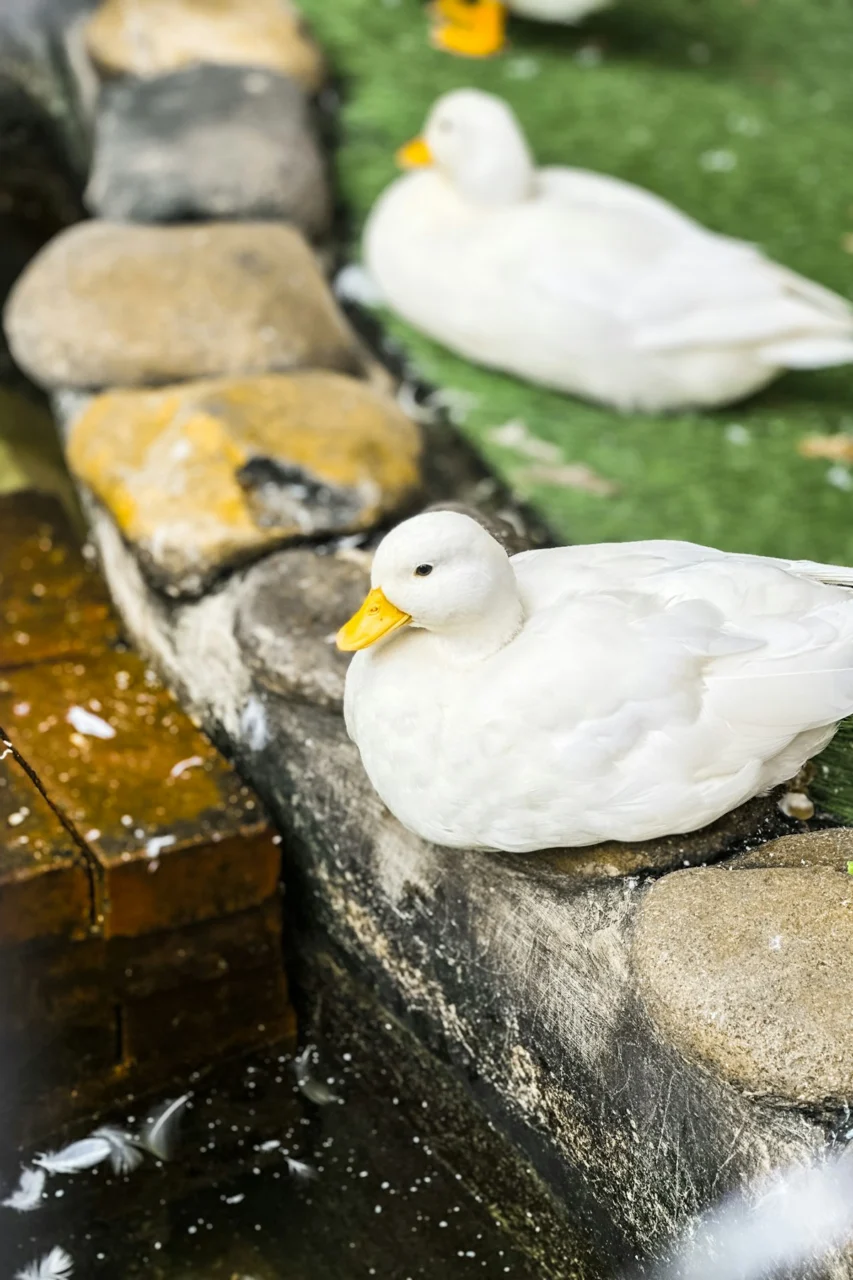
Photo by Addinda Zen on Unsplash
Got a stack of pallets in the garage? Turn them into a budget‑friendly duck house that feels intentionally rustic.
Materials & Construction
- Two standard 48‑in × 40‑in pallets (cleaned and sanded)
- Exterior‑grade plywood for a raised floor
- Corrugated roofing panel
- Eco‑friendly paint (optional)
Step‑by‑Step
- Lay one pallet flat as the base; attach plywood on top for a solid floor.
- Stand the second pallet upright, securing it with deck screws.
- Cut an entrance hole (6 in × 10 in) in the front side.
- Add the roof, extending it 3 in beyond the walls.
- Finish with a coat of non‑toxic paint if you want a splash of color.
Pros: Extremely affordable, quick DIY, recyclable.
Cons: Pallets can splinter; ensure all nails are recessed and surfaces are smooth.
4. Garden Gnome‑Style Duck Cottage
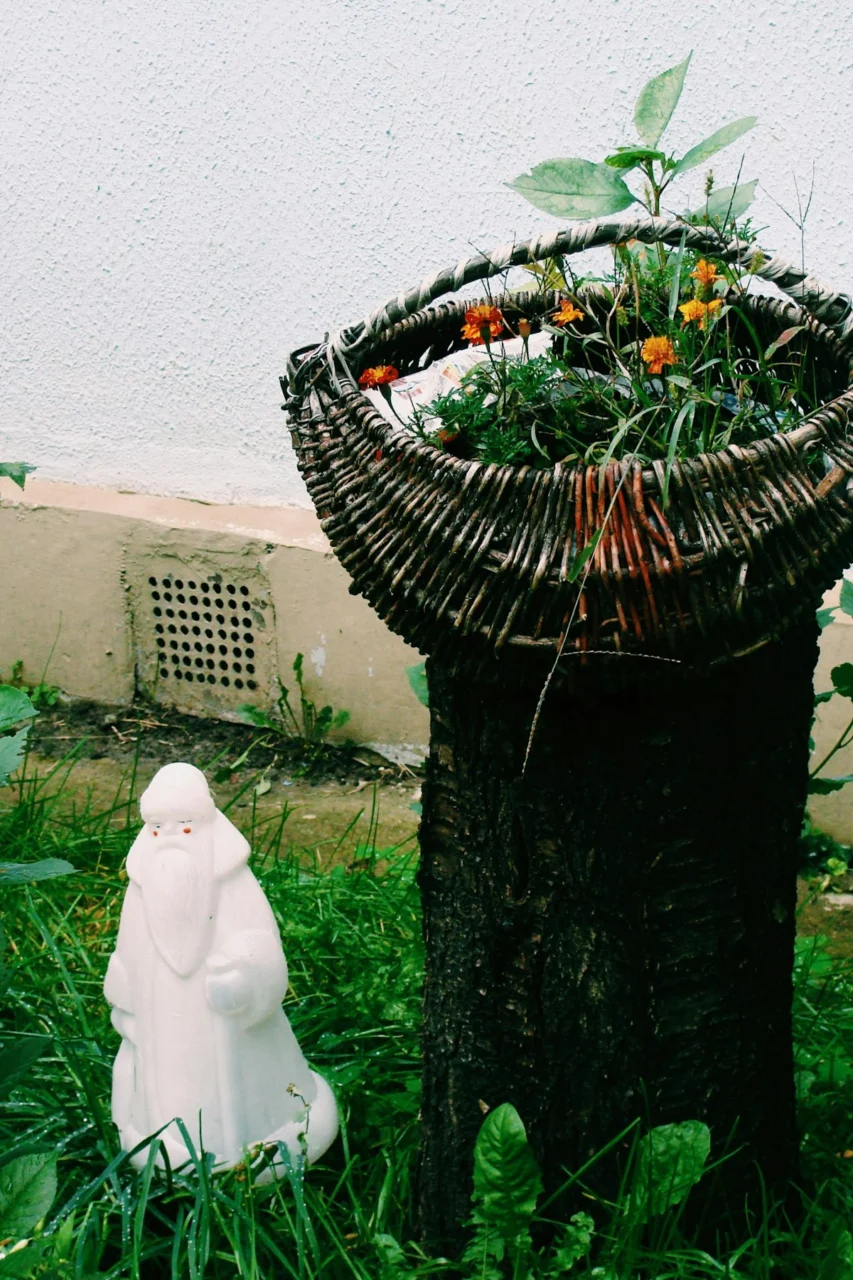
For a whimsical touch, think of a tiny cottage with a thatched roof and a friendly gnome perched nearby. This design works especially well in flower beds or near a vegetable patch.
Materials & Construction
- Wooden garden box (12 in × 12 in × 14 in)
- Natural straw or synthetic thatch for roofing
- Decorative stone or brick base
- Water‑proof sealant
Design Details
- Paint the walls a soft pastel (light blue or sage) to complement garden colors.
- Attach a small ceramic gnome on the side for visual interest.
- Include a tiny “window” cutout (4 in × 4 in) for extra light.
Pros: Adds personality, perfect for family gardens, encourages kids to engage.
Cons: Thatched roofs may need occasional replacement; keep the thatch dry to prevent mold.
5. Floating Pondside Duck House

When space is limited, a floating duck house lets your feathered friends rest just above the water. This design also doubles as a decorative lily pad.
Materials & Construction
- Marine‑grade plywood (1/2‑in thick)
- Floating foam blocks or sealed PVC barrels for buoyancy
- Stainless‑steel hinges for a removable roof
- Non‑slip rubber mat for interior flooring
Installation Tips
- Secure the buoyancy blocks evenly to avoid tilting.
- Anchor the house with a short rope tied to a garden stake—enough to keep it steady but still able to move with wind.
- Provide a shallow “ramp” (a piece of driftwood) so ducks can step onto the house without splashing.
Pros: Maximizes pond space, adds a unique visual element.
Cons: Requires regular checks for water‑damage; not ideal for very large ducks.
6. Multi‑Level Playful Duck Loft
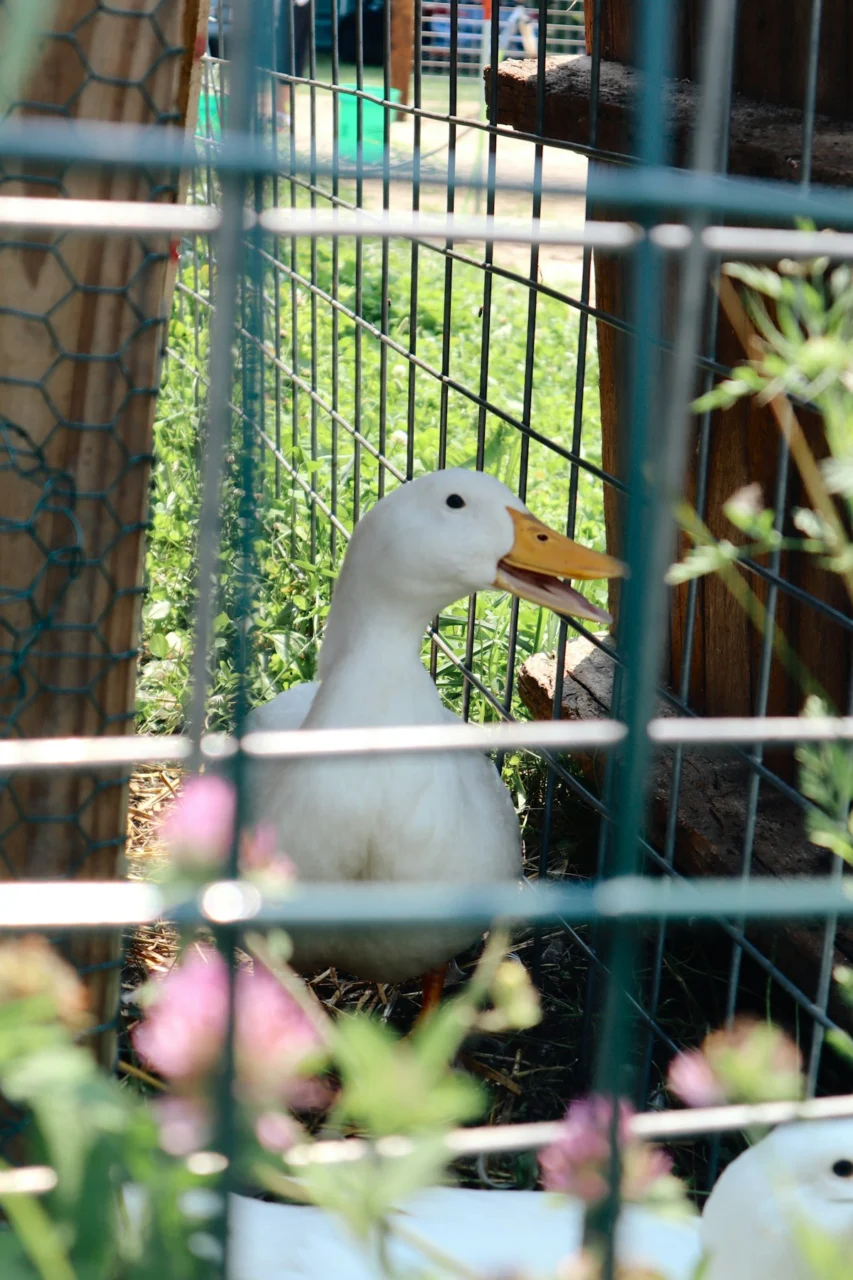
Photo by Kiva Hirsch on Unsplash
Think of a small barn with a mezzanine. Ducks love vertical space, and a loft gives them a perch for sunbathing while keeping the ground area free for nesting.
Materials & Construction
- 2 × 4 lumber for frame (treated, outdoor grade)
- Exterior‑grade plywood for floor and loft
- Shingles or metal roofing
- Rope ladder or wooden steps for access
Design Considerations
- Loft height should be at least 12 in above the ground floor.
- Ventilation openings on each level prevent overheating.
- Install a small “window” on the loft side to let light in without drafts.
Pros: Offers both nesting and perching, looks like a mini barn.
Cons: More material cost; requires a stable base (concrete slab recommended).
7. Seasonal Decorative Duck House
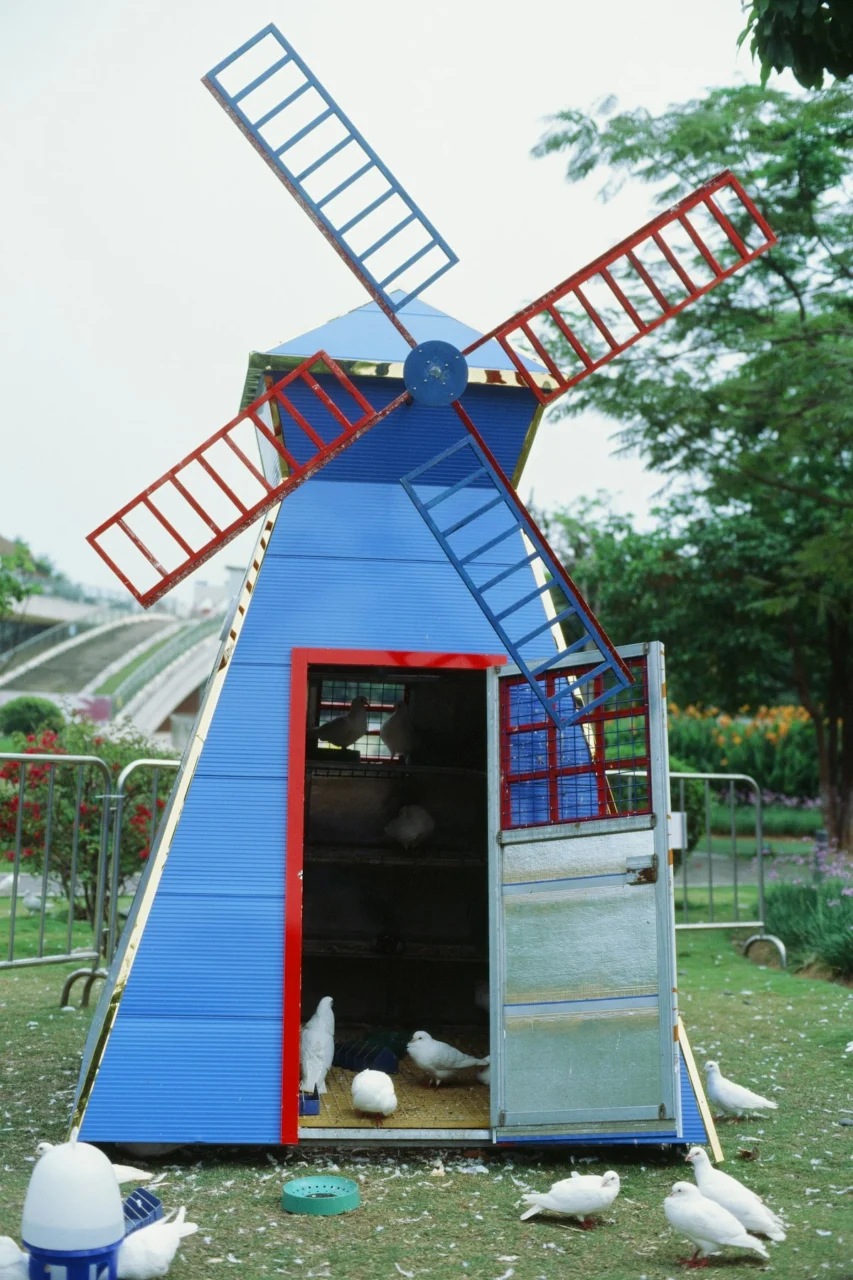
For gardeners who love to change décor with the seasons, a modular duck house with interchangeable panels can be a fun project. Swap out a spring‑flower panel for a fall‑leaf design without rebuilding the whole structure.
Materials & Construction
- Core wooden frame (cedar, 4 ft × 4 ft)
- Interchangeable decorative panels (laser‑cut MDF or plywood)
- Magnetic or sliding latch system for quick changes
- Weather‑proof sealant on all seams
How to Use
- Choose a panel set that matches your garden theme—blooms for spring, pumpkins for fall.
- Secure the panels with the magnetic latch; no tools required.
- Keep the core frame painted with a non‑toxic exterior paint for durability.
Pros: Highly adaptable, encourages seasonal creativity.
Cons: Slightly higher upfront cost for multiple panels.
Frequently Asked Questions
What size should a duck house be for a pair of ducks?
Provide at least 2 sq ft of floor space per adult duck. A 12 in × 24 in interior works for a pair, while a family of four should have a minimum of 4 sq ft.
Do duck houses need insulation?
In milder climates, a simple wooden structure with a sloped roof is sufficient. In colder regions, add a thin layer of foam board under the interior floor and seal any gaps to retain warmth.
How often should I clean the duck house?
Spot‑clean weekly—remove droppings and replace any wet bedding. A thorough clean with mild soap and water every month keeps odors at bay and prevents parasites.
Can I use reclaimed materials safely?
Yes, as long as the wood is free of rot, nails are recessed, and any finishes are non‑toxic. Avoid pressure‑treated lumber unless it’s specifically labeled safe for animal contact.
Is a roof necessary, or can a simple shelter suffice?
A roof protects against rain, snow, and predators that may climb. Even a lightweight tarp or thatch can make a big difference in keeping the interior dry and secure.
Final Thoughts
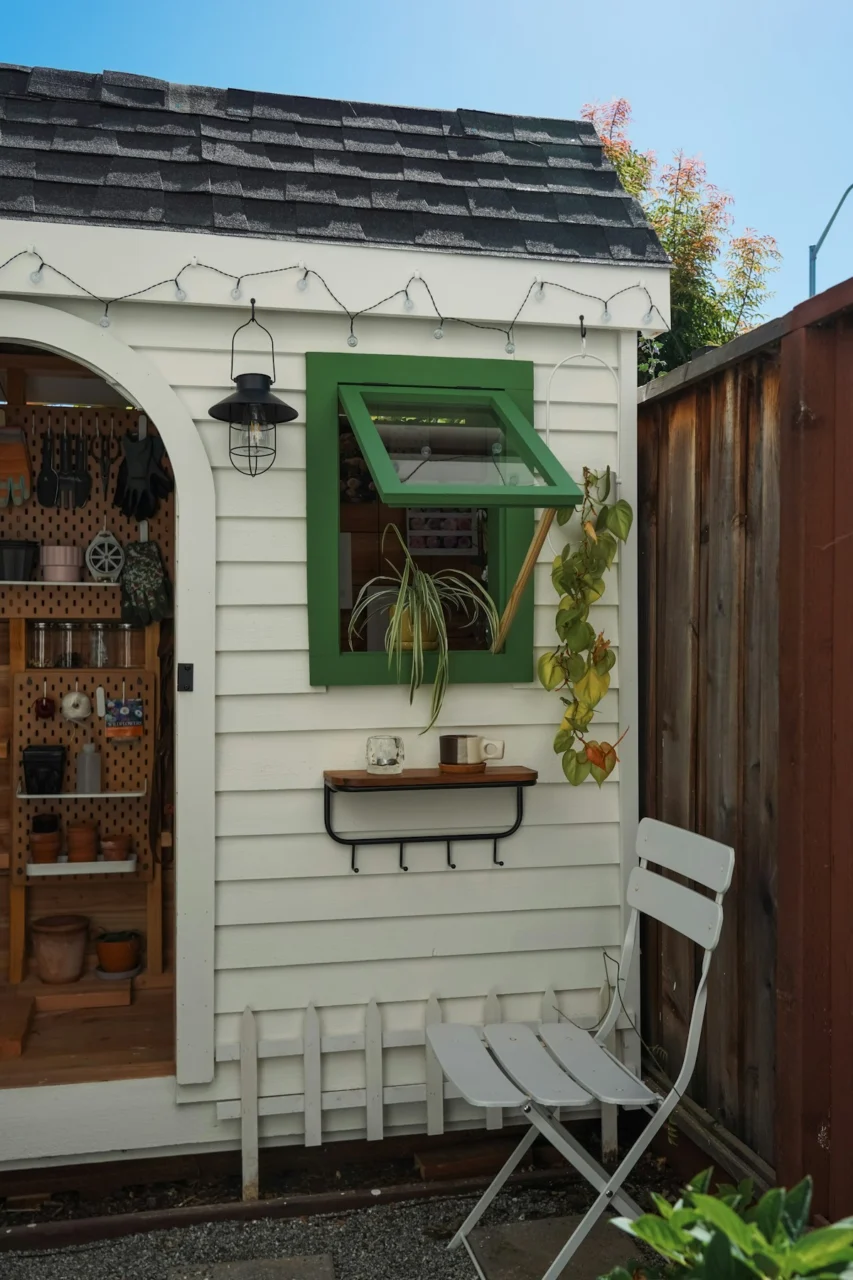
Photo by Kailun Zhang on Unsplash
Choosing the right duck house is less about following a trend and more about matching the structure to your backyard’s style, the ducks’ comfort, and your own willingness to maintain it. Whether you opt for a rustic log cabin, a sleek modern shed, or a playful loft, each of the seven ideas above offers a clear path from concept to finished home for your feathered friends. Pick the design that resonates most, gather the listed materials, and enjoy watching your ducks settle into a space that feels both functional and charming.