Sweater Storage Ideas That Keep Everything Neat
When the first chill of autumn arrives, the closet often becomes a battlefield of tangled knits, stretched sleeves, and sweaters that have lost their shape. The problem isn’t just a lack of space; it’s also the way the garments are kept. A well‑thought‑out storage system can protect the fibers, make it easy to find a favorite cardigan, and keep the bedroom looking tidy. Below are seven ideas that turn a chaotic sweater stash into an organized, inviting part of your home.
1. Use a Low‑Profile Ladder Shelf
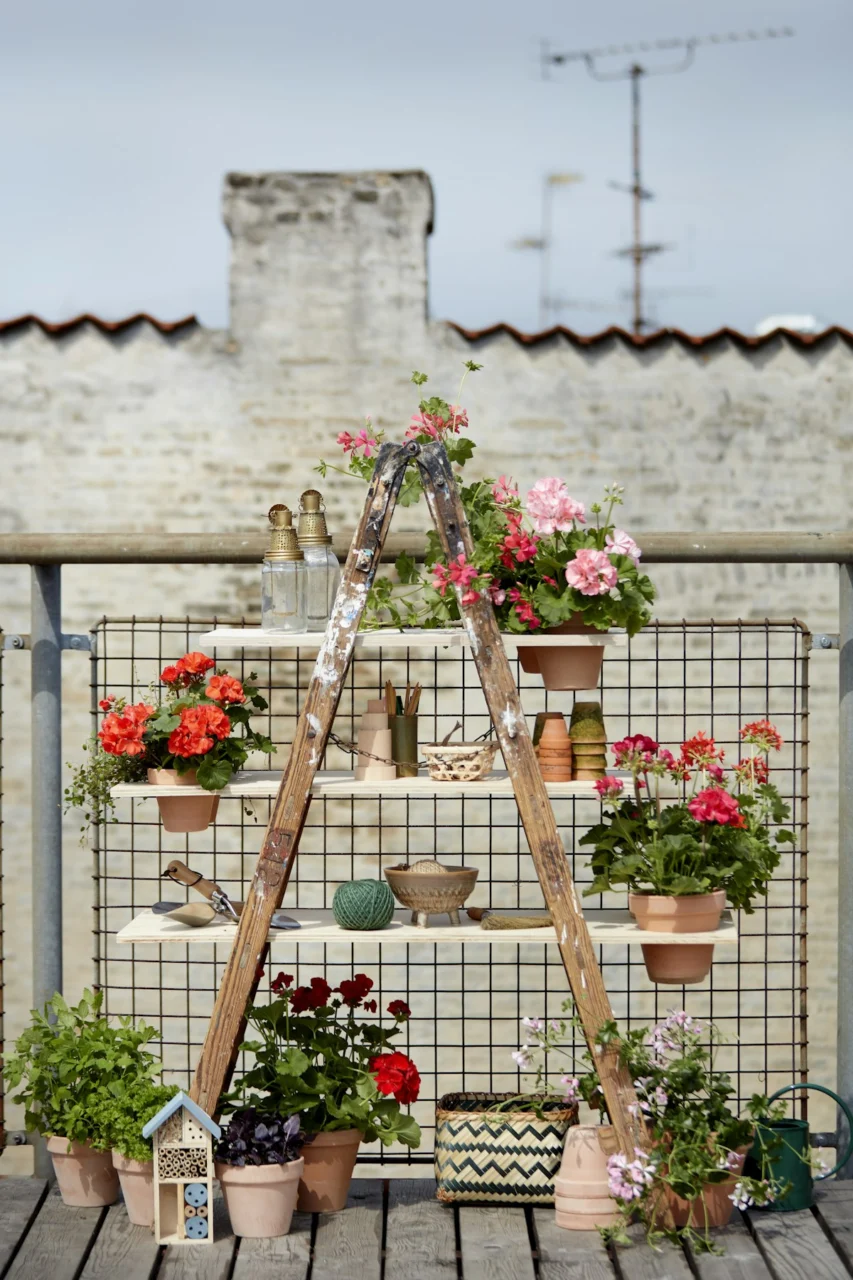
Photo by Pelargoniums for Europe on Unsplash
A wooden ladder placed against a wall creates an instant display that doubles as storage. The rungs act as shallow shelves where folded sweaters can be stacked horizontally, allowing you to see each piece at a glance. Because the ladder is low to the floor, it doesn’t dominate the room, and the open design lets light filter through, highlighting the texture of wool or cashmere. When arranging the sweaters, place the heavier knits on the lower rungs and lighter pieces higher up to keep the ladder balanced. One drawback is that the ladder needs a sturdy wall; a flimsy attachment could wobble under weight, so choose a model with reinforced brackets.
2. Install a Pull‑Out Drawer Inside the Wardrobe
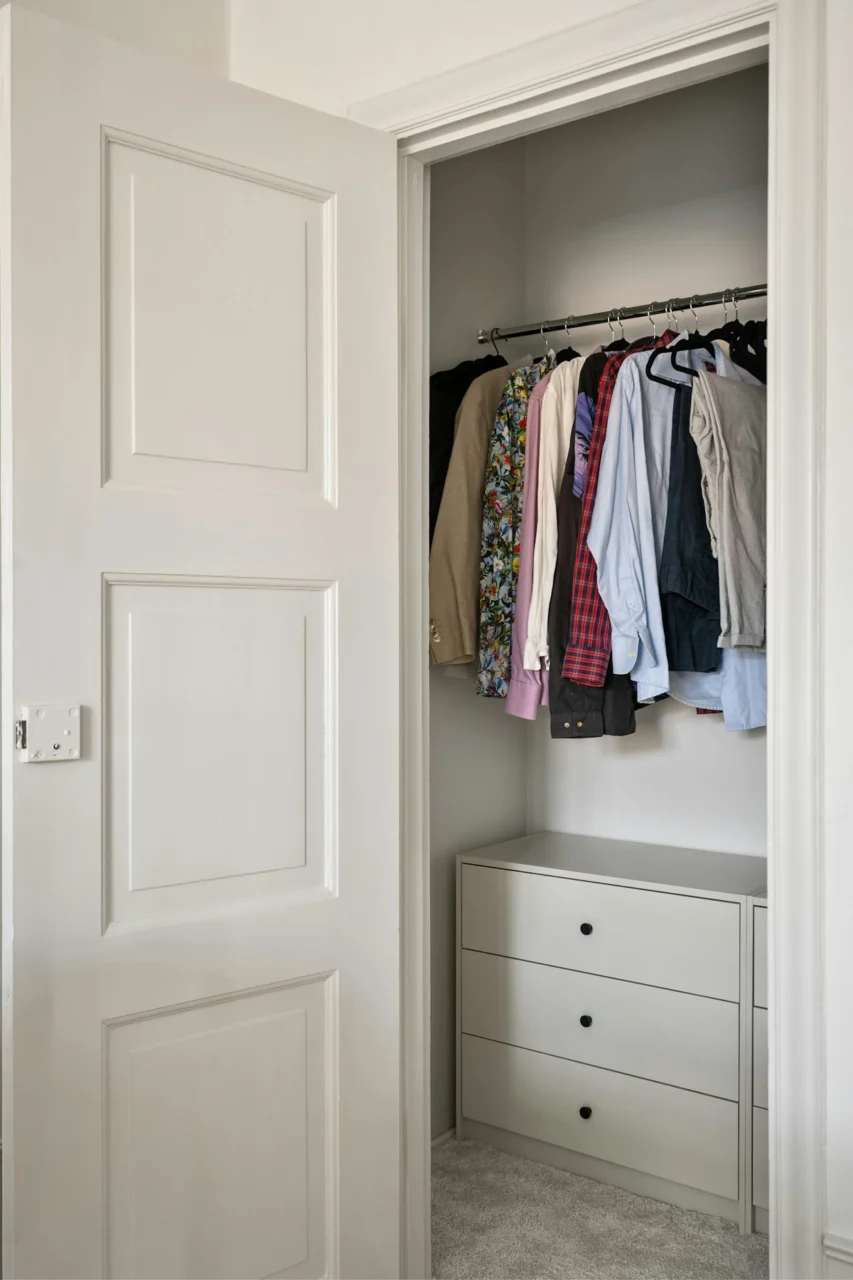
Most built‑in closets have unused space between the hanging rod and the floor. Adding a shallow pull‑out drawer here creates a hidden compartment that slides out smoothly, keeping sweaters out of sight but still reachable. The drawer can be lined with a soft fabric such as felt to reduce friction and protect delicate fibers. Because the drawer is inside the closet, it doesn’t add visual clutter to the bedroom. The main consideration is depth: a drawer that is too deep will cause the sweaters to become compressed, so measure the interior space before purchasing.
3. Repurpose Vintage Crates as Stacking Bins
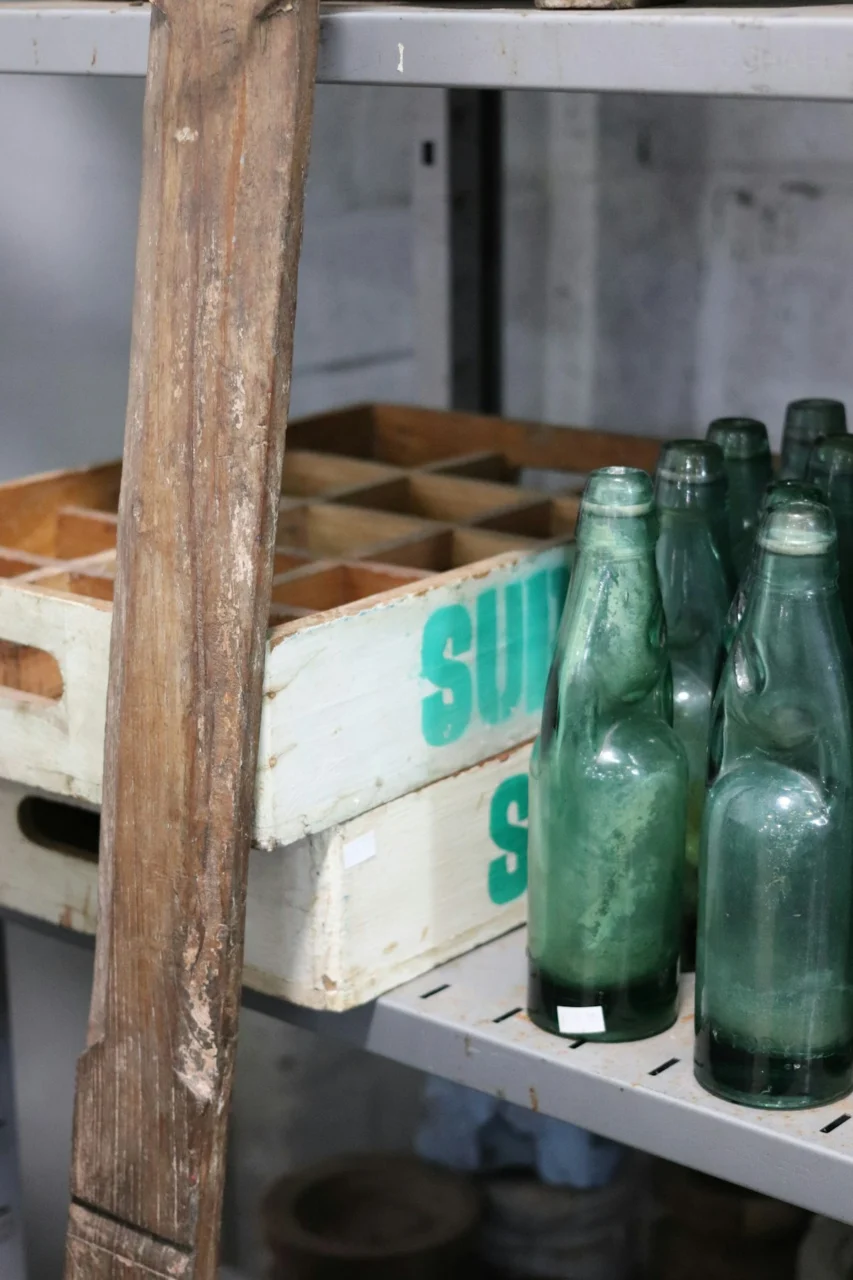
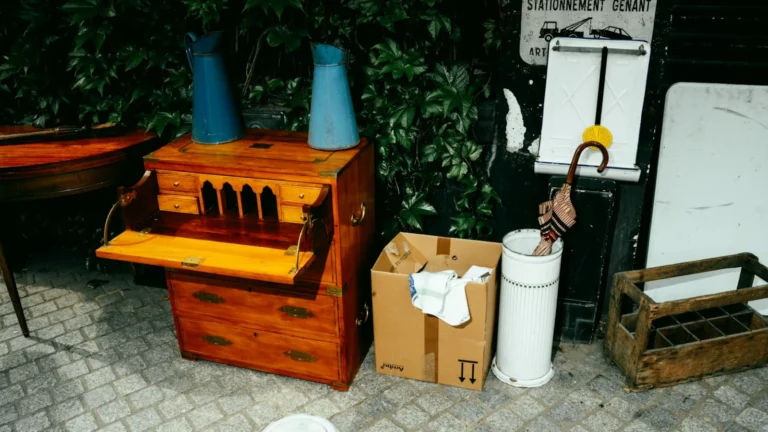
Weathered wooden crates, especially those with a natural finish, add a rustic touch while providing sturdy bins for folded sweaters. Stacking the crates vertically uses vertical space efficiently, and the open fronts let you spot colors quickly. To prevent dust, line the interior with a thin cotton sheet that can be removed for washing. The aesthetic works well in rooms with exposed beams or a farmhouse vibe. Keep in mind that crates can be heavy when filled, so place them on a solid floor rather than a carpet that might shift under the weight.
4. Hang a Double‑Tier Garment Rod
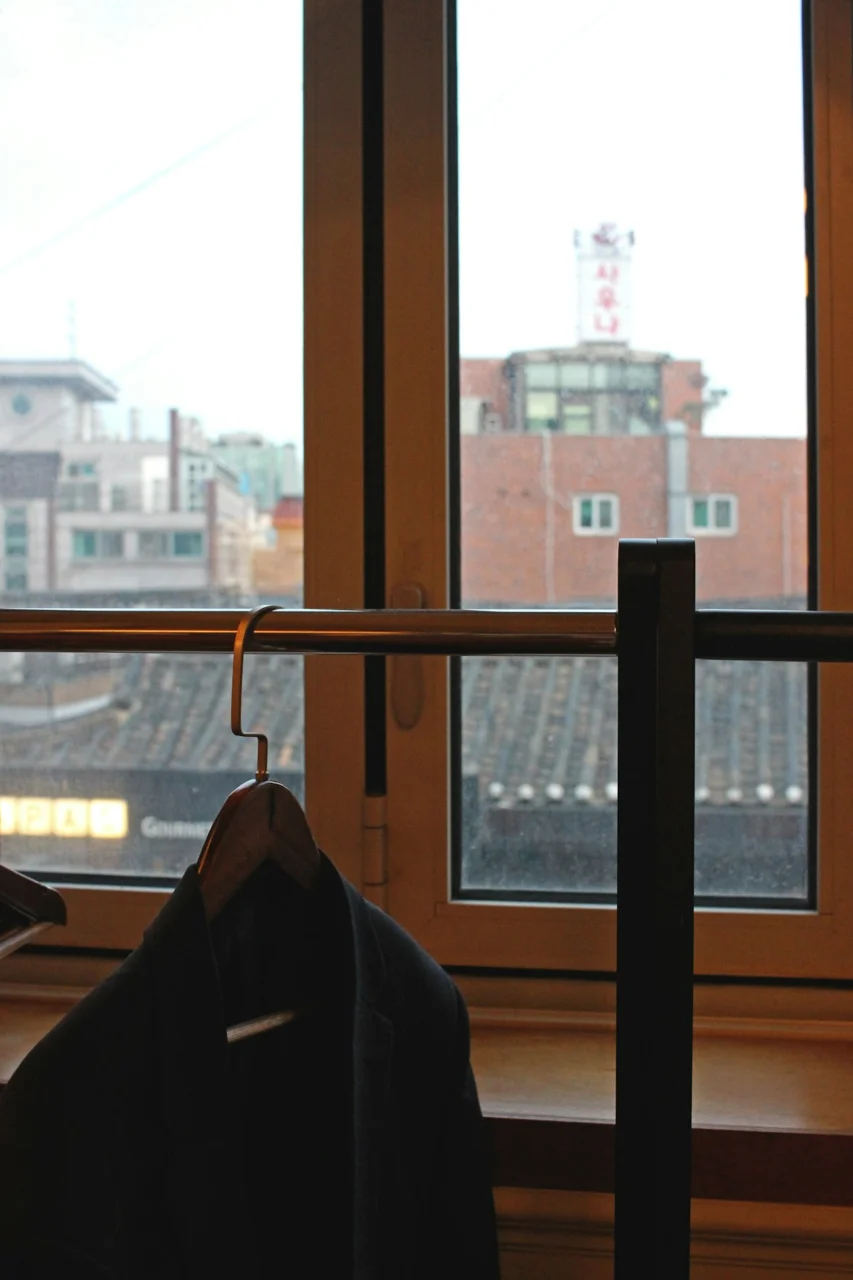
A double‑tier rod installed at shoulder height creates two rows of hanging space. By using padded, non‑slip hangers for sweaters, you avoid the stretching that occurs with wire hangers. The lower rod can hold lighter knit tops, while the upper rod accommodates bulkier pullovers. This arrangement keeps the sweaters upright, preserving their shape, and the visual separation makes it easier to coordinate outfits. The trade‑off is that the double rod requires enough ceiling height; in low‑ceiling rooms the extra level may feel cramped.
5. Create a Built‑In Bench with Hidden Compartments

Photo by Peter Barrett Bryan on Unsplash
A bench placed at the foot of the bed or in a hallway can serve both as seating and as a secret sweater repository. The interior can be divided into shallow compartments that hold folded garments, while the bench top remains a smooth surface for putting on shoes or setting down a coffee mug. Upholstering the bench in a soft, neutral fabric adds comfort and ties the piece into the room’s color palette. When designing the bench, ensure the compartments are no deeper than three inches; deeper spaces encourage over‑packing, which can crush the knits.
6. Use Clear Acrylic Bins on a Shelving Unit
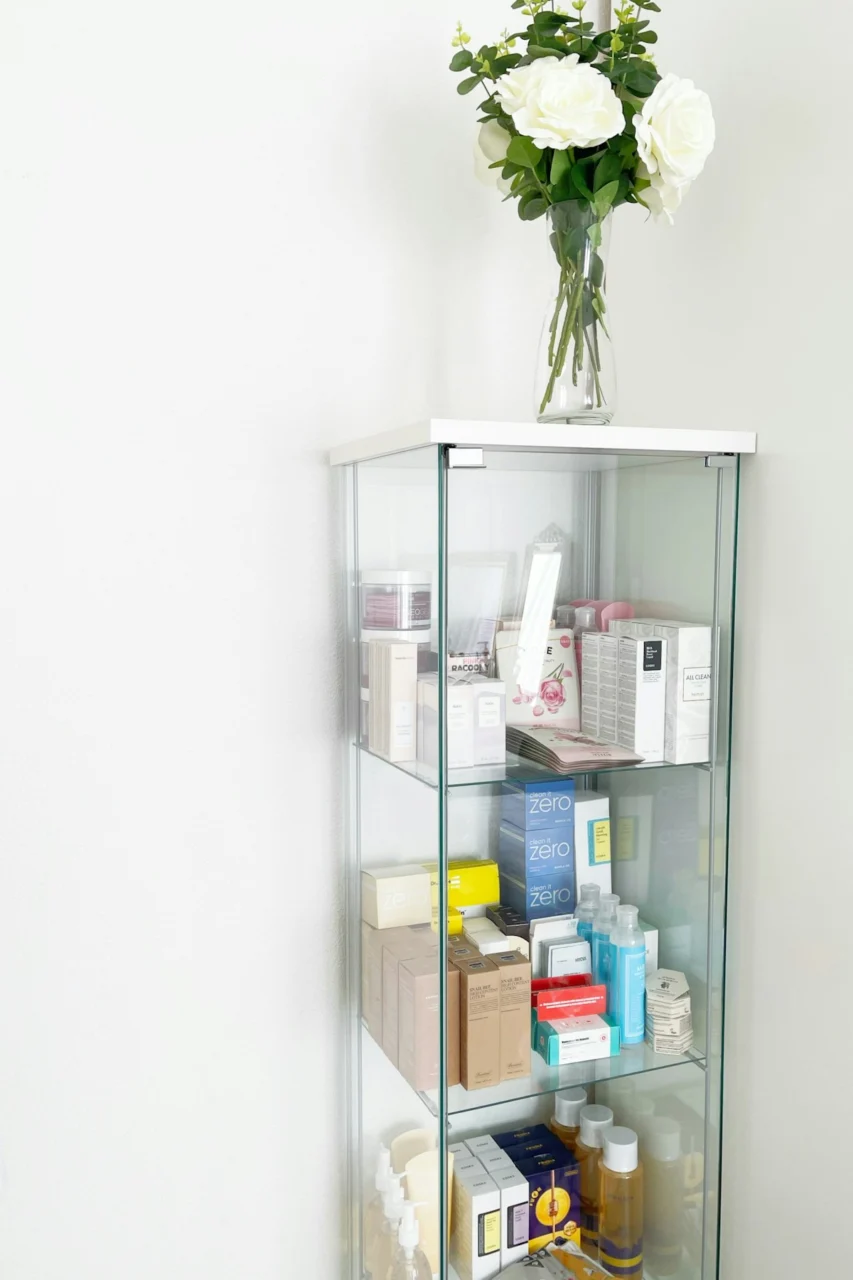
Photo by Melissa Kilic on Unsplash
Clear acrylic bins placed on a low shelving unit let you store sweaters while still seeing each color through the transparent walls. The bins protect the garments from dust and can be easily pulled out for laundering. Because acrylic reflects light, it brightens the area and makes the space feel larger—a benefit in small apartments. However, acrylic can scratch if handled roughly, so choose bins with a matte finish or handle them with care.
7. Hang Sweaters on a Decorative Wall Grid
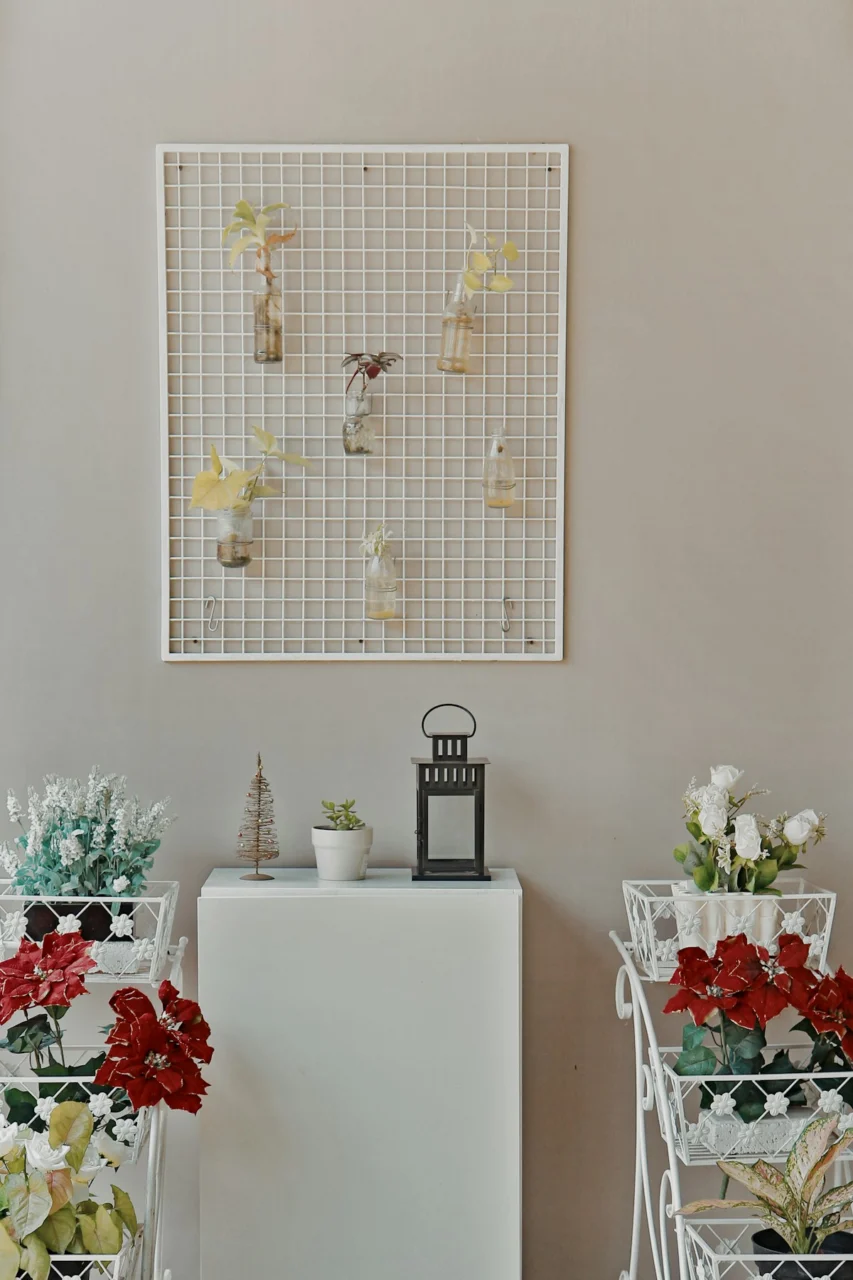
Photo by Ridwan D.esk on Unsplash
A metal wall grid, often used for displaying artwork, can be repurposed to hang sweaters by draping them over decorative wooden pegs. This method keeps the knits unfolded, reducing creases, and turns the storage area into a visual feature. The grid can be painted to match the wall color or left in its natural black finish for contrast. The main limitation is that the grid works best with lighter sweaters; heavy bulkheads may sag if too many pieces are placed on a single peg.
FAQ
How often should I rotate my sweater storage?
You should rotate the sweaters at least once each season to give each piece a chance to air out and to prevent permanent compression. Switching the position of the garments also helps you notice any signs of wear before they become serious.
Can I store cashmere sweaters with wool ones?
Yes, cashmere can be stored alongside wool as long as both are folded loosely and placed in a breathable container. Avoid airtight plastic bags, which can trap moisture and lead to mildew.
What is the best way to prevent sweater pilling?
Keeping sweaters on smooth surfaces, such as a padded hanger or a soft bin liner, reduces friction that causes pilling. When possible, store them away from rough fabrics like denim.
Is it safe to keep sweaters near a heat source?
No, direct heat can dry out fibers and cause shrinkage. Keep storage units at least a foot away from radiators or space heaters to protect the garments.
How do I keep my sweater storage smelling fresh?
Placing a small sachet of dried lavender or cedar chips in each storage compartment helps absorb moisture and adds a subtle scent. Replace the sachets every few months to maintain effectiveness.
Final Thoughts
Photo by Oksana Maselko on Unsplash
Finding a sweater storage solution that blends functionality with style doesn’t require a complete bedroom overhaul. Whether you choose a ladder shelf that showcases your favorite knits, a hidden drawer that tucks them away, or a decorative wall grid that turns storage into art, each idea respects the garment’s shape and adds a thoughtful element to the room. By matching the method to your space, lifestyle, and aesthetic, you’ll keep your sweaters in good condition and your home looking calm and organized.