Smart Tips for Keeping Things Organized at Home: Simple Strategies for Every Room
Clutter rarely appears by accident; it builds up when storage solutions don’t match daily habits. The result is a home that feels chaotic even when the square footage is generous. Below are seven practical approaches that align organization with the way you live, so each room stays functional and inviting without demanding a complete overhaul.
1. Zone Your Space, Then Zone Your Storage
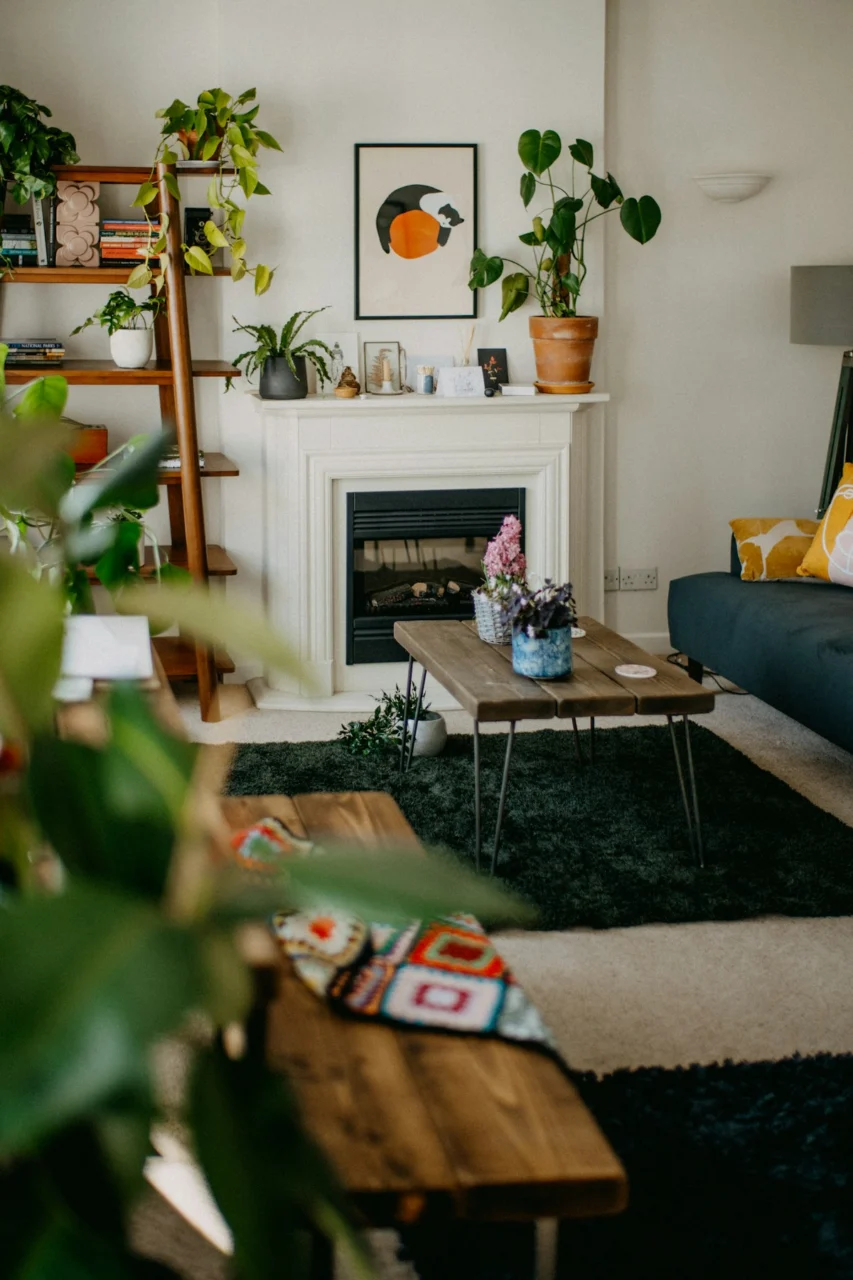
Photo by Annie Spratt on Unsplash
Before you buy bins or shelves, map the activities that happen in a room. A living‑room, for example, may contain a media zone, a reading nook, and a space for kids’ crafts. Once the functional zones are clear, assign storage that belongs to each area only. A basket for remote controls lives by the media zone, while a slim credenza holds board games near the family gathering spot.
Grouping items with their purpose reduces the mental effort of deciding where things belong. It also prevents items from drifting into unrelated zones, a common source of visual noise.
2. Make Vertical Real Estate Work for You

Photo by eran design on Unsplash
Floor space is precious, especially in apartments. Turning walls into storage opportunities can free up square footage while adding visual interest. Tall open shelving, for instance, displays books and decorative boxes at eye level, keeping the floor clear. In kitchens, a pegboard above the countertop holds frequently used utensils, keeping them within reach without crowding drawers.
When choosing height, consider the average reach of the household members. A shelf that ends just below shoulder height is easy for most adults to access, while lower tiers can be reserved for children’s items.
3. Adopt the One‑In‑One‑Out Rule With Style
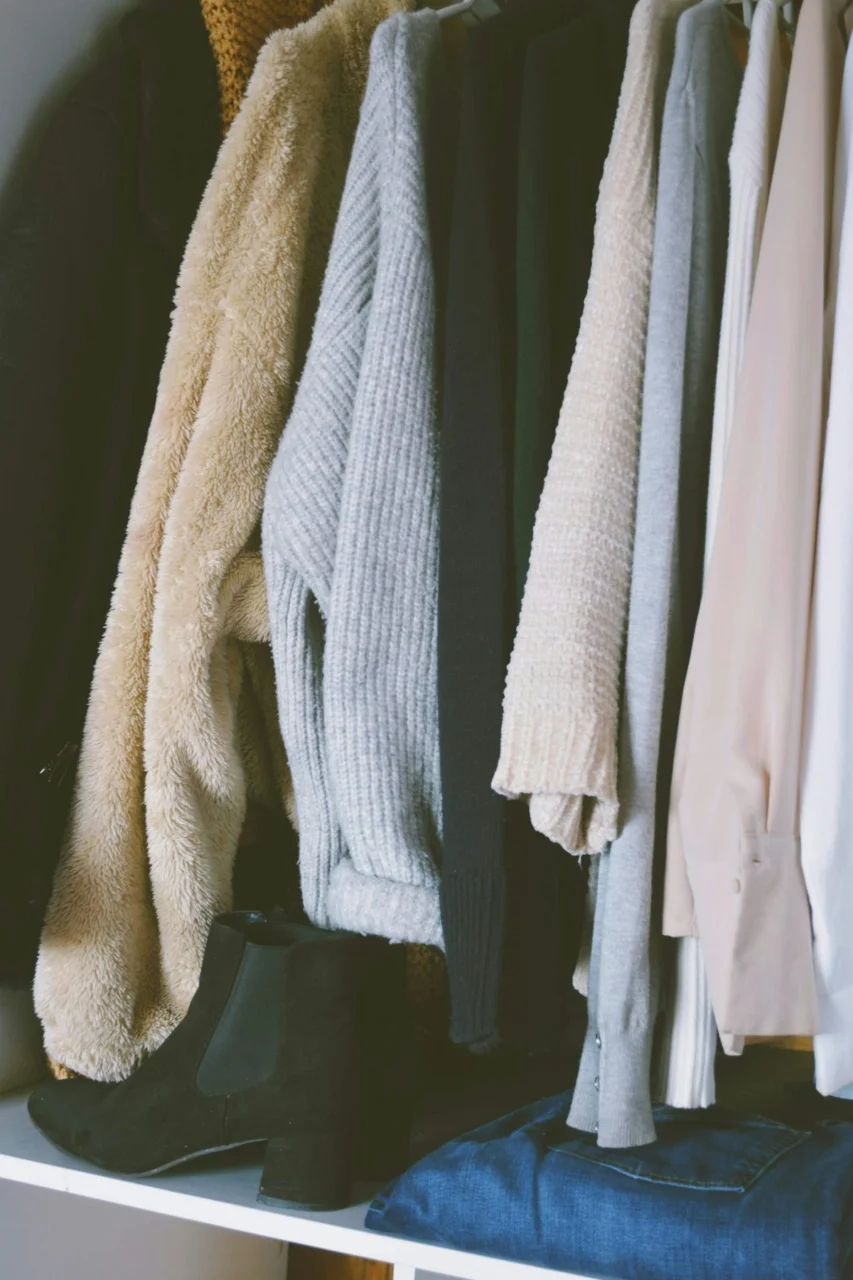
Photo by Marianela O.M on Unsplash
Every new acquisition should prompt the removal of an existing piece. This habit curbs accumulation without feeling restrictive. Apply the rule selectively: when a new set of towels arrives, retire a pair that shows wear, or donate a decorative bowl that no longer matches your aesthetic.
Pairing the rule with a designated “holding area”—a small basket for items awaiting a decision—prevents impulse piles from forming. Over time, the home retains only the objects that serve a purpose or bring genuine joy.
4. Use Clear Containers and Labels Wisely
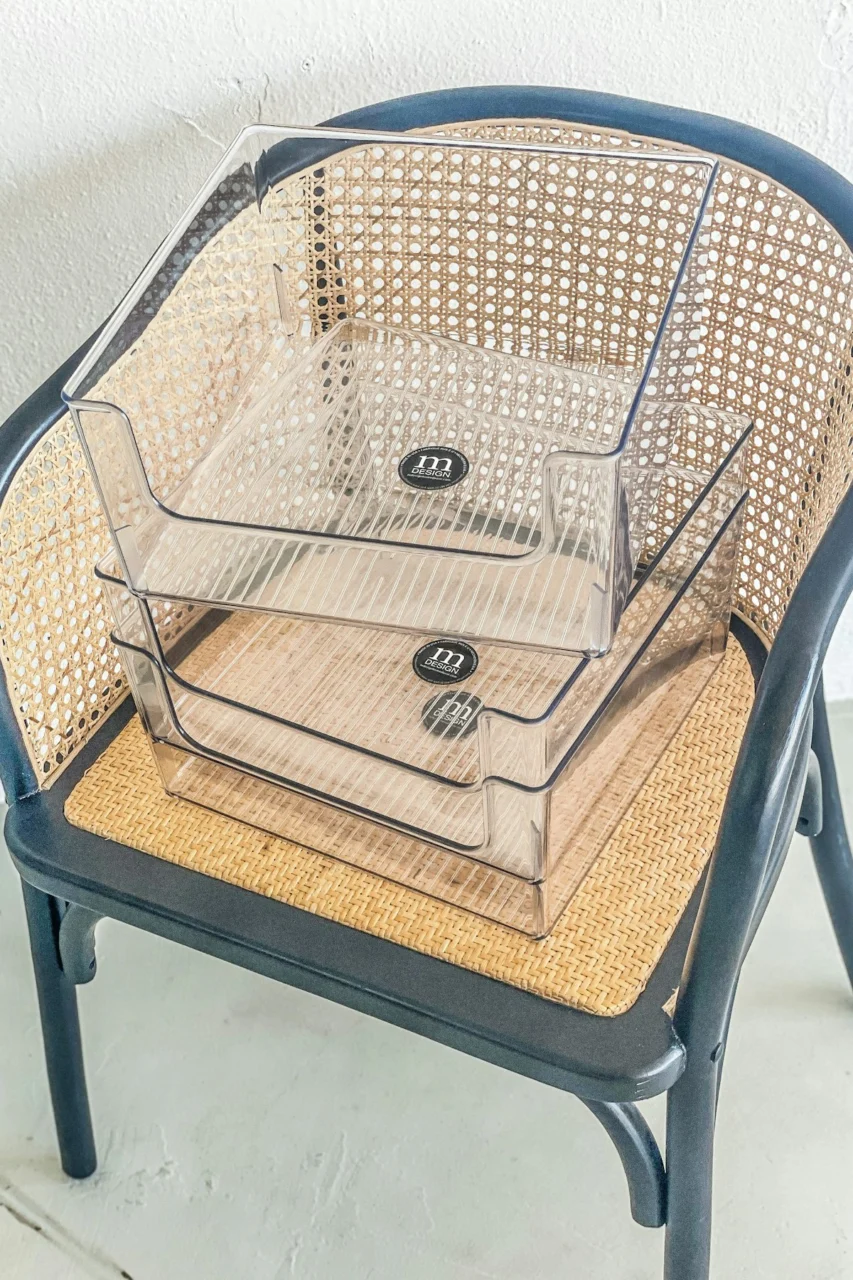
Photo by Cabri Caldwell on Unsplash
Visibility reduces the time spent searching for items. Clear plastic bins let you glance at contents without opening the lid, while a simple label clarifies the purpose of each container. For pantry staples, label the front of a bin with “Pasta & Rice” and place a matching label on the interior shelf; this double cue helps everyone keep items in the right spot.
When labeling, choose a legible font and a size that can be read from a short distance. Avoid overly decorative scripts that may become hard to decipher over time.
5. Turn Everyday Furniture Into Hidden Storage
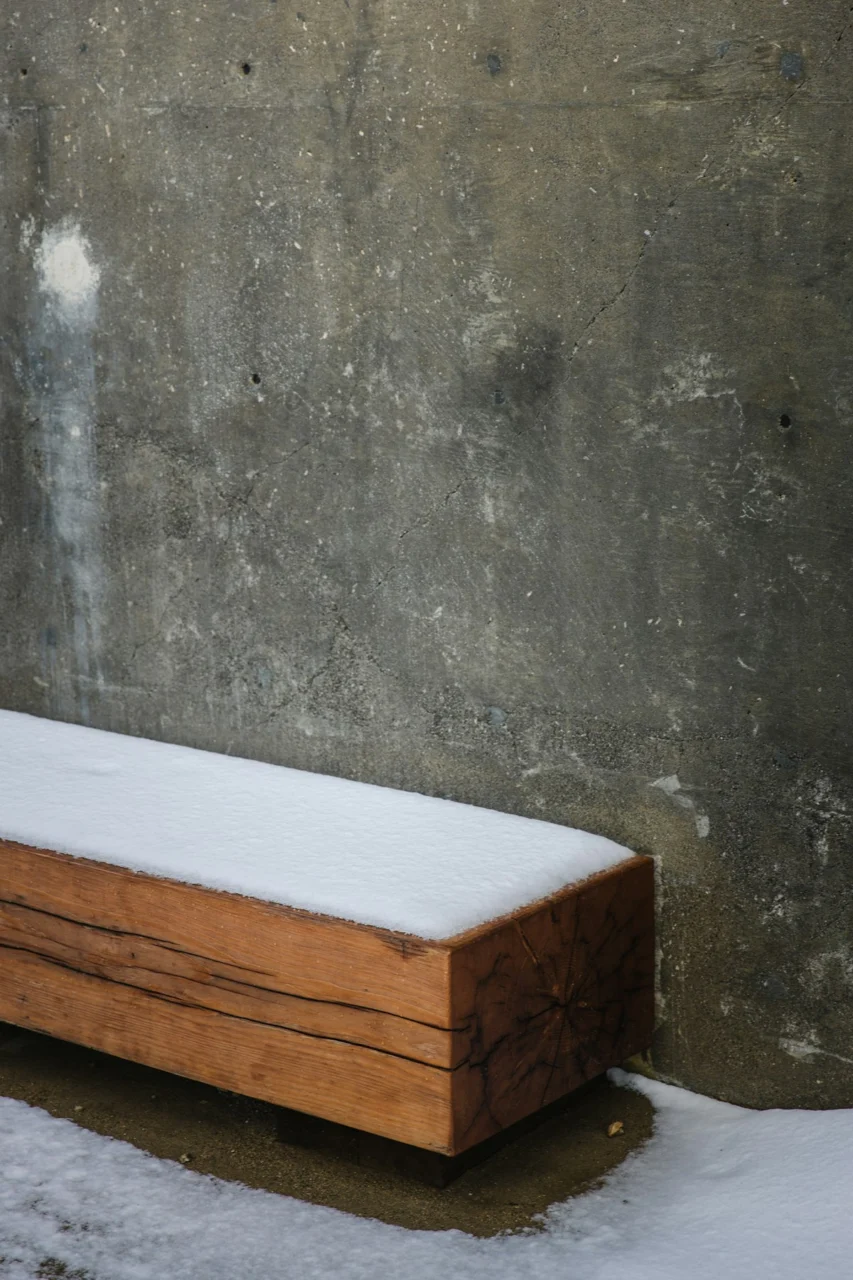
Photo by Jason Leung on Unsplash
Multi‑functional pieces blend seamlessly with décor while offering concealed compartments. An ottoman with a removable lid can store blankets or seasonal décor, keeping the living‑room tidy without sacrificing comfort. In bedrooms, a bed frame with built‑in drawers eliminates the need for a separate chest of drawers, freeing up wall space for art or shelving.
Consider the weight capacity of hidden compartments. Heavy items belong in sturdy, reinforced furniture, whereas lightweight textiles are best suited for softer pieces like poufs.
6. Create Maintenance Routines That Stick
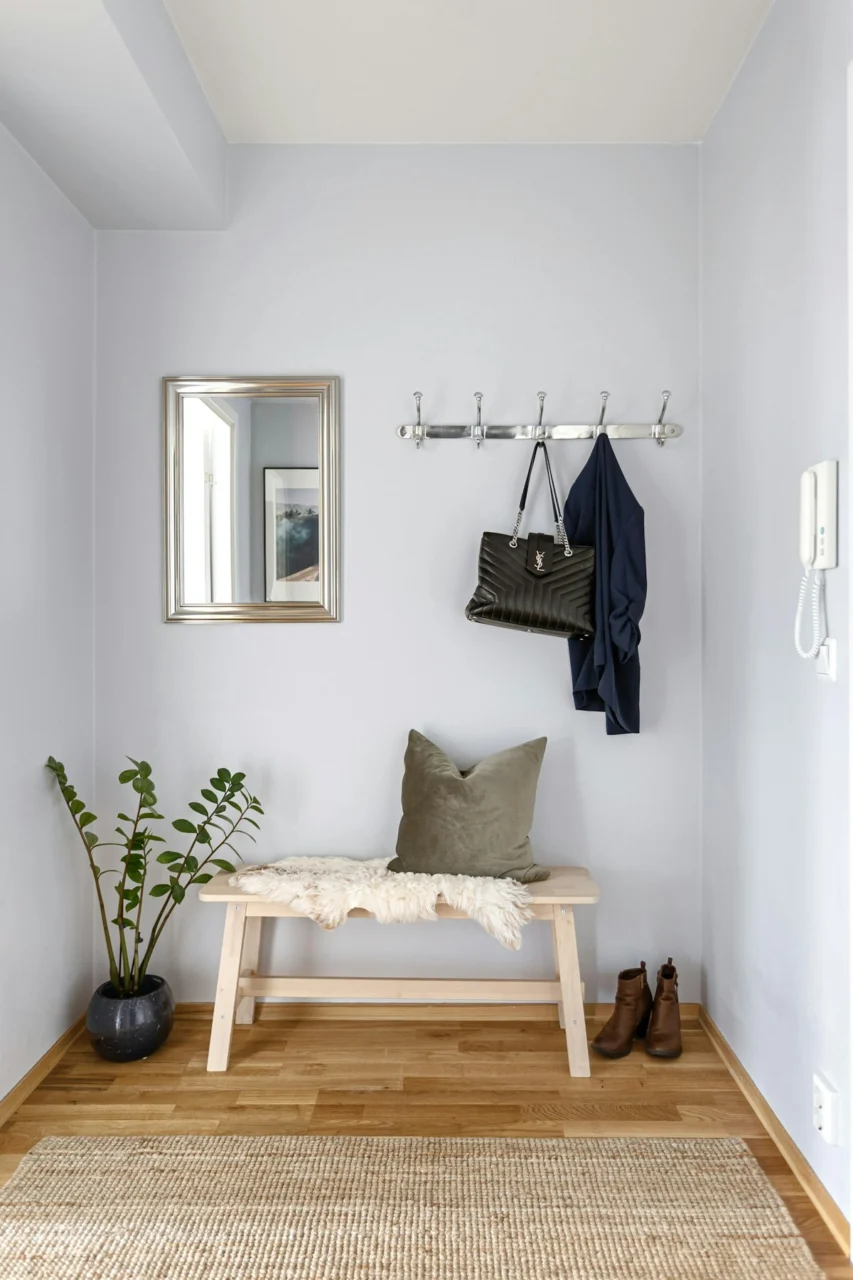
Photo by Alex Tyson on Unsplash
Even the best systems unravel without regular attention. Design a quick daily reset: spend five minutes before bedtime returning items to their designated zones. For weekly upkeep, choose a single evening to tidy high‑traffic areas—kitchen counters, entryway shoes, and bathroom surfaces.
Link the routine to an existing habit, such as brushing teeth or setting the alarm. The association makes the new task feel natural rather than an added chore.
7. Personalize Systems to Fit Your Lifestyle

Photo by Haberdoedas on Unsplash
Organization is not one‑size‑fits‑all. A family with young children may prioritize low, open bins that are easy for small hands to use, while a minimalist adult might favor sleek, hidden cabinets. Reflect on daily patterns: if you cook nightly, allocate a dedicated drawer for meal‑prep tools; if you work from home, keep a tidy desk surface by storing paperwork in a filing box that slides under the table.
Test a system for a couple of weeks before deciding it’s final. Small adjustments—raising a shelf by a few inches or swapping a basket for a tray—can dramatically improve usability.
Conclusion
Effective organization blends thoughtful layout with habits that respect how you live. By zoning spaces, using vertical storage, applying the one‑in‑one‑out principle, and choosing furniture that doubles as storage, you create a home that feels orderly without sacrificing style. Small, consistent routines keep those systems functional, and a personalized approach ensures the solutions stay relevant as your needs evolve.
Frequently Asked Questions
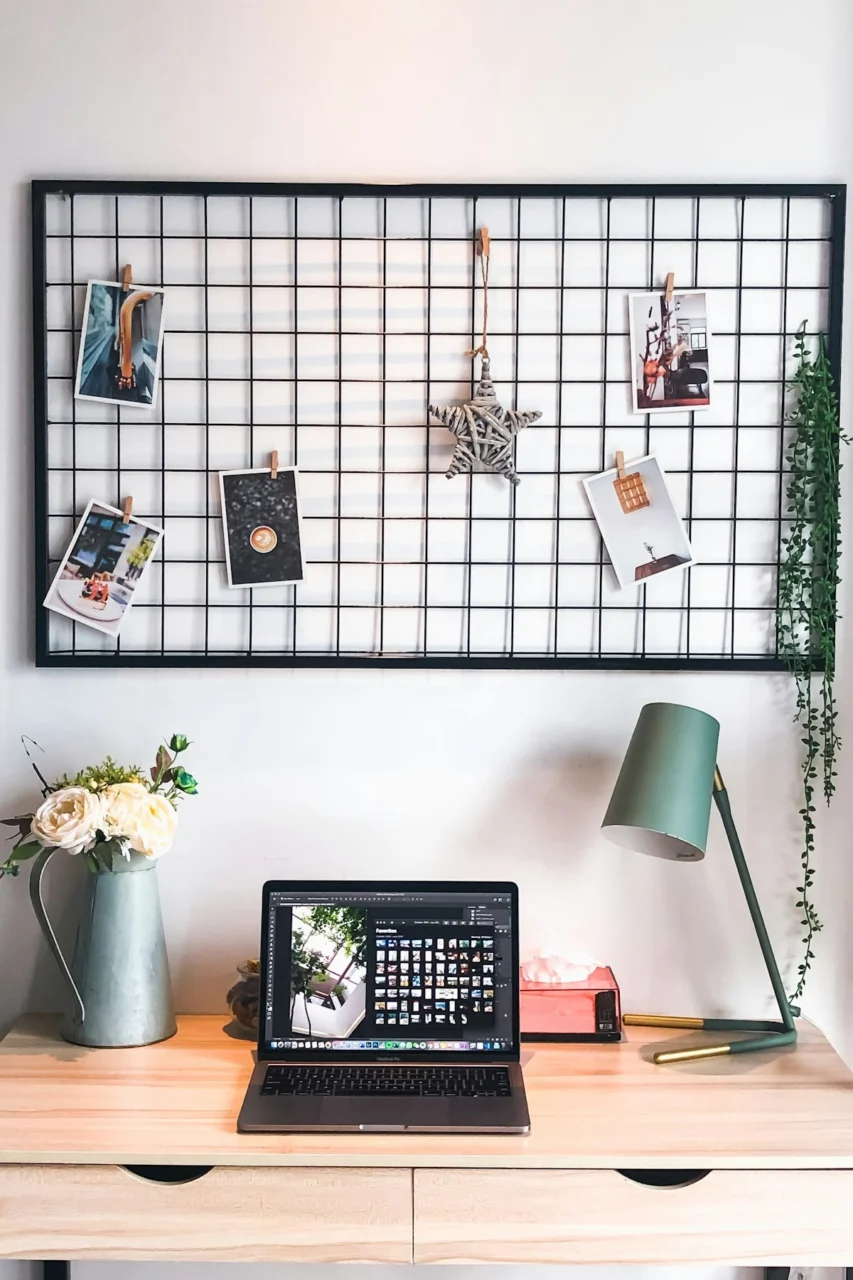
Photo by Visual Design on Unsplash
- How often should I declutter each room? A quick visual scan monthly helps catch overflow before it becomes a problem; a deeper purge every six months works well for most households.
- Can I use decorative items as storage? Yes, provided they conceal functional objects without compromising stability—think woven baskets for blankets or decorative boxes for paperwork.
- What’s the best material for pantry containers? Clear, BPA‑free plastic offers visibility and durability; glass is an attractive alternative for dry goods but can be heavier.
- How do I keep kids from emptying organized bins? Place low bins within their reach for toys they use frequently, and store less‑used items in higher cabinets that are out of their line of sight.
- Is there a quick way to label containers? Use a label maker or printable templates; apply the label to the front of the container and, if possible, a matching tag on the shelf for double reinforcement.