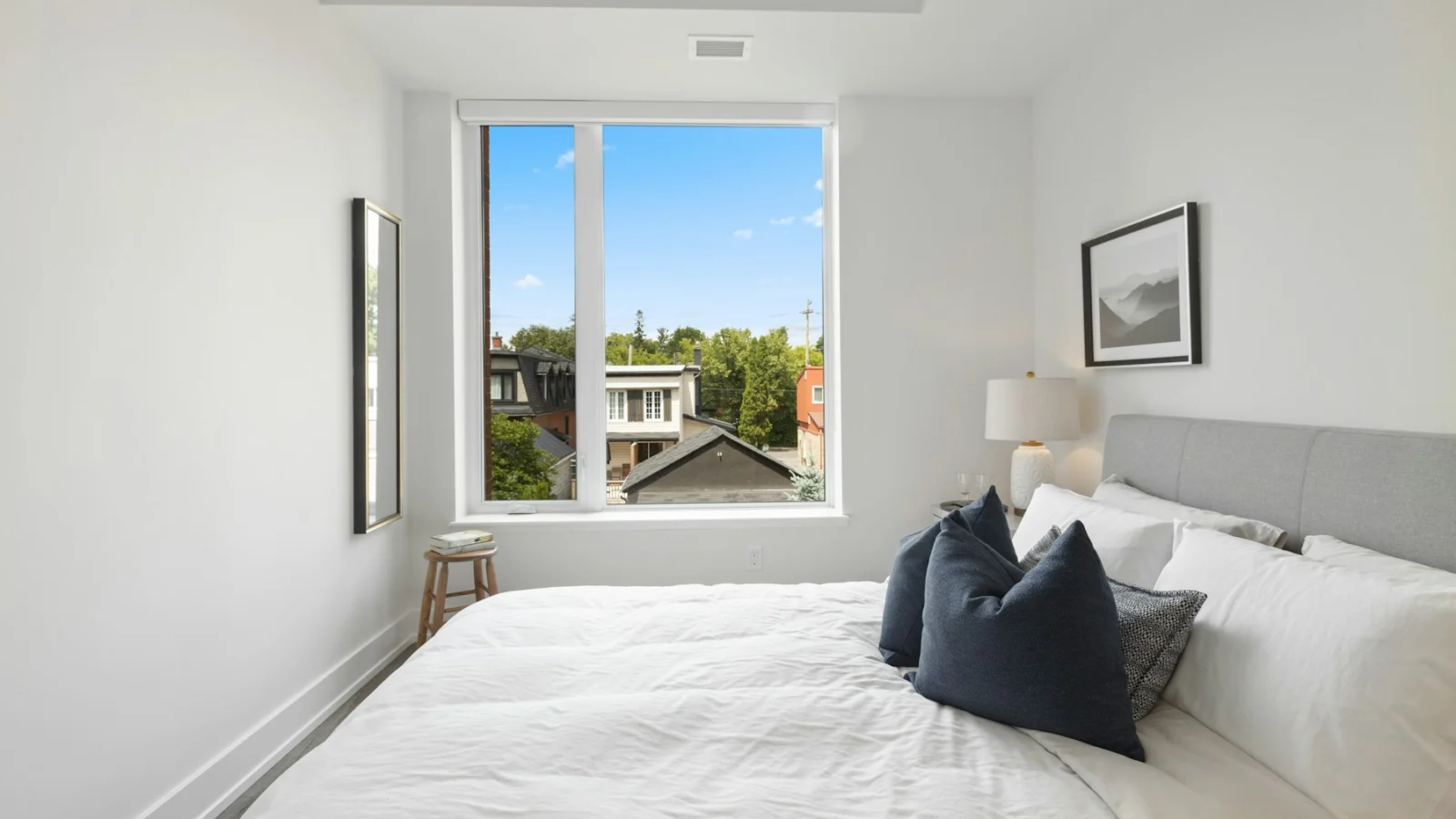
Bedroom Window Ideas That Maximize Light & Style: Bright Ways to Refresh Your Space
Ever notice how a bedroom can feel cramped the moment the sun dips below the horizon? A well‑chosen window treatment does more than just cover glass—it can flood the room with daylight, frame a view, and set the tone for the whole space. Below are seven distinct approaches that balance natural light, visual interest, and practical living. Follow each guide to turn any bedroom window into a design asset.
1. Layer Sheer Curtains With Light‑Filtering Panels

Photo by Priscilla Du Preez 🇨🇦 on Unsplash
Sheer fabrics let the sun in while preserving privacy, and when paired with a denser panel, you gain flexibility for every time of day.
How to Pull It Off
- Choose a neutral sheer—soft ivory, pale gray, or muted blush—to keep the room airy.
- Install a double‑rod system: the outer rod holds the sheer, the inner rod carries a blackout or linen panel.
- For added texture, select a sheer with a subtle weave (e.g., voile or batiste).
Why it works: The sheer diffuses harsh midday light, while the heavier panel can be drawn at night for full darkness. This layered approach also adds depth to the window without overwhelming the wall color.
Things to watch: Heavy curtains can pull on the rod over time; choose sturdy hardware and check the weight rating. Sheers require occasional washing on a gentle cycle to avoid fraying.
2. Go Floor‑to‑Ceiling With Minimal Trim

Photo by Anna Stampfli on Unsplash
When the window stretches from floor to ceiling, it becomes a vertical source of illumination. Minimal trim reduces visual clutter and maximizes the glass surface.
Key Considerations
- Use full‑length curtains that rest just above the floor for a sleek silhouette.
- Opt for simple, narrow curtain rods or a hidden track system to keep the focus on the glass.
- If the wall is painted a light hue, the window will blend seamlessly, enhancing the sense of space.
Budget tip: Standard curtain panels can be hemmed to the desired length for a fraction of the cost of custom floor‑to‑ceiling drapes.
Potential pitfall: Floor‑to‑ceiling windows can collect dust on the lower edge. A low‑profile rug or runner helps protect the fabric and makes cleaning easier.
3. Paint or Replace Frames in Light‑Reflecting Finishes

Window frames often go unnoticed, yet their color and material affect how much light bounces back into the room.
Steps to Brighten
- Paint wooden frames in soft whites, pale pastels, or light greys to reflect daylight.
- For metal frames, consider a brushed nickel or matte aluminum finish that subtly mirrors light.
- If budget allows, replace outdated frames with slim, white‑washed wood or PVC that maximizes glass area.
Durability note: Paint should be low‑VOC and suitable for trim to avoid peeling. Metal finishes should be powder‑coated for long‑term resistance to humidity.
4. Add Reflective Surfaces Near the Window

Photo by XIAOTIAN LI on Unsplash
Mirrors, glossy furniture, and even a lacquered headboard can bounce sunlight deeper into the room, creating an illusion of added space.
Strategic Placement
- Hang a large rectangular mirror opposite the window to reflect direct light.
- Choose a headboard with a subtle sheen (e.g., lacquered wood or upholstered in satin) for a soft glow.
- A mirrored nightstand can double the reflective surface without feeling overdone.
Maintenance tip: Keep reflective surfaces dust‑free with a microfiber cloth; streaks diminish the light‑enhancing effect.
5. Build a Window Seat With Integrated Lighting
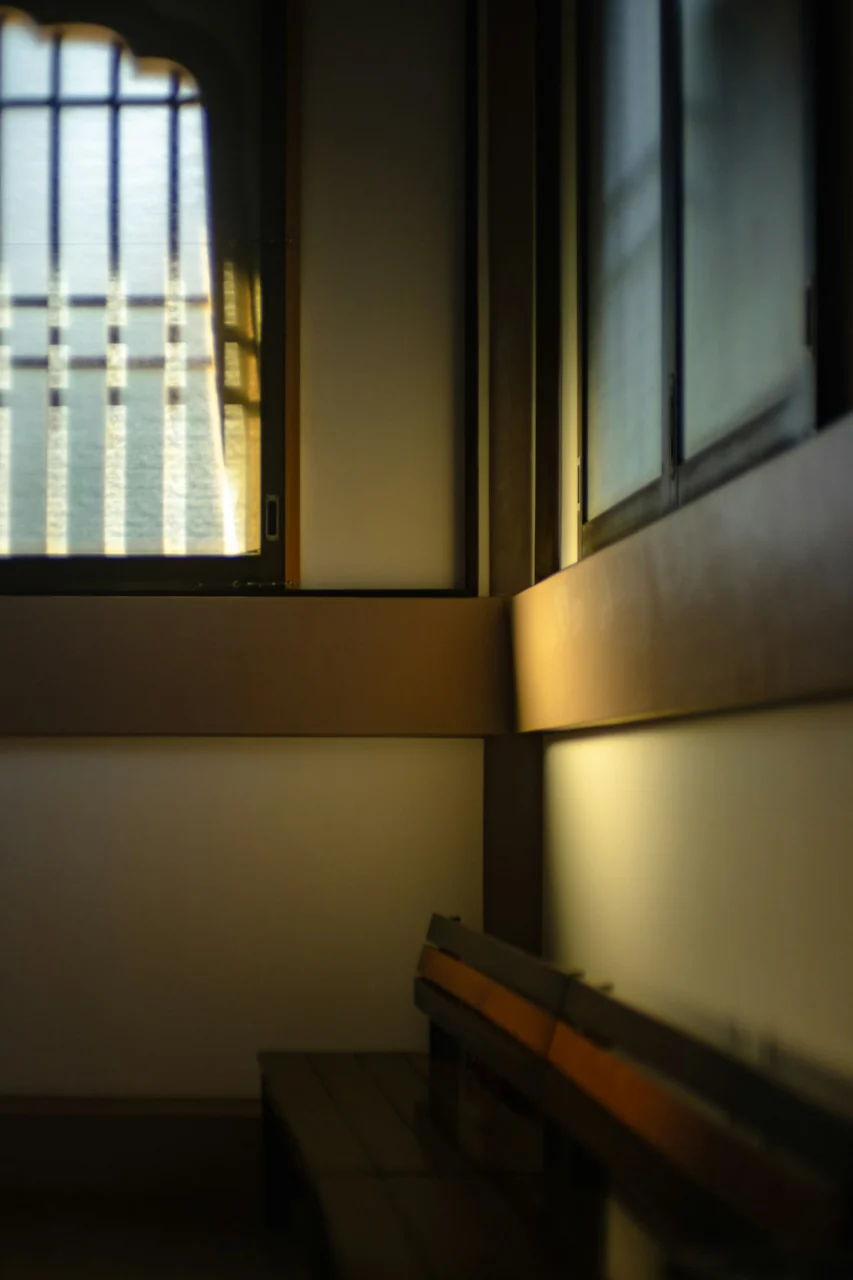
Photo by Jason Leung on Unsplash
A window seat turns a functional opening into a cozy nook while providing an extra surface for light‑enhancing accessories.
Design Essentials
- Install built‑in cushions that sit low enough to keep the window clear.
- Integrate LED strip lighting under the seat edge for a soft, indirect glow after sunset.
- Include a storage compartment beneath the seat for blankets or books, keeping the floor tidy.
Safety reminder: Ensure the seat frame is securely anchored to the wall studs, especially if the window is large or heavy.
6. Choose Adjustable Horizontal or Vertical Blinds
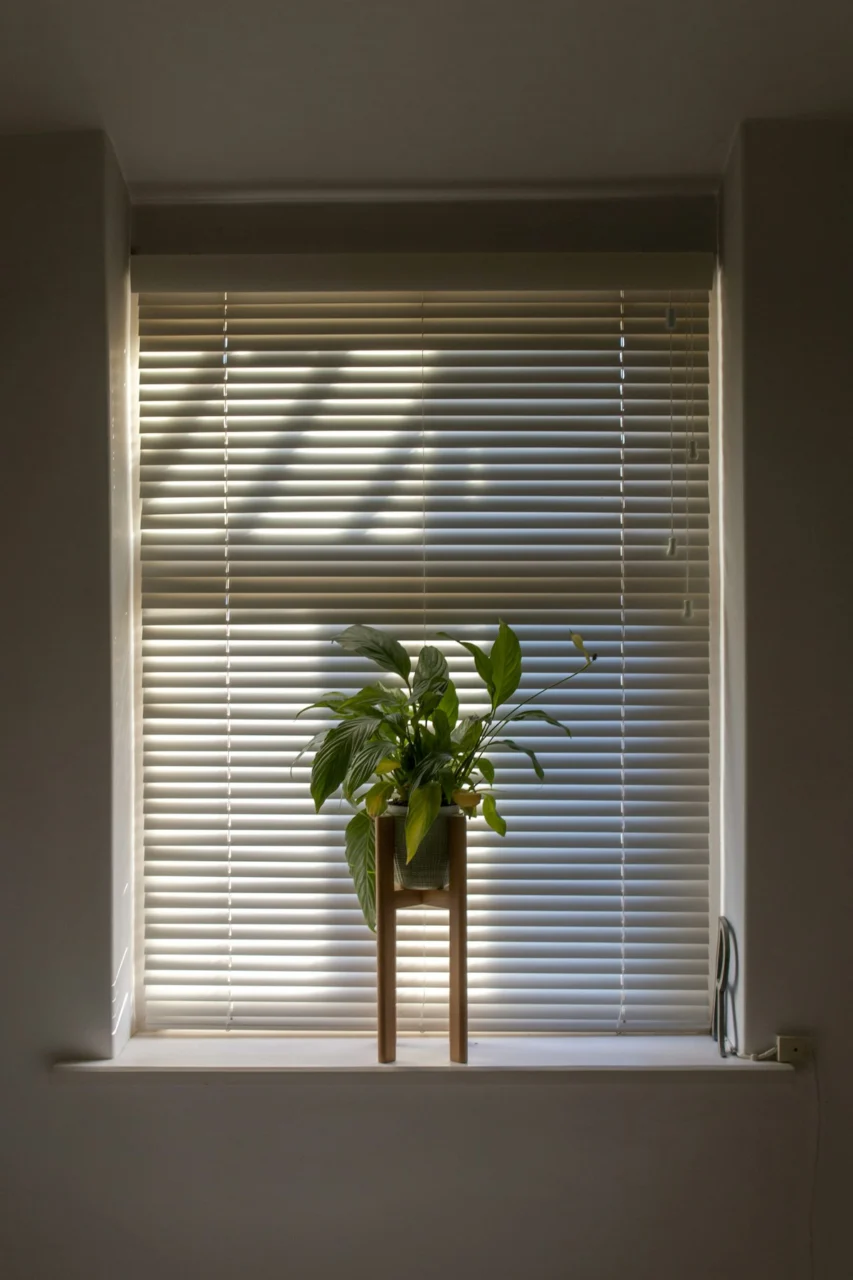
Photo by Darren Richardson on Unsplash
Blinds give you precise control over light levels, privacy, and view. Modern materials make them stylish as well as functional.
Best Practices
- For a contemporary look, select wooden slat blinds in a light finish or fabric vertical blinds with a subtle pattern.
- Pair blinds with a thin sheer curtain for daytime diffusion and nighttime blackout.
- Motorized options add convenience—especially for high windows—but a simple cord system works well for most budgets.
Common mistake: Over‑tilting slats can create glare. Aim for a 45‑degree angle to soften the light without blocking the view.
7. Make a Statement With Bold Patterned Treatments

Photo by Wesley Tingey on Unsplash
If you love drama, a patterned window treatment can become the room’s focal point while still letting light filter through.
Choosing the Right Pattern
- Select large‑scale prints (geometric, botanical, or abstract) in colors that echo the bedding or accent pillows.
- Opt for semi‑sheer fabrics so the pattern shows without fully blocking daylight.
- Balance the boldness by keeping surrounding décor minimal—let the window speak for itself.
Budget-friendly tip: Custom‑printed curtains can be ordered online at a modest price, allowing you to match any color palette.
FAQ

Q: How do I prevent curtains from fading in direct sunlight?
A: Choose fade‑resistant fabrics such as polyester blends, and rotate the curtains periodically. Using a UV‑blocking window film also reduces exposure.
Q: Can I install a window seat in a rented apartment?
A: Yes, if you use a freestanding bench that rests on the floor and does not require wall anchors. Ensure it fits the window opening without obstructing the sash.
Q: What’s the best way to clean mirrored surfaces near windows?
A: Use a mixture of equal parts water and white vinegar, spray lightly, and wipe with a lint‑free microfiber cloth. Avoid abrasive cleaners that can damage the backing.
Q: Are motorized blinds worth the extra cost?
A: They add convenience and can be integrated with smart home systems, which is helpful for hard‑to‑reach windows or for scheduling light exposure. If budget is tight, manual blinds still offer excellent control.
Q: How much clearance should I leave between the floor and curtain length?
A: Aim for 1‑2 inches of clearance. This prevents the fabric from gathering dust and allows the curtains to glide smoothly on the rod.
Final Thoughts

Photo by Calum Lewis on Unsplash
Every bedroom window has the potential to be a light‑enhancing, style‑defining feature. By selecting the right combination of fabrics, frames, reflective elements, and functional details, you can create a space that feels both bright and inviting. Whether you opt for subtle sheers or a bold patterned statement, the key is to balance illumination with personal taste—so the room works for you at any hour of the day.