Dining Room Wall Paneling Ideas for Texture & Style
When you walk into a dining room, the walls can either whisper or shout. Too often, a blank surface feels unfinished, while an over‑busy pattern can overwhelm the space. The sweet spot lies in thoughtful wall paneling that adds depth without stealing the spotlight from the table and chairs. Below are seven distinct approaches that blend texture, color, and practicality, helping you create a dining room that feels curated and welcoming.
1. Classic Wainscoting with a Modern Twist
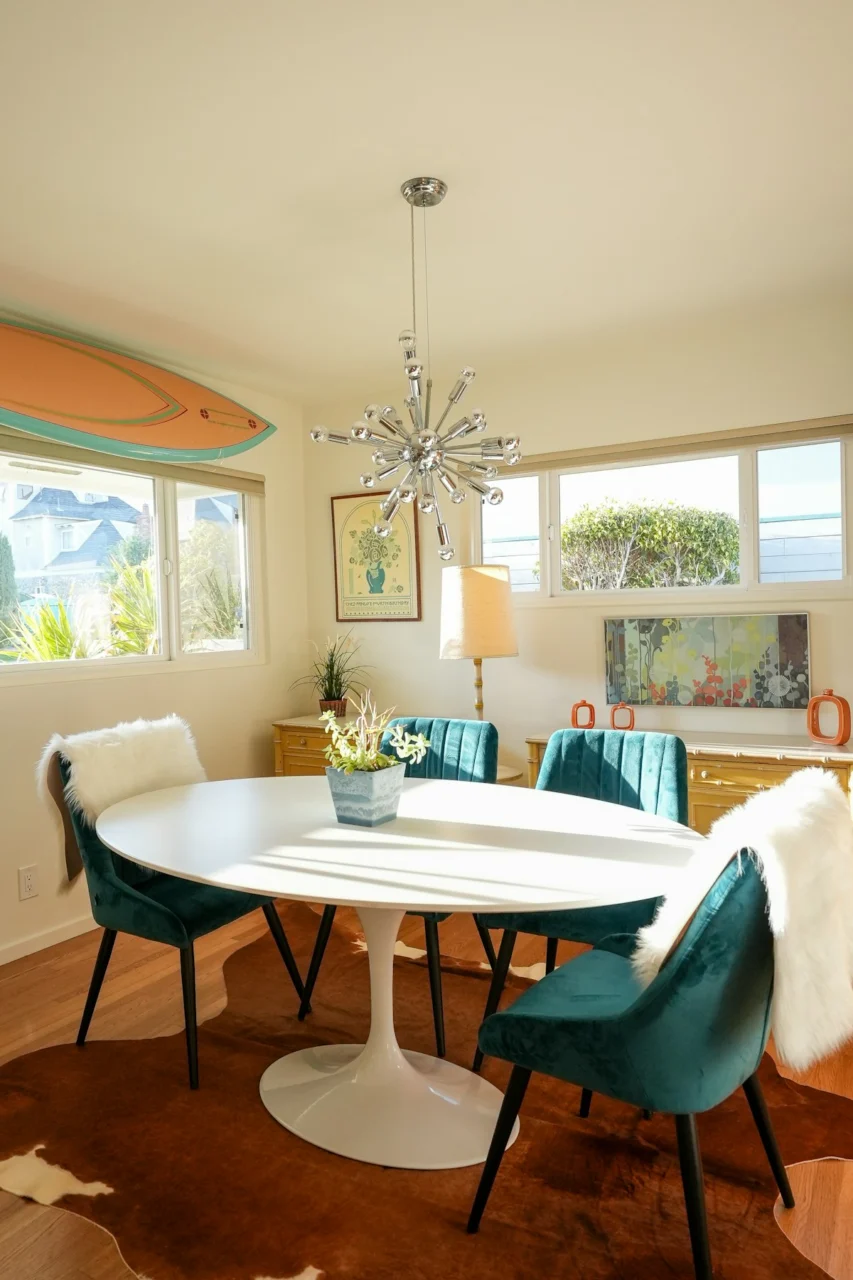
Photo by Ashley Endemano on Unsplash
Wainscoting has long been a staple in traditional homes, but today it can be refreshed with contemporary materials and finishes. Install a simple 3‑foot high board, then paint the upper wall a crisp white while giving the paneling a muted charcoal or deep navy hue. The contrast creates visual interest and frames the room without feeling dated.
Why It Works
- Depth: The lower panel adds a shadow line that makes the ceiling appear higher.
- Durability: Paneling protects the wall from chairs and occasional spills.
- Flexibility: You can swap paint colors seasonally for a quick refresh.
Tip: Use a semi‑gloss paint on the wainscoting for easy cleaning, especially if you entertain often.
2. Reclaimed Wood Planks for Rustic Warmth
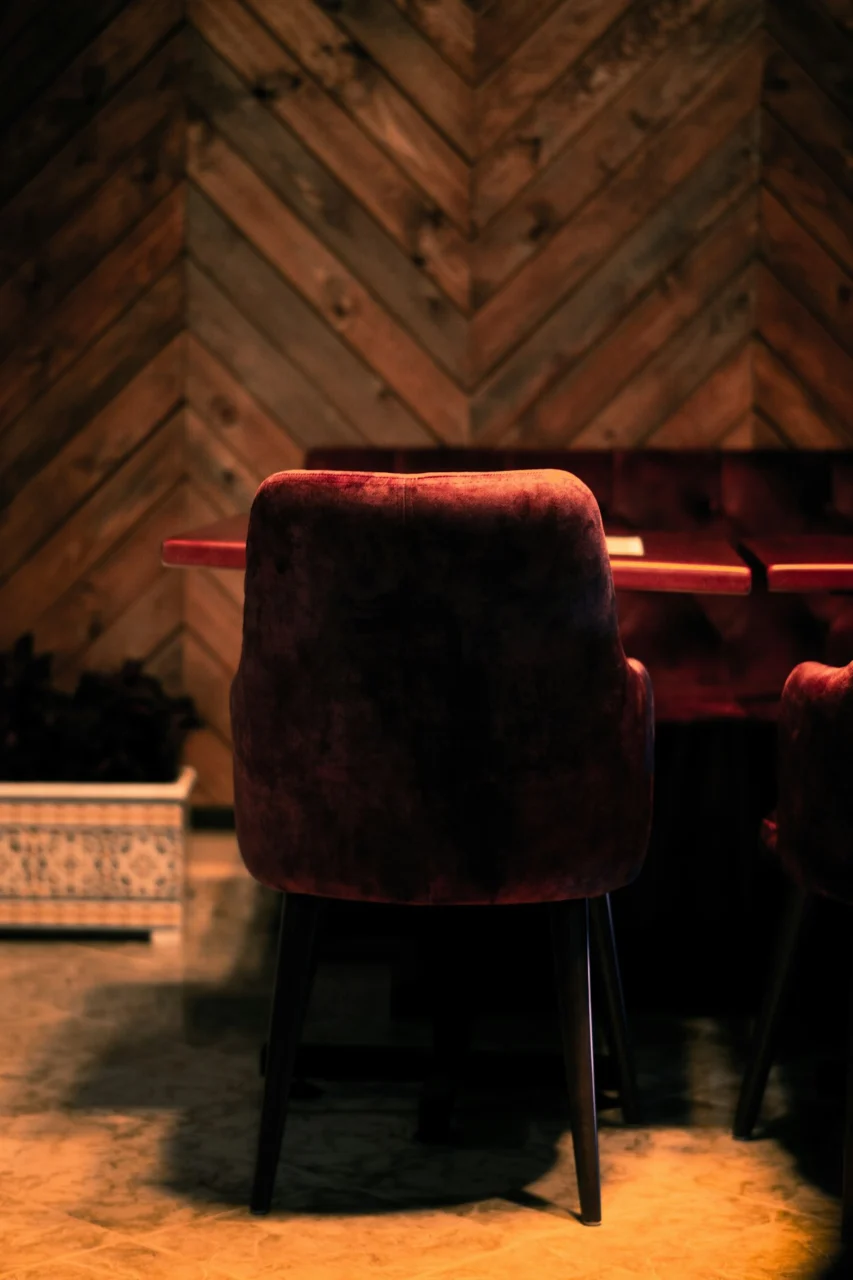
Photo by Daoud Abismail on Unsplash
Nothing says cozy quite like reclaimed wood. Choose planks with varied grain and subtle imperfections for an authentic look. Mount them horizontally to elongate the room, or go vertical for a sleek, modern feel. Pair the wood with a neutral wall color to let the texture speak for itself.
Practical Considerations
- Installation: Secure the planks to studs with finishing nails to avoid squeaks.
- Maintenance: Apply a clear polyurethane coat to protect against moisture.
- Budget: Look for salvaged materials at architectural salvage yards for cost savings.
Tip: If the wood is too dark for your palette, a light‑stain can brighten the tone while preserving the grain.
3. Geometric 3‑D Panels for Contemporary Drama

Three‑dimensional panels in geometric shapes—think hexagons, chevrons, or layered rectangles—add a sculptural element to the dining room. Choose a matte finish in a soft gray or muted teal to keep the look sophisticated. These panels catch light differently throughout the day, creating subtle shifts in texture.
Installation Insight
- Scale: Larger panels work best in spacious rooms; smaller units suit cozier spaces.
- Lighting: Position a dimmable wall sconce nearby to highlight the contours at night.
- Acoustic Benefit: The added surface can reduce echo, improving conversation clarity.
Tip: Start with a single accent wall rather than covering all four sides, which can feel overwhelming.
4. Textured Fabric Panels for Soft Elegance
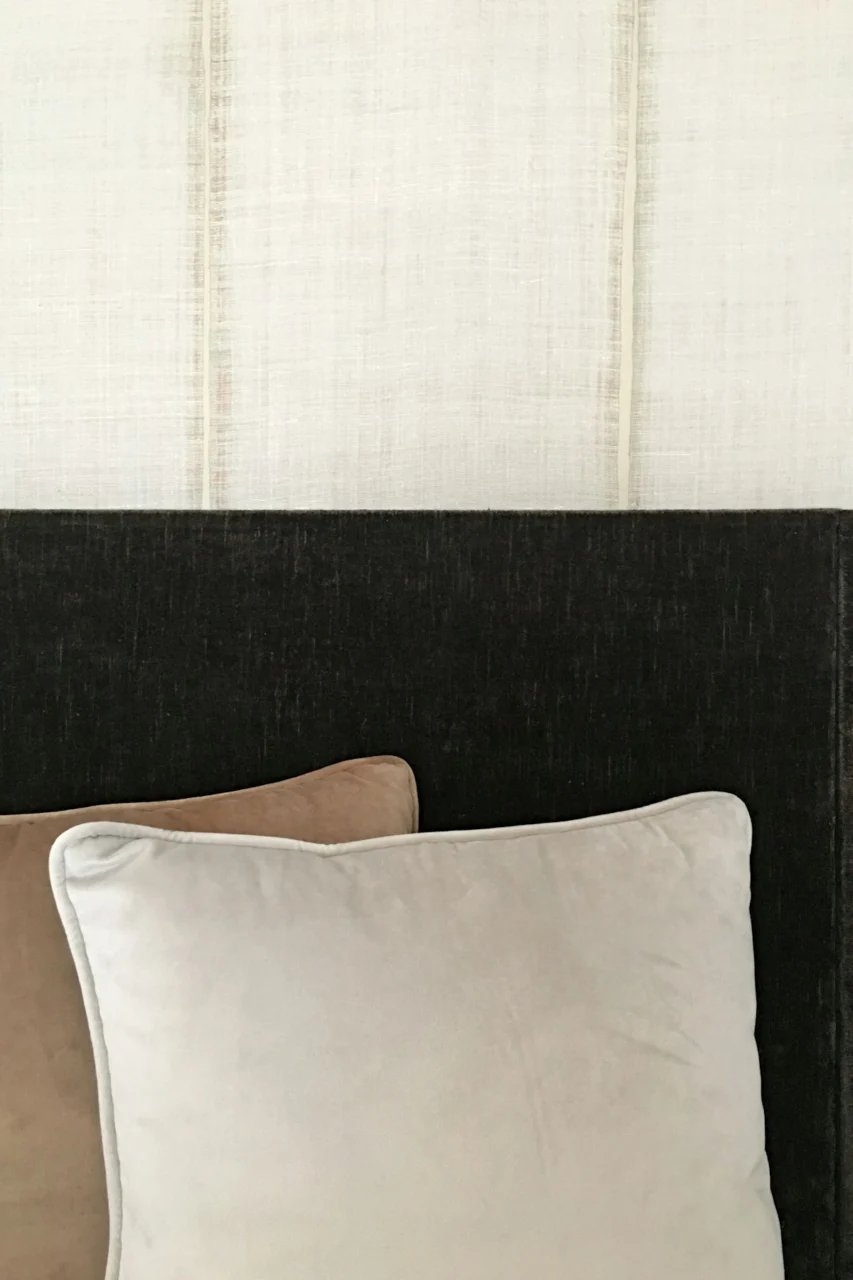
Photo by Agata Create on Unsplash
Fabric‑covered panels introduce softness and acoustic absorption, perfect for a room where conversation flows. Choose a durable upholstery fabric—like linen or a tightly woven cotton—in a subtle pattern or solid hue. Stretch the fabric over a lightweight wooden frame, then staple it securely.
Care & Longevity
- Cleaning: Spot‑clean with a mild detergent; avoid soaking the fabric.
- Fire Safety: Use flame‑retardant fabrics or apply a fire‑blocking spray.
- Style Pairing: Coordinate the fabric’s color with the dining chairs or curtains for cohesion.
Tip: Add a thin layer of foam behind the fabric for extra cushioning and a smoother finish.
5. Tiled Wall Sections for a Touch of Luxe
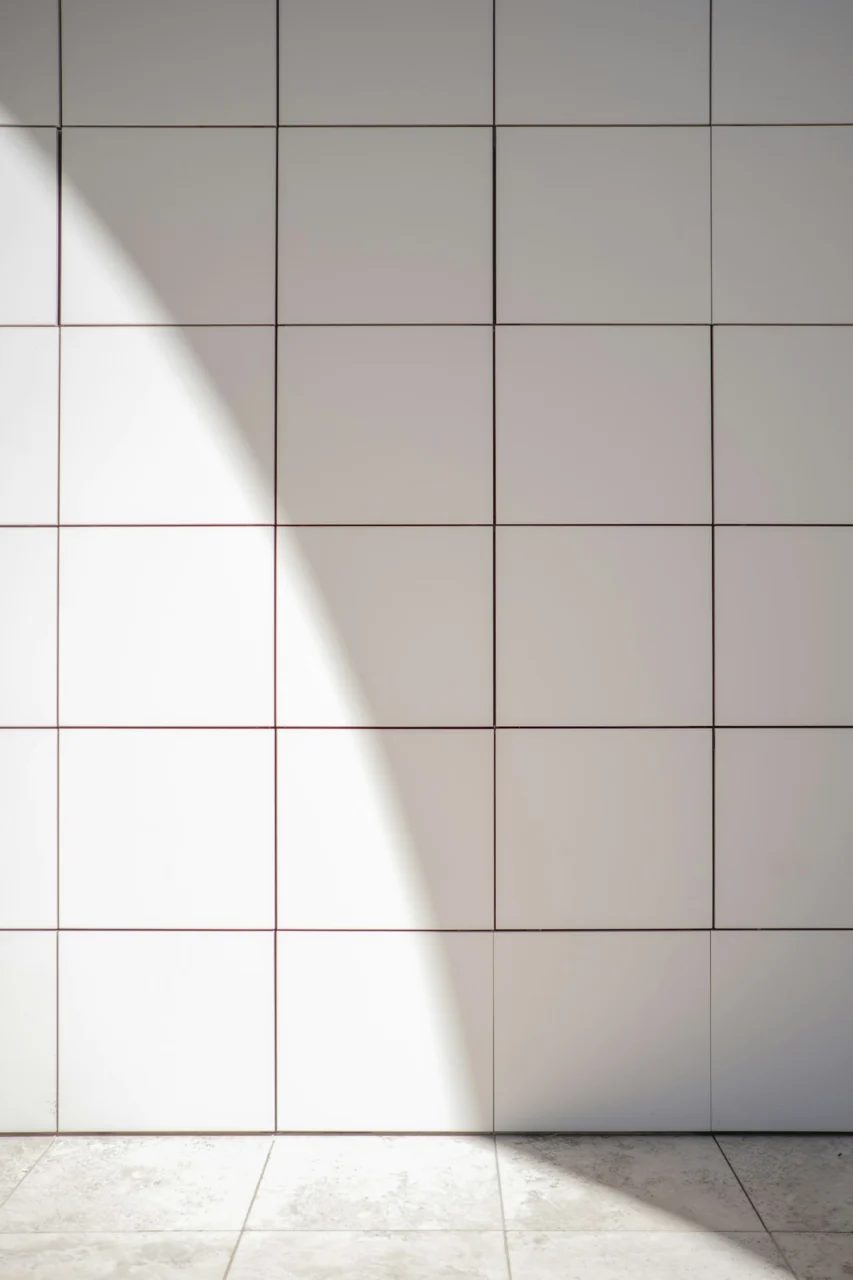
Photo by Grant Ritchie on Unsplash
Ceramic or porcelain tiles aren’t just for backsplashes; a tiled wall can bring a polished, high‑end vibe to the dining area. Opt for matte subway tiles arranged in a herringbone pattern, or choose a larger format tile with a subtle texture. A light grout color keeps the surface seamless, while a darker grout adds definition.
Installation Advice
- Prep: Ensure the wall is flat and primed; uneven surfaces will show through the grout.
- Sealing: Apply a penetrating sealer to protect against moisture and stains.
- Budget: Large-format tiles reduce the amount of grout needed, lowering labor time and cost.
Tip: Pair tiled panels with a simple wooden dining table to balance the cool tile feel with warm wood.
6. Painted Board-and-Batten for Subtle Structure
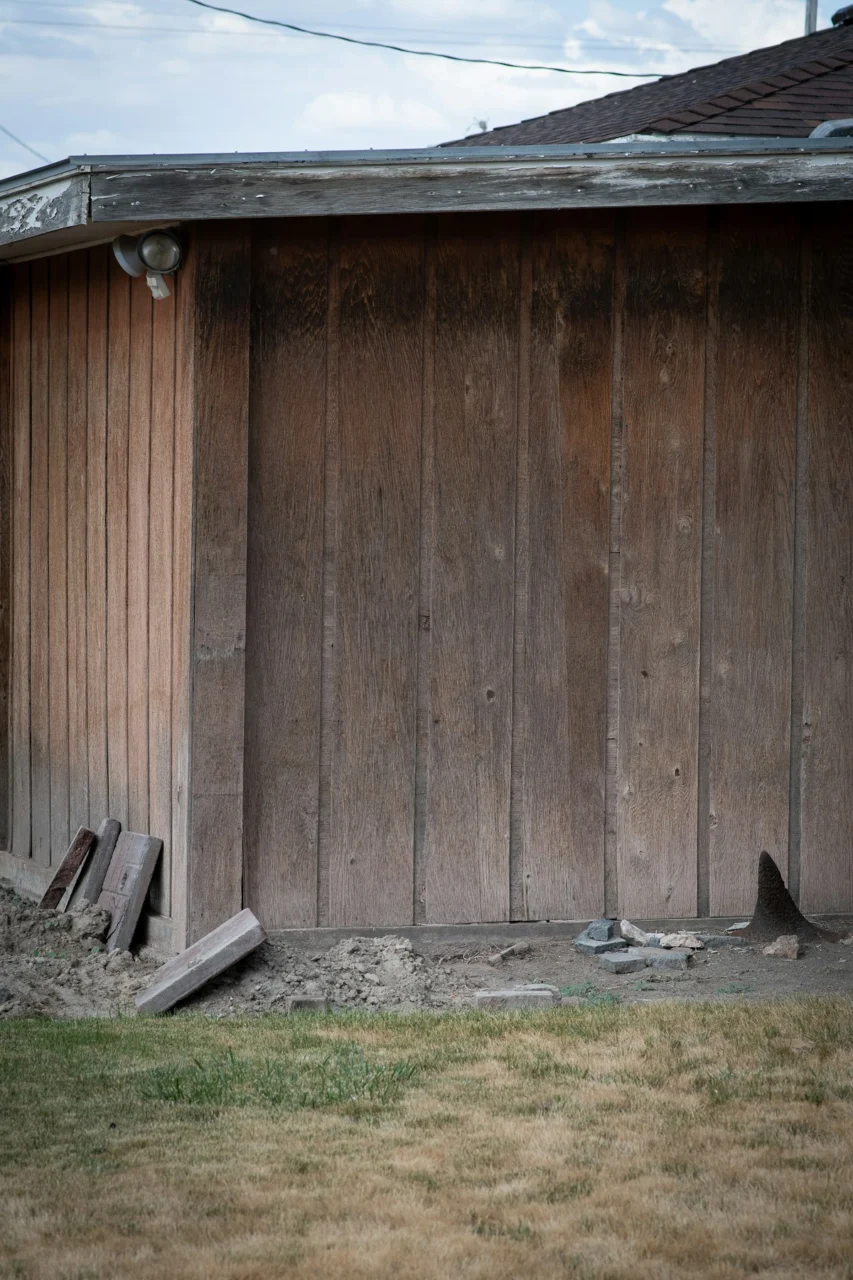
Photo by Nathan Bang on Unsplash
Board‑and‑batten is a straightforward way to add linear interest without heavy material. Paint the wide boards a soft neutral and the narrow battens a slightly deeper shade. This creates a layered look that can be either rustic or refined, depending on color choices.
Design Flexibility
- Height: Install the panels only on the upper half of the wall for a lighter feel.
- Color Play: Use a muted pastel on the boards and a charcoal on the battens for contrast.
- DIY Friendly: The system is easy to install with a nail gun and can be completed in a weekend.
Tip: Add a thin crown molding at the top of the paneling to tie the look together with the ceiling.
7. Metal Slat Walls for Industrial Edge
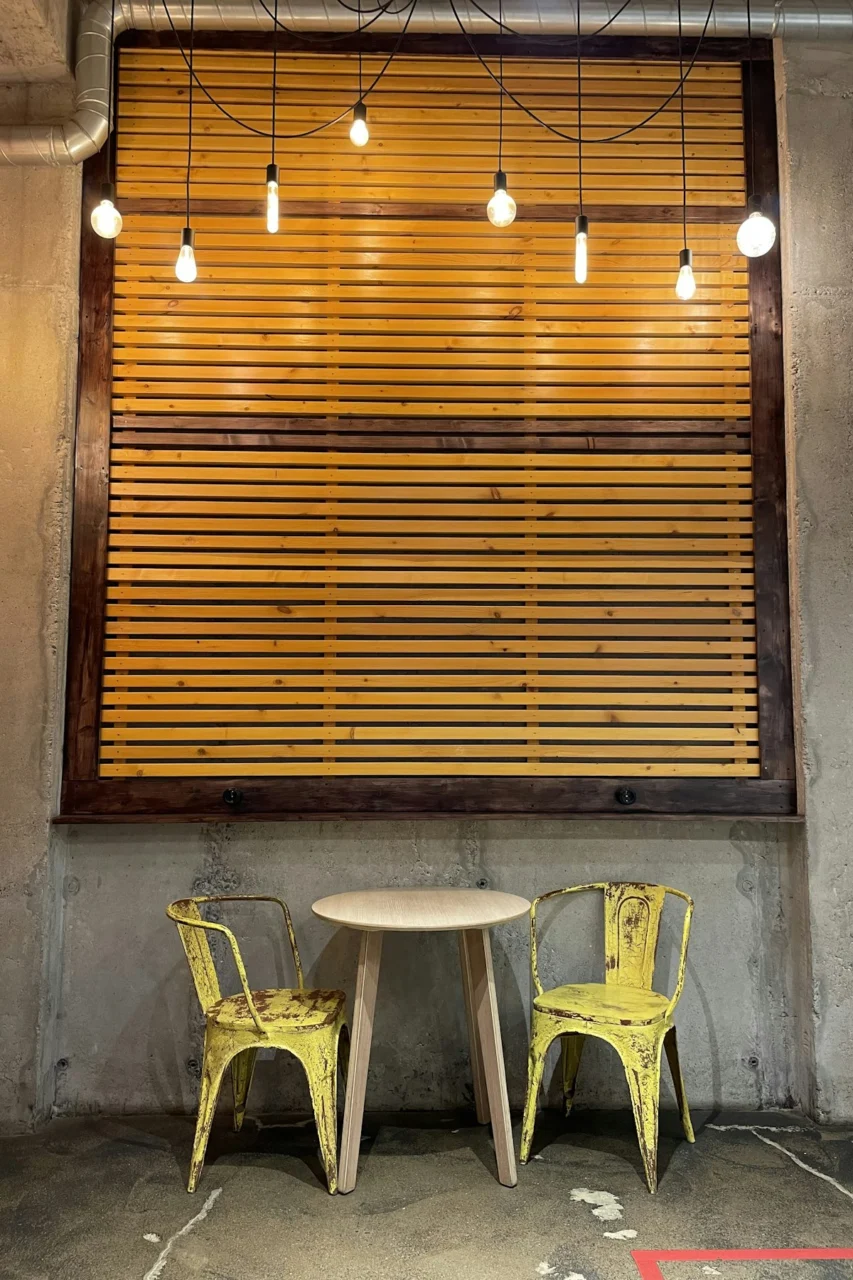
Photo by Tasha Kostyuk on Unsplash
Thin metal slats—often aluminum or steel—create an industrial aesthetic that also reflects light. When spaced evenly, they produce a rhythmic pattern that adds texture without bulk. Finish the slats in brushed nickel, matte black, or a warm bronze to match existing hardware.
Functionality Highlights
- Reflectivity: The metal catches natural light, brightening darker dining rooms.
- Durability: Metal resists dents and is easy to wipe clean.
- Acoustic Effect: The gaps between slats help disperse sound, reducing echo.
Tip: Combine metal slats with a reclaimed wood table for a balanced industrial‑organic mix.
Frequently Asked Questions

Photo by Dwi Agus Prasetiyo on Unsplash
Can I install wall paneling myself, or should I hire a professional?
Simple paneling systems like board‑and‑batten or reclaimed wood planks are manageable DIY projects with basic tools. More complex installations—such as 3‑D geometric panels, tiled sections, or metal slats—often require precise measurements and specialized tools, so hiring a professional can ensure a seamless finish.
How do I choose the right height for wall panels?
Consider the ceiling height and the scale of your dining furniture. In rooms with standard 8‑foot ceilings, panels that end at 4‑5 feet work well. Higher ceilings can accommodate taller panels or full‑wall coverage without feeling oppressive.
What’s the best way to maintain wood paneling?
Keep the surface dust‑free with a soft cloth. For spills, wipe immediately with a damp cloth and mild soap. Periodic re‑application of a protective finish—such as a water‑based polyurethane—helps preserve the wood’s appearance.
Is wall paneling suitable for high‑traffic dining rooms?
Yes, especially when you select durable materials like reclaimed wood, metal slats, or sealed tiles. Pair them with a semi‑gloss or satin paint finish to make cleaning easier. Avoid delicate fabrics in areas where chairs are frequently moved.
Can I combine more than one paneling style in the same room?
Mixing styles can work if you maintain a cohesive color palette and balance visual weight. For example, a wainscoted lower wall paired with a subtle metal‑slat accent wall can add depth while keeping the design unified.
Final Thoughts
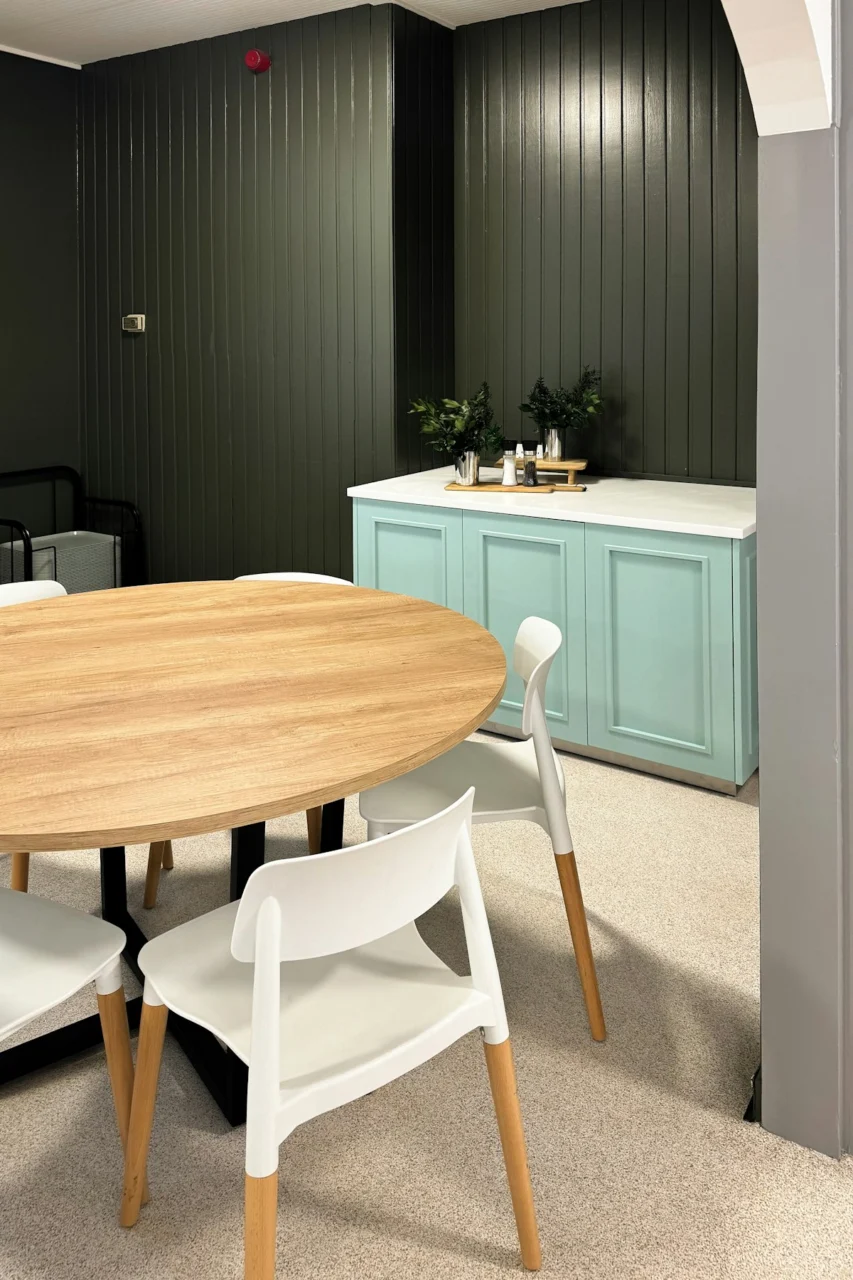
Photo by Ceba Solutions on Unsplash
Choosing the right wall paneling for your dining room is about balancing texture, durability, and personal style. Whether you lean toward rustic reclaimed wood, sleek metal slats, or timeless wainscoting, each of the seven ideas above offers a distinct way to enrich the space. Take a moment to assess your room’s lighting, traffic, and existing décor, then select the approach that feels both functional and inviting. With thoughtful execution, your dining walls will become a quiet yet powerful backdrop for countless meals and memories.