

When a room is small, every inch matters. You need home office ideas that add function without crowding the space.
In this guide you’ll find ways to make a tight area feel ready for work. Each tip shows what it looks like, how to set it up, and a realistic note about its limits.
1. Fold‑down wall desk

A fold‑down wall desk saves floor space while giving you a solid work surface. When closed, it sits flat against the wall like a picture frame. You can lift it up only when you need to write or type.
The desk makes the room feel tidy and airy. It hides away clutter so the space looks larger. A simple white finish blends with most wall colors.
Choose a desk that folds to a matte white or soft greige tone. Add a thin black metal bracket for a modern touch. Pair it with a narrow rolling chair in brushed brass.
The desk may not hold many heavy books, so keep loads light.
2. Floating shelf workstation

A floating shelf can turn an empty wall into a sleek workstation. The shelf sits without legs, freeing the floor for movement. You place a laptop and a lamp right on the shelf.
This set‑up creates a clean, minimalist look that makes the room feel open. The open space underneath the shelf adds visual breathing room. Light wood or white finishes keep the vibe fresh.
Mount a shelf about 42 inches high, then add a slim LED lamp in matte black. Use a small basket underneath for pens and paper. Keep the laptop on a non‑slip pad to protect the wood.
If you need a lot of storage, the shelf may feel too narrow for big folders.
3. Corner nook with a slim table
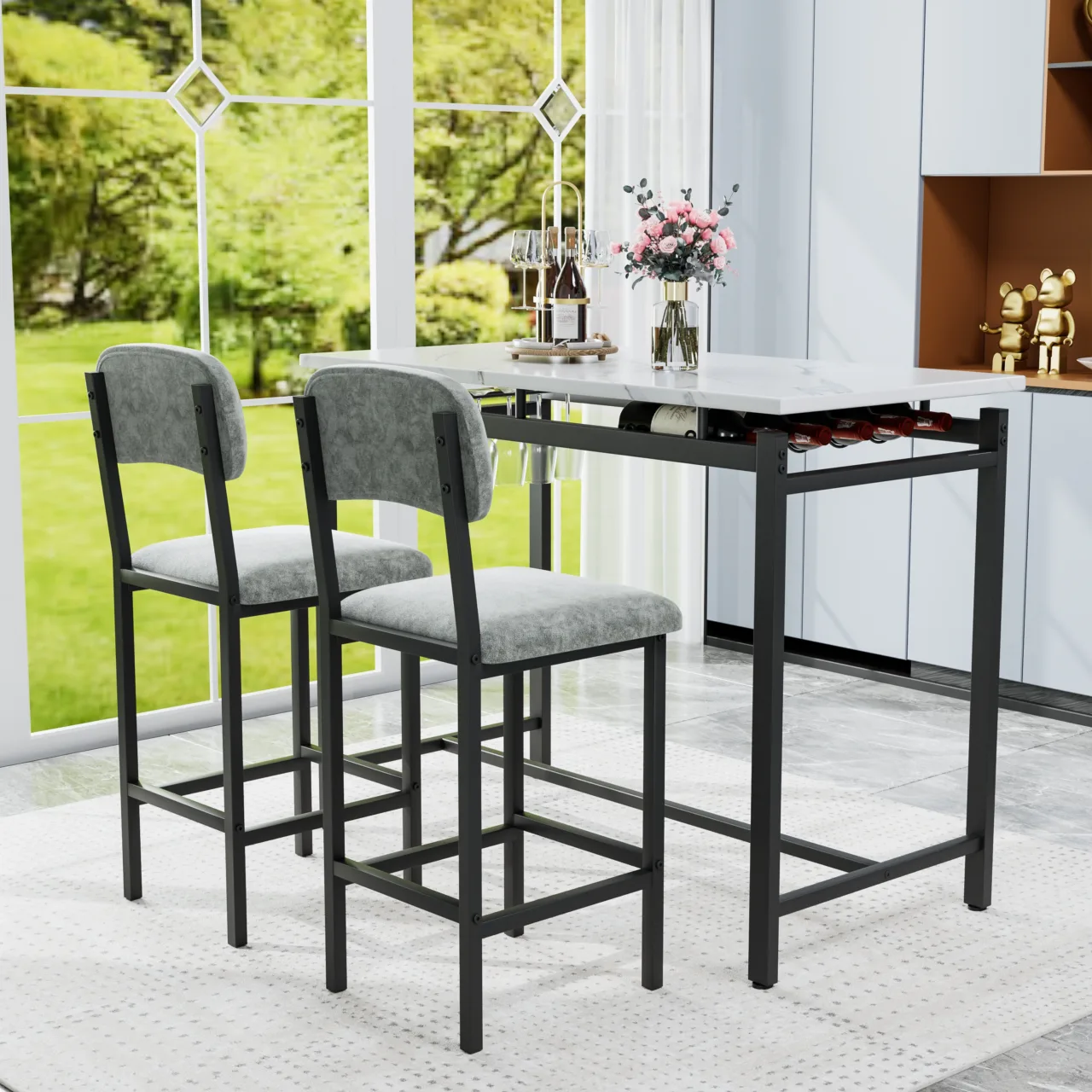
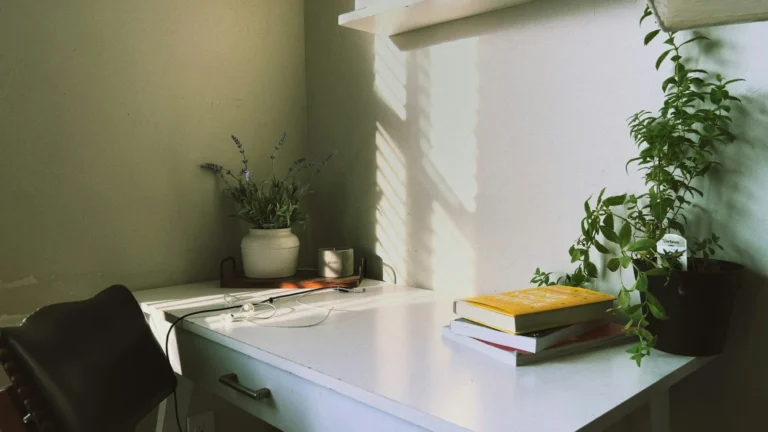
Corner nooks often sit unused, but a slim table can change that. The table fits into the angle, using space that would otherwise be dead.
The corner set‑up adds a cozy work corner without blocking traffic. A small rug under the table defines the area and adds warmth.
Pick a table that is 24 inches wide and 36 inches long in light oak. Add a low‑back chair in soft teal fabric for a pop of color. A single wall lamp with a fabric shade gives gentle light.
Very deep corners may feel cramped if the table is too long, so measure first.
4. Ladder bookshelf office
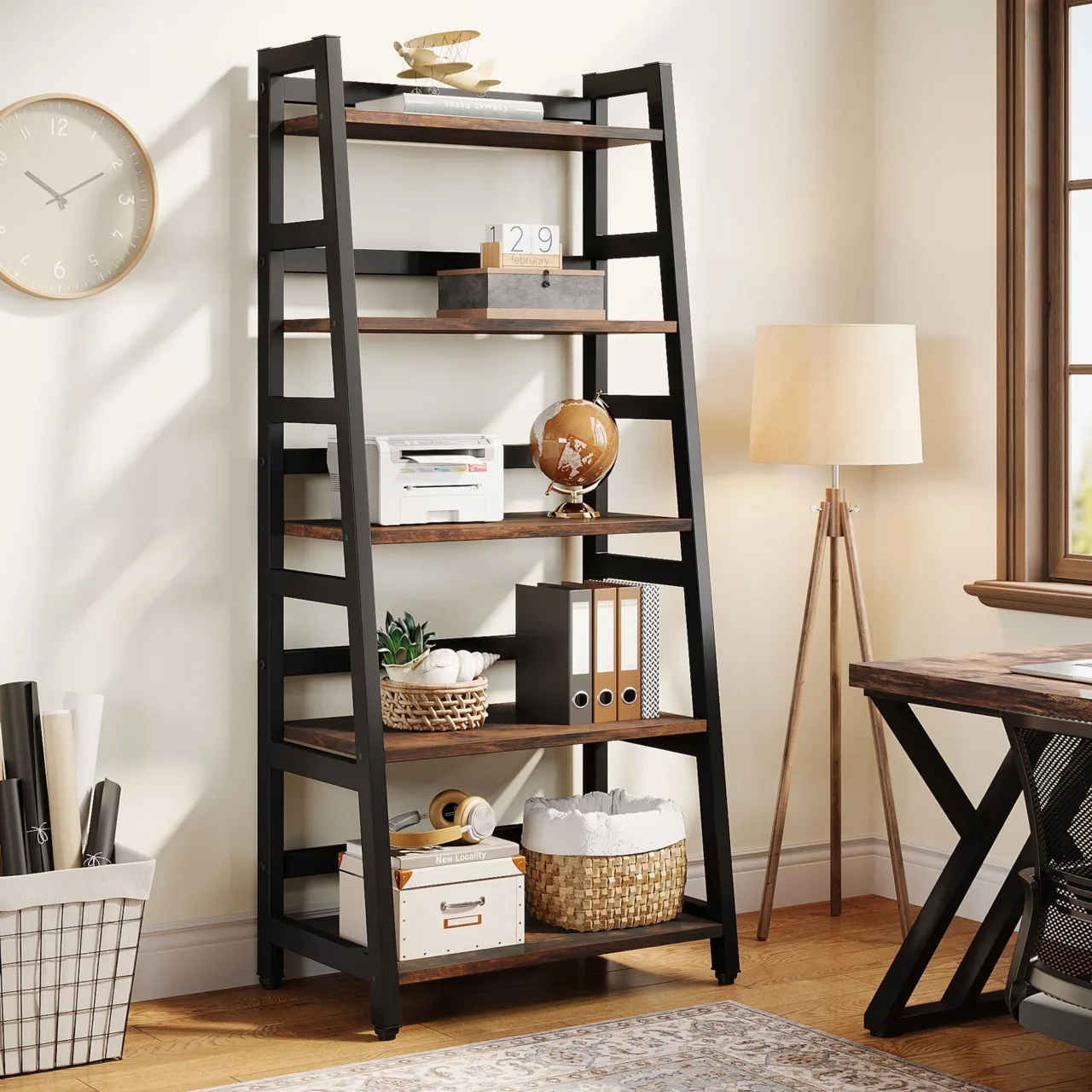
A ladder bookshelf stands tall and uses vertical space for both storage and a desk. The ladder’s steps become shelves for books, while the top offers a work surface.
This design adds height, pulling the eye upward and making the room feel larger. The open shelves keep the look light and airy.
Choose a ladder in natural pine with a smooth finish. Place a small laptop stand on the top shelf, and add a small potted plant for freshness. Use metal brackets to secure the ladder to the wall for safety.
The ladder can be unstable if you store very heavy items, so keep loads moderate.
5. Under‑stair desk

Many homes have unused space under the stairs, and a custom desk fits perfectly there. The desk follows the stair’s shape, giving you a unique work area.
Using this nook hides the desk in a place that would otherwise be wasted. It adds a quirky charm that makes the room feel personalized.
Build a shallow desk with a white laminate top that matches the stair railing. Add a small rolling chair that can tuck under when not in use. Install a narrow LED strip along the edge for task lighting.
If the stair height is low, you may need a low‑profile chair, which can be less comfortable for long work sessions.
6. Window‑sill workstation
A wide window sill can become a bright spot for a compact desk. The natural light helps you stay alert and reduces eye strain.
This set‑up makes the room feel connected to the outdoors, adding a fresh feel. The view can also act as a pleasant backdrop while you work.
Use a slim metal desk that fits the sill width, painted in soft gray. Add a small cushion seat in muted sage for comfort. Place a tiny terracotta vase with a succulent for a touch of green.
During hot summer days the sun can make the area too warm, so consider a light‑weight shade.
7. Portable rolling cart
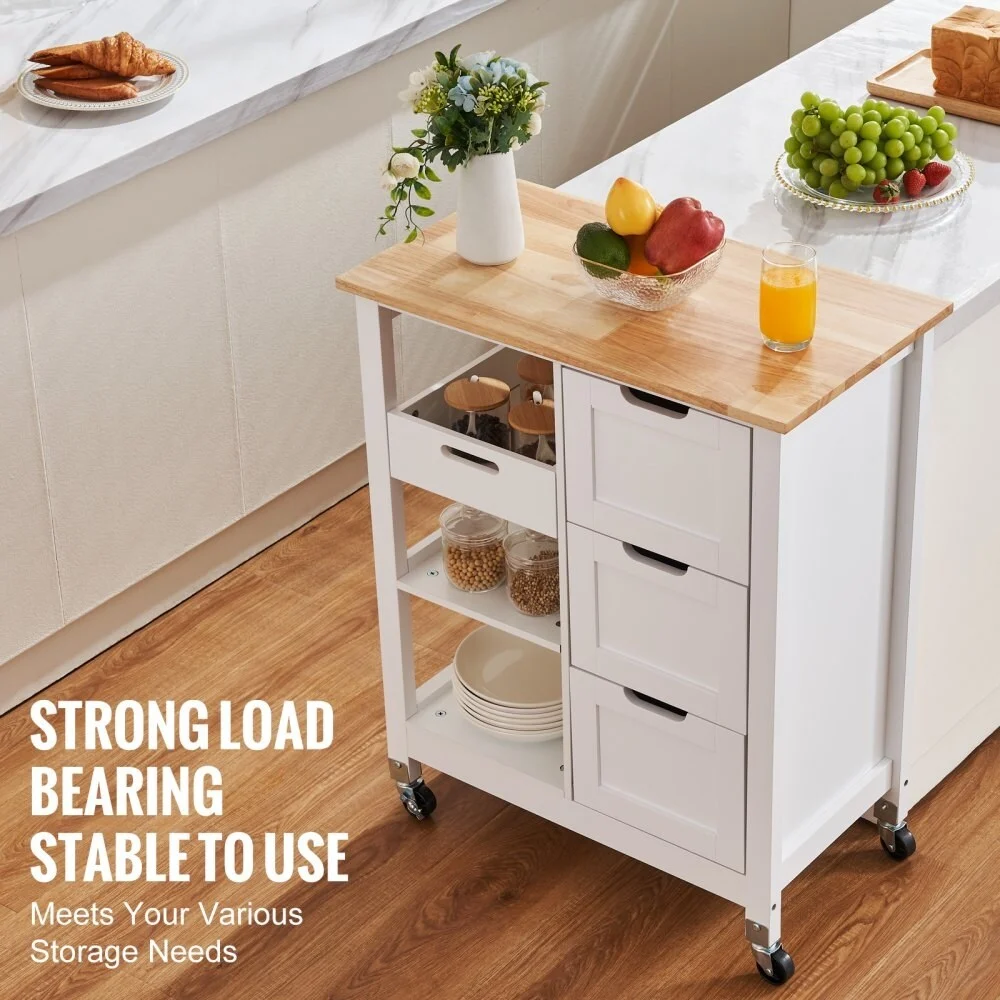
A rolling cart on wheels offers a flexible workspace you can move as needed. It can slide under a larger table or sit beside a couch.
The cart gives a mobile feel, letting you change the room’s layout often. Its compact shape keeps the floor clear when you store it.
Pick a cart with three shelves in brushed steel, and a top in walnut veneer. Keep a wireless keyboard on the top and store notebooks on the lower shelves. A small clamp lamp adds focused light.
The cart may wobble on uneven floors, so use felt pads under the wheels for stability.
8. Built‑in alcove desk
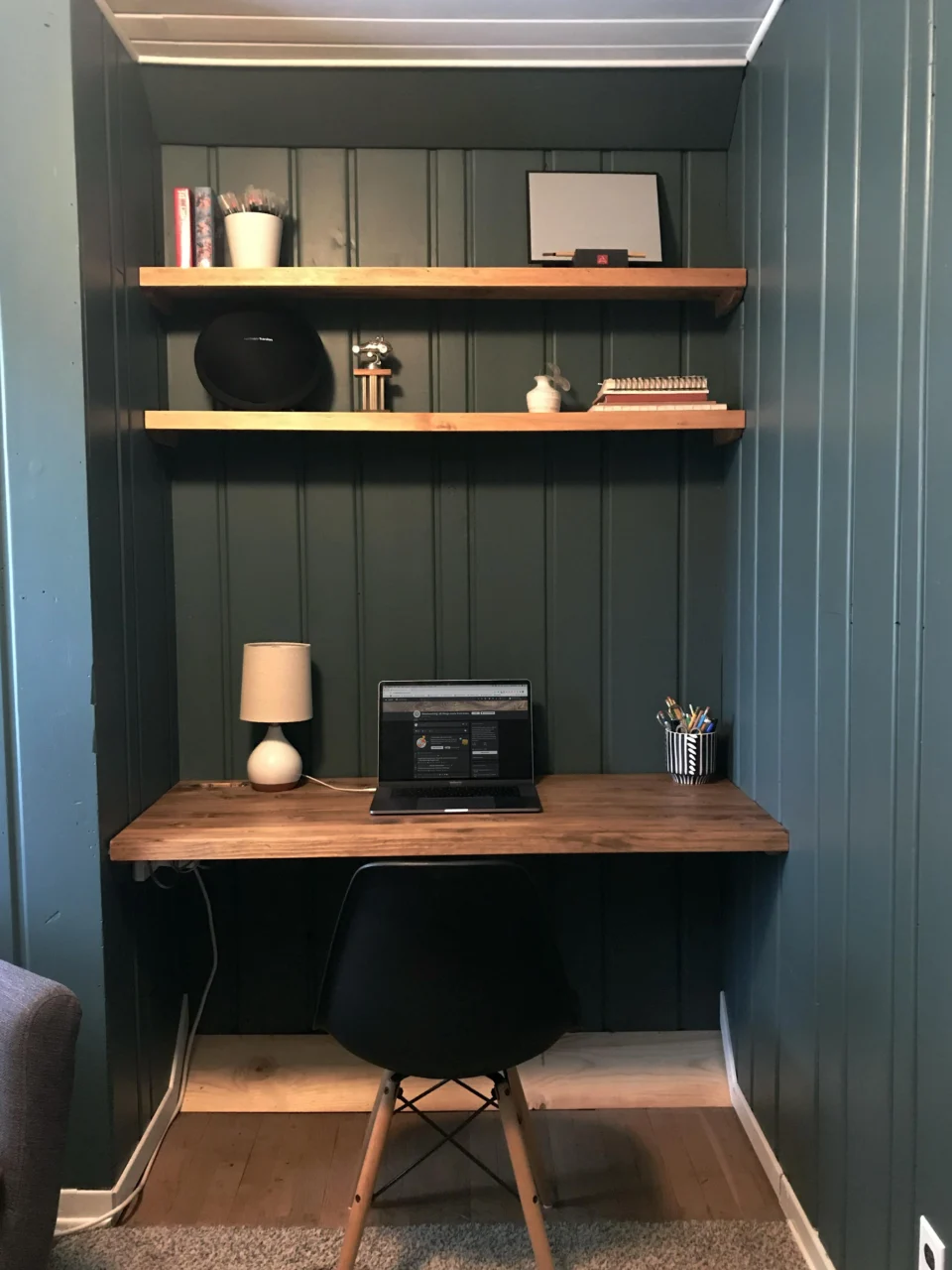
If you have a recessed wall or alcove, turn it into a built‑in desk. The desk fits snugly, using space that would otherwise be empty.
This design creates a built‑in look that feels seamless and tidy. It also reduces the need for extra furniture.
Install a desk that follows the alcove’s shape, using a light oak top. Add a wall‑mounted swing arm for a monitor, so you can adjust height. Finish the sides with soft white paint to keep the area bright.
Because the desk is fixed, you cannot rearrange it later without major work.
9. Murphy (wall‑fold) desk
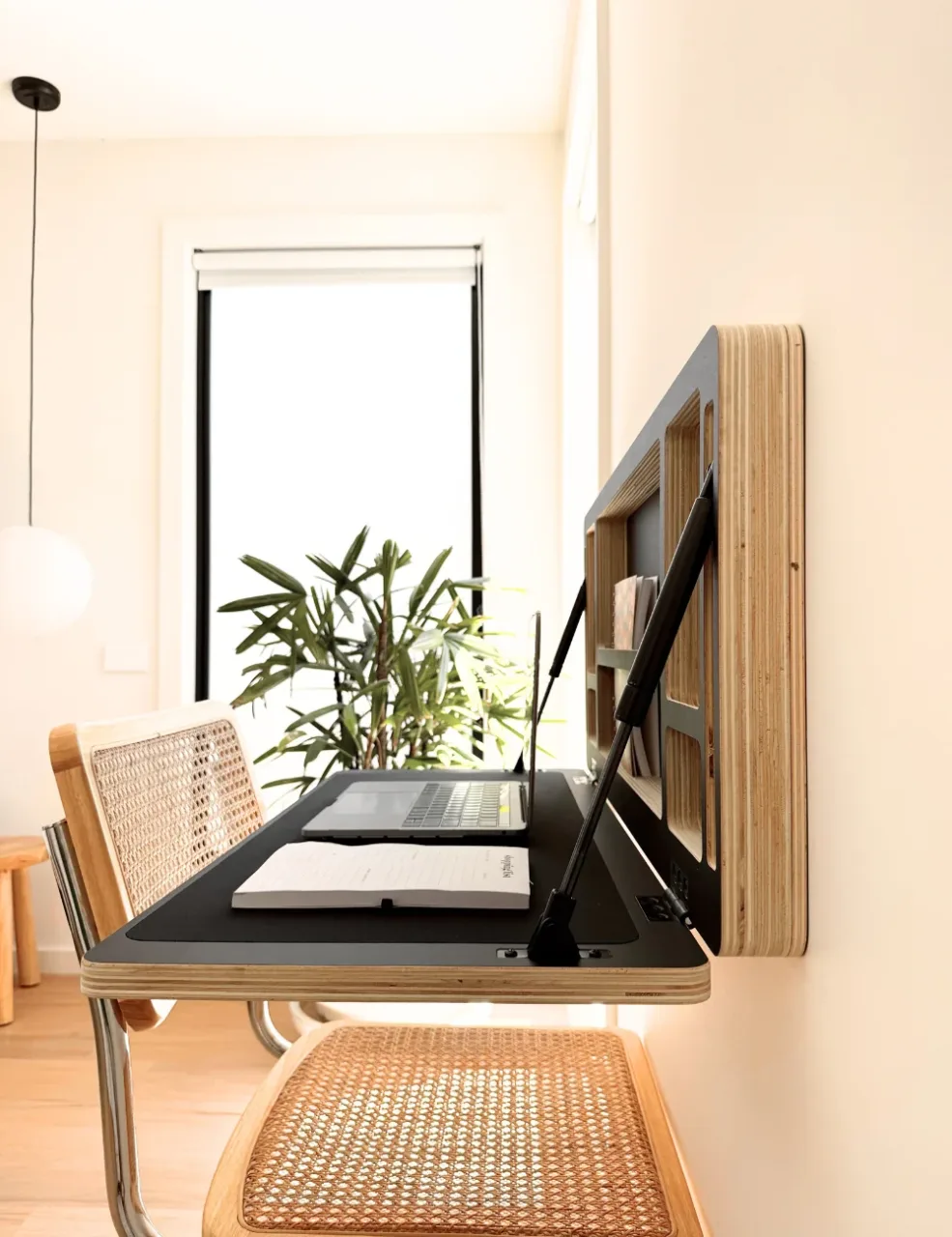
A Murphy desk folds up into the wall when not in use, much like a hidden bed. The mechanism allows a full‑size surface without permanent floor space.
The hidden desk makes the room feel like a living area during off‑hours. When folded down, it offers a sturdy work area.
Choose a Murphy desk with a walnut frame and a white laminate top. Add a simple wall‑mounted lamp that swivels with the desk. Keep a small set of drawers inside the cabinet for supplies.
The folding hardware can be pricey, and you need to leave room on the wall for the panel.
10. Multi‑use ottoman with hidden storage
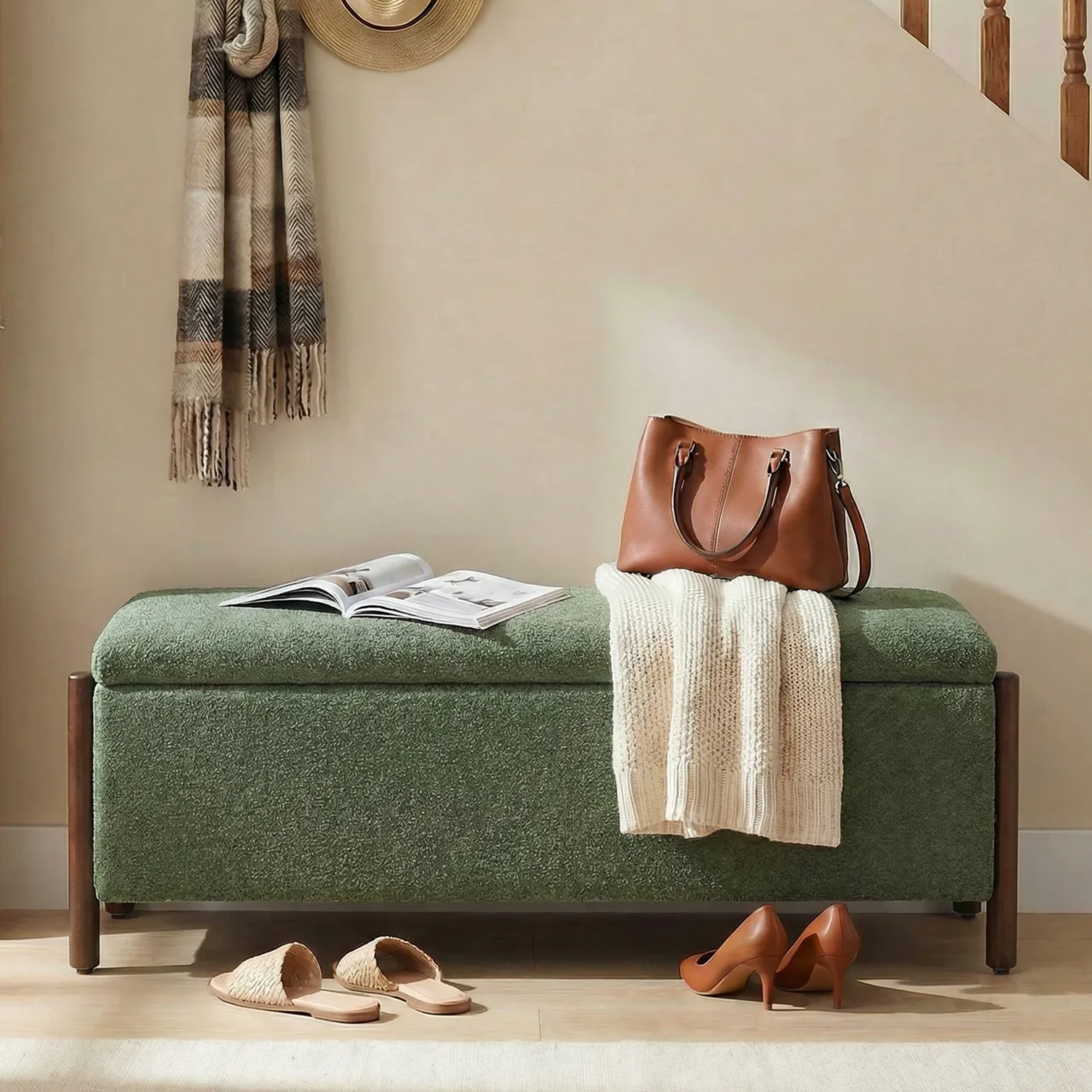
An ottoman that opens up can hold office supplies while also serving as a seat. It blends seating and storage in one piece.
This piece adds a soft, relaxed feel to a work corner, making the room feel less like an office.
Select an ottoman covered in linen fabric in warm terracotta. Inside, place baskets for pens, chargers, and a notebook. Add a small floor lamp beside it for easy reading light.
The ottoman’s seat may not be ergonomic for long periods, so use it only for short tasks.
11. Wall‑mounted monitor arm
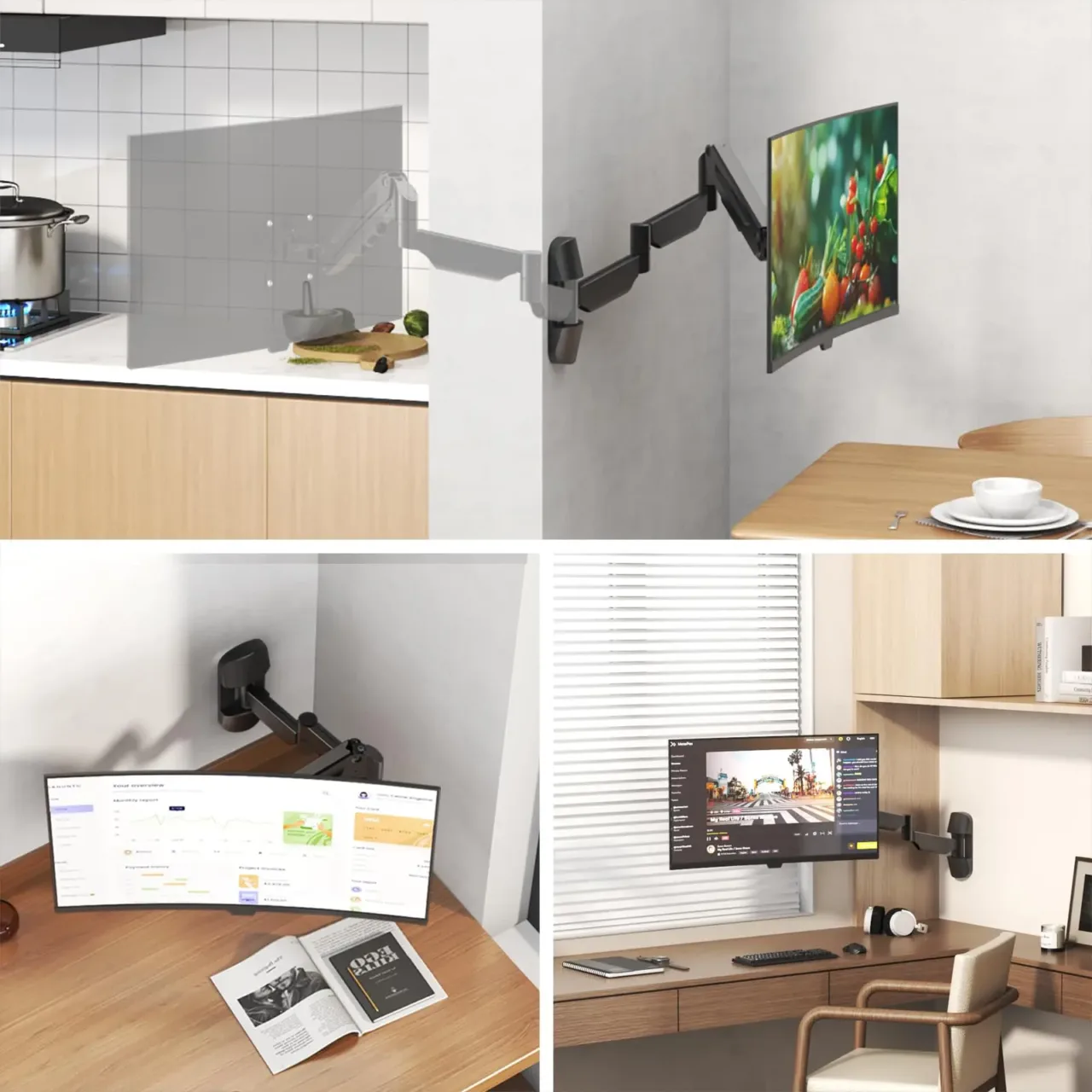
Mounting a monitor on an arm frees desk space for other items. The arm lets you tilt and swivel the screen as needed.
This setup clears the tabletop, making the work area look less crowded. It also helps keep the screen at eye level, reducing neck strain.
Pick an arm with a brushed brass finish that clamps to a thin desk. Position the monitor at about 20 inches from your eyes. Use a small desk pad in light gray to protect the surface.
The arm adds a small amount of weight to the desk, so a very light tabletop may need extra support.
12. Light‑filled attic loft

If your home has a low attic, turn it into a loft office with a simple railing. The sloped ceiling adds character while keeping the floor open.
The loft feels airy because the roof lets in natural light from a small dormer window. It also creates a separate zone without building walls.
Lay down a light pine platform about 3‑4 feet high. Add a compact desk in white lacquer and a rolling chair that can tuck under. Hang a thin pendant light in brushed copper for evening work.
Headroom can be low near the walls, so avoid tall chairs or bookshelves in those spots.
13. Minimalist glass top desk

A glass top desk shows the floor beneath, making the room appear larger. The clear surface reflects light, adding brightness.
This design gives a sleek, modern look that does not dominate the room’s visual weight.
Choose a desk with a tempered glass top and a thin black metal frame. Place a small leather mouse pad in dark brown for contrast. Add a single desk lamp with a matte gold finish.
Glass can show fingerprints easily, so you’ll need to clean it often to keep it looking neat.
14. Reclaimed wood bench desk
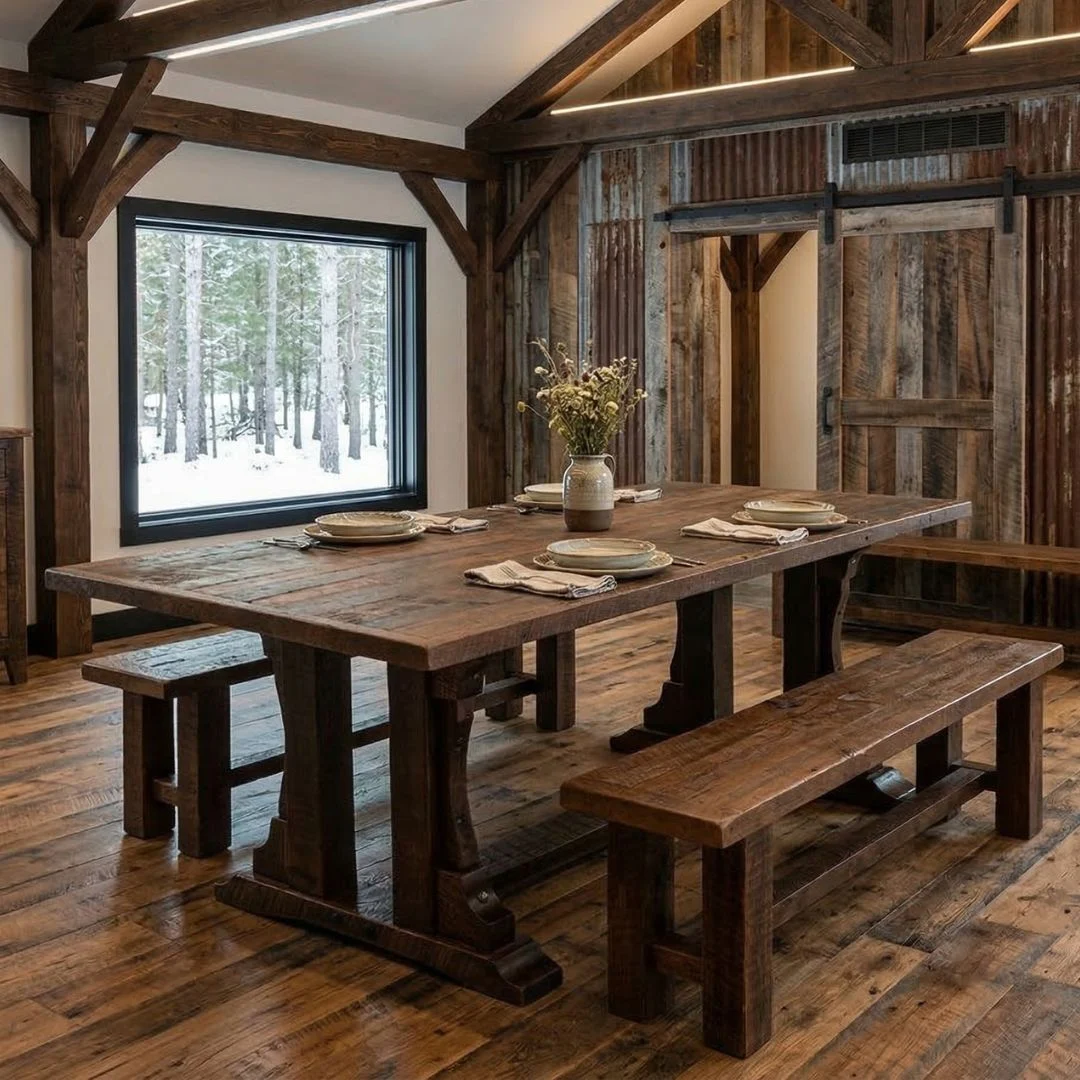
A bench with a reclaimed wood top can serve as both seating and a work surface. The rustic look adds warmth to a small room.
The bench hides the legs, keeping the floor clear and the space feeling light.
Find a bench with a 30‑inch wide reclaimed oak top and simple metal legs. Add a cushion in soft ivory for comfort. Place a small desk lamp on the edge of the bench for focused light.
The wood may have uneven edges, which can catch small items if you’re not careful.
15. Hanging pallet board

A pallet board hung on the wall can become a quick desk surface. The board is easy to mount and can be moved later.
This approach adds a casual, industrial vibe that suits a creative workspace.
Secure a solid pine pallet board with two wall anchors, leaving a small gap for airflow. Paint the board in muted sage to hide stains. Use a small rolling stool that slides under when not needed.
The board may flex under heavy equipment, so keep the load light and centered.
16. Compact standing desk with riser

A small standing desk lets you work while staying upright, which can boost energy. A riser adds height without a full‑size desk.
The standing set‑up encourages movement and keeps the floor area open for other uses.
Buy a compact desk in light walnut that measures 30 inches wide. Pair it with an adjustable riser that raises the surface up to 42 inches. Add a small anti‑fatigue mat in pale gray for comfort.
The desk’s small surface may not fit multiple monitors, so it works best with a single screen.
How do I keep a small office organized?
Use vertical storage like wall shelves or a ladder bookshelf. Keep only daily items on the desk and store everything else in labeled bins.
What lighting works best in a tight space?
Layer a mix of natural light, a small desk lamp, and a wall‑mounted fixture. Choose LED bulbs that give a soft white glow without taking up floor space.
Can I add a rug without making the room feel crowded?
Yes, pick a rug that is slightly smaller than the floor area. A light color and low pile keep the space feeling open.
Is it okay to paint the walls a dark color in a small office?
A dark accent wall can add depth, but keep the other walls light. Pair the dark wall with plenty of white or light furniture to avoid a cramped feel.


Leave a Reply