
Moving into a first rental can feel overwhelming. You have a small space, rules to follow, and a desire to make it feel like home. This guide gives you clear ideas that work in tight apartments without breaking the lease.
We cover sixteen ways to add style, storage, and comfort. Each idea is broken down into what it looks like, how to set it up, and a quick tip you can try today. You’ll find options for any budget and any taste.
Before you start, take a quick inventory of what you already have. Knowing which pieces you can keep helps you avoid buying duplicates. A simple sketch of your floor plan can also keep you on track.
1. Paint the walls a light shade

A fresh coat of soft white, pale gray, or warm greige makes a room feel airy. Light paint reflects natural light and opens up narrow corridors. The effect is clean and inviting, even in a studio.
Pick a low‑odor, water‑based paint that the landlord will allow. Use a small roller for walls and a brush for corners. One or two coats usually give even coverage.
Remember that light colors show stains more easily, so choose a finish that wipes clean. You can add a splash of color with accessories later.
2. Choose multi‑functional furniture
A sofa that folds into a guest bed or a coffee table with hidden drawers adds extra use. These pieces keep the floor clear while giving you places to sit, sleep, or store.
Measure your room first, then look for items that match your size limits. A slim metal frame with a cushion can fit tight corners. Look for sturdy hinges that can handle daily use.
Multi‑functional pieces can be heavier than standard furniture, so check the floor’s weight limit. If you need to move often, pick pieces with wheels that lock in place.
3. Hang a large mirror
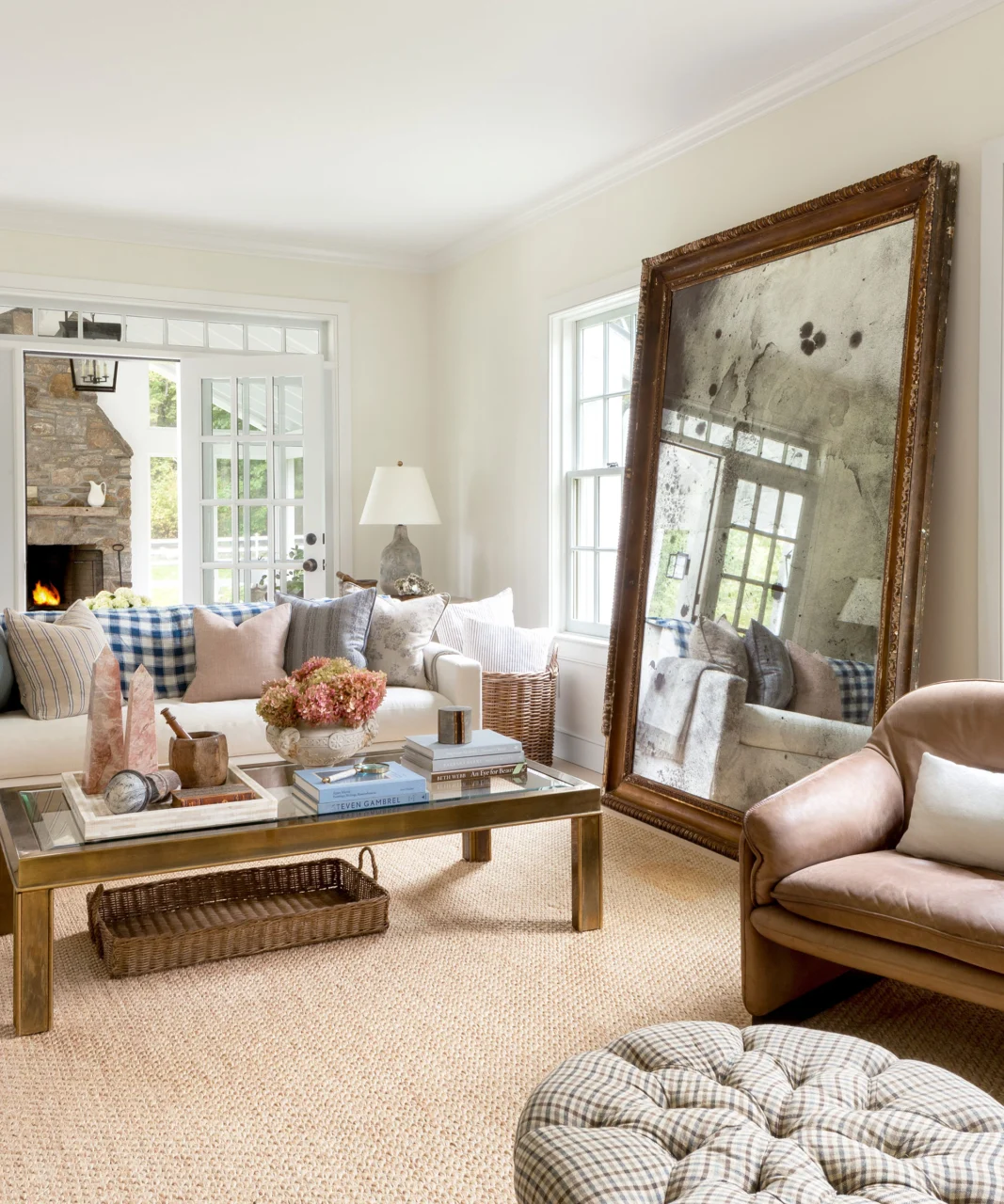
A tall mirror placed opposite a window bounces light around the room. The reflection creates the illusion of extra square footage without adding any clutter.
Use a mirror with a simple frame that matches your style. Secure it with adhesive strips that are safe for painted walls. Position it so you can see the whole room when you stand near it.
Mirrors can collect dust quickly, so wipe them with a microfiber cloth weekly. Avoid placing a mirror where direct sunlight could cause glare.
4. Add open shelving
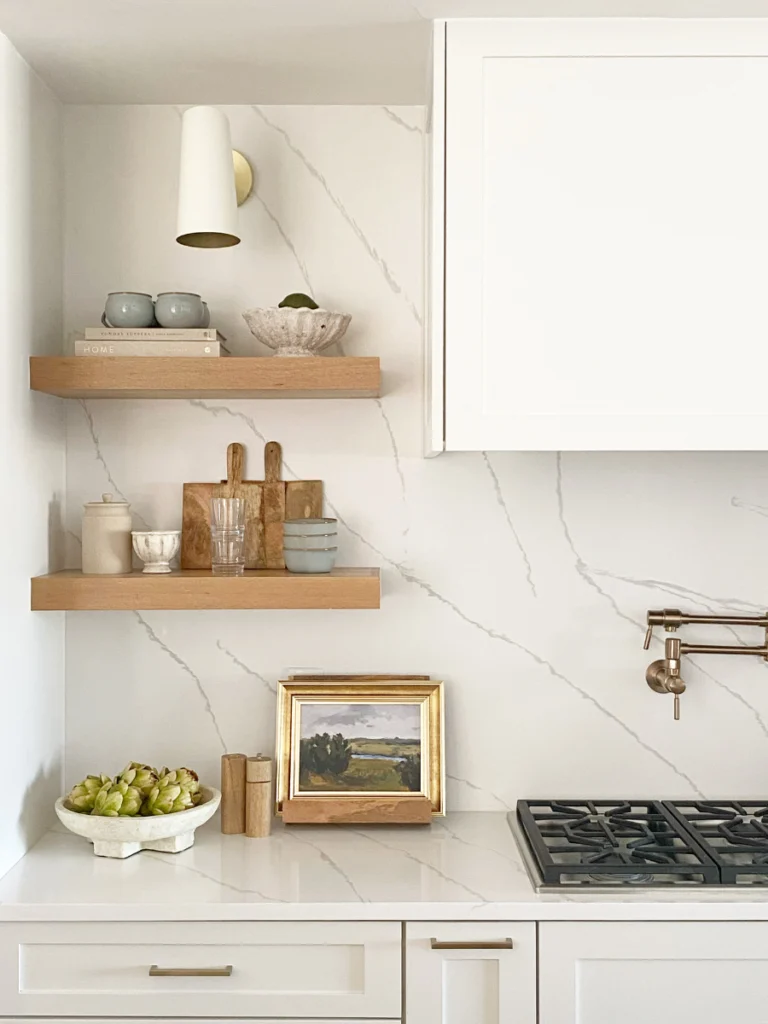
Open shelves let you display books, dishes, and plants while keeping the floor free. They add visual interest and make it easy to grab what you need.
Choose metal or wood shelves that can be mounted with removable brackets. Space the shelves about 12 inches apart for most items. Keep the top shelf lower if you have a low ceiling.
Open shelves can look messy if you overfill them. Use baskets or boxes to hide smaller items and keep the look tidy.
5. Define zones with area rugs
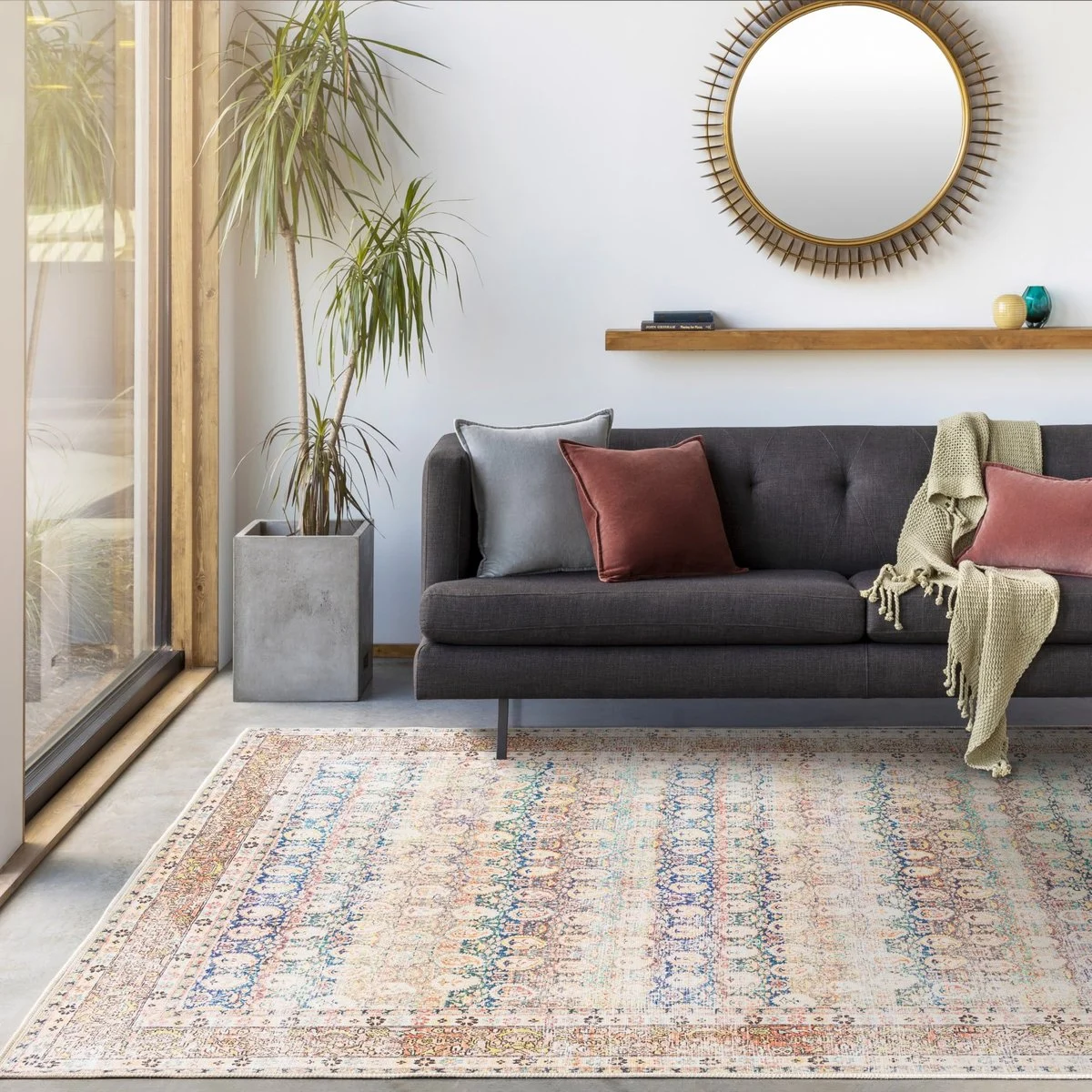
A rug can separate a sleeping area from a living space without walls. Choose a size that fits under the main furniture but leaves a border of floor visible.
Pick a low‑pile rug in a neutral tone that matches your wall color. Lay it flat and use a non‑slip pad underneath to keep it steady.
Rugs can trap dirt, so vacuum them often. If you have pets, choose a material that is easy to clean.
6. Use simple curtains for privacy and light

Light‑filtering curtains let natural light in while giving you privacy. They also add a soft texture that can warm up a stark room.
Measure the window width and hang the rod a few inches wider than the frame. Choose a fabric that drapes well, like linen or cotton, in a light hue.
Curtains can gather dust, so wash them according to the label. If you need more darkness, add a thin blackout liner behind them.
7. Install wall hooks and a pegboard
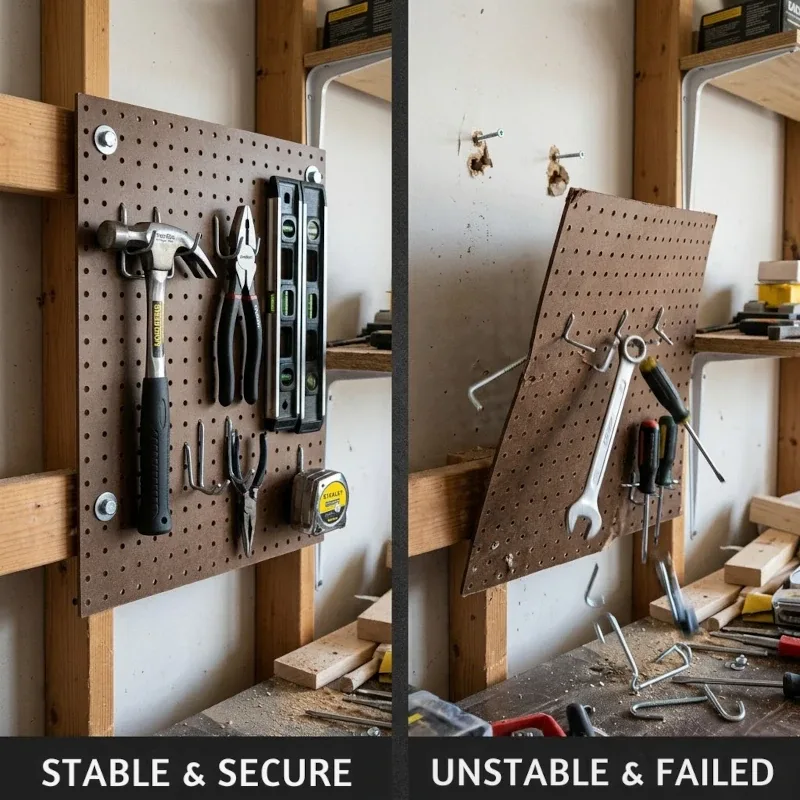
Hooks and pegboards turn empty wall space into handy storage. You can hang coats, bags, kitchen tools, or even small planters.
Use adhesive hooks that are safe for paint, or a small pegboard that mounts with screws that can be filled later. Arrange the hooks at reachable heights.
Too many items on a pegboard can look crowded. Keep only the things you use daily and store the rest elsewhere.
8. Bring in small plants
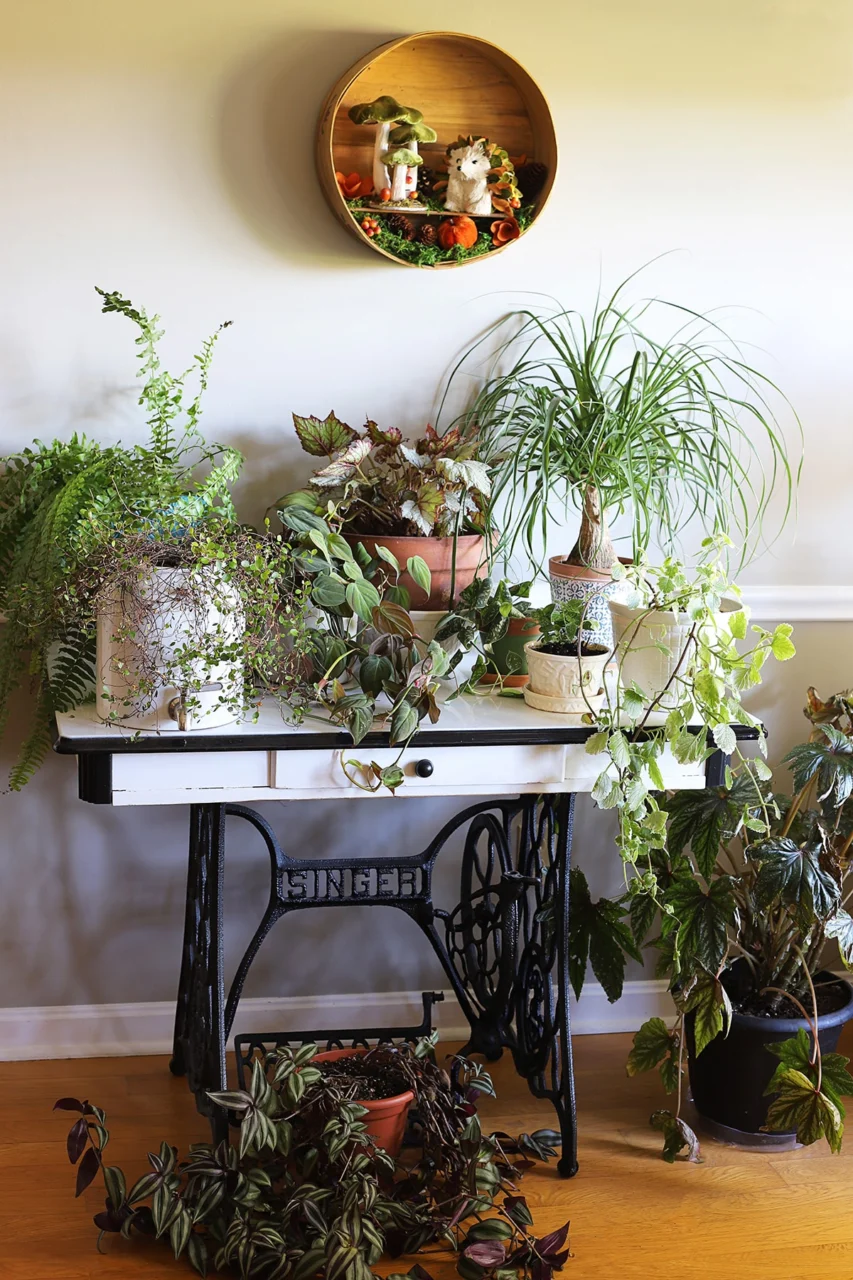
Green leaves add life and improve air quality. A few low‑maintenance plants can soften corners and brighten shelves.
Pick varieties like snake plant, pothos, or ZZ plant that thrive in low light. Use simple pots that match your décor, and place them near a window.
Plants need occasional watering, so choose a schedule you can keep. If you travel often, pick a plant that can go a week without water.
9. Add a floor lamp for layered lighting
A floor lamp beside a sofa or desk gives you focused light without taking up table space. It can create a cozy reading nook in a small room.
Select a lamp with a slim base and a shade that diffuses light gently. Position it so the light falls where you need it most.
Floor lamps can be tall, so check the ceiling height before buying. A lamp with a dimmer switch lets you adjust brightness for different moods.
10. Hide clutter with storage ottomans
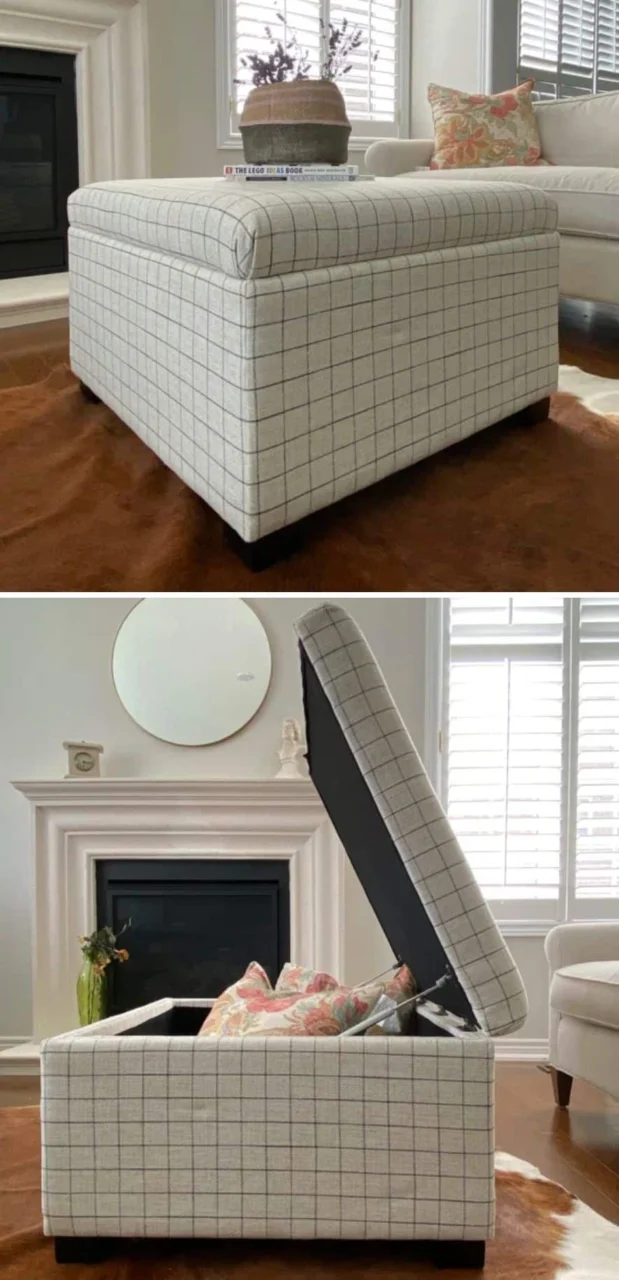
An upholstered ottoman can serve as a seat, a footrest, and a hidden box for blankets or magazines. Its soft surface adds comfort while keeping items out of sight.
Choose an ottoman that fits under your coffee table or at the end of a couch. Look for a removable lid that opens easily.
Ottomans can be heavy when filled, so keep the weight manageable. If you need more space, use two smaller ottomans instead of one large one.
11. Use a folding room divider

A folding screen can create a private sleeping nook without permanent walls. It adds a decorative element while letting you open the space when needed.
Pick a screen made of lightweight wood or fabric that matches your style. Place it between the bed and the living area, anchoring it with a small piece of furniture if needed.
Dividers can block airflow, so leave a gap for ventilation. If you move often, choose a screen that folds flat for easy transport.
12. Add texture with throw blankets and pillows

Soft throws and patterned pillows give a room depth without major changes. They can be swapped out seasonally for a fresh look.
Choose a mix of fabrics like boucle, cotton, and linen in complementary shades. Arrange pillows on the sofa and drape a blanket over a chair arm.
Too many textiles can feel cluttered. Stick to a few pieces that add comfort and visual interest.
13. Keep a neutral base and add color with accessories
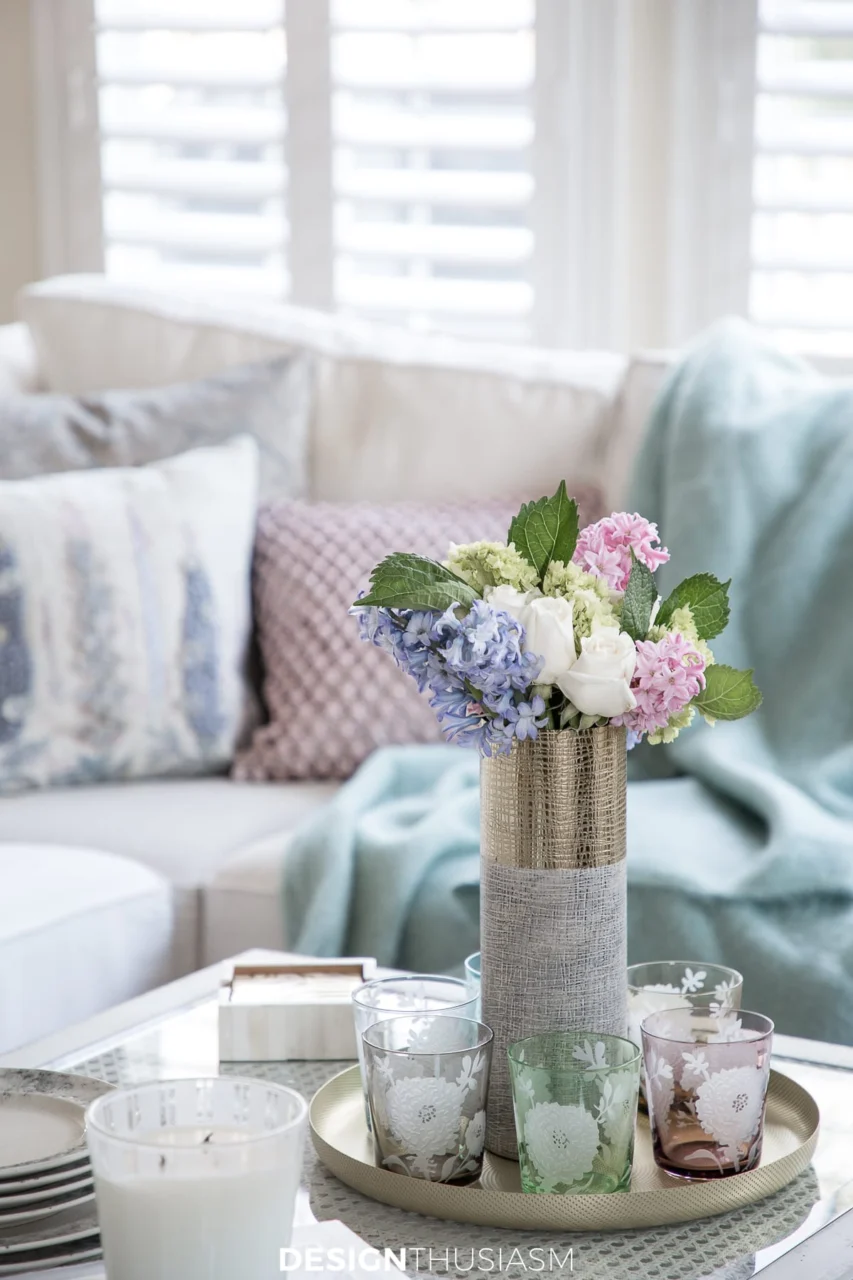
A neutral base of walls, floor, and large furniture lets you change the vibe easily. Small accessories like vases, trays, or artwork bring in color without a big commitment.
Pick accessories in shades you love, such as soft terracotta or deep olive. Change them whenever you feel like a new look.
Accessories can collect dust, so clean them regularly. Avoid over‑accessorizing, which can make the room feel busy.
14. Try removable wallpaper or decals
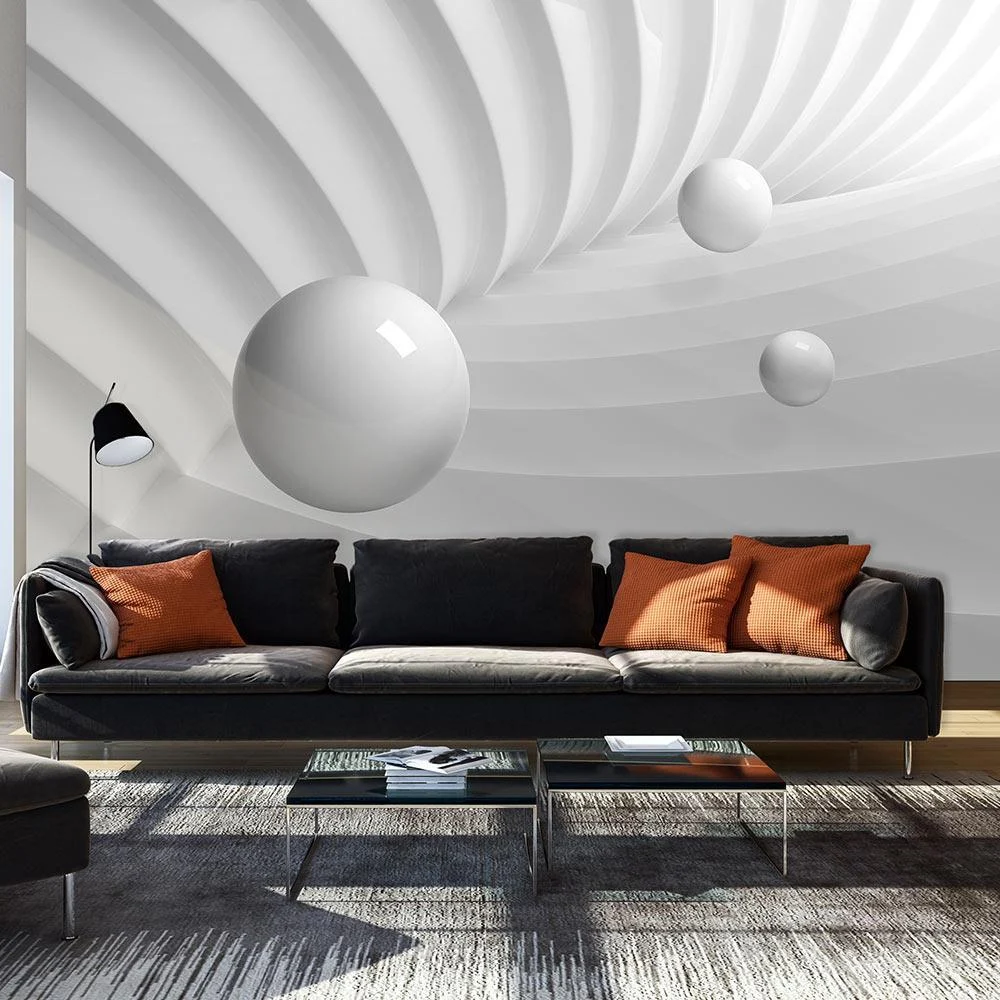
Peel‑and‑stick wallpaper adds pattern to a single wall without paint. It can be removed when you move, keeping the landlord happy.
Measure the wall and cut the sheets to fit. Apply the paper slowly, smoothing out bubbles with a credit card.
Some adhesives may leave a faint residue. Test a small hidden spot first to be safe.
15. Create a coffee corner
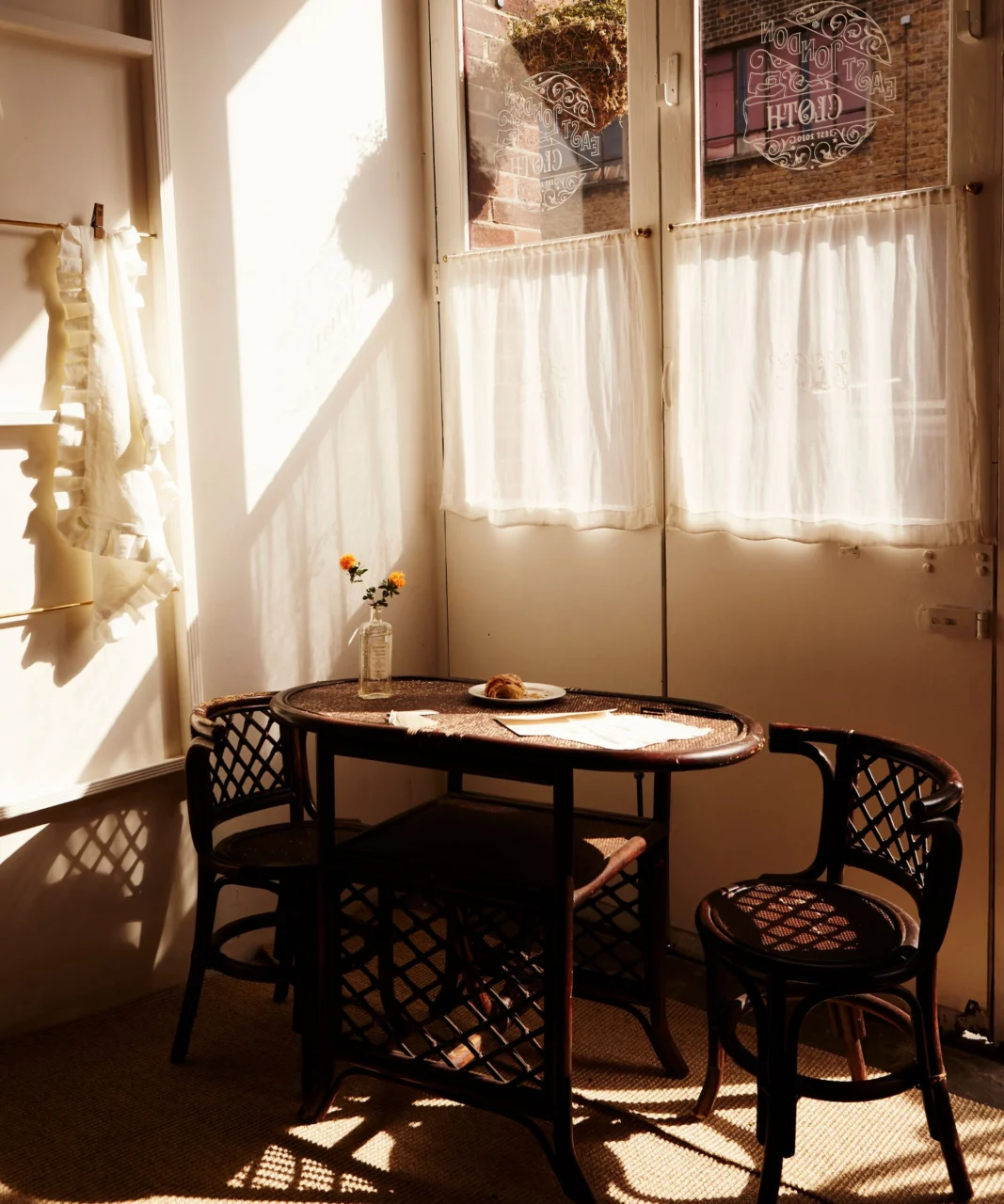
A small table with a kettle, mugs, and a jar of coffee beans makes a cozy spot for mornings. It adds function without taking up much room.
Choose a narrow side table that fits near a power outlet. Add a small tray to keep cups and spoons tidy.
Keep the area clear of clutter to avoid spills. If space is tight, use a wall‑mounted shelf instead of a table.
16. Organize the entryway with a shoe rack
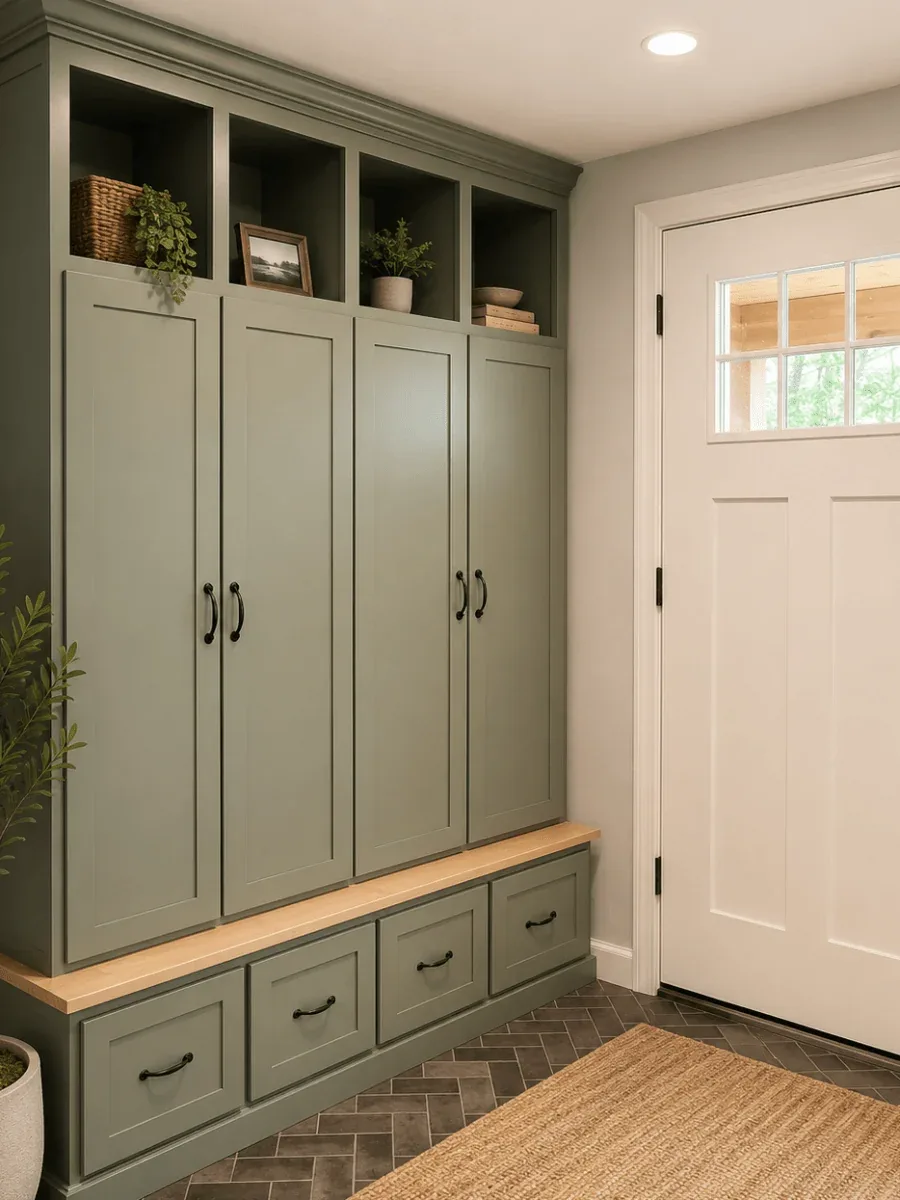
A slim shoe rack at the door stops shoes from scattering across the floor. It also gives a place to drop keys and mail.
Pick a rack that fits the width of your doorway and has two to three tiers. Place a small basket on top for loose items.
Shoes can bring in dirt, so wipe them before storing. If you have many pairs, rotate seasonally to keep the rack manageable.
How can I make a small studio feel larger?
Use light colors on walls and keep furniture low to the floor. Mirrors and strategic lighting bounce light around, creating the sense of more space.
What are cheap ways to add storage in a rental?
Adhesive hooks, open shelves, and storage ottomans give extra space without drilling. Look for pieces that can be moved easily when you move.
Can I hang things on walls without damaging paint?
Yes, use removable command strips or small nails that can be filled later. Make sure the weight limit matches the item you’re hanging.
How do I choose a rug size for a tiny floor plan?
Pick a rug that fits under the front legs of your main furniture. This anchors the space while still showing some floor around the edges.
Is it okay to use plants in a low‑light apartment?
Some plants, like snake plant and ZZ plant, thrive in low light. Place them near a window for a little extra brightness.


Leave a Reply