Sunken Hot Tub Ideas for a Luxe Backyard
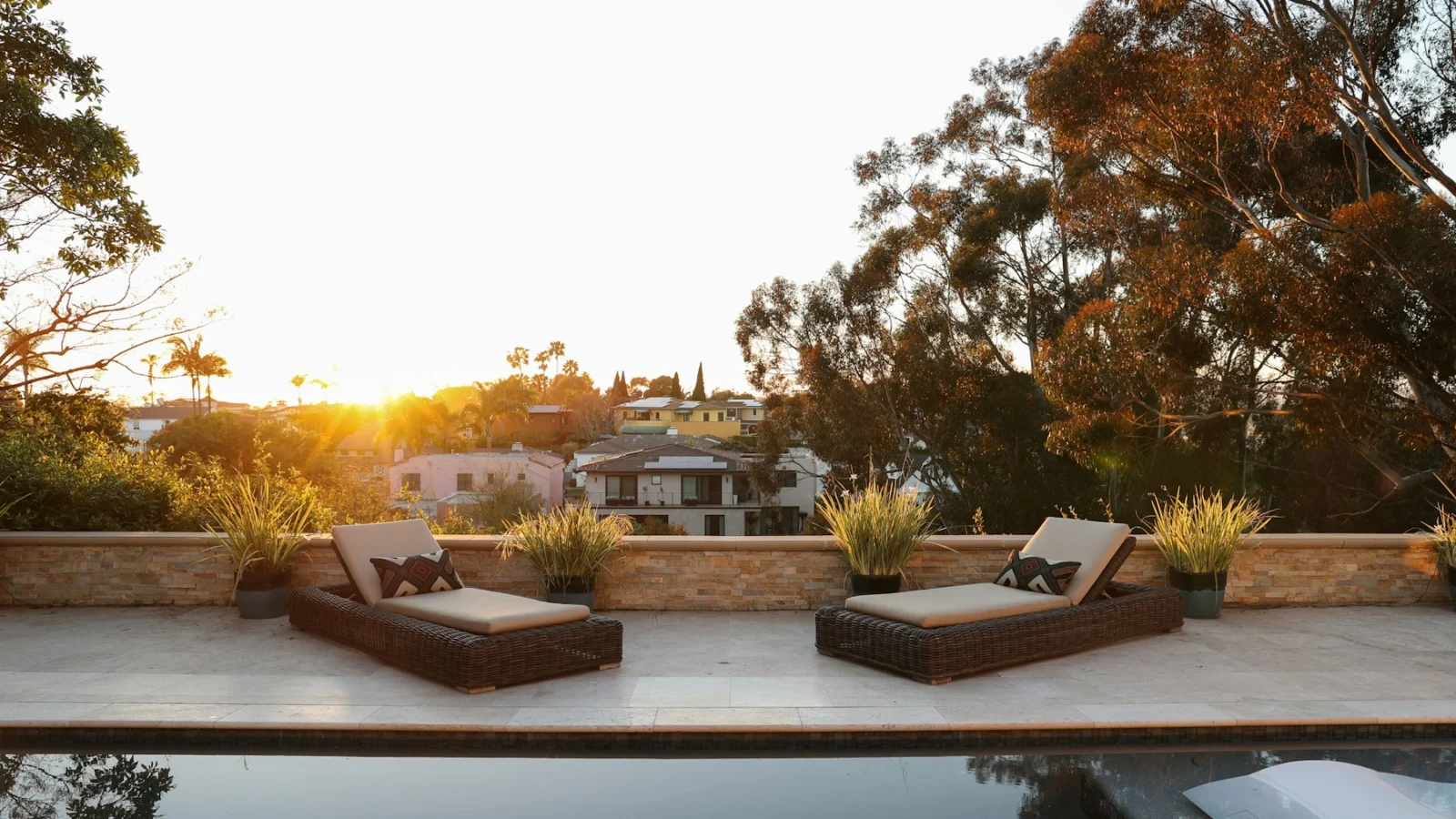
When a backyard feels more like a private retreat than a simple outdoor space, the addition of a sunken hot tub can become the focal point that ties everything together. A well‑designed plunge not only offers a place to unwind after a long day, but it also creates visual depth, invites thoughtful landscaping, and can elevate the overall flow of your outdoor rooms. Below are seven distinct approaches that blend form and function, each with its own personality, practical considerations, and a few gentle cautions to keep the project smooth from concept to completion.

1. Stone‑Clad Recess with Natural Boulders
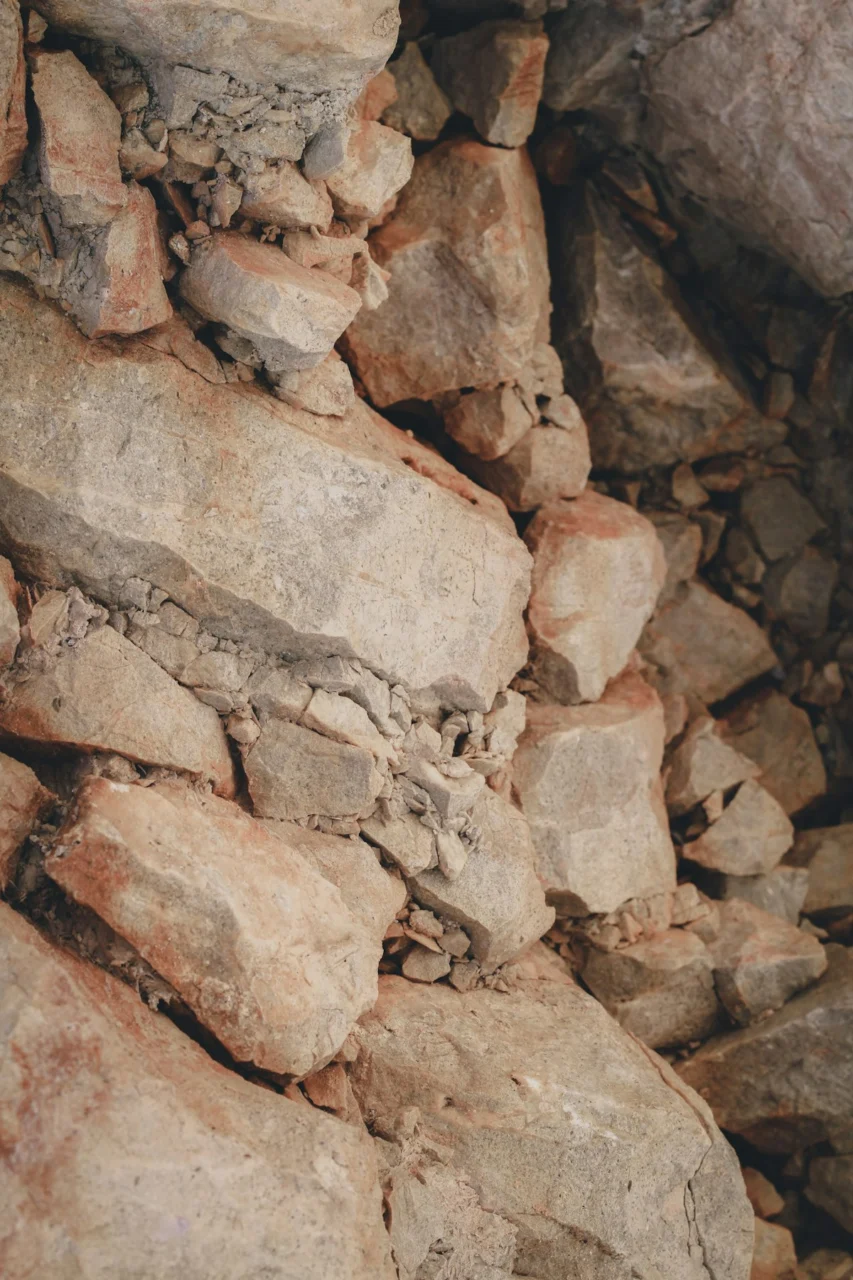
Photo by Jorge Roman on Unsplash
Carving a shallow basin out of a larger slab of flagstone or slate gives the hot tub an anchored, almost ancient feel. The surrounding stone walls can be left rough‑hewn for texture, or they can be smoothed and sealed for a refined finish. Because stone retains heat, the water temperature stays more consistent, which can lower energy usage during cooler evenings. To complement the rugged material, pair the tub with low‑profile teak lounge chairs and a few potted succulents that thrive in well‑drained soil. A subtle advantage is that the stone naturally blends with a garden that already features rock pathways or a dry creek bed.
On the downside, installing a stone‑clad recess requires careful excavation and a solid sub‑base to prevent settling. The weight of the stone plus water means the underlying structure must be engineered to support the load, often necessitating a professional contractor. If budget constraints are a concern, consider using a single large stone veneer panel rather than a full‑wall construction, which reduces material costs while preserving the aesthetic.
2. Integrated Deck with Built‑In Seating
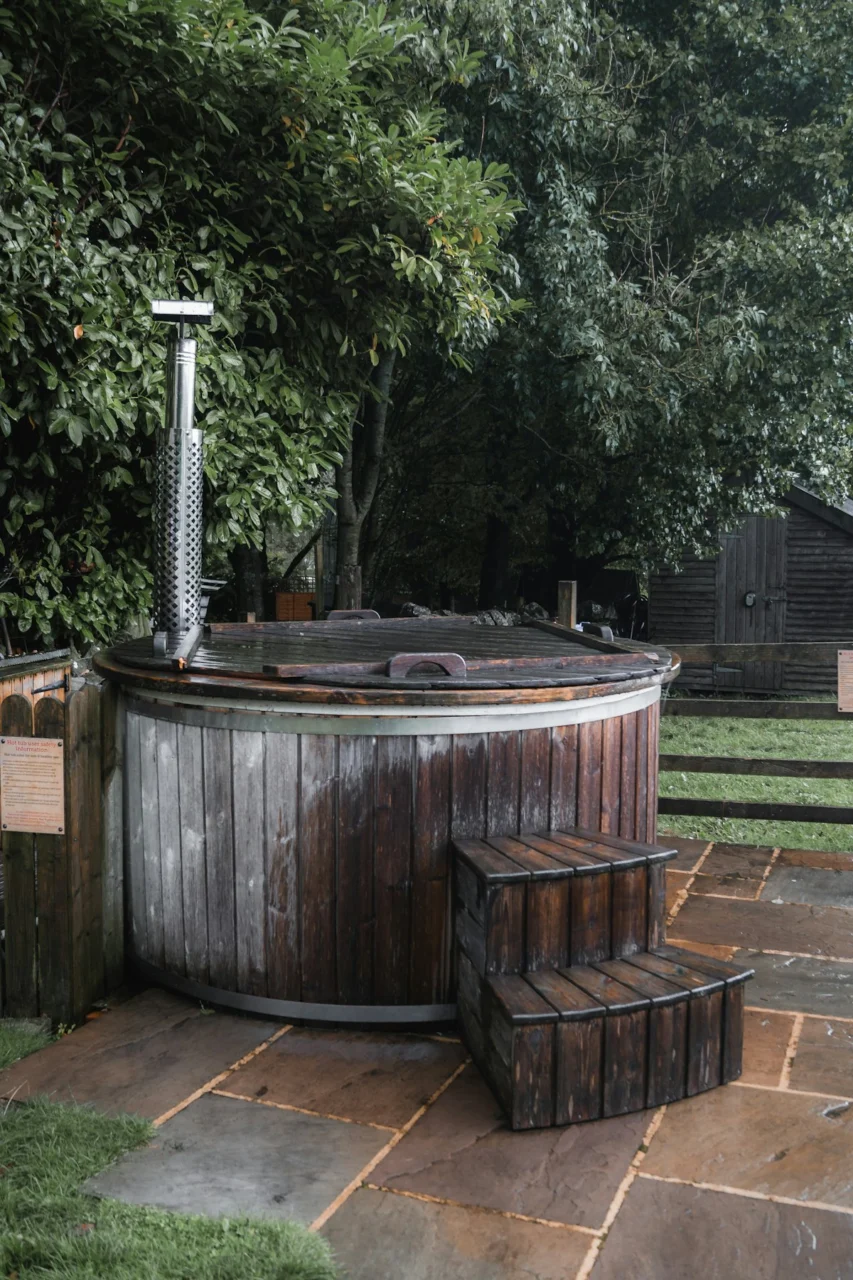
Photo by Sophie Grieve-Williams on Unsplash
Imagine stepping from a wide, timber‑deck directly into a level‑set tub that sits flush with the surrounding planks. By extending the deck surface around the perimeter of the tub, you create built‑in benches that double as seating and a place to set towels or a glass of wine. Choosing a deck material like composite or sustainably sourced cedar provides durability against moisture and a warm tone that contrasts nicely with the cool blue of the water. The continuity of the deck also makes it easier to move furniture around, allowing you to reconfigure the space for a small gathering or a quiet night under the stars.
The trade‑off here is that the deck must be carefully sealed at the tub’s edge to prevent water infiltration that could damage the joists over time. A well‑installed drainage slope away from the tub is essential; otherwise, standing water can lead to mold or rot. If you’re hesitant about a permanent deck, a modular deck tile system can be installed and removed more easily, though it may not achieve the same seamless look as a poured‑concrete deck.
3. Glass‑Enclosed Sunken Tub with Waterfall Feature
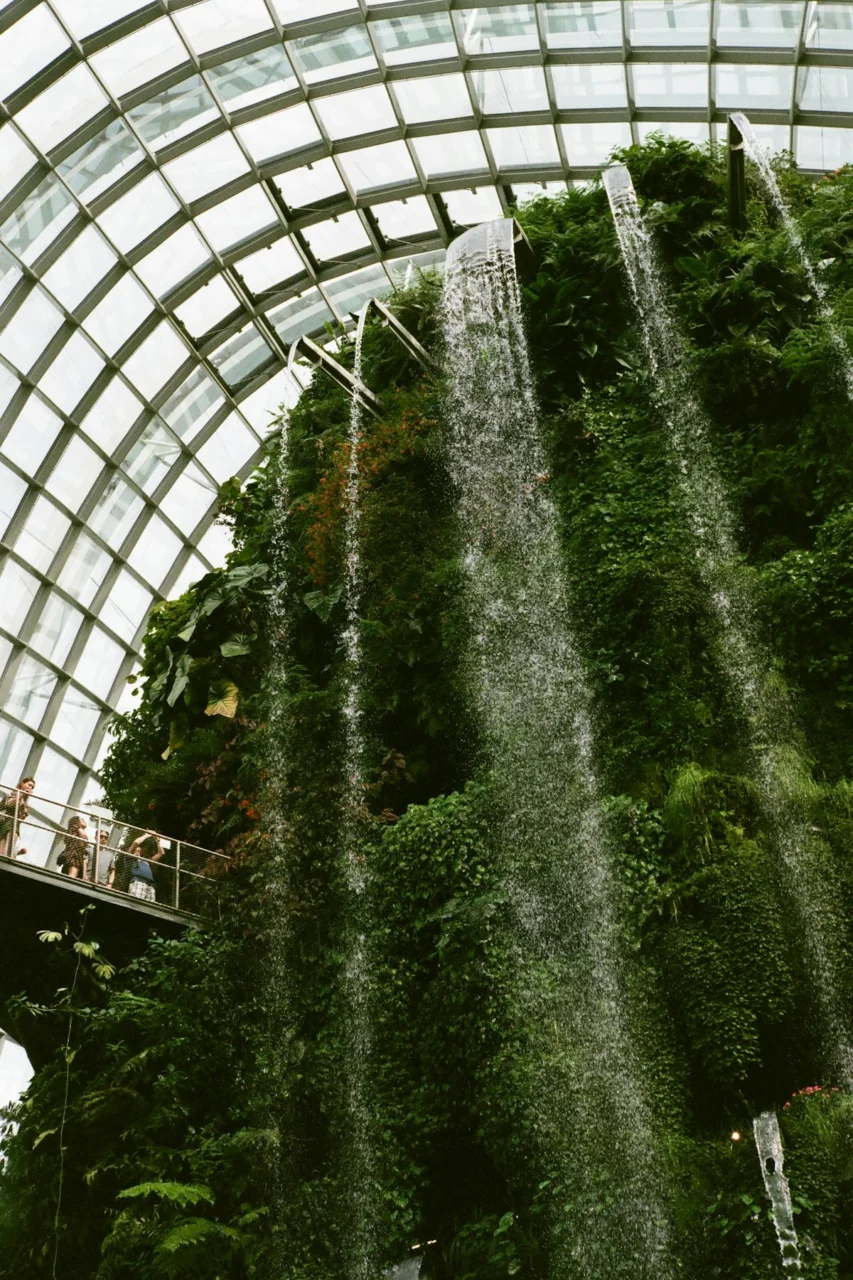
A glass enclosure around a recessed tub offers an elegant, almost indoor‑like experience while still allowing the sky to frame the scene. Frosted or low‑iron glass can be used to keep the view private without sacrificing natural light. Adding a narrow waterfall that cascades from the rim into the water not only creates soothing sound but also helps aerate the water, reducing the need for chemical treatments. The surrounding area can be finished with smooth concrete or polished river rock, and a few strategically placed uplights accentuate the water’s movement after dark.
One practical concern is the need for tempered glass and proper anchoring to meet safety standards, which can increase the initial cost. Additionally, glass surfaces require regular cleaning to prevent water spots, especially in areas with hard water. If maintenance feels daunting, a semi‑opaque acrylic panel can serve as a more budget‑friendly alternative, though it won’t provide the same level of clarity.
4. Multi‑Level Garden Terrace with Hidden Tub
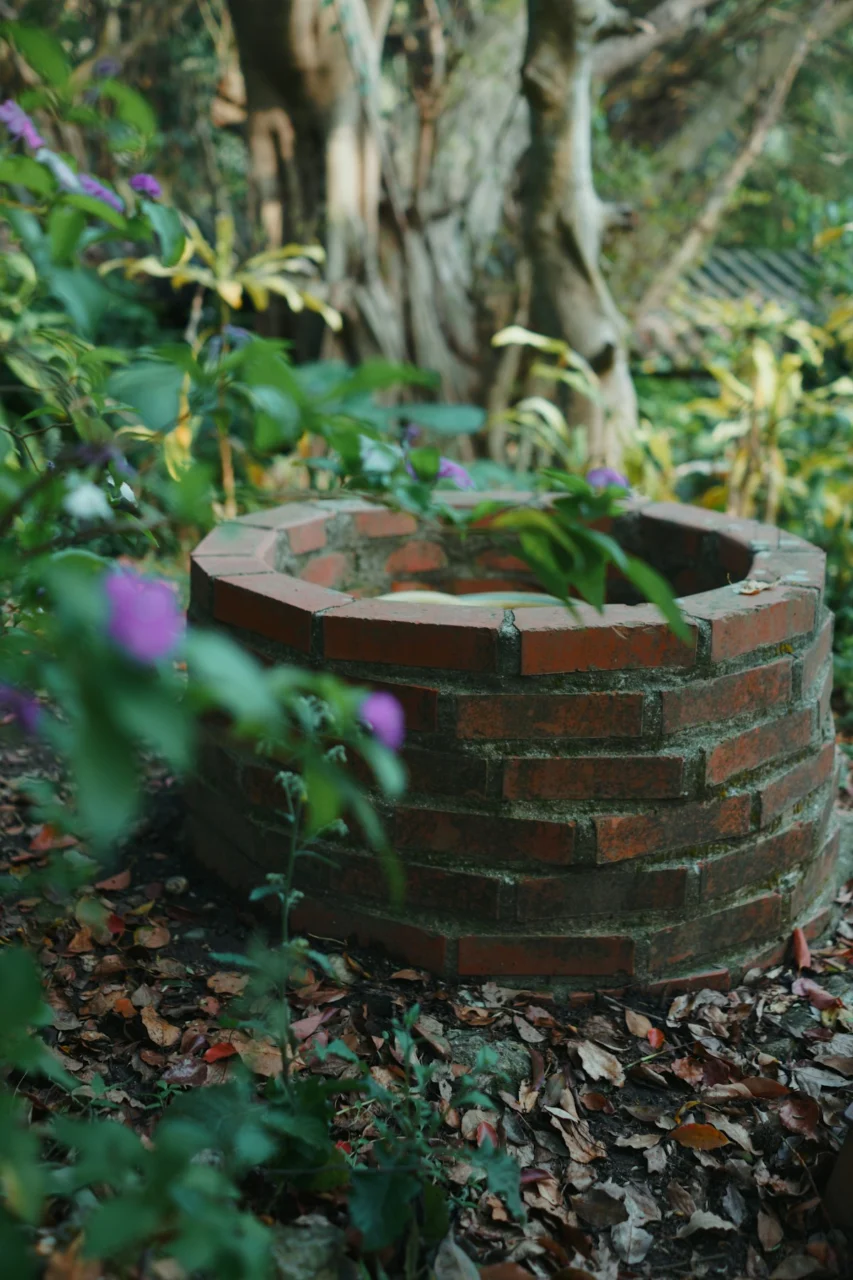
Photo by RENZILIU FUN on Unsplash
Layering the backyard into distinct terraces adds visual interest, and placing the hot tub a step or two below the main patio creates a sense of discovery. The tub can be concealed behind a low stone wall or a row of tall, evergreen shrubs, revealing itself only when the homeowner steps down. This approach works well when the garden already features varying elevations, such as a slope that leads to a meadow or a formal lawn. Incorporating ambient lighting along the stair risers and using a soft, moss‑green plant palette around the tub helps maintain a cohesive, serene environment.
The main limitation is accessibility; a sunken tub on a terrace requires a gentle ramp or wide steps to accommodate guests with limited mobility. If you anticipate frequent use by a broader range of people, consider installing a discreet handrail that blends with the stone or wood. A simple, wide‑step design with a non‑slip surface can mitigate safety concerns without compromising the aesthetic.
5. Modern Minimalist Concrete Pit
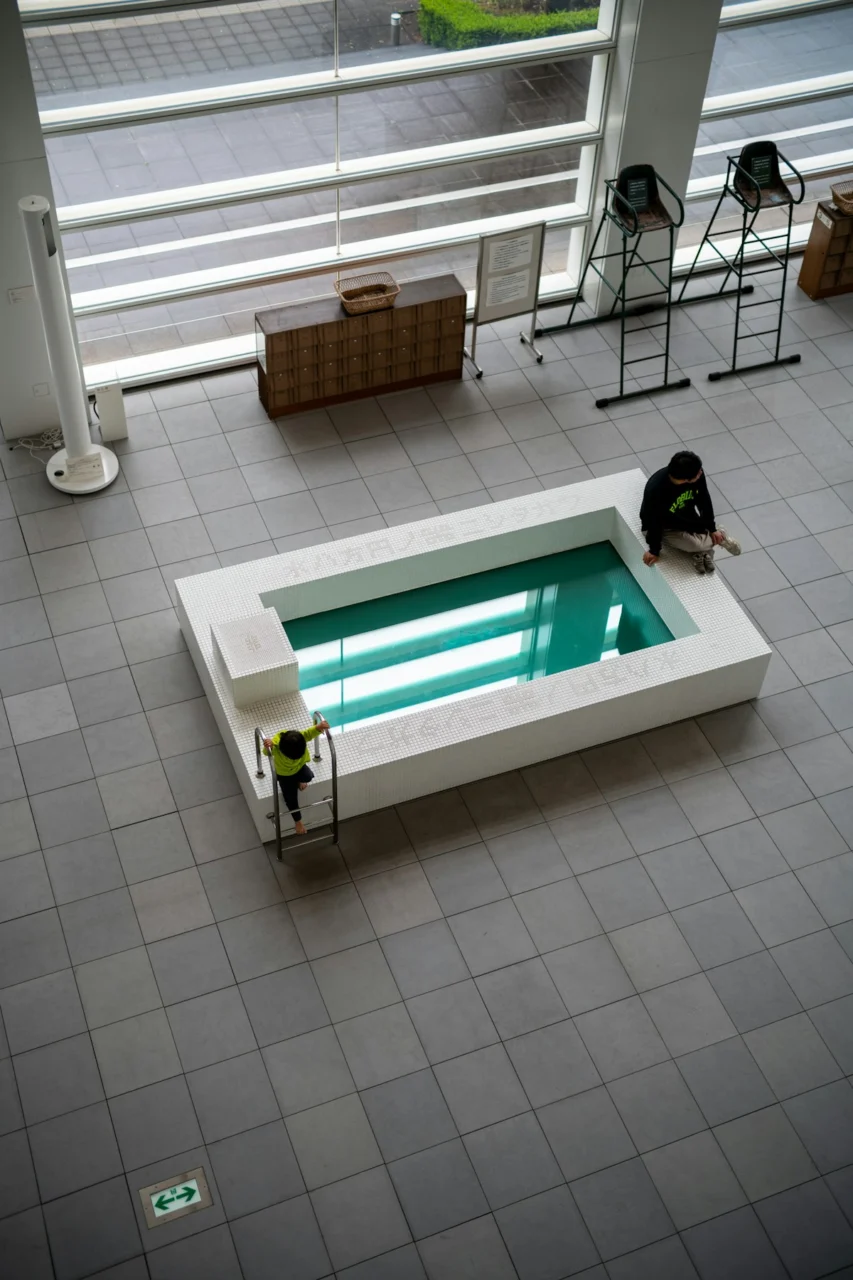
Photo by Kouji Tsuru on Unsplash
For those who favor clean lines and industrial chic, a poured‑concrete pit set into the lawn offers a striking, minimalist backdrop for a sleek hot tub. The concrete can be left raw for a brutalist vibe, or it can be stained in a light gray or warm sand tone to soften the visual impact. By keeping the surrounding landscape sparse—perhaps a few ornamental grasses and a single sculptural piece—you let the tub itself become the centerpiece. Integrated LED strips along the perimeter of the pit provide subtle illumination that highlights the water’s surface without overwhelming the space.
The primary drawback is the permanence of concrete; once poured, altering the shape or depth is difficult and costly. Additionally, concrete can retain heat, which may be beneficial in cooler climates but could make the surrounding area feel warm in the summer. If you’re unsure about committing to a full concrete pour, a pre‑cast concrete slab can be installed more quickly and removed later, though it may not achieve the same seamless integration.
6. Rustic Wood‑Lined Plunge with Fire Pit
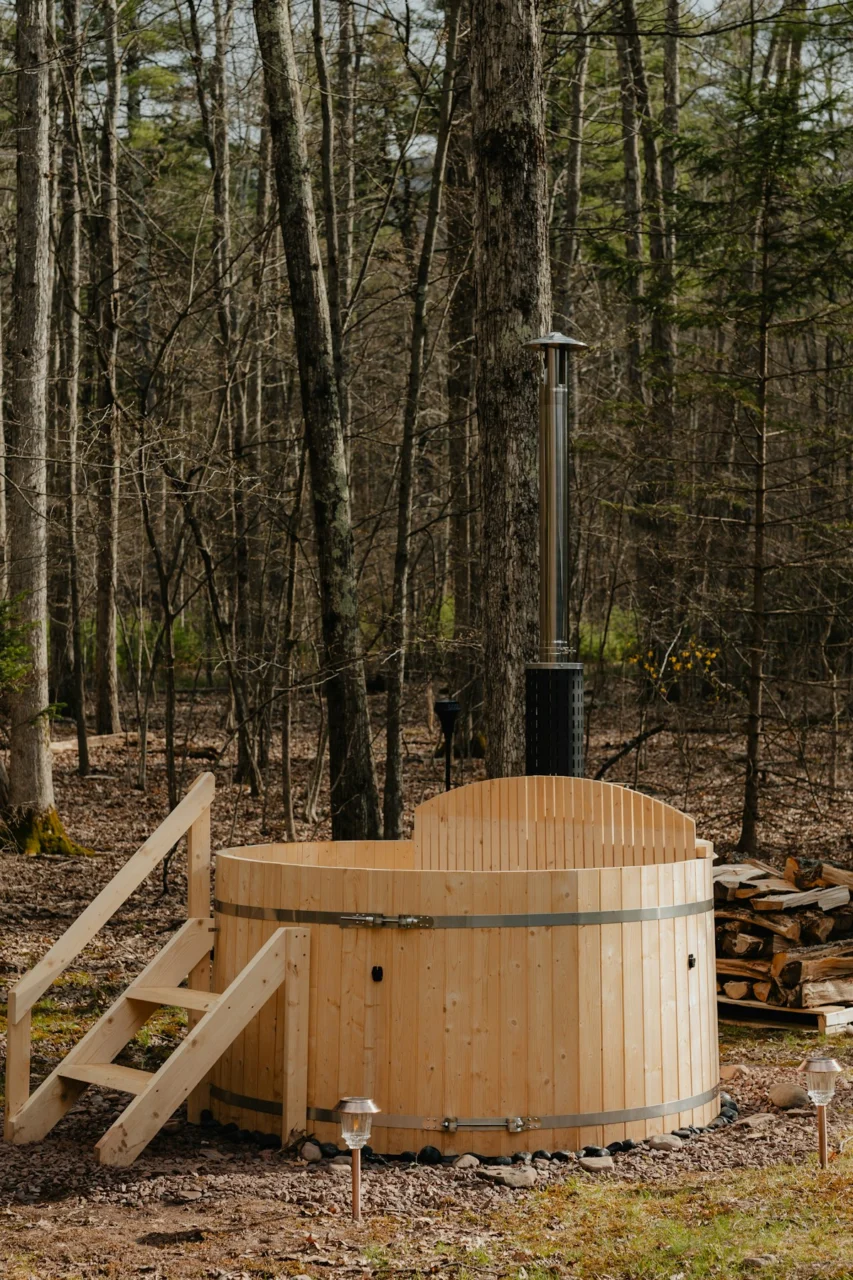
Photo by Clay Banks on Unsplash
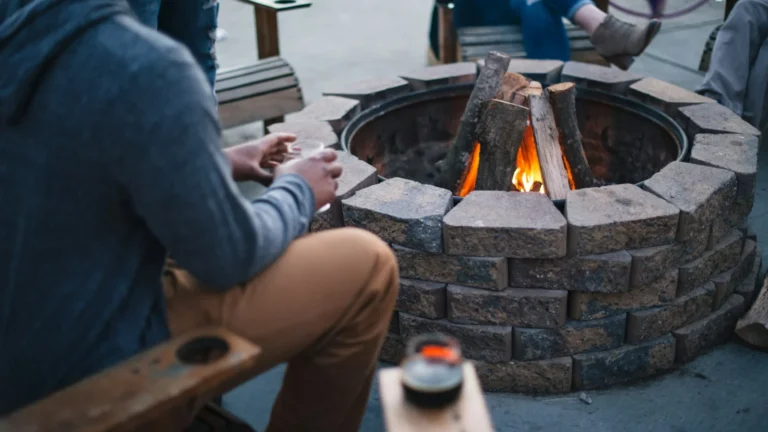
Combining a wood‑lined hot tub with an adjacent fire pit creates a cozy, cabin‑like atmosphere that invites lingering conversations. Using reclaimed cedar or pine boards for the tub’s interior adds natural aroma and a tactile warmth that contrasts with the cool water. The fire pit, positioned a few feet away on the same level, can be built from stacked river stone or a steel bowl, allowing heat to radiate without directly affecting the tub’s temperature. Soft, woven outdoor rugs and a handful of lanterns enhance the intimate feel while providing practical footing for barefoot guests.
Wood requires regular sealing to protect against moisture and prevent rot, especially in a wet environment. The combination of water and fire also calls for clear spacing—at least three feet between the tub edge and the fire pit—to comply with safety guidelines and reduce the risk of accidental splashes onto flames. If maintenance feels too demanding, a synthetic wood alternative can mimic the look while offering greater durability, though it may lack the authentic scent of real timber.
7. Covered Pergola with Retractable Canopy
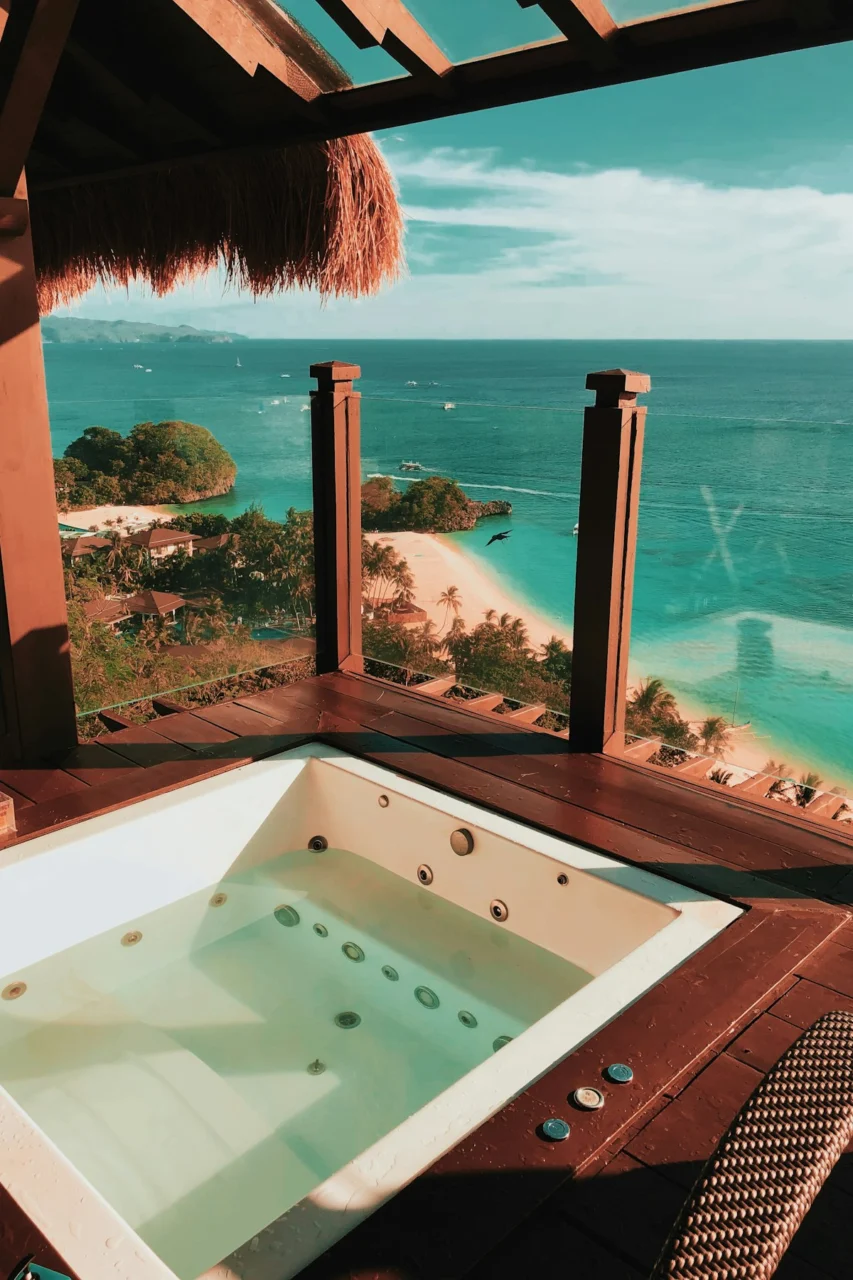
Photo by Brian Bondoc on Unsplash
A pergola that shelters a sunken hot tub adds both shade and architectural interest. By installing a retractable fabric canopy, you can open the space for starlit swims or pull it closed during intense sun, protecting the water from excessive heating and reducing evaporation. The pergola’s beams can be painted in a muted charcoal or left in natural cedar, and climbing vines such as wisteria or clematis can be trained to drape over the structure, softening the lines and adding seasonal color. Underneath, a low‑profile coffee table and a couple of plush outdoor poufs create a lounge area that feels like an extension of an indoor living room.
The main consideration is the added weight of the canopy system, which must be supported by sturdy posts and proper anchoring. In windy regions, a motorized retractable canopy with wind sensors can prevent damage, though it raises the cost. If a motorized option isn’t feasible, a manual fabric that can be tied back with decorative cords offers a simpler solution, albeit with less convenience.
FAQ

Photo by camera obscura on Unsplash
How deep should a sunken hot tub be?
A comfortable depth ranges from 3 to 4 feet, allowing most users to sit upright while the water reaches the shoulders.
Do I need a permit for a recessed hot tub?
Most municipalities require a building permit for any excavation that exceeds a certain depth or alters the site’s drainage.
What type of lighting works best around a sunken tub?
Soft, low‑voltage LED fixtures placed at the tub’s perimeter or hidden in steps provide gentle illumination without glare.
Can I install a hot tub myself?
While the tub itself can be placed by a competent DIYer, the electrical and plumbing connections should be handled by licensed professionals to meet safety codes.
How do I keep the water clean without harsh chemicals?
Using a high‑efficiency filtration system combined with occasional ozone or UV treatment reduces reliance on chlorine while maintaining clear water.
Final Thoughts
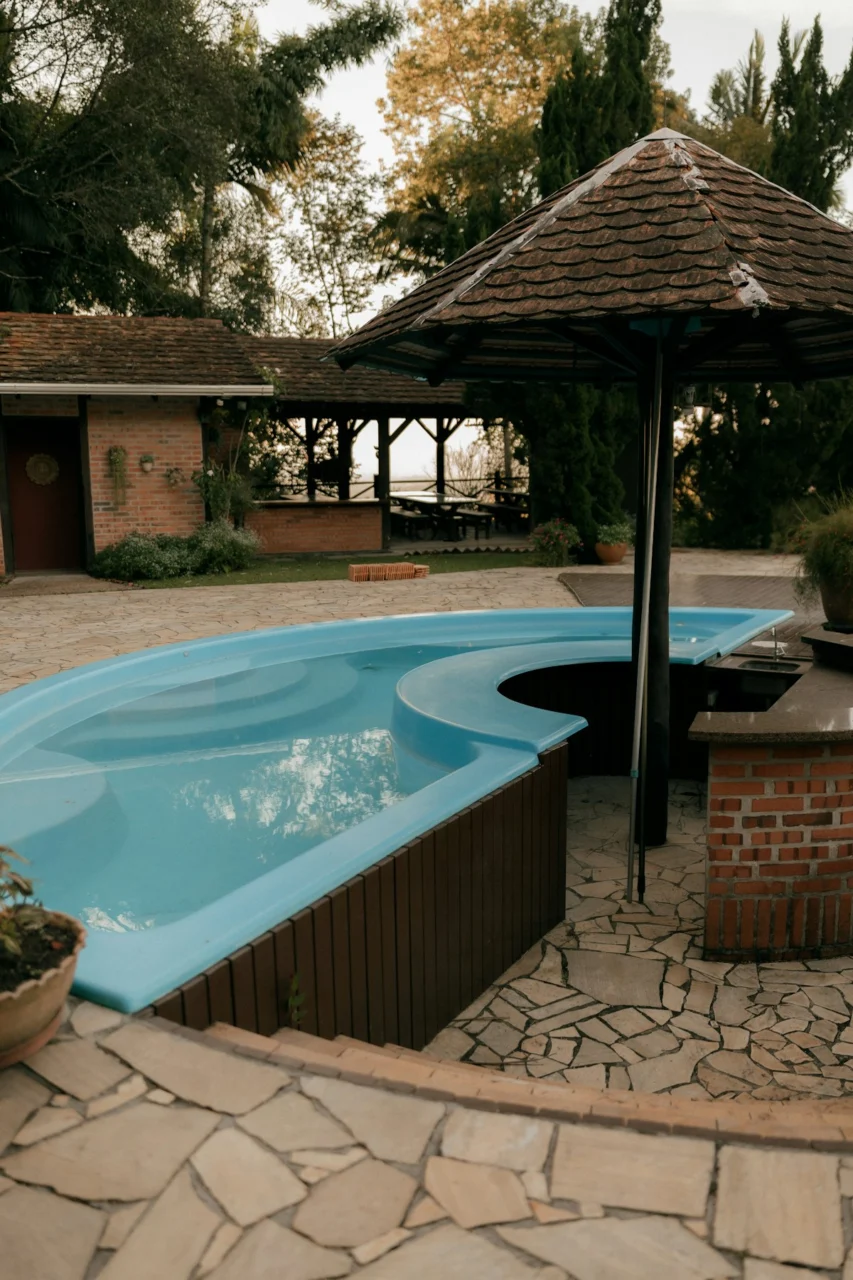
Photo by Alexander Mass on Unsplash
Choosing the right sunken hot tub design hinges on how you envision using the space, the existing style of your backyard, and the level of upkeep you’re prepared to manage. Whether you gravitate toward the timeless solidity of stone, the sleek allure of glass, or the rustic charm of reclaimed wood, each idea offers a pathway to a more inviting outdoor sanctuary. By weighing the practical trade‑offs—structural requirements, maintenance commitments, and safety considerations—you can create a backyard retreat that feels both luxurious and genuinely yours.