Fun & Creative Kids Room Ideas They’ll Never Want to Leave
Finding a balance between a space that feels like a sanctuary for a child and a room that can handle the inevitable chaos of daily play is a common challenge. A well‑thought‑out design can turn a simple bedroom into a place where imagination thrives, bedtime feels cozy, and the urge to retreat to the hallway disappears. Below are seven ideas that blend function, comfort, and a touch of wonder, giving you a roadmap for a room that truly belongs to the little one.
1. Playful Wall Murals That Grow With Them

Photo by Max van den Oetelaar on Unsplash
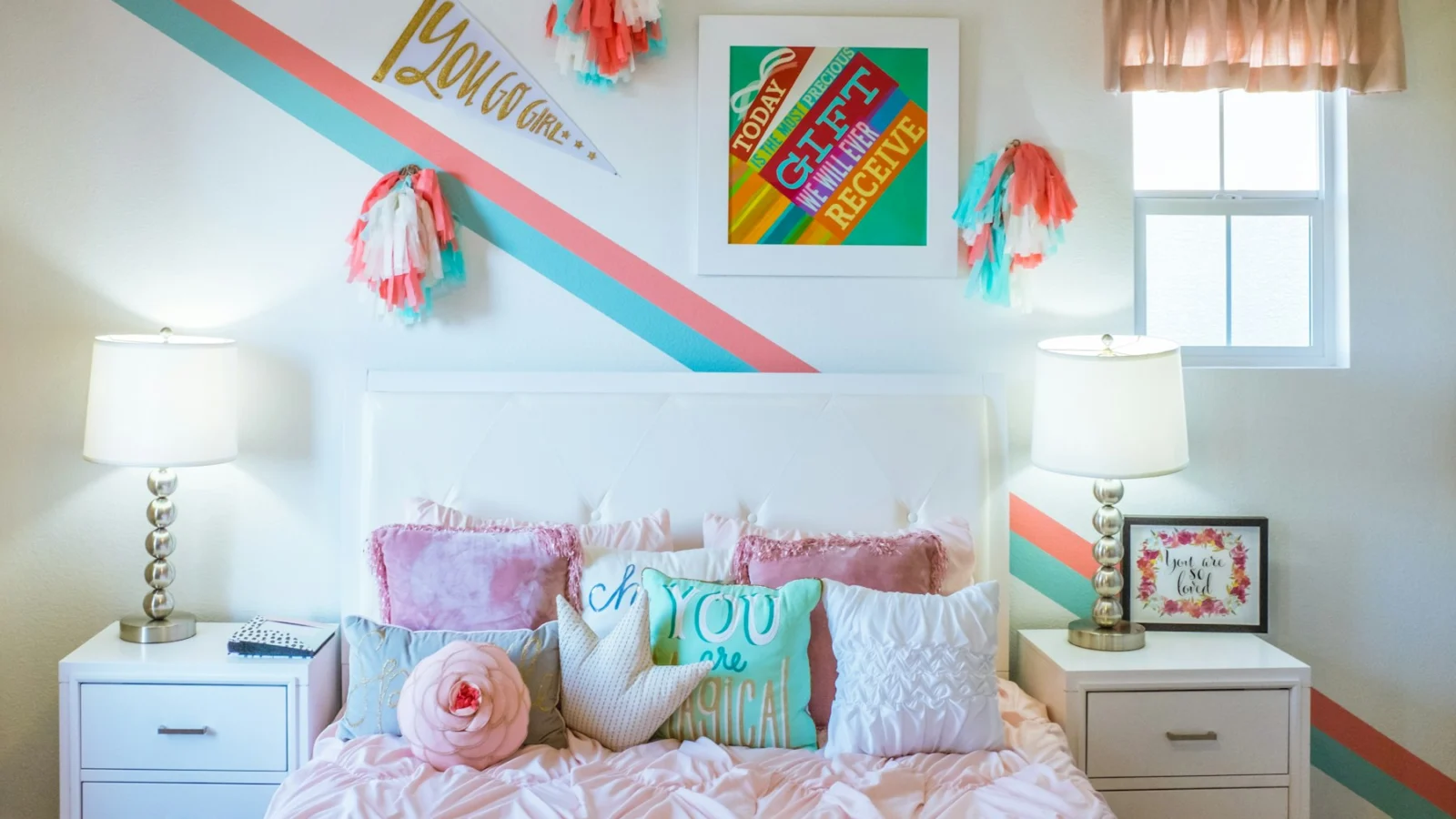
Instead of a single bold print, consider a mural that can be refreshed as interests shift. A soft, pastel sky with faint clouds provides a calm backdrop, while interchangeable panels—such as a removable forest strip or a nautical border—allow you to swap elements without repainting. The key is using low‑VOC, washable paint and mounting the panels on a magnetic or Velcro system that stays secure but is easy for an adult to change. This approach respects the child’s evolving tastes while keeping the wall durable enough for occasional crayon marks. When the room needs a quick update, a new panel slides into place, giving the space a fresh look without a major renovation.
2. Multi‑Level Seating Nooks for Imagination
A low, window‑facing bench paired with a plush, oversized cushion creates a cozy reading corner that feels separate from the main sleeping area. Adding a small, sturdy step stool or a set of modular floor cubes lets the child climb up to a higher perch, perfect for pretending to be a captain on a ship or a spy in a secret hideout. The mix of wood and soft fabric offers both stability and comfort, while the varied heights encourage movement and help develop balance. Keep the floor clear of sharp edges and choose fabrics that can be vacuumed or spot‑cleaned, ensuring the nook stays inviting over the years.
3. Built‑In Storage That Doubles as Display
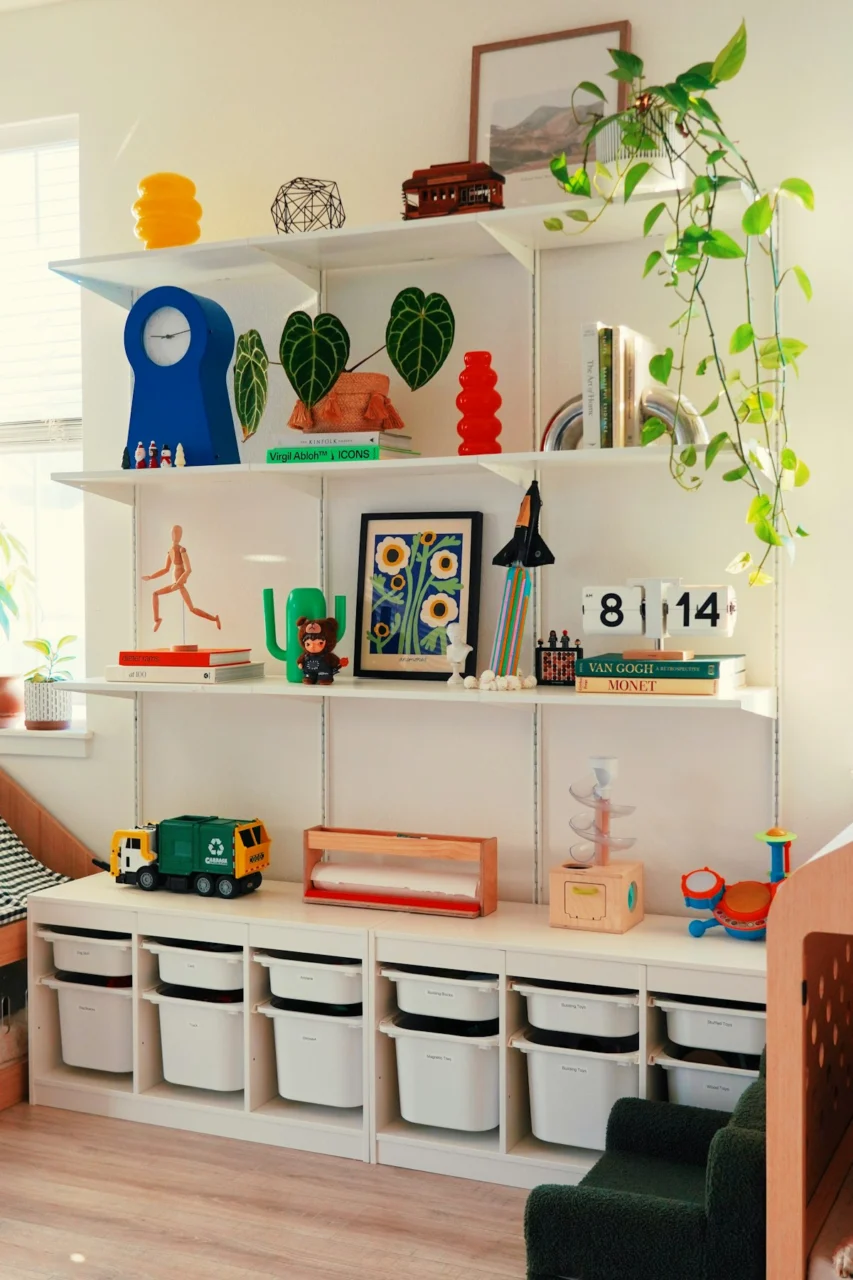
Photo by Kailun Zhang on Unsplash
Open shelving at child‑height invites kids to curate their own collections, whether it’s a row of favorite books, a handful of treasured toys, or a rotating showcase of artwork. By integrating shallow cubbies beneath the bed or along one wall, you provide a place for larger items like stuffed animals without sacrificing floor space. Using a mix of natural pine and painted finishes creates visual interest while remaining sturdy enough for frequent handling. Adding simple fabric bins or woven baskets inside the cubbies helps contain smaller pieces and makes tidy‑up a game rather than a chore. The trade‑off is that open storage requires regular organization, but the sense of ownership it gives a child often outweighs the extra effort.
4. Soft Lighting Layers for Mood and Safety
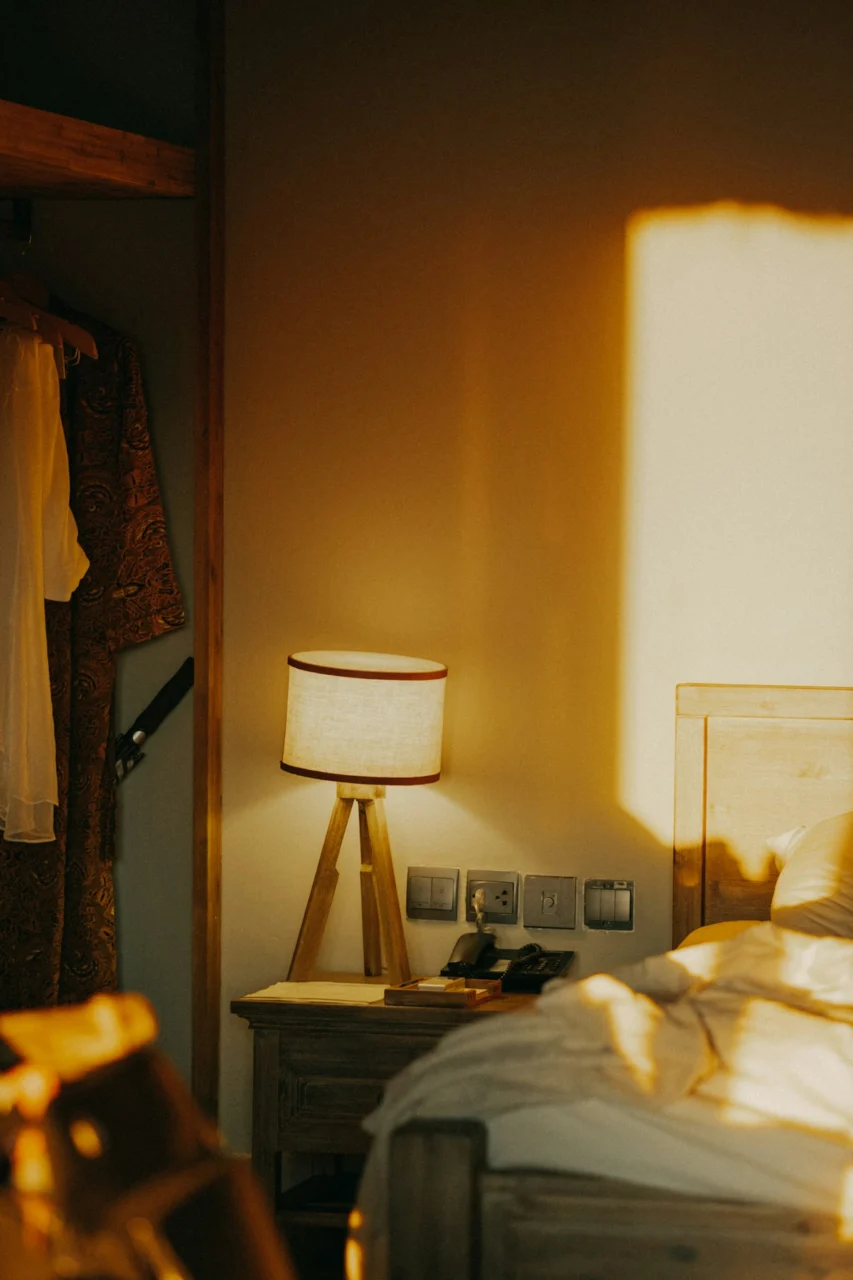
Photo by Pew Nguyen on Unsplash
A combination of overhead LED fixtures, a low‑profile nightlight, and a table lamp with a dimmer switch offers flexibility for bedtime routines, homework, and imaginative play. Warm‑white LEDs mimic natural daylight without being harsh on the eyes, while a plug‑in nightlight with a gentle glow guides sleepy footsteps without disrupting rest. Placing a lamp beside the reading nook creates a focused pool of light that encourages lingering with a book. When choosing fixtures, look for rounded edges and sturdy cords that are out of reach, ensuring the setup remains safe as the child grows.
5. Textured Flooring That Invites Bare Feet

Photo by Mauro Mathys on Unsplash
Hardwood floors softened with a large, low‑pile rug provide a tactile surface that feels pleasant under bare feet while standing up to spills. A rug in a muted geometric pattern adds visual rhythm without overwhelming the room’s palette. Selecting a rug with a removable, washable backing makes cleaning quick after a snack or an art project. If the budget allows, a cork underlay beneath the hardwood adds an extra layer of sound absorption, reducing the echo of running footsteps. The main consideration is to avoid rugs with fringe or loose loops that could pose a tripping hazard.
6. Adjustable Desk Zones for Learning and Art
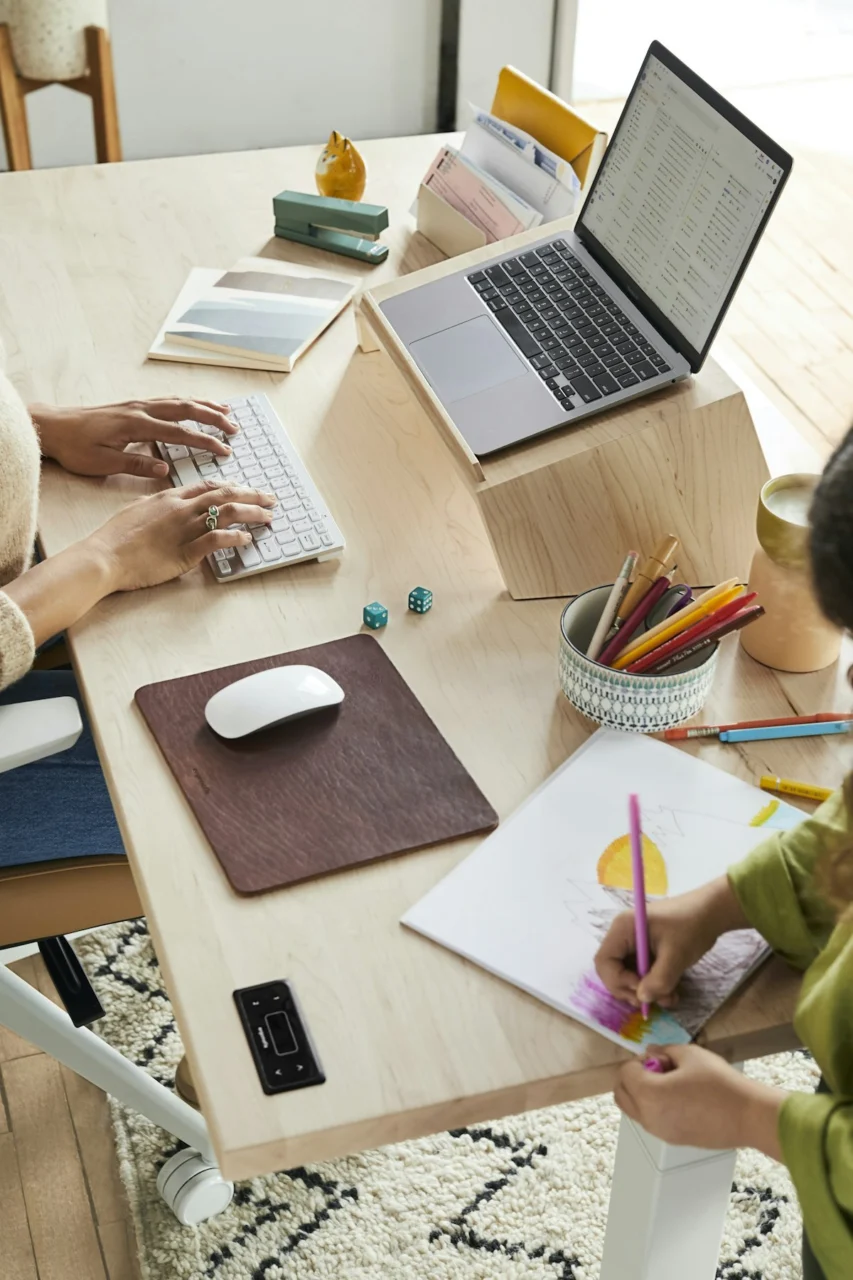
Position a height‑adjustable desk near a window to capture natural light, and pair it with an ergonomic chair that can grow with the child. A desk surface that includes a built‑in drawer or a small shelf keeps pencils, crayons, and paper within easy reach, reducing clutter on the floor. Adding a rolling storage cart on wheels lets you reposition supplies for different activities, from drawing to building blocks. When the child’s schoolwork becomes more demanding, the desk can be raised, supporting proper posture and extending the room’s usefulness well beyond the early years.
7. Personal Gallery Walls That Celebrate Their Work
Designate a section of wall for a rotating gallery of the child’s creations. Simple frames with open backs allow you to swap drawings, collages, or certificates without tools. By arranging the frames in a grid or a whimsical staggered pattern, you give the display a sense of purpose while keeping the overall look tidy. Using frames in a uniform finish—such as brushed brass or matte white—creates cohesion, and the act of choosing which piece to showcase each week can become a cherished routine. The only downside is the need for occasional re‑framing, but the boost in confidence for the young artist makes it worthwhile.
Frequently Asked Questions
Photo by Aleksandra Dementeva on Unsplash
How can I keep a kids’ room organized without constant supervision?
Incorporate storage at the child’s height and label each bin with pictures or simple words; this encourages independent tidying. When everything has a designated place, the room stays orderly longer.
What type of paint is safest for a child’s bedroom?
Low‑VOC, water‑based paints are the safest choice because they emit fewer fumes. Look for products labeled “zero VOC” and ensure the room is well‑ventilated while the paint dries.
Is carpet a good option for a kids’ room?
Carpet offers comfort underfoot but can trap dust and be harder to clean after spills. If you prefer carpet, choose a low‑pile style with a removable, washable rug on top for added practicality.
How do I make a small bedroom feel larger?
Use light, neutral wall colors and keep furniture scaled to the space; floating shelves and wall‑mounted storage free up floor area, creating a sense of openness.
What safety considerations should I keep in mind when adding lighting?
Choose fixtures with rounded edges, secure cords out of reach, and use LED bulbs that stay cool. Nightlights should be low‑intensity to avoid disrupting sleep cycles.
Final Thoughts
Photo by Caroline Badran on Unsplash
Designing a kids’ room that feels like a personal adventure while remaining functional is a rewarding project. By focusing on adaptable walls, layered seating, smart storage, gentle lighting, tactile flooring, flexible workspaces, and a space to showcase creativity, you create an environment that grows alongside the child. The effort invested now translates into a room that encourages independence, nurtures imagination, and, most importantly, becomes a place they truly love to stay in.