Best Plants for Bathroom That Thrive in Humidity: Green Picks for a Fresh Space
Bathrooms are naturally humid, but that doesn’t mean they have to feel stale. A well‑chosen plant can turn a cramped washroom into a mini‑oasis, improving air quality and adding a splash of life. Below you’ll find seven plant groups that love the moisture‑rich environment of a bathroom, along with practical tips on light, watering, and styling so you can pick the perfect green companion for your space.
1. Fern Friends: Boston Fern and Maidenhair Fern
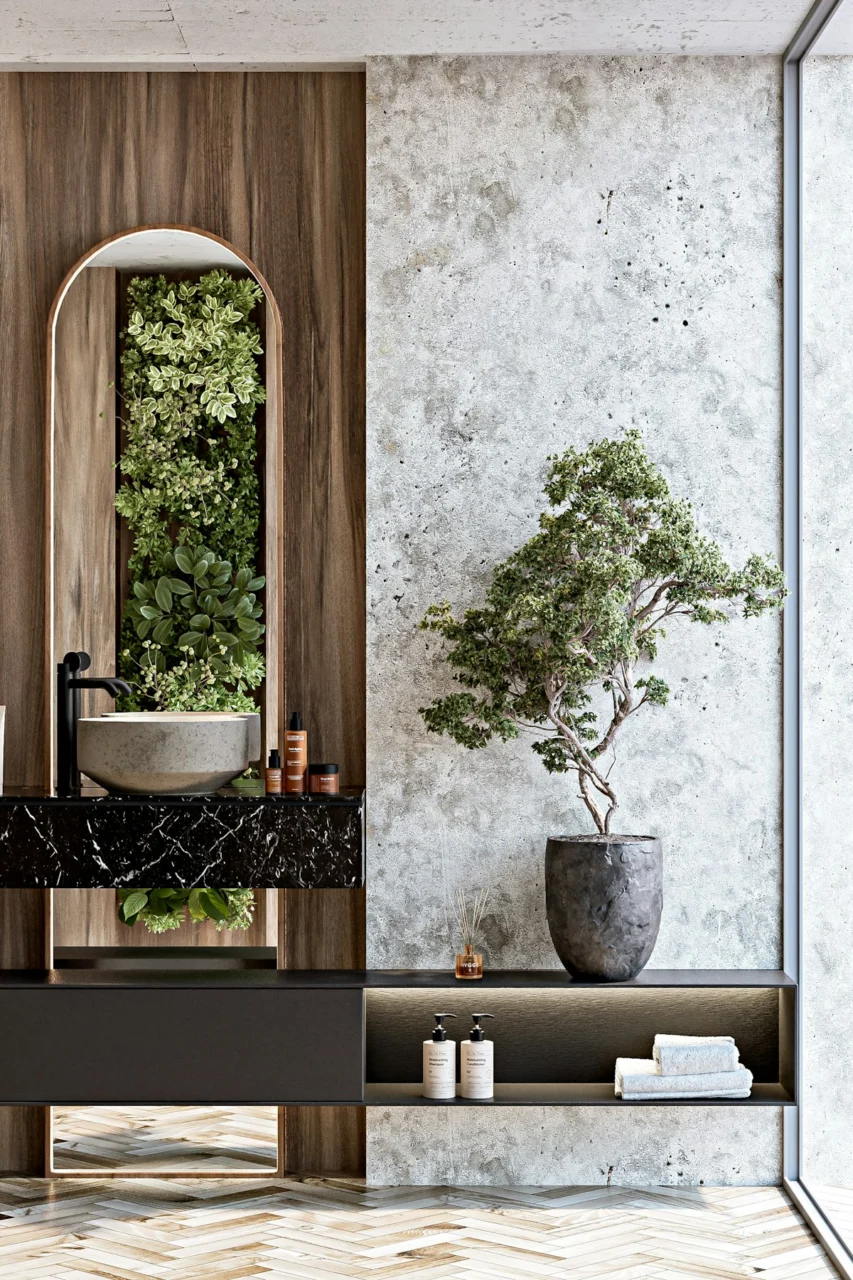
Photo by Ela De Pure on Unsplash
Ferns are classic bathroom dwellers for a reason. Their feathery fronds love the constant mist, and they thrive in indirect light.
Light & Placement
- Boston Fern (Nephrolepis exaltata): Best near a frosted window or under a skylight where light is filtered.
- Maidenhair Fern (Adiantum): Prefers a spot a few feet away from direct sunlight; a wall shelf works well.
Watering & Humidity
Both species enjoy consistently moist soil but hate soggy roots. Mist the fronds daily, and keep the pot’s drainage holes clear. In winter, reduce watering slightly but maintain humidity with a pebble tray.
Common Pitfalls
Over‑watering is the biggest mistake; brown tips signal root rot. Also, avoid placing ferns near heating vents, which can dry out the foliage quickly.
2. Air‑Purifying Heroes: Snake Plant and ZZ Plant
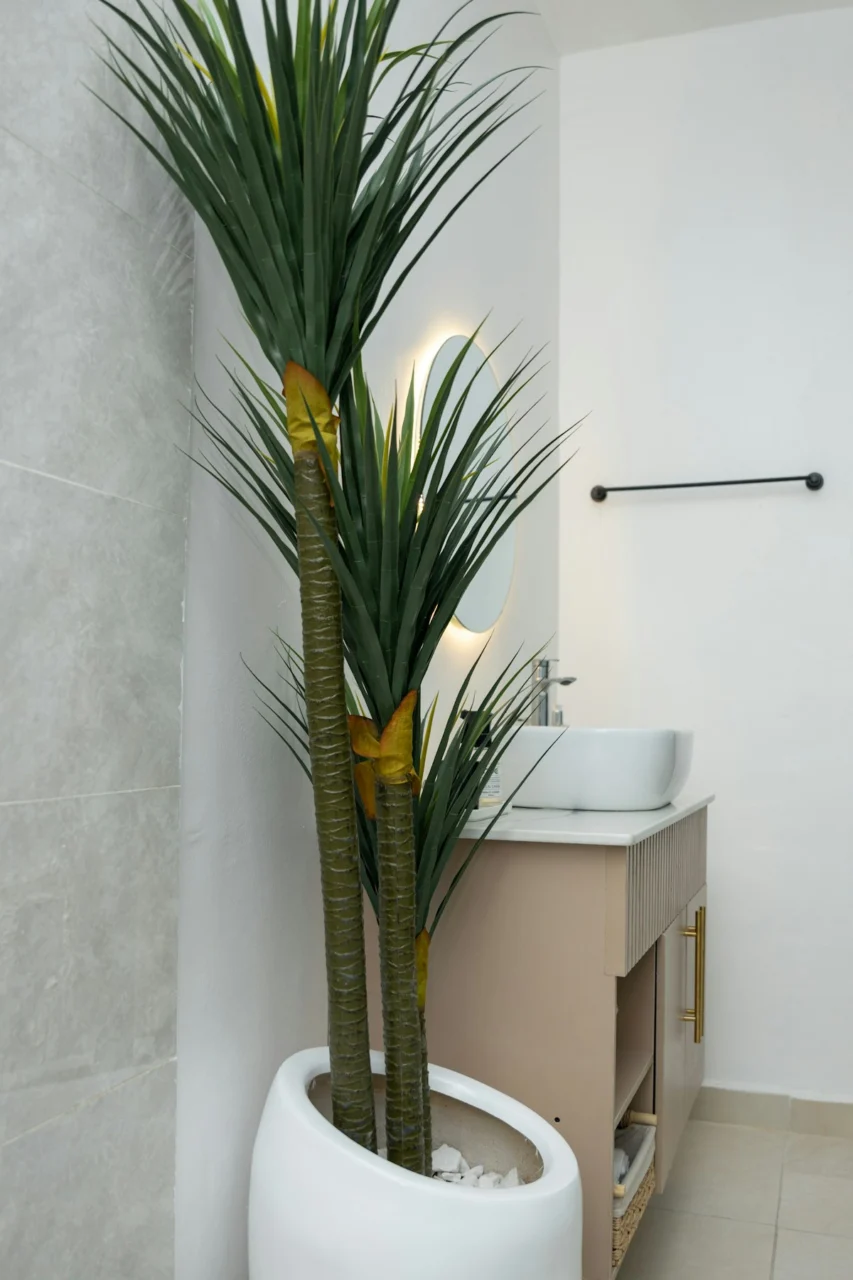
While many think these plants prefer dry air, they actually adapt well to humid bathrooms and excel at cleaning indoor pollutants.
Light & Placement
- Snake Plant (Sansevieria): Tolerates low light, so a corner behind a towel rack works fine.
- ZZ Plant (Zamioculcas zamiifolia): Thrives in medium, indirect light; a countertop near the vanity is ideal.
Watering & Humidity
Both have thick, water‑storing leaves, so they need less frequent watering—about once every 2–3 weeks. The bathroom’s humidity helps keep the leaves supple and reduces the risk of leaf scorch.
Common Pitfalls
Letting water sit in the saucer can cause root rot. Always empty excess water after each watering.
3. Tropical Vibes: Peace Lily and Philodendron
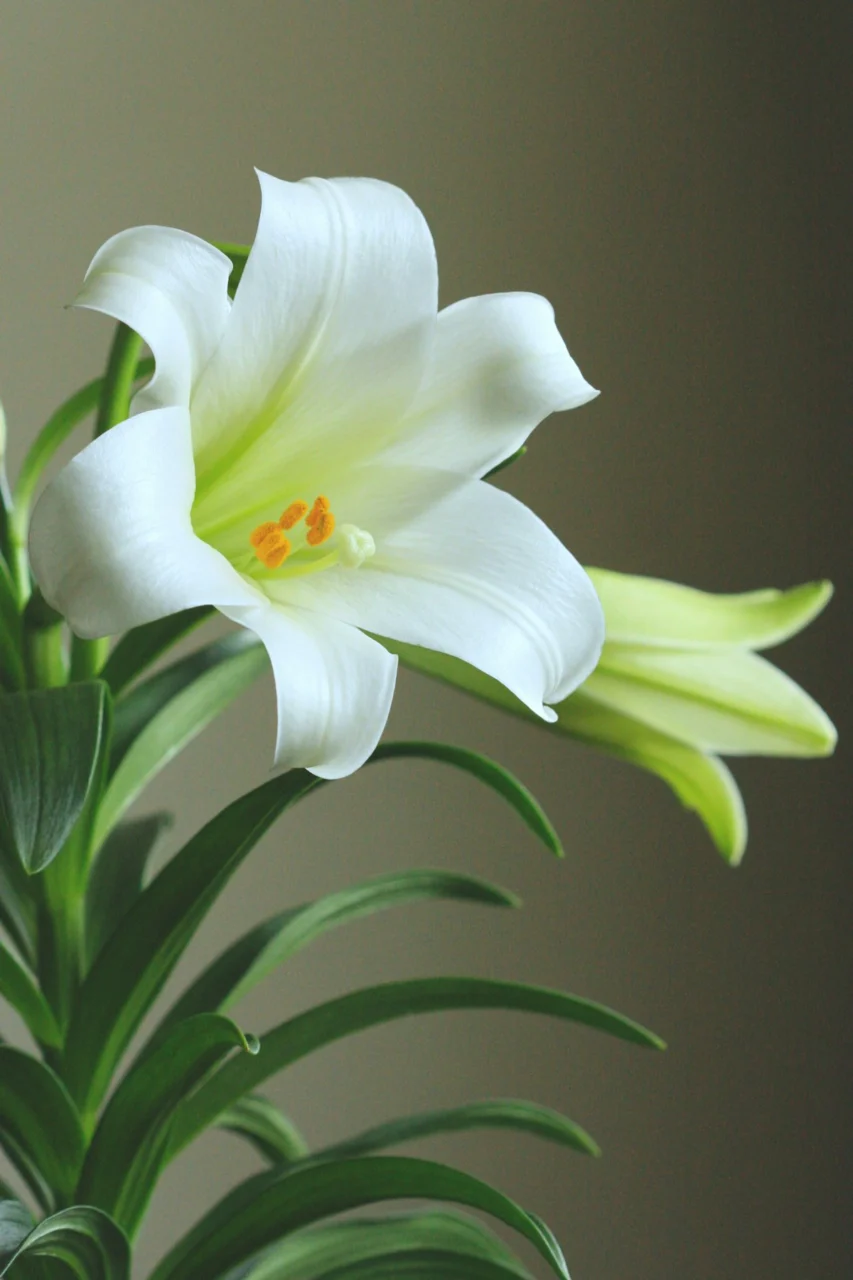
Photo by Ashlee Marie on Unsplash
These shade‑loving beauties add glossy foliage and occasional white blooms, making them perfect for low‑light bathrooms.
Light & Placement
- Peace Lily (Spathiphyllum): Flourishes in low to medium light; a windowsill that receives morning sun works well.
- Heartleaf Philodendron (Philodendron hederaceum): Ideal for hanging baskets or a high shelf where its vines can cascade.
Watering & Humidity
Peace lilies prefer soil that stays slightly damp; they’ll droop when thirsty, giving a clear visual cue. Philodendrons enjoy the humidity but dislike soggy roots—water when the top inch feels dry.
Common Pitfalls
Peace lilies are sensitive to fluoride in tap water, which can cause brown leaf tips. Use filtered or distilled water if you notice this issue.
4. Orchid Oasis: Phalaenopsis Orchid and Bromeliad
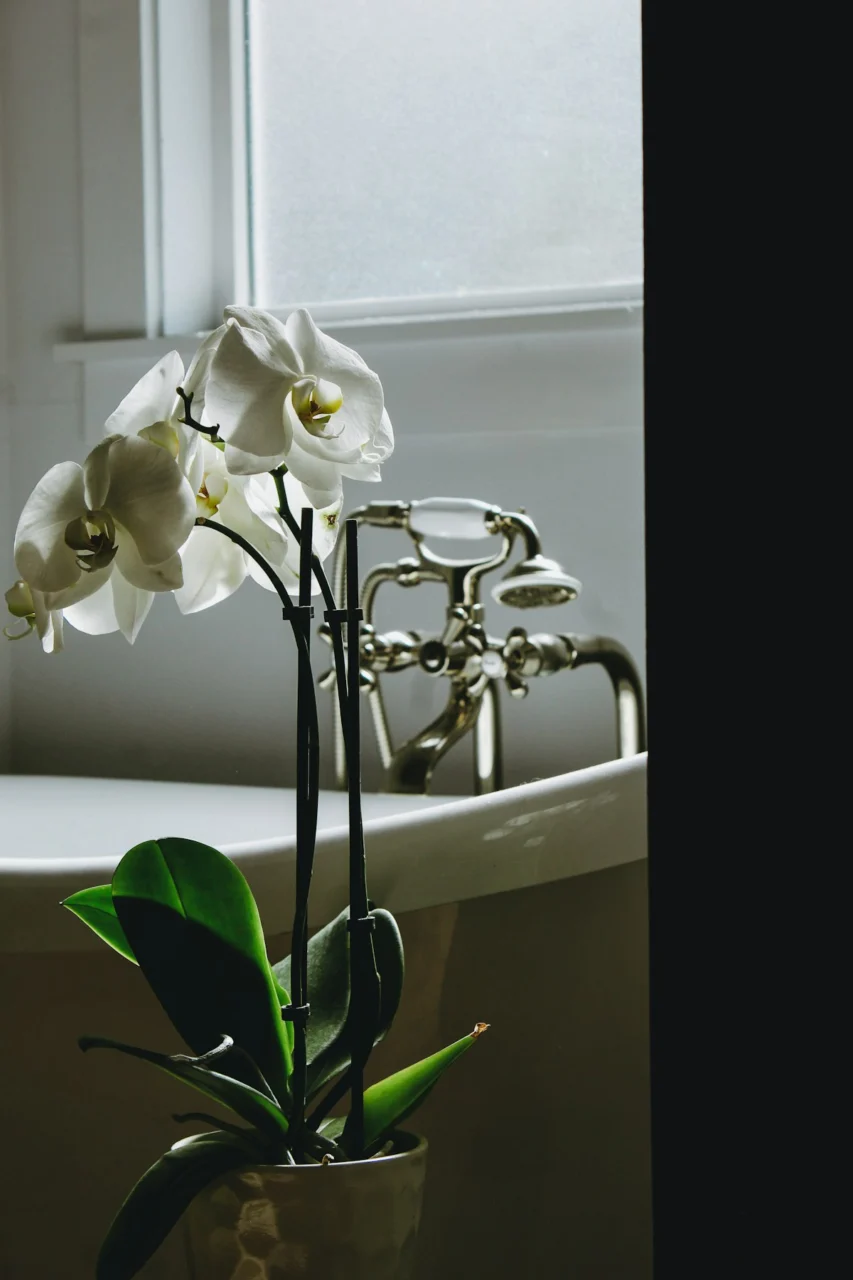
Photo by Rosemary Media on Unsplash
Orchids bring a touch of elegance to any bathroom, and they naturally thrive in warm, humid environments.
Light & Placement
- Phalaenopsis Orchid: Needs bright, indirect light; a spot opposite a frosted window is perfect.
- Bromeliad: Tolerates lower light; a high shelf near a vent works well.
Watering & Humidity
Orchids absorb moisture through their roots and the central “cup” of the plant. Mist the cup daily and water the roots every 7–10 days, allowing the medium to dry slightly between waterings.
Common Pitfalls
Leaving water in the orchid’s cup for too long can lead to rot. Empty excess liquid after each misting session.
5. Trailing Beauties: Pothos and Spider Plant
Photo by Peter Muniz on Unsplash
Both vines are forgiving, making them ideal for beginners who want a splash of green without constant supervision.
Light & Placement
- Pothos (Epipremnum aureum): Thrives in low to bright indirect light; drape it over a towel rack or a high shelf.
- Spider Plant (Chlorophytum comosum): Prefers bright, indirect light; a hanging basket near the shower wall works nicely.
Watering & Humidity
Both enjoy the bathroom’s moisture. Water when the soil feels dry to the touch—usually once a week. The extra humidity encourages fuller foliage and more frequent “baby” plant production.
Common Pitfalls
Pothos can become leggy if it receives too much direct light. Trim back long vines to encourage bushier growth.
6. Resilient Greens: Lucky Bamboo and Cast Iron Plant
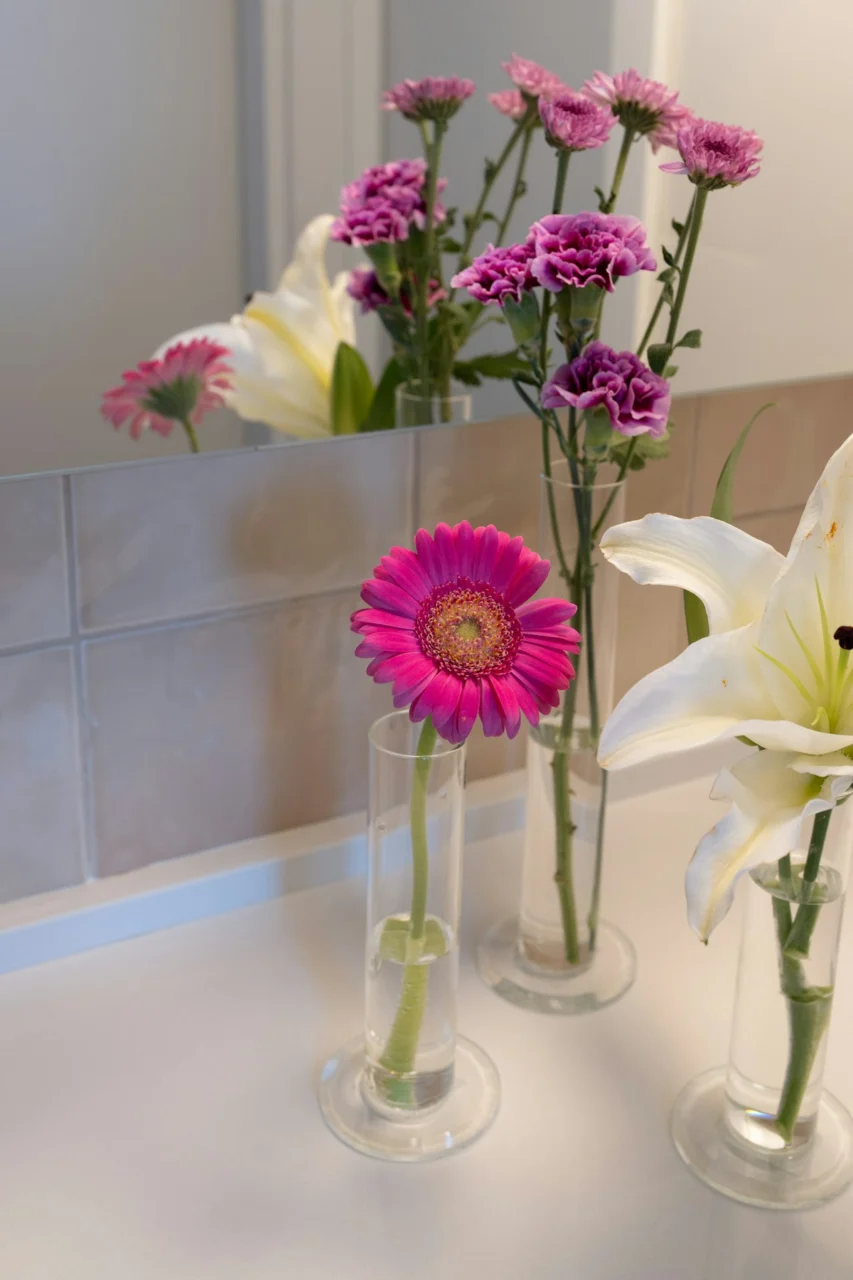
Photo by Caroline Badran on Unsplash
These low‑maintenance options add structural interest without demanding much space.
Light & Placement
- Lucky Bamboo (Dracaena sanderiana): Grows well in low light; a glass vase on a vanity adds a sleek, modern touch.
- Cast Iron Plant (Aspidistra elatior): Tolerates very low light; place it on the floor in a corner where it can anchor the room.
Watering & Humidity
Lucky bamboo can be grown in water or soil; change the water weekly if you choose the aquatic method. Cast Iron Plant prefers slightly moist soil—water sparingly, letting the top inch dry out.
Common Pitfalls
Lucky bamboo is sensitive to chlorine; use filtered water to avoid leaf yellowing. Cast Iron Plant’s slow growth can mask over‑watering, so check soil moisture regularly.
7. Air‑Rooted Accents: Tillandsia (Air Plants) and Moss Wall Panels
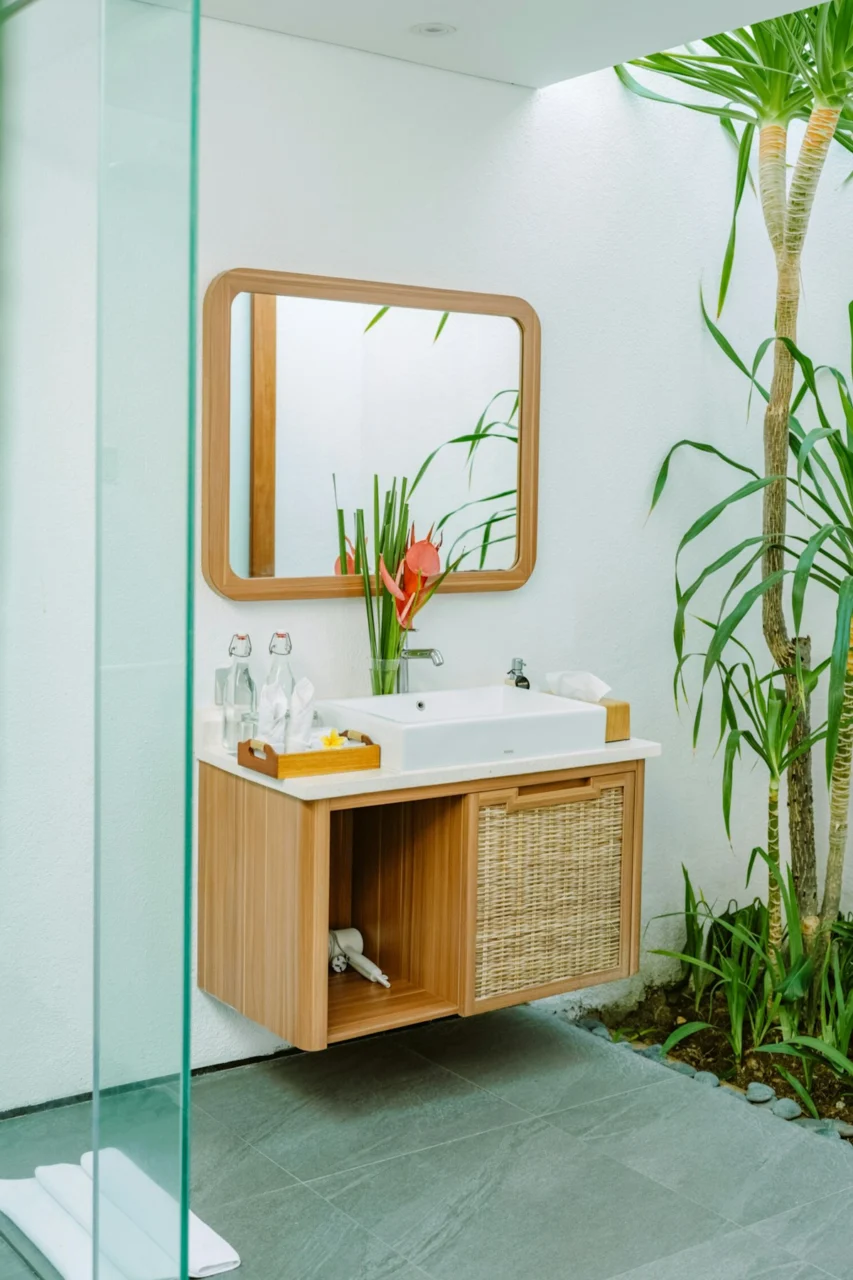
Photo by Ari Kurniawan on Unsplash
For a truly modern bathroom, consider plants that need no soil at all. They thrive on the very humidity you already have.
Light & Placement
- Tillandsia (Air Plant): Requires bright, indirect light; mount them on a decorative tile or hang from a wire near the shower.
- Moss Wall Panels: Can be installed on a small section of wall; they love diffused light and constant moisture.
Watering & Humidity
Air plants absorb water through their leaves. Mist them 2–3 times a week or soak them for 20 minutes every 2–3 weeks. Moss panels stay lush when the bathroom’s steam keeps them damp; just rinse lightly if they dry out.
Common Pitfalls
Too much direct sunlight can scorch Tillandsia. For moss, avoid mold buildup by ensuring good airflow and occasional gentle rinsing.
FAQ
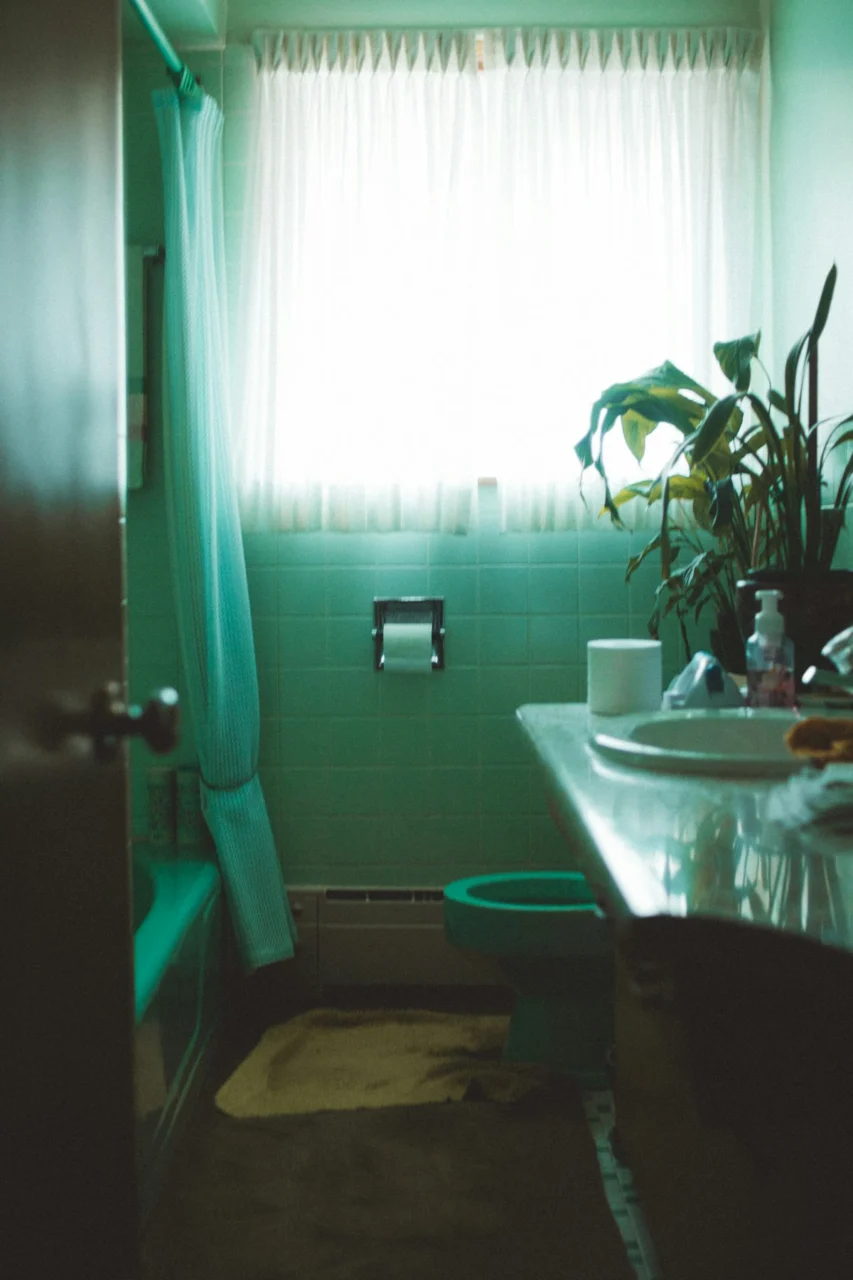
Photo by Devon Wilson on Unsplash
- Can I keep these plants in a small half‑bath? Yes. Choose compact varieties like Lucky Bamboo, Cast Iron Plant, or a small fern. Hanging or wall‑mounted options (air plants, moss panels) also save floor space.
- Do bathroom plants need special fertilizer? Most bathroom plants benefit from a balanced, water‑soluble fertilizer diluted to half strength, applied once a month during the growing season. Over‑fertilizing can cause leaf burn.
- How do I prevent mold on plant pots? Use pots with drainage holes, avoid leaving standing water, and wipe the exterior of the pot regularly. Good air circulation reduces mold risk.
- Are any of these plants toxic to pets? Snake Plant, ZZ Plant, and Pothos can be irritating if ingested. Keep them out of reach of curious cats or dogs, or choose non‑toxic alternatives like Boston Fern or Spider Plant.
- What’s the best way to deal with hard water stains on leaves? Wipe leaves with a soft, damp cloth using distilled water. For stubborn mineral buildup, a 1‑part vinegar to 4‑part water solution applied sparingly works well.
Final Thoughts
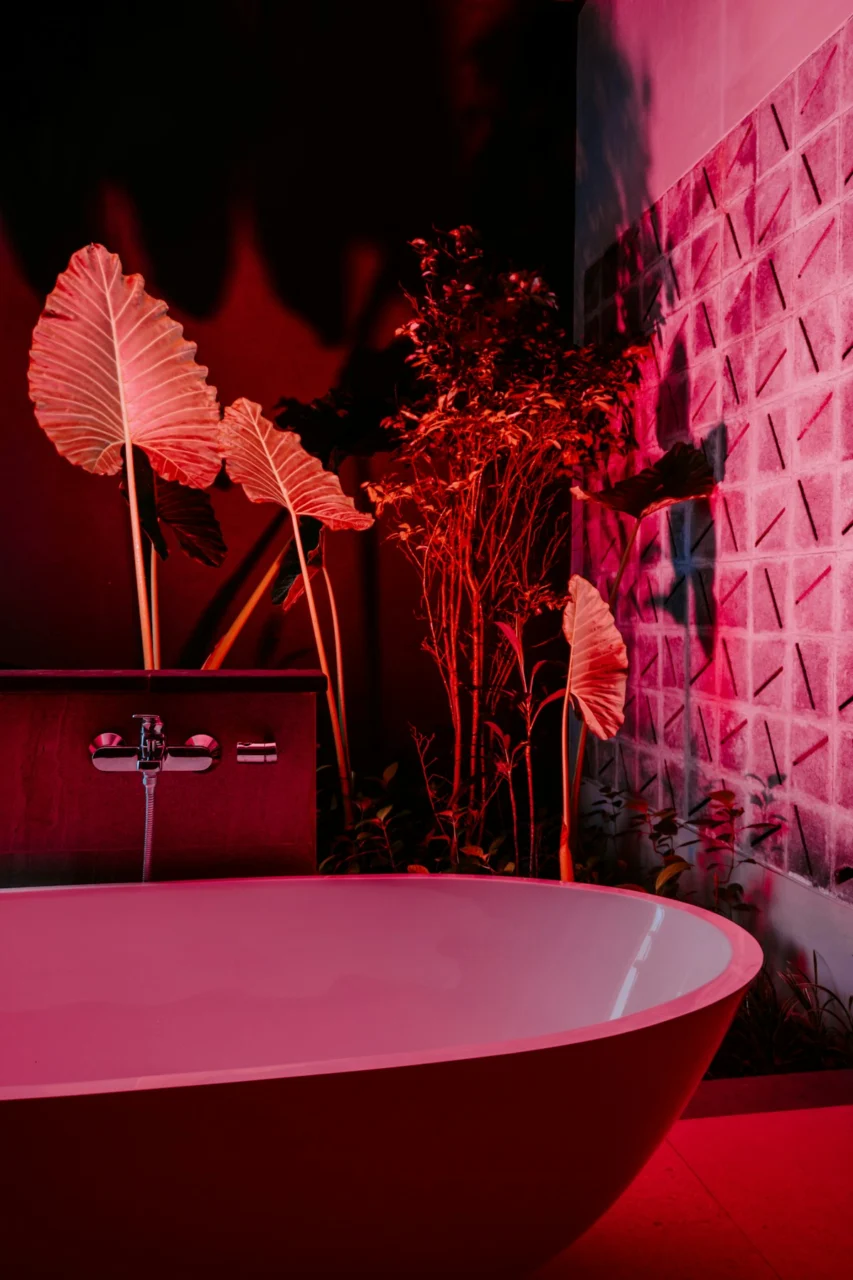
Photo by Polina Kuzovkova on Unsplash
Choosing the right plant for your bathroom is less about trend and more about matching the plant’s natural preferences to the room’s conditions. Ferns, tropicals, air‑purifiers, and even soil‑free options all thrive on the humidity that bathrooms naturally provide. By considering light levels, watering habits, and placement, you can create a lush, low‑maintenance oasis that not only looks inviting but also improves the air you breathe. Pick a few of the suggestions above, give them a little love, and watch your bathroom transform into a refreshing retreat.