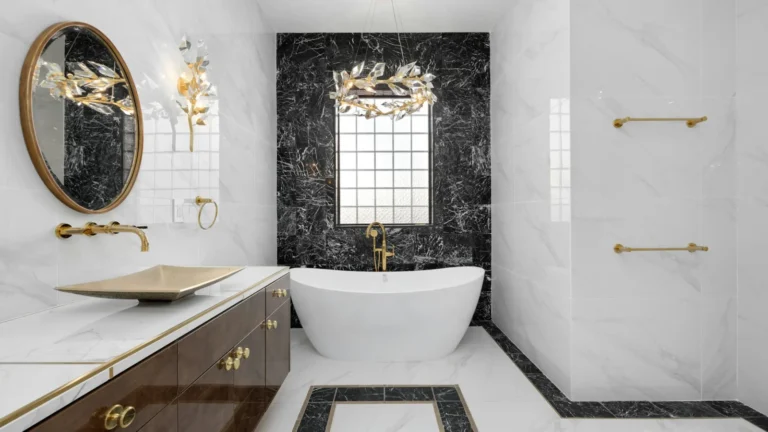
Bathroom Shelf Ideas for Extra Storage & Style
When the towel rack is full, the medicine cabinet is overflowing, and the countertop is a cluttered battlefield, a well‑chosen shelf can be the quiet hero that restores order and adds personality. Below are seven distinct shelf concepts that fit different bathroom layouts, budgets, and design moods. Each idea includes practical tips on placement, material durability, and maintenance so you can decide which solution will truly work for your space.
1. Floating Elegance: Wall‑Mounted Shelves
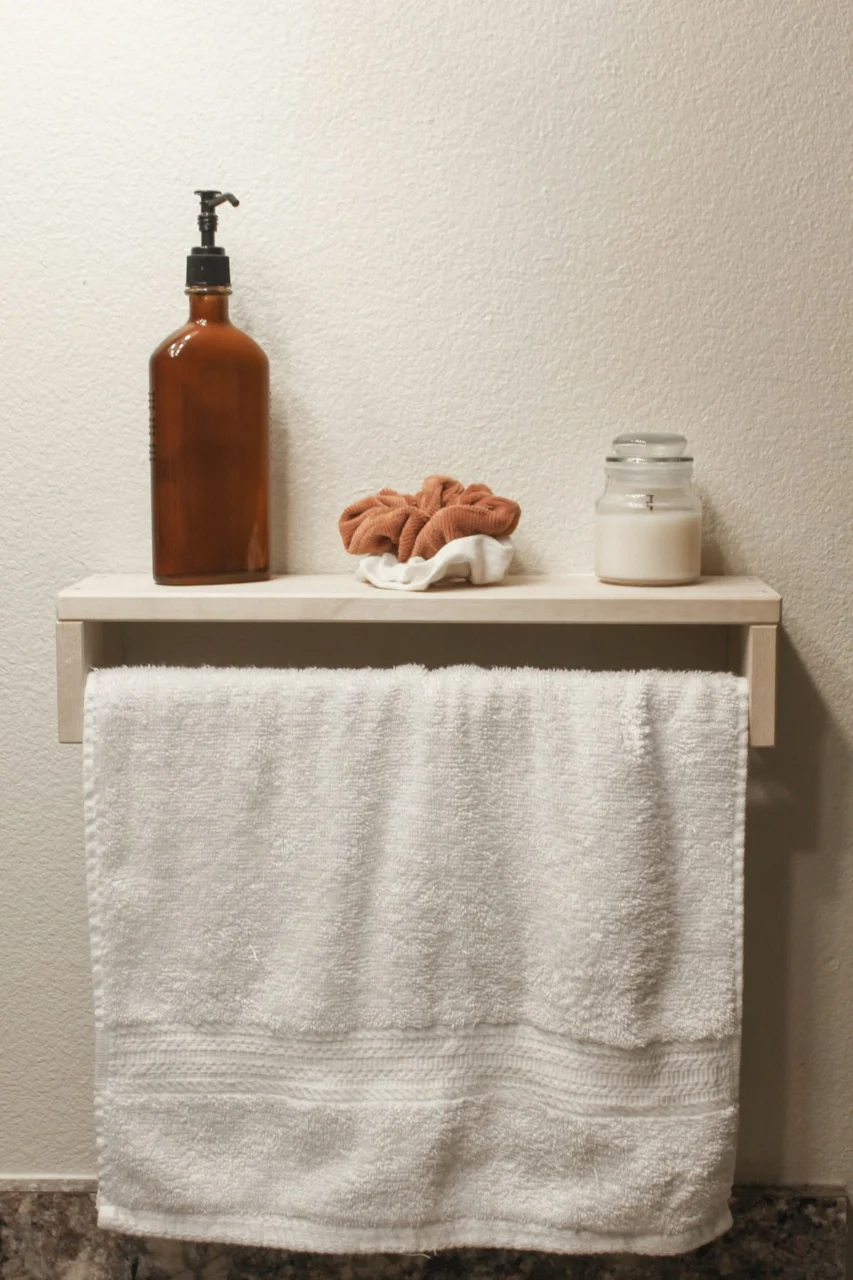
Floating shelves hug the wall without visible brackets, creating a clean line that feels both modern and spacious. They’re ideal for small powder rooms where every inch of floor space matters.
Why It Works
- Space‑saving: No floor footprint.
- Visual lightness: Open backs keep the room airy.
- Easy customization: Choose wood, metal, or painted MDF to match existing fixtures.
Practical Tips
- Measure the wall height and install the shelf at eye level (around 55‑65 in) for easy reach.
- Use anchors rated for the wall type—drywall anchors for plaster, toggle bolts for heavier loads.
- Seal wood shelves with a water‑resistant finish; metal brackets should be rust‑proofed.
- Limit each shelf to 8‑10 lb of items to avoid sagging.
Common pitfalls include overloading the shelf and neglecting moisture‑proofing, which can cause warping or rust. A modest budget of $30‑$80 per shelf makes this a low‑risk upgrade.
2. Ladder‑Style Over‑the‑Toilet Shelves
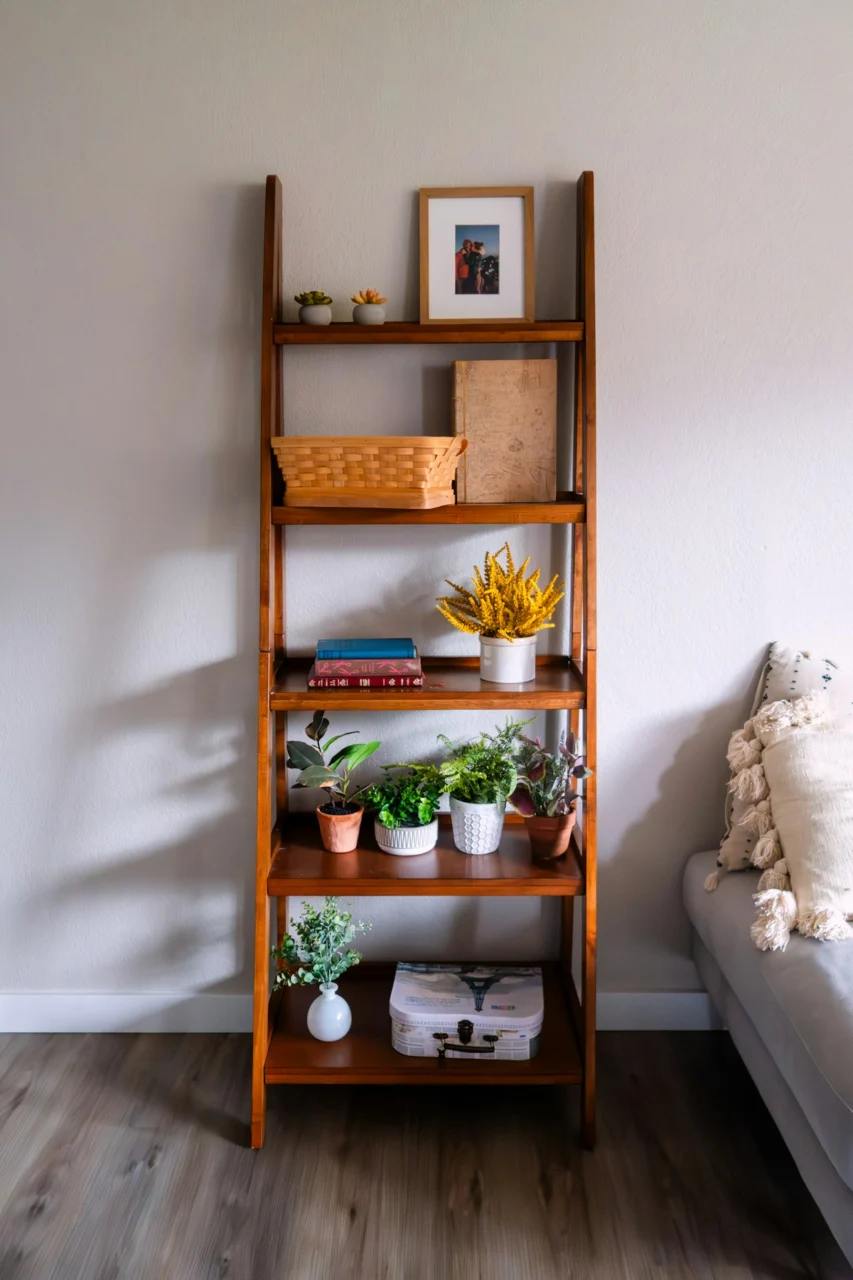
Photo by James Sestric on Unsplash
Vertical ladder shelves sit directly above the toilet, turning an otherwise awkward gap into a functional display zone. Their stepped design offers multiple tiers for towels, toiletries, and decorative accents.
Key Benefits
- Maximizes vertical space: Uses height rather than width.
- Easy installation: Most models clamp onto the wall or rest on the floor.
- Adjustable tiers: Some designs let you move shelves up or down.
Installation & Care
- Secure the top brackets to studs if possible; otherwise, use heavy‑duty wall anchors.
- Choose powder‑coated steel or bamboo for moisture resistance.
- Wipe down weekly to prevent soap scum buildup on the lower tiers.
Be mindful of the toilet’s clearance; ensure there’s at least a 2‑inch gap to avoid splashes. Prices range from $45 for a simple metal ladder to $150 for a premium bamboo version.
3. Corner Shelf Units: Making Dead Space Work
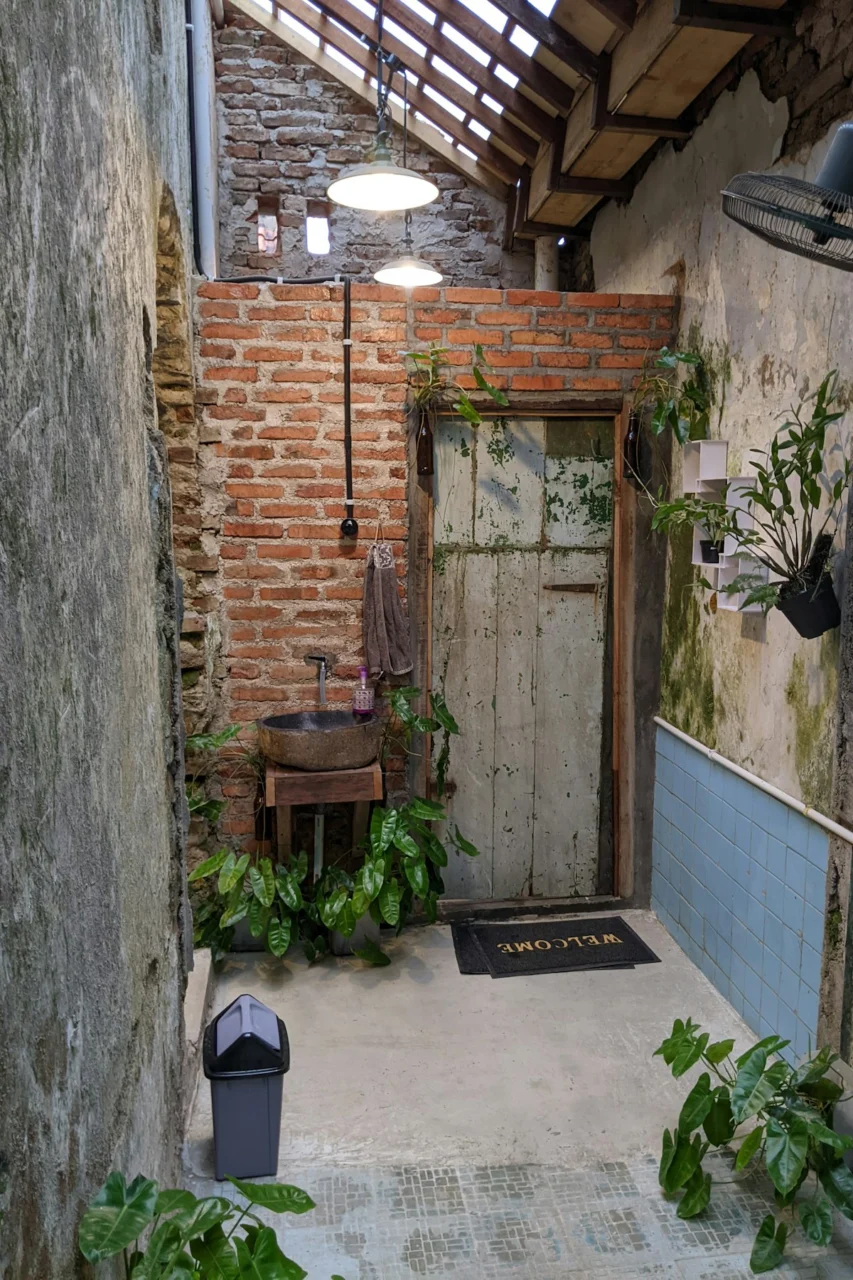
Photo by Tuhibagus Syarif on Unsplash
Every bathroom has at least one neglected corner. Corner shelving turns that unused nook into a stylish storage nook for rolled towels, plants, or decorative jars.
Design Options
- Triangular floating units: Minimalist, often in white or natural wood.
- Stacked corner cubes: Modular cubes that can be rearranged.
- Glass corner shelves: Add a light, reflective quality.
Installation Advice
- Locate wall studs at the corner for the strongest support; if unavailable, use toggle bolts.
- Keep the top shelf no higher than 48 in to stay within comfortable reach.
- For glass shelves, use silicone pads to prevent slipping and to cushion against moisture.
Because corners are often damp, select materials with a sealed finish. Budget-friendly options start around $25, while custom‑built wooden cubes can exceed $120.
4. Recessed Niche Shelves: Built‑In Beauty
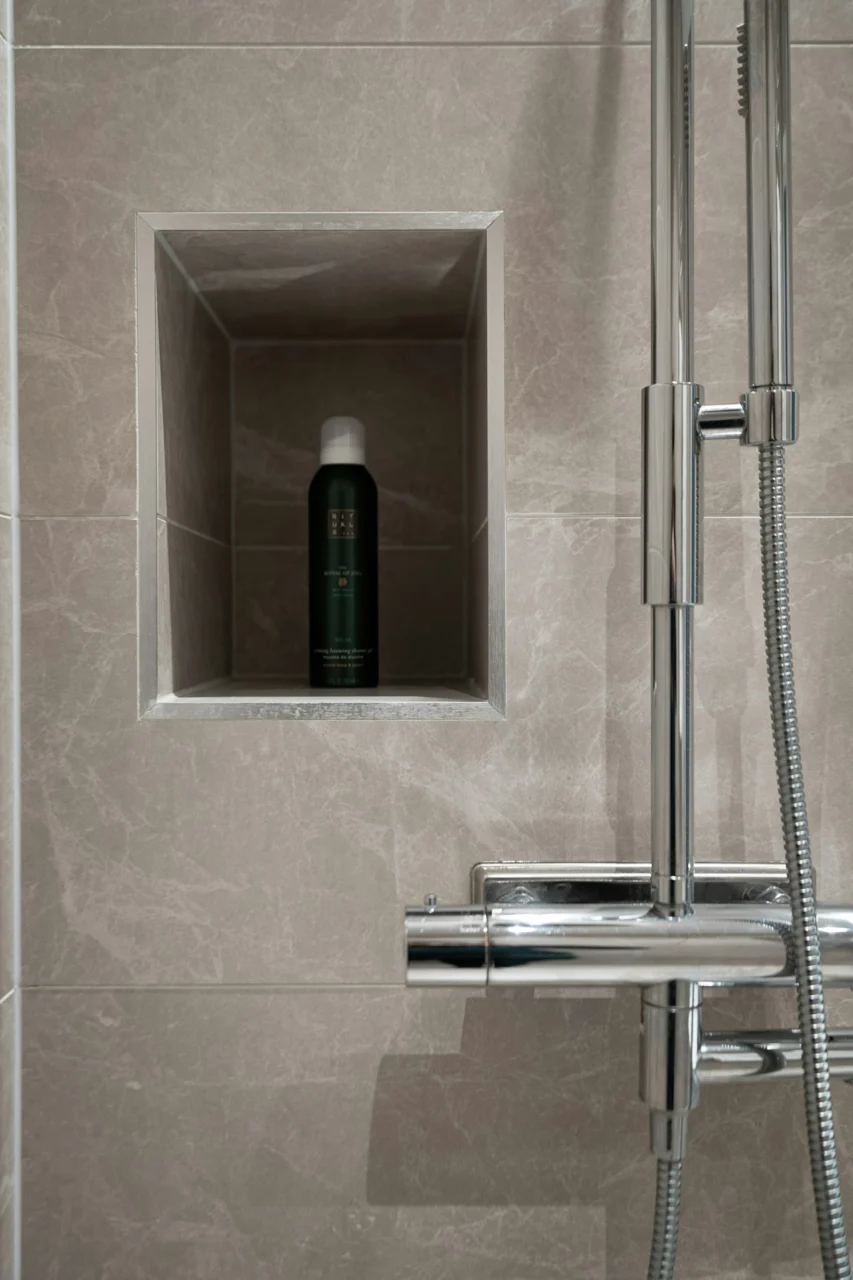
Photo by Alex Tyson on Unsplash
A recessed niche is a shallow alcove carved into the wall, often positioned around a shower or bathtub. It offers a seamless look that feels custom without the cost of a full remodel.
Why Choose a Niche?
- Integrated look: No protruding hardware.
- Protection from splashes: Ideal for shower‑side storage.
- Customizable finish: Tile, stone, or painted plaster.
Considerations
- Plan the niche depth (typically 4‑6 in) to hold shampoo bottles without crowding.
- Ensure waterproofing behind the niche to prevent moisture seeping into the wall cavity.
- Use a non‑slip liner or small rubber mat to keep items steady.
Installation usually requires a professional to cut into the wall and finish the edges, so factor in labor costs (often $150‑$300). The long‑term payoff is a clutter‑free shower area that looks like it was part of the original design.
5. Tension‑Rod Shelving: Renter‑Friendly Flexibility
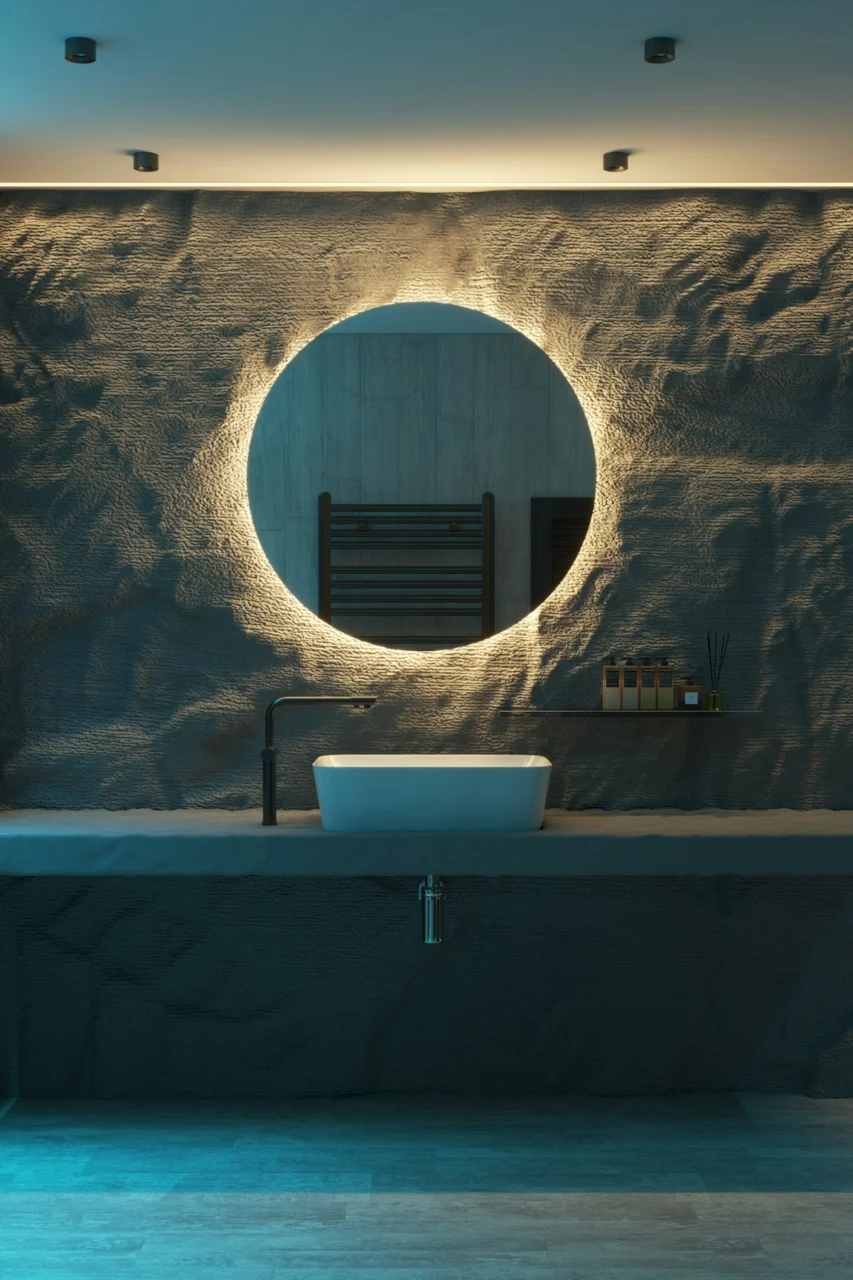
Photo by Daske_ Shelf on Unsplash
If you’re renting or hesitant about permanent fixtures, tension‑rod shelves provide a temporary yet sturdy solution. A sturdy rod spans between two walls, and shelves hang from it using brackets or hooks.
Advantages
- No drilling: Ideal for lease agreements.
- Adjustable height: Move the rod up or down as needed.
- Portable: Take it with you when you move.
How to Set Up
- Choose a rod that can support at least 15 lb per shelf.
- Secure the rod tightly between two solid walls—avoid drywall alone for heavy loads.
- Attach floating brackets or small baskets to the rod with sturdy hooks.
While convenient, tension‑rod systems are best for lightweight items like travel toiletries, rolled towels, or decorative boxes. Expect to spend $20‑$50 for a quality rod and brackets.
6. Clear Elegance: Glass or Acrylic Shelves
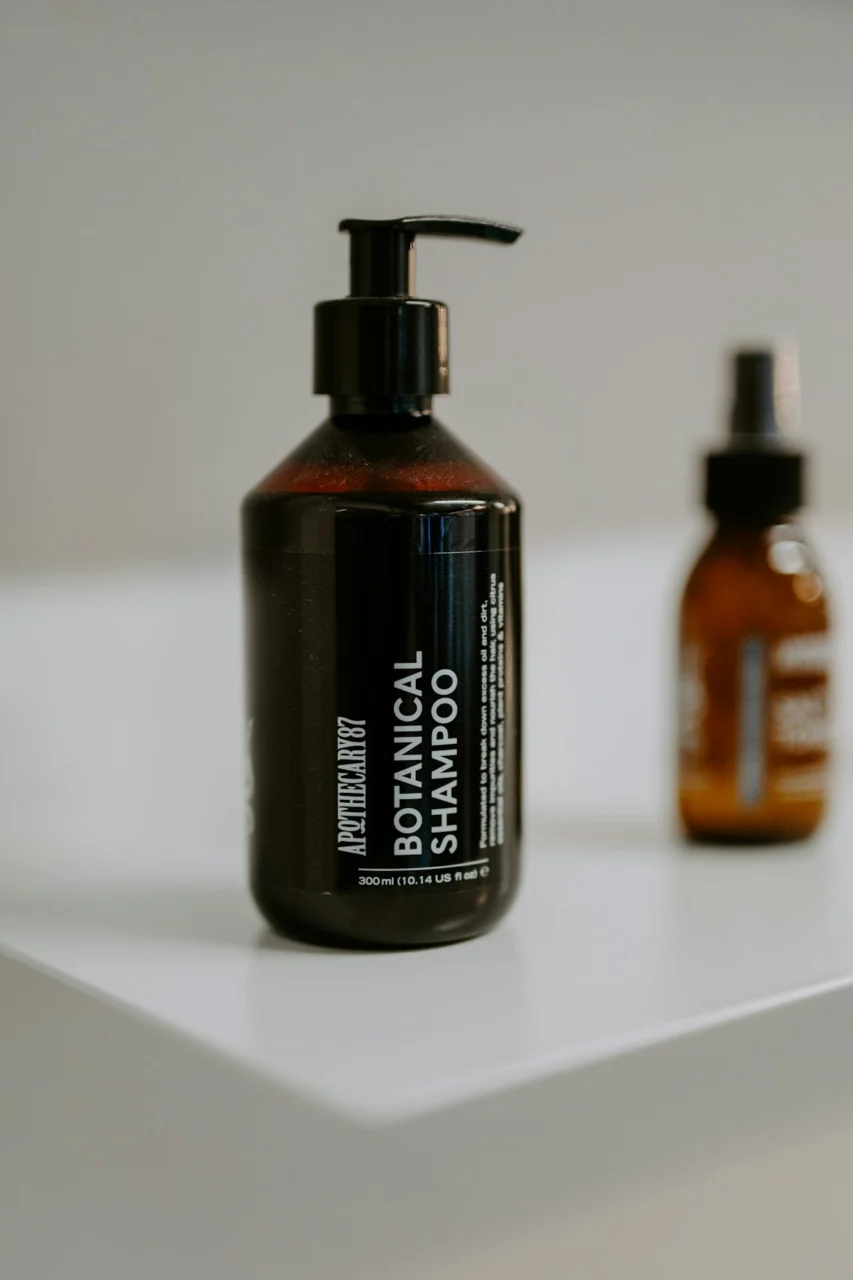
Photo by Apothecary 87 on Unsplash
Transparent shelves create the illusion of more space, a valuable trick in compact bathrooms. They’re perfect for displaying pretty perfume bottles, candles, or a curated row of soaps.
Material Choice
- Tempered glass: Strong, scratch‑resistant, and safe if broken.
- Acrylic (plexiglass): Lighter, less expensive, but prone to scratching.
Installation Tips
- Use silicone adhesive or mounting brackets designed for glass to avoid stress points.
- Place a small rubber mat beneath items to prevent water rings.
- Clean with a non‑abrasive glass cleaner; avoid ammonia which can cloud acrylic.
Because glass can feel fragile, keep heavier items off these shelves. Prices range from $30 for a single acrylic shelf to $120 for a set of tempered glass tiers with hardware.
7. Multi‑Functional Vanity Shelf: Integrated Storage
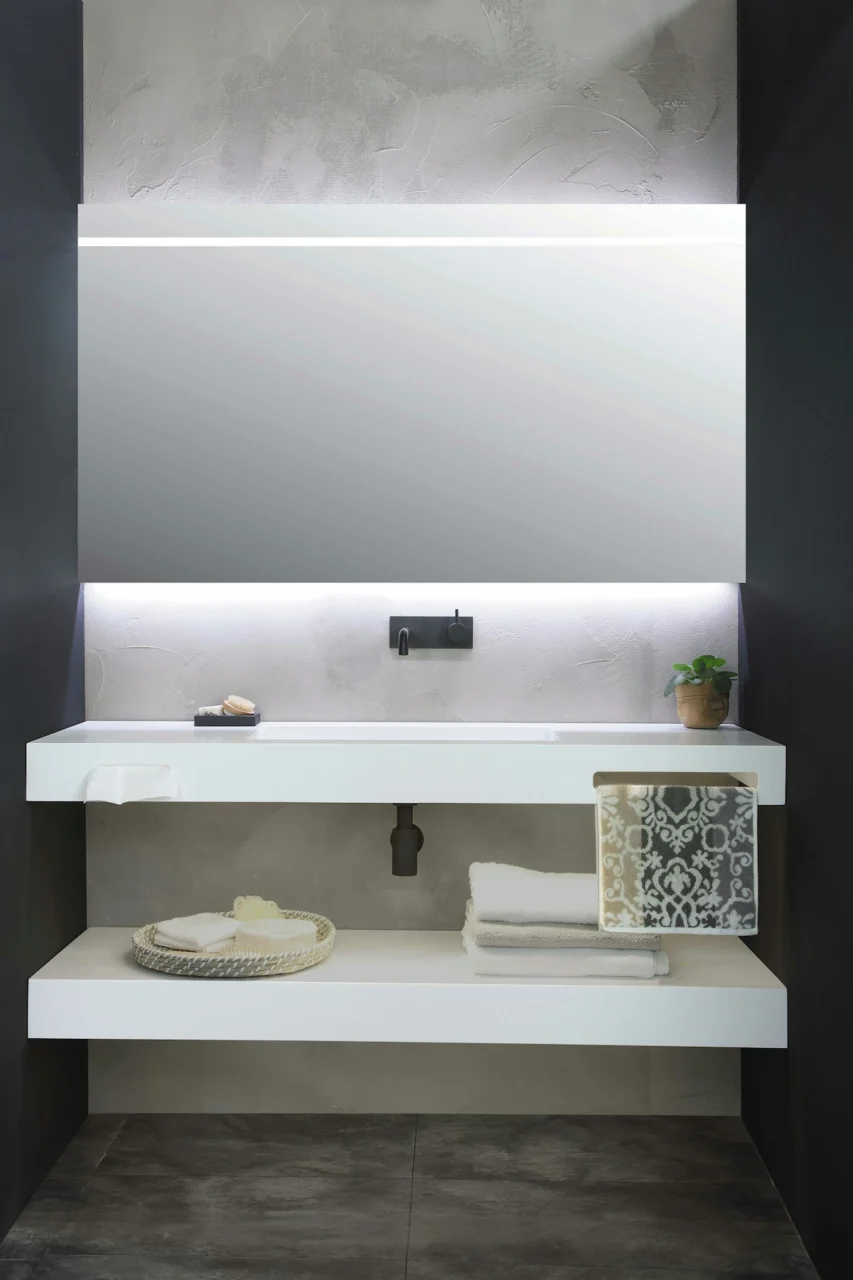
Photo by Sanibell BV on Unsplash
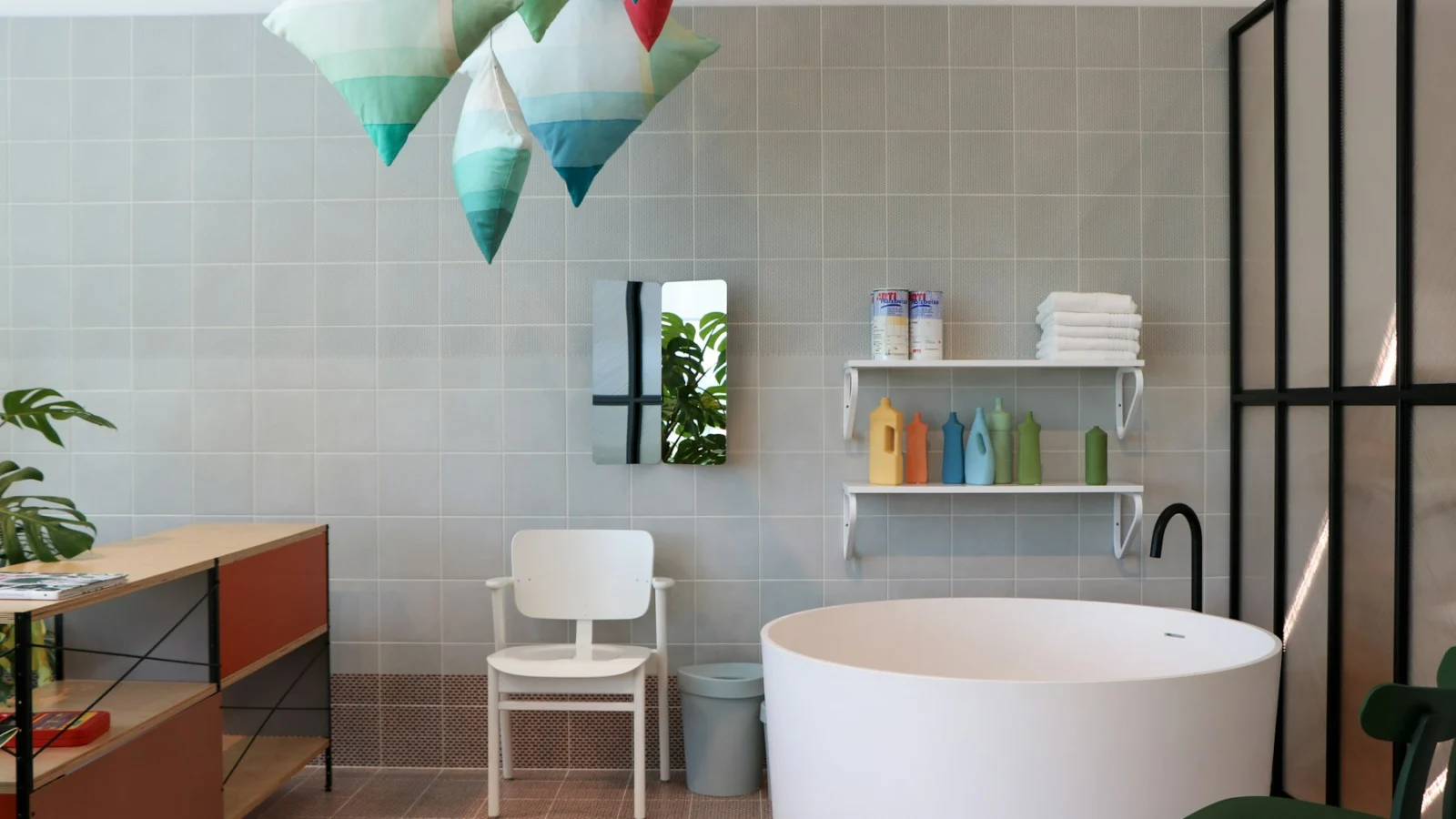
A vanity shelf combines a mirror, countertop, and shelving into one unit, delivering storage without sacrificing style. It’s especially useful in master baths where a single piece can replace a separate mirror and cabinet.
Design Features
- Backlit mirrors: Add ambient lighting and reduce the need for separate vanity lights.
- Open shelving below: Holds towels, cosmetics, or decorative trays.
- Built‑in outlets: Keeps hairdryers and shavers within reach.
Considerations Before Buying
- Measure the width of your existing vanity space; most units come in 24‑, 30‑, or 36‑inch widths.
- Check the weight rating of the shelves; glass or heavy stone tops need sturdy wall supports.
- Ensure the mirror’s backlighting is rated for bathroom humidity (IP44 or higher).
Installation often involves electrical work for the lighting, so hiring a qualified electrician is advisable. While a vanity shelf can cost $250‑$800, the integrated look eliminates the need for separate storage pieces, saving both space and visual clutter.
FAQ
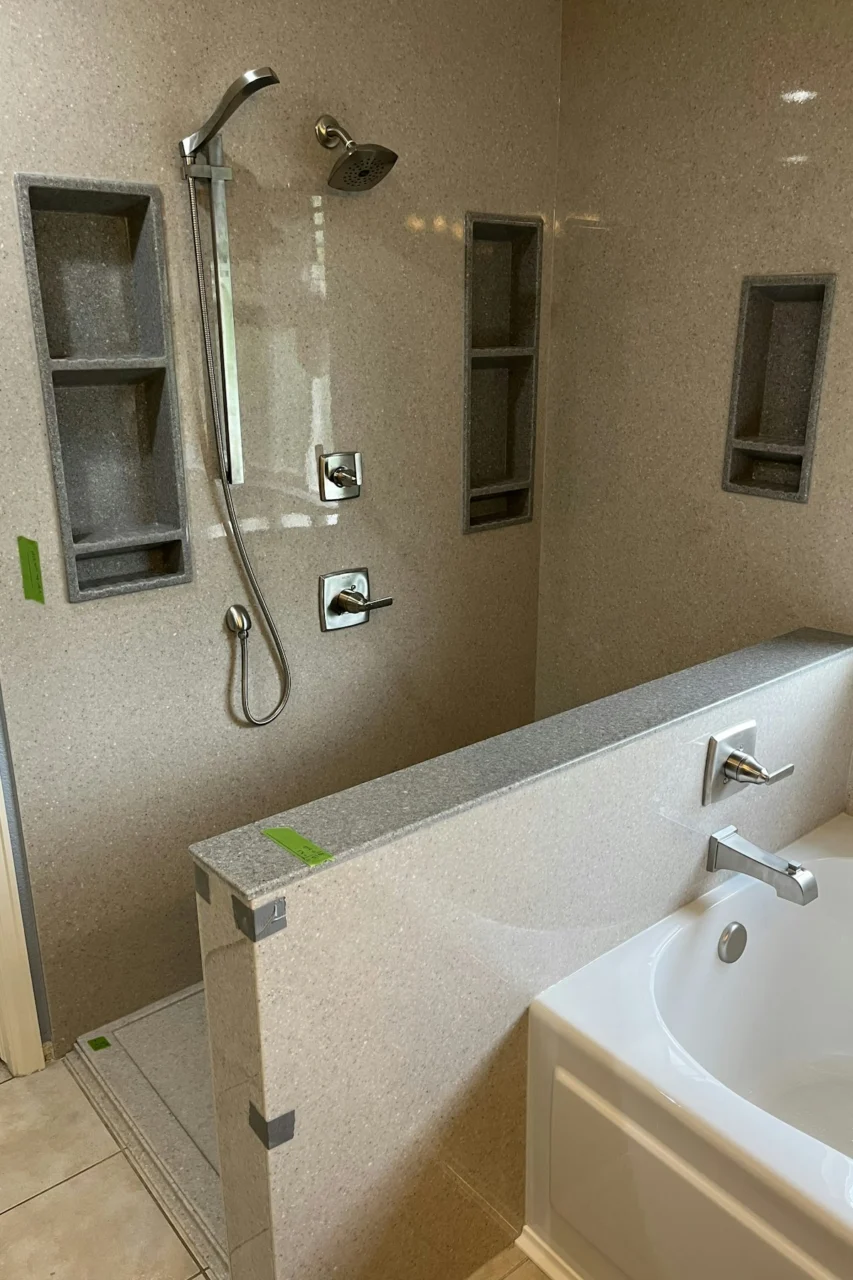
Photo by Johnny Woods on Unsplash
Can I install wall‑mounted shelves over tile?
Yes, but you’ll need a masonry drill bit and appropriate anchors (plastic or metal). Take care not to crack the tile by drilling slowly and using a piece of masking tape over the spot to reduce slipping.
What is the best material for humid bathroom environments?
Materials with a sealed finish—such as powder‑coated metal, treated wood, or tempered glass—resist moisture better than untreated MDF or raw wood.
How many pounds can a floating shelf typically hold?
Most standard floating shelves support 8‑10 lb per bracket. For heavier loads, look for shelves with reinforced brackets or install additional support brackets.
Are corner shelves safe for children?
Corner shelves are generally safe if securely anchored. Choose rounded edges or add a protective silicone cap to reduce the risk of bumps.
Do recessed niches need waterproof backer boards?
Yes. Installing a cement backer board behind the niche and sealing all joints with waterproof membrane prevents water from penetrating the wall cavity.
Final Thoughts
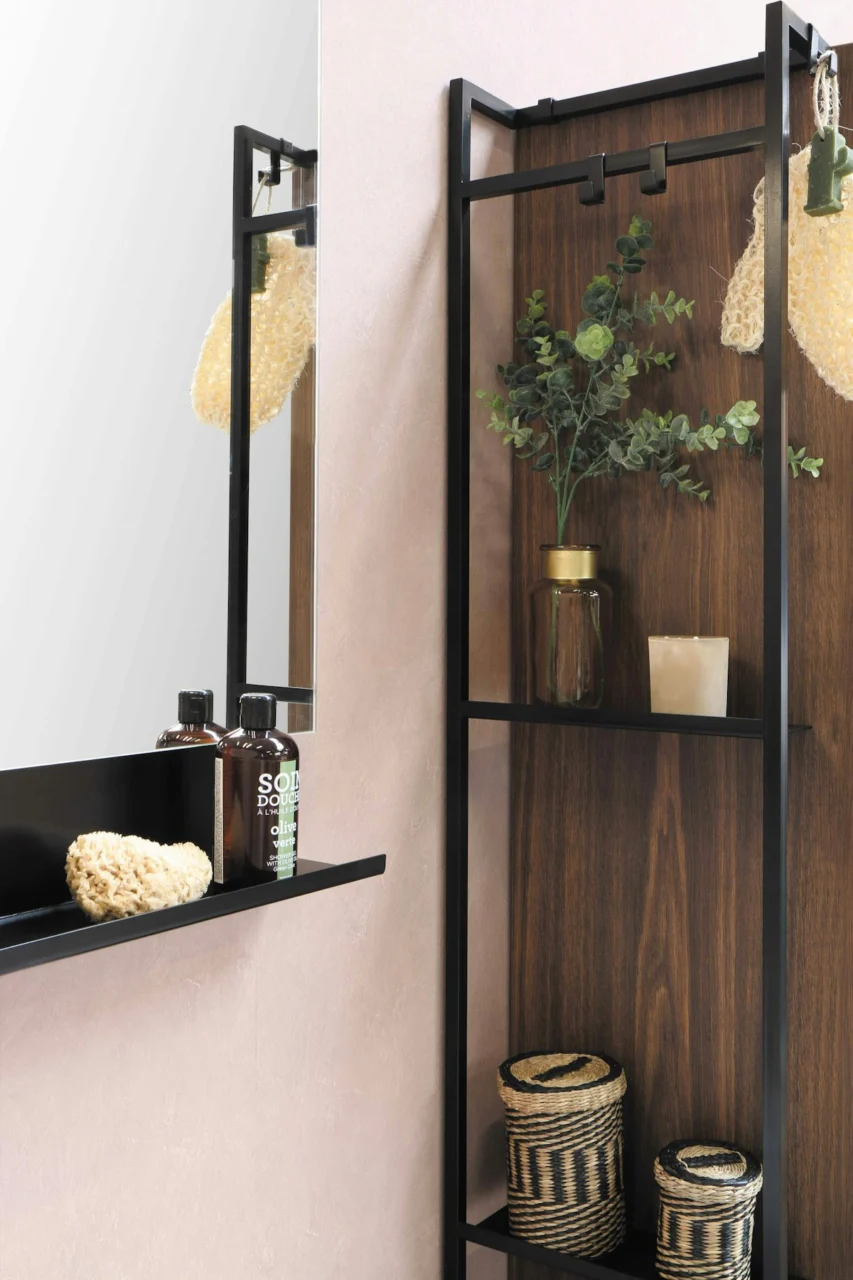
Photo by Sanibell BV on Unsplash
Choosing the right bathroom shelf is less about chasing trends and more about matching storage solutions to the room’s shape, your daily routines, and the level of upkeep you’re comfortable with. Whether you opt for a sleek floating shelf, a renter‑friendly tension rod, or a built‑in vanity unit, each of these seven ideas can bring both **extra storage** and **style** to your bathroom without compromising on durability or design harmony. Take a moment to assess your space, pick the option that aligns with your needs, and enjoy a more organized, inviting bathroom.