Rental‑friendly Window Treatment Ideas for Every Room
Finishing a room often starts with the windows. Simple window treatment ideas can add privacy, soften light, and pull a space together without breaking a lease.
Because rentals limit what you can change, you need ideas that are easy to install, cheap to move, and safe for walls. Below are fourteen ways to dress any window while keeping your deposit safe.
1. Tension‑Rod Café Curtains

This idea uses a spring‑loaded rod that fits inside the window frame. You avoid drilling and the rod holds light fabric in place.
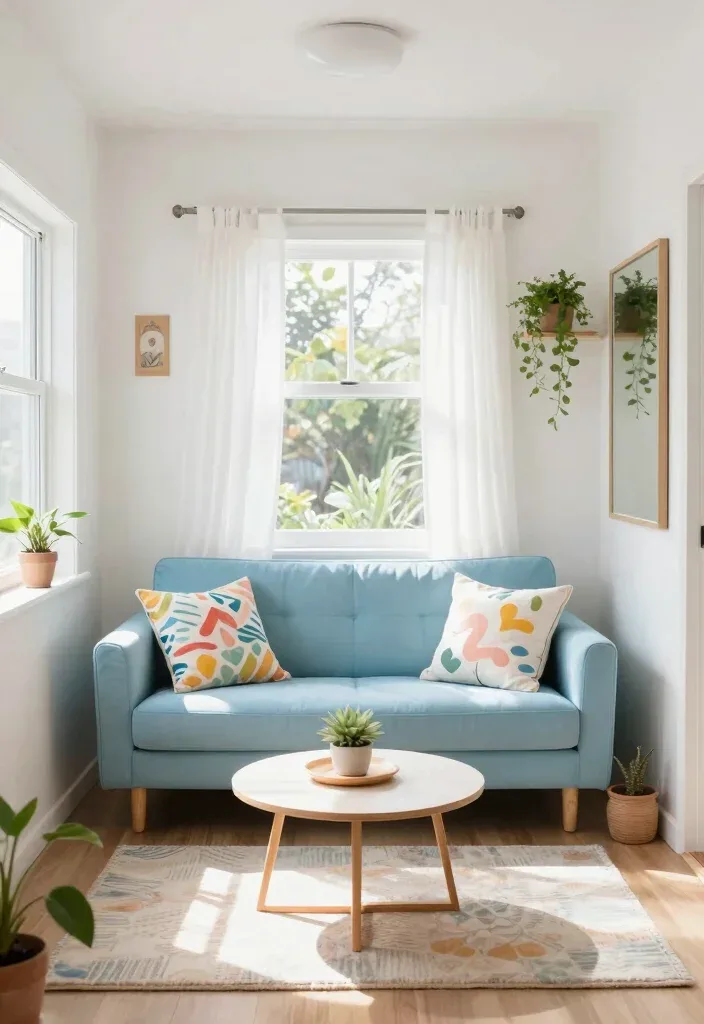
The curtains give a cozy, lived‑in feel without blocking all the light. A soft white or pale gray lets sunshine filter while adding a hint of privacy.
Pick a cotton or linen panel that hangs just above the countertop. Cut it to the width of the window, then slip the rod through a pocket sewn at the top. No tools are needed.
The main drawback is that the rod can slip if the fabric is too heavy. Stick to lightweight panels for the best grip.
2. Bamboo Roll‑Up Shades
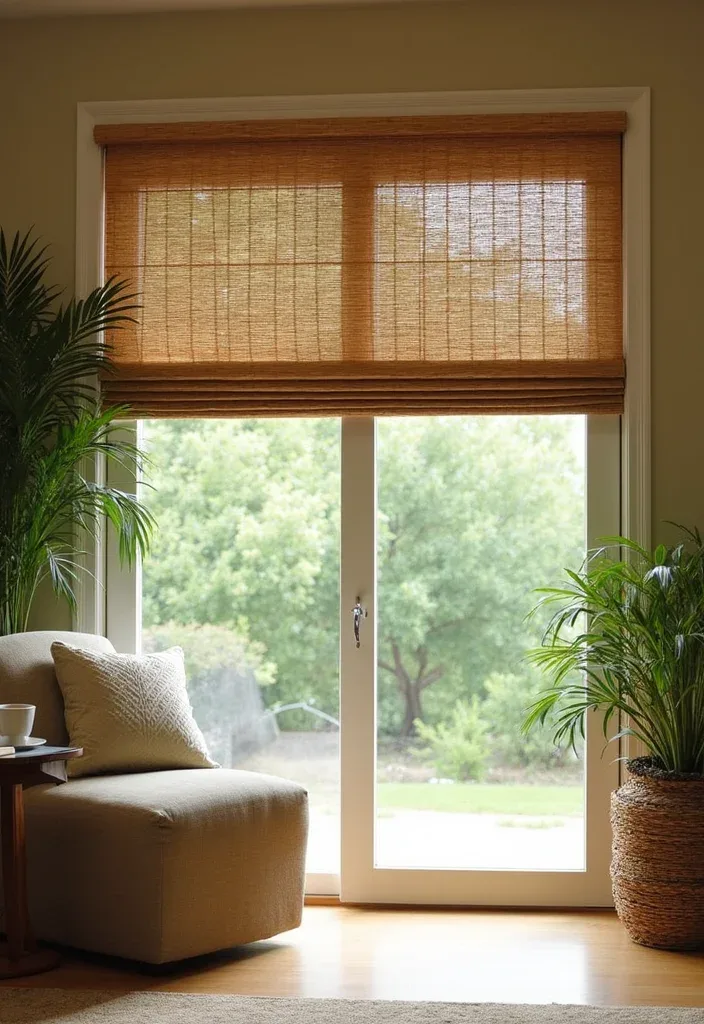
Bamboo shades roll up on a simple cord and sit on a tension rod or adhesive brackets. They bring natural texture to any room.
The woven slats filter light and add a warm, earthy tone. They work well in living rooms that need a relaxed vibe.
Choose a shade that is about 1‑2 inches wide for a subtle look. Measure the window, then attach the brackets with removable adhesive strips. Pull the cord to lower or raise the shade.
Because the slats are thin, they may not block strong glare. Pair them with a sheer panel if you need more privacy.
3. Peel‑and‑Stick Roman Blinds
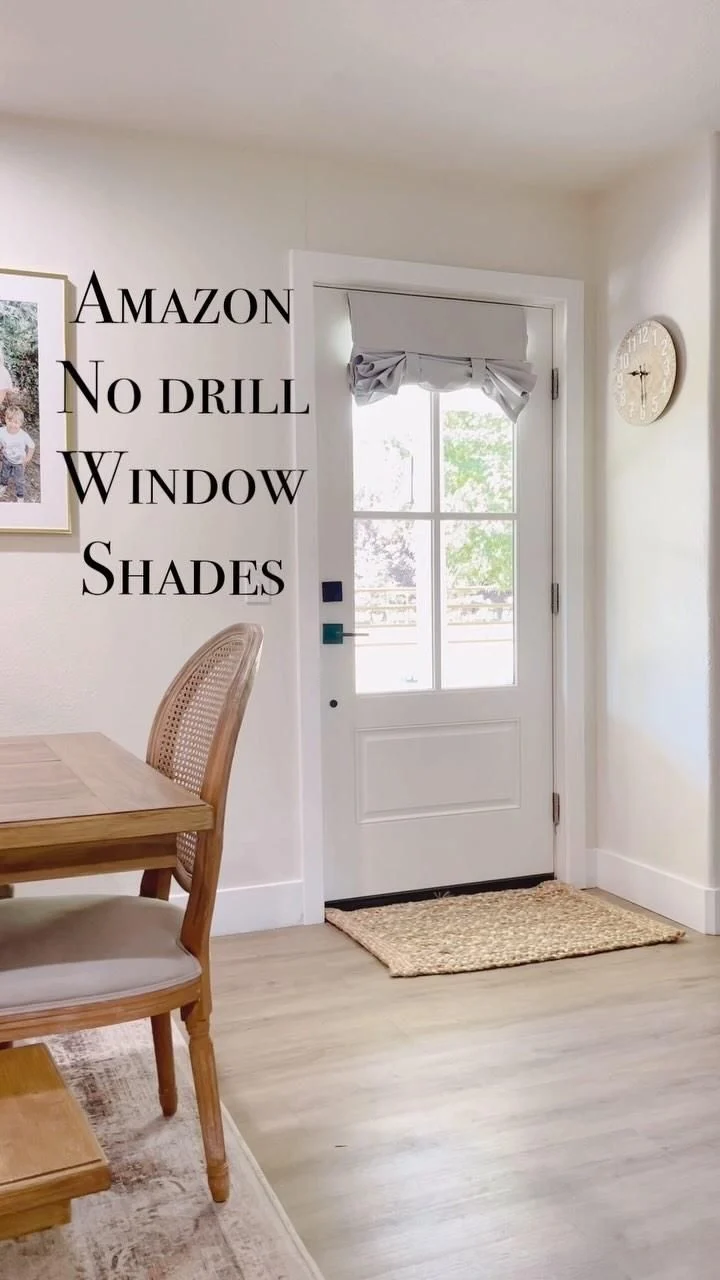
Roman blinds fold into neat pleats when raised, and the peel‑and‑stick version sticks to the frame without screws. This gives a tidy, tailored look.
The fabric can be bold or neutral, letting you set the tone of the room. A deep teal or soft ivory works well in bedrooms.
Measure the window height and width, then cut the fabric to size. Apply the adhesive backing to the top of the frame, then attach the blind. Pull the cord to lower it and enjoy the soft folds.
The adhesive may leave a faint mark if you remove it later. Test a small spot first to avoid surprise.
4. Magnetic Curtain Panels

Magnetic panels have small magnets sewn into the top edge that cling to metal window frames. No drilling, no damage.
These panels add a splash of color while still allowing you to see outside. A patterned navy or sunny mustard can brighten a kitchen.
Measure the metal frame, then order panels that match the width. Hang them by aligning the magnets with the frame and let them snap into place. They fold neatly when not needed.
If your windows are wooden, this option won’t work. You’ll need to add a thin metal strip, which may require a nail.
5. Clip‑On Sheer Panels
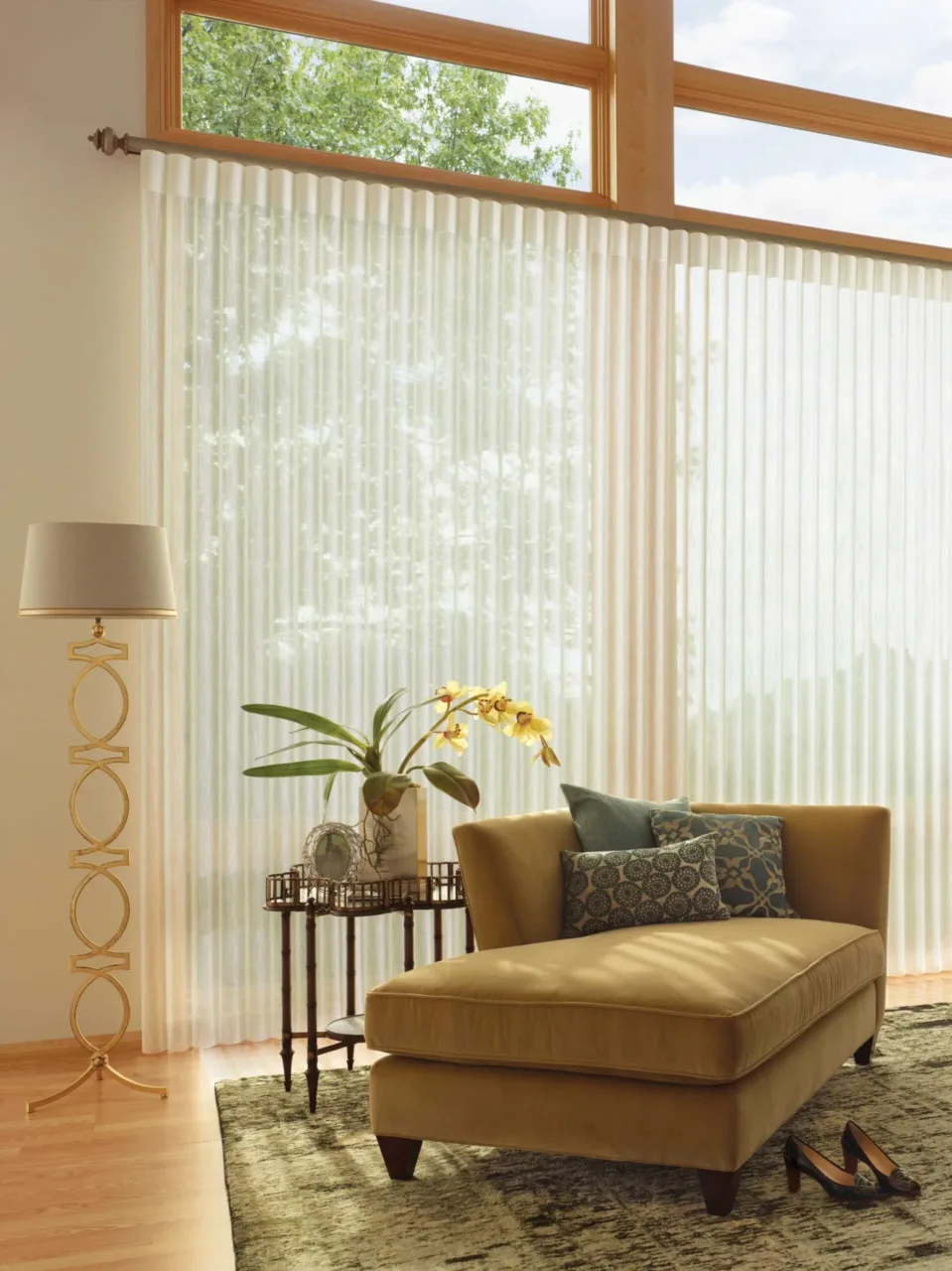
Clip‑on sheers attach with small plastic clips that grip the window sash. They add a light, airy layer without permanent hardware.
The sheer fabric softens harsh sunlight while still letting you see the view. A light cream or pale blue works well in bathrooms.
Choose clips that fit the thickness of your sash. Slip the clips over the top rail, then slide the panel into place. Adjust the length so it just brushes the floor.
Sheer fabric can collect dust quickly, so you’ll need to wash it often. This is a small trade‑off for the easy install.
6. Fabric‑Backed PVC Blinds
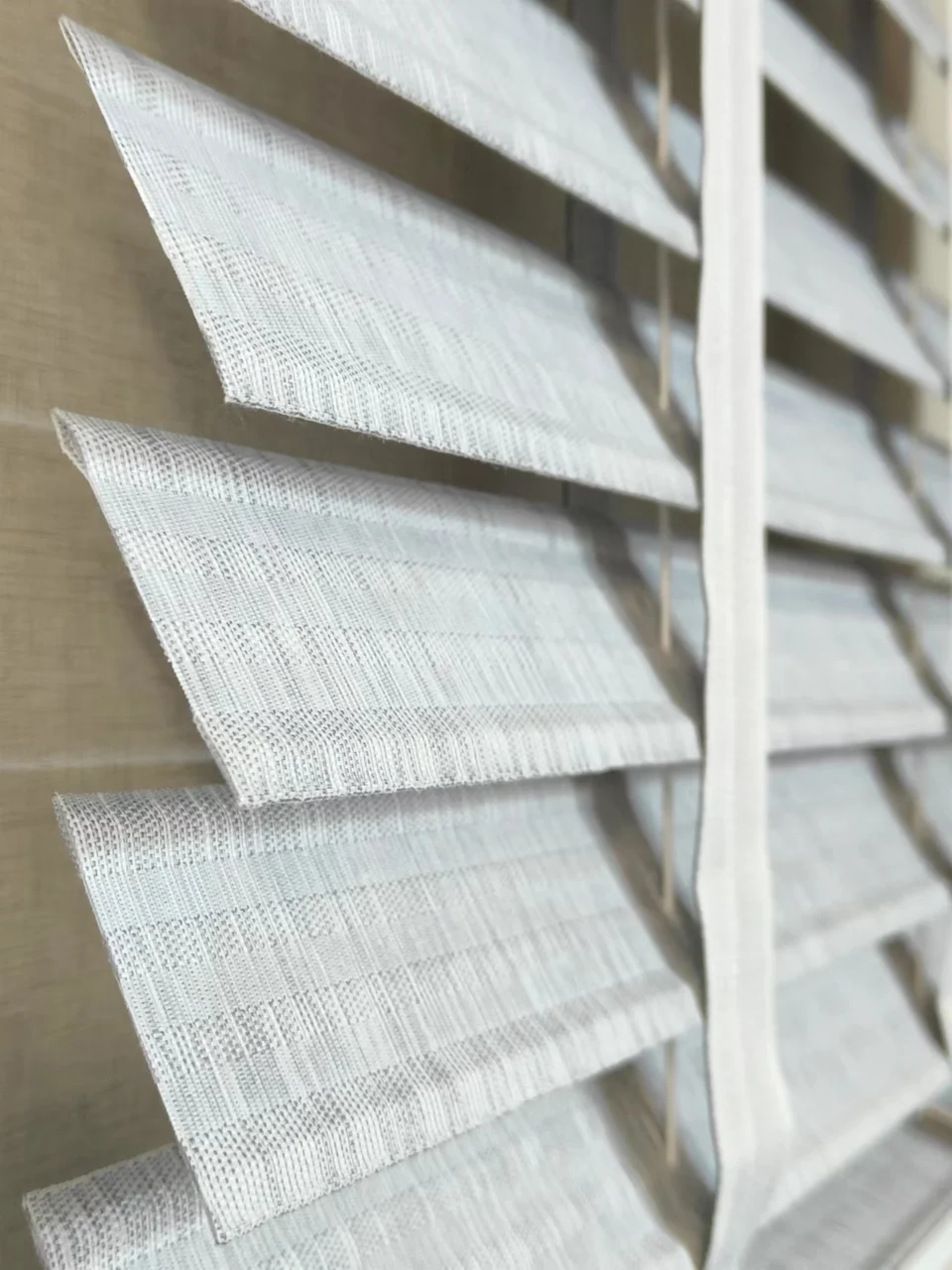
These blinds have a thin PVC slat covered with a layer of fabric. The fabric hides the plastic look while keeping the blind cheap.
The fabric side adds texture and can match other textiles in the room. A soft linen‑look fabric works nicely in a home office.
Install the blind with the supplied tension rod or adhesive brackets. Choose a width that covers the whole window and a length that stops just above the floor.
Because the PVC core can feel cold to the touch, it may not be ideal for very cold rooms. Add a curtain for extra warmth if needed.
7. Decorative Window Film
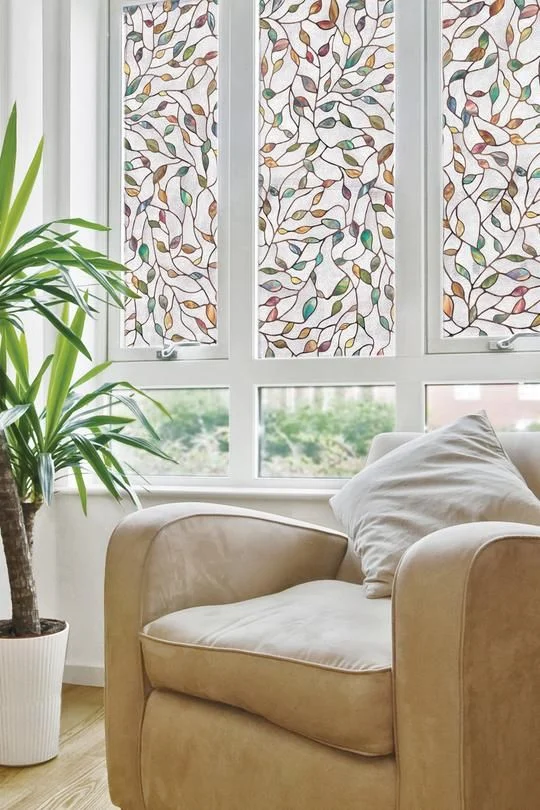
Window film is a thin, static‑clinging sheet that adds pattern without any hardware. It’s perfect for renters who cannot drill.
The film can create a frosted look for privacy while still letting light in. A subtle geometric pattern works well in a hallway.
Cut the film to the size of the glass, then peel off the backing and smooth it onto the pane. Use a squeegee to remove bubbles.
The film may leave a residue if you remove it later, especially on older glass. Test a corner first.
8. Adjustable Café Rod with Tie‑Backs

An adjustable café rod sits on the window sill, and tie‑backs hold the fabric open. This adds a casual, lived‑in feel.
The open side lets fresh air flow while the closed side offers privacy. A soft sage green panel can bring a hint of nature to a bedroom.
Choose a rod that expands to the width of the window. Slip the fabric through the rod’s pocket, then loop a rope or ribbon around the rod to hold the panel back.
If the tie‑backs are too short, the fabric may not stay open on windy days. Use a longer cord for better hold.
9. Tiered Curtain Rods
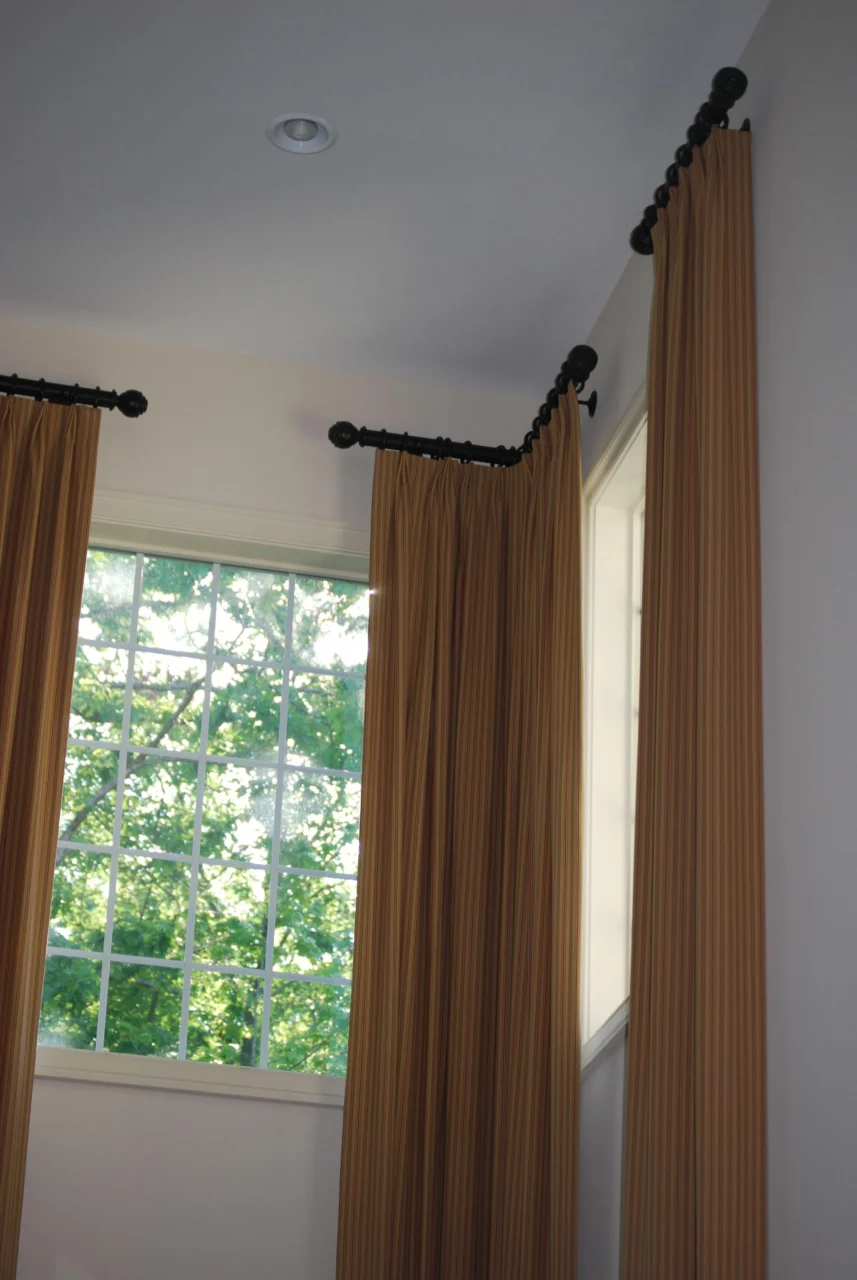
Tiered rods let you hang two layers of fabric at different heights. This adds depth without permanent fixtures.
The lower layer can be a solid color for privacy, while the upper layer stays sheer for light. A charcoal bottom and ivory top works well in a living room.
Install the lower rod with removable brackets, then place the upper rod on the same brackets but higher up. Hang the fabrics and adjust the lengths.
More rods mean more hardware, even if removable. Make sure the brackets are strong enough to hold the weight.
10. Fabric‑Covered Tension Track
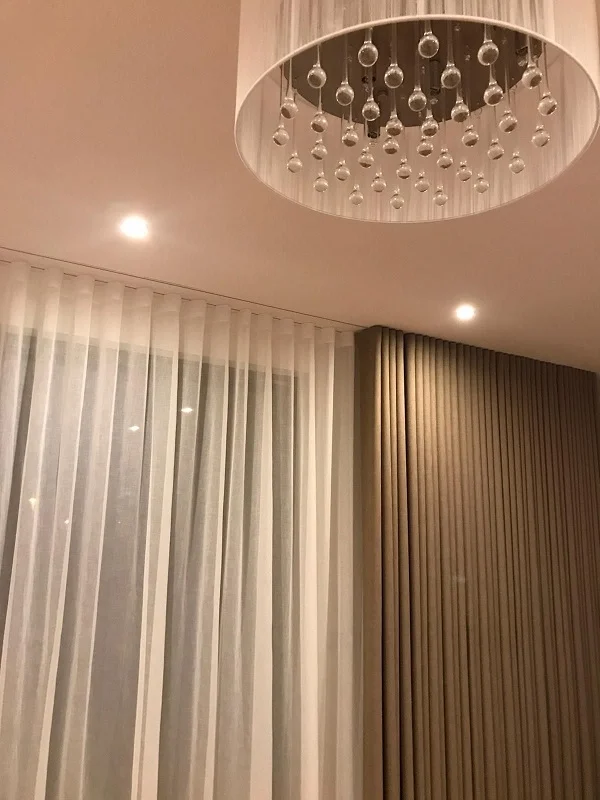
A tension track is a thin metal bar that fits inside the window frame, and you can slide fabric panels along it. It gives a sleek, modern look.
The sliding panels create clean lines and let you open just a sliver for light. A muted teal panel adds a pop without overwhelming a kitchen.
Stretch the track across the frame, then attach small rings to the top of the fabric. Slide the panel into place and use a cord to pull it left or right.
The track can be tricky to keep level if the frame isn’t perfectly straight. Use a level before you lock it in place.
11. Removable Wood Lattice

Wood lattice panels can be hung with removable hooks, adding a rustic feel. The open weave lets light filter while giving some privacy.
The lattice works nicely in a dining area where you want a warm, natural vibe. A light pine finish matches many wood tables.
Attach small adhesive hooks to the top of the window frame, then hang the lattice panel. You can paint or stain the wood before you hang it.
The wood can warp if it gets too much moisture, so keep it away from bathroom steam.
12. Fabric‑Wrapped PVC Roller Shades

These rollers have a thin PVC core wrapped in a fabric cover. They look like fabric shades but are easy to roll up.
The fabric cover softens the look and can match other textiles in the room. A dusty rose fabric works well in a bedroom.
Mount the roller on a tension rod or adhesive bracket. Pull the cord to lower the shade and let it roll back up when you’re done.
The PVC core can make the shade feel stiff, especially in colder weather. Pair it with a light curtain for extra softness.
13. Adjustable Valance with Ties

A valance is a short piece of fabric that sits at the top of the window. Ties let you change its look quickly.
The valance adds a finished edge without covering the whole window. A bold stripe can add interest to a plain living room.
Hang the valance on a tension rod, then loop decorative cords or ribbons around the rod to keep it in place. Change the cords for a fresh look.
If the valance is too short, it may look out of proportion on tall windows. Choose a longer piece for high ceilings.
14. Minimalist Blackout Panels on a Hook‑and‑Loop System

This system uses Velcro strips that stick to the window frame, letting you attach a blackout panel when needed. It offers full darkness without permanent hardware.
The black fabric blocks light for movie nights or sleep, while the Velcro can be removed later. A deep charcoal panel adds a sleek look to a media room.
Apply the hook side of the Velcro to the frame with removable adhesive, then press the loop side of the panel onto it. Pull the panel off when you want light.
The Velcro may lose its stickiness over time, especially in humid areas. Replace the strips if they stop holding well.
How do I hang curtains without drilling?
You can use tension rods, adhesive brackets, or magnetic clips that grip the frame. Choose a method that matches the window material and weight of the fabric.
Can I use window film on glass doors?
Yes, window film works on most glass surfaces, including doors. Cut the film to fit and apply it with a squeegee for a smooth finish.
What is the best material for a bedroom window to block light?
Blackout fabric or a thick polyester panel blocks most light. Pair it with a lightweight sheer if you still want some glow at night.
How do I keep removable brackets from falling off?
Use adhesive strips that are designed for heavy objects and follow the manufacturer’s weight limits. Clean the surface first for a strong bond.