

Living in an apartment often means limited wall space and strict rules about what you can change. You want the room to feel personal, but you also need ideas that fit small walls and rental limits. Before you start, measure the empty spots and think about the light that hits each area.
This guide gives you seventeen ways to add interest to a small living room without crowding the space. Each idea works with common furniture, simple colors, and easy‑to‑find materials. You can mix and match the ideas to suit your style and budget.
Keep a hammer, a level, and some picture hooks handy as you read. A little planning will save you time and keep the walls safe for your landlord.
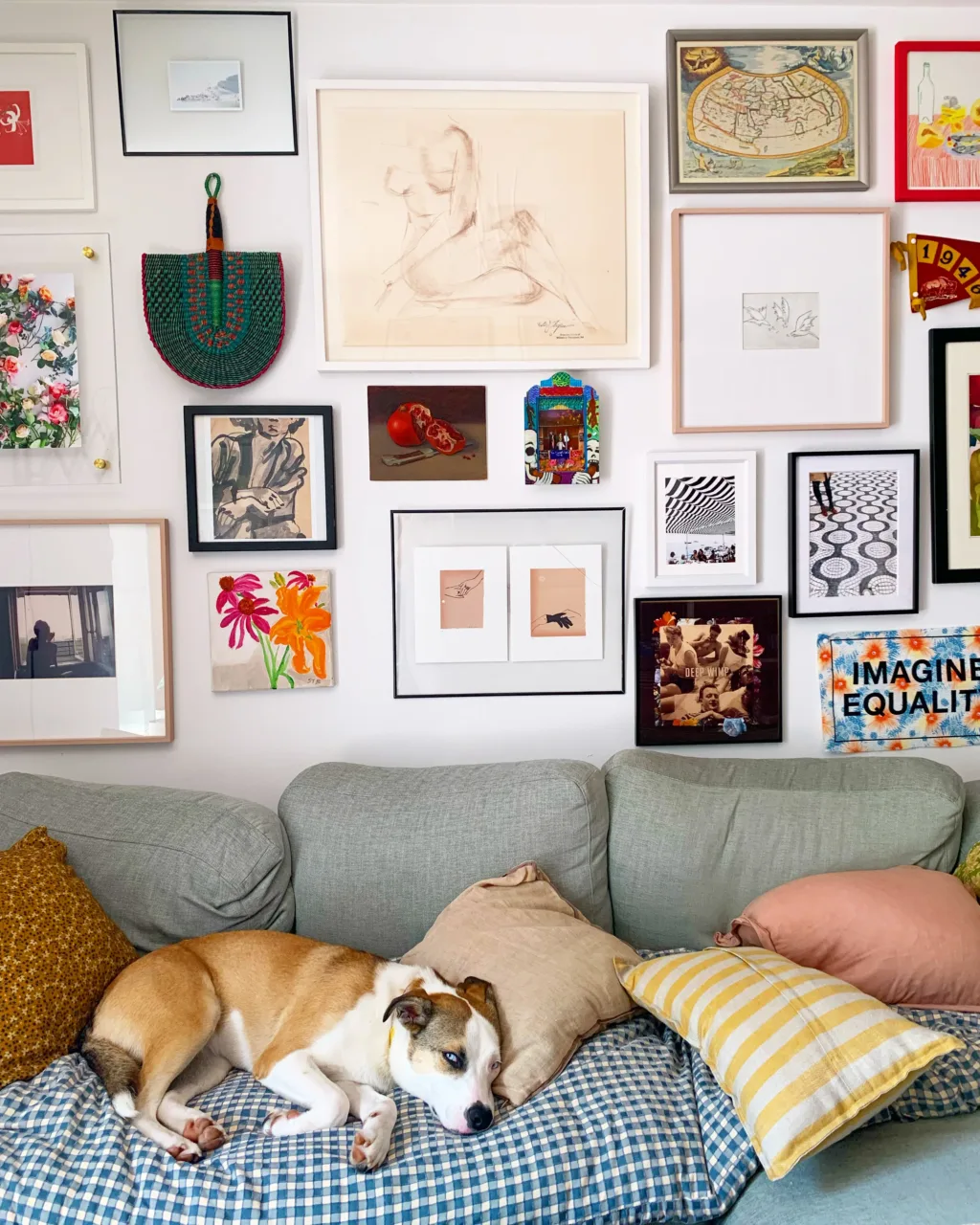
1. Create a simple gallery wall with small frames
Empty walls often feel flat and unfinished. A collection of small frames can break up the plain surface and add a personal touch. Choose frames that share a similar wood tone or metal finish for a calm look.
Pick three to five frames that are each about eight inches wide. Arrange them on the floor first to find a shape that fits the wall. Then hang them at eye level, leaving a few inches between each piece.
Use prints, abstract shapes, or simple line drawings that match the room’s colors. A light gray background works well with navy or mustard accents.
The downside is that many small frames can look cluttered if the wall is already busy. Keep the rest of the wall clear to avoid visual overload.
2. Add floating shelves and place art on them

Sometimes you lack room to hang items directly on the wall. Floating shelves give you a place to display art without drilling many holes. They also add a bit of storage for books or small plants.
Choose shelves that are about six inches deep and run them horizontally across the wall. Secure them with brackets that hide behind the wood for a clean look.
Place a small canvas, a framed print, or a ceramic plate on each shelf. Mix in a low‑light lamp to add warmth in the evenings.
Be aware that shelves add weight, so you need sturdy anchors if the wall is drywall. Heavy pieces may cause the shelf to sag over time.
3. Hang a single large canvas
A big piece of art can become the focal point of a small room. It draws the eye and makes the space feel more balanced. Choose a canvas that matches the room’s main color palette.
Look for a canvas that is at least 30 inches wide but not taller than the sofa back. Use a single hook in the center to keep the weight even.
Abstract swirls in soft teal and warm sand can add calm without overwhelming the room. The canvas can sit just above the sofa arm for easy viewing.
If the room receives a lot of direct sunlight, the colors may fade over time. Choose a location with indirect light or use UV‑protective glass.
4. Install a thin metal wall sculpture
Metal art adds texture without taking up floor space. A thin, linear sculpture can add a subtle shine that catches the light. It works well above a narrow console table.
Pick a piece made of brushed brass or matte black steel. Hang it with two small hooks placed a few inches apart.
The sculpture’s shape can echo the lines of a modern sofa or a wooden coffee table. Keep the surrounding wall plain to let the metal stand out.
Metal can be cold to the touch, so it may not feel inviting in a very cool room. Pair it with a soft rug or plush pillows to add warmth.
5. Use a woven wall hanging for texture
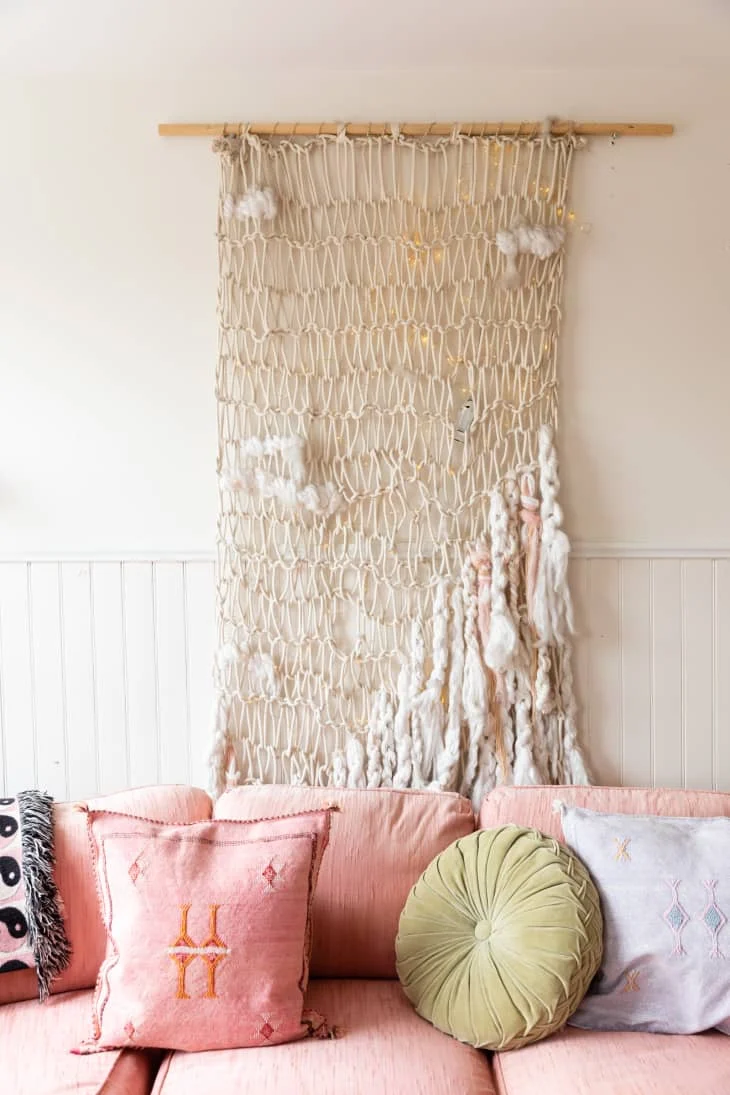
Fabric art brings softness to a hard wall. A woven hanging can add depth and a hint of color without being heavy. It works well behind a reading chair.
Choose a piece made of cotton or linen in earth tones like rust, sage, or ivory. Hang it with a single sturdy hook centered on the wall.
The natural fibers will soften the room’s acoustics and add a cozy feel. Pair it with a small side table for a balanced look.
Woven pieces can collect dust, so they need regular gentle cleaning. If you have pets that shed, this may require extra upkeep.
6. Pin botanical prints on a cork board

Plants are a great way to bring life to a living room, but real greenery can be tricky in a small space. Printed leaves and flowers on cork give the same vibe without water.
Buy a cork board that fits the empty space, about twelve inches tall. Pin a few botanical prints in a loose cluster.
The prints can feature soft greens, muted pinks, or warm browns that echo a natural theme. The cork also lets you add notes or small reminders.
If the board is placed near a heat source, the cork may warp over time. Keep it away from direct radiators or sunny windows.
7. Hang a decorative mirror as wall art

Mirrors reflect light and make a small room feel larger. A decorative frame can turn the mirror into a piece of art. It works well above a low media console.
Pick a mirror with a simple wooden or metal frame that matches other hardware in the room. Hang it at eye level for the best effect.
The reflected light will brighten the space and highlight nearby furniture. Choose a shape like a round or oval for a softer look.
Mirrors can be fragile, so they may not be ideal for homes with active children. Use safety glass if you need extra protection.
8. Paint a chalkboard section on the wall
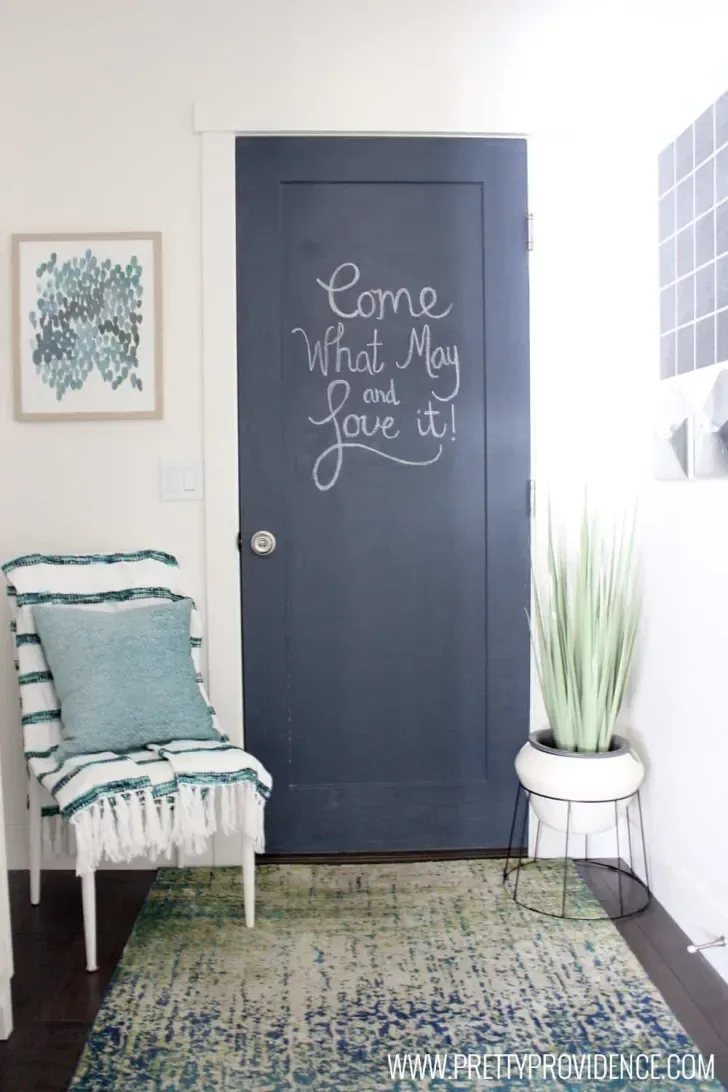
Kids and adults alike enjoy a place to doodle or write notes. A chalkboard wall adds a playful element without taking up floor space. It works well in a corner near a desk.
Use chalkboard paint on a small rectangle, about three feet wide. Tape off the area and apply two thin coats, letting each dry fully.
Choose a dark gray or black finish that contrasts with light walls. Add a small chalk holder on a nearby shelf.
The paint can chip if you scrub too hard, so use soft chalk and avoid harsh erasers. In a rental, you may want to test a small spot first.
9. Arrange a vintage map collage
Maps add a sense of travel and history without feeling out of place. A collage of small vintage maps can fill a narrow wall strip. It works nicely above a narrow console.
Find maps that are each about six inches square and have muted colors. Mount them on thin mat board for a clean edge.
Arrange the maps in a loose grid, leaving a small gap between each. The overall look feels curated yet relaxed.
If the maps are too detailed, they may compete with other patterns in the room. Keep the rest of the décor simple to let the collage breathe.
10. String lights with fabric panels
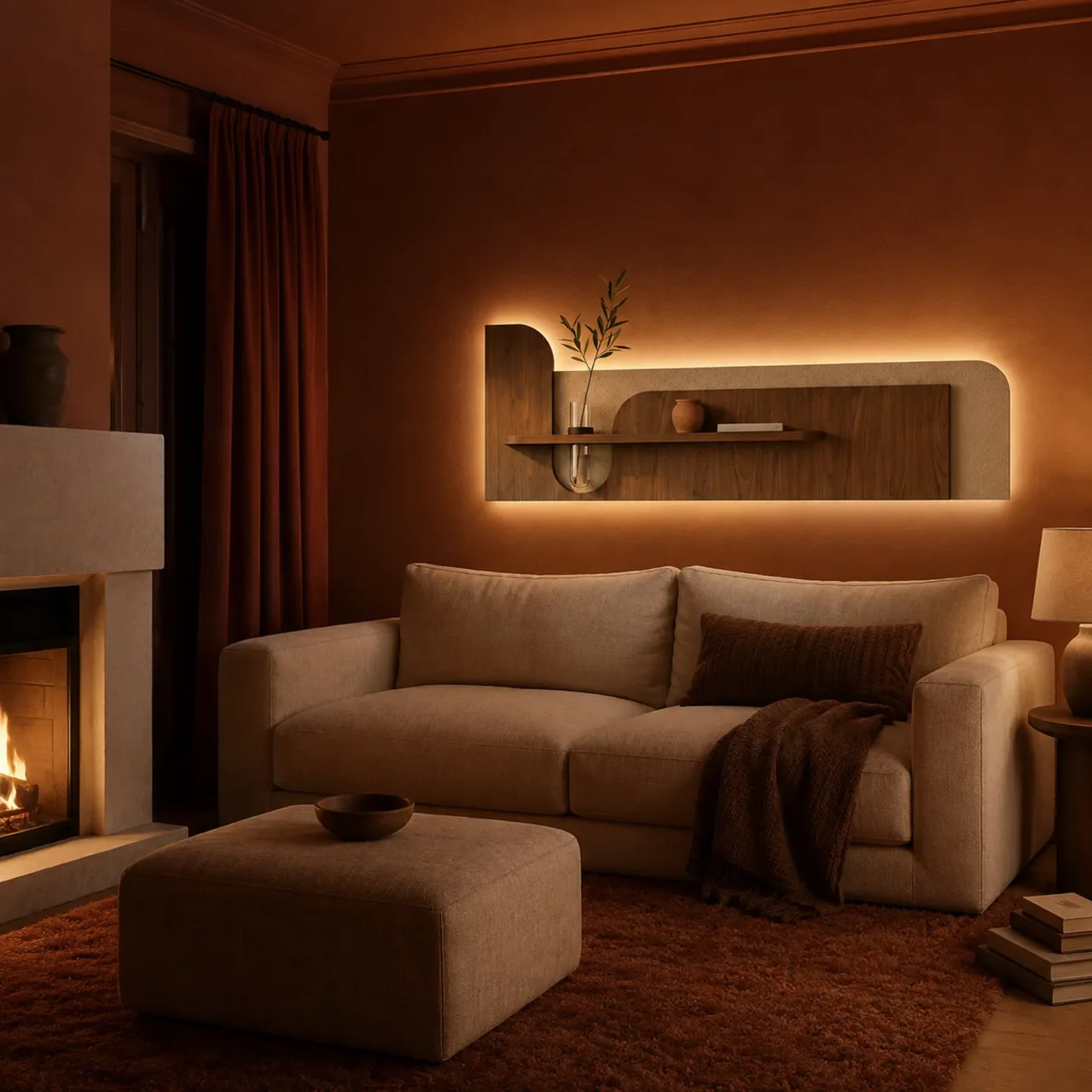
Soft lighting can change the mood of a small living room. String lights behind thin fabric panels create a gentle glow. This works well on a wall behind a low sofa.
Hang a short curtain rod or thin wooden dowel across the wall. Clip light strands to the rod and drape a sheer linen panel in front.
The fabric can be a warm ivory or a soft blush to add a hint of color. Turn the lights on at night for a calm atmosphere.
The lights generate a small amount of heat, so keep them away from flammable fabrics. Use LED bulbs to stay safe.
11. Make a DIY abstract canvas with painter’s tape
Creating your own art can be fun and budget‑friendly. Painter’s tape lets you paint clean lines without a steady hand. This works well on a small canvas placed on a side table.
Cover a canvas with strips of tape in a simple geometric pattern. Paint over the tape with two contrasting colors, such as teal and cream.
When the paint dries, peel off the tape to reveal crisp lines. The result looks modern and fits a minimalist room.
If the paint drips under the tape, the edges may look fuzzy. Use a small brush and work slowly to keep lines sharp.
12. Hang framed fabric panels

Fabric can act like a soft painting when stretched over a frame. It adds texture without the weight of canvas. This works well above a narrow bookshelf.
Choose a fabric with a subtle pattern in colors that match the sofa. Stretch it over a wooden frame and staple the back.
Hang the panel with a single hook centered on the wall. The fabric will add a gentle pop of color.
Fabric can fade if exposed to strong sunlight. Place it away from windows that get direct afternoon sun.
13. Mount small wall planters
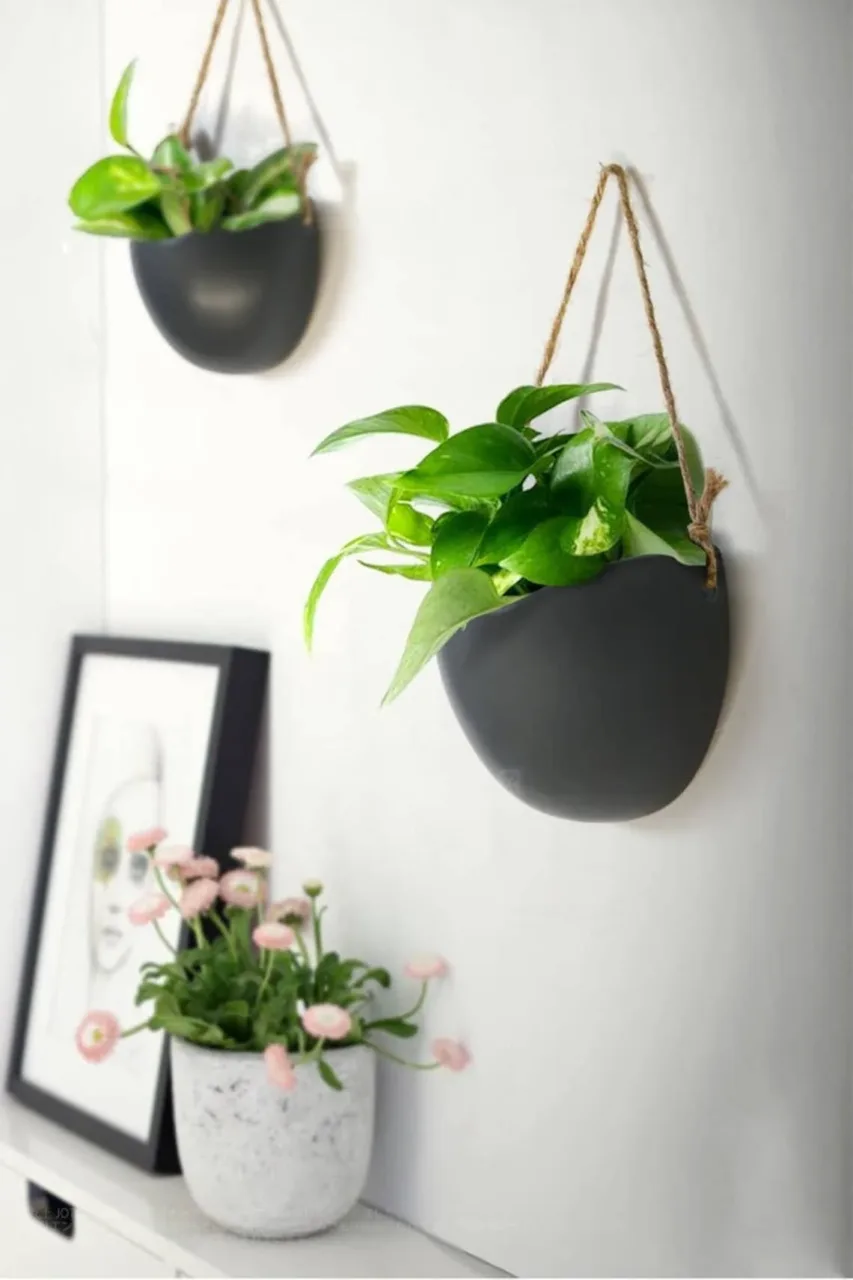
Plants bring life to a room, and wall planters keep the floor clear. Small ceramic or metal pots can hold succulents or air plants. They work well in a space near a window.
Pick planters that are about four inches tall and have a drainage hole. Use adhesive hooks that can hold the weight safely.
Arrange two or three pots in a vertical line for a simple, green accent. The plants will add a fresh scent and a touch of nature.
Air plants need occasional misting, and succulents need bright light. If the wall is dim, the plants may not thrive.
14. Install a wood slat wall with art inserts

Wood slats add warmth and a natural feel to a small room. Small openings between the slats can hold framed art or photos. This works well on a feature wall behind a TV.
Use thin pine slats spaced about an inch apart. Secure them with a simple frame that can be mounted on the wall.
Place a single small frame in each opening, alternating colors for interest. The wood background makes the art feel grounded.
The slats can collect dust, so they need regular wiping. In a rental, be sure the installation does not damage the wall.
15. Choose an oversized wall clock as art
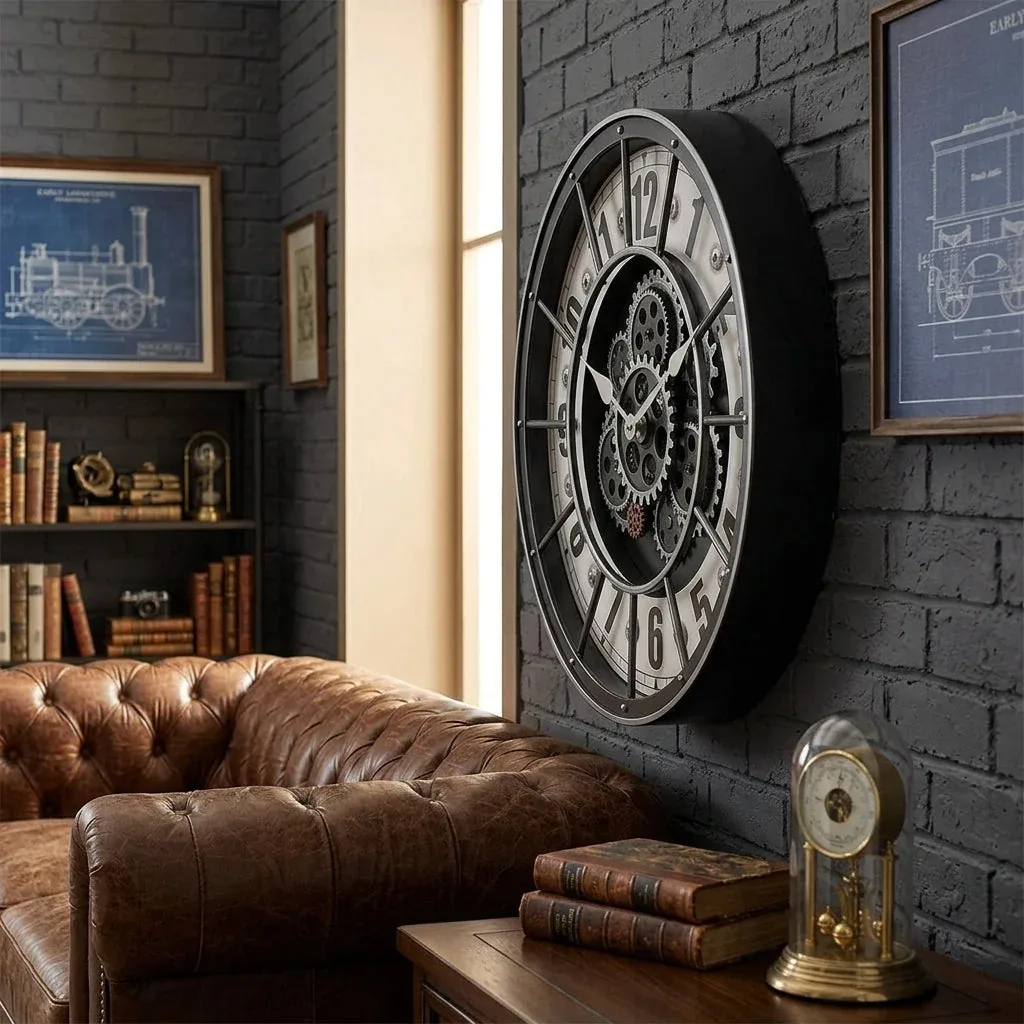
A large clock can serve as both function and décor. Its size draws the eye without needing extra space. It works well above a small sofa or a narrow console.
Pick a clock with a simple face in neutral tones like white or black. Hang it with two strong hooks to keep it level.
The clock’s hands add a subtle visual cue, and the frame can match other metal accents in the room. It also helps you keep track of time.
If the room already has many round objects, the clock may feel repetitive. Choose a different shape if you have many circles.
16. Create a nature‑focused photo collage
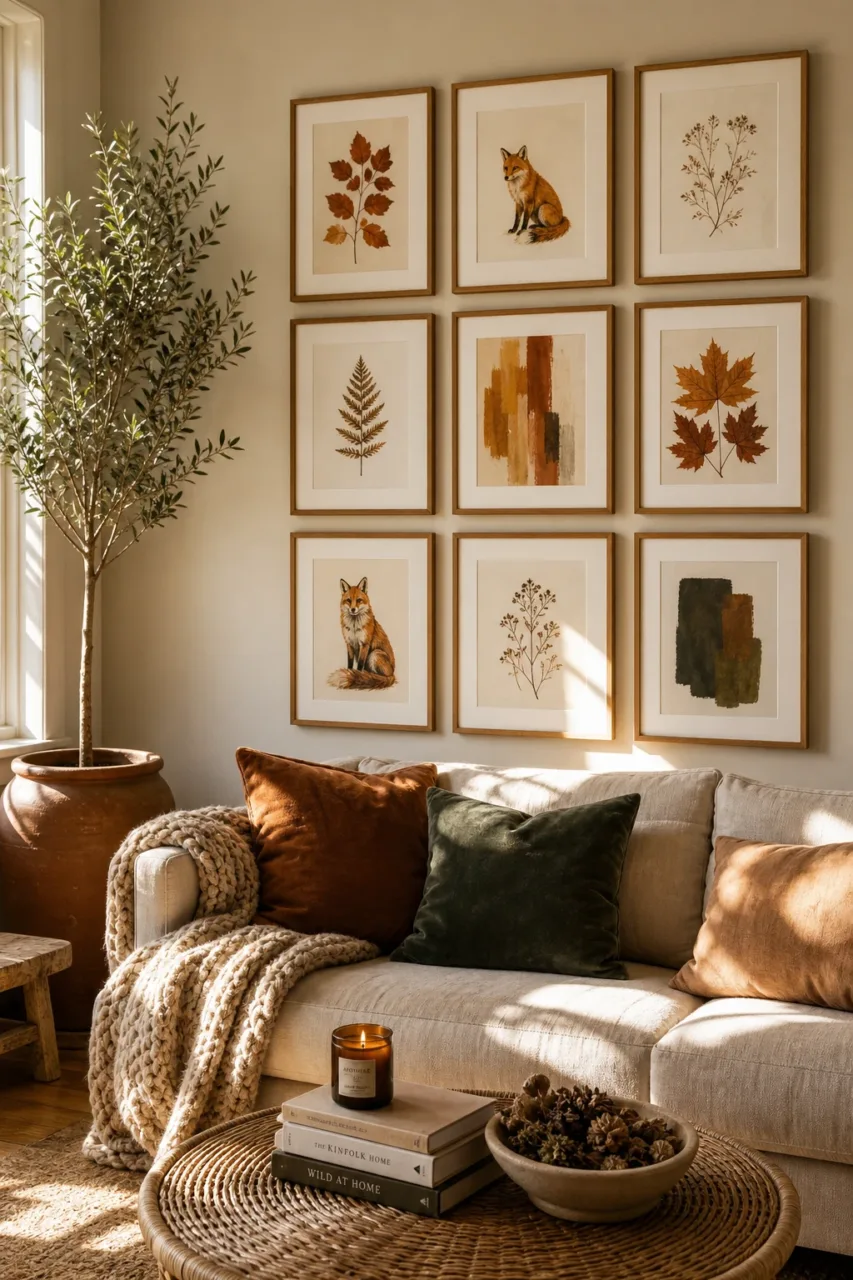
Photos of landscapes, forests, or oceans bring calm to a living room. A small collage can fill a narrow wall without feeling crowded. This works well above a low side table.
Print a few black‑and‑white or soft‑tone photos in matching sizes. Arrange them in a loose line or staggered pattern.
Use simple white frames or no frames at all for a clean look. The images will add depth and a sense of outdoors.
If the photos are too dark, they may make the room feel smaller. Choose images with light areas to keep the space bright.
17. Apply peel‑and‑stick wallpaper as an accent

Wallpaper can add pattern without needing a full wall. Peel‑and‑stick versions are renter‑friendly and easy to remove. This works well on a short strip behind a bookshelf.
Select a pattern with a subtle texture, like a linen look or soft geometric shape. Cut the strips to fit the height of the wall.
Smooth the paper onto the wall, pressing out any bubbles. The accent will add visual interest without overwhelming the room.
The adhesive may leave a light residue if left on for years. Remove the paper within a few months to keep the wall clean.
How can I hang art without damaging my apartment walls?
Use adhesive hooks that are rated for the weight of your piece. Follow the manufacturer’s instructions for cleaning the wall first. This method leaves no holes and can be removed cleanly.
What is the best lighting for wall art in a small living room?
Place a small lamp or wall sconce near the artwork to add focused light. Soft, warm bulbs highlight colors without harsh glare. Avoid bright overhead lights that can wash out the details.
Can I use heavy frames on drywall?
Heavy frames need anchors that spread the load across the wall. Use toggle bolts or molly anchors for extra security. If you cannot drill, stick to lightweight frames or canvas.
How do I keep wall art from getting dusty?
Wipe the surface gently with a soft, dry cloth once a week. For glass frames, use a microfiber cloth and a little water if needed. Regular cleaning prevents buildup without damaging the finish.
What are some budget‑friendly art ideas for renters?
Print free digital artwork and place it in inexpensive frames from a discount store. Use washi tape to create a temporary gallery wall. These options cost little and can be removed when you move.


Leave a Reply