

Living in a studio can feel cramped, but a few smart changes can make the space feel larger and more inviting. Small updates that cost little can give the room a fresh look without a big spend.
In this guide you’ll find ideas that work for rentals and for homes you own. Each tip explains the look, how to do it, and a quick note on when it might not work.
1. Paint a Feature Wall
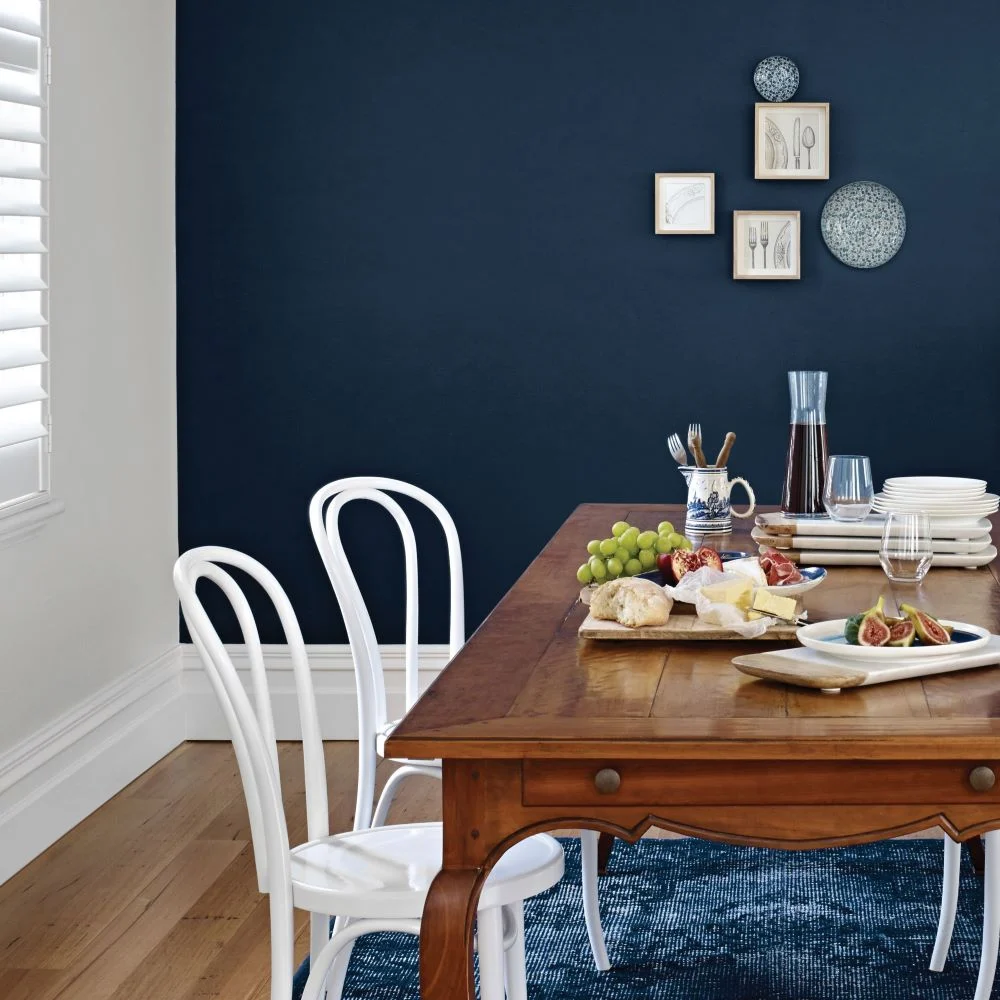
Choosing one wall to paint a soft hue creates a subtle focal point. A light sage or warm greige adds depth without darkening the room.
The look feels calm and helps separate the sleeping area from the living zone. It also adds a hint of color that ties other pieces together.
Pick a matte finish and use painter’s tape to keep edges clean. You’ll need only a small can of paint and a roller.
The downside is that bold colors can feel overwhelming in a tiny space, so stay on the lighter side.
2. Hang Floating Shelves
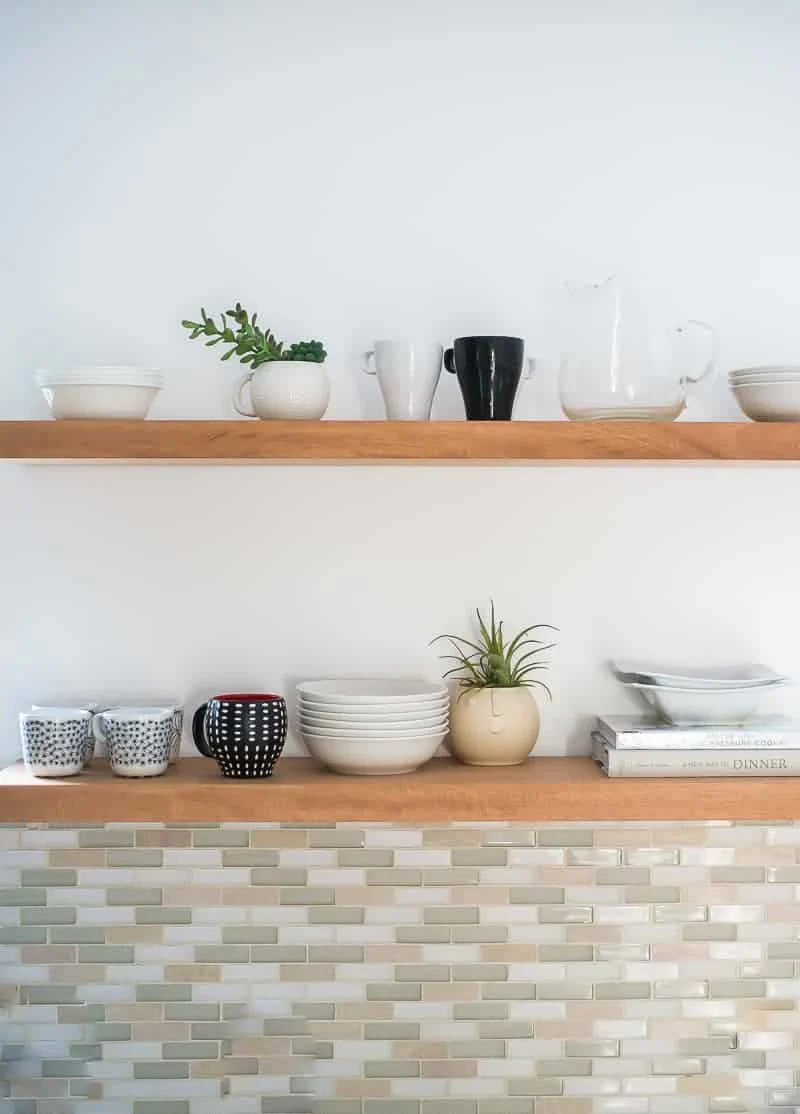
Floating shelves give you storage without taking up floor space. They look sleek and keep books, plants, or dishes within reach.
The open look adds a modern feel and lets the eye travel upward, making the ceiling appear higher.
Install two or three shelves about a foot apart, using simple brackets that match the wall color. Choose wood or painted metal that fits your style.
Heavy items can wobble if the brackets aren’t secured well, so check the wall type before loading.
3. Use a Light Room Divider
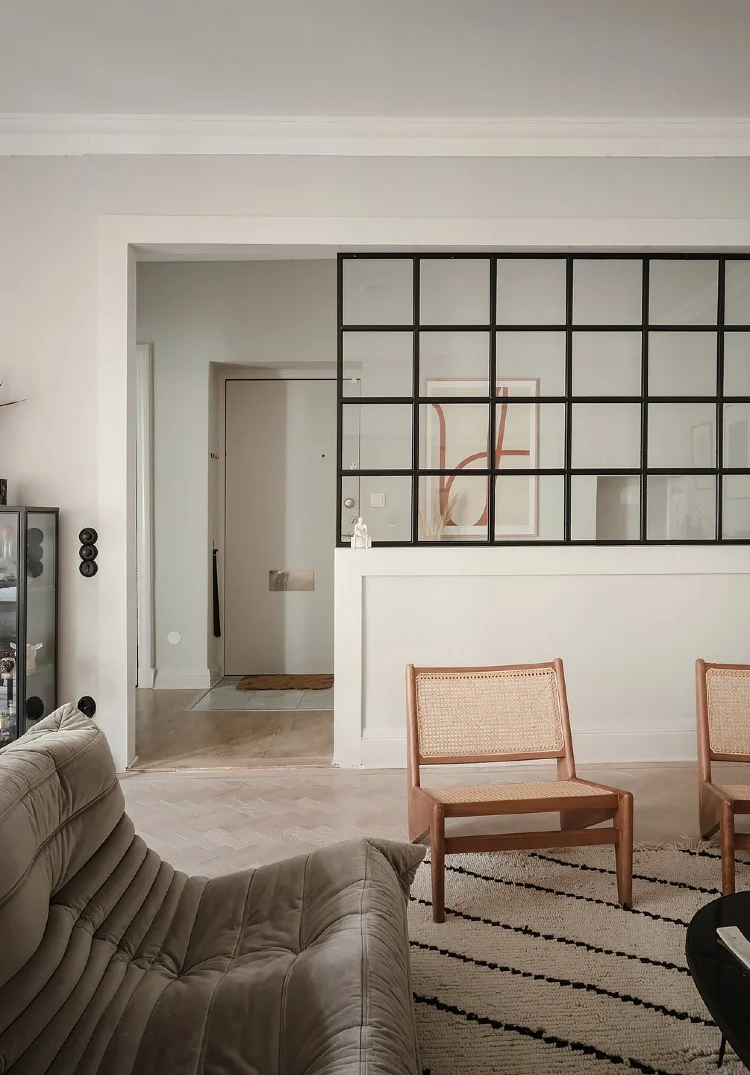
A light divider can define a sleeping nook while still letting light flow. Thin metal frames with fabric panels work well.
The divider adds privacy without blocking the view, so the studio feels less crowded.
Choose a panel in a neutral tone and place it where the bed meets the living area. You can also hang a simple curtain on a tension rod.
If the divider is too solid, it may make the room feel cut in half, so keep it airy.
4. Swap to a Floor Lamp
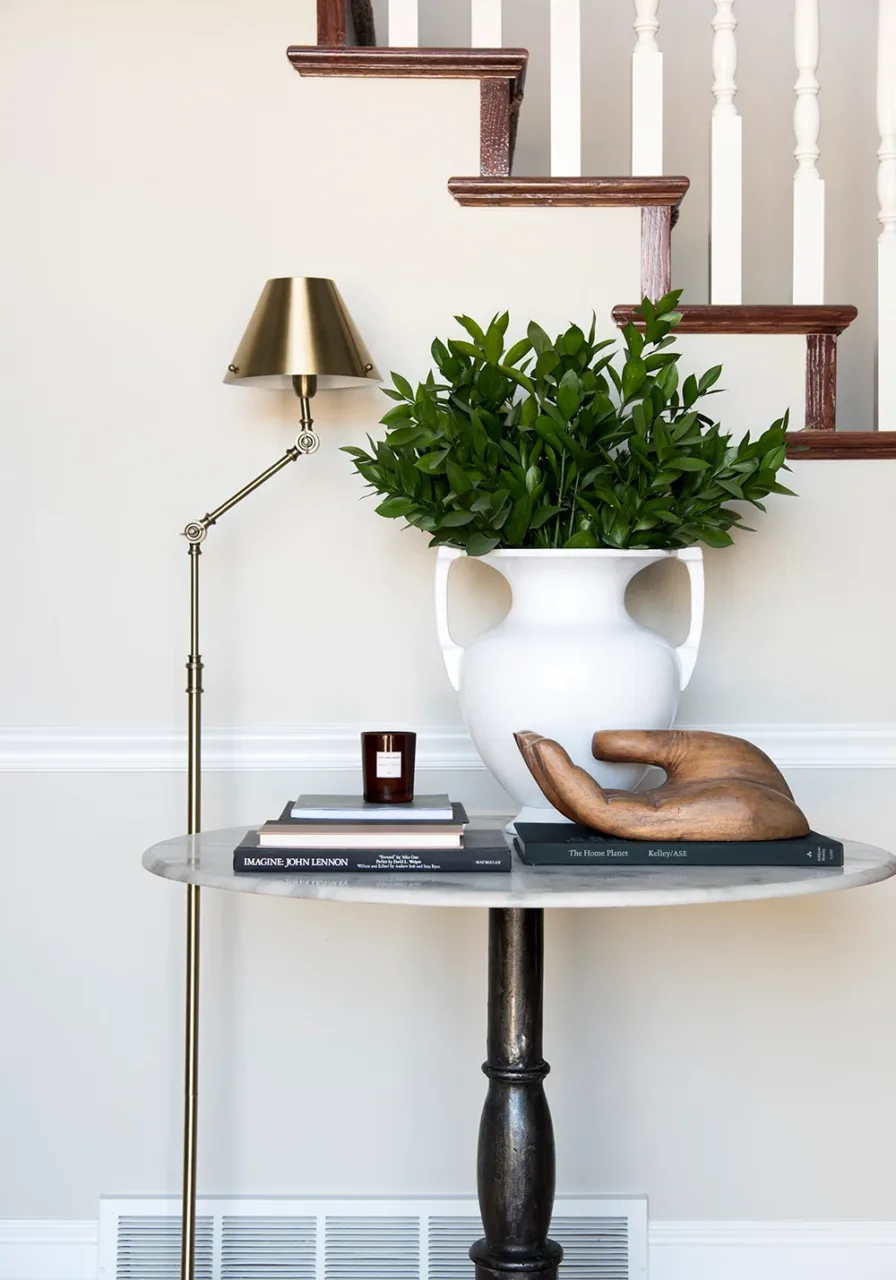
A floor lamp adds focused light and frees up table space. Look for a slim model with a fabric shade.
The soft glow creates a cozy corner for reading or watching TV. It also adds a vertical line that balances the room’s proportions.
Place the lamp near the sofa or a side table and use a bulb that offers warm light. A dimmer switch can add flexibility.
Large base lamps can take up too much floor area, so choose a narrow profile.
5. Add a Small Area Rug

An area rug defines a living zone and adds texture. A low‑pile rug in a muted pattern works best for studios.
The rug softens hard floors and makes the space feel layered. It also helps hide dust on wood or laminate.
Pick a size that fits under the coffee table and leaves a border of floor visible. Neutral tones keep the room bright.
Rugs can be hard to clean in a small apartment, so look for a material that tolerates spot cleaning.
6. Choose Multi‑Functional Furniture
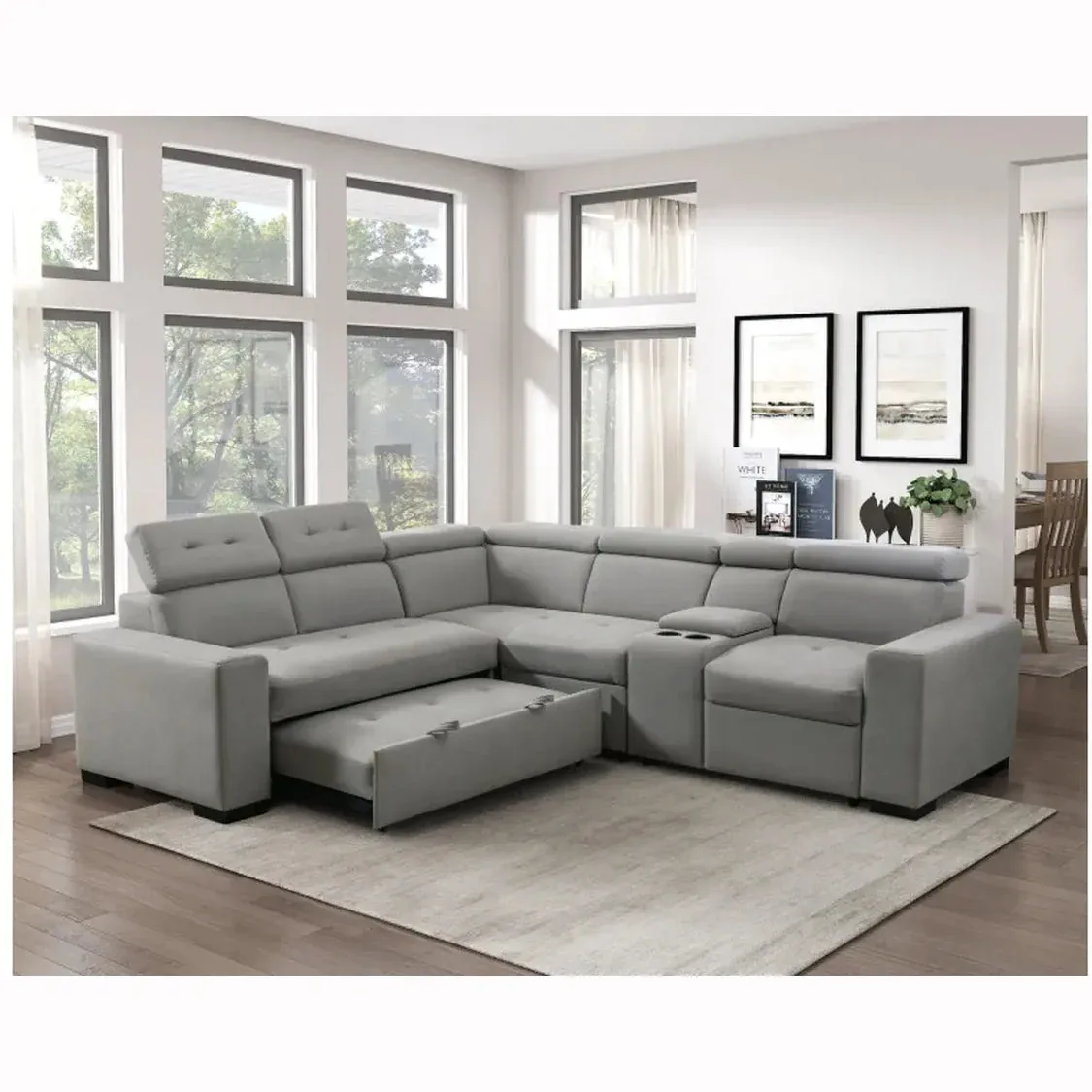
Pieces that serve two purposes cut down on clutter. A sofa with a hidden storage compartment is a good example.
The look stays sleek while you keep blankets or shoes out of sight. It also frees up closet space.
Look for a couch that opens like a chest or a coffee table with drawers. Stick to simple lines that match the wall color.
Hidden storage can be shallow, so it may not hold bulkier items.
7. Install a Large Mirror
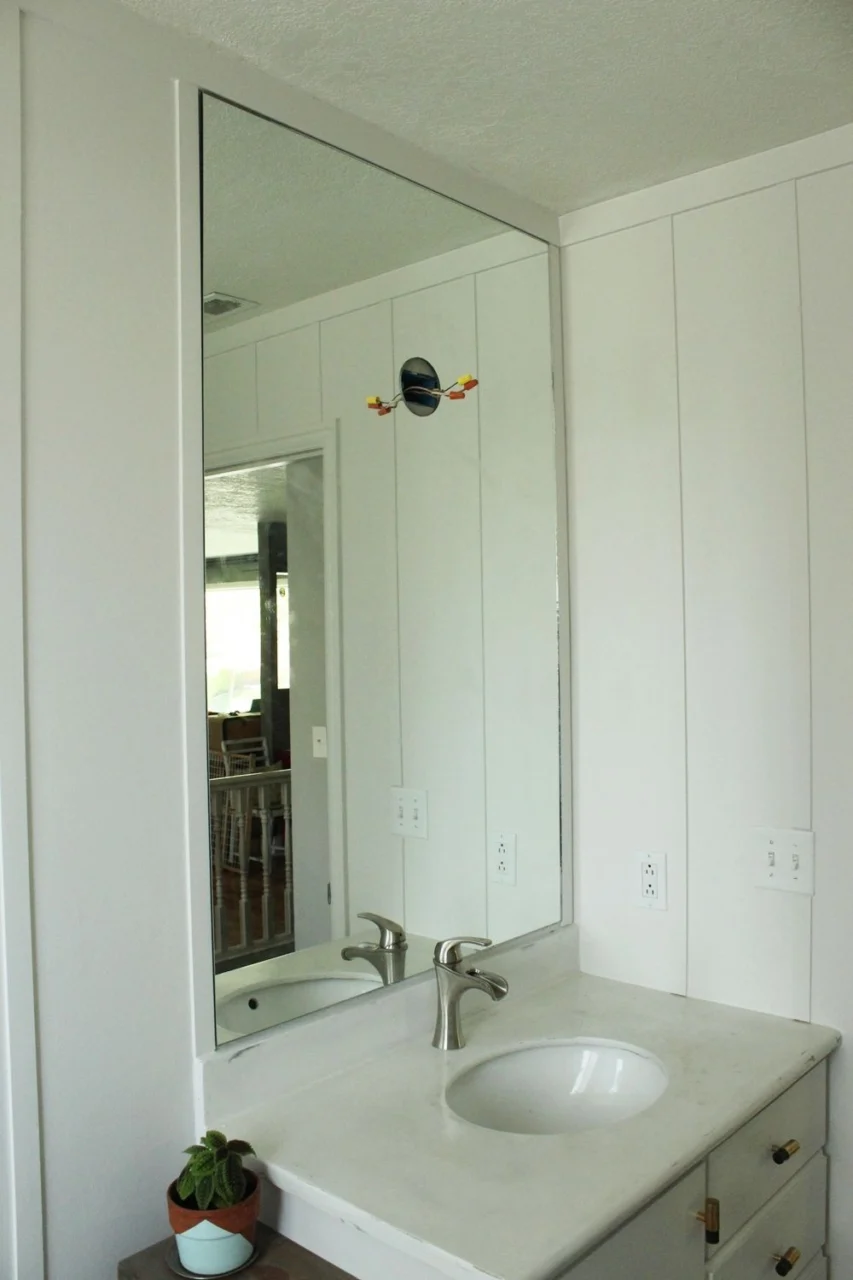
A mirror reflects light and makes the room feel bigger. A rectangular frame on one wall works well.
The reflected view adds depth and brightens corners that lack windows. It also doubles the visual space.
Hang the mirror at eye level and keep the frame thin to avoid visual weight. Use a cheap acrylic mirror if budget is tight.
If the mirror is placed opposite a bright window, it can create glare, so angle it slightly.
8. Use Curtains as a Divider
Heavy curtains can separate a sleeping area without a permanent wall. They slide easily on a tension rod.
The fabric adds softness and can be pulled back for an open feel. It also adds a splash of color.
Choose a light cotton in a muted shade and hang it from ceiling to floor. The curtain can also hide a small bookshelf.
Curtains can collect dust, so they need regular washing.
9. Add a Few Houseplants
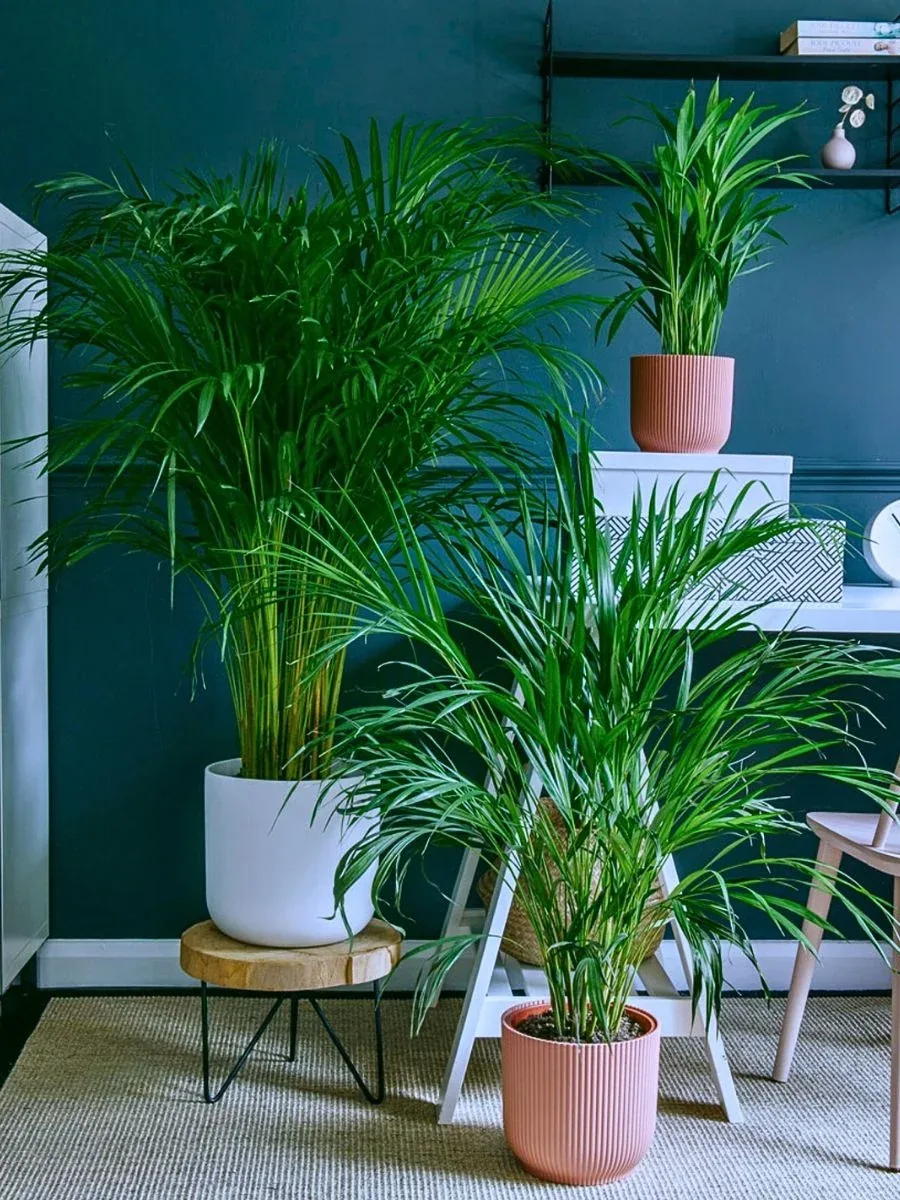
Plants bring life and improve air quality. A snake plant or pothos needs little light and care.
The green touch softens hard surfaces and adds a natural vibe. Small pots can sit on shelves or windowsills.
Pick pots in neutral colors that match your décor. Group two or three plants at varying heights for interest.
Plants need watering, so if you travel often, choose a low‑maintenance variety.
10. Use Open Storage Bins
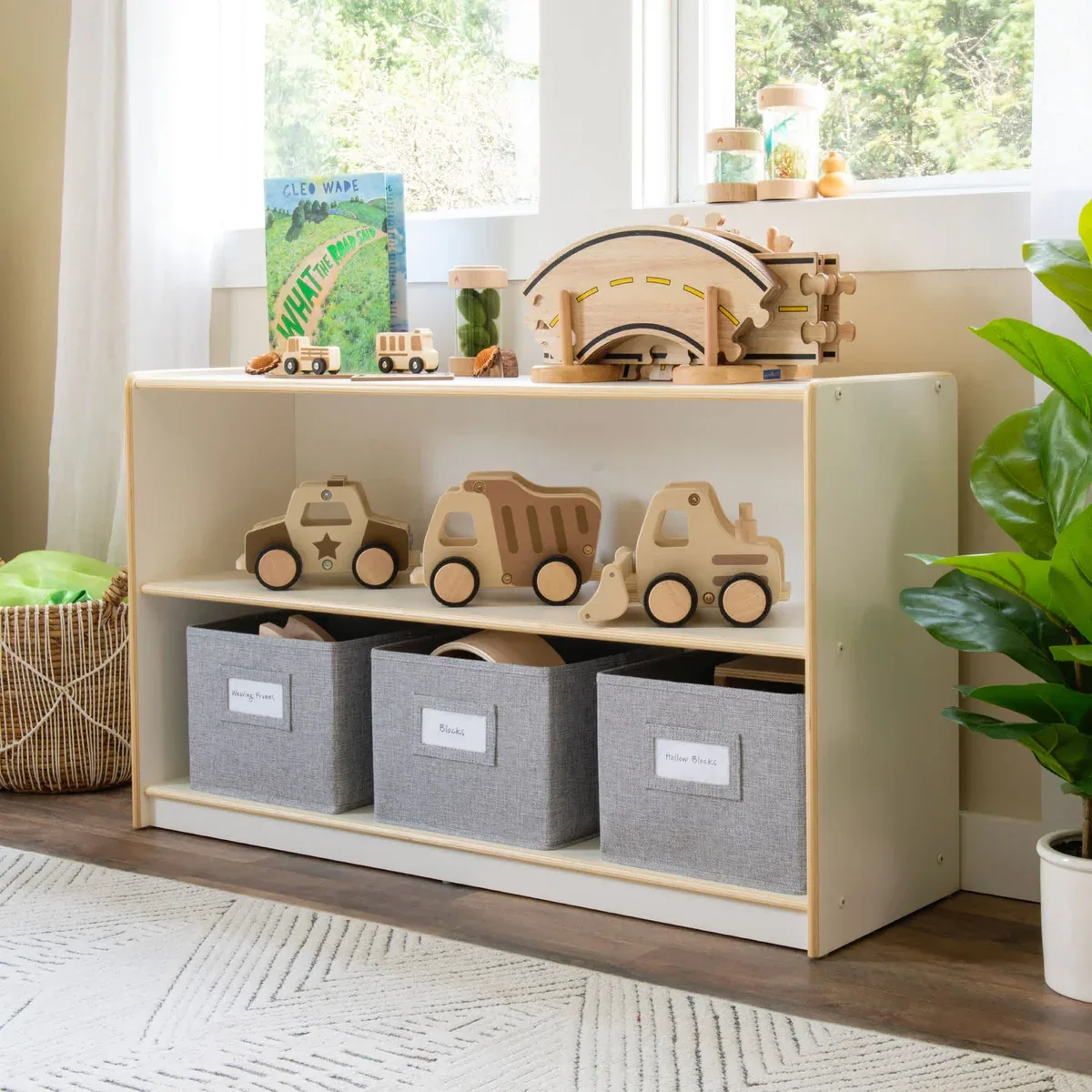
Open bins keep items visible and easy to reach. Clear plastic or woven baskets fit nicely on shelves.
The look feels organized yet relaxed, and you can quickly grab what you need.
Label each bin with a simple tag to keep things sorted. Place them near the entryway for shoes or mail.
Open bins can collect dust, so you’ll need to wipe them down often.
11. Update Cabinet Hardware
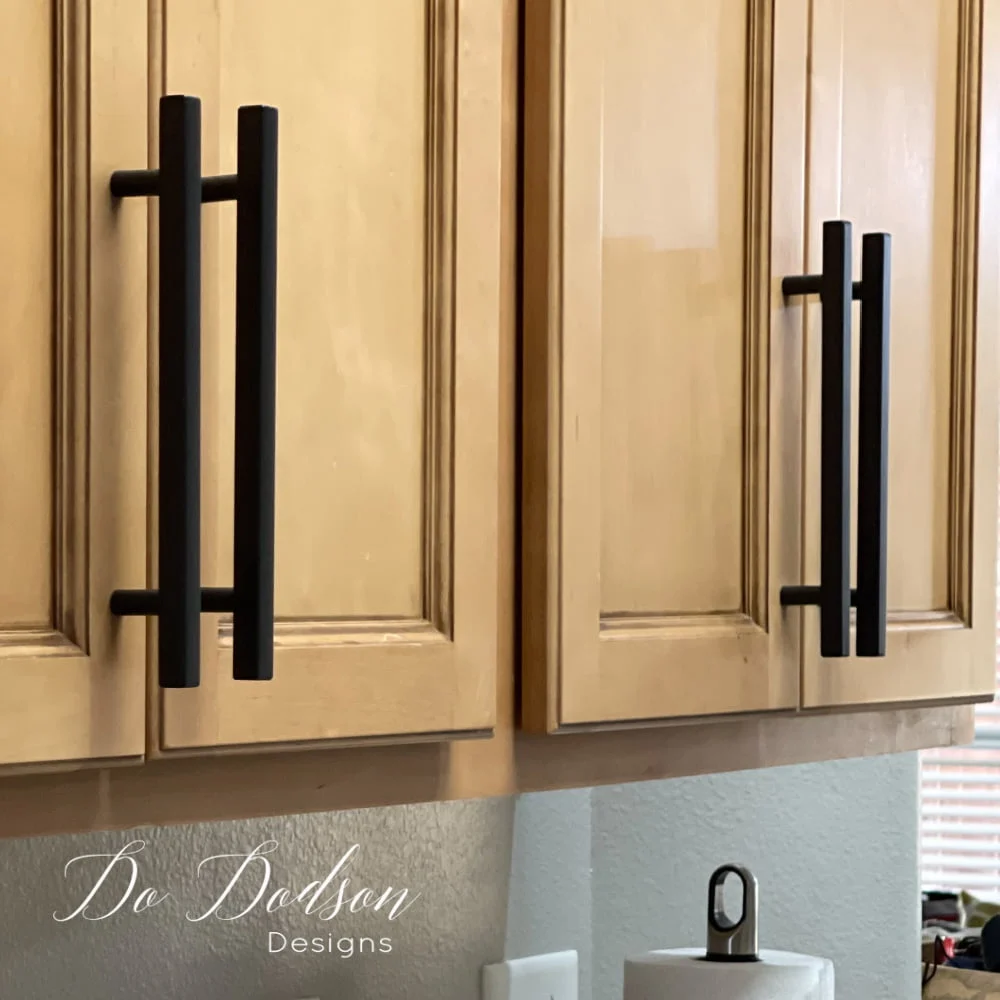
New knobs or pulls can freshen a kitchen or bathroom without a remodel. Choose brushed brass or matte black for a modern touch.
The change adds a subtle detail that catches the eye. It also makes opening drawers feel smoother.
Remove the old hardware with a screwdriver and screw in the new pieces. Most kits include all needed screws.
If the cabinets are painted, the new hardware may look out of place without a matching finish.
12. Add Throw Pillows
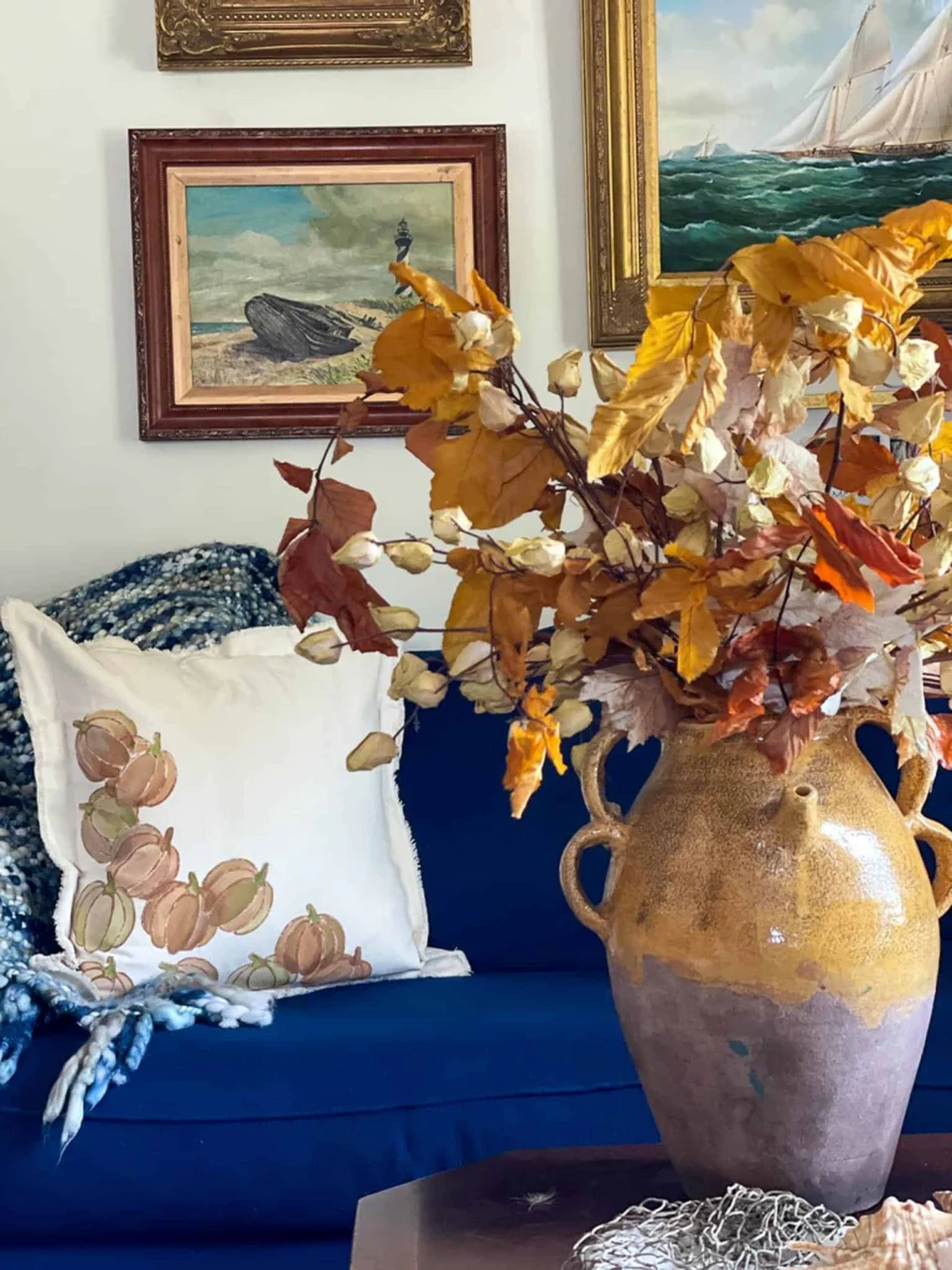
Throw pillows give a sofa a quick style boost. Mix textures like linen and boucle for interest.
The added color can tie together rugs, curtains, and art pieces. It also makes seating more comfortable.
Pick two or three pillows in shades that echo your wall paint. Rotate them seasonally for a fresh look.
Too many pillows can make the sofa look crowded, so keep the count low.
13. Install Wall Hooks for Bags

Wall hooks free up floor space and keep bags off the floor. Simple metal hooks blend with most décor.
The look stays tidy and you can see your items at a glance. It also adds a functional accent.
Place hooks near the entry door at a height that’s easy to reach. Space them evenly for a clean line.
If the wall is drywall, be sure to use anchors to avoid pulling the hooks out.
14. Create a Coffee Corner
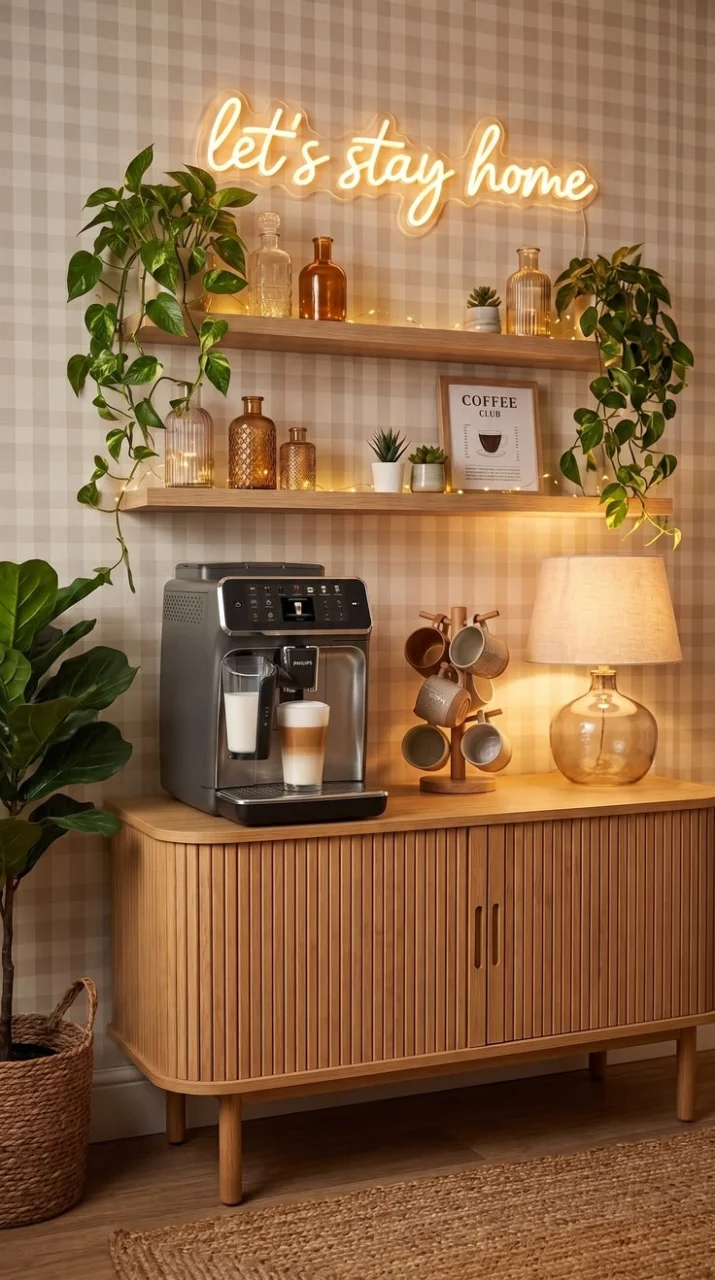
A small coffee station makes the studio feel more lived‑in. Use a narrow cart or a wall‑mounted shelf.
The corner adds a cozy vibe and keeps mugs and coffee beans organized.
Add a compact kettle, a small canister for beans, and a couple of mugs. Choose a finish that matches your countertop.
The corner can take up valuable counter space, so keep the items minimal.
15. Apply Peel‑and‑Stick Tiles
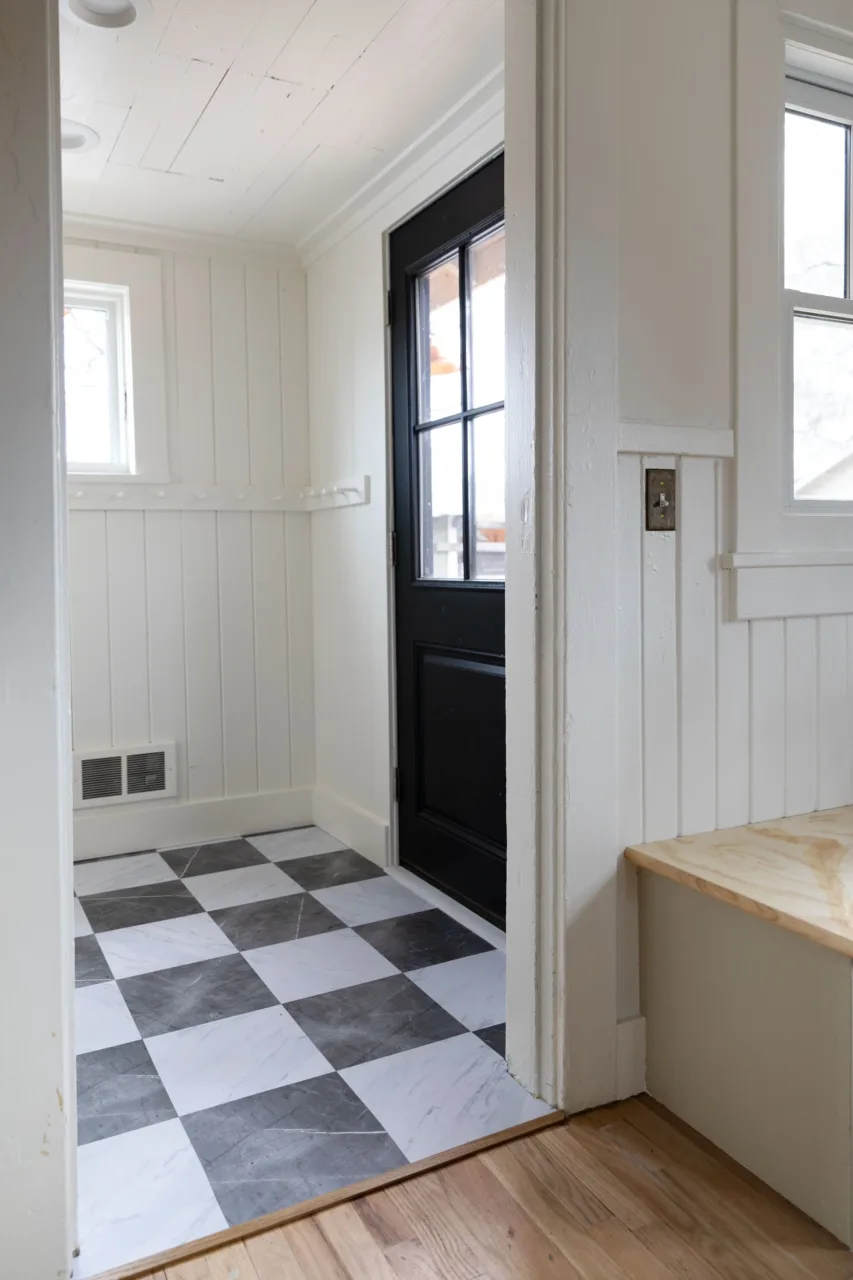
Peel‑and‑stick tiles give a fresh floor look without demolition. They come in wood‑look or simple patterns.
The tiles add texture and can hide old stains. They also protect the floor underneath.
Measure the area, cut tiles to fit, and press them down firmly. Most brands offer a warranty for a year.
Tiles can feel slippery when wet, so choose a textured finish if you have a kitchen area.
How can I make a small studio feel larger without major renovations?
Use light paint on the walls and add mirrors to bounce light around. Keep furniture low to the ground and choose pieces that have legs so the floor stays visible.
What are the best budget‑friendly lighting options for a studio?
Floor lamps with a slim profile and warm bulbs work well. Add a small table lamp on a side table for extra task lighting.
Can I use bright colors in a studio without making it feel cramped?
Yes, if you limit bright shades to accessories like pillows or a single accent wall. Keep the rest of the room in neutral tones to balance the look.
How do I keep my studio organized when I have limited closet space?
Use open storage bins, wall hooks, and floating shelves to store items off the floor. Multi‑functional furniture with hidden storage can also hold extra belongings.


Leave a Reply