

Living in a tiny apartment means every inch counts, especially in the laundry closet. You may have limited wall space, no room for a full‑size cabinet, and a tight budget for upgrades. With a little planning you can turn that cramped spot into a tidy, functional area that works for you.
This guide walks you through seventeen ideas you can mix and match. Each idea shows what it looks like, how to add it without big construction, and a simple note on when it might not fit. The suggestions use common items, soft colors, and easy‑to‑clean materials.
Before you start, measure the width, depth, and height of the closet. Write down any obstacles like vent pipes or uneven walls. Having these numbers will help you pick ideas that truly fit.
1. Pull‑Out Shelf System
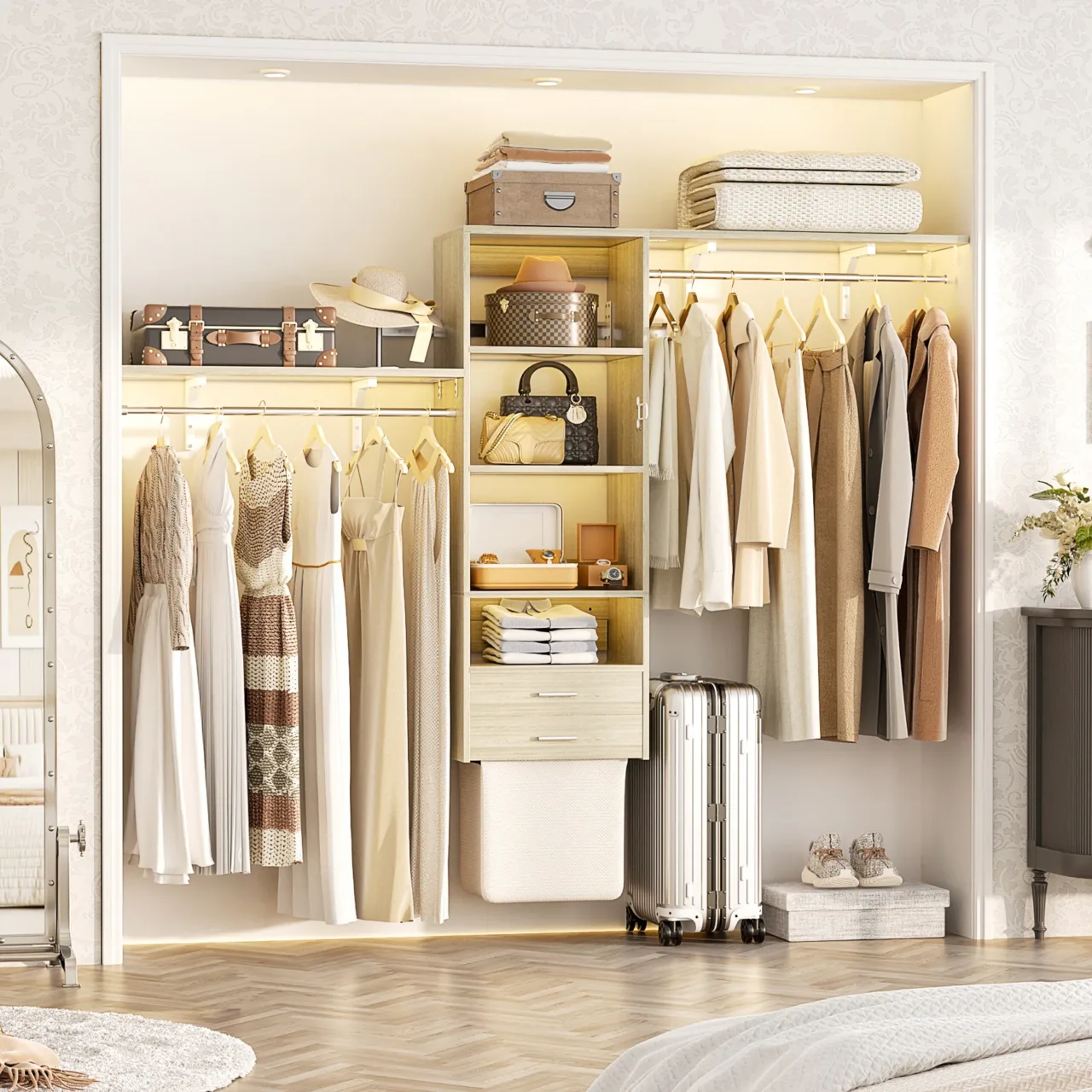
A set of narrow pull‑out shelves creates a clean line inside the closet. The shelves sit on low‑profile rollers and glide out when you need them. They give you a clear view of detergent, softener, and small accessories.
Buy a ready‑made kitchen shelf kit or a DIY set of plywood shelves with ball‑bearing slides. Install the brackets on the side walls using short screws that won’t damage plaster. When the shelves are in place, load them with containers that fit the width.
The downside is that the rollers can squeak over time, especially on rough floorboards. A quick spray of silicone can quiet them, but if you rent you may need permission to attach brackets.
2. Hanging Rod for Baskets

A sturdy metal rod runs across the upper part of the closet, letting you hang woven baskets. The baskets keep towels, socks, and small linens off the floor. The rod adds a simple, industrial look that works with most décor.
Measure the interior width and buy a tension rod that expands to fit without drilling. Place the rod a few inches below the ceiling, then hang baskets with sturdy handles. You can add a second rod lower down for lighter items.
If the closet ceiling is low, the rod may reduce headroom and make it hard to reach the back. In that case, consider a lower rod or a single basket on the floor.
3. Magnetic Strip for Metal Tools

A thin magnetic strip glued to the inside door holds metal tools like lint rollers and small scissors. The strip stays hidden when the door is closed, keeping the closet looking neat.
Purchase a self‑adhesive magnet strip from a hardware store. Clean the door surface, peel the backing, and press the strip firmly. Arrange the tools in a line so you can grab them quickly.
The magnet only works for metal items, so you’ll still need a place for plastic or wooden tools. Also, the adhesive may leave a faint mark if you remove it later.
4. Clear Stackable Bins
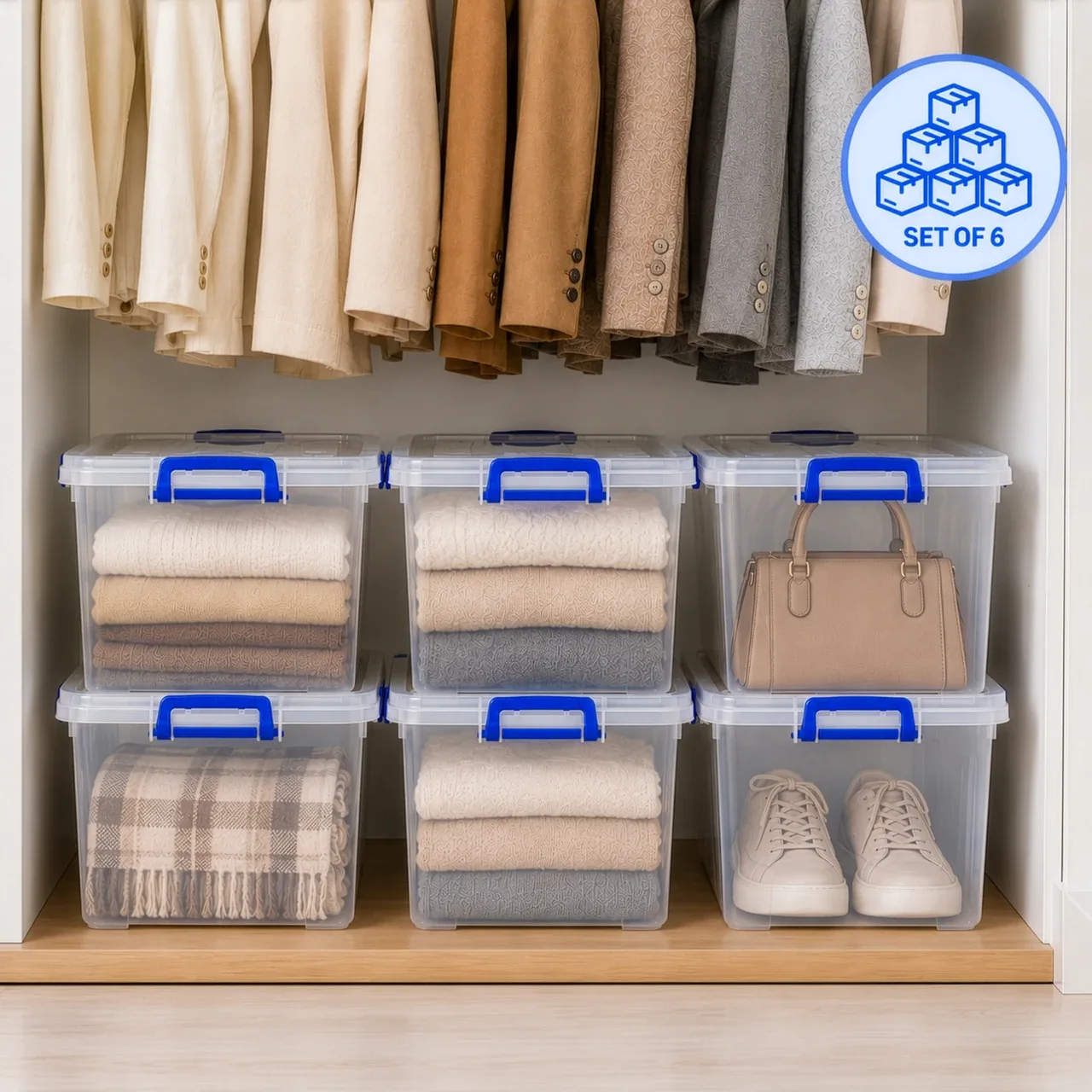
Clear plastic bins let you see the contents without opening each one. Stacking them uses vertical space and keeps the floor clear. The clear look matches any colour scheme without clashing.
Choose bins that are no taller than the closet depth. Place the largest bin on the bottom, then stack smaller ones on top. Label each bin with a simple tag for quick identification.
Clear bins can show dust, so you’ll need to wipe them often. If you prefer a softer look, you can use white bins, but you’ll lose the see‑through benefit.
5. Door‑Mounted Hooks
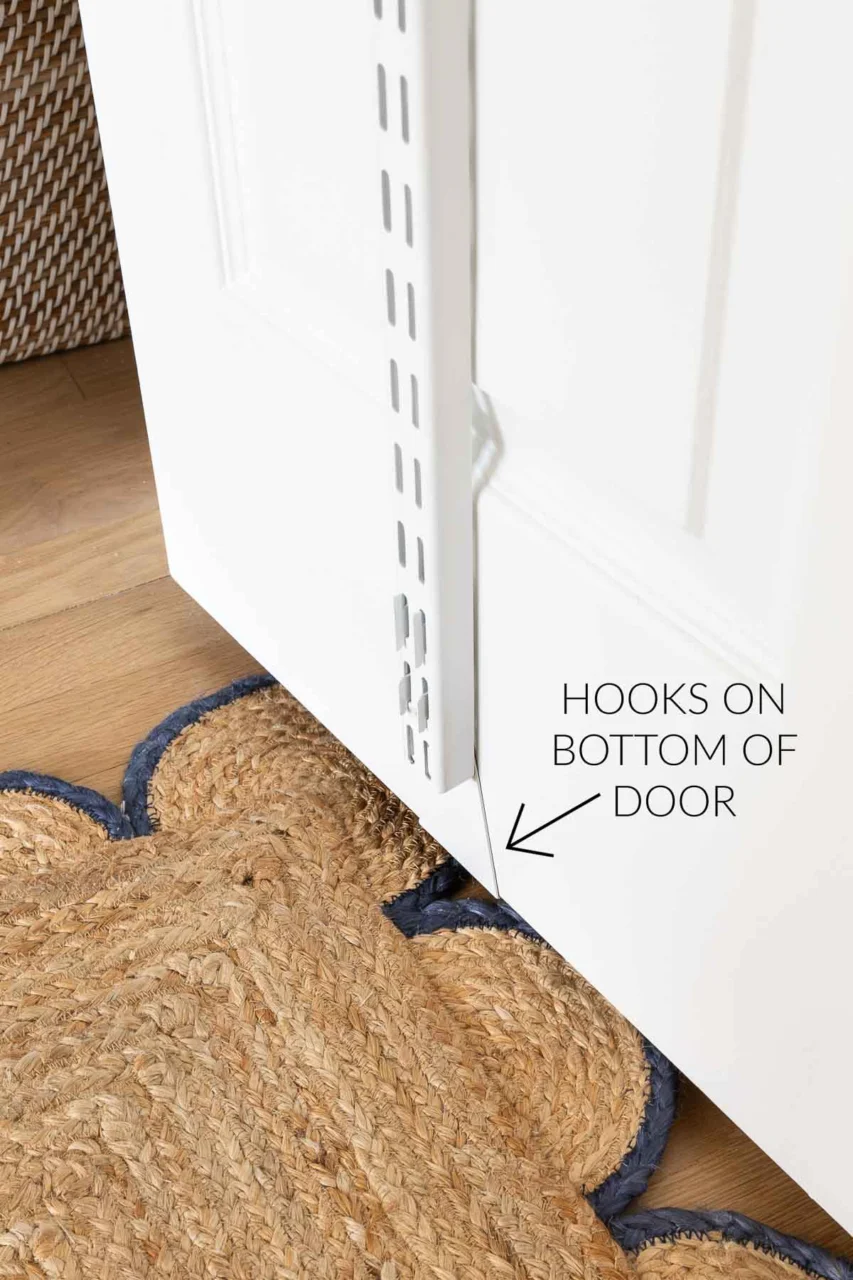
Hooks attached to the inside of the closet door give a place for hanging dryer sheets or reusable laundry bags. The hooks add a subtle decorative touch, especially if they are brushed brass or matte black.
Use adhesive hooks that hold up to 2 kg and won’t damage paint. Space the hooks evenly, then hang your items by their handles. You can add a small shelf above the hooks for extra storage.
The hooks may not hold heavy items, and the adhesive can pull paint off if you remove them. Test the weight limit before hanging anything large.
6. Slim Rolling Cart
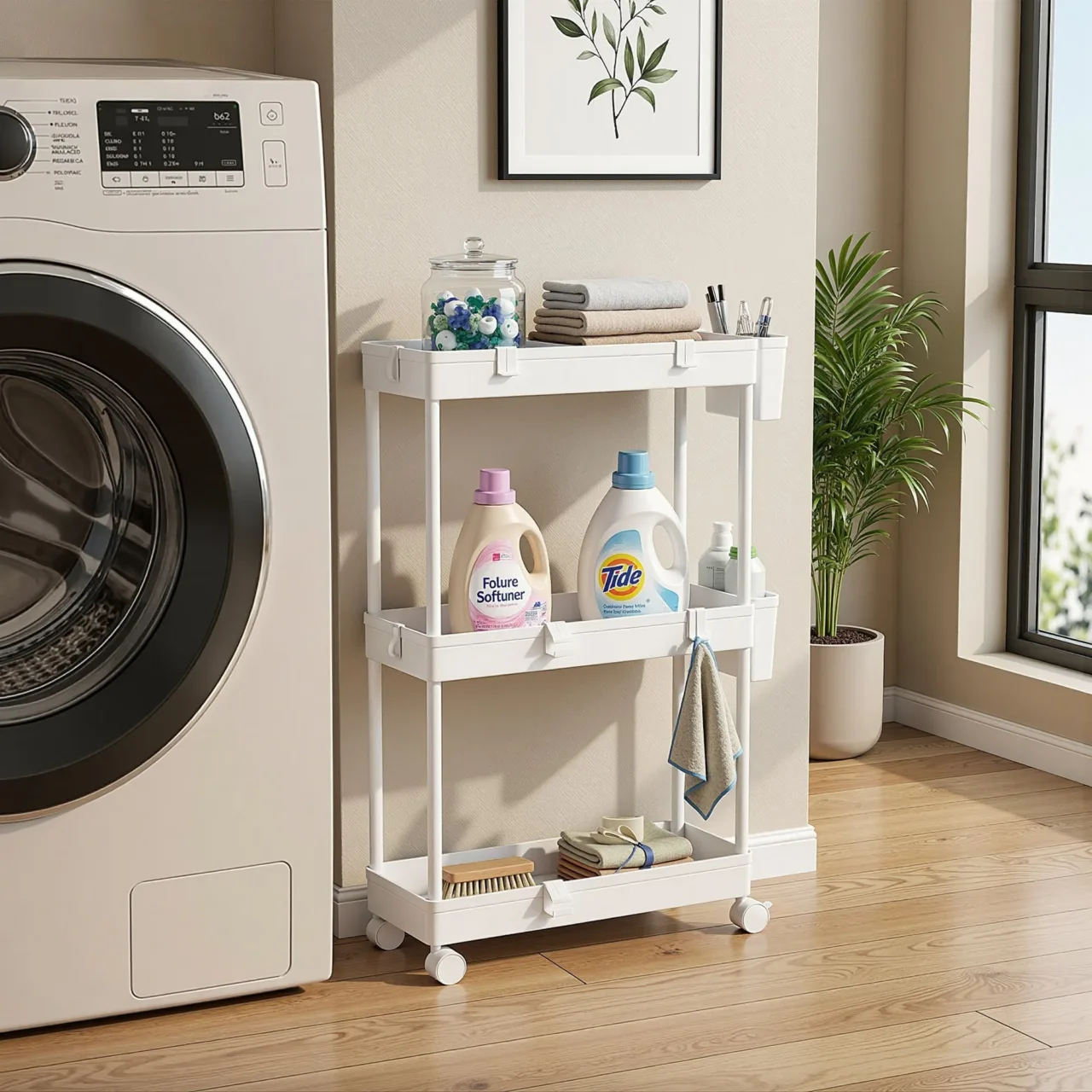
A narrow rolling cart slides into the closet and provides three levels of storage. The cart can hold laundry bags, cleaning supplies, and a small basket for folded clothes.
Pick a cart that is no wider than the closet opening. Push it in, then lock the wheels if you want it to stay still. Load each tier with items that you use most often.
The cart takes up floor space, so it works best in closets that are at least three feet deep. In very tight spaces, a static shelf might be a better fit.
7. Tension Rod for Hanging Bags
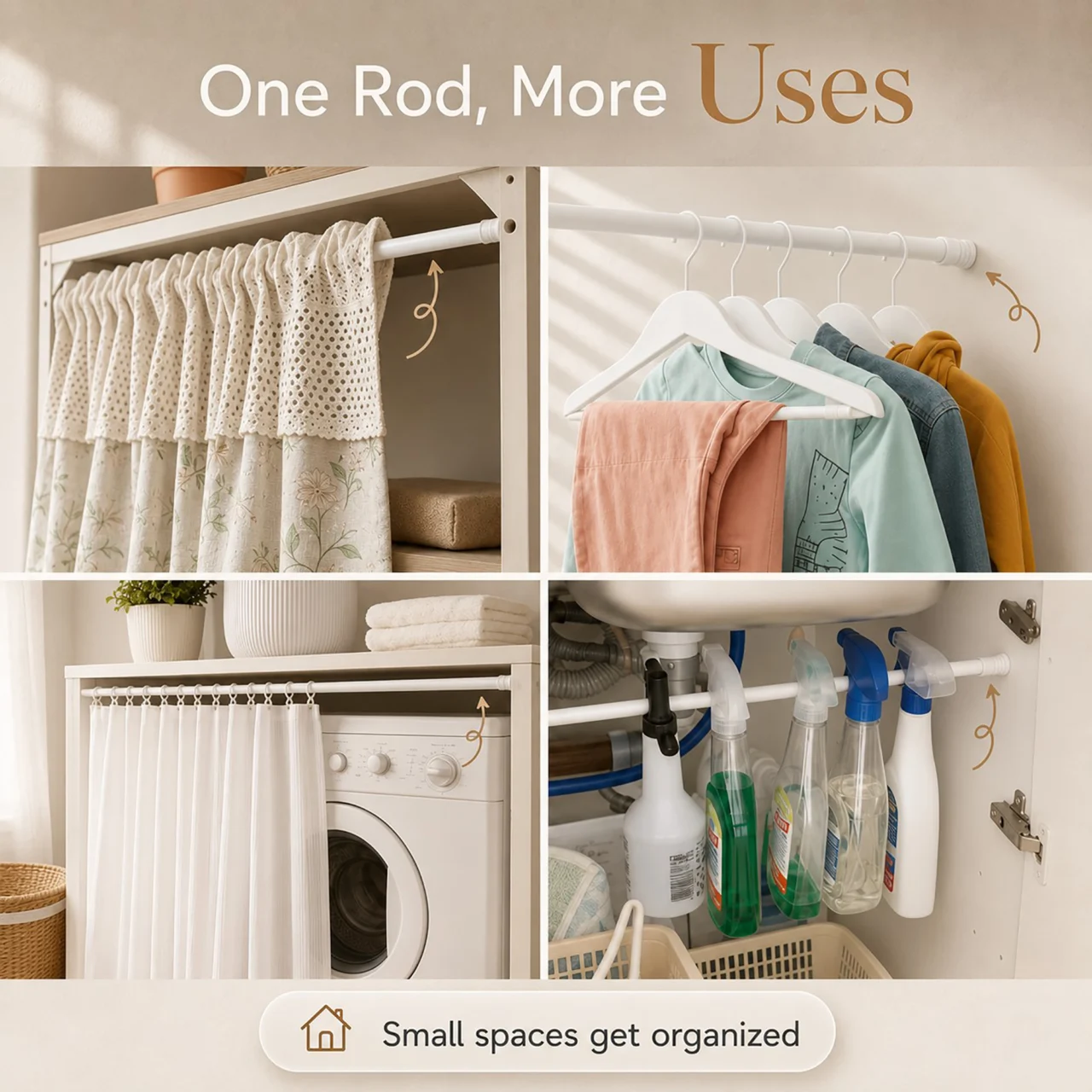
A tension rod placed near the floor lets you hang laundry bags or mesh sacks. The rod creates a line that keeps bags off the ground, reducing damp smells.
Measure the width of the closet and choose a rod that expands a little beyond that. Twist the rod to set the tension, then slide the bag handles onto it. You can add a second rod higher up for smaller bags.
If the closet floor is uneven, the rod may not stay tight and could slip. In that case, a small wall‑mounted hook might be more reliable.
8. Simple Label System

Labels on bins, baskets, and shelves tell you where each item belongs. Hand‑written labels on kraft paper add a warm, homey feel.
Print or write the names of items on small pieces of paper, then attach them with tape or a reusable clip. Place the label on the front of each container for easy spotting.
Labels can fade if they get wet, so keep them away from splashes. If you prefer a cleaner look, you can use magnetic labels, but they cost a bit more.
9. Built‑In Ironing Board Fold‑Down

A fold‑down ironing board mounted on the back wall saves space when not in use. When you pull it down, it provides a sturdy surface for quick touch‑ups.
Buy a compact wall‑mounted board that folds flat against the wall. Use short screws that go into studs or anchors if you rent. When folded, the board sits flush and does not block other items.
The board adds a small hole in the wall, which may not be allowed in some rentals. If you cannot drill, a free‑standing fold‑away board can sit on the floor instead.
10. Fold‑Down Drying Rack
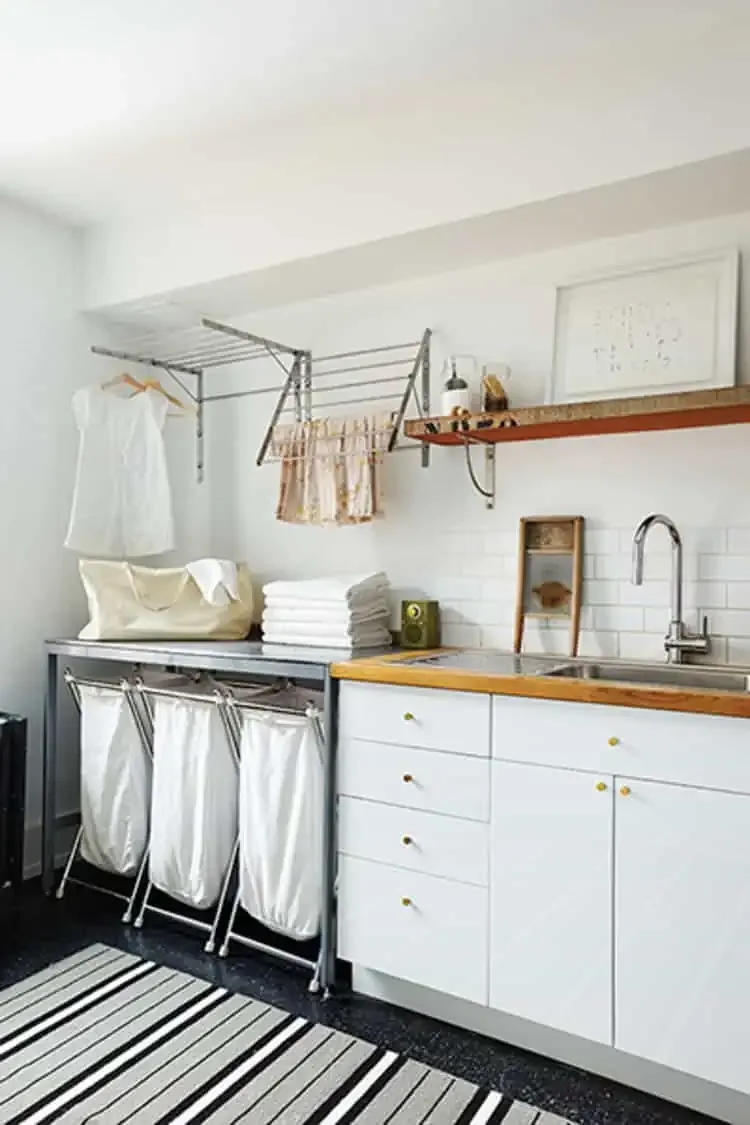
A small rack that folds down from the top of the closet lets you air‑dry delicate items. The rack is made of light‑weight metal and does not take up floor space when closed.
Install the rack with a few short screws into the upper wall. When you need it, pull the rack down and slide the clothes onto the bars. Fold it back up when you’re done.
The rack can only hold a few shirts at a time, so it’s not ideal for large loads. If you need more drying space, consider a separate rolling rack outside the closet.
11. LED Light Strip
A thin LED strip along the top interior brightens the closet, making it easier to find items. The soft white light adds a modern feel without harsh glare.
Choose a battery‑operated strip with a remote dimmer. Peel the backing and stick it to the upper edge of the closet. Turn it on when you open the door for instant light.
The batteries will need replacing every few months, adding a small maintenance task. If you prefer a wired option, you’ll need an electrician to add a plug.
12. Chalkboard Paint Section

A small square of chalkboard paint on the back wall becomes a place to write reminders. You can note laundry days, stain tips, or a quick to‑do list.
Apply a thin coat of chalkboard paint to a clean, dry patch. Let it dry for the recommended time, then use a soft chalk to write. Wipe clean with a damp cloth when you need to change the note.
Chalk can leave dust on clothes if you store them too close. Keep the chalkboard area away from the main storage zone.
13. Decorative Fabric Bins
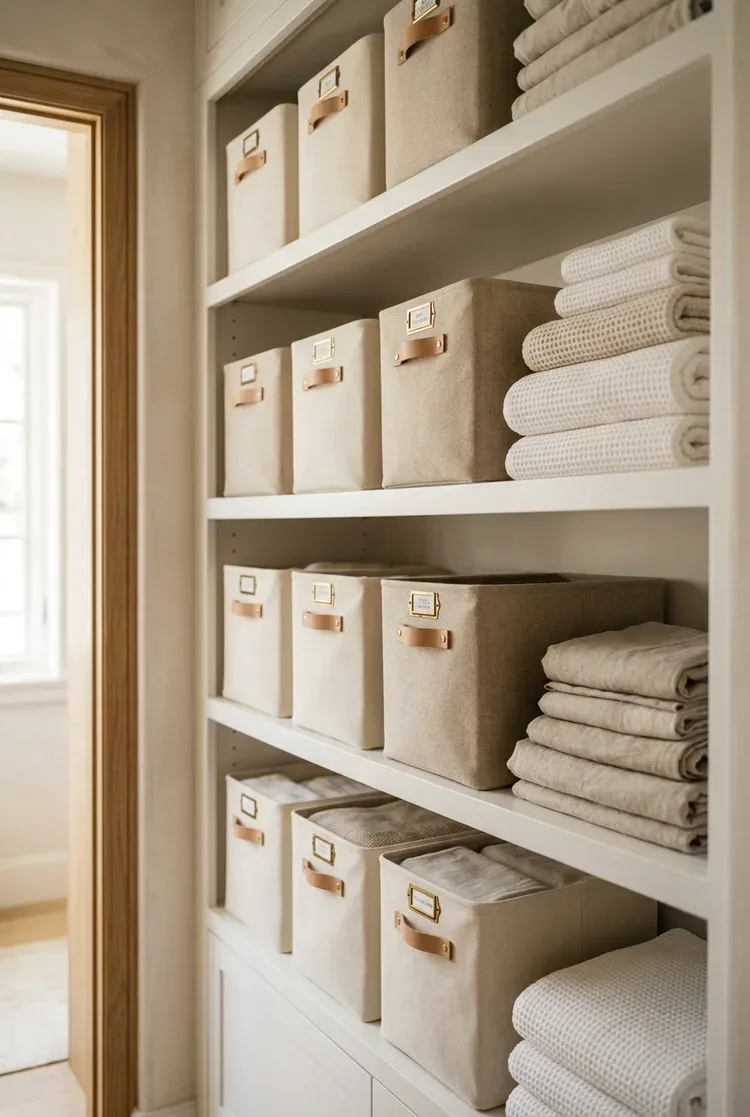
Soft fabric bins add texture and hide clutter while still being easy to pull out. Neutral tones like soft terracotta or warm greige blend with most décor.
Buy sturdy fabric bins with reinforced handles. Place one on the floor for socks, another on a shelf for small towels. The fabric folds when empty, saving space.
Fabric can soak up moisture, so avoid using these bins for damp items. If you live in a humid area, plastic bins may be a safer choice.
14. Reusable Laundry Bags
Canvas laundry bags keep dirty clothes organized and are easy to carry to the washer. The bags can be stacked on a shelf or hung on a rod.
Pick bags with sturdy handles and a drawstring closure. Store a few in the closet, each labeled for whites, colors, or delicates. When it’s time to wash, pull a bag out and head to the laundry room.
The bags can become heavy, so the handles may strain over time. Choose a bag with reinforced stitching if you often carry large loads.
15. Adjustable Shelf Brackets

Bracket shelves that can move up or down let you change the layout as your needs shift. The metal brackets are simple and sturdy.
Install the brackets on the side walls using short screws. Place a shelf board on the brackets and adjust the height to fit tall items like mop buckets or short items like spray bottles.
Moving the brackets often can leave small holes in the wall, which may be an issue for renters. If you need a no‑damage option, consider freestanding shelves.
16. Small Corner Shelf
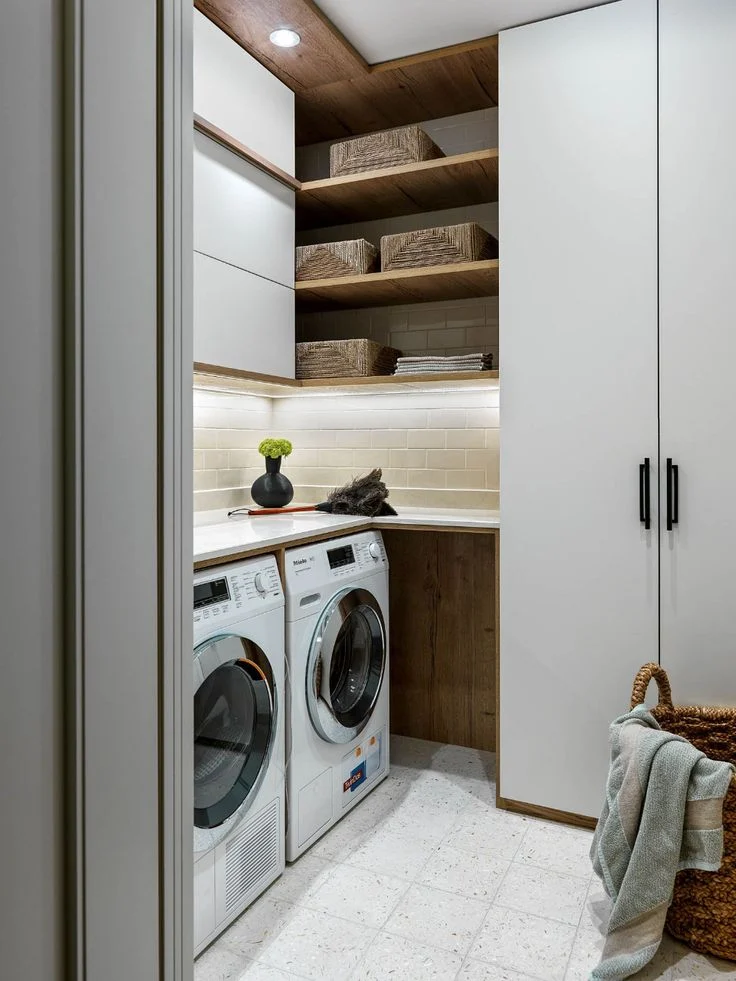
A corner shelf fits snugly into the back corner, turning wasted space into storage. It’s perfect for a few rolled towels or a decorative jar.
Buy a pre‑made corner unit that fits the closet depth. Secure it with short screws or adhesive pads if you cannot drill. Fill the shelf with items you use often.
The shelf can be shallow, so it won’t hold large containers. If you need deeper storage, a pull‑out drawer might work better.
17. Fabric Drawer Liners
Soft fabric liners line the bottom of drawers, protecting them from spills and adding a gentle feel. They also give a pop of colour without a big change.
Measure the drawer interior and cut a piece of cotton or linen to size. Place the liner inside, smoothing out wrinkles. The liner stays in place and can be washed if it gets dirty.
The liners may shift if the drawer is overloaded, so avoid packing too tightly. Heavy items may cause the liner to bunch up.
FAQ
How do I choose the right storage bins for a tiny laundry closet?
Pick bins that fit the depth and height of the closet without blocking the door. Clear bins let you see the contents, while fabric bins hide mess but need to stay dry.
Can I install shelves without drilling holes?
Yes, tension rods, adhesive strips, and freestanding units work well in rentals. They hold light to medium weight items but may not support heavy detergent bottles.
What is the best way to keep the closet smelling fresh?
Place a small sachet of dried lavender or a few drops of essential oil on a shelf. Keep the door open a little after each wash to let air circulate.
Is LED lighting safe for a small closet?
Battery‑operated LED strips are safe and easy to install. Just follow the manufacturer’s instructions and replace batteries when they dim.
How can I keep laundry items from sliding off shelves?
Use non‑slip shelf liners or add a thin rubber mat under containers. This adds grip without changing the look of the closet.


Leave a Reply